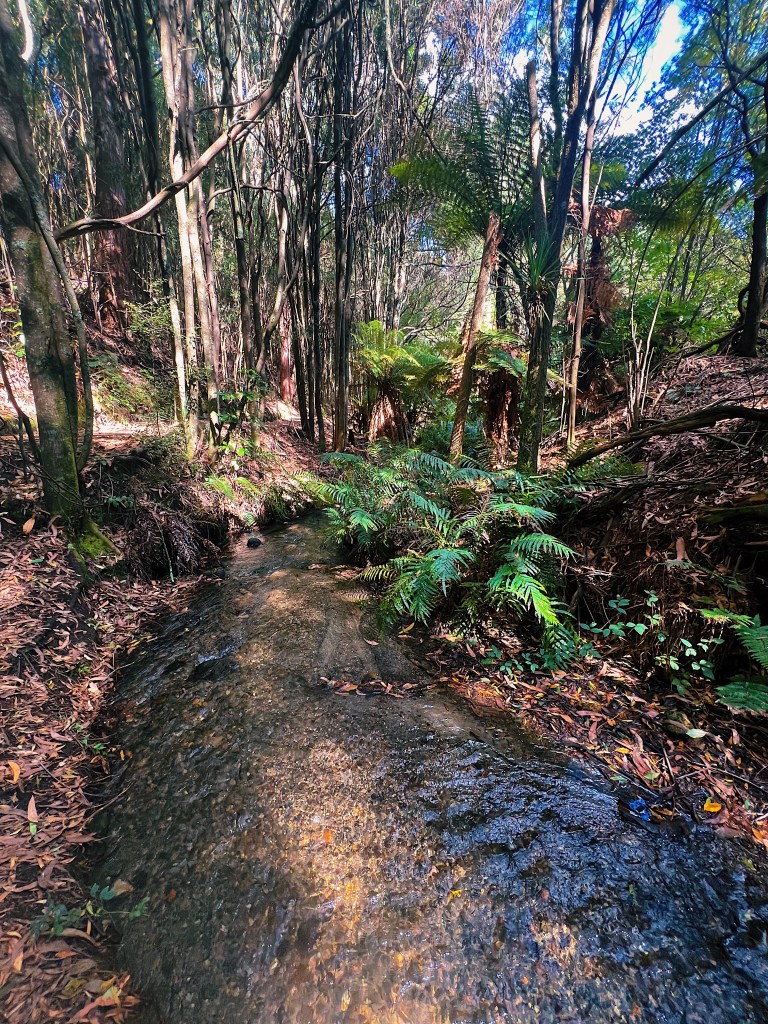
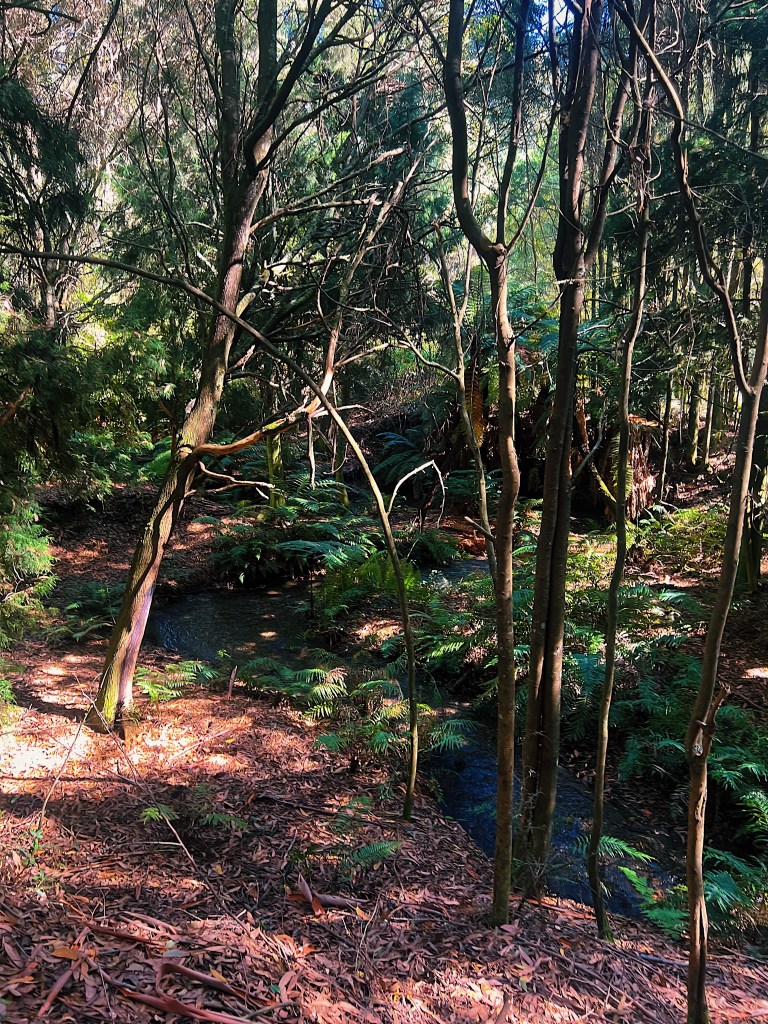
New Zealand’s biggest lake, Taupo, is in the center of New Zealand’s North Island. We thought it would make an ideal midway spot to meet up for a weekend with good friends, Marcus and Vasu, who live in Wellington. We had a great couple of days hanging with them and their dog, Piku. We spent a beautiful day at Kinloch, which sits on the edge of the lake. We started out doing a walk along the Whangamata stream. It was very beautiful and extra interesting because it turns out that the stream is an ideal spot for Brown and Rainbow trout to spawn. Although they are well camouflaged, we were able to spot a few gently swimming against the current and staying in one spot at the edge of the narrow stream making shallow depressions in the gravel to lay and fertilize their eggs. Here are some photos from the walk.
If you look carefully you may be able to make out the well hidden trout in these photos.
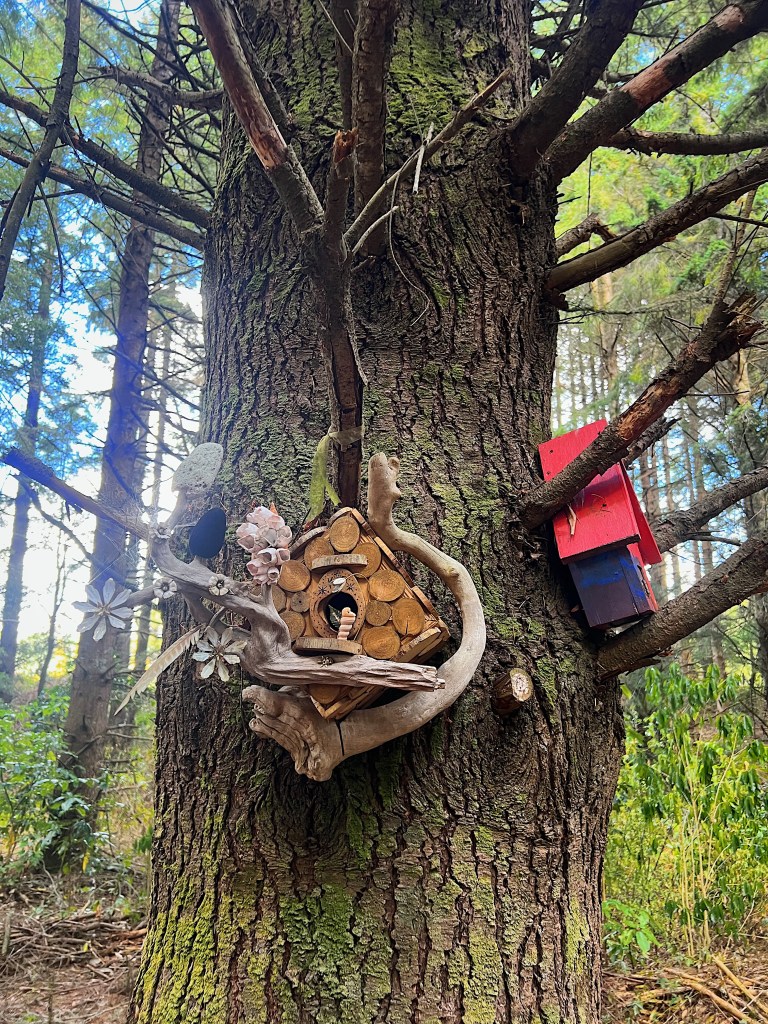
We came across this grove full of whimsical bird houses.
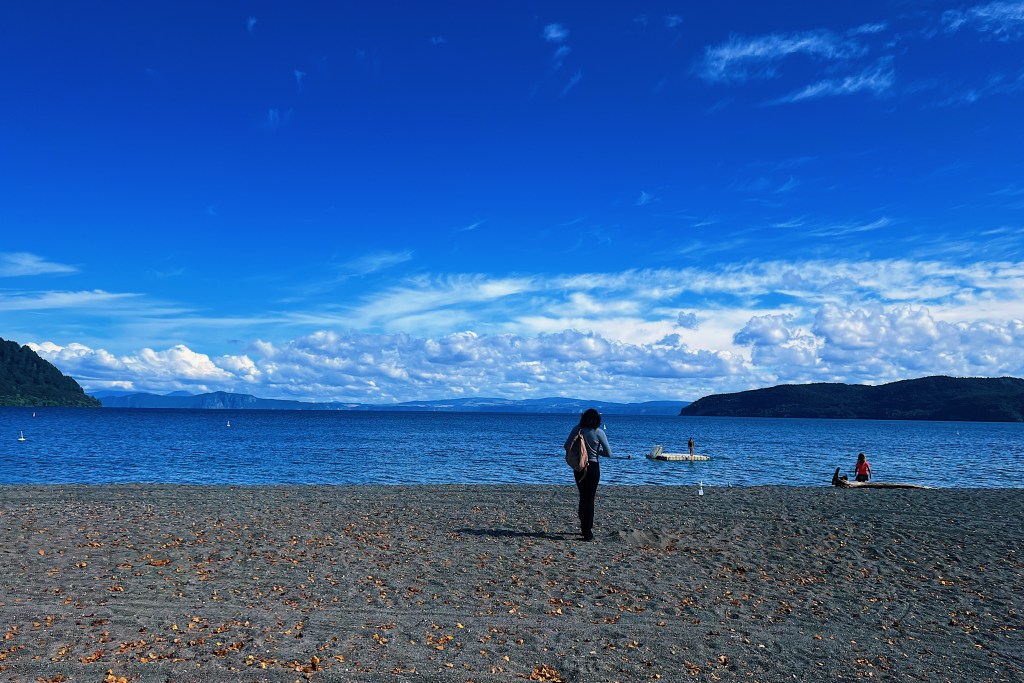
Afterwards we headed down to the nearby beach for a swim.
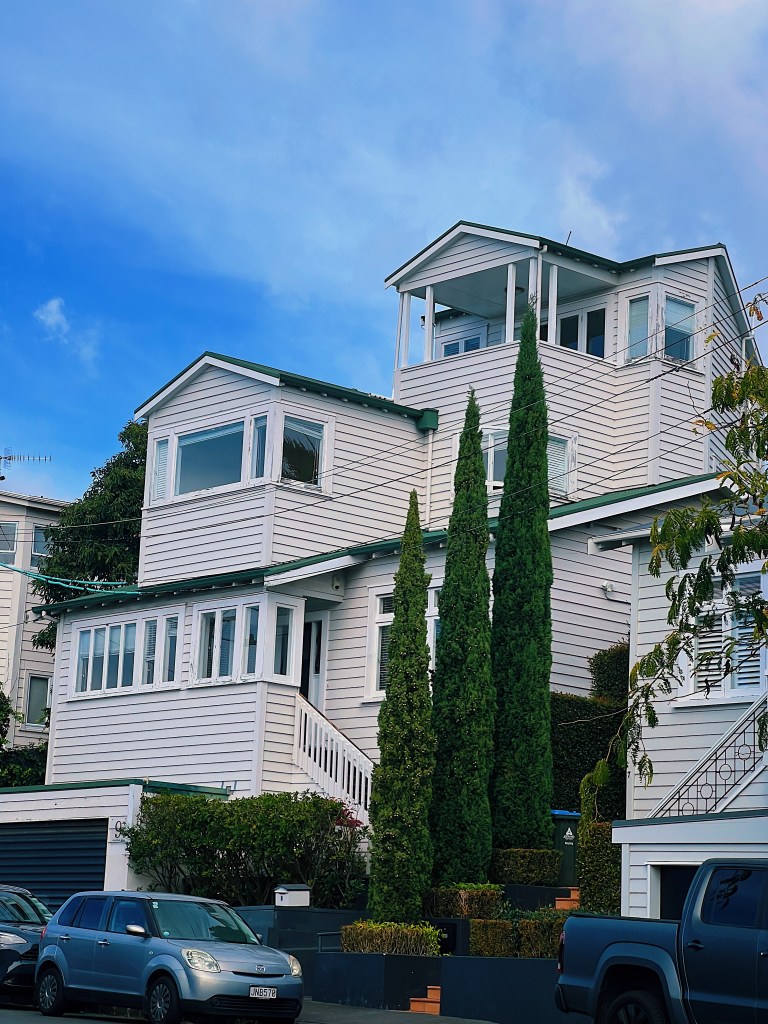
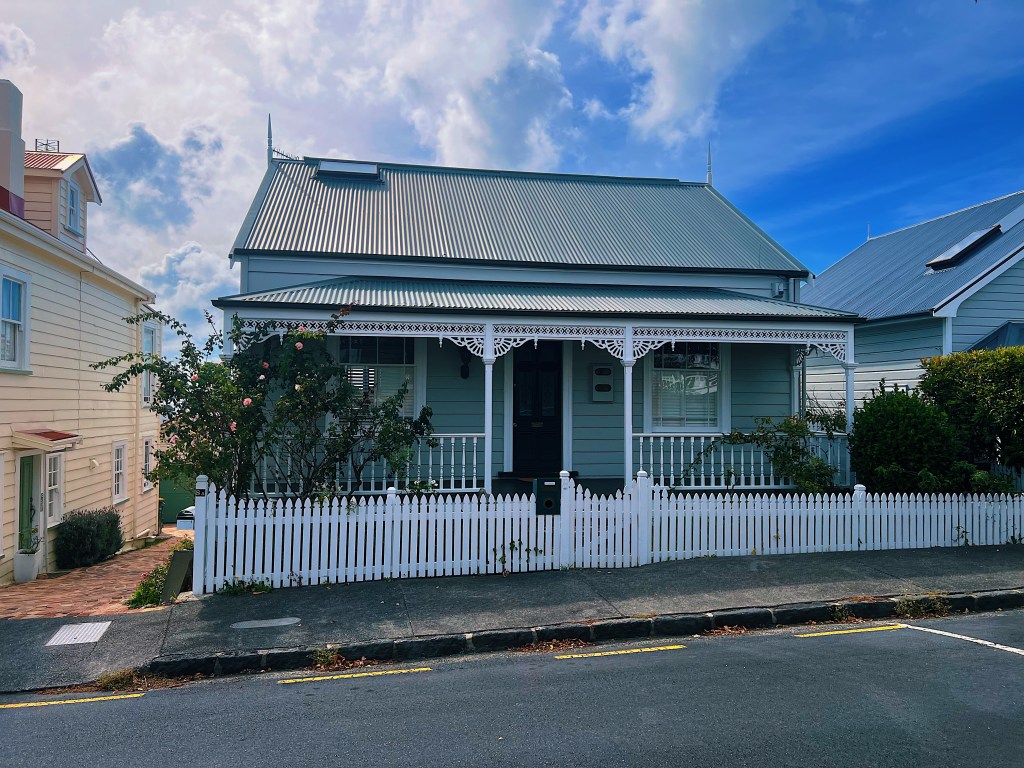
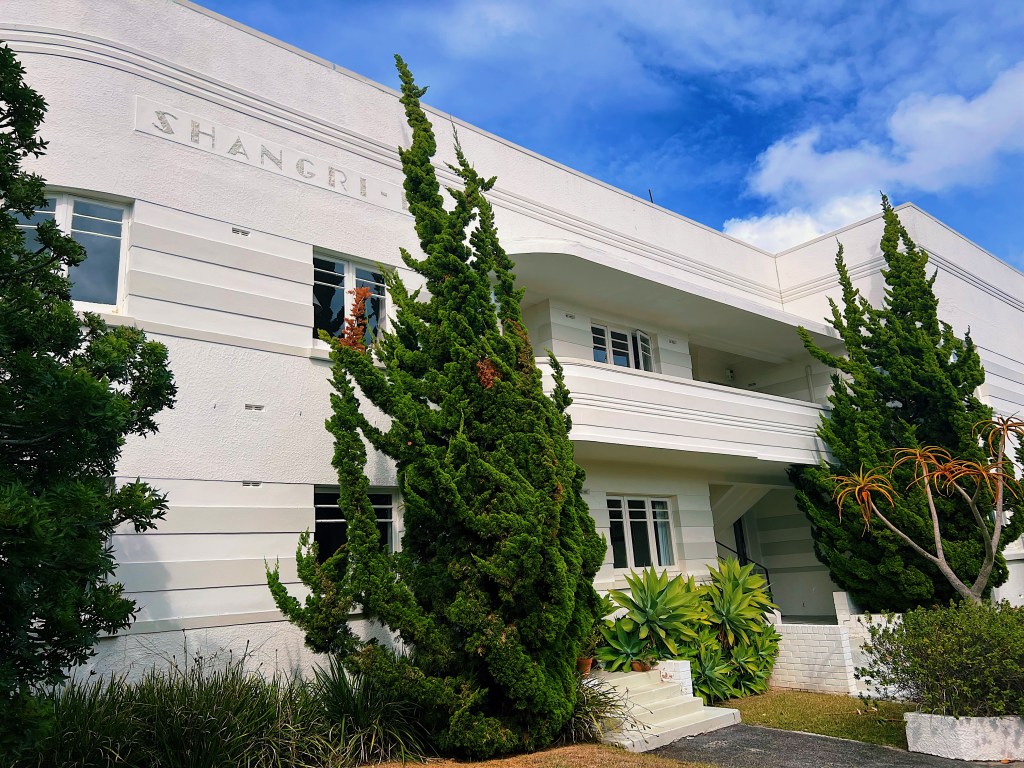
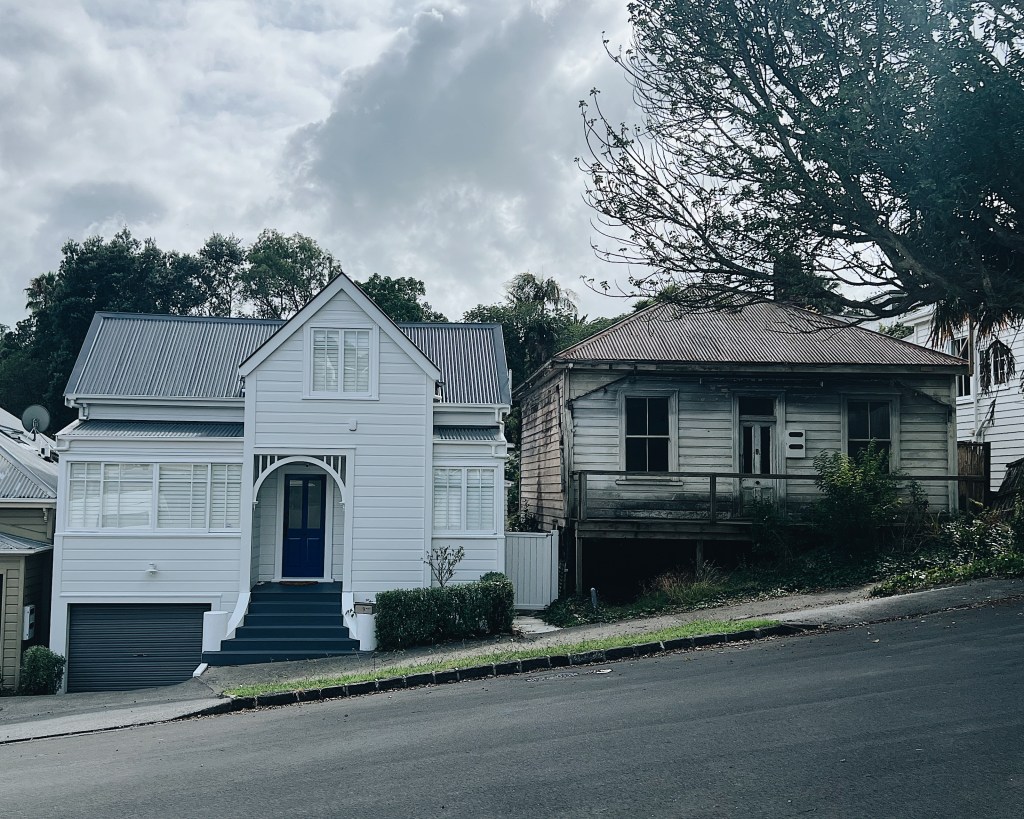
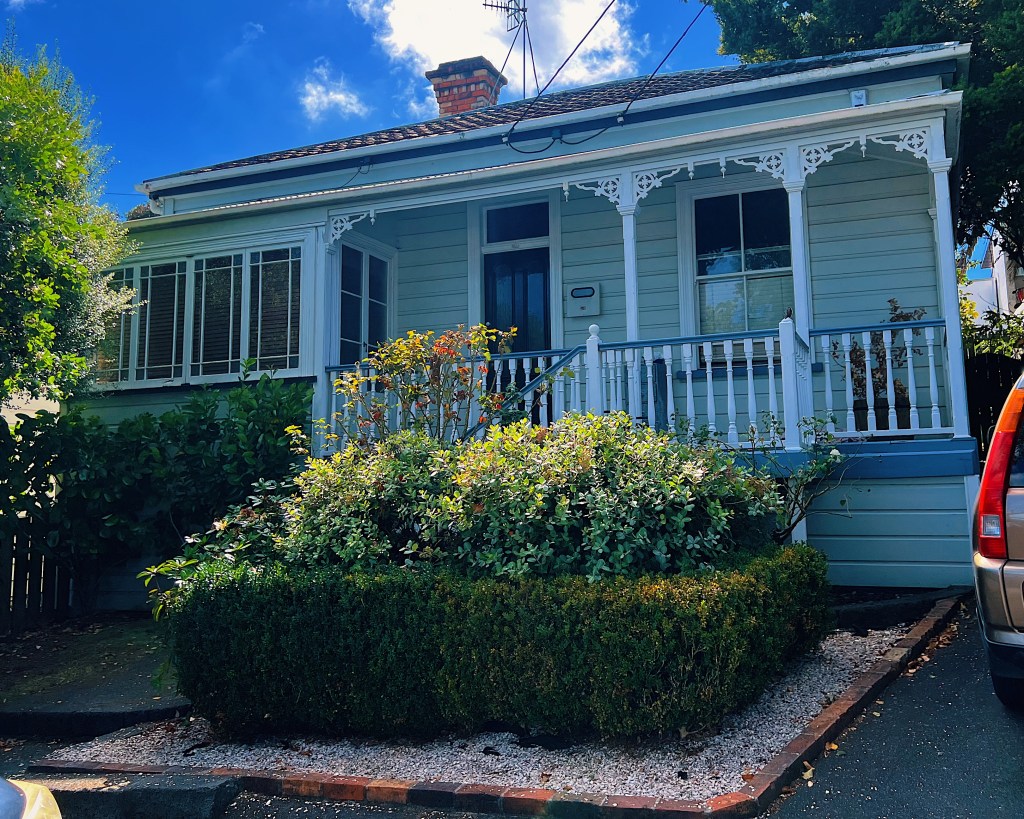
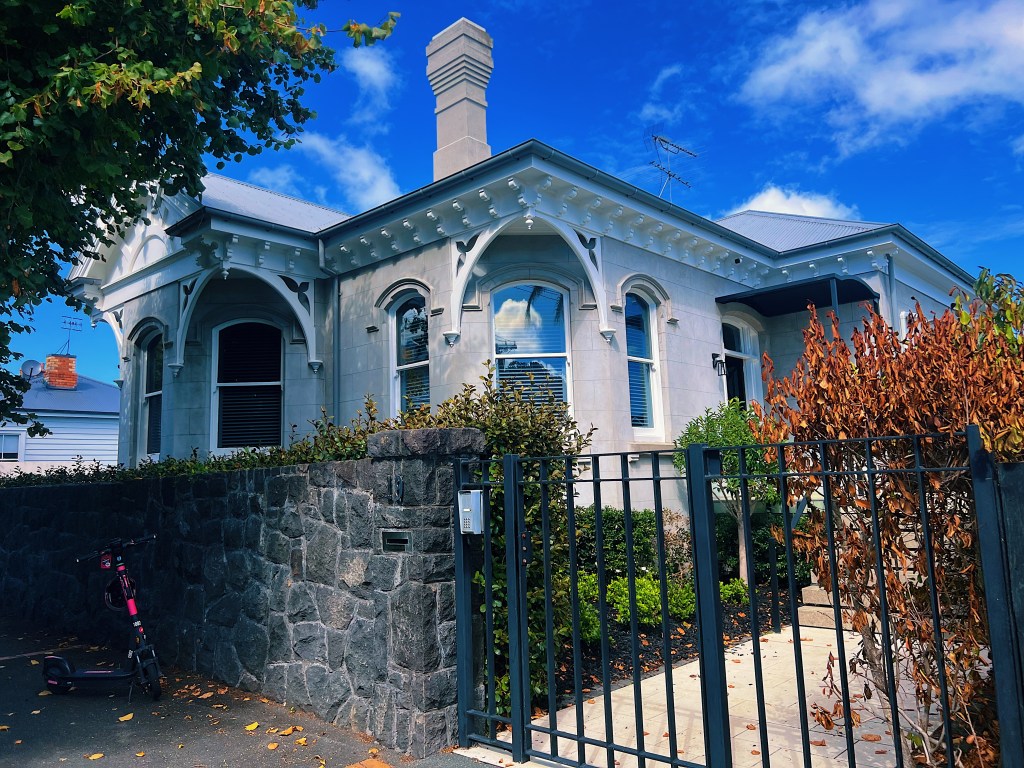
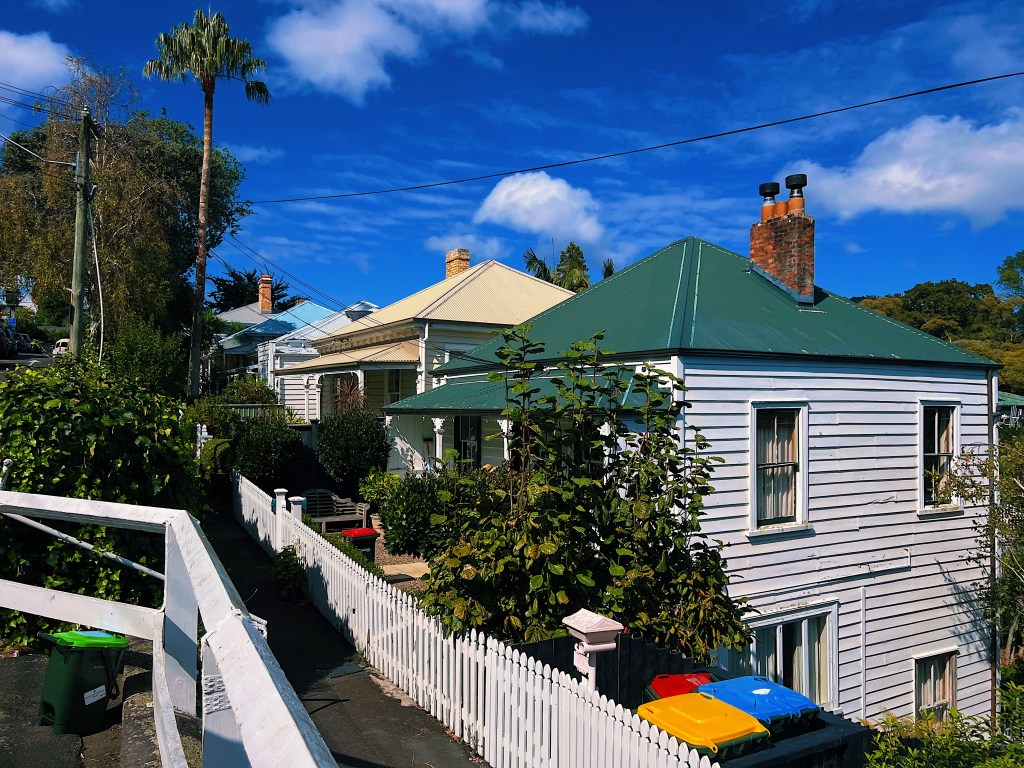
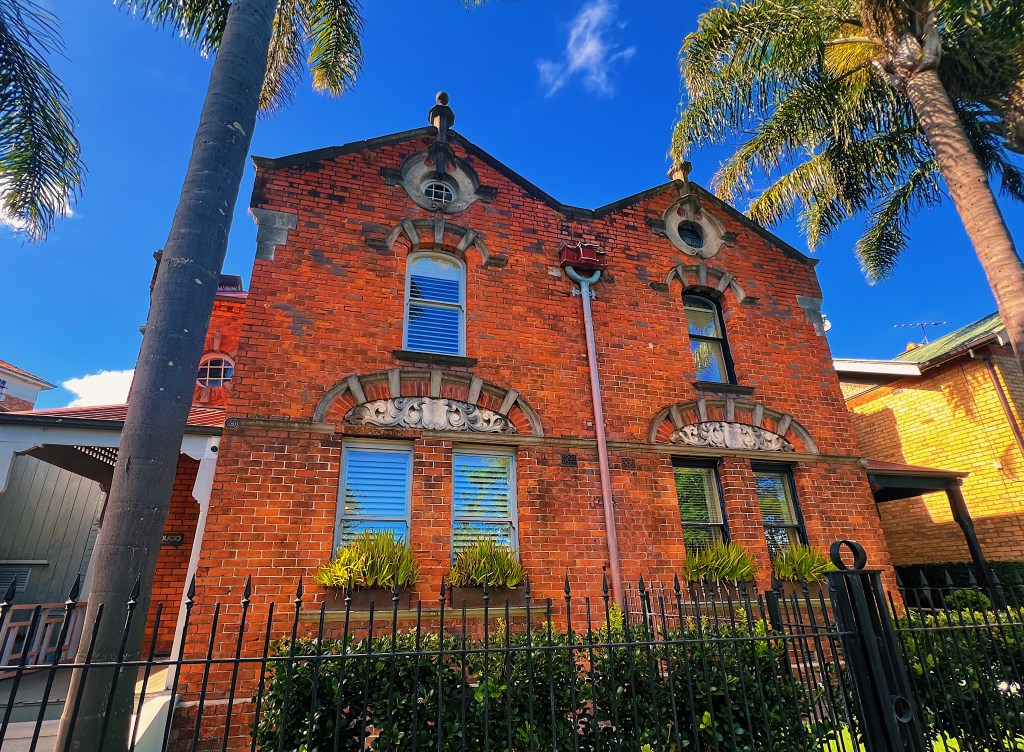
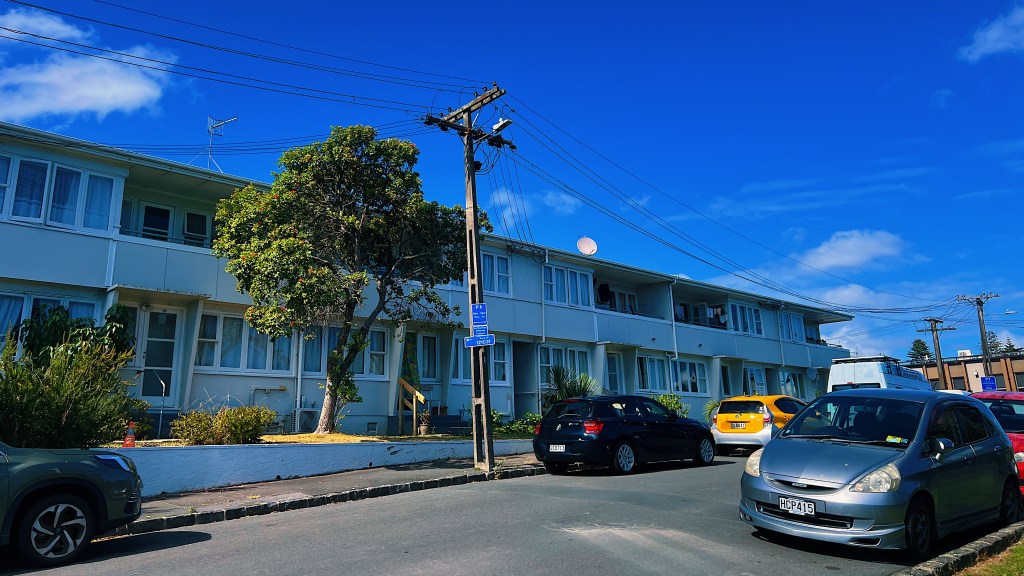
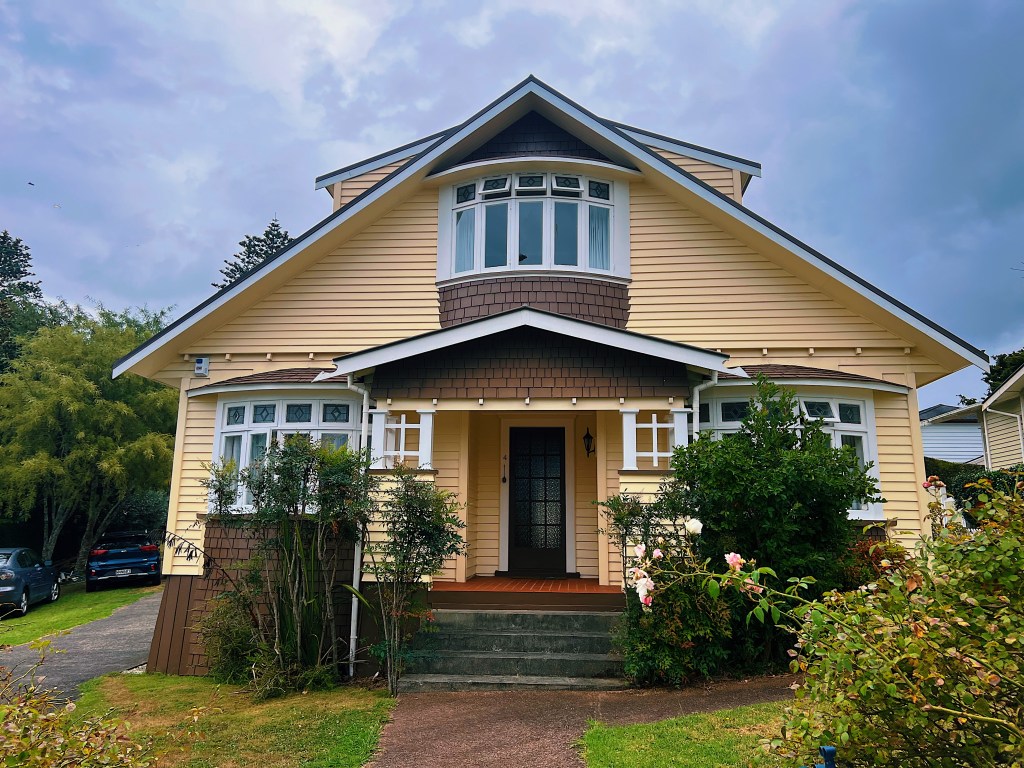
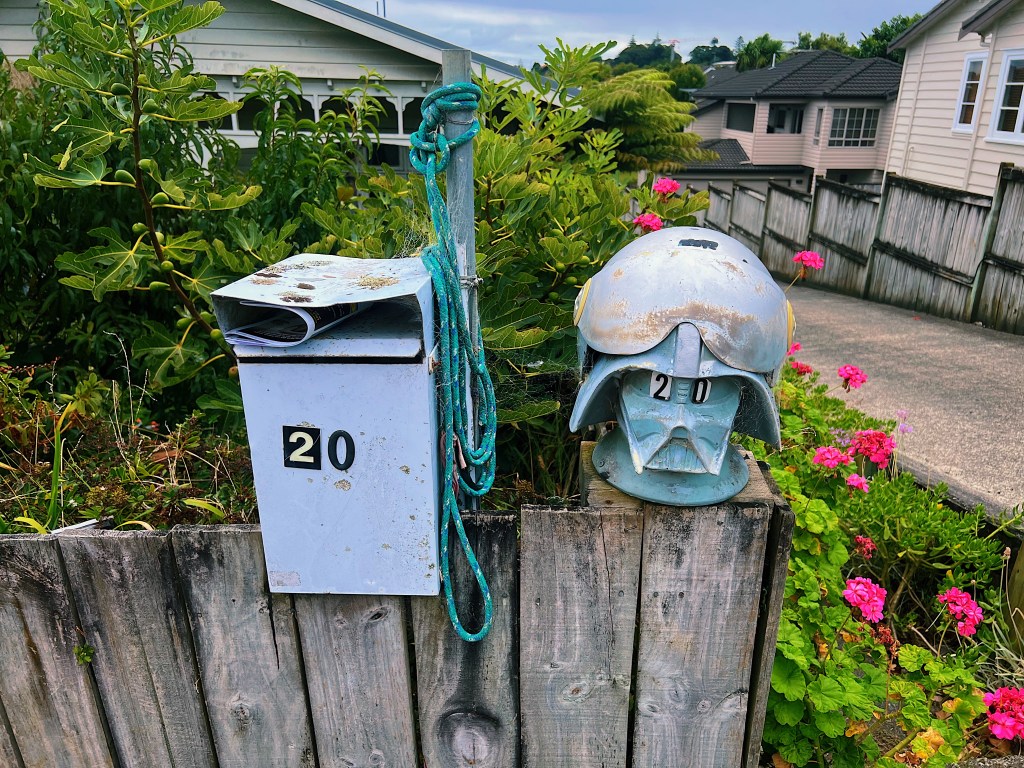
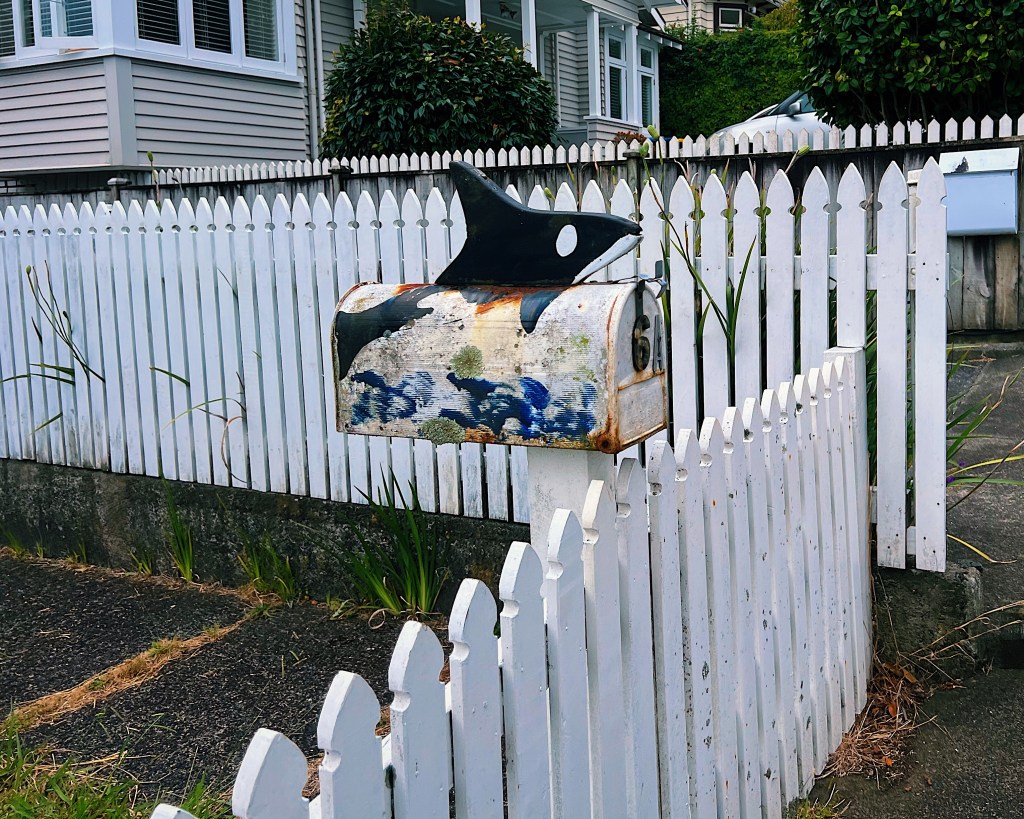
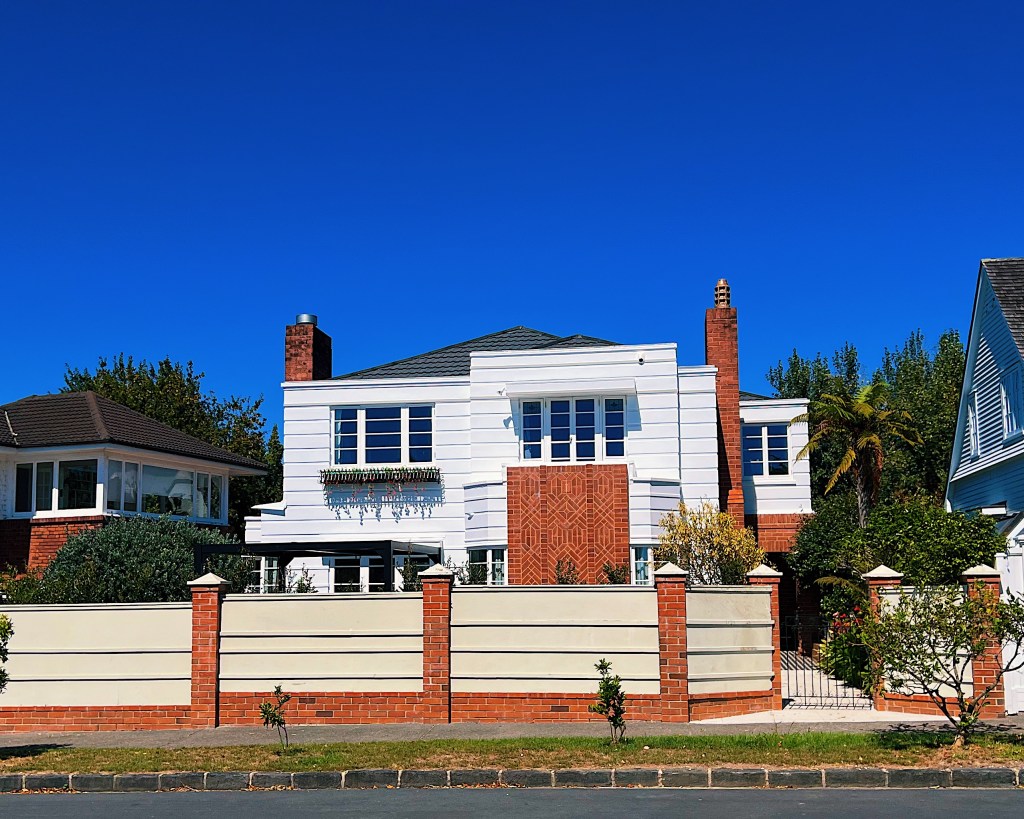
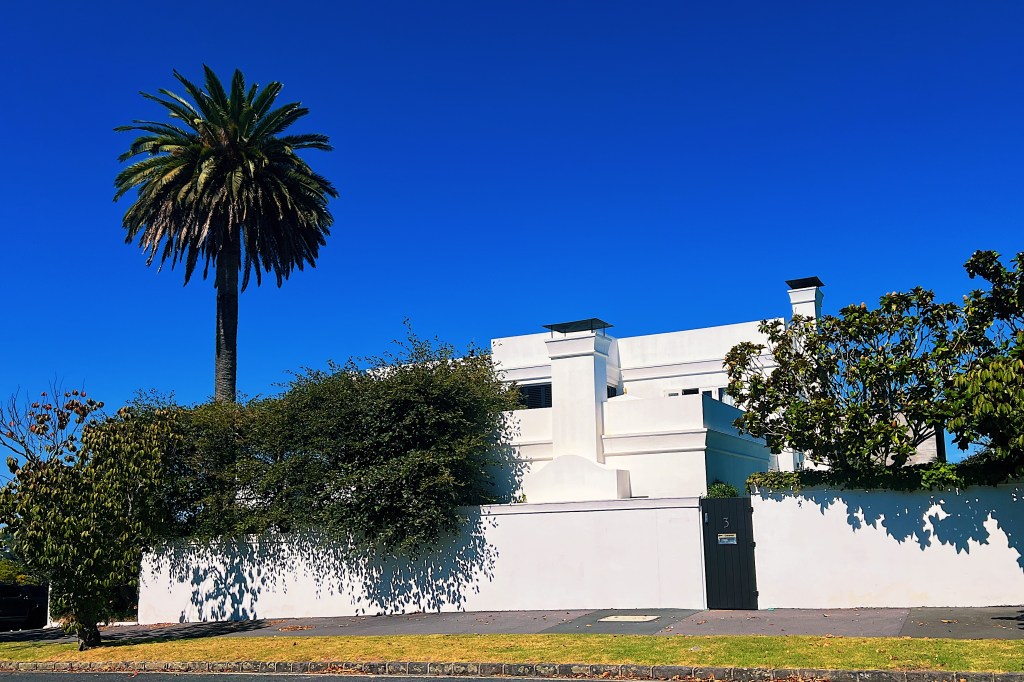
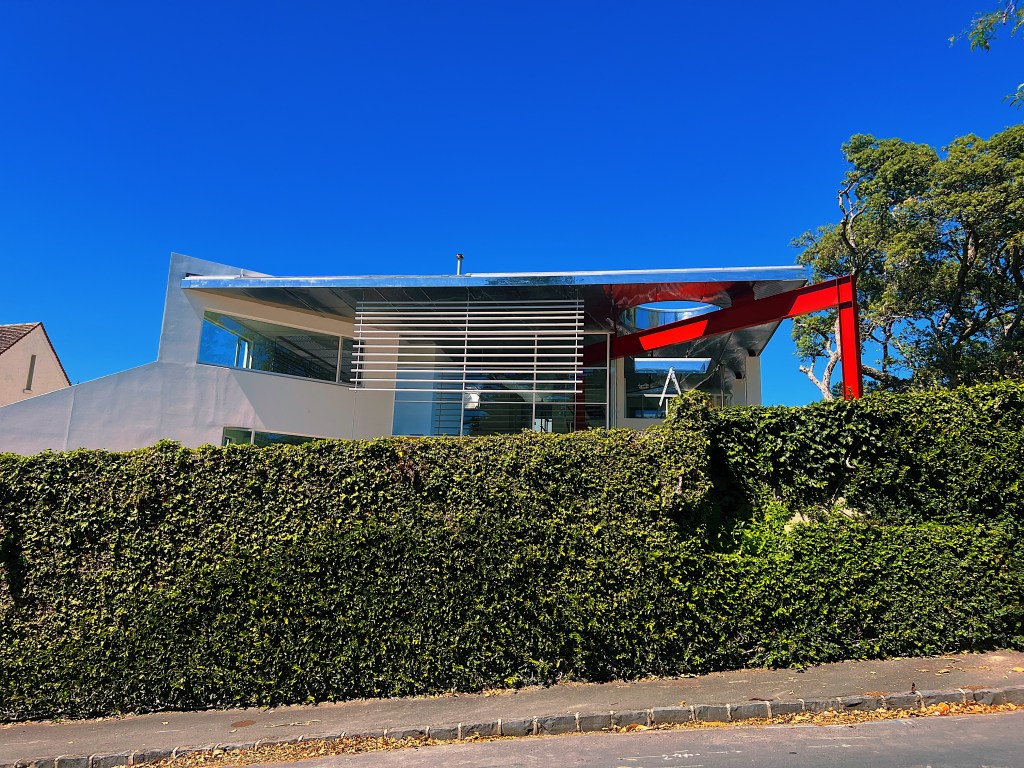
Another day walking around Parnell, passing the usual mix or houses, apartments and light commercial buildings.
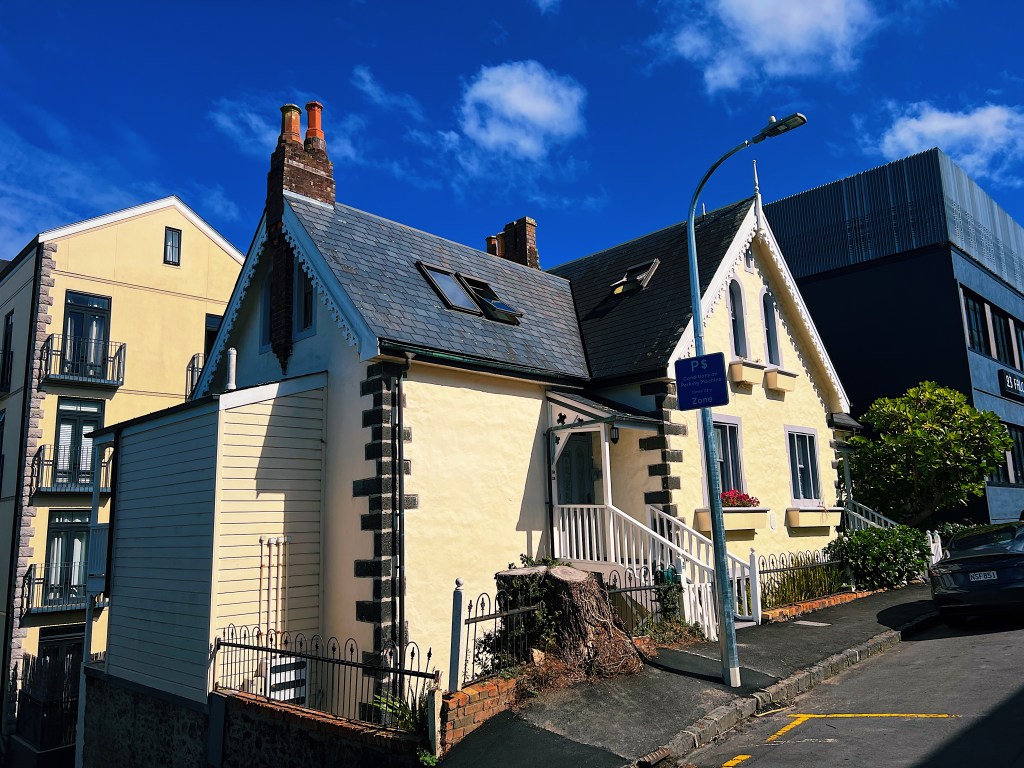
Washington DC readers will find the colors of this house rather familiar. All hail the Commanders!
Owners of one of these houses might want to ask their neighbor for the name of their painter.
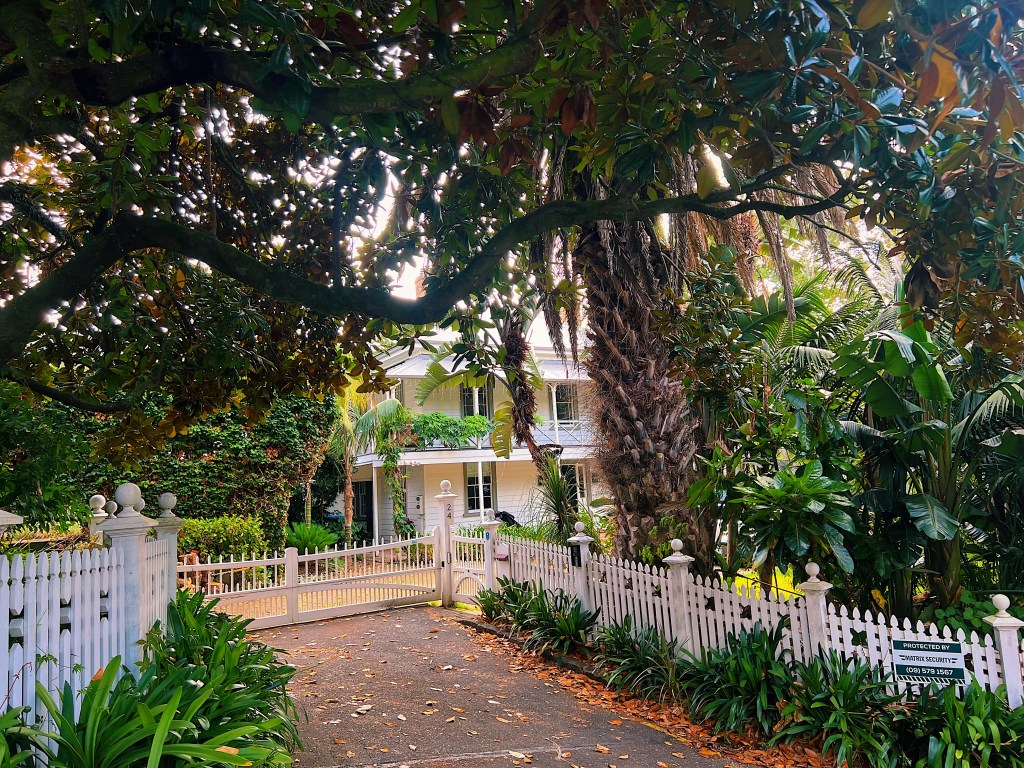
This house looked like it belonged in the tropics rather than downtown Auckland.
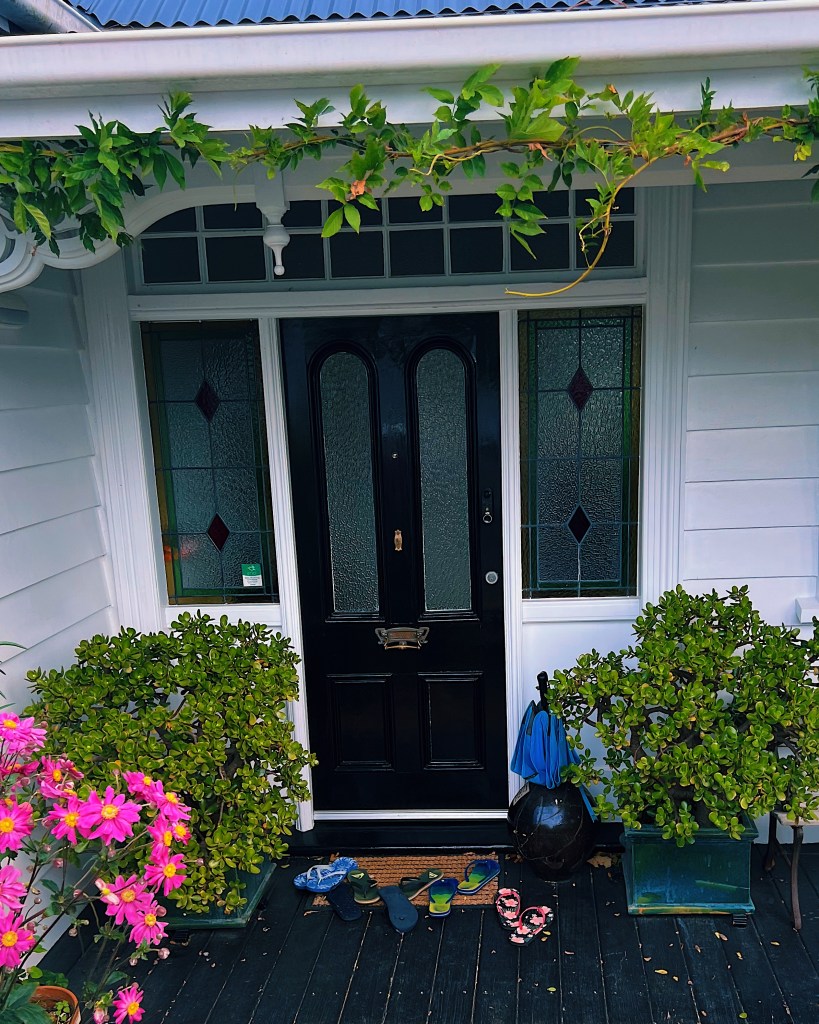
We liked this house’s colorful selection of New Zealand’s national footwear, the jandal (flip flop in America).
Scattered throughout Auckland are little shopping centers like this one. They typically have one of more of the following, a pharmacy (small independent drug store), a fruit and vegetable grocer, a dairy (small shop selling assortment of everyday staples like milk, eggs, newspapers, bread, etc.), a butcher, a fish and chip store, and a cafe. This one had all of the above.
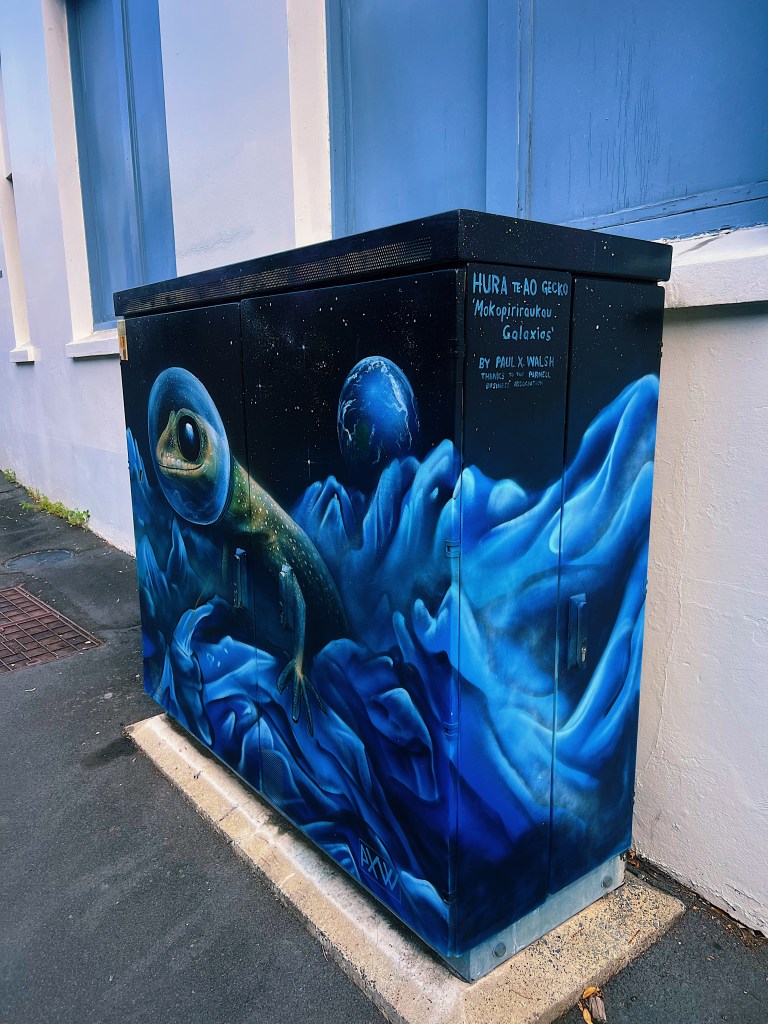
We continue to admire the beautifully painted electrical boxes in the neighborhood.
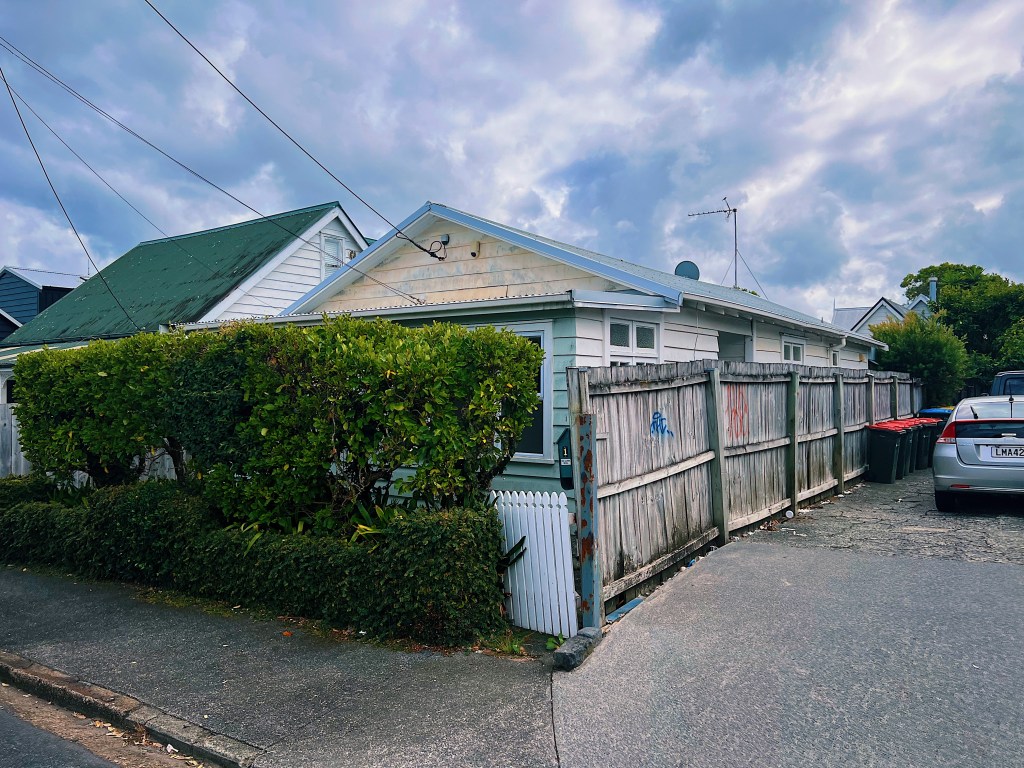
We passed by a house where Mal lived for a short while in the early eighties. It was abandoned and looked like it was about to be demolished, or at least renovated. To be honest it looked pretty much as it did when Mal lived there.
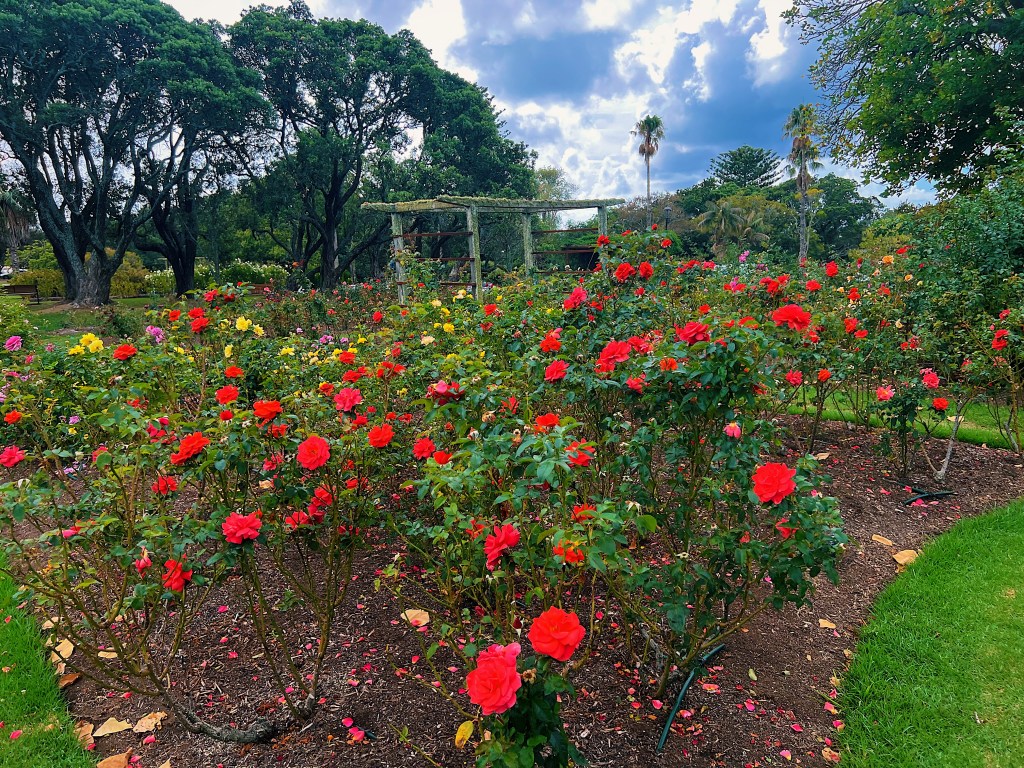
We ended up at the Parnell Rose Garden, in Dove Myer Robinson Park, named after a beloved Auckland mayor who spent almost 18 years in office from 1959 to 1980. He is one of several Jewish mayors of Auckland, although he was a life long atheist. He was also a rationalist, environmentalist and alternative medicine advocate. In his younger years he rode motorcycles and in 1936 held the World 500cc Speedway title. He also somehow found time to marry four times and have six children.
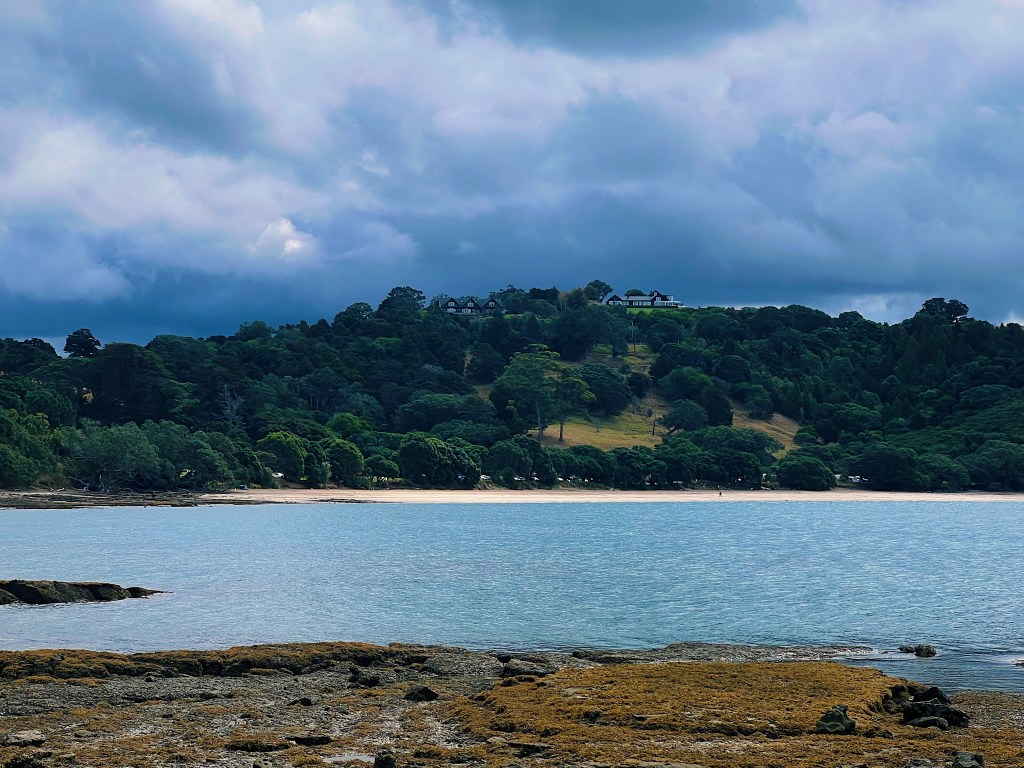
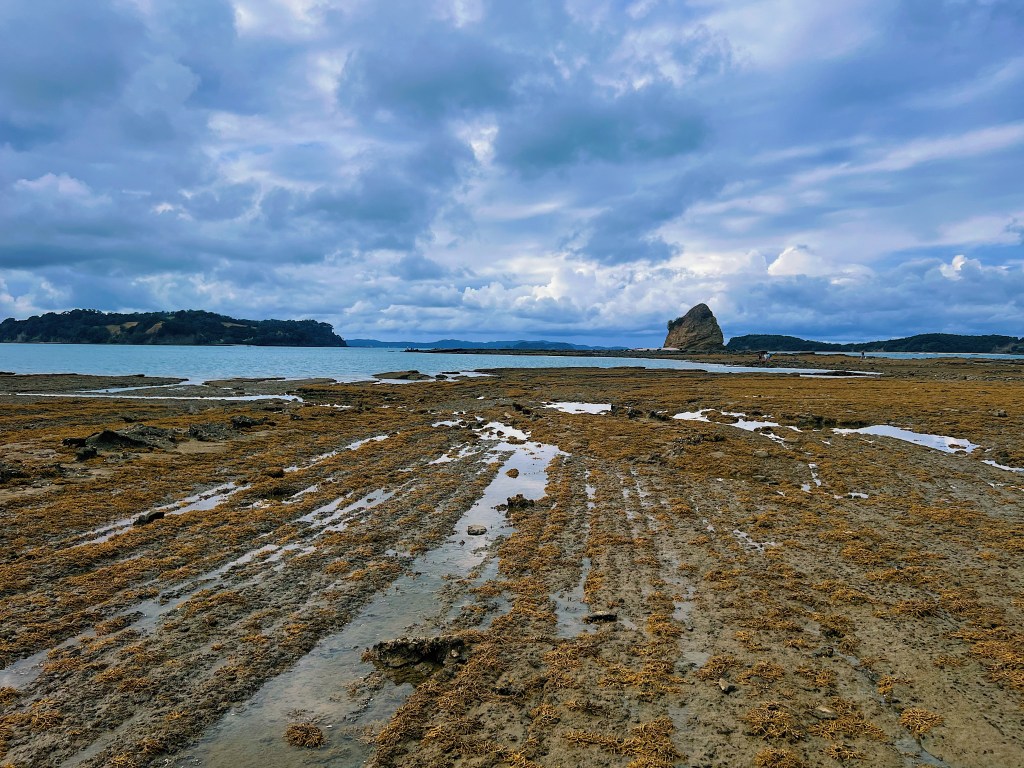
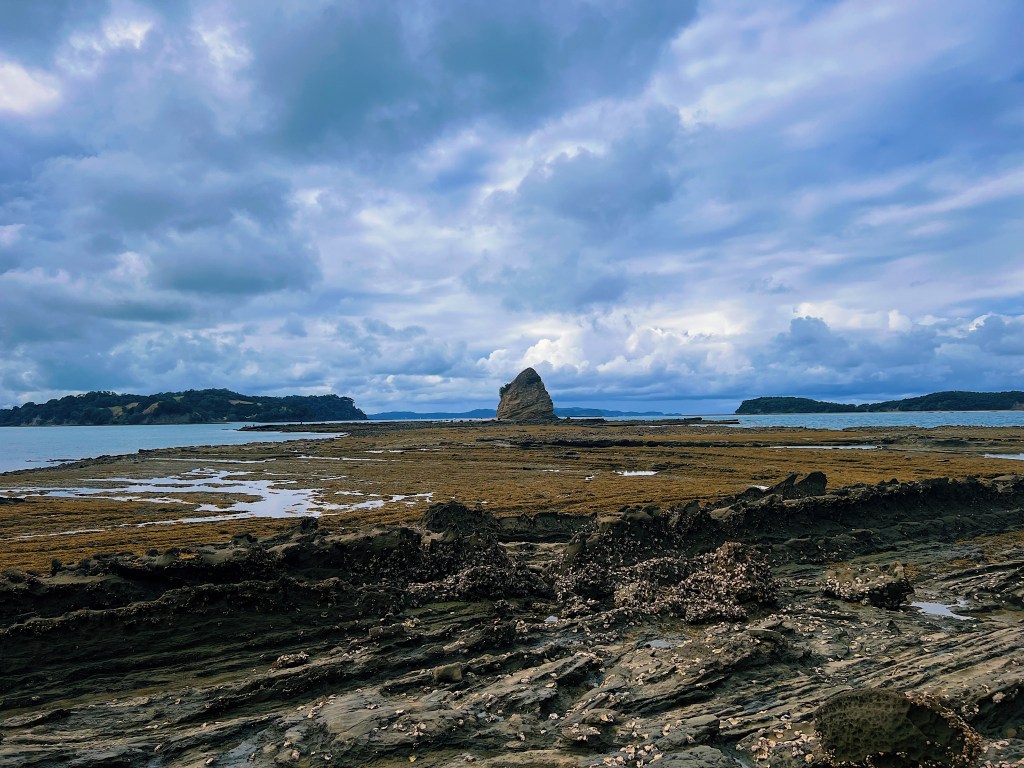
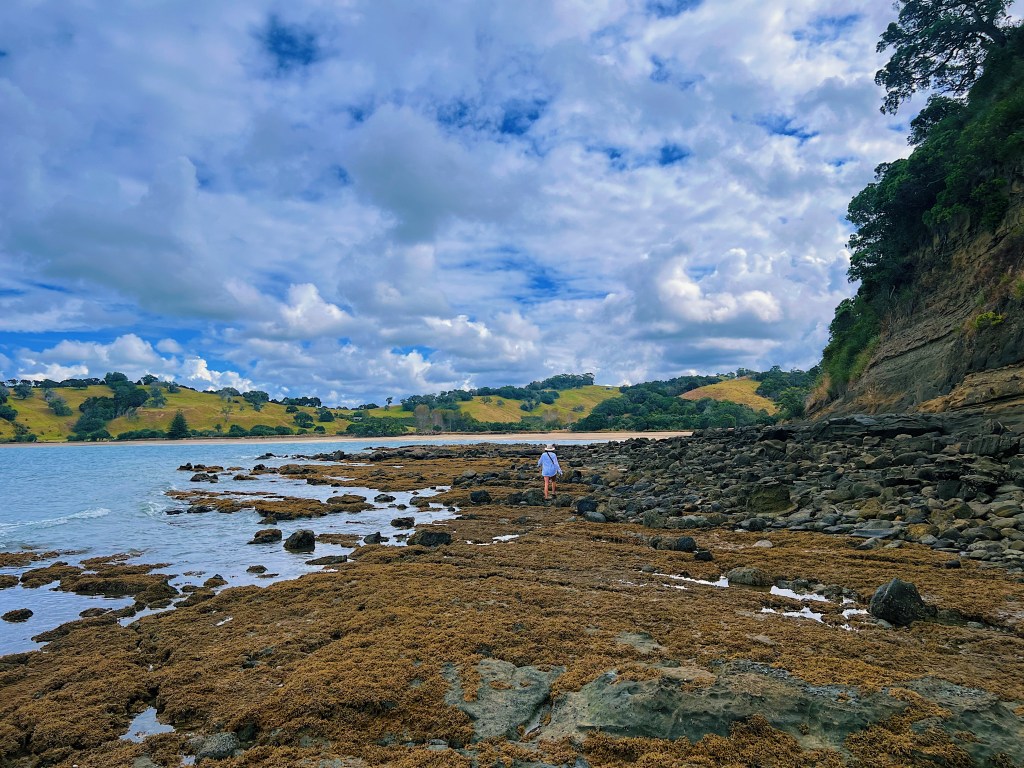
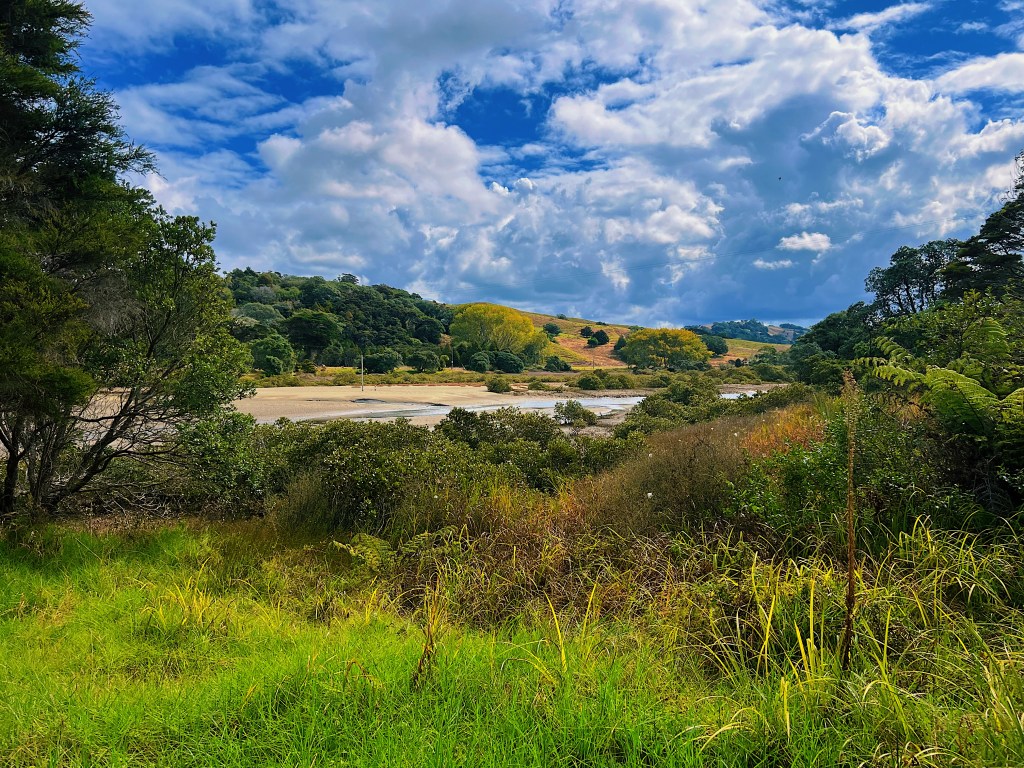
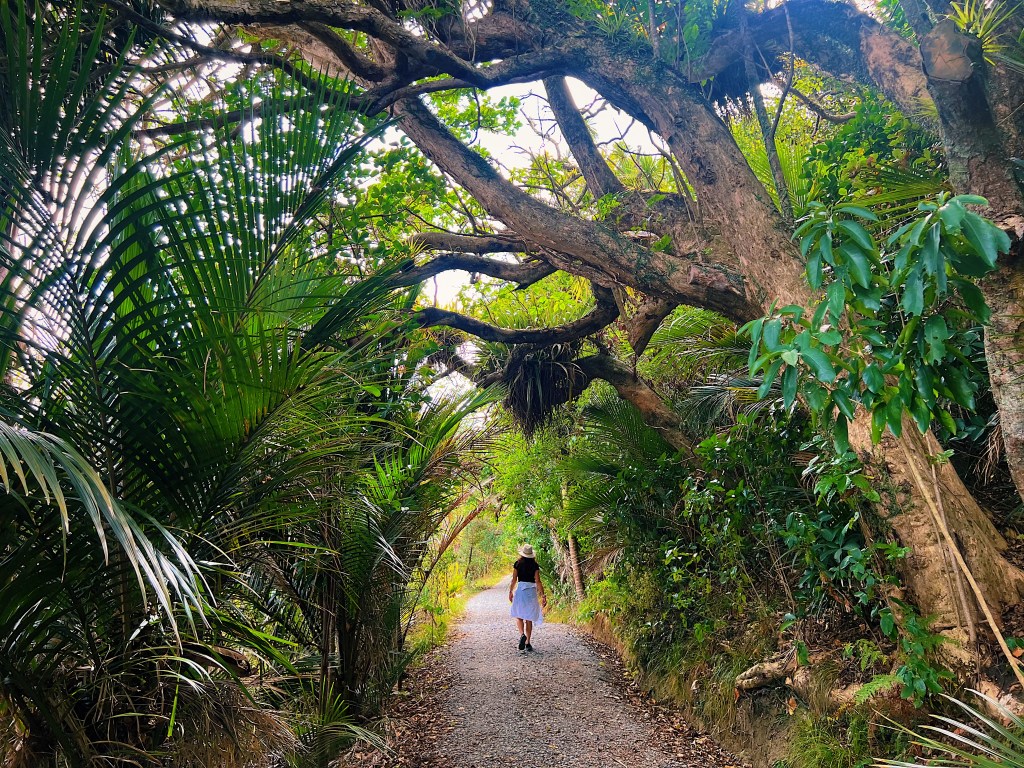
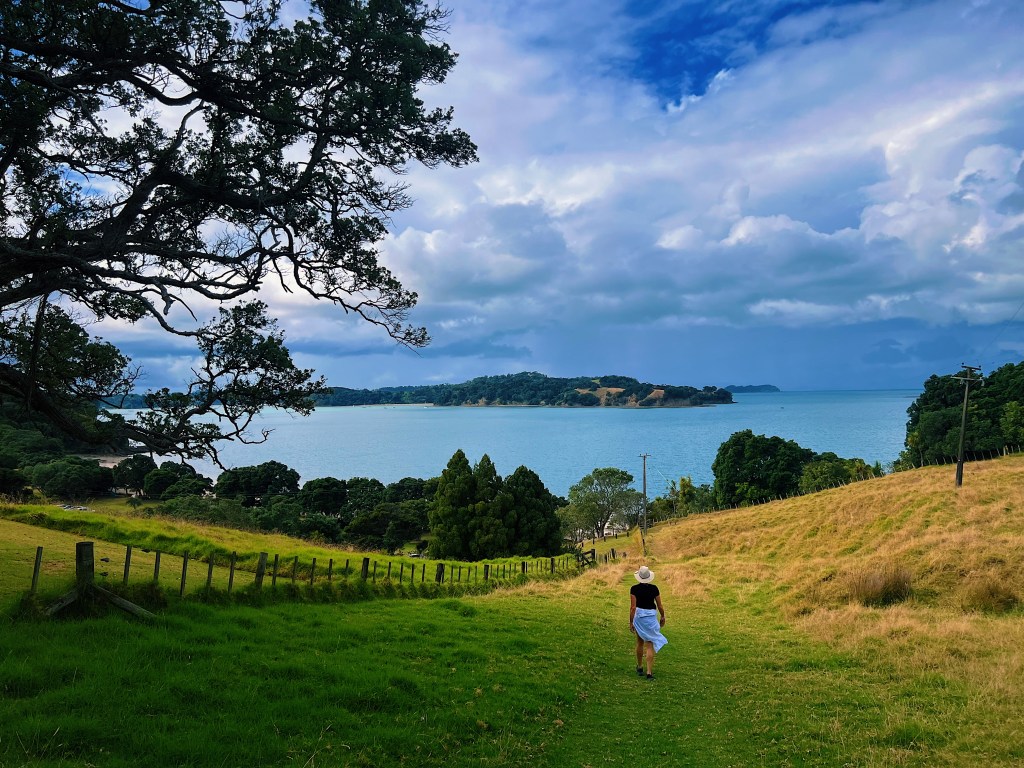
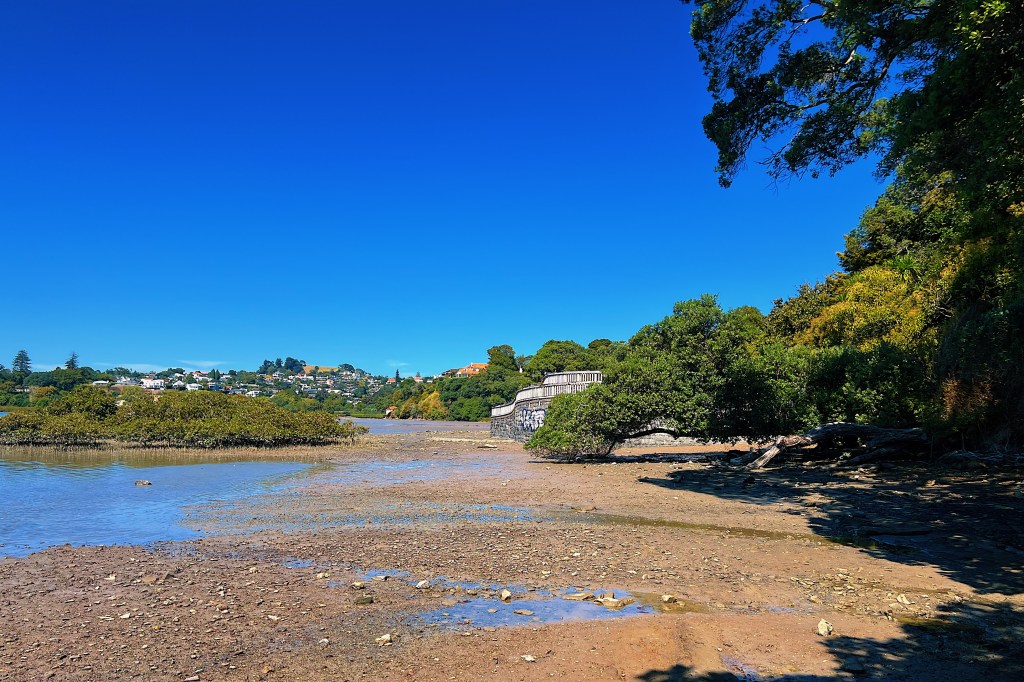
Last weekend we visited Scott’s Landing in Mahurangi. This week we crossed the bay and visited the Regional Park in Mahurangi West. The tide was out so we were able to follow the coastline around the point before returning over the headland and through the park.
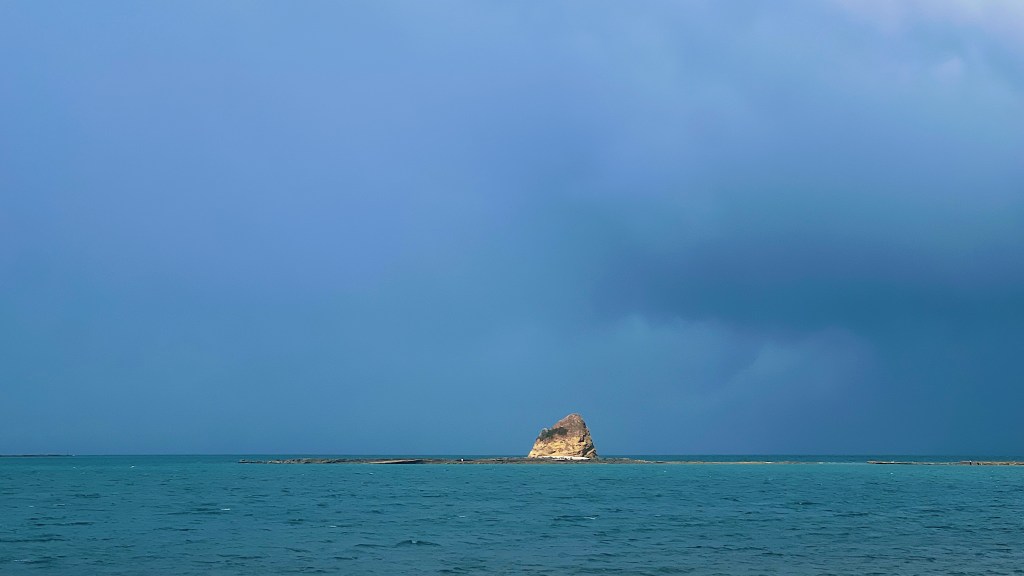
With a rain storm blowing in from the ocean we decided to head back toward Auckland, but caught this rainbow as we were leaving.
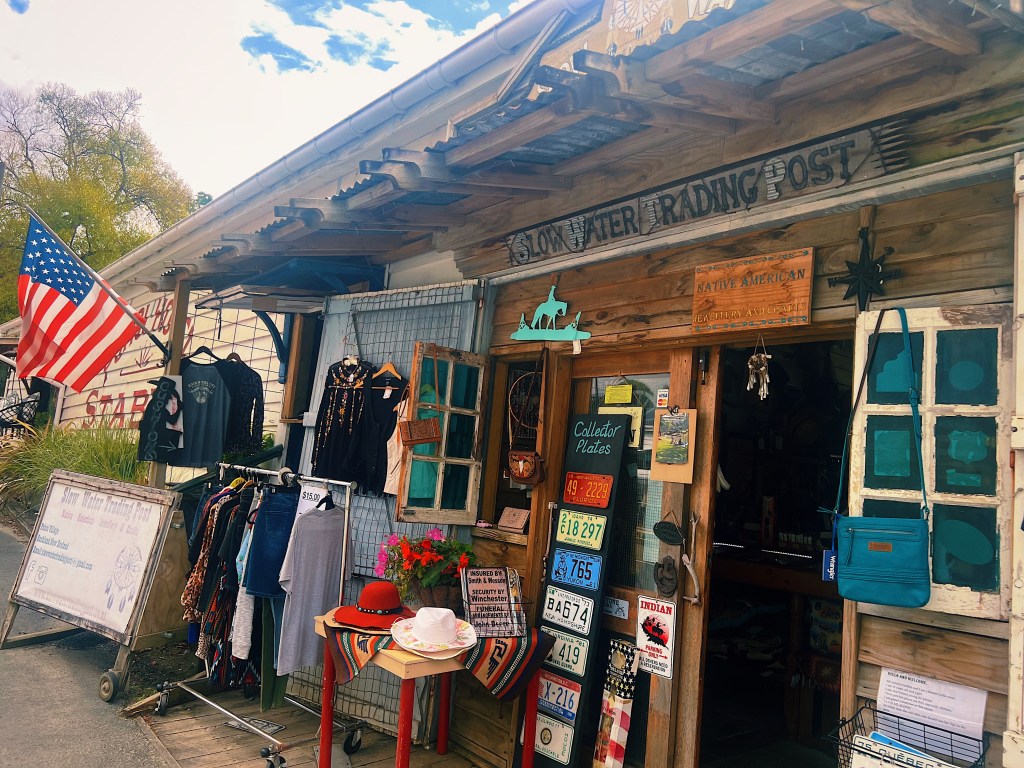
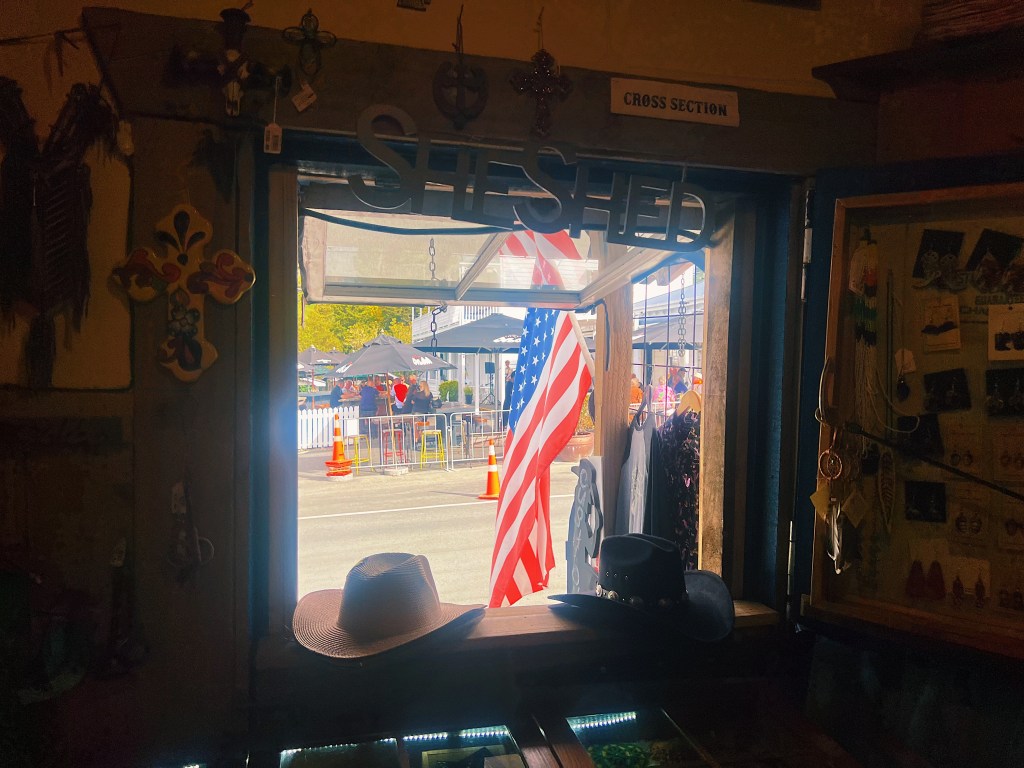
We decided to stop off at the historic village of Puhoi on the way back. European settlement began in Puhoi in 1863 by a group of German-speaking migrants from Bohemia in what is now the Czech Republic. Today, with its General Store and Trading Post you would more easily think that you were in the United States than Bohemia.
The village has a very cute little library.
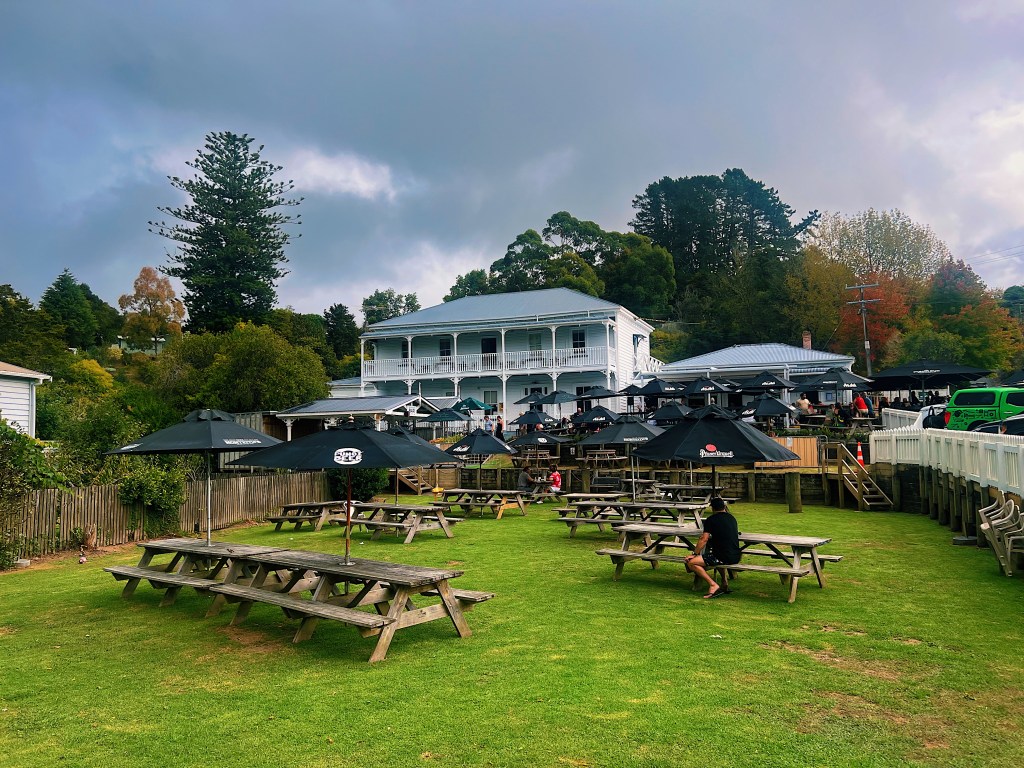
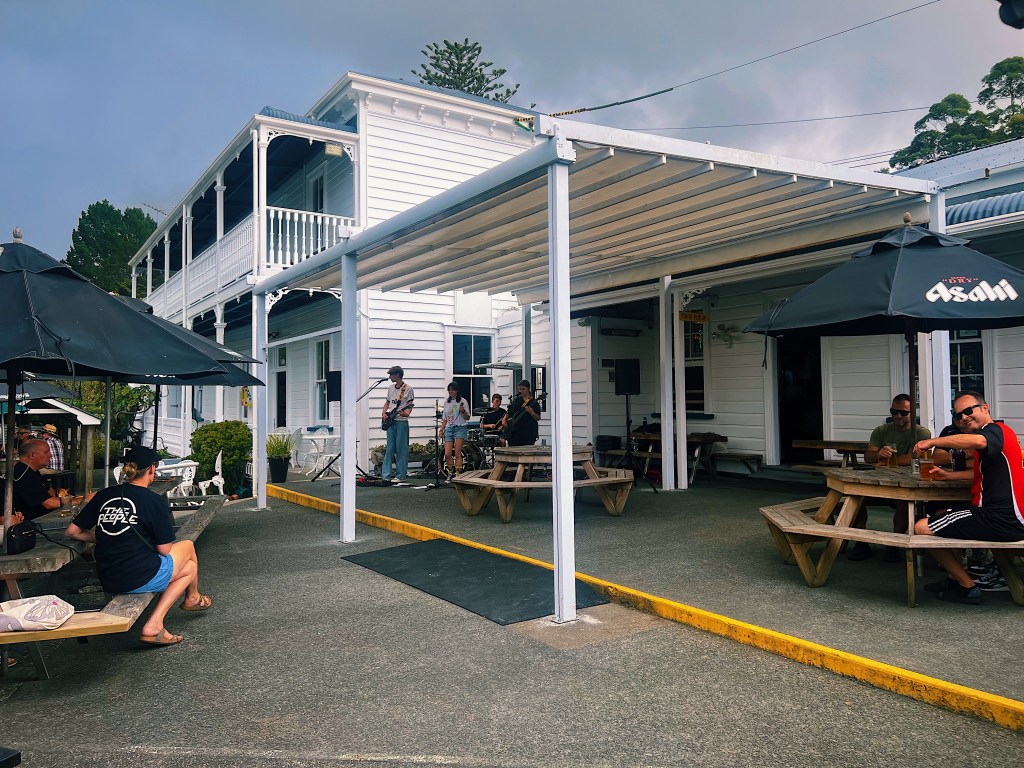
But, undoubtedly, the village’s main attraction is its pub, which has been serving patrons for almost 150 years.
A teenage band was entertaining the guests with covers from the eighties and nineties.
Unfortunately, the storm that had driven us out of Mahurangi caught up to us in Puhoi, bringing a quick end to the performance and driving the band and guests indoors.
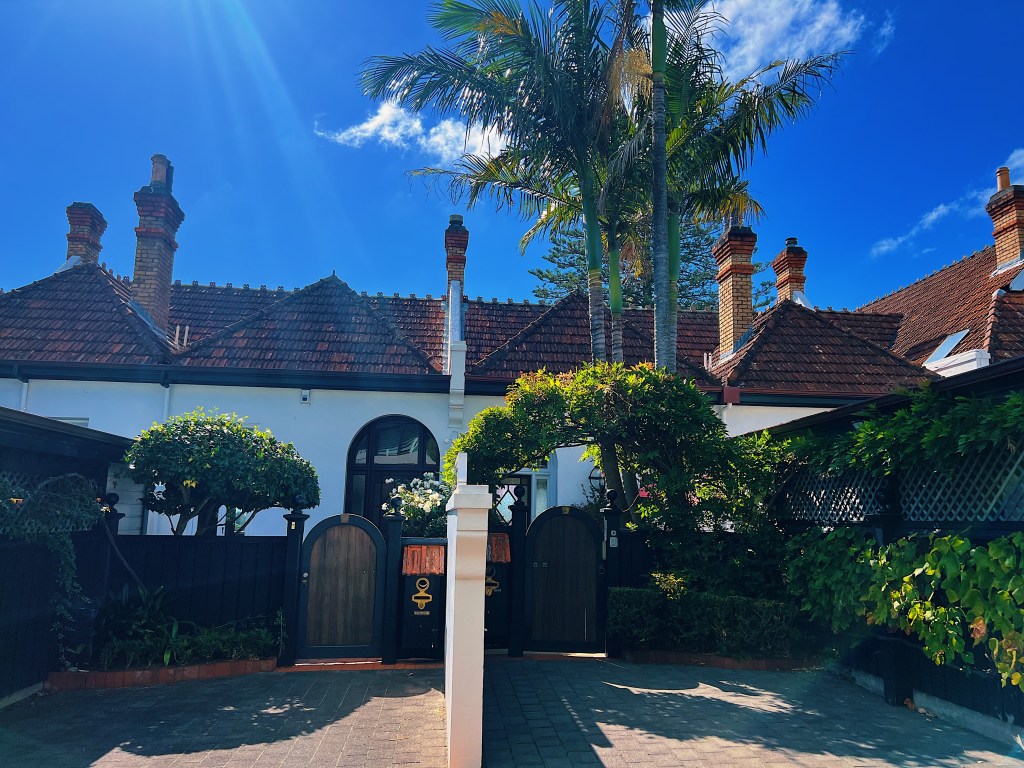
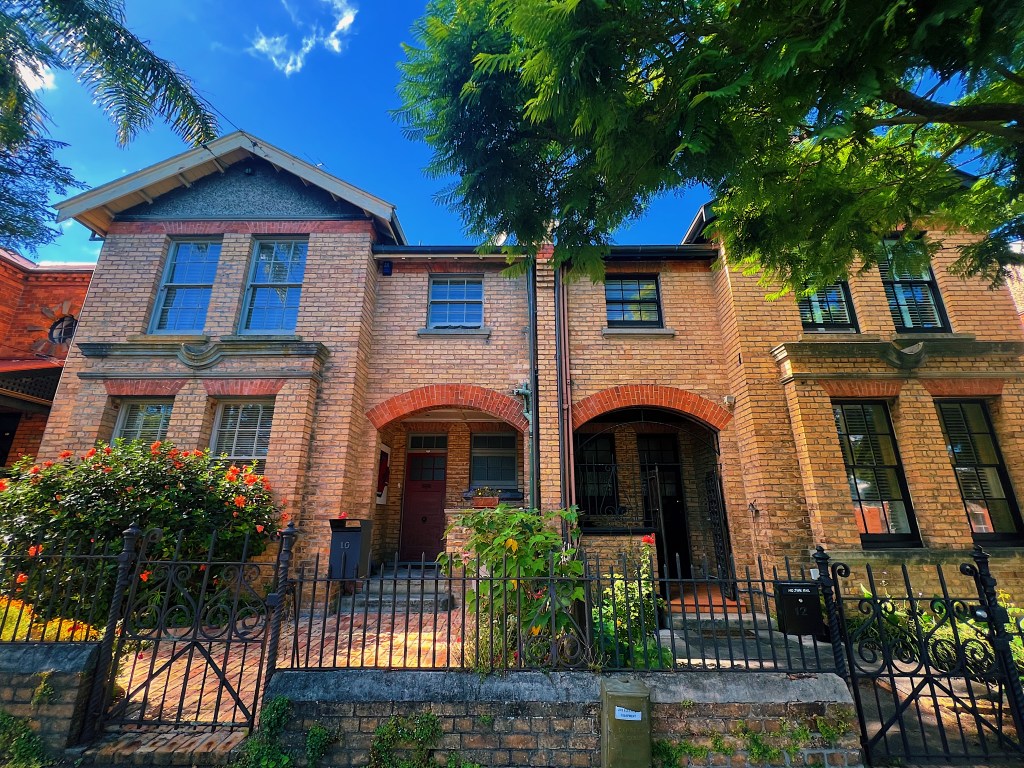
At the end of a street full of commercial buildings, we came across a row of beautiful homes built in 1899 called Dilworth Terrace. It was like suddenly being dropped in England. It is these little surprises that make our urban walks interesting.
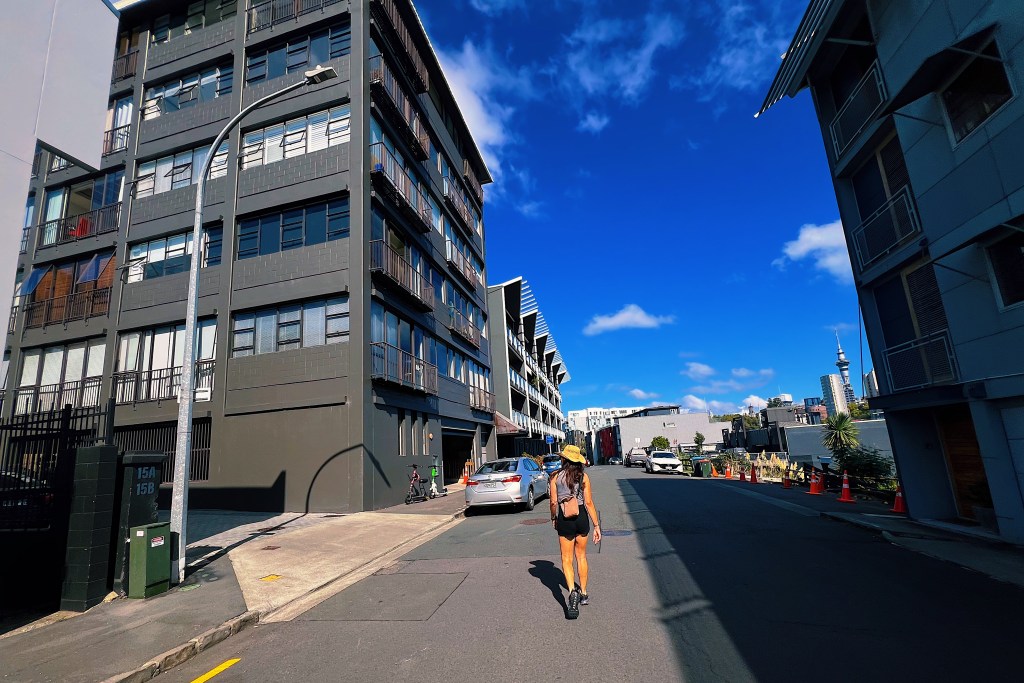
This part of Parnell is mainly commercial buildings with some streets of houses interspersed among them.
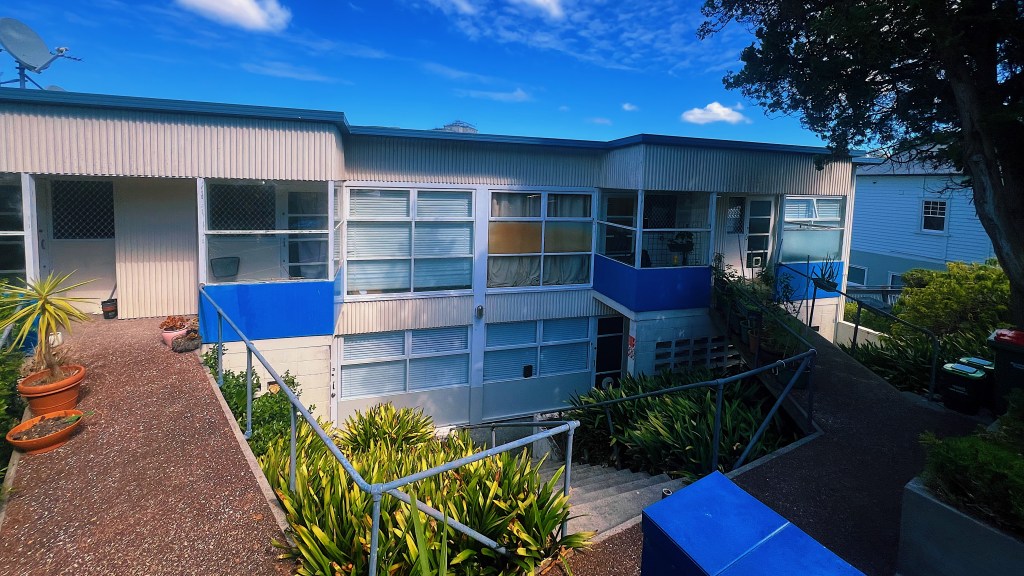
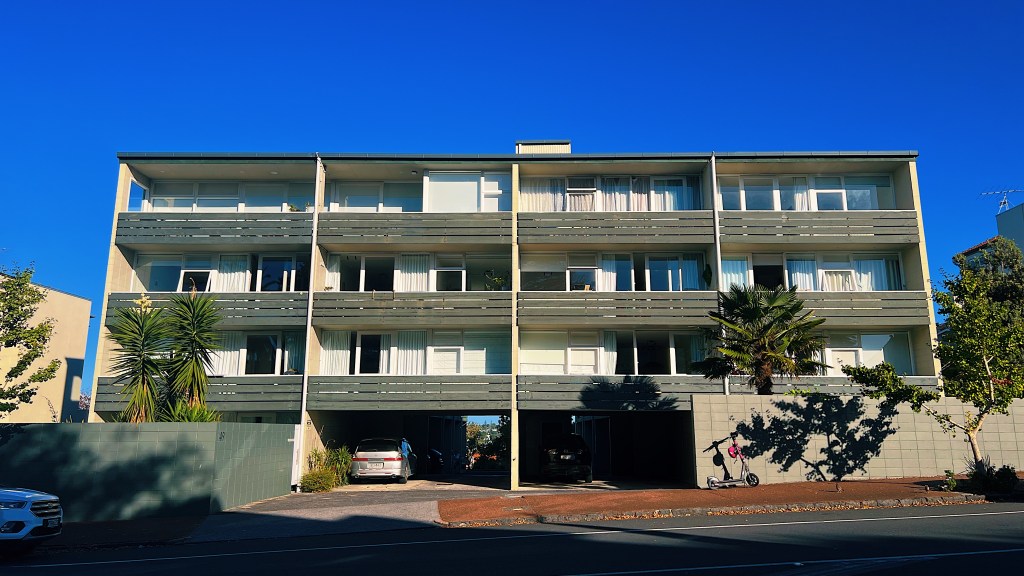
There were also some state owned apartments.
And Auckland’s own version of London’s brutalist icon, the Barbican.
On a beautiful Sunday afternoon we decided to head out of town to the beach. Gathering our niece Debbie, we hopped in the car and headed north to meet up with our good friends Simon and Michele and go for a swim at their local beach, Scott’s Landing. The water was so inviting that even Lauren ventured in.
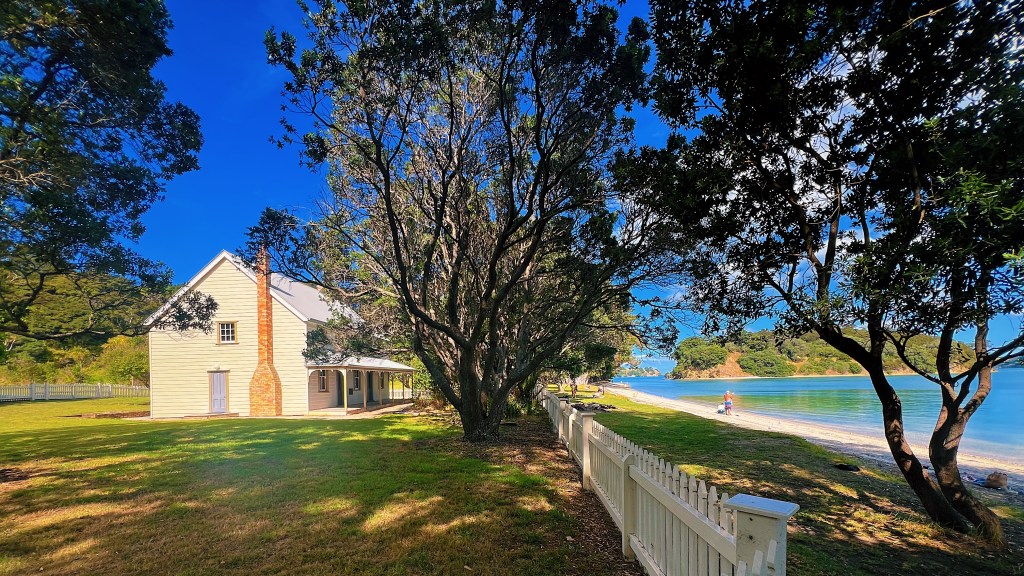
The landing is named after the Scott family who settled there in 1849 to build ships. The house they built in 1877 still exists. Originally serving as a family home, it was soon extended to serve as a hotel and boarding house. The Scotts lived there until about 1912 after which it was used by the family as a holiday home for the next 50 years. It is now owned by Auckland Council and used for community events.
After an enjoyable afternoon on the beach we headed back to Simon and Michele’s deck to sip on a cup of Earl Grey tea and to admire the view.
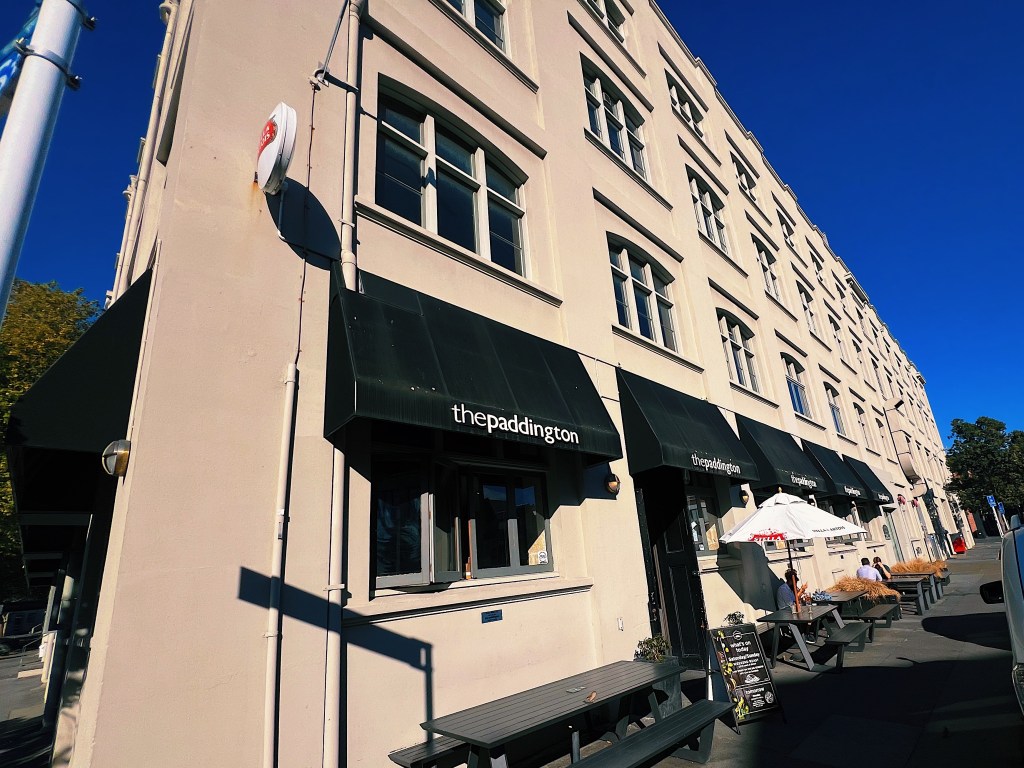
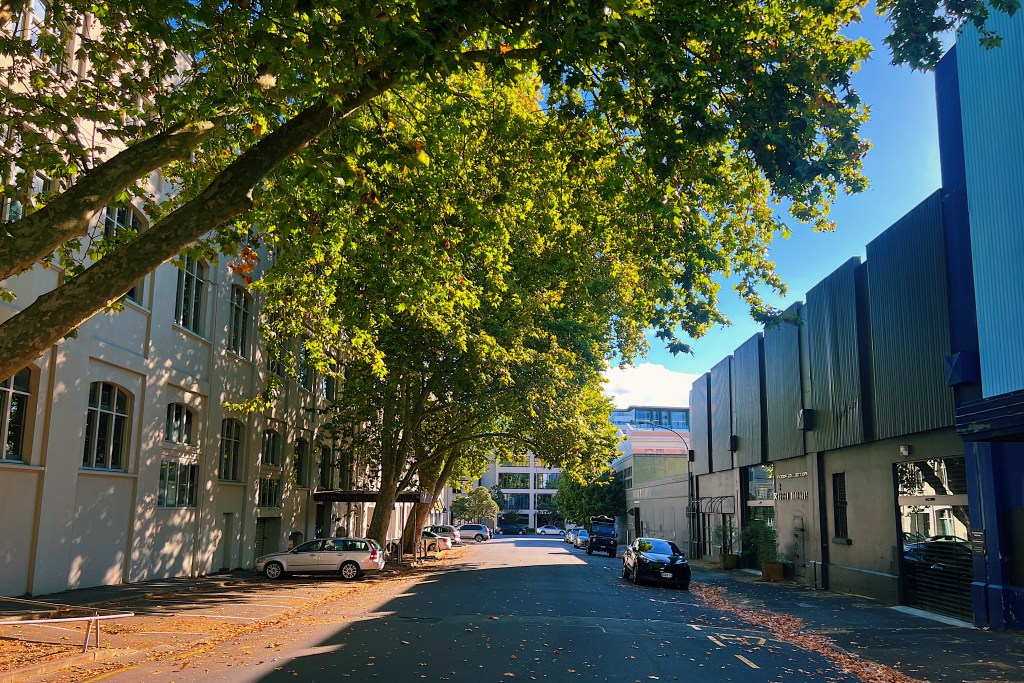
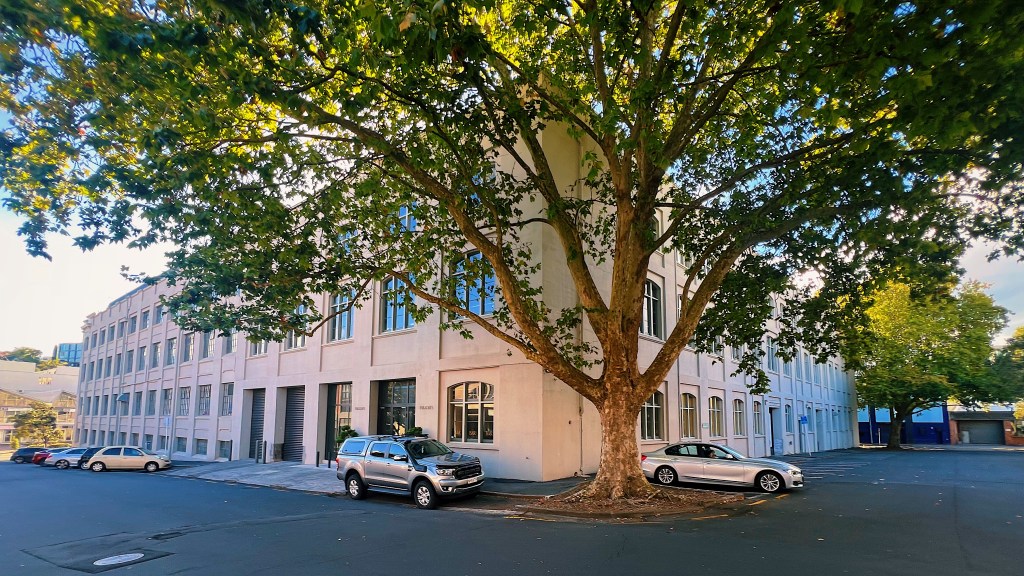
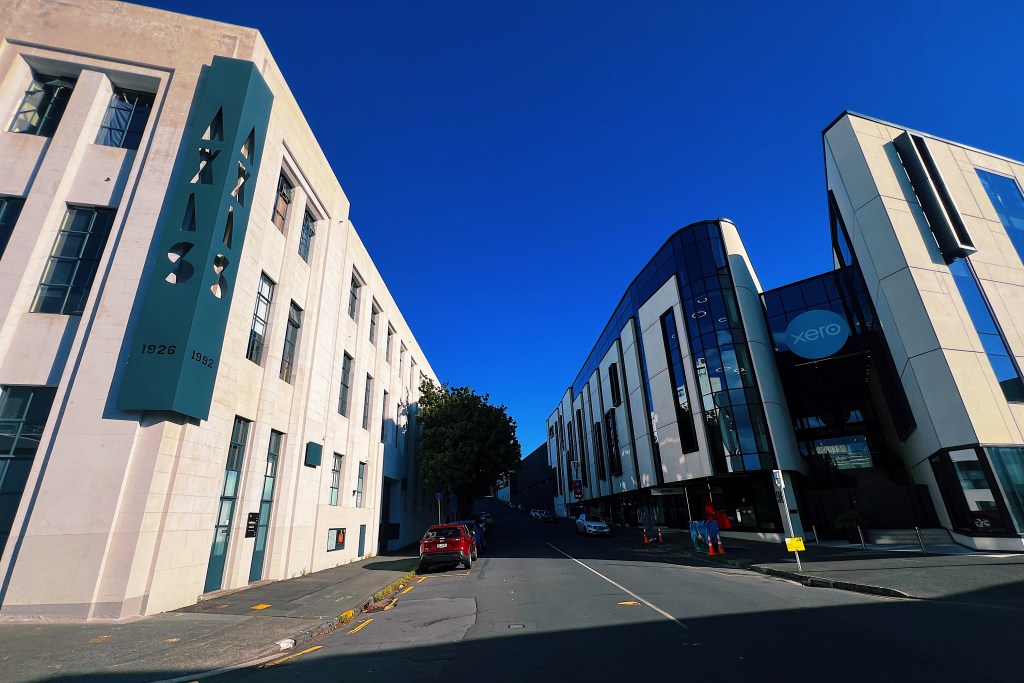
Previously we walked through the residential neighborhoods that make up much of Parnell but there is also an extensive redeveloped industrial zone and that is where we began our walk. Today it is the center of Auckland’s design industry and there are a number of upmarket furniture stores and galleries. There is also a very nice pub called the Paddington.
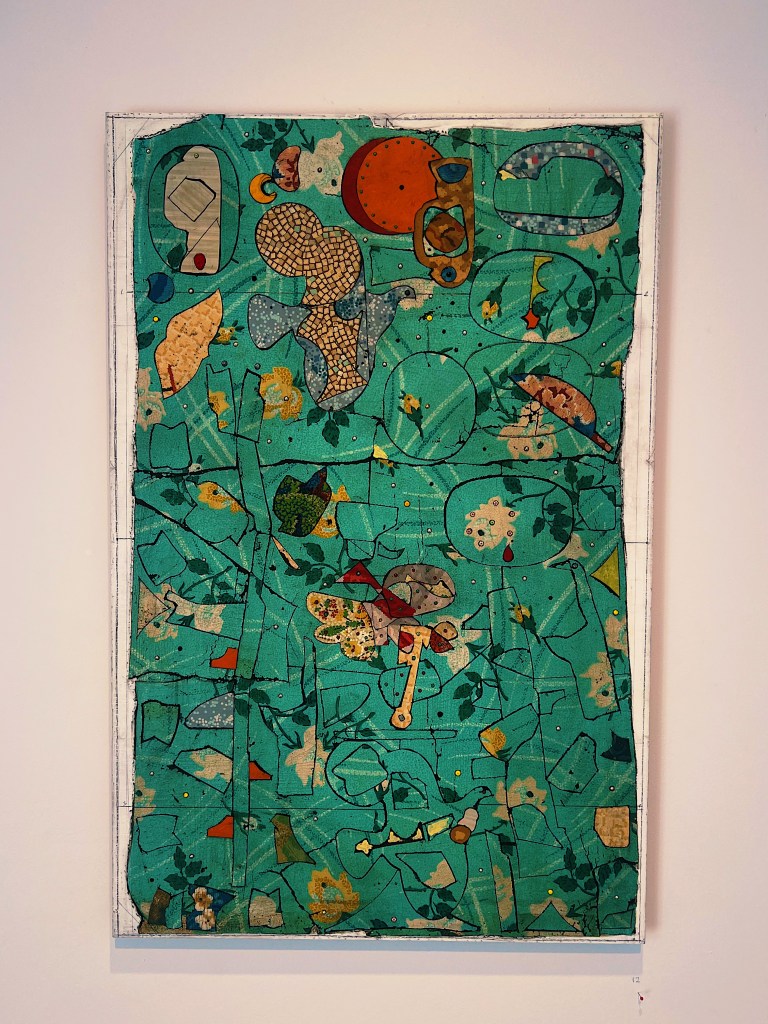
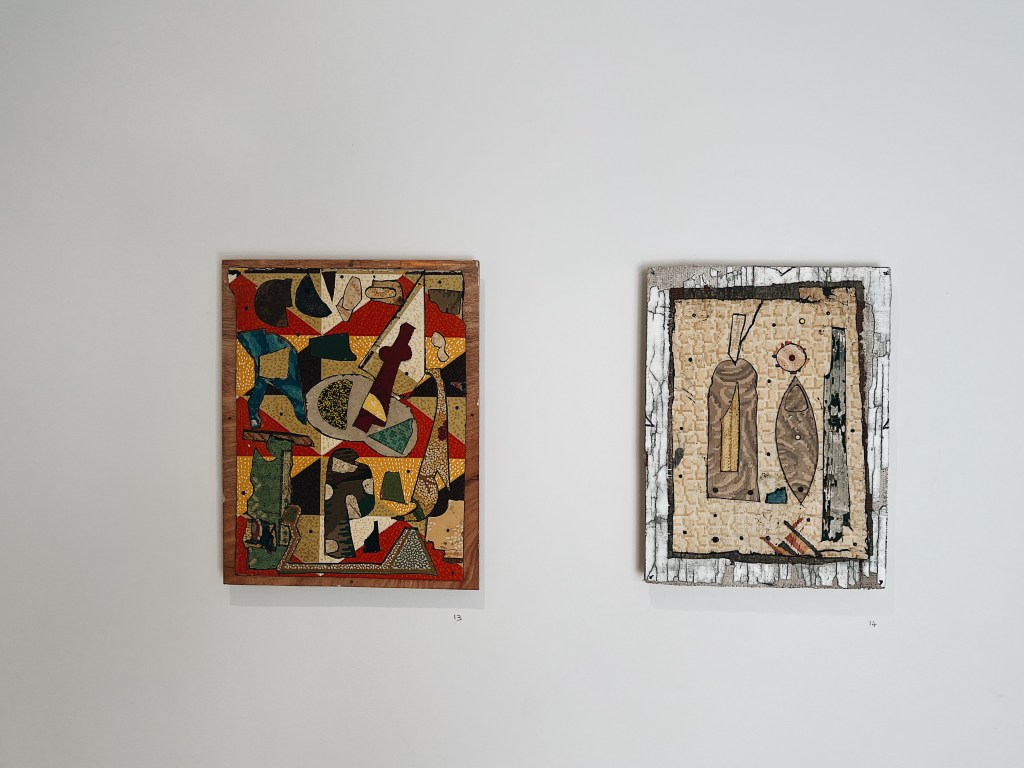
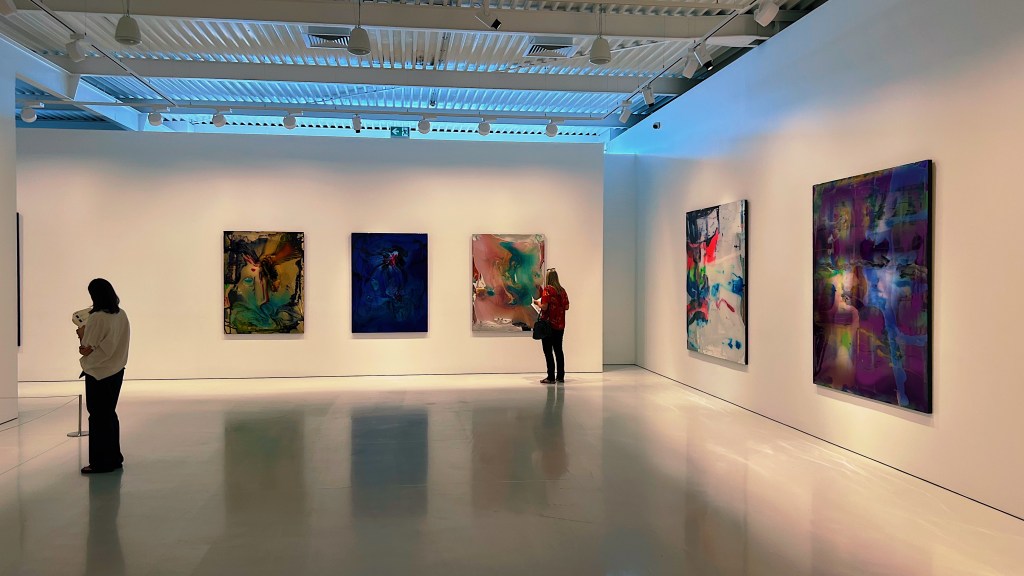
We dropped in at Foenander Galleries where they had an exhibit of works by Simon Ogden called Diving For Pearls. The paintings were crafted from and on linoleum which he had sourced from an old house that was being renovated. They were very cool.
Here are some more photos from the walk.
We walked by the home of Reverend Robert Burrows, one of the first missionaries to come to New Zealand, arriving at the Bay of Islands in 1840. The home, constructed in 1850, had a beautiful garden.
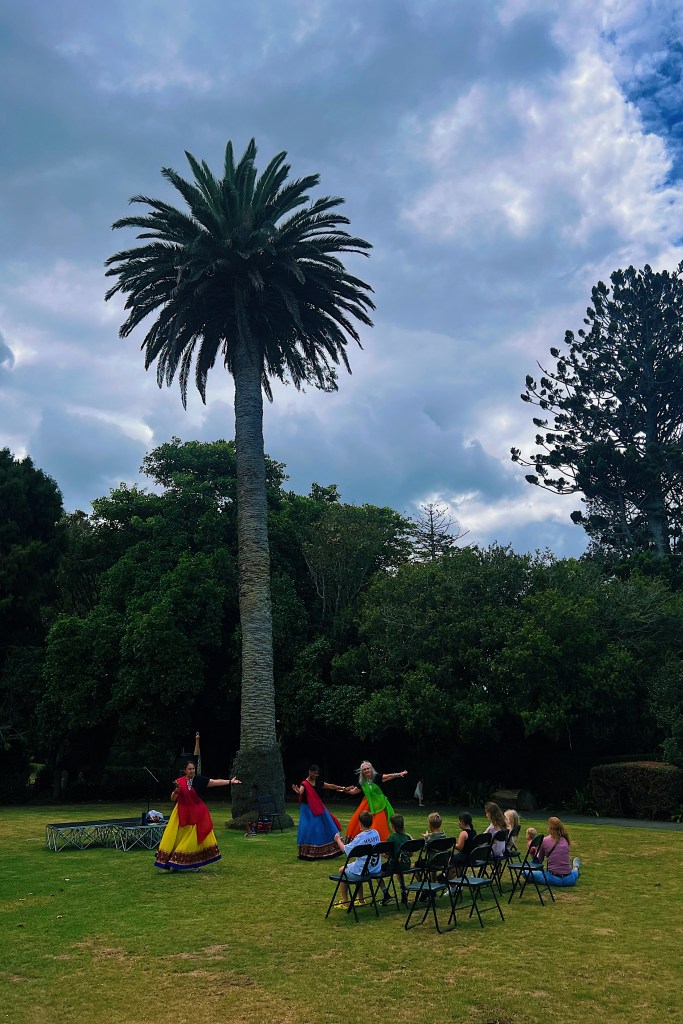
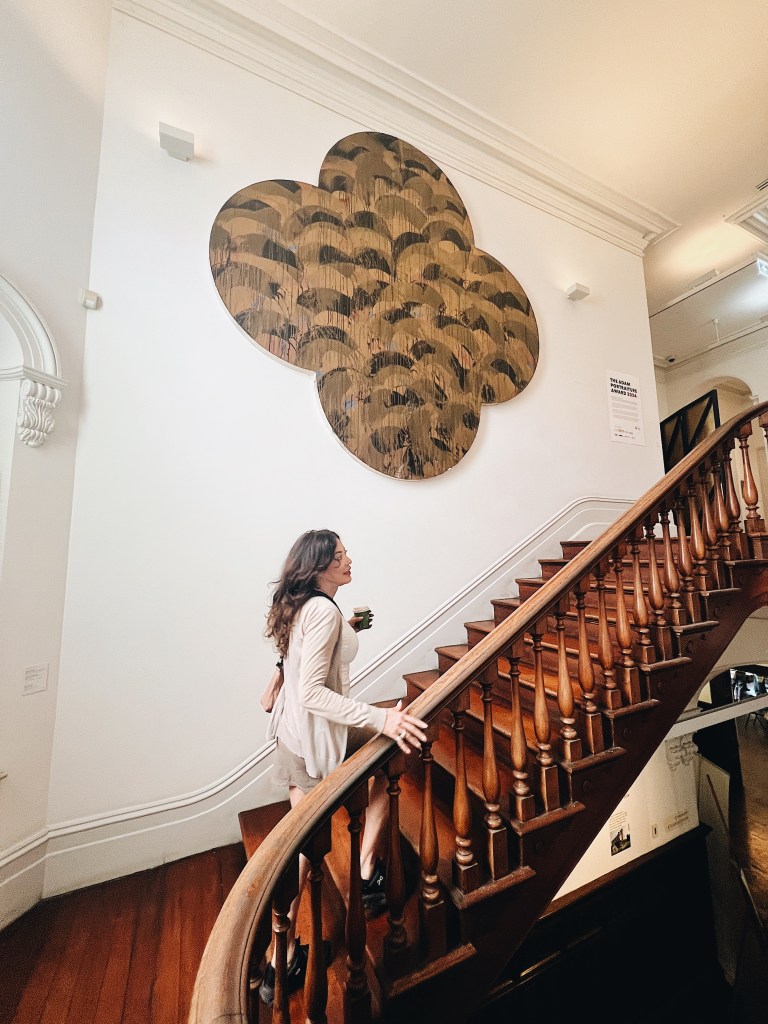
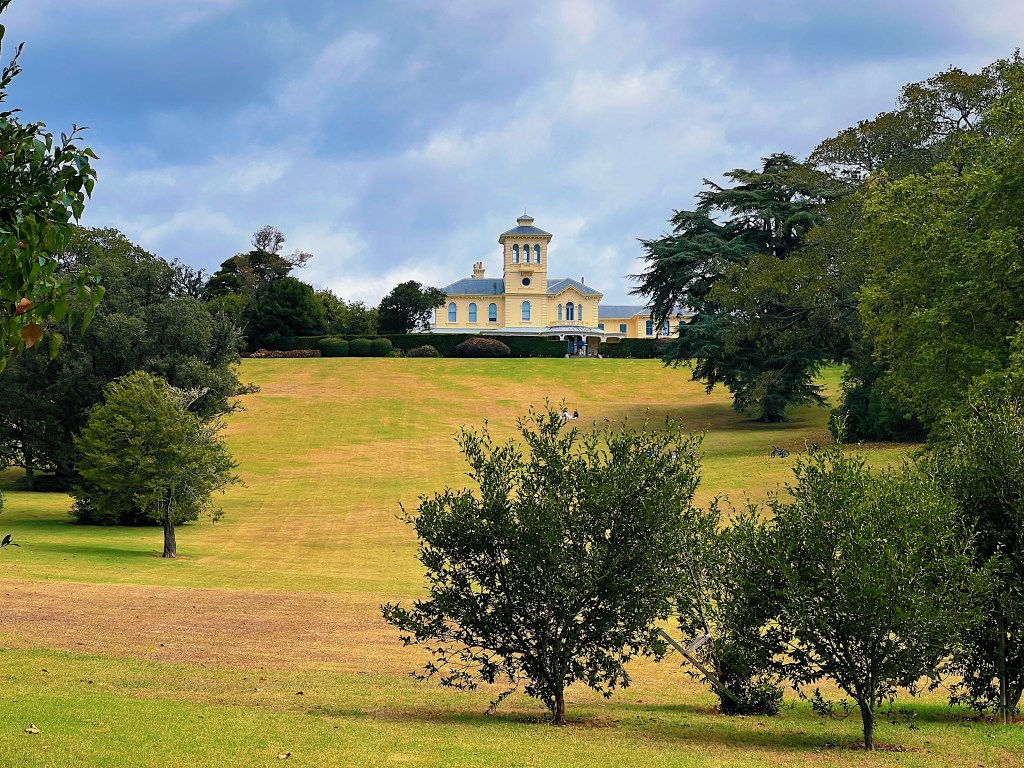
The Pah Homestead is a historic home located in the Auckland suburb of Hillsborough. It is, currently, owned by the Auckland Council and is operated as an art gallery. It was built in the 1870s for businessman James Williamson. Among other things, Williamson was a Member of Parliament and co-founder of the New Zealand Insurance Company (NZI) and the Bank of New Zealand (BNZ). On the day we visited, they were having a Community Day, so there was a lot happening.
A couple of posts ago, we mentioned the New Zealand artist, Max Gimblett, whose childhood home we passed. Here is one of his paintings.
And here is one by another well known New Zealand artist, Michael Smither.
The windows themselves looked like paintings.
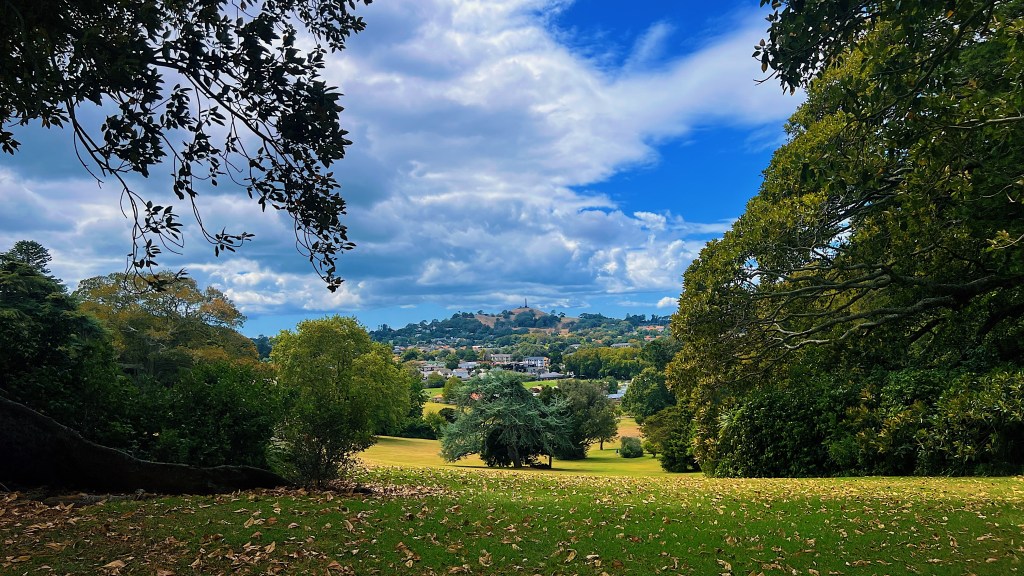
The homestead sits in the middle of a beautiful park with views to One Tree Hill (Maungakiekie).
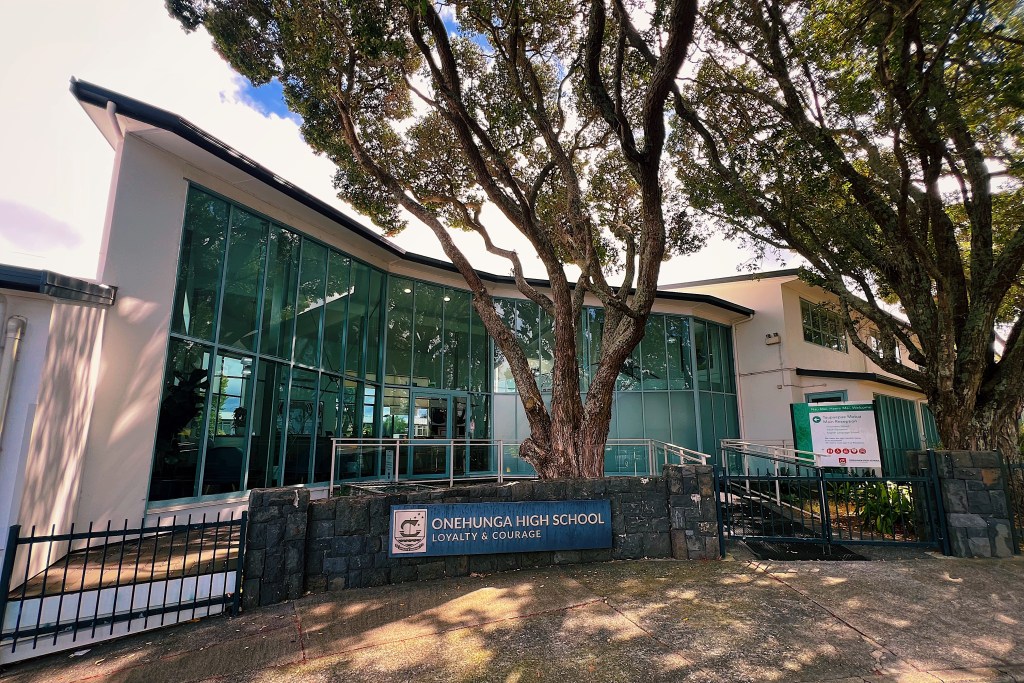
We walked over to our good friend John Gow’s gallery, for an opening for the Australian artist Dale Frank. Along the way we passed Onehunga High School
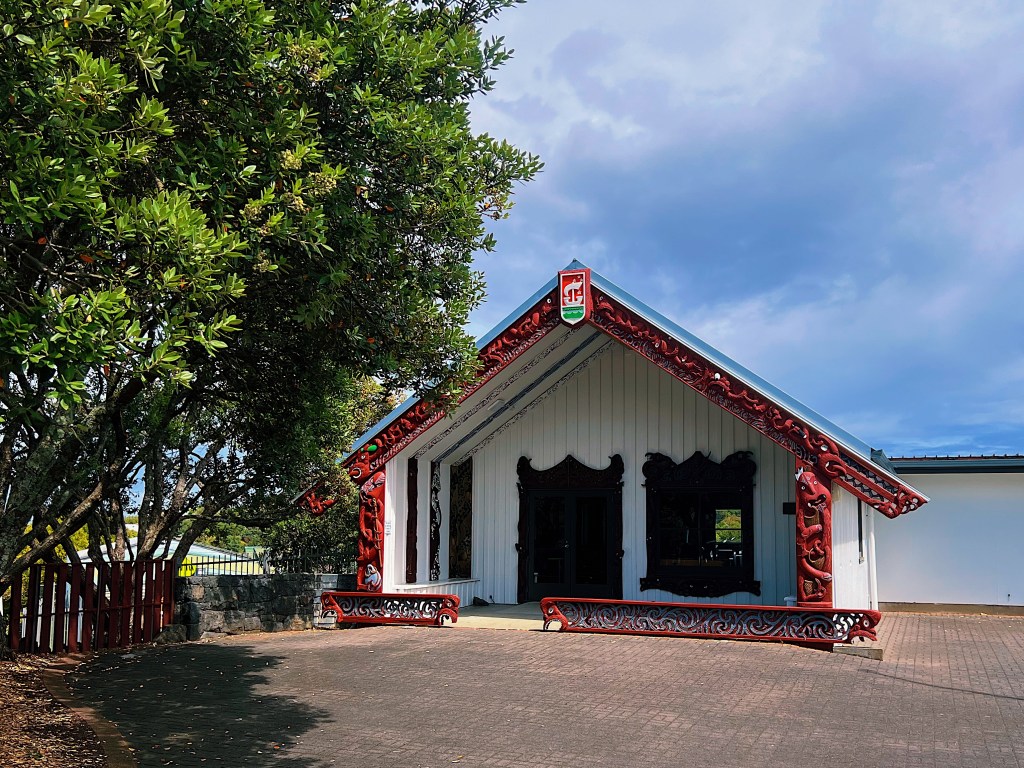
which has its own marae (maori meeting house).
We struck up a conversation with one of the school’s teachers and local musician, Dave Taylor.
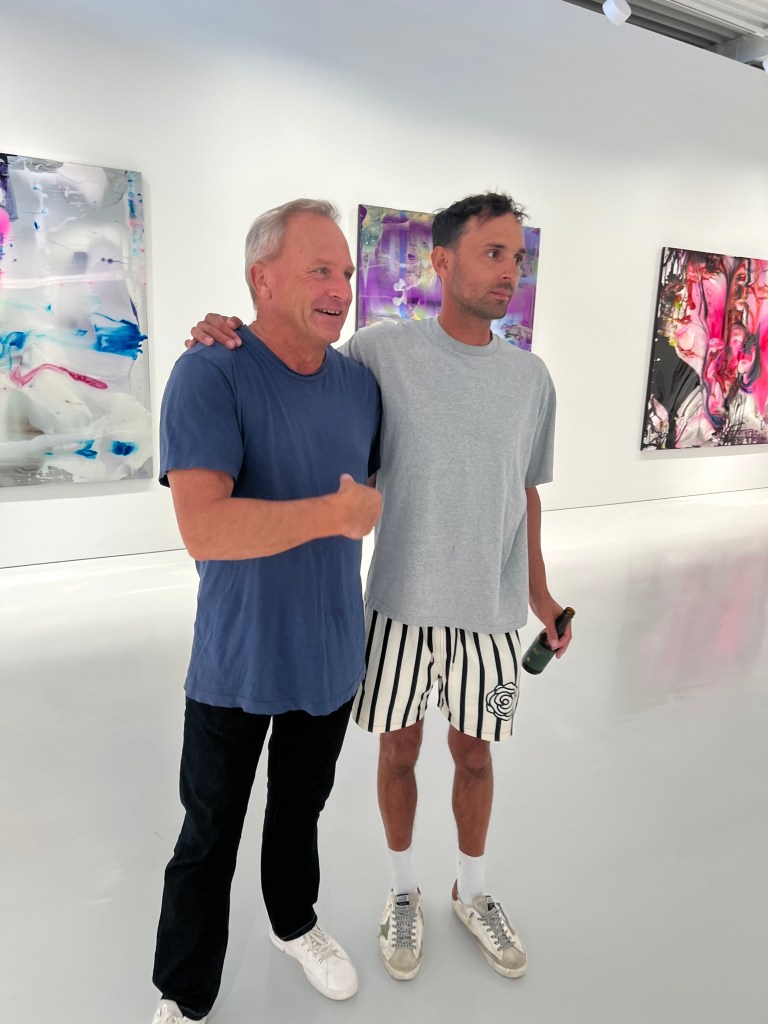
Here’s some photos from the Dale Frank opening
John and his son Jack
After the opening, we continued our walk. Onehunga sits beside the Manukau Harbour and the name loosely translates from the Maori to “mud flats”, which aptly describes the harbor at low tide. During the 1800s, most of the shipping coming into Auckland entered through Manukau harbour which is on the west coast but the harbour is particularly treacherous (as evidenced by the sinking of HMS Orpheus in 1863, killing 180 people). Accordingly, as ships got larger, the wider and deeper Waitemata harbour on the east coast became the primary port which it remains today. Mal’s father grew up in Onehunga where Mal’s grandfather worked at the local slaughterhouse. The toxic discharge from the slaughterhouse back then had made the water unsafe for swimming or fishing and the neighborhood became a less attractive place to live. Although Onehunga was a predominantly working class suburb for much of the twentieth century, more recently there has been some gentrification and many of the bungalows built in the 1920s have been renovated. Here are a couple of examples of the typical houses in the neighborhood.
Previously, we have mentioned how during the walks we have often come across homes that once included a corner store. Here is another example.
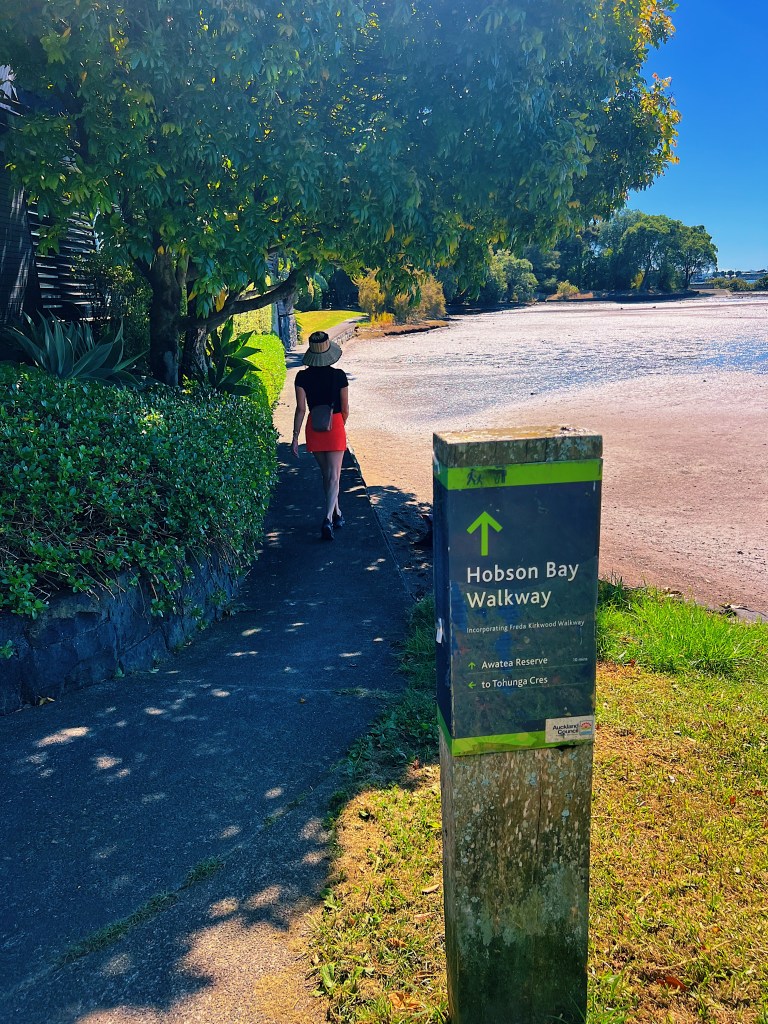
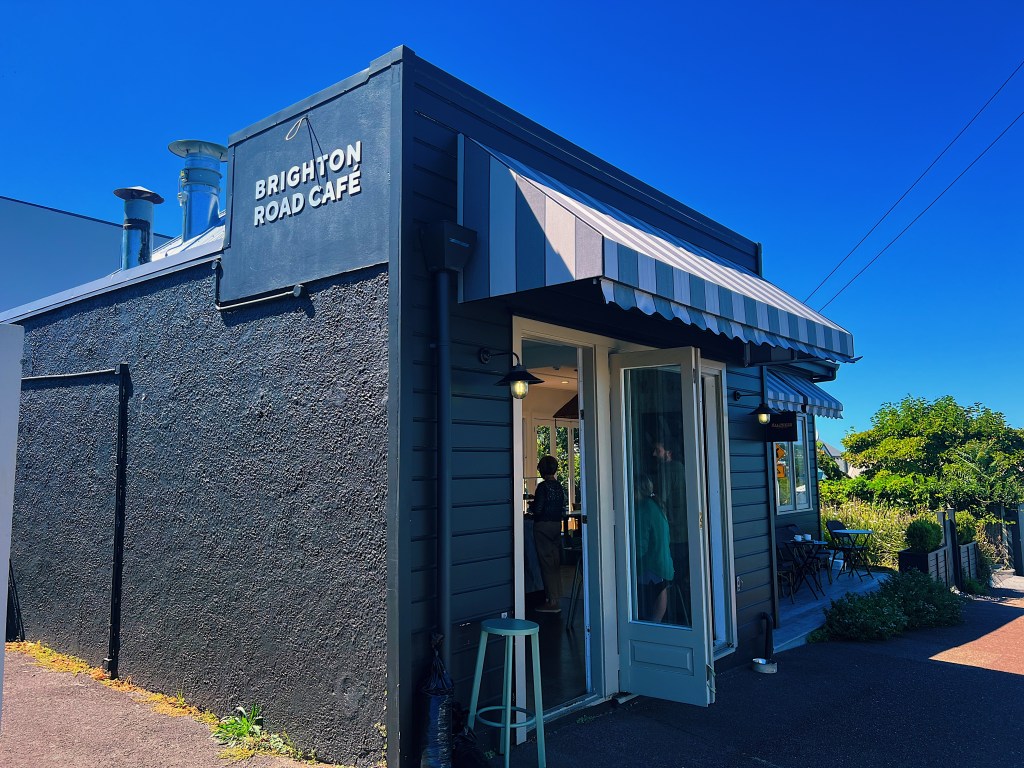
On yet another beautiful sunny day we set out to explore Parnell, one of Auckland‘s oldest and most affluent suburbs. We started off walking around the edge of Hobson Bay before heading up into the neighborhood streets. These are some sites we saw along the way.
If you find yourself in Parnell, we recommend dropping by the Brighton Road Cafe. In a land full of amazing cafes, this is one of the best we have come upon. Definitely, try out the Avocado on Toast. So good.
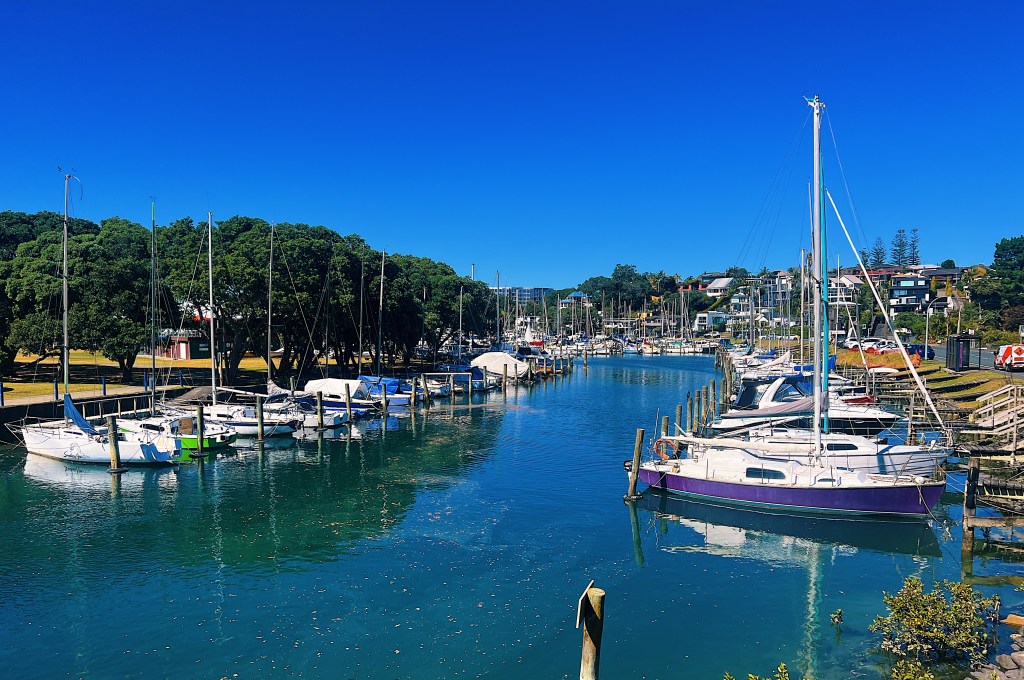
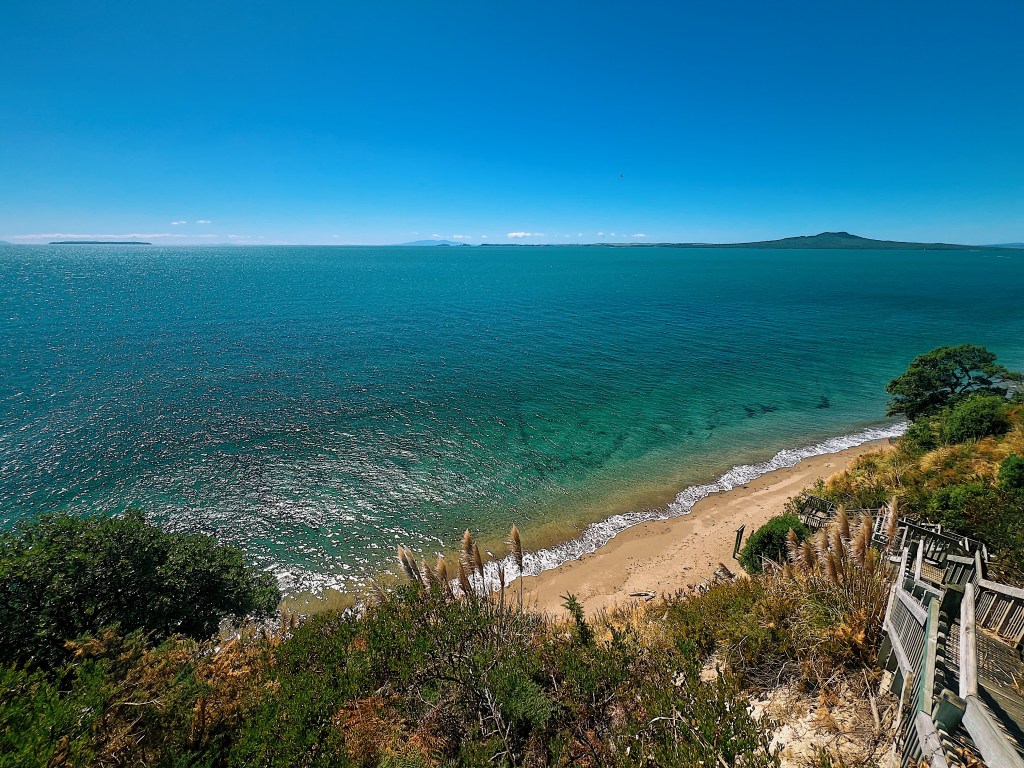
Finding ourselves in Milford on the North Shore, we decided to walk up the coastline to Castor Bay. Because this is New Zealand where having a cafe nearby at all times is mandated, we came across this cute little cafe by the marina.
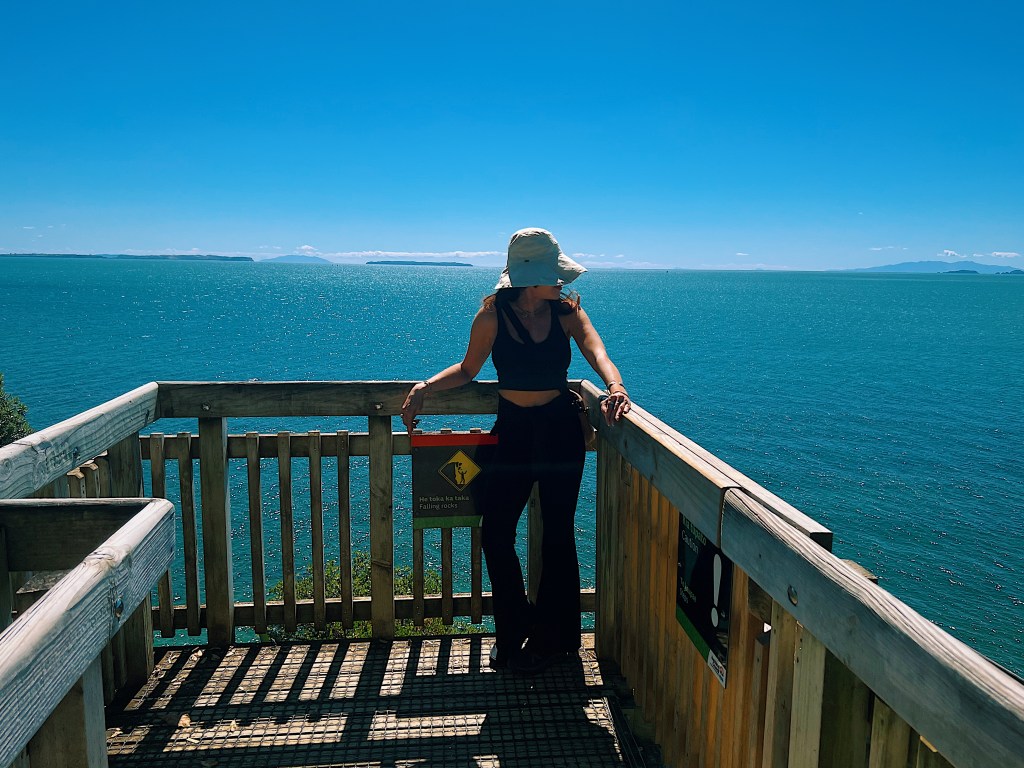
We then headed up around the headlands looking back down over Milford Beach.
We stopped in at Castor Bay
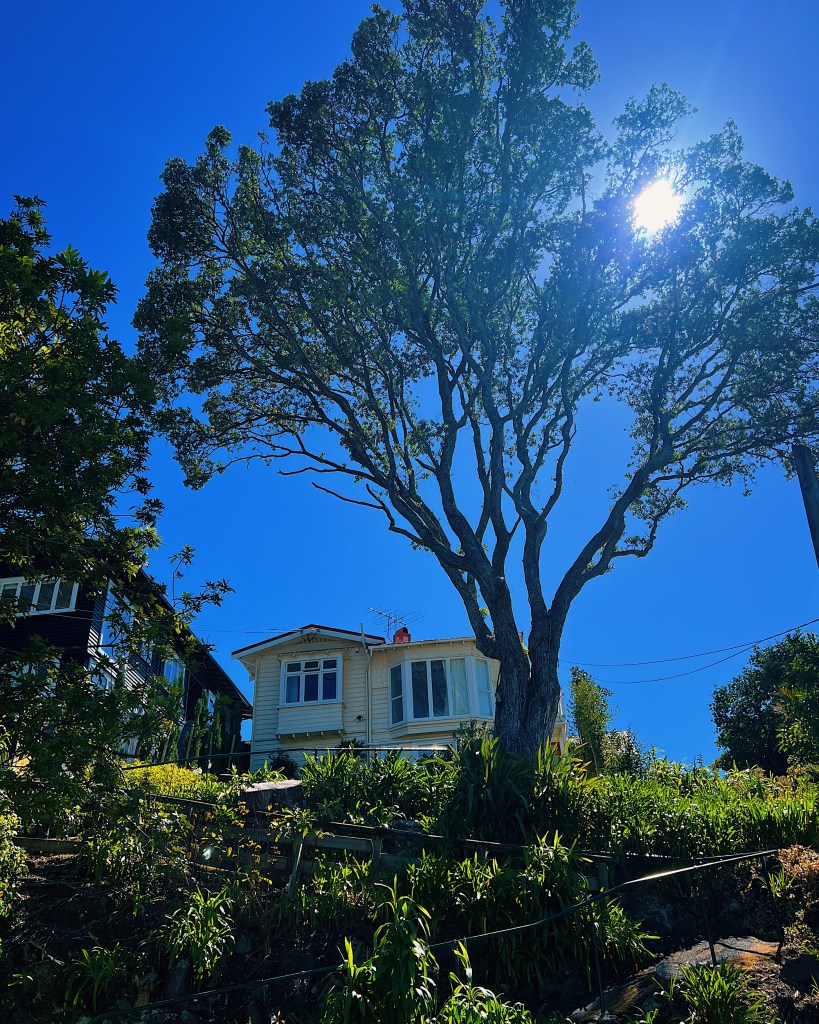
Where we loved this beautiful old tree.
Perched above Castor Bay is the site of an old Maori pa (fortified village) called Te Rahopara o Peretu. Sitting atop a steep hill with extensive views over the harbor and surrounding land, it is easy to see why the local Maori picked it as a prime spot to defend.
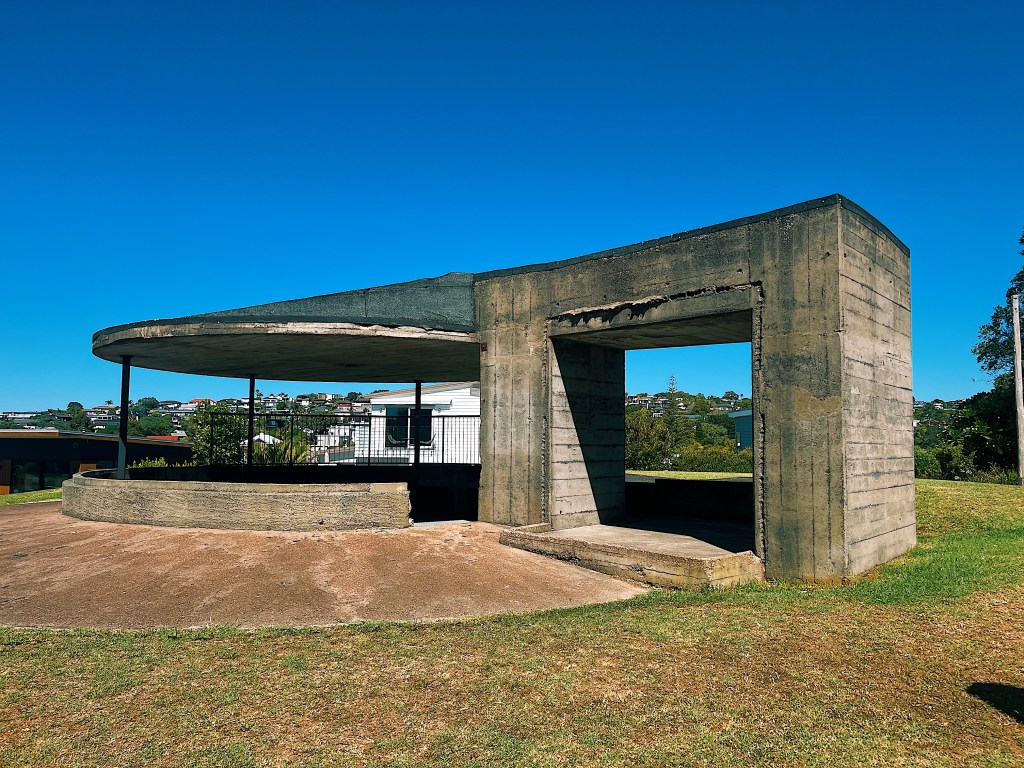
In fact, during World War II, a battery was built on the site that included two six inch gun emplacements and a battery observation post. The concrete gun emplacements still exist.
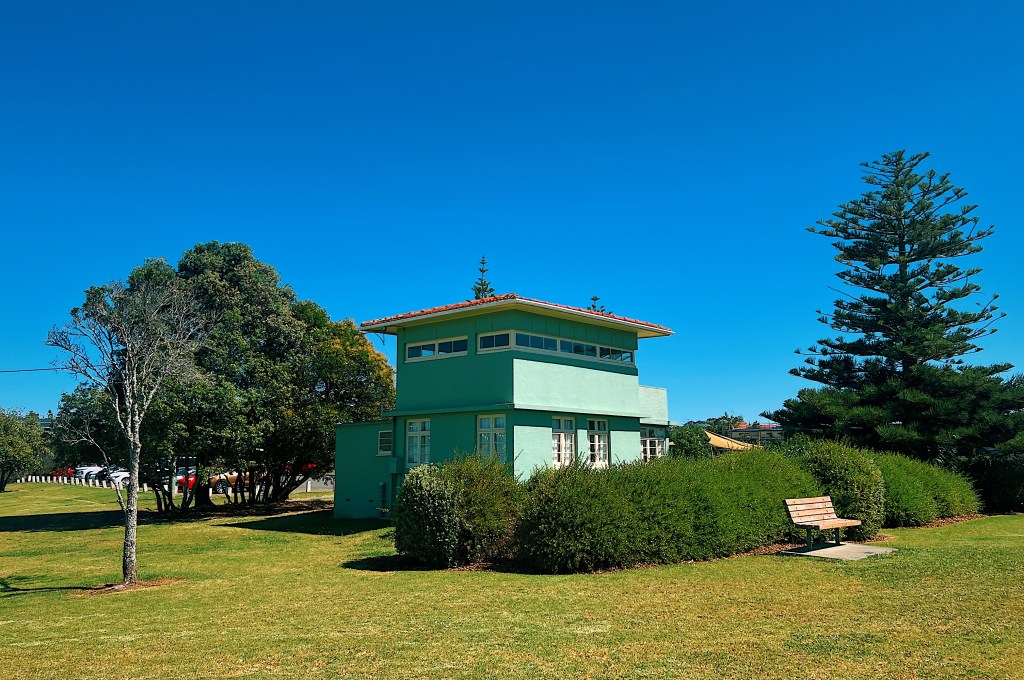
The Castor Bay Battery and camp is believed to represent the most extensive survival of Second World War ‘architecture of deception’ where the battery was disguised to make it seem like seaside housing to prevent aerial detection by an invading force. For example, influenced by Modernist style, the Battery Observation Post was designed to look like a seaside kiosk.
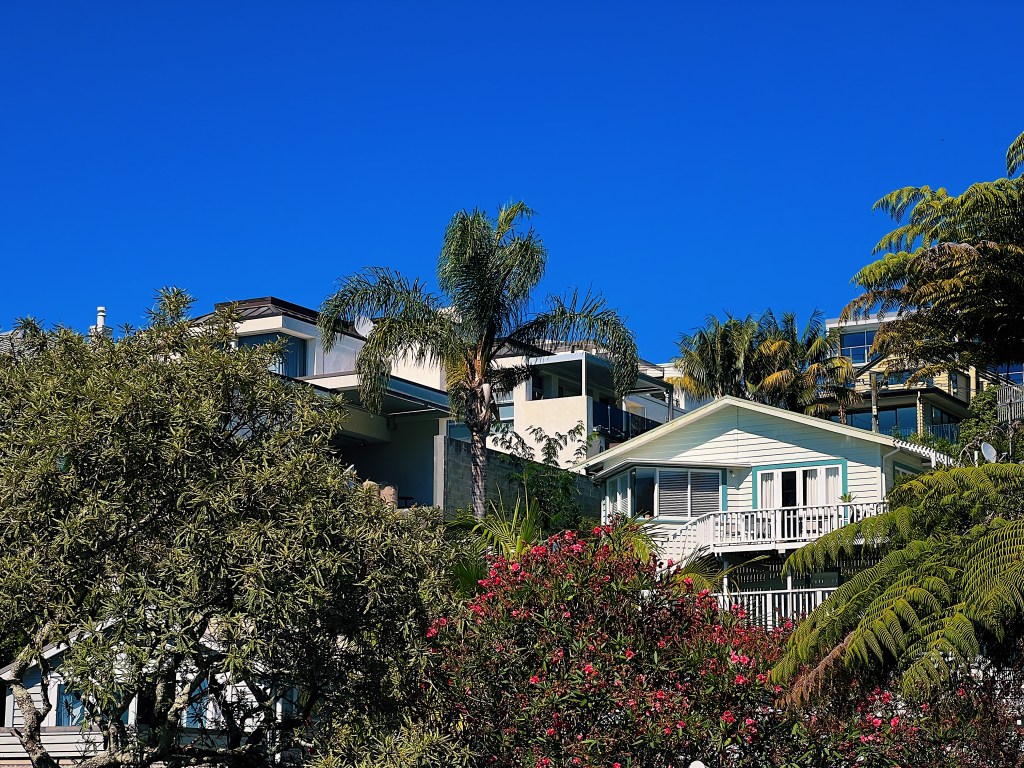
The park on which the battery stands was named John F Kennedy Memorial Park in 1962 after the assassination of the American President. A number of homes look over the park and harbor.
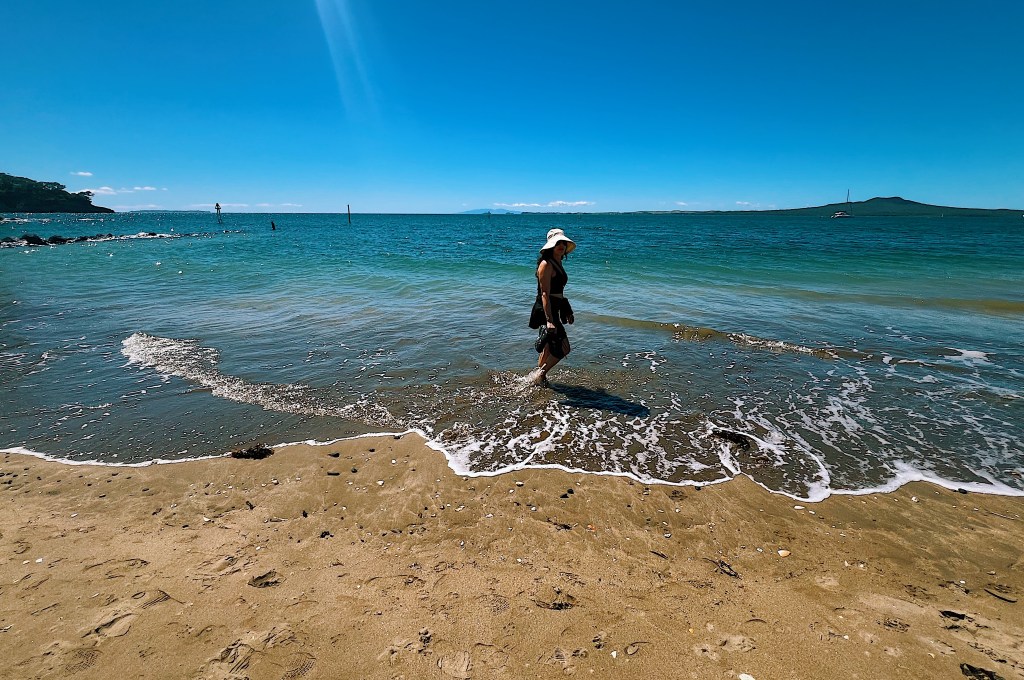
Back on Milford Beach, the water was so warm, that even Lauren went for a paddle.







































































 Mal and Lauren