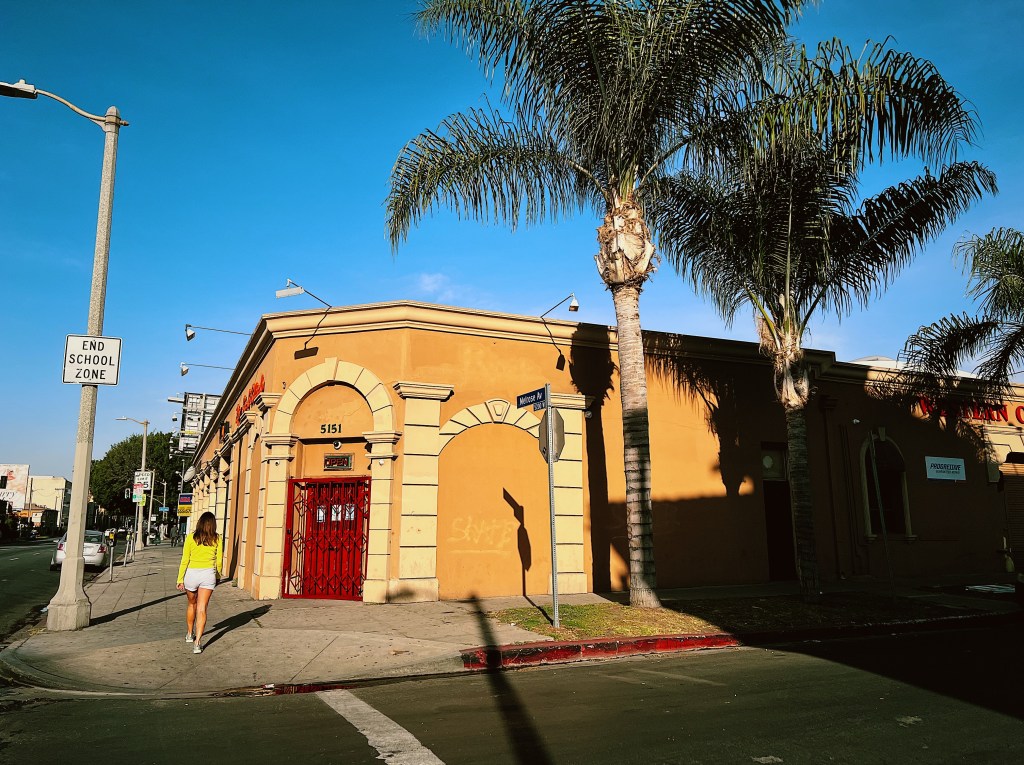
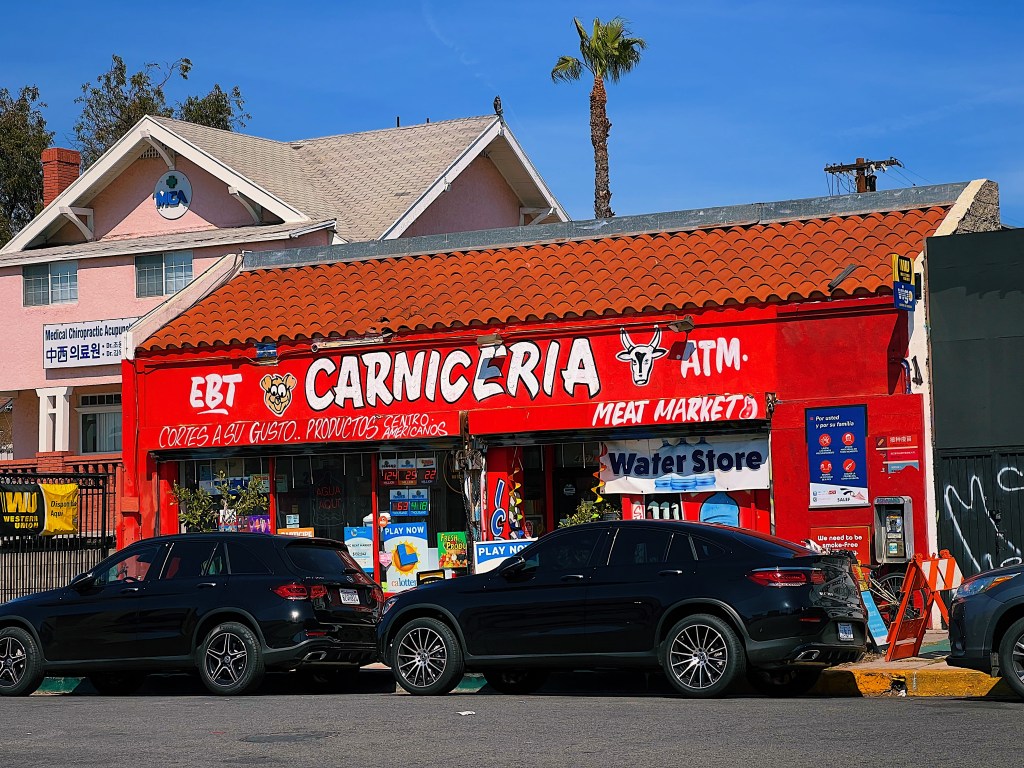
On another beautiful sunny LA day, we celebrated having avoided the winter storm currently hitting Washington by heading out on a long walk. We started out walking along Melrose Avenue.
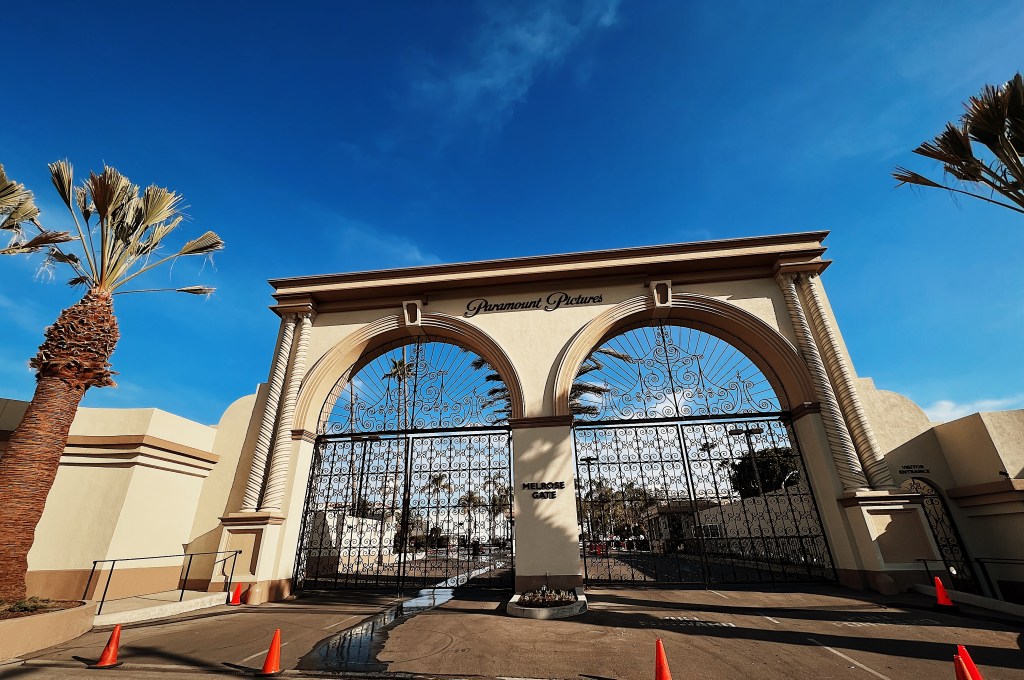
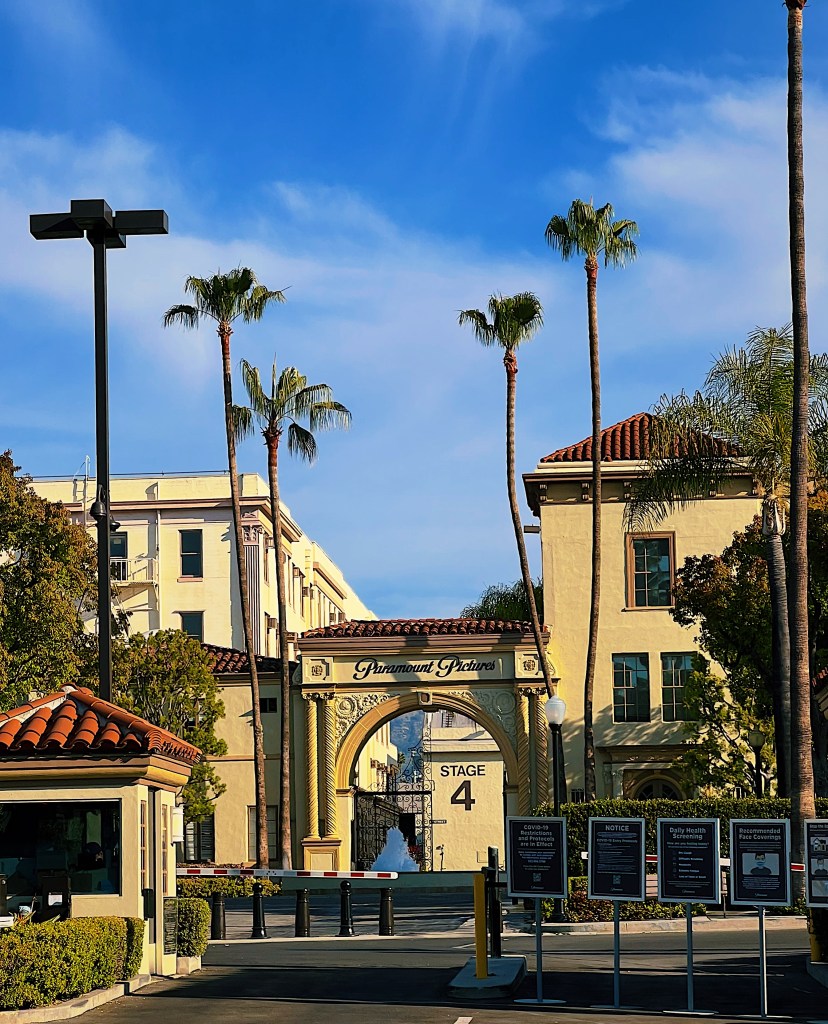
The Paramount Pictures studios take up several blocks along Melrose. We passed by their iconic gates.
Most of the extensive lots are hidden behind a beautiful long and high hedge.
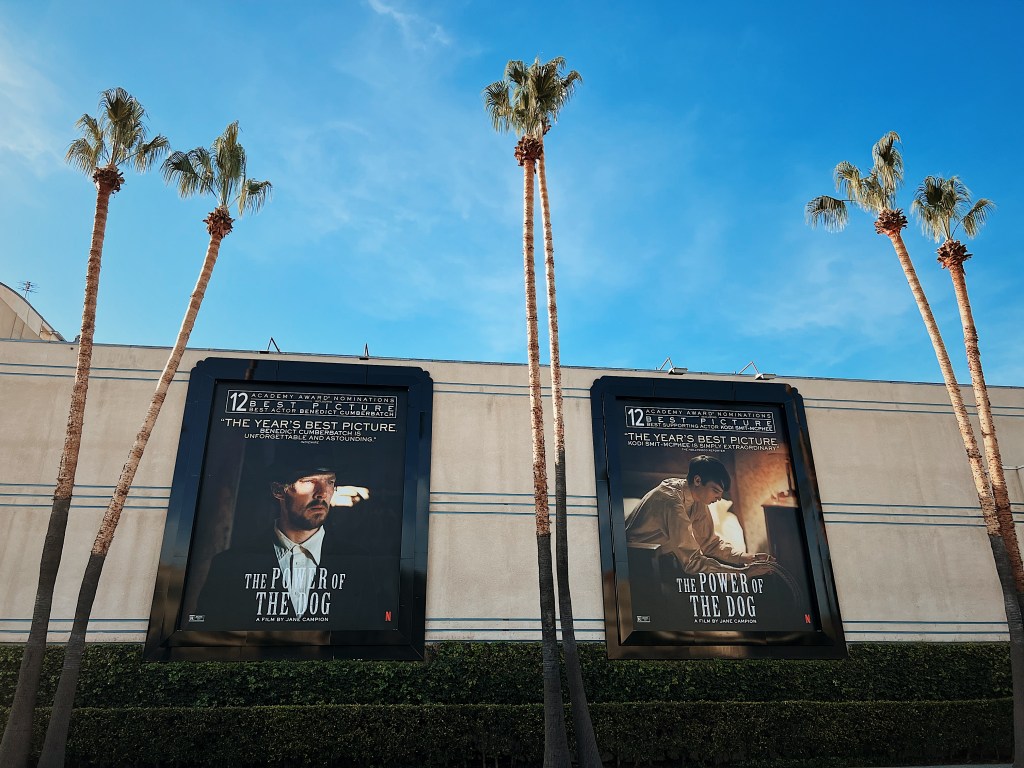
Paramount seemed to be pushing Jane Campion’s, The Power of the Dog before the upcoming academy awards.
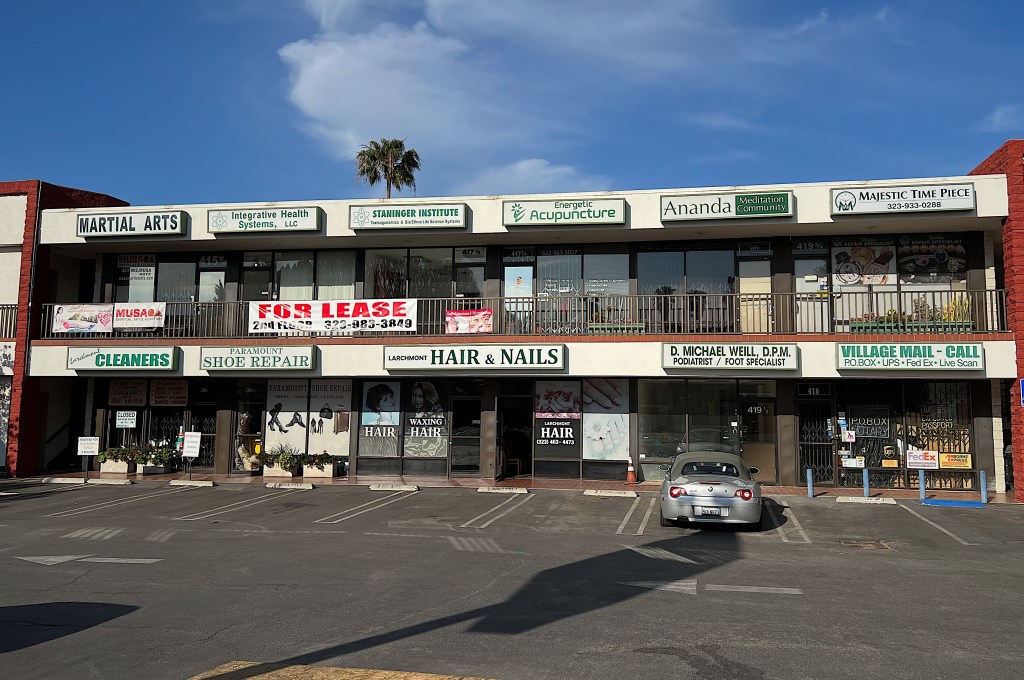
We then made our way down Larchmont Boulevard. If we had any doubts that we were in southern California we just had to look at the businesses in this strip mall that we passed. It included a meditation community, an acupuncture clinic, something called Integrative Health Systems, and the Staninger Institute, which apparently deals in Toxicogenomics and Bio Ethno Life Science Systems.
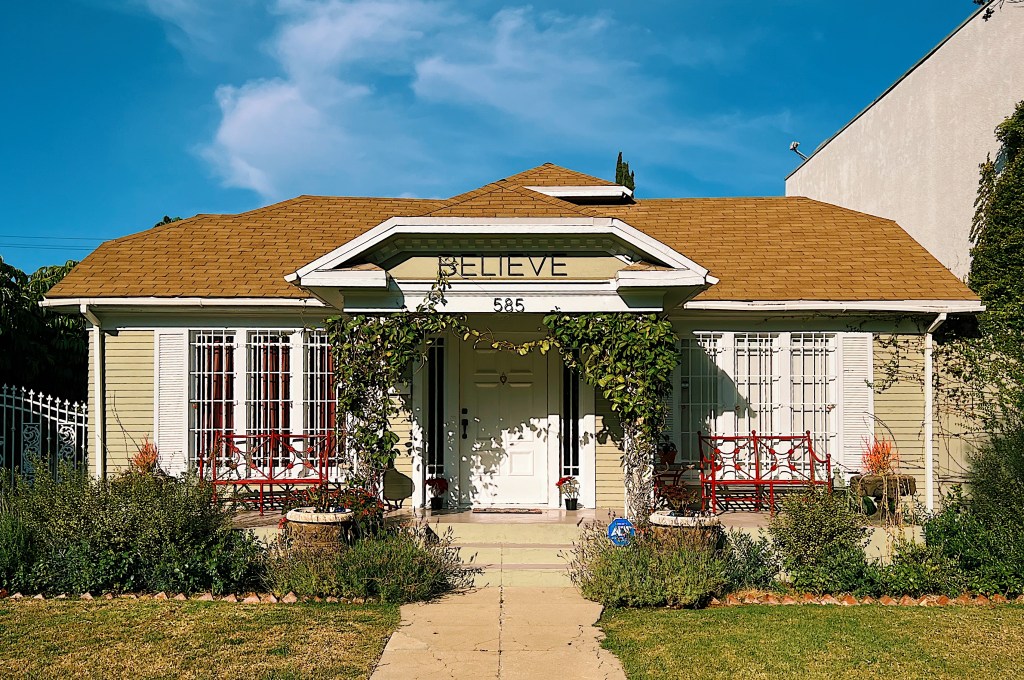
And then there was this house which asked us to Believe
One thing about California, the state has amazing farmers’ markets. We dropped by the Larchmont market and admired the produce.
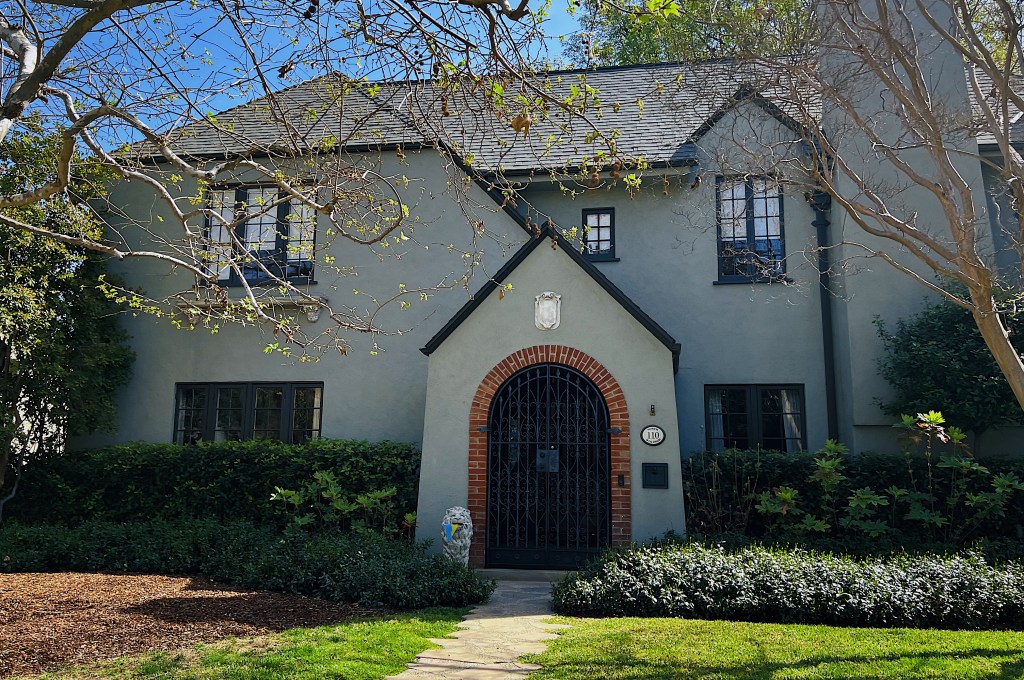
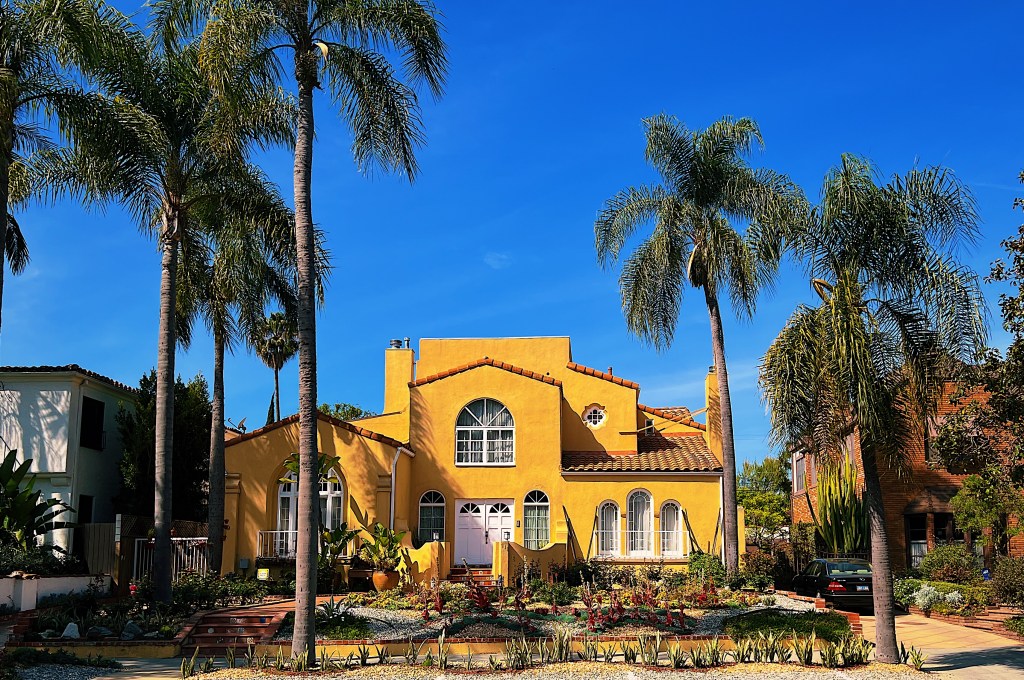
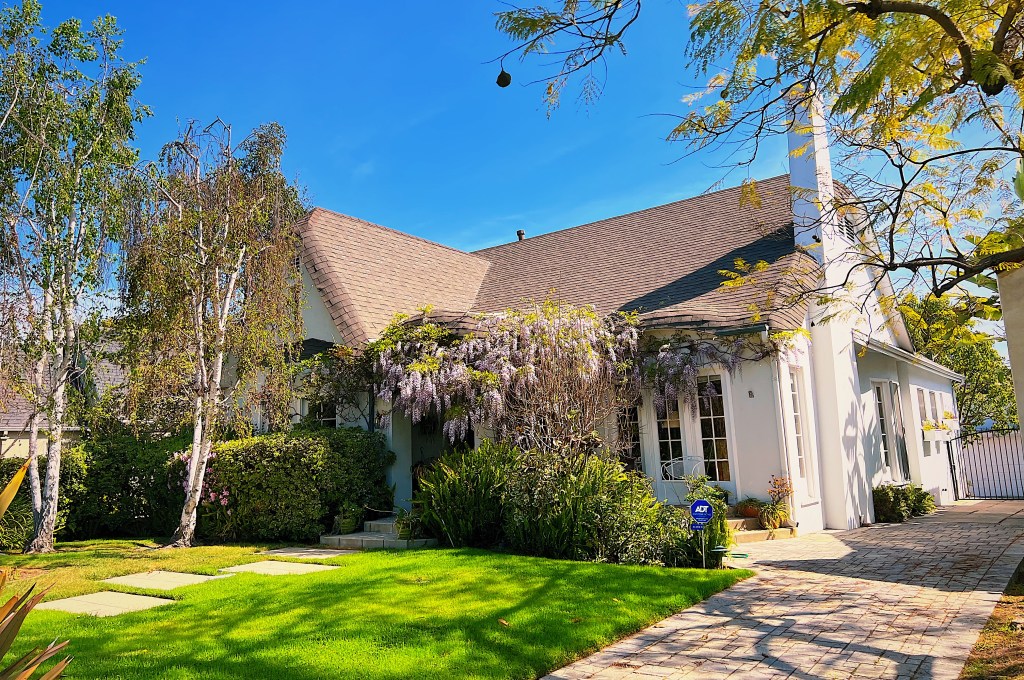
We find LA, by and large, to be a not particularly attractive city. However, there are some beautiful neighborhoods. Case in point is Hancock Park which has some beautiful homes on treelined streets.
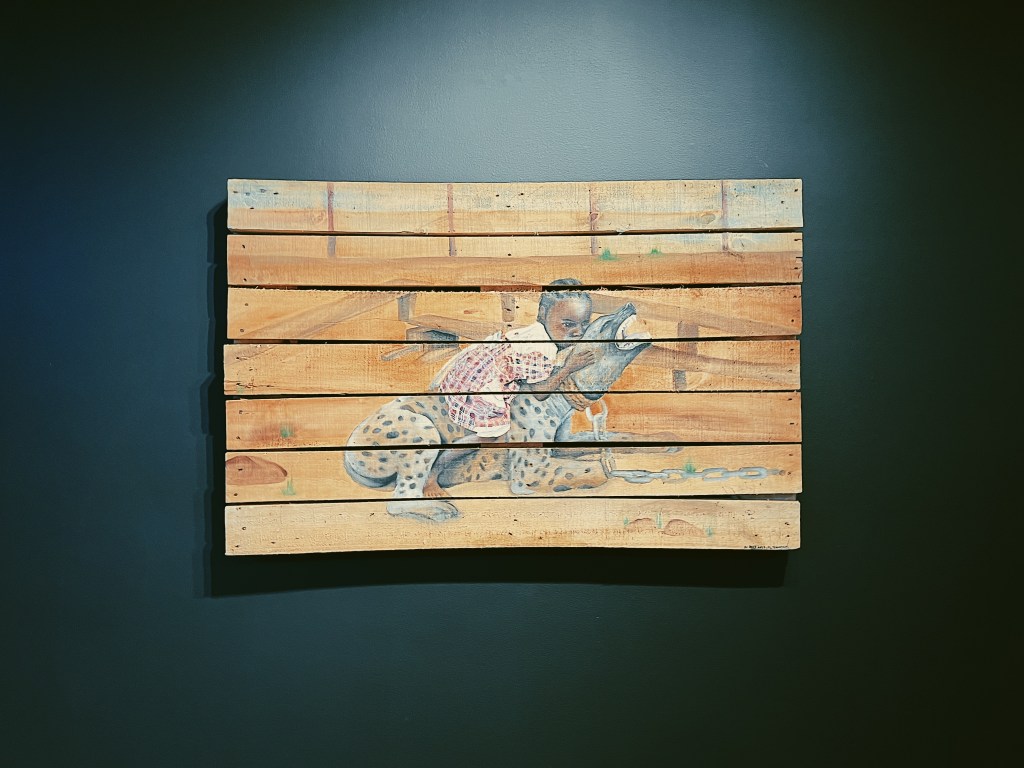
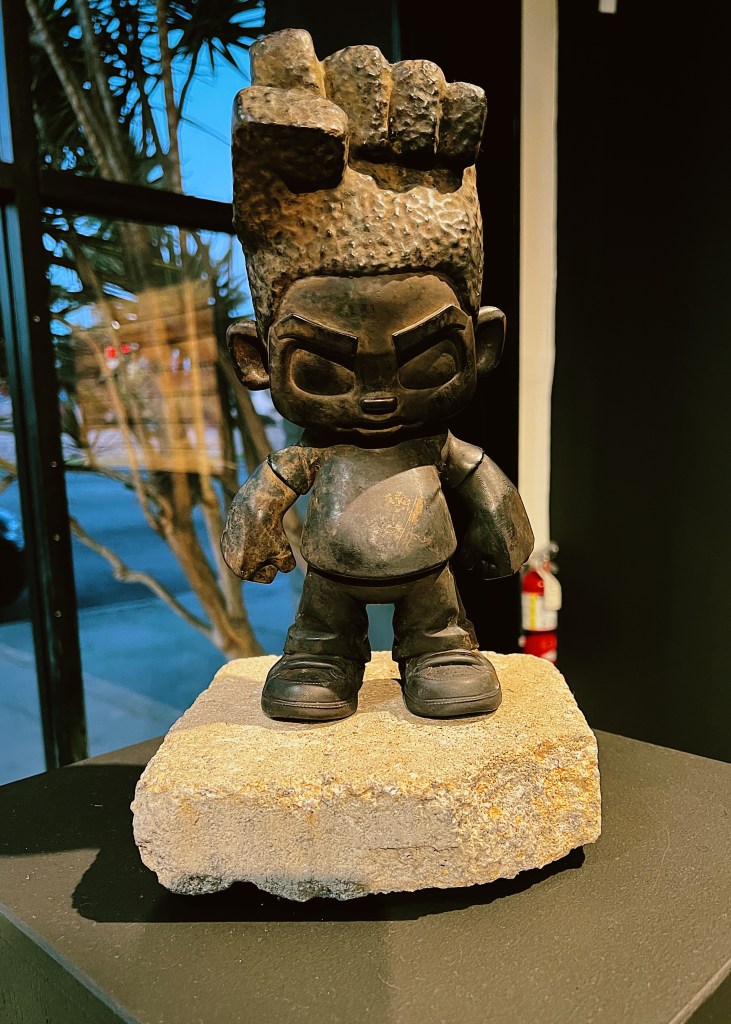
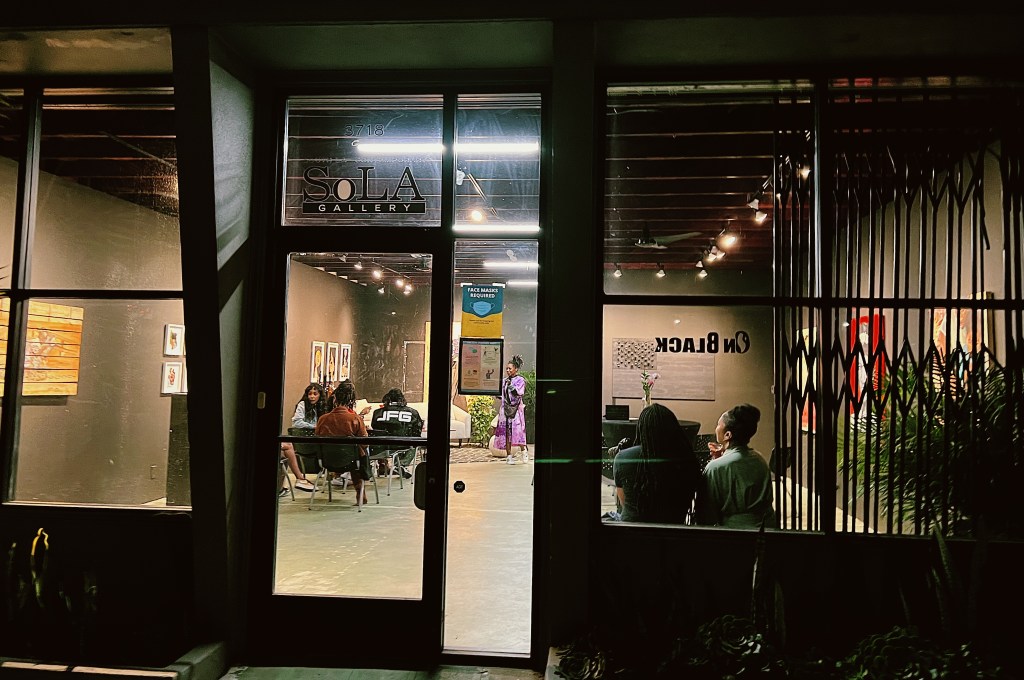
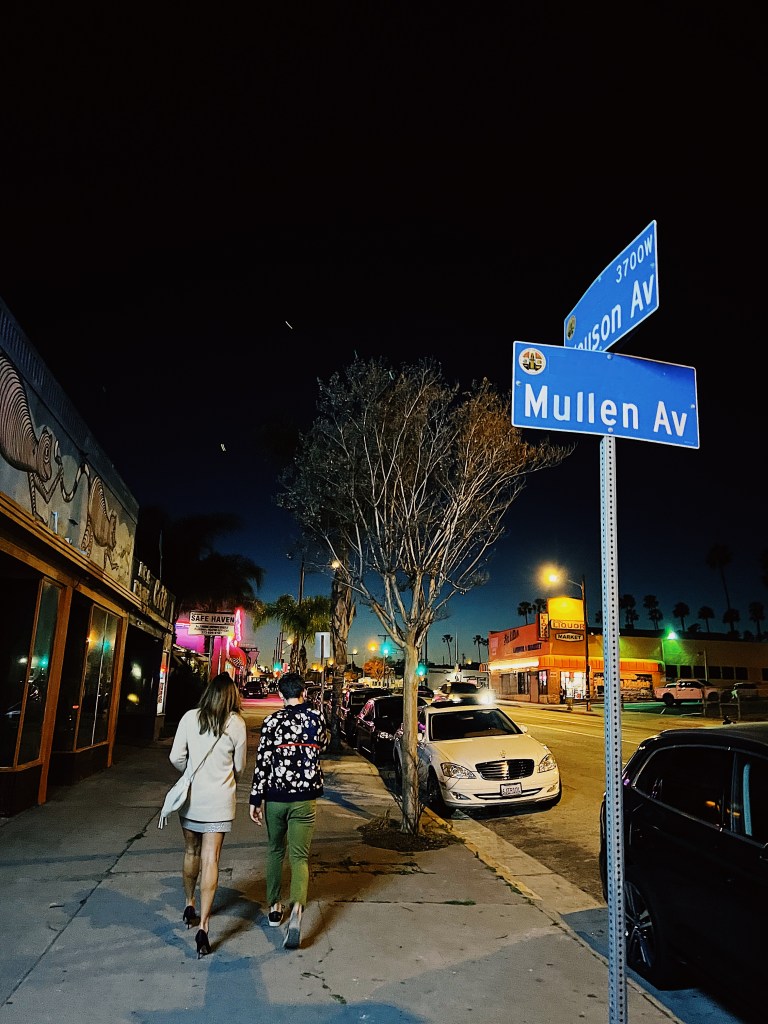
We have changed coasts but are continuing to enjoy art. Our son, Ben, took us down to SOLA Gallery in South Los Angeles for the closing of the ”On Black” exhibition, showcasing the art of local black artists.
We enjoyed the art, particularly the work of Showzart
Beauty and the Beast by Showzart
And JosephBrandon Thomas
Lil Joe with the Liberation Fro by JosephBrandon Thomas
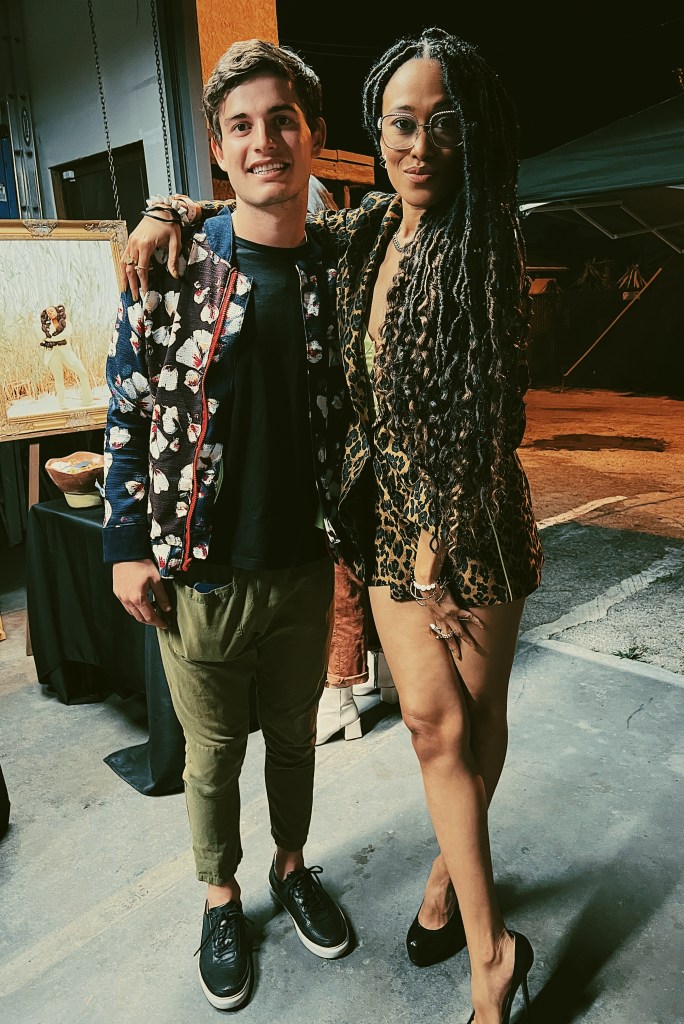
We also enjoyed meeting the curator of the event, Anefertiti Bowman.
Ben and Anefertiti
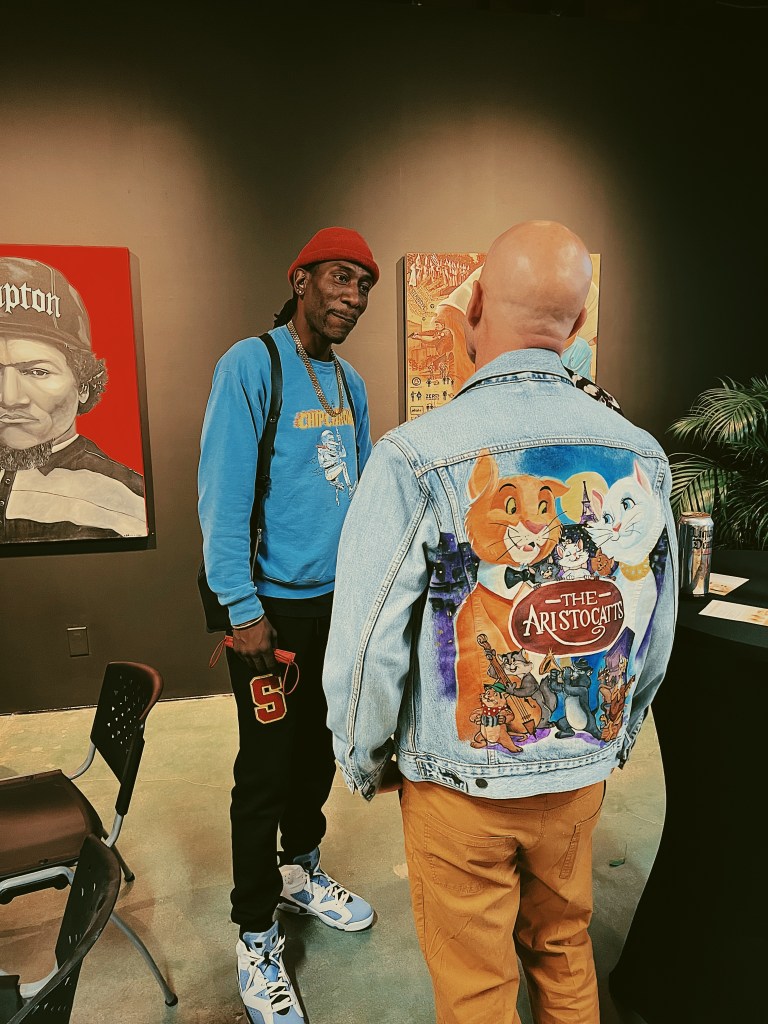
A special treat was meeting with Ben’s good friend Crushow who is also a talented artist. He even painted the Aristocatts painting on the back of Mal’s denim jacket that was commissioned as a birthday gift from Ben.
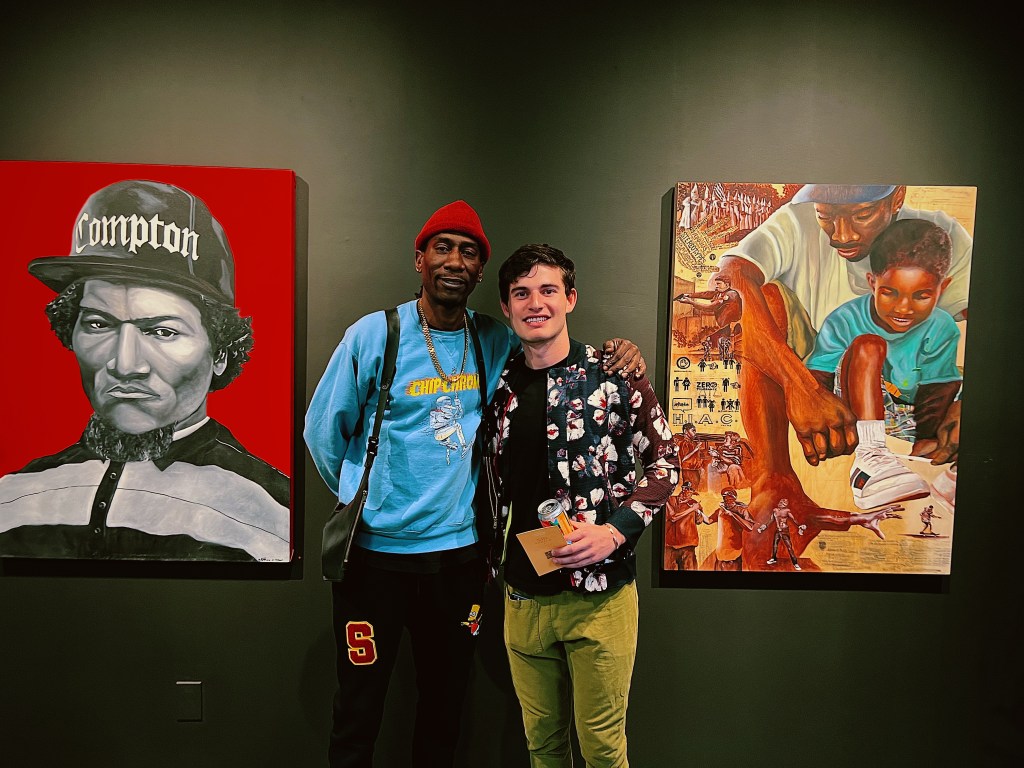
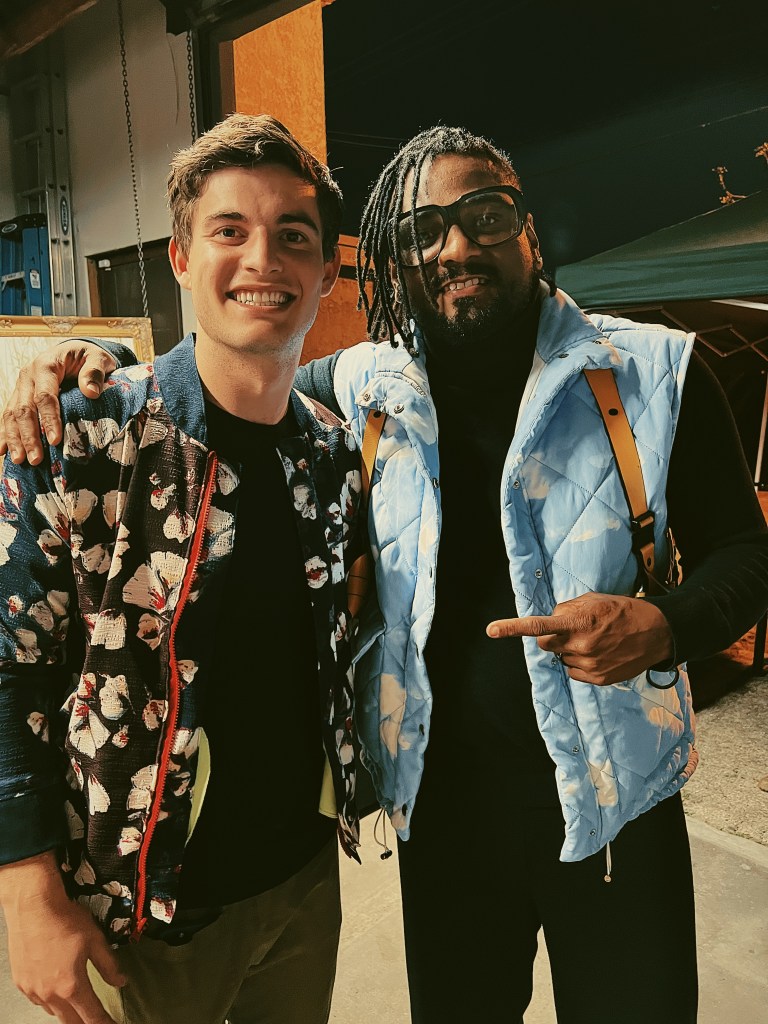
Crushow and MalCrushow and BenBen and JosephBrandon
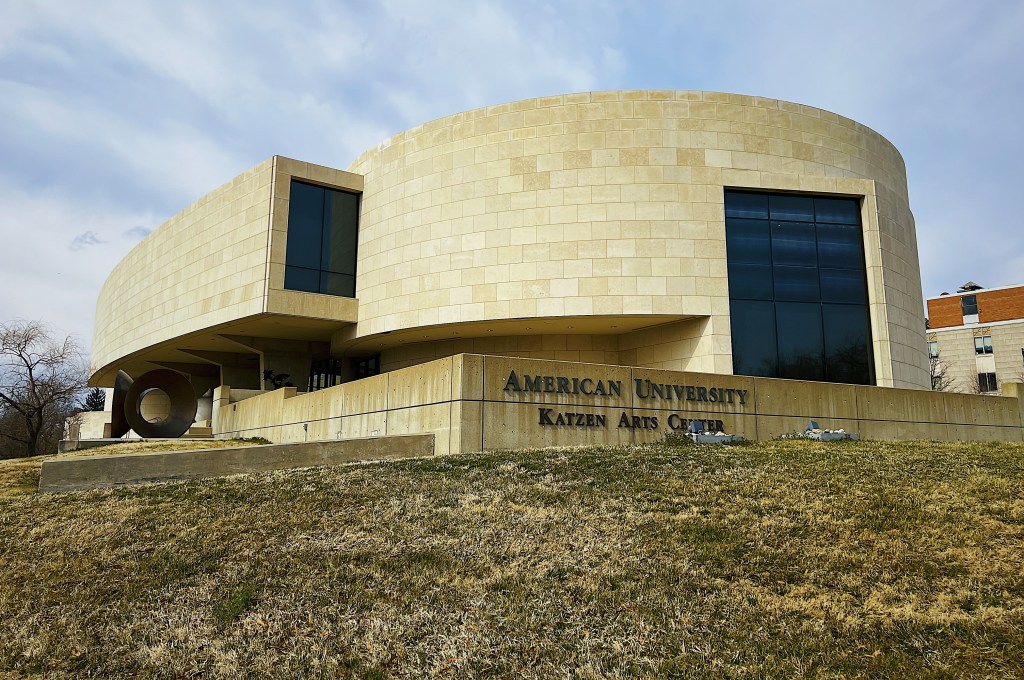
To complete our arty weekend, we walked over to the Katzen Arts Center, that is part of the American University campus. The Center is the home to the university’s visual and performing arts programs. The Center was designed by EYP Architecture & Engineering and opened in 2005. To be frank, with its curves and bits and pieces jutting out, it’s not really our type of building.
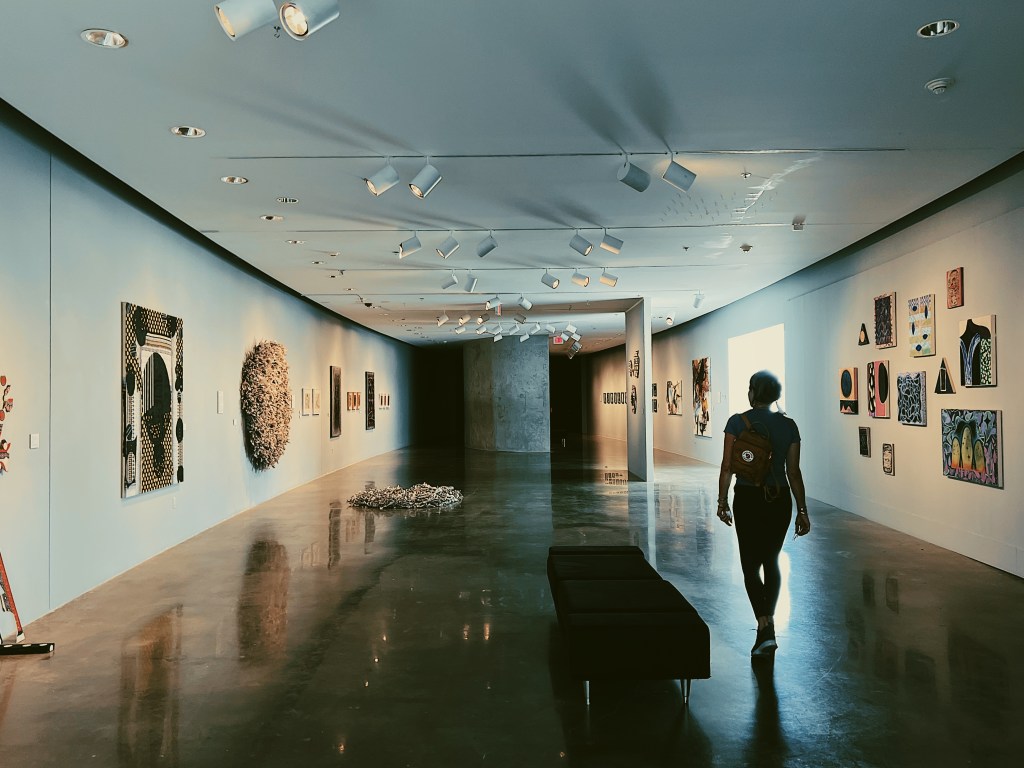
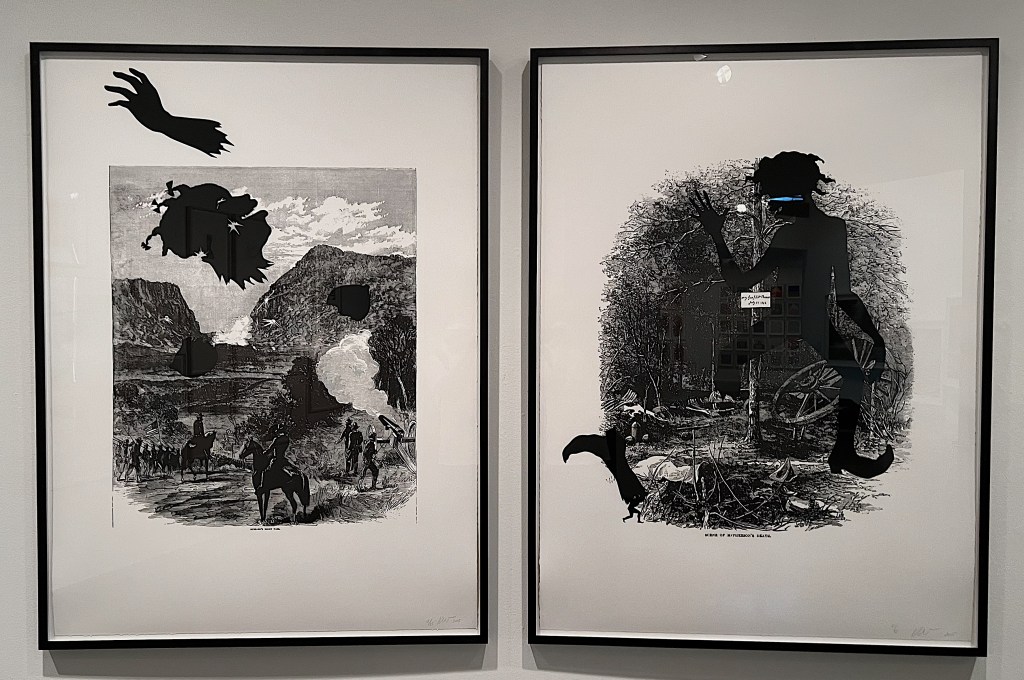
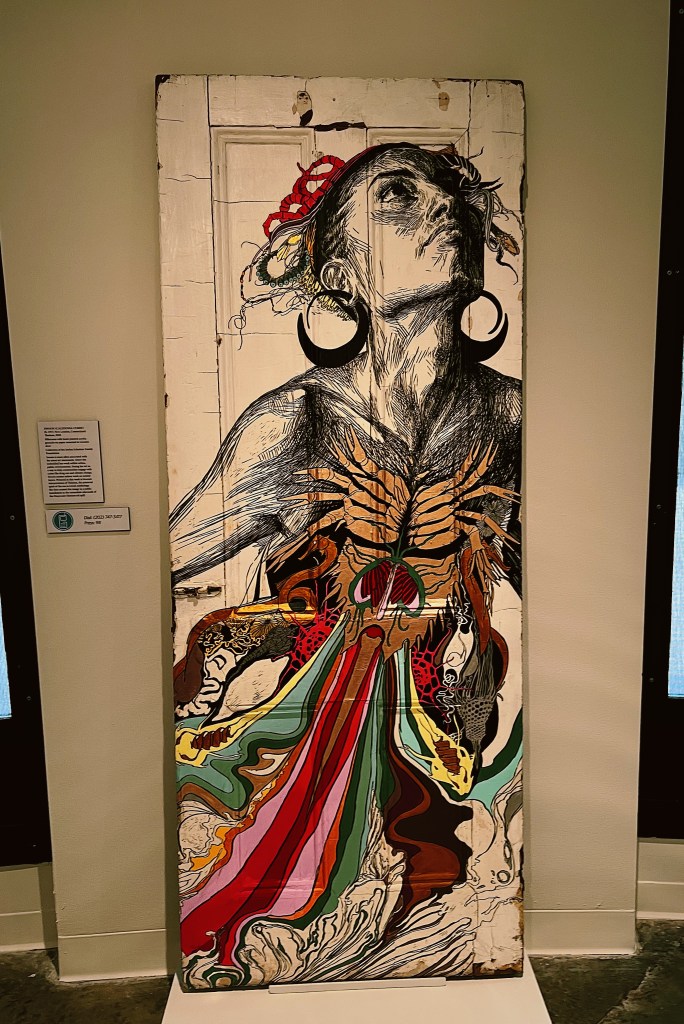
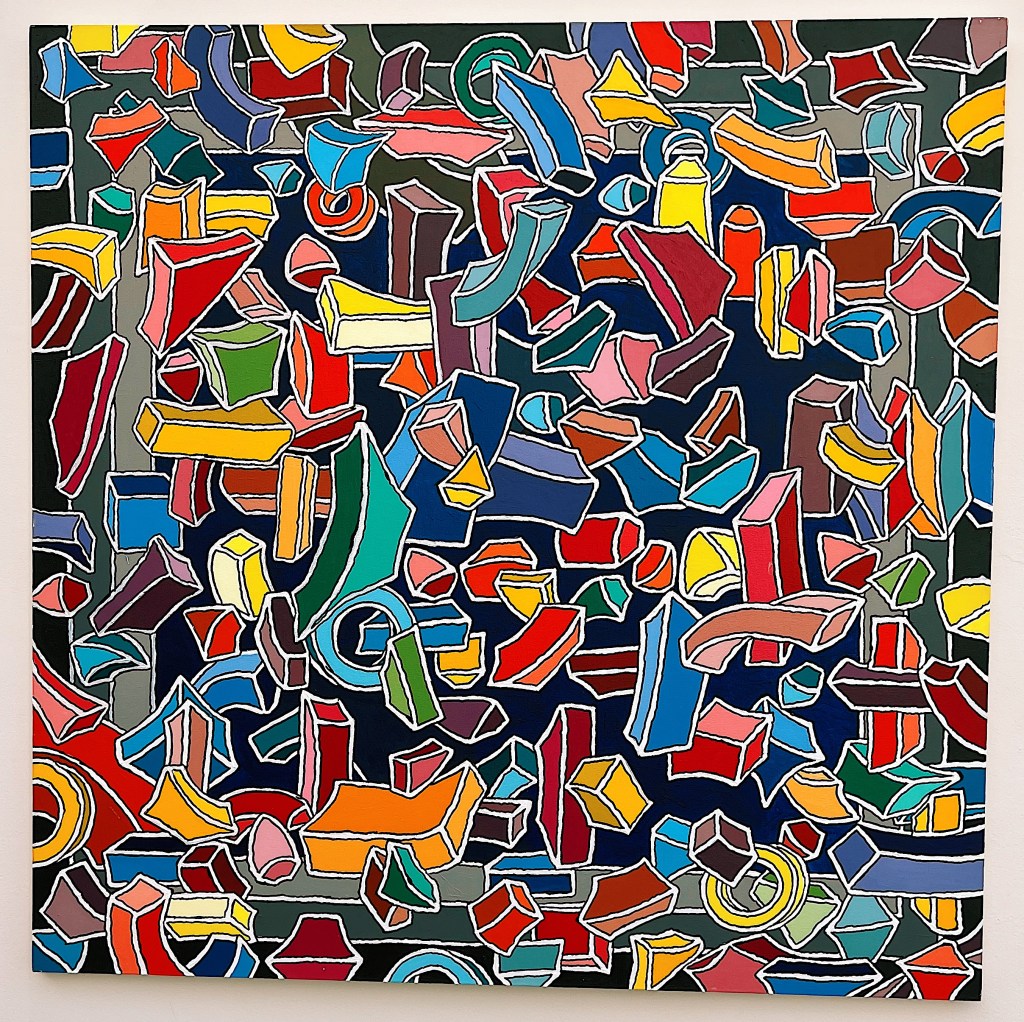
We did, however, enjoy many of the works by contemporary female artists that were on display.
Claudia SmigrodKara WalkerLorna SimpsonSwoon (Caledonia Curry)Julie MehretuSarah MorrisLinling LuCarol Brown GoldbergJae Ko
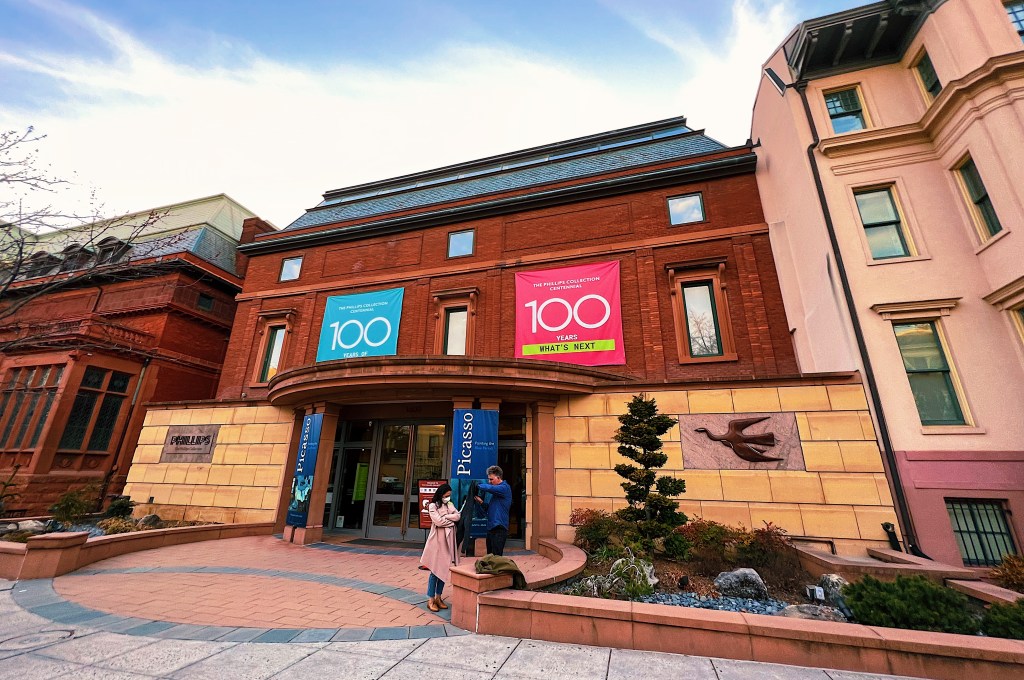
Following up on our visit to The Kreeger Museum, we decided to visit another of Washington’s prime private galleries, The Phillips Collection. The Phillips opened in 1921 and was America’s first museum devoted to modern art. It started life housed in the Georgian Revival home of its founder, Duncan Phillips, but has since that time expanded into two adjoining buildings.
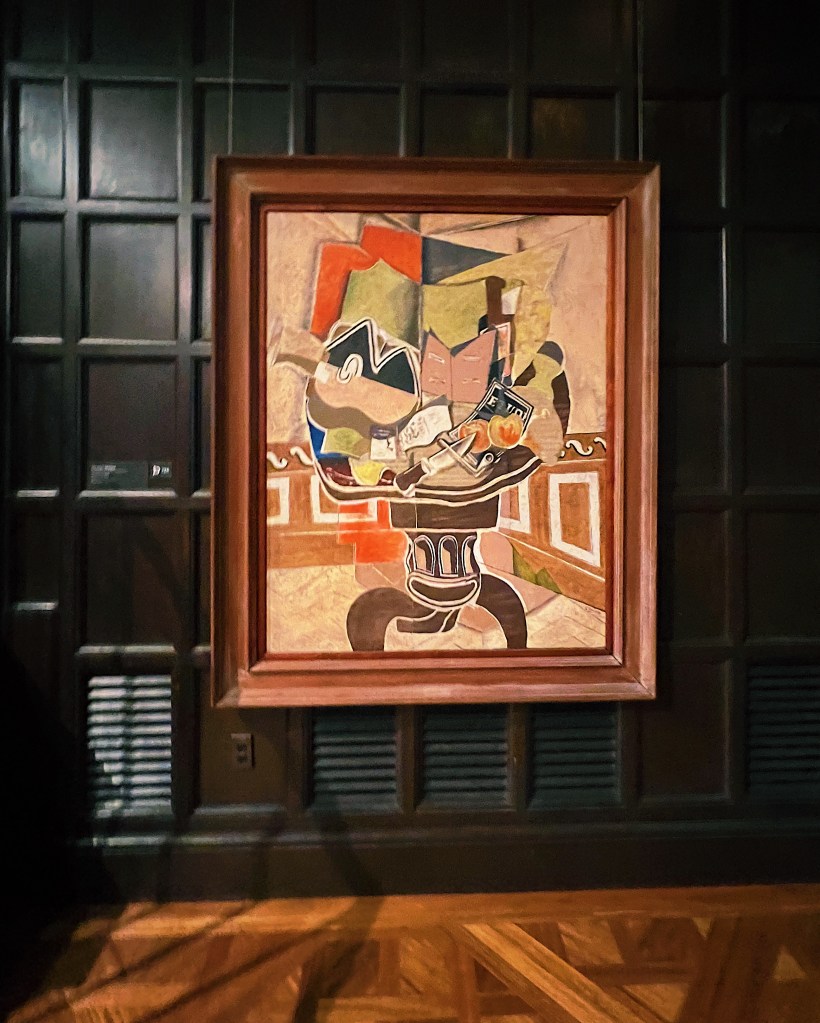
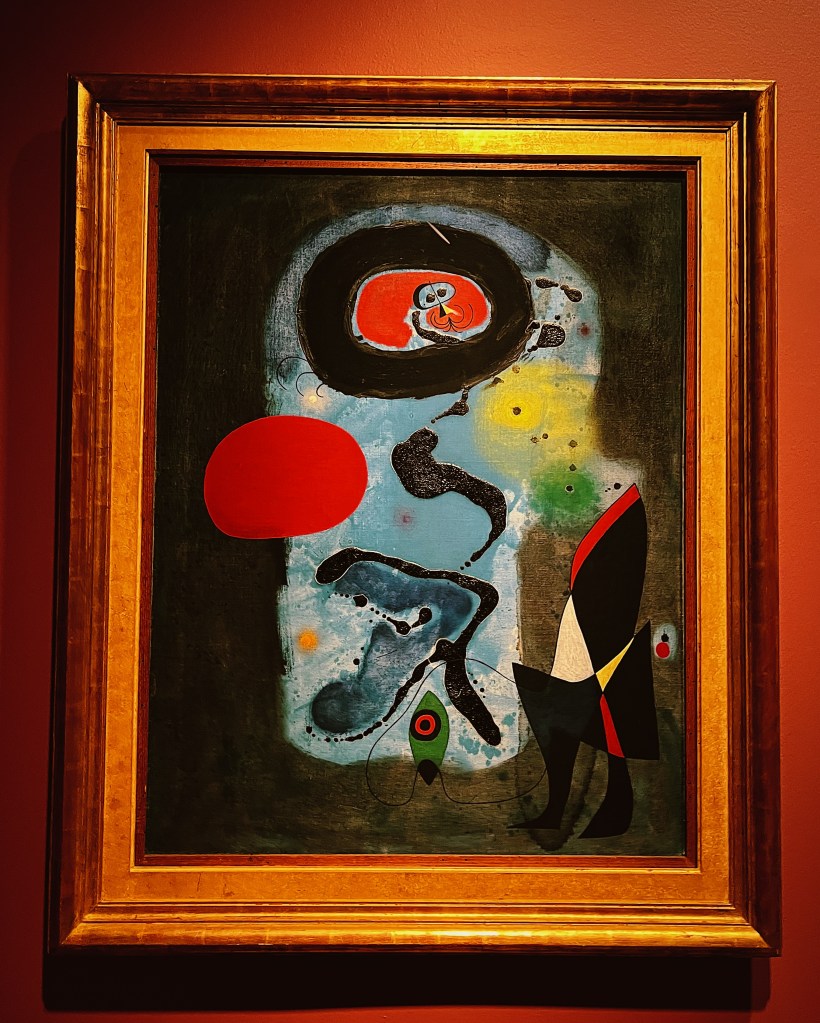
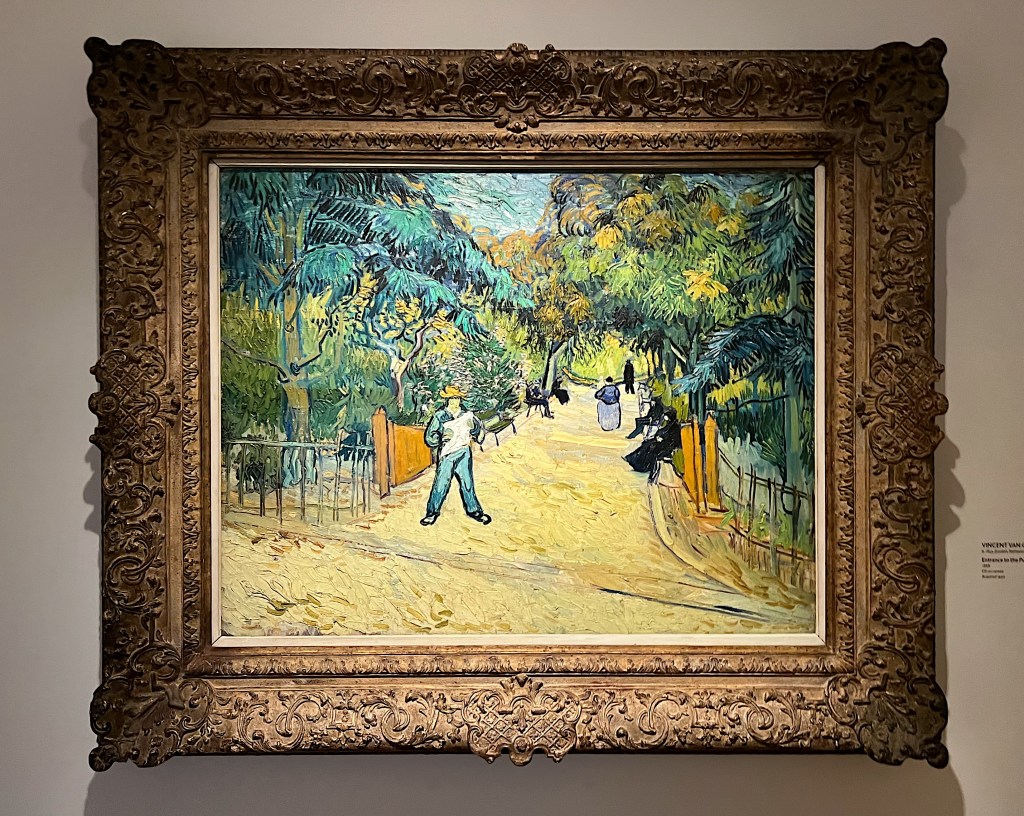
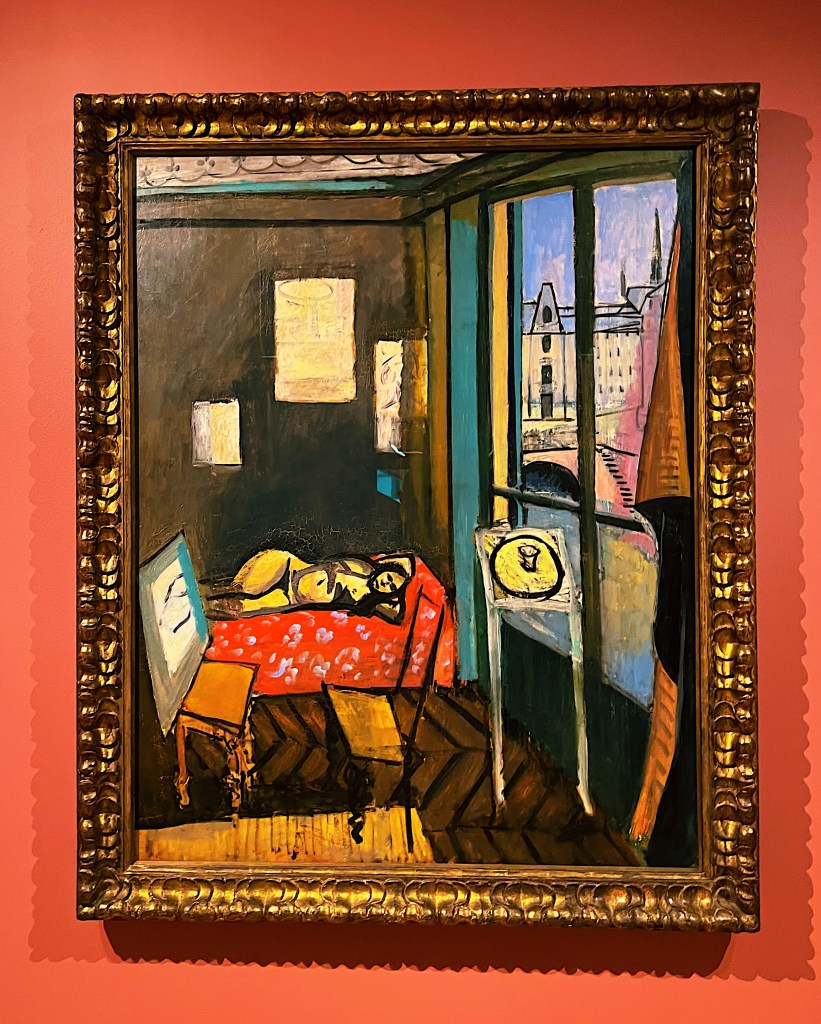
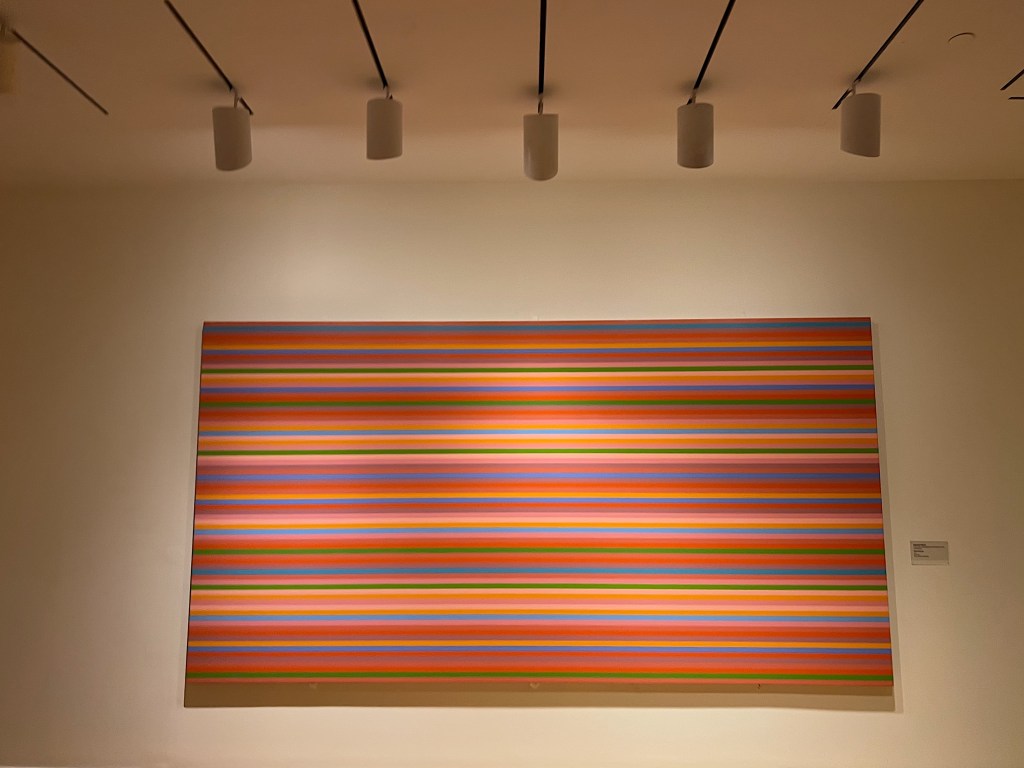
The permanent collection includes nearly 3,000 works by American and European impressionist and modern artists. Many of the old favorites were there. Here’s a sampling:
Georges BraqueJoan MiroVincent Van GoghHenri MatisseBridget RileyPablo Picasso
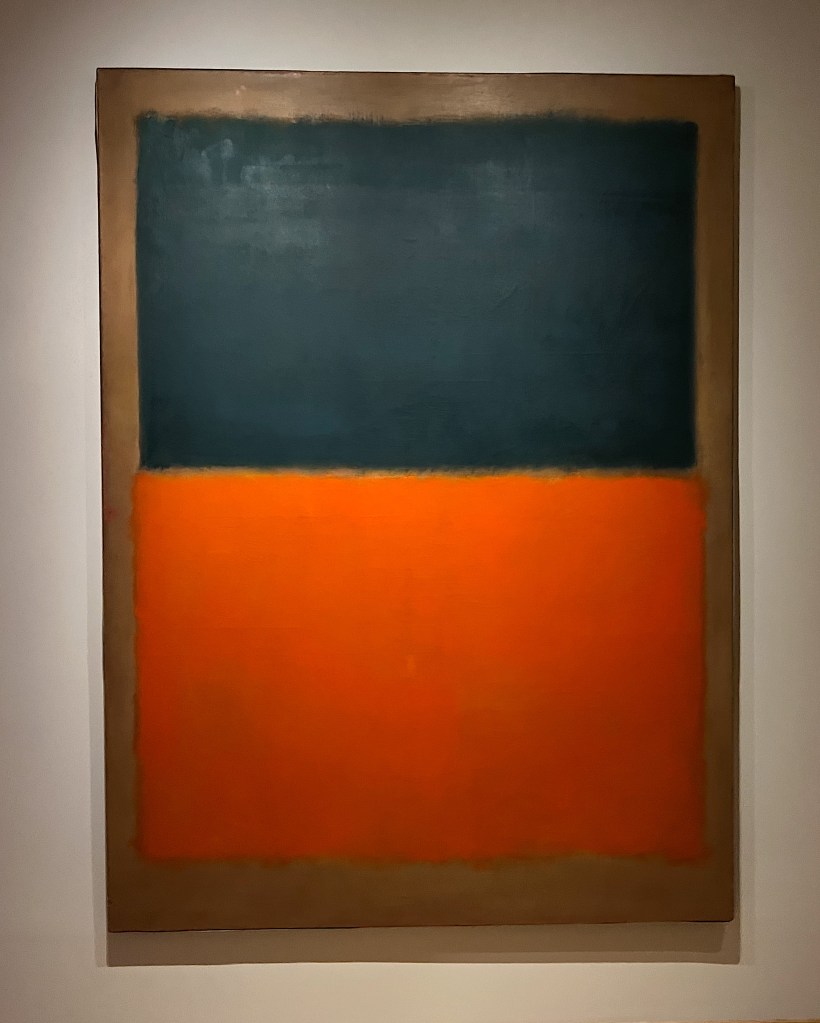
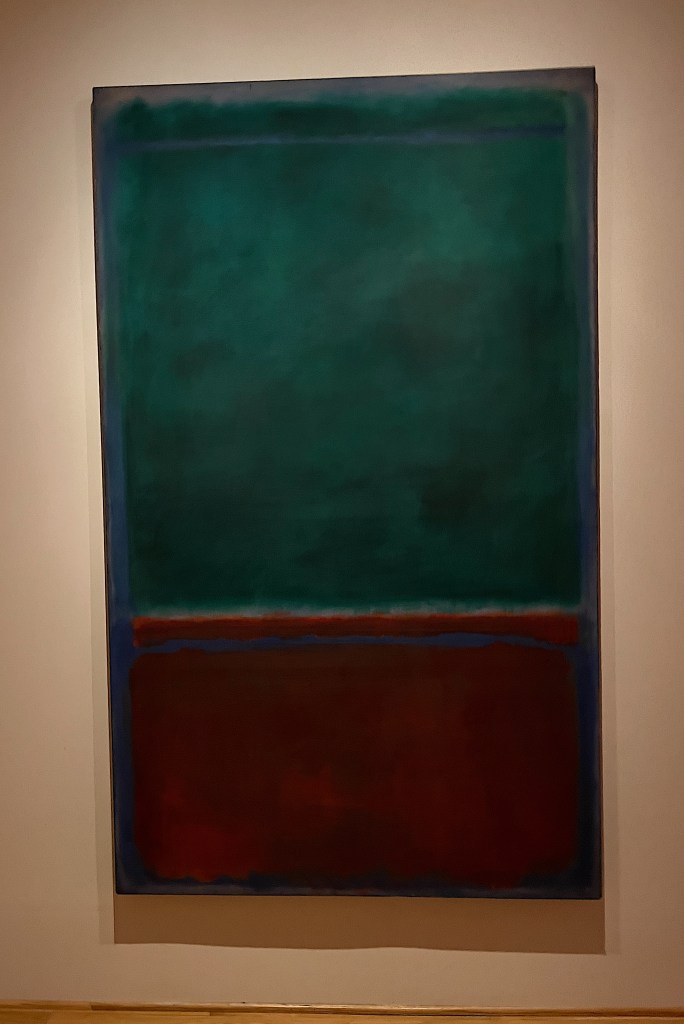
There is a room devoted entirely to the works of Mark Rothko. It is an intimate room and a quiet spot to sit and ponder. The paintings appear to glow. Unfortunately, the photos fail to accurately show the depth and vibrancy of the colors.
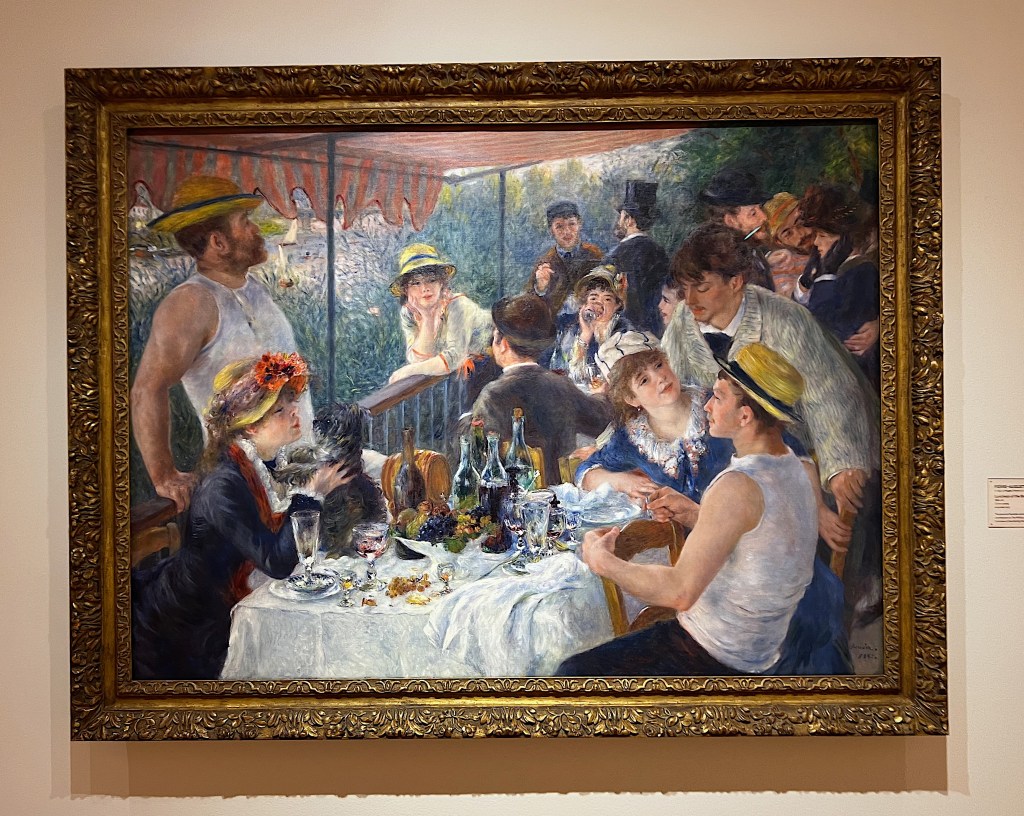
Perhaps the museums’s most famous piece is Pierre-August Renoir’s iconic impressionist painting, Luncheon of the Boating Party.
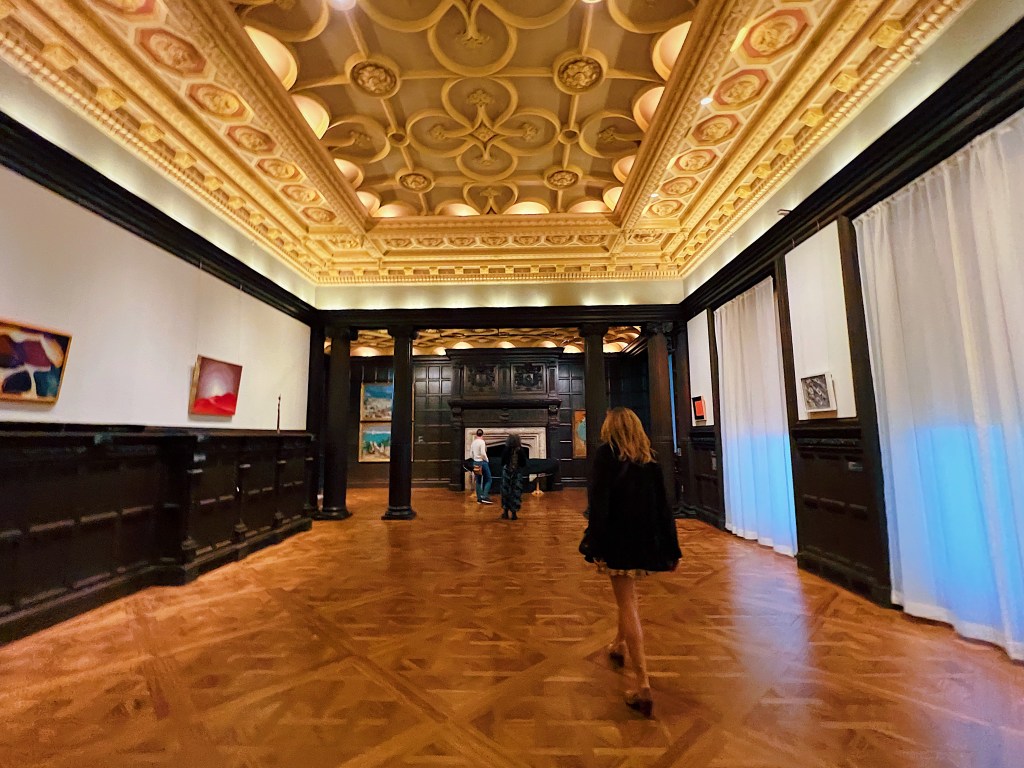
The museum also has a large music room where they hold performances. We once saw a GoGo concert there. They had rolled a harpsichord into the space for a Vivaldi concert to take place the next evening. The ornate room definitely appeared more suited to Vivaldi than Go Go.
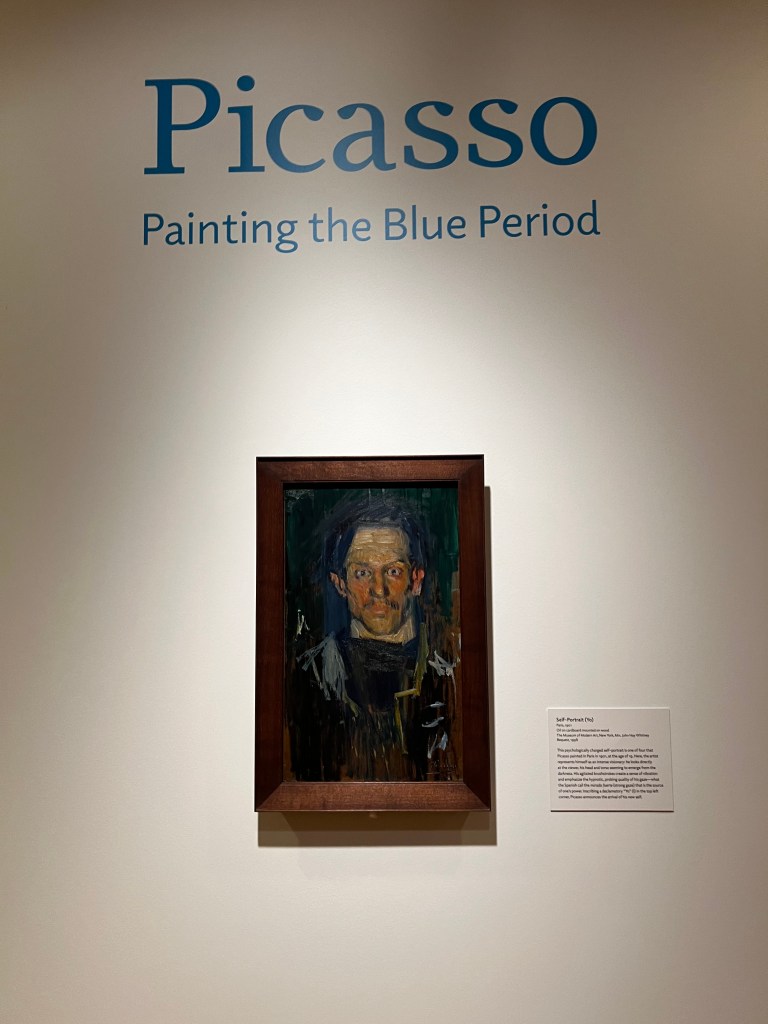
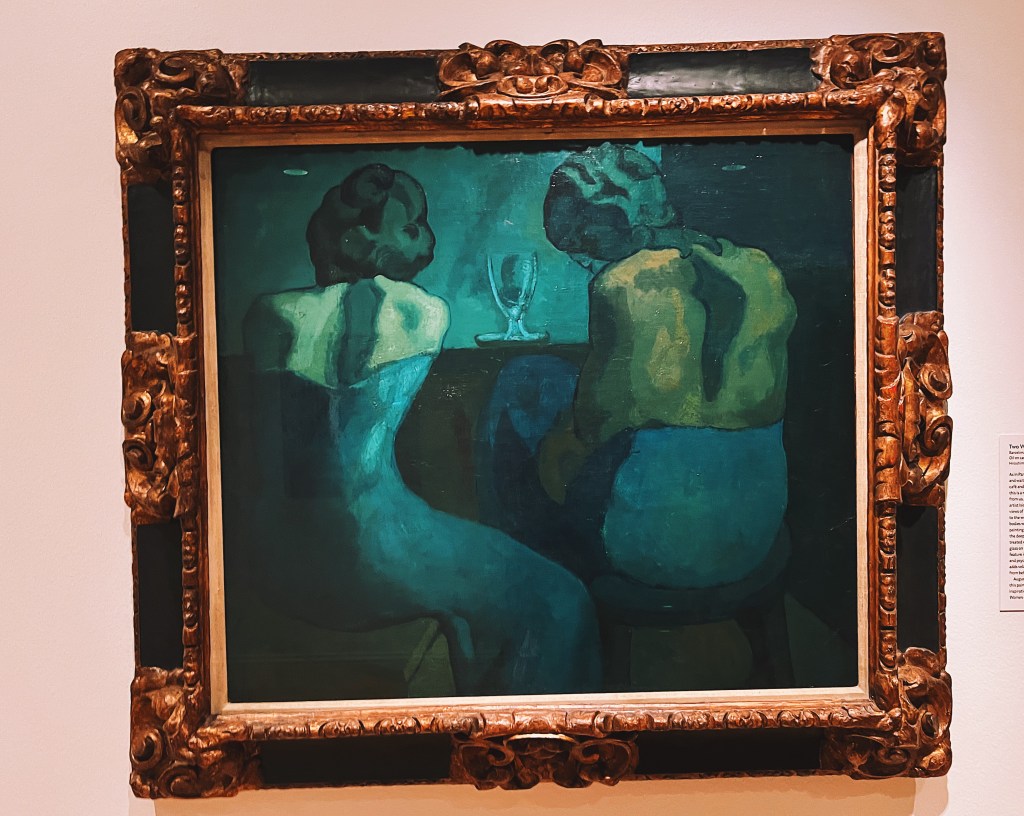
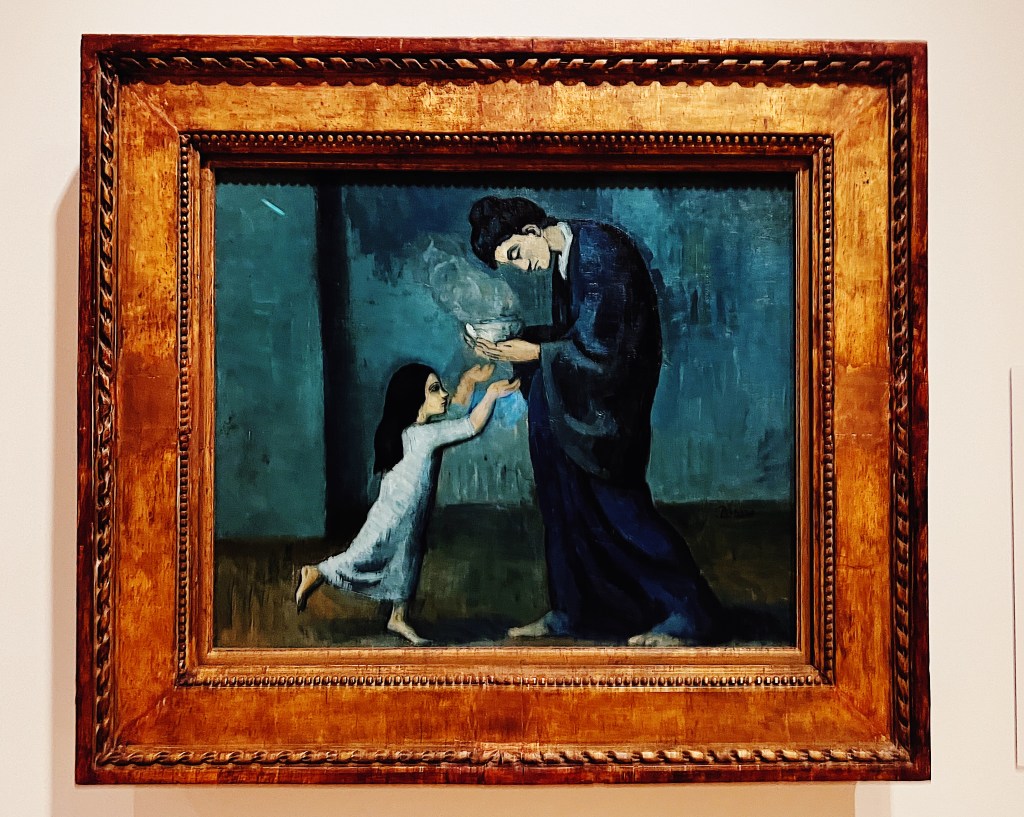
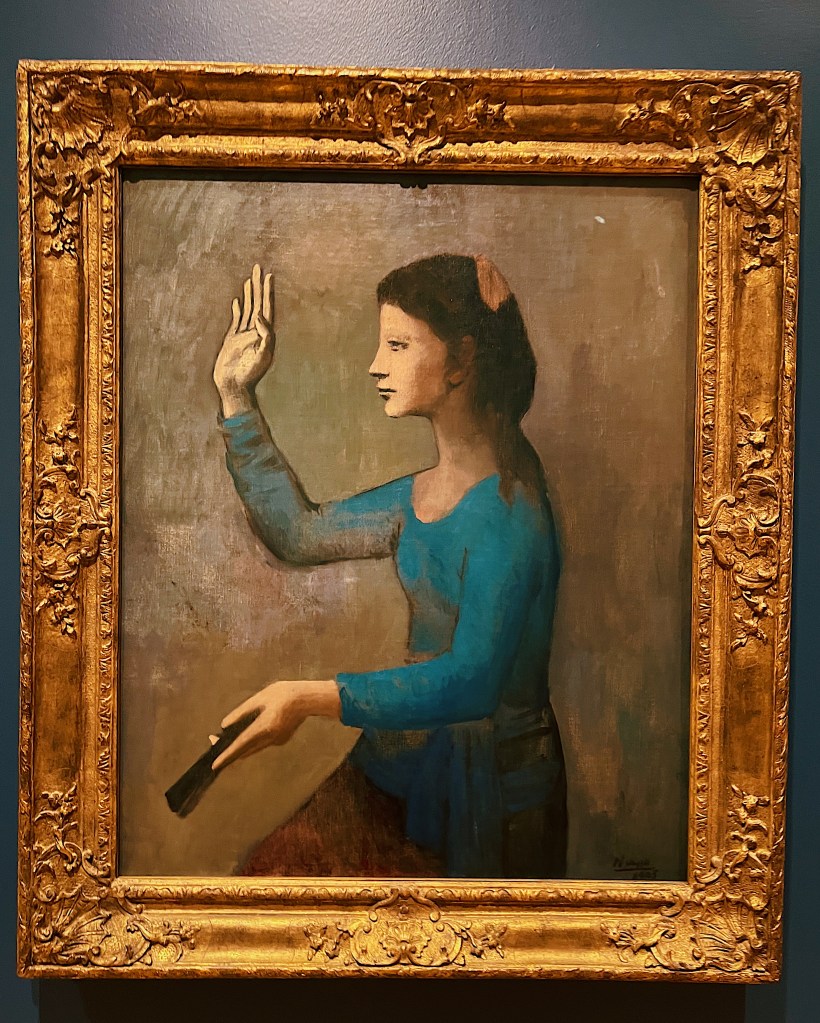
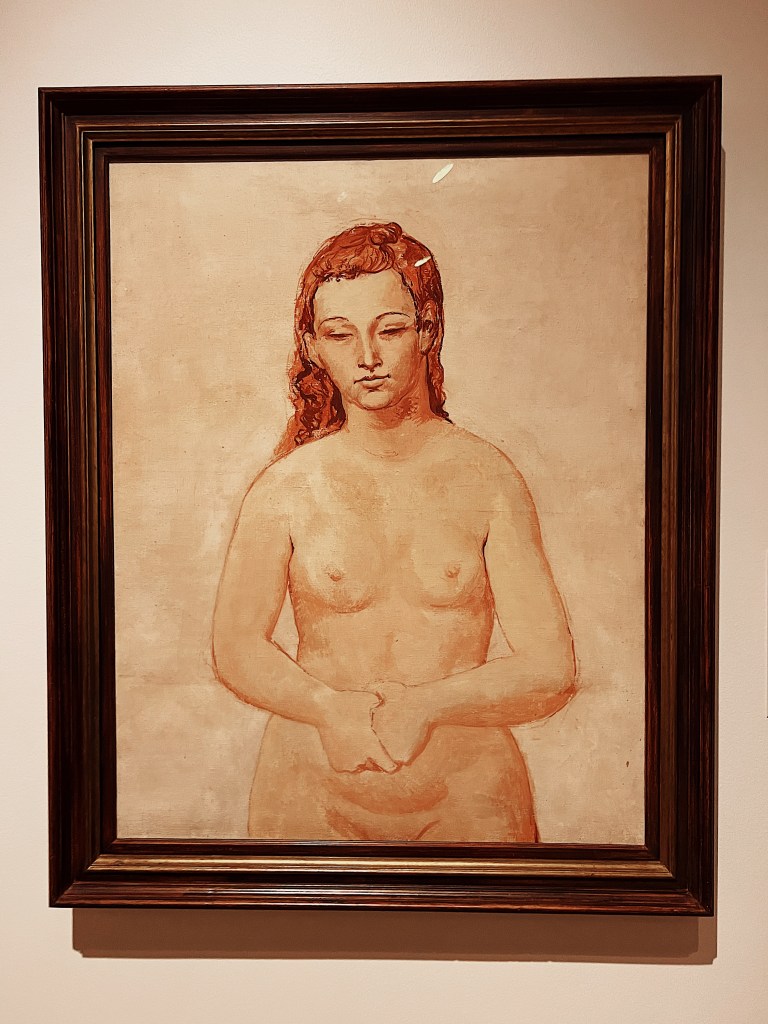
But what we had really come to see was an exhibition of Pablo Picasso’s blue period paintings in the adjoining building.
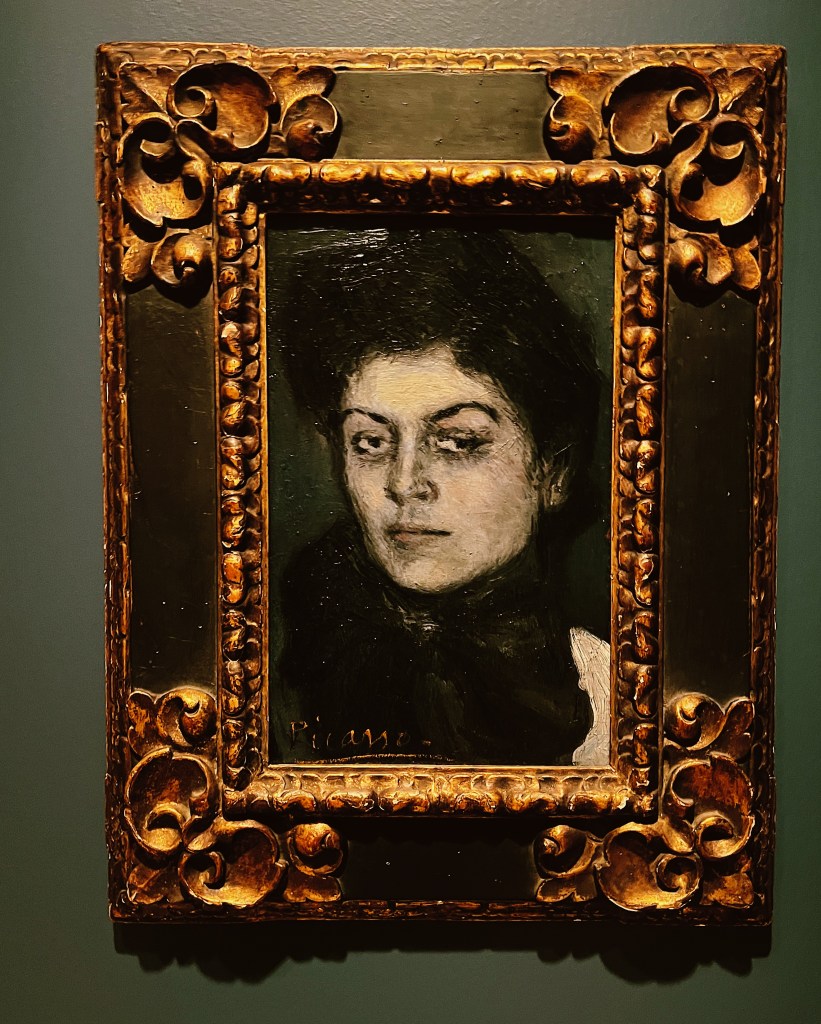
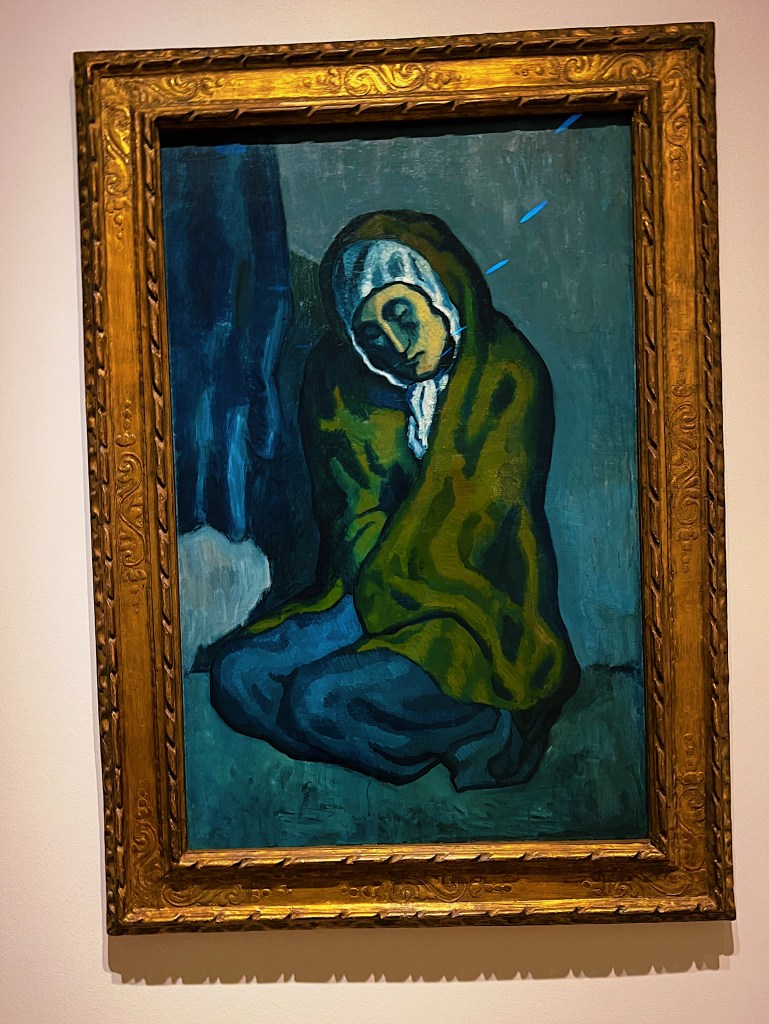
Some people have argued that Picasso is not the greatest modern artist of all time. But they, with all due respect, are wrong. He simply sits head and shoulders above all of the rest. Focusing on the years 1900-04, the exhibition was breathtaking. It’s just unfathomable that at the time he was creating these paintings he was just 19-23 years old. If these paintings were all he ever created, he would still rank among the greats, but he was just starting. Anyway, here are just a few of the paintings from the exhibition. It started off with some of his earliest works, where he showed that he could already knock off a portrait and still life as well as anyone.
Then the exhibition moved onto the blue period paintings.
Finally, it ended up with some paintings from his early Rose Period.
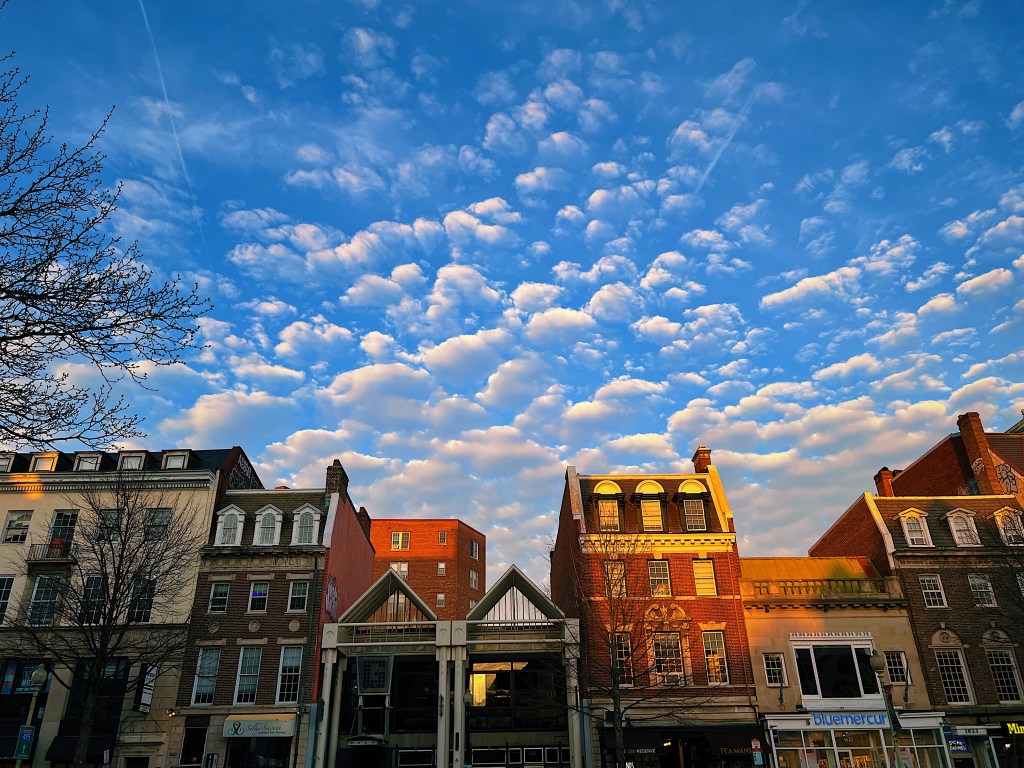
Leaving the gallery, we made our way over to nearby Connecticut Avenue for an early dinner at Bistro du Coin, where we could pretend we were eating at one of the establishments in Paris that Picasso used to haunt. Along the way, we saw some spectacular clouds over the buildings lining the avenue.
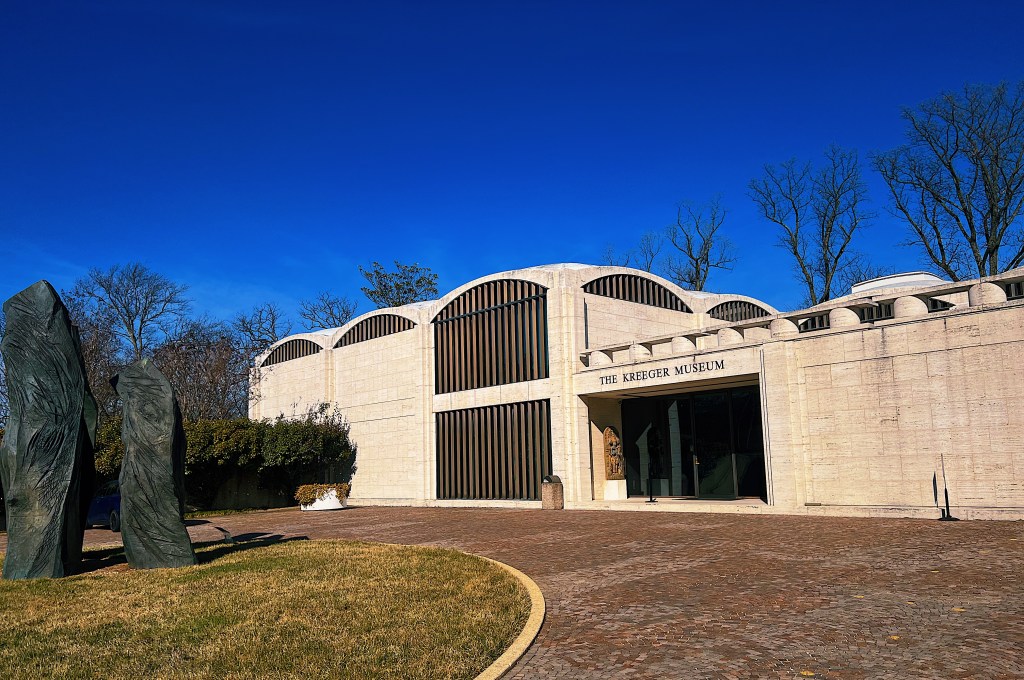
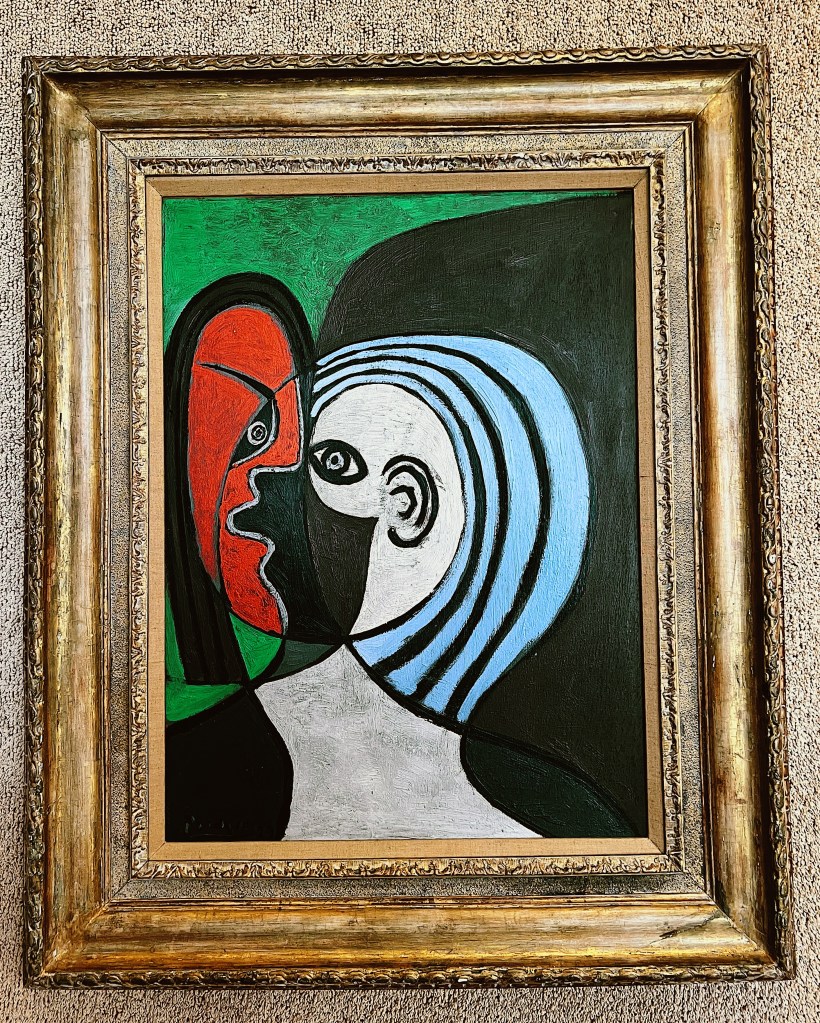
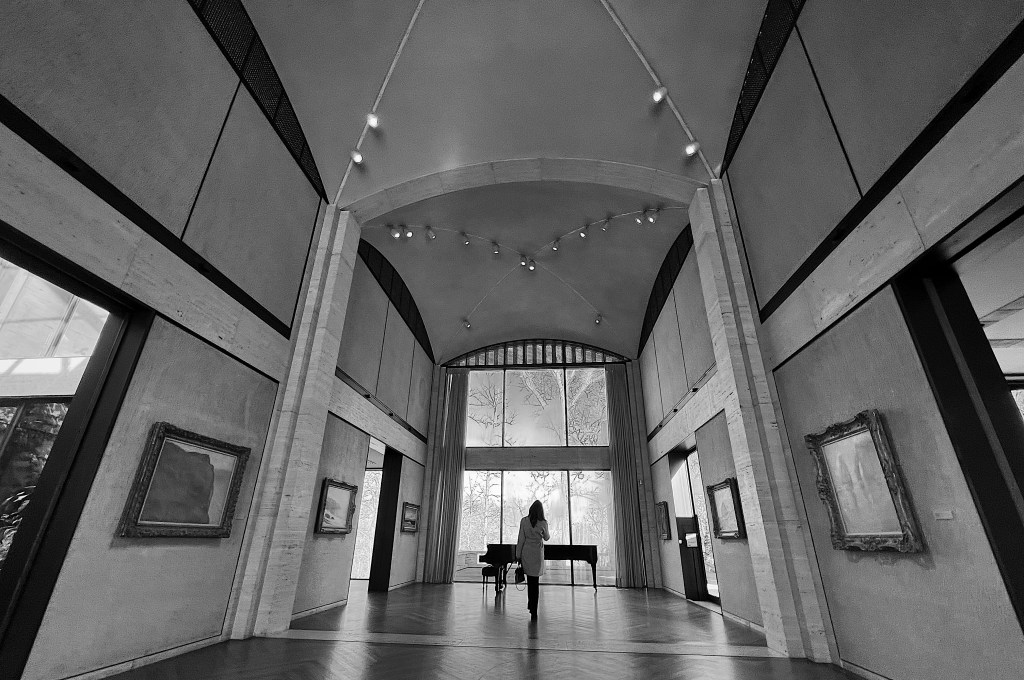
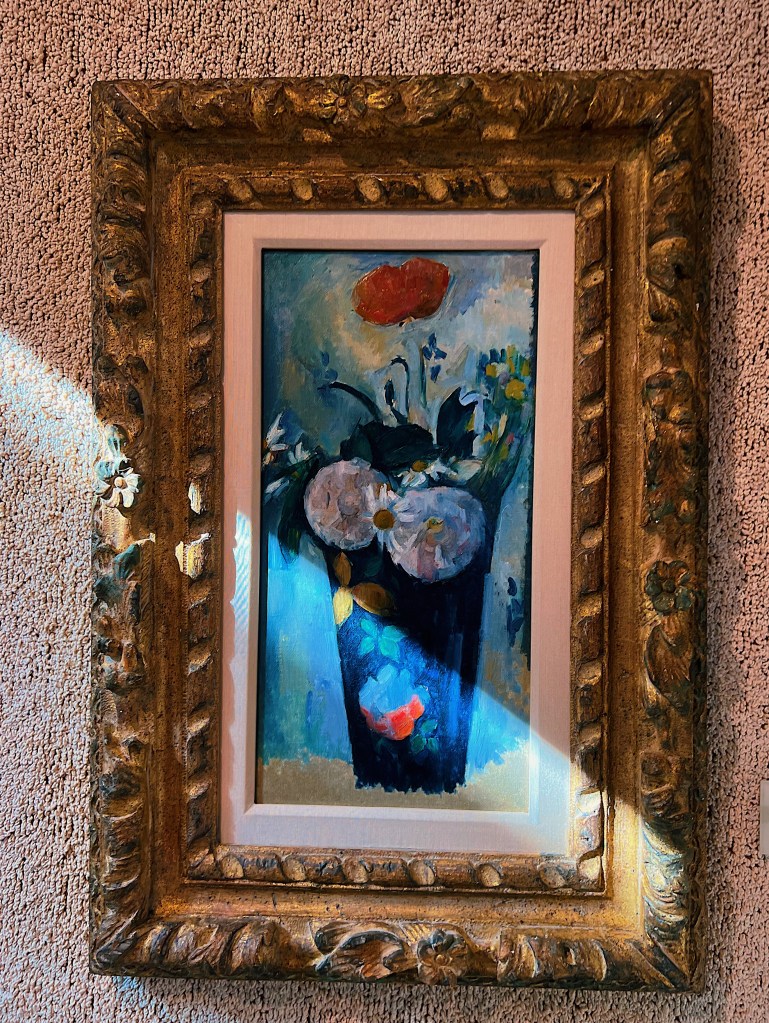
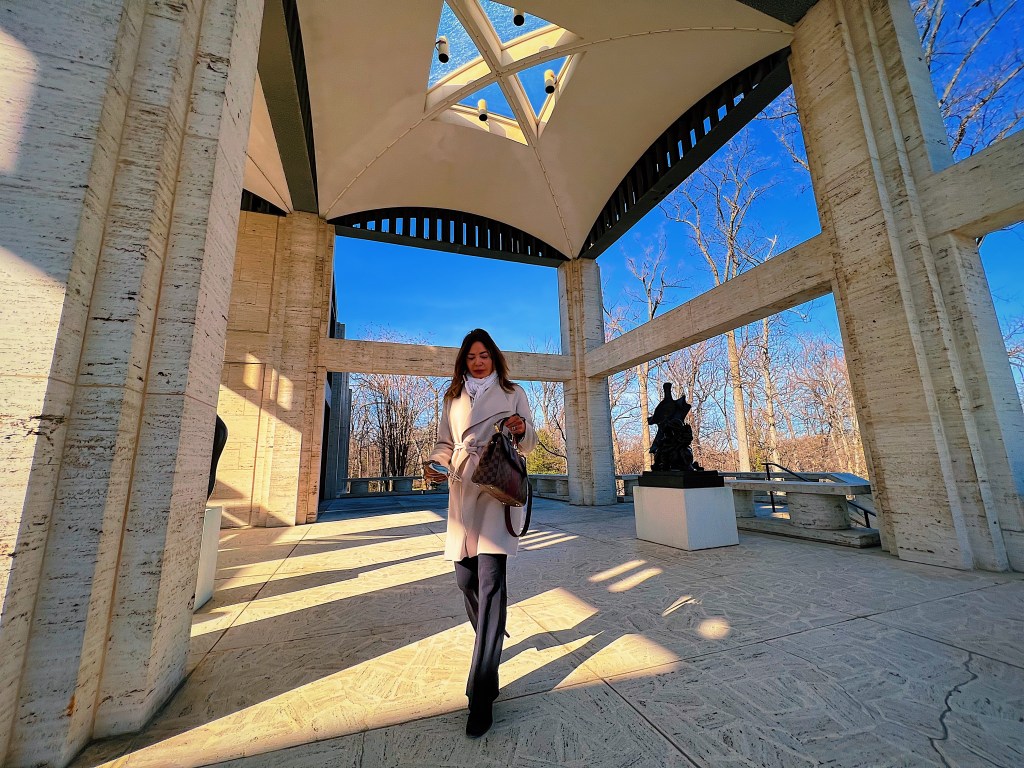
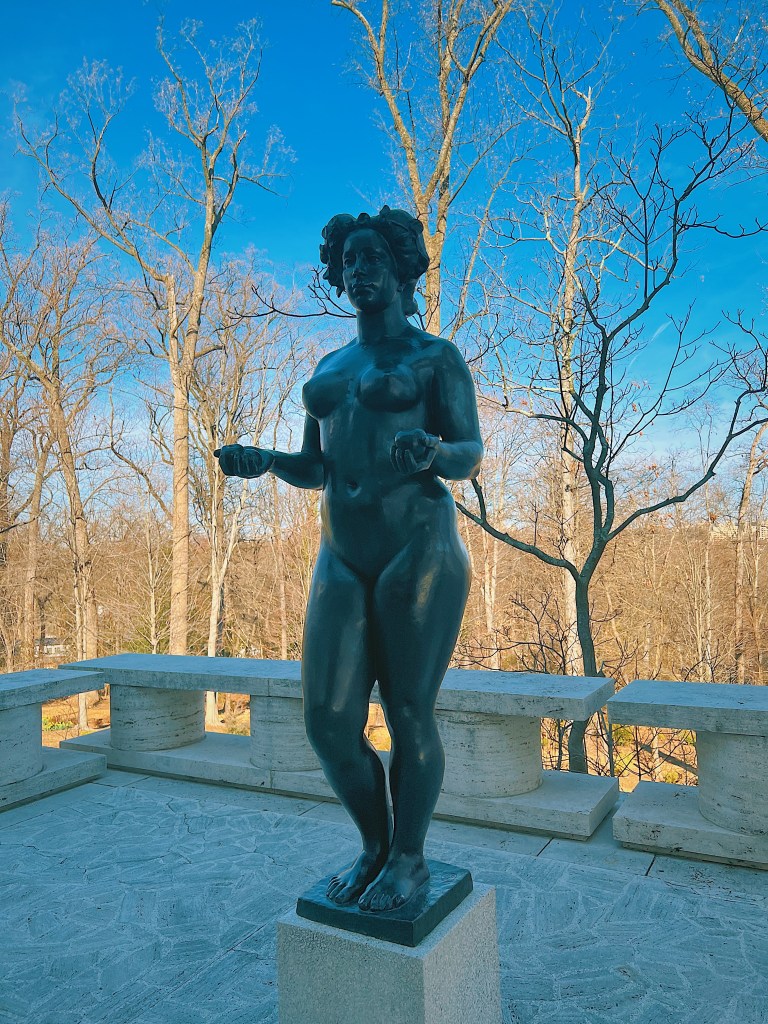
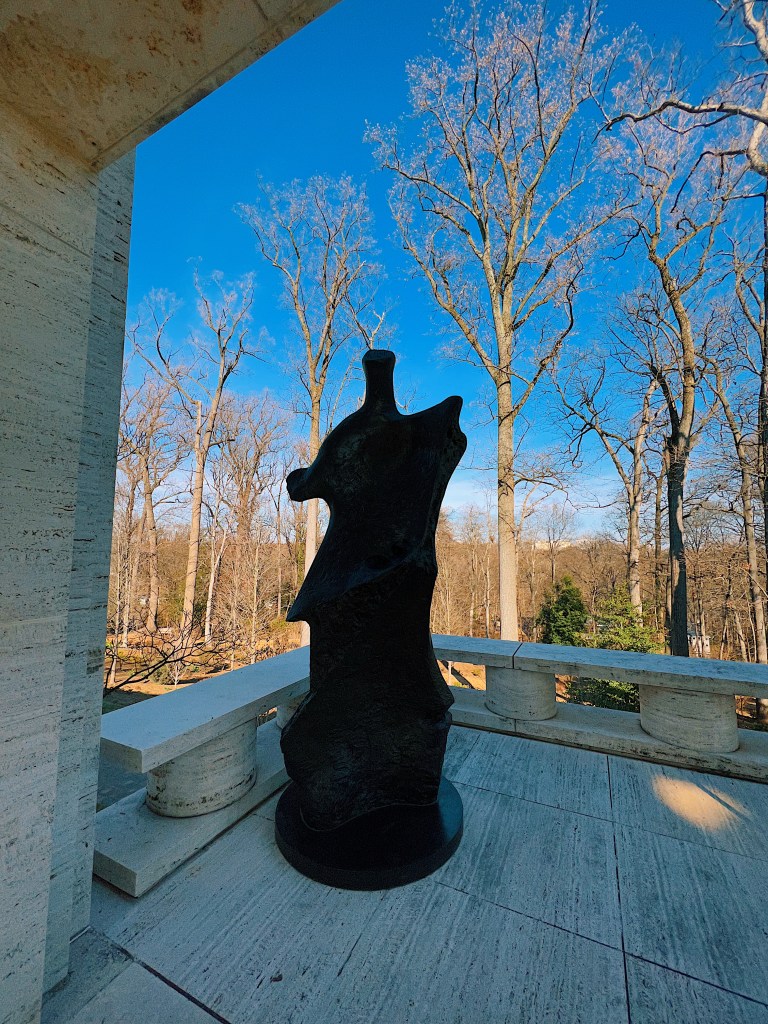
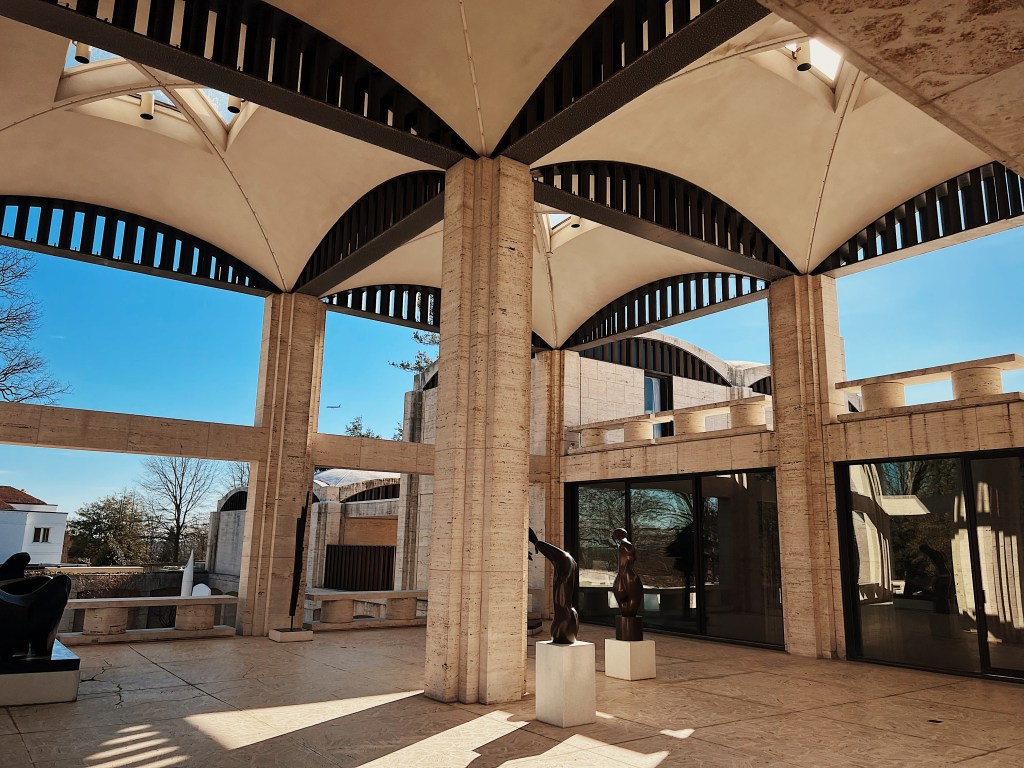
Washington, D.C. is well-known for its Smithsonian museums and galleries, which people come to visit from all around the world. But the city also has more than its fair share of smaller private museums and galleries. One of our favorites is The Kreeger Museum. Situated in the middle of the affluent suburb of Foxhall, the museum is located in the former home of David and Carmen Kreeger and houses their collection. The mansion was designed by iconic American architect, Philip Johnson, in 1963. It is worth a trip to the museum just to explore the stunning building. But the art collected by the Kreegers is also astonishing. Among the paintings and sculptures are works by Picasso, Miro and Cezanne. There are sculptures by such legends as Henry Moore.
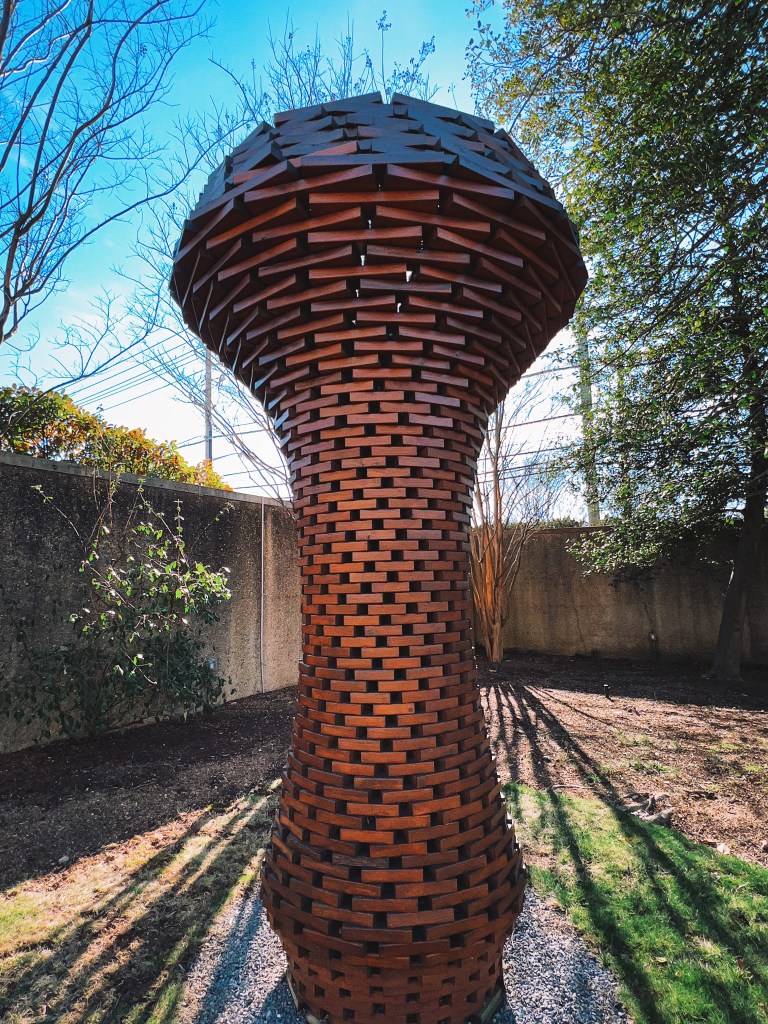
Studio with Black Vase by Georges BraqueTwo People by Joan MiroHead of a Woman with a Hat and Head of a Woman by Pablo PicassoUntitled by Clyfford StillThe Dark Blue Vase by Paul CezannePomona by Aristide MaillolInventions by John DreyfussThree Piece Reclining Figure No.2 and Standing Figure: Knife Edge by Henry MooreFlame of Friendship by Leonardo NiermanAgainst the Day by Richard Deutsch Revolve by Foon Sham
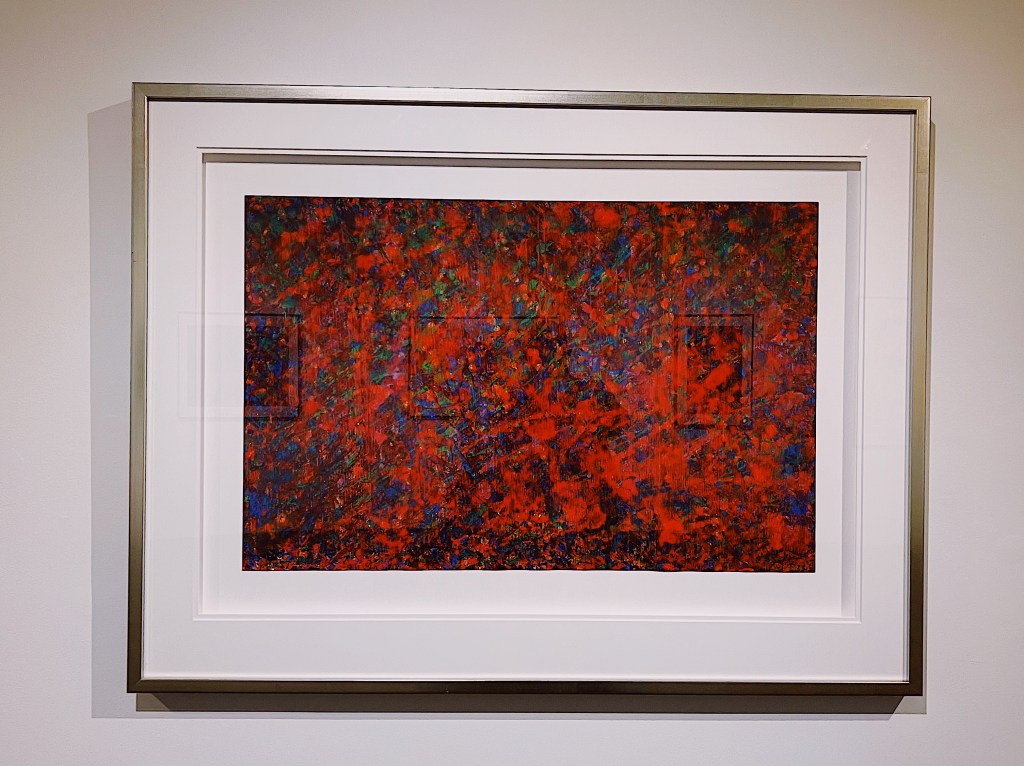
As well as its permanent collection, the Museum also hold temporary exhibits. At the moment they are showing prints by local print maker, Lou Stovall. When we first came to the District, over thirty years ago we came to know Lou. He has a studio in his home in nearby Cleveland Park where he and his wife Di have created a large body of beautiful work. The workshop has also been used by such famous artists as Alexander Caldwell and Jacob Lawrence. He is not only a fine artist but also a fine gentleman.
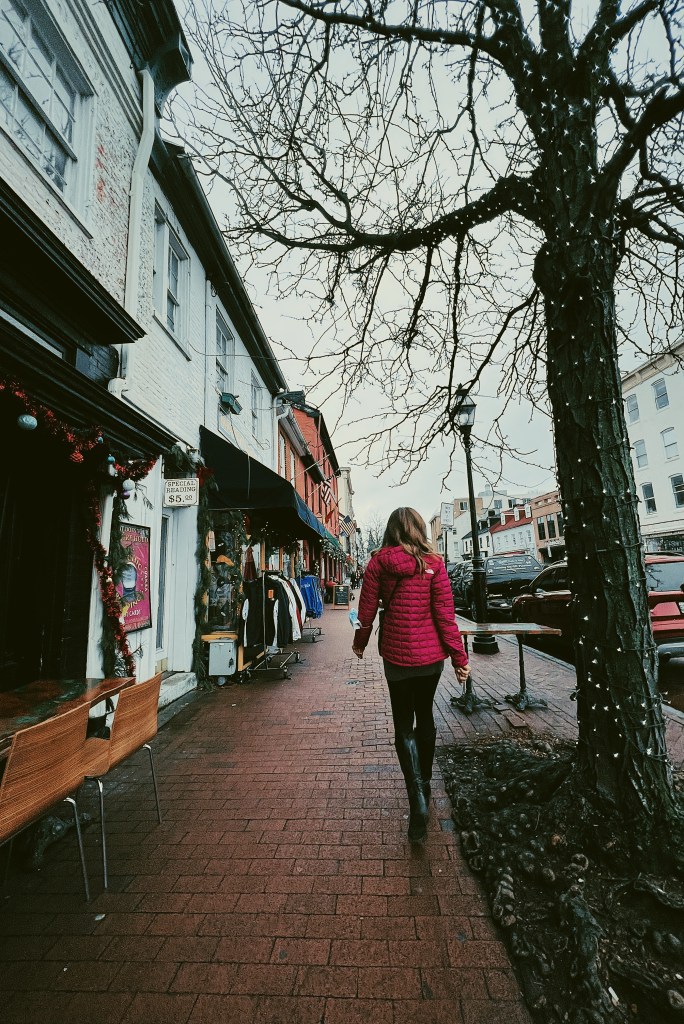
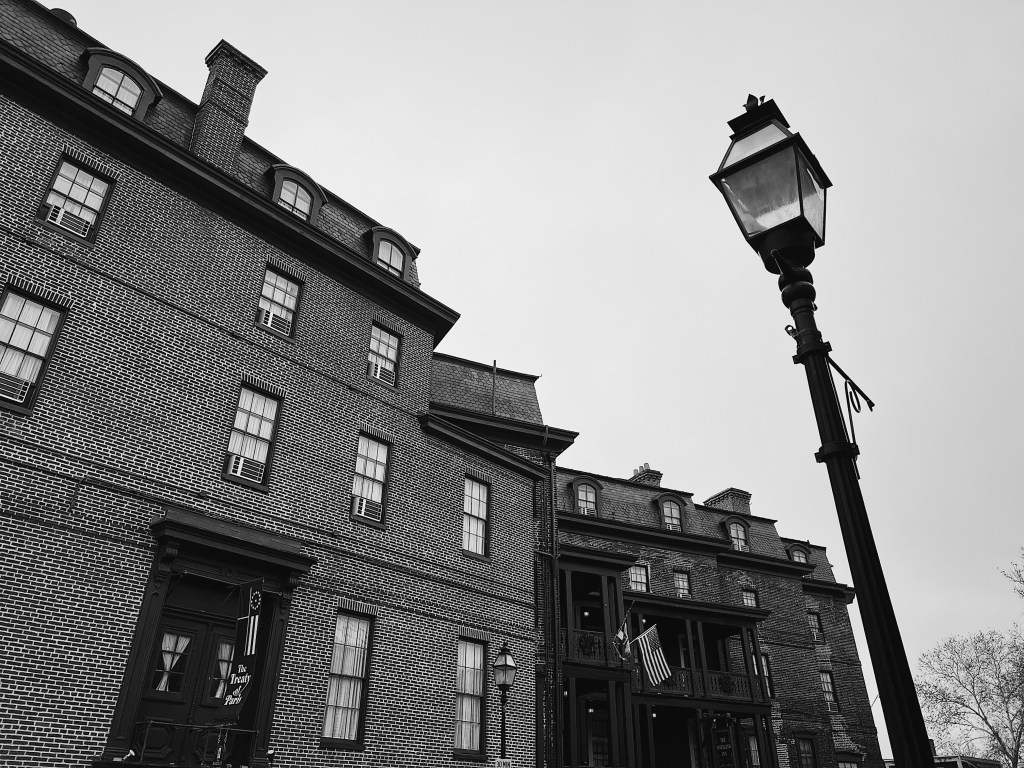
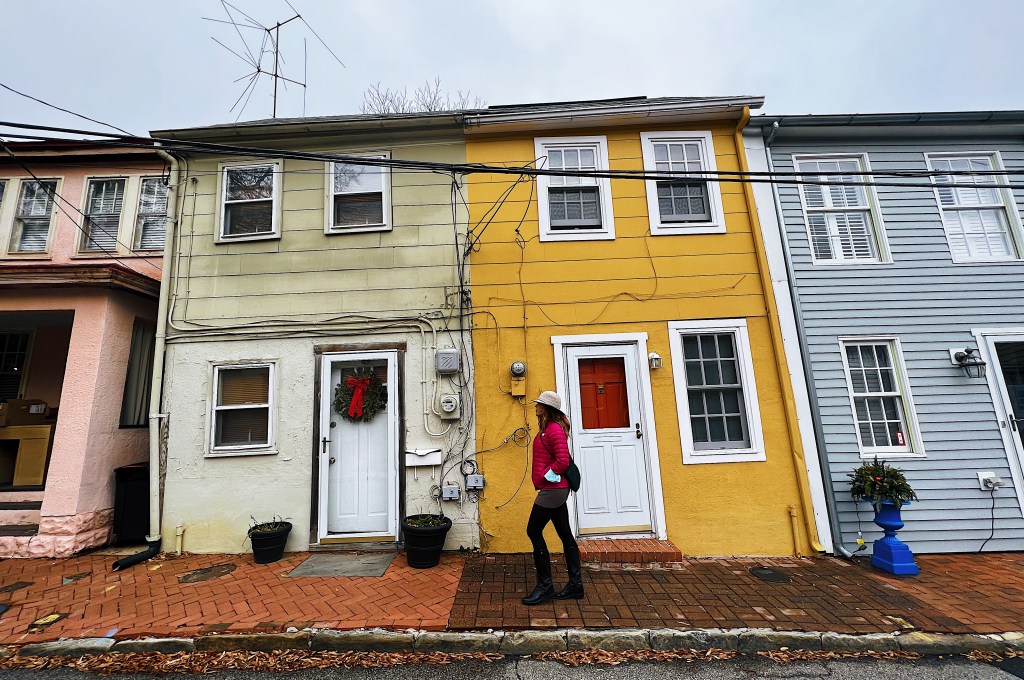
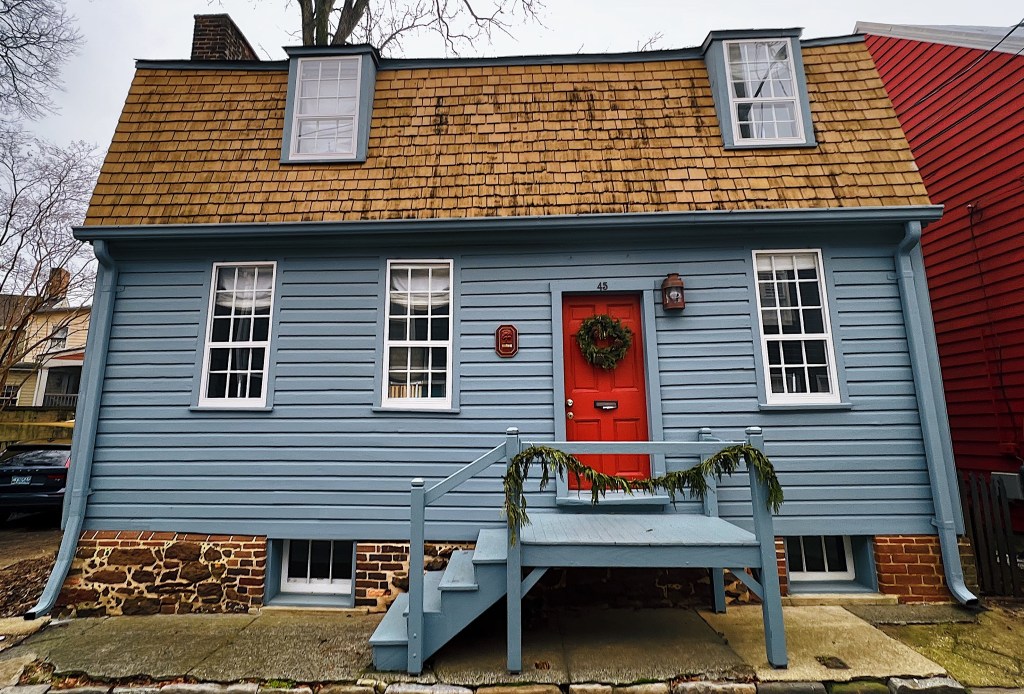
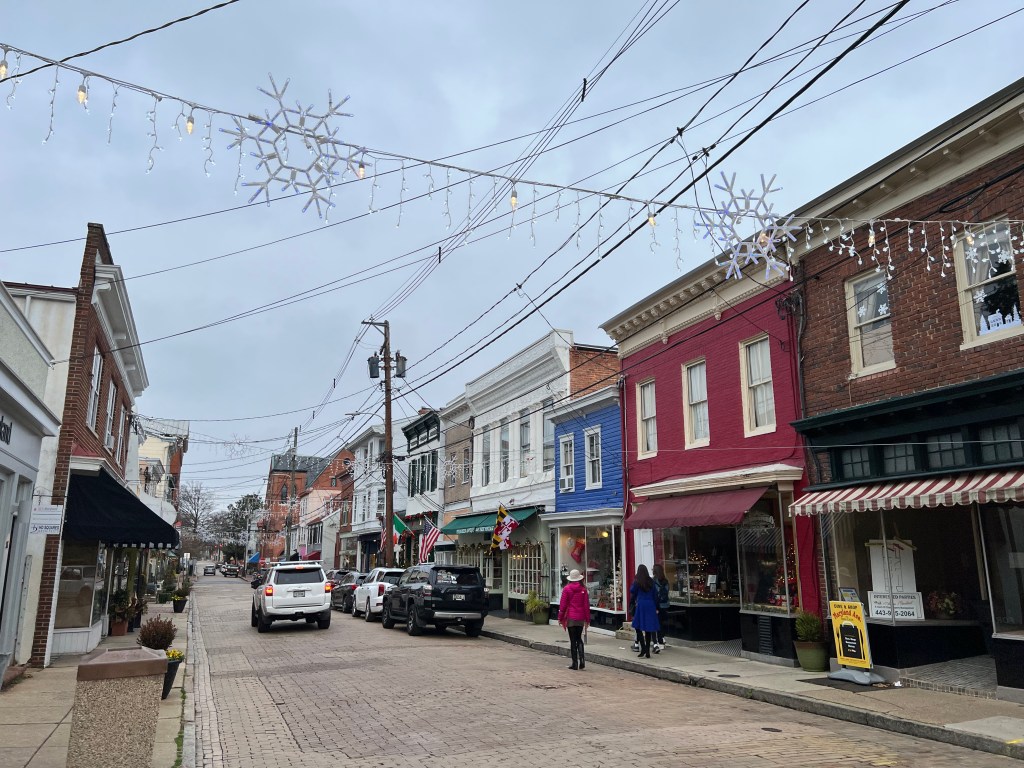
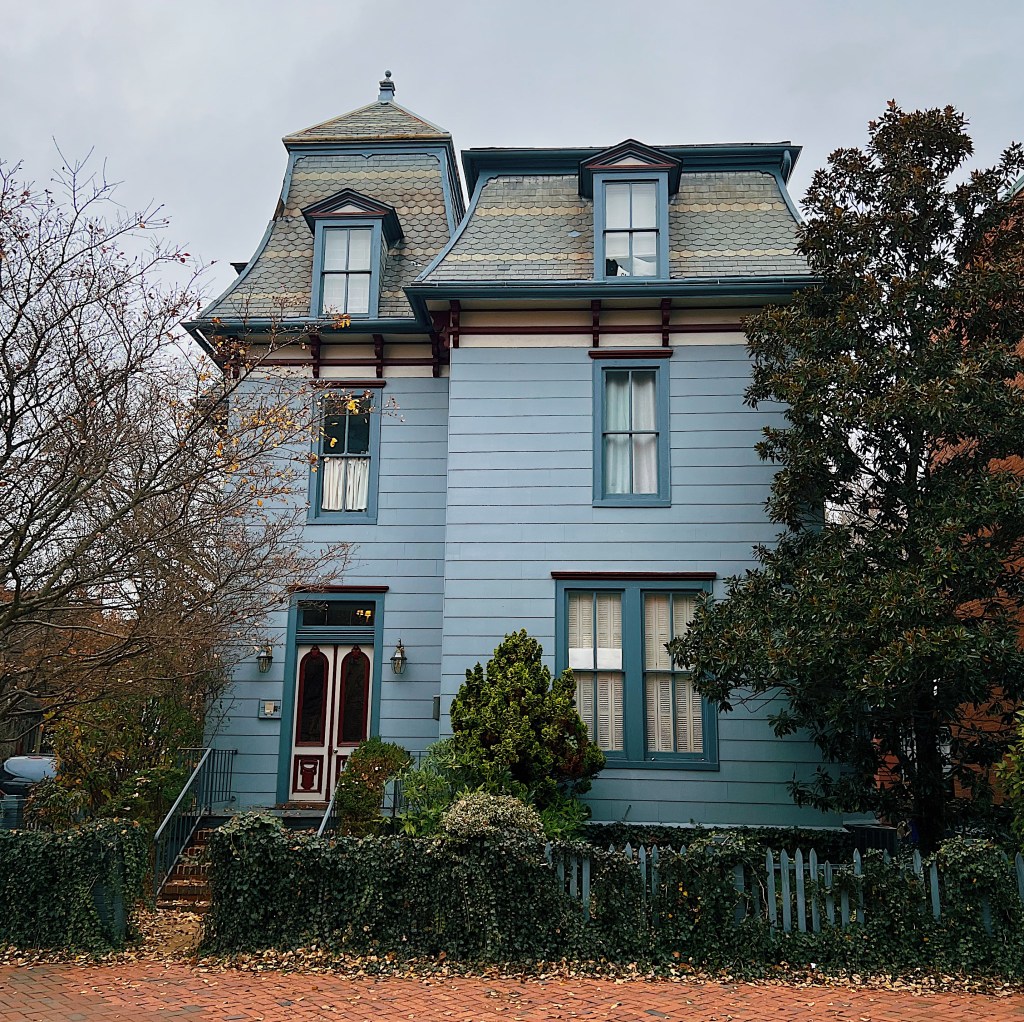
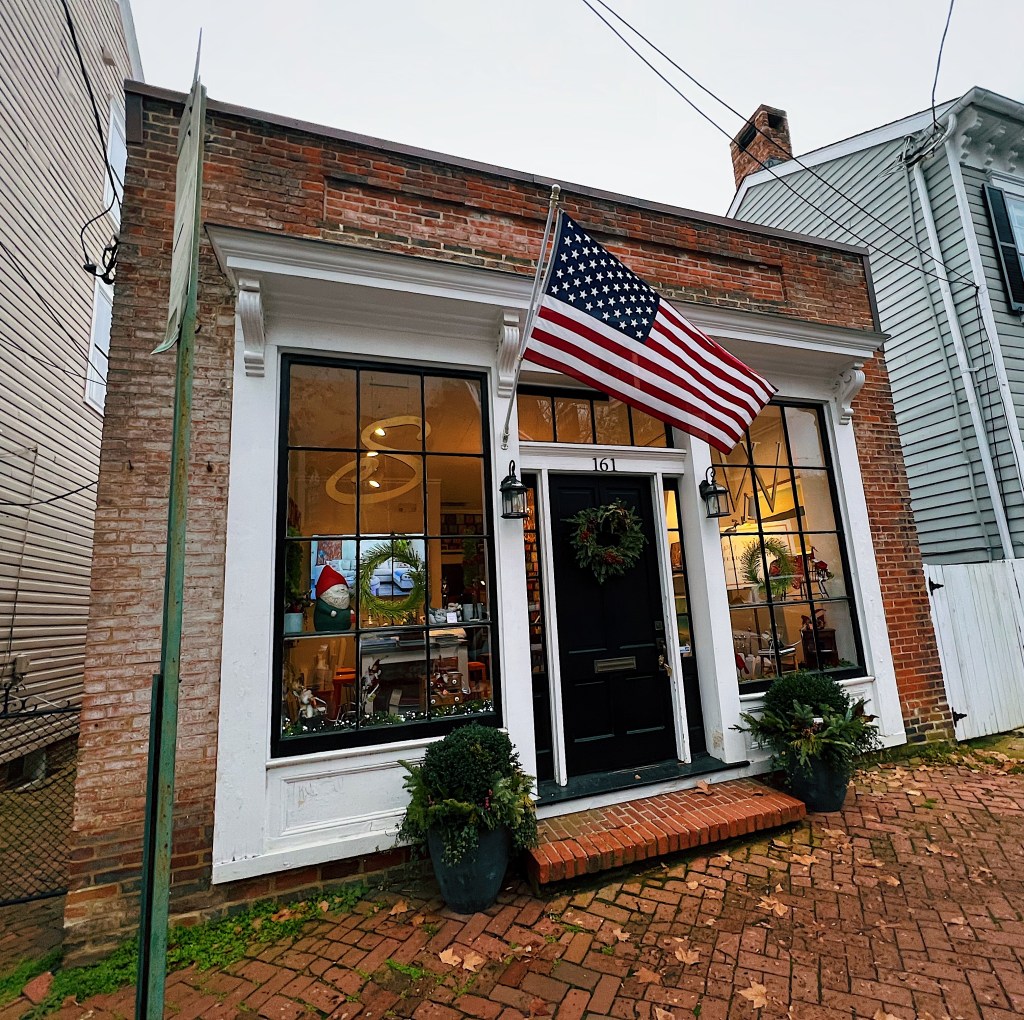
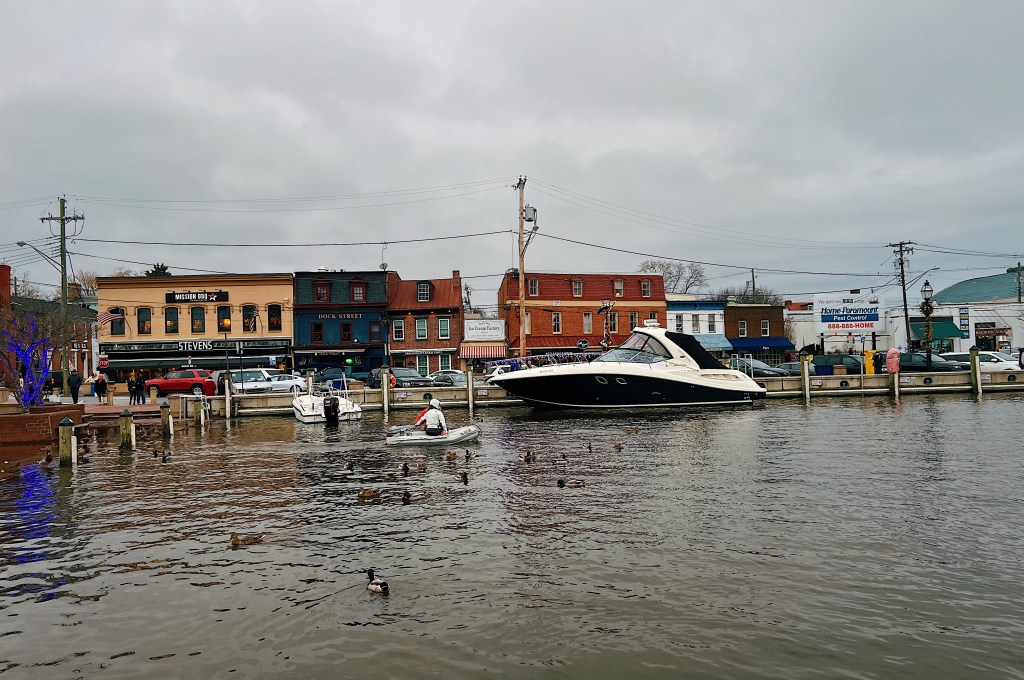
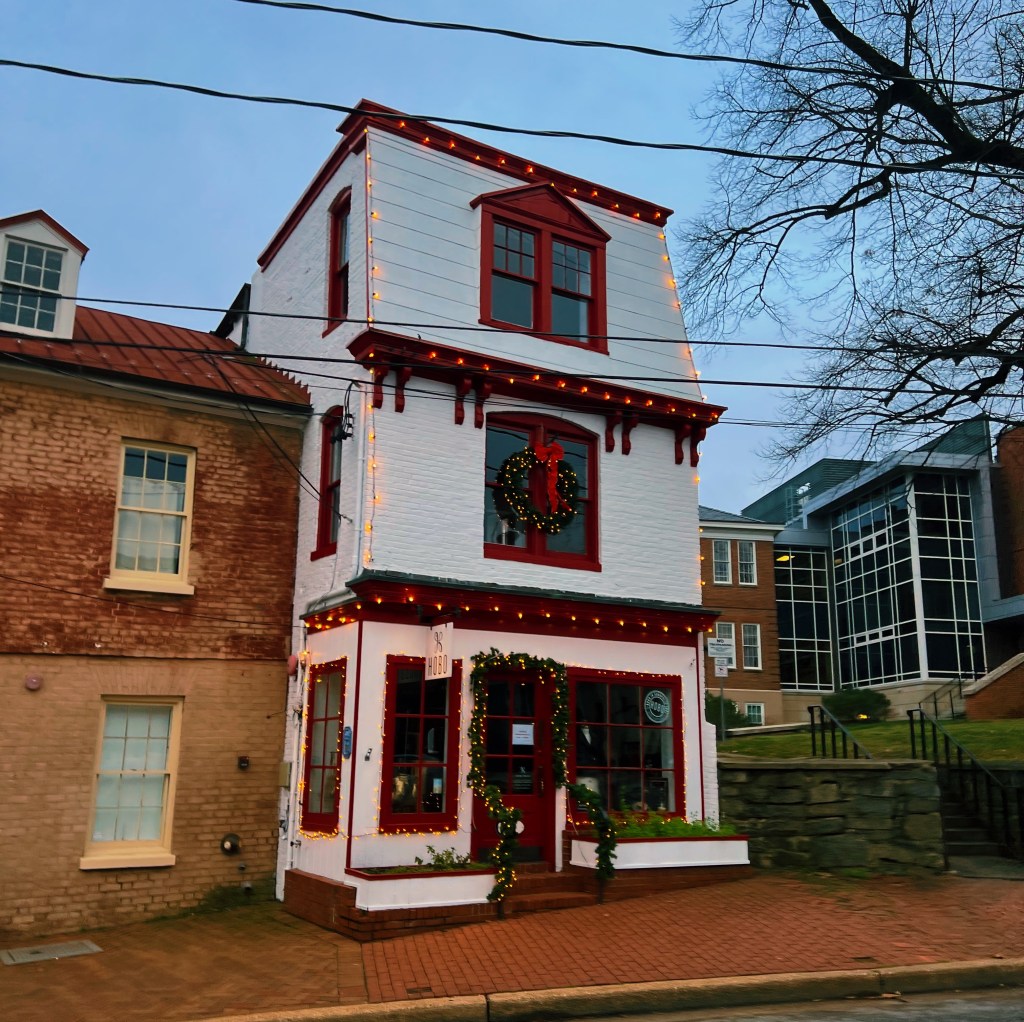
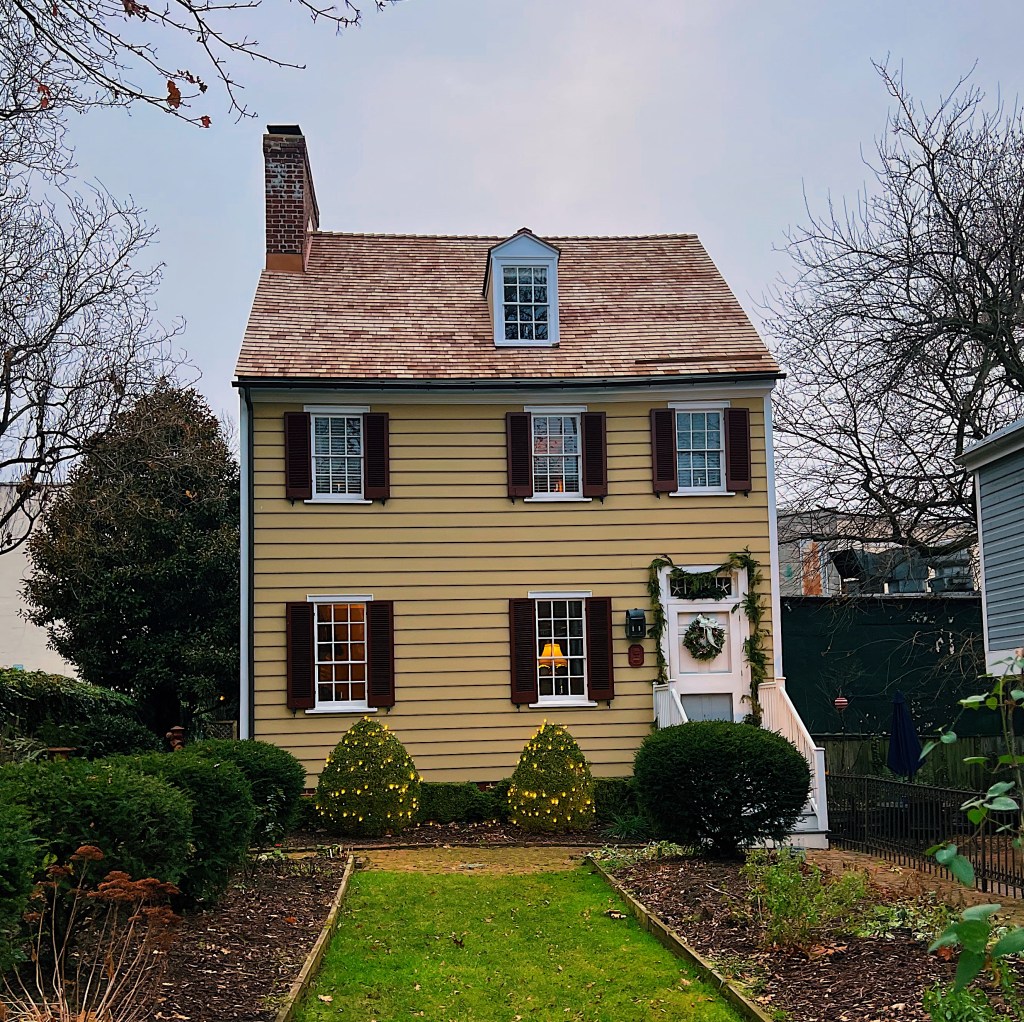
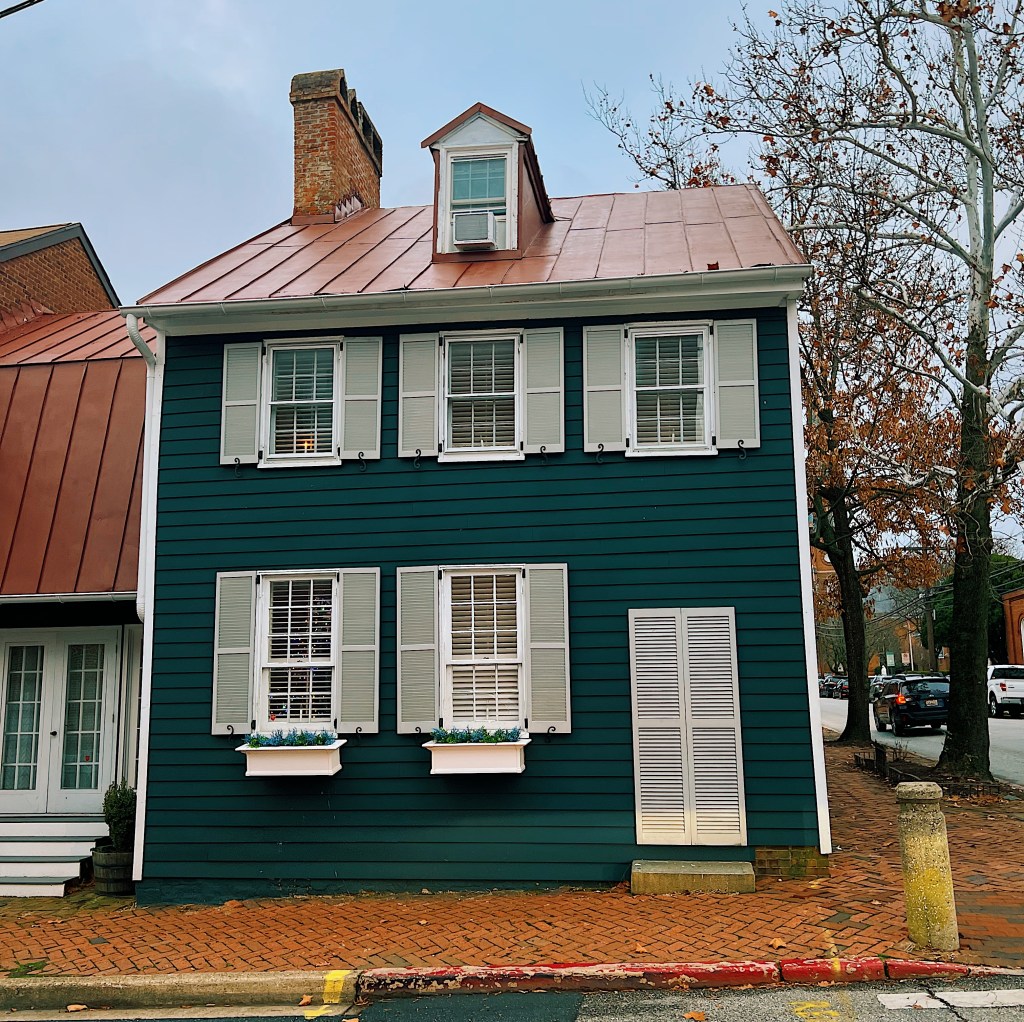
On a grey but unseasonably warm final day of 2021 we decided to go on a road trip and drove down to Annapolis, about thirty miles east of Washington D.C. Situated on the Chesapeake Bay, Annapolis is the capital of Maryland. In fact, from 1783-1784 it was briefly the capital of the United States. Originally settled in the mid-1600s, it had a number of names until in 1694 it finally became Annapolis, named for Princess Anne of Denmark and Norway who was soon to become Queen Anne of Great Britain, reigning from 1702-1714. The town currently has a population of over 40,000 and has a thriving old town with a main street that runs down to the bay. Here are some photos from our stroll around town.
Standing on a hill at the center of town is the Maryland State House. The capitol building has the distinction of being topped by the largest wooden dome in the United States constructed without nails. Construction of the building began in 1772 but it was not completed until 1779 due to the ongoing American Revolutionary War.
The Capitol Building
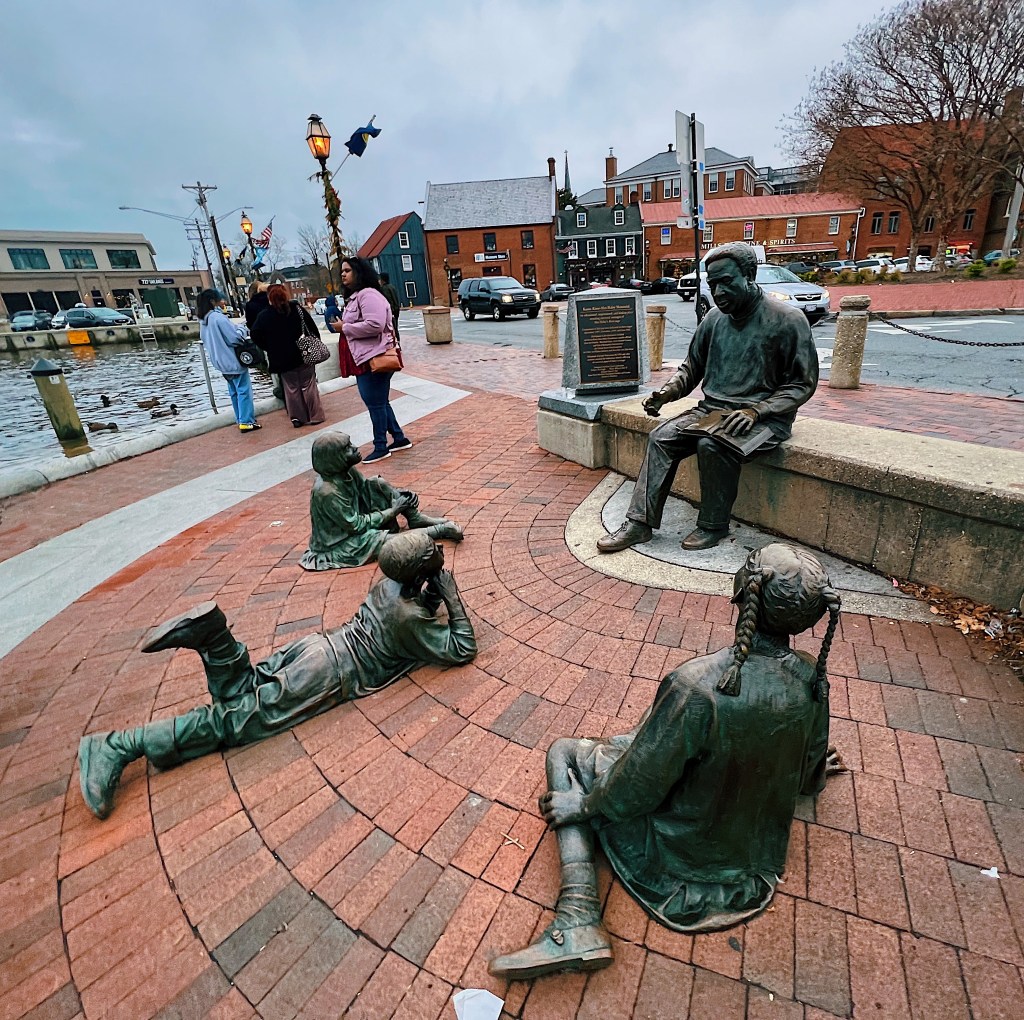
Some of our older readers may remember the hugely popular 1970s miniseries Roots, based on the Alex Haley novel of the same name. At the foot of main street on the edge of the City Dock is the Kunta Kinte – Alex Haley memorial that commemorates the arrival point of Alex Haley’s African ancestor, Kunta Kinte, whose story is related in the book. A sculpture group at the memorial site portrays Haley seated, reading a book to three children.
When Mal was a child he lived for a few years on Kirby Road in Bethesda, Maryland. In 1966, his parents bought this split level house on Kirby Road for $38,000.
The house was recently torn down and in the next photo you can see the new house that replaced it. We are not sure what the new house would be worth but it is a safe assumption that it would sell for something in the range of $2 million. In another sign of the change of the times, compare Mal’s parents’ gas guzzling Chevrolet Biscayne parked in the driveway with our brand new electric Tesla.
Some of the original houses on the street have survived. The following house belonged to our next door neighbors, the Gregorys. They were an older couple who used to look after Mal reasonably often. On one memorable occasion, while babysitting, they took him downtown to a jazz club. Mal can still remember the small cocktail lounge and the band’s drummer allowing him to play on his drums between sets. Mal can’t recall whether his parents were bemused or upset on learning that their seven year old son had spent the night hanging with DC’s martini sipping, cigarette smoking, DC jazz enthusiasts.
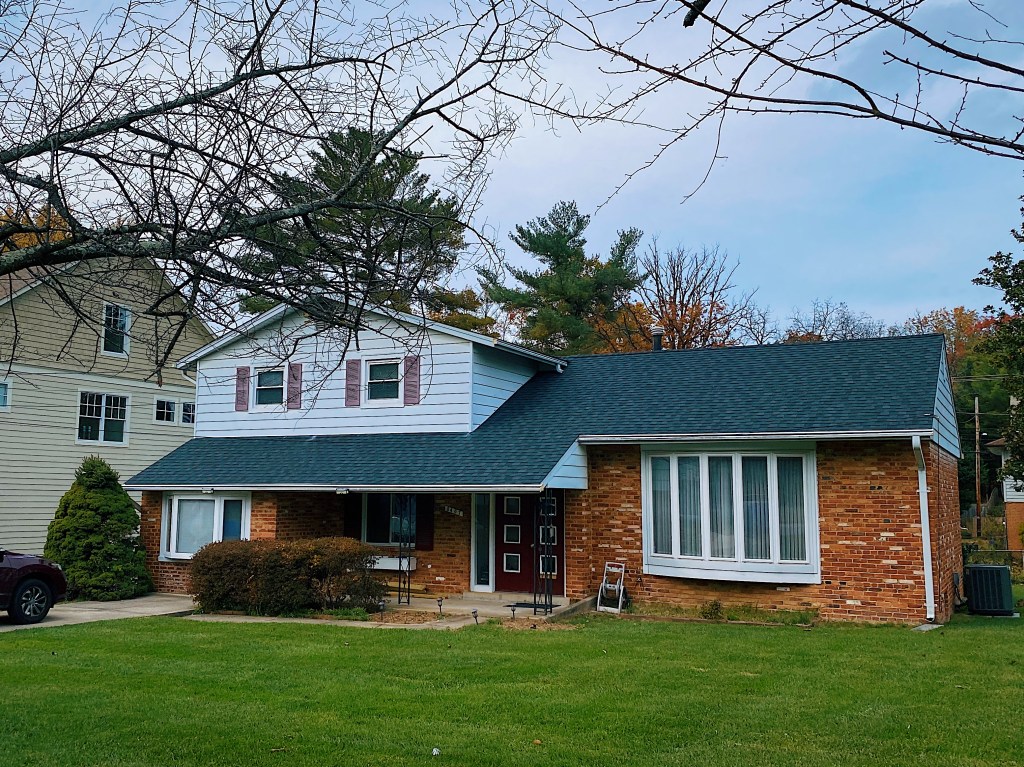
Here is another of the surviving original homes on the street.
Processed with VSCO with l4 preset
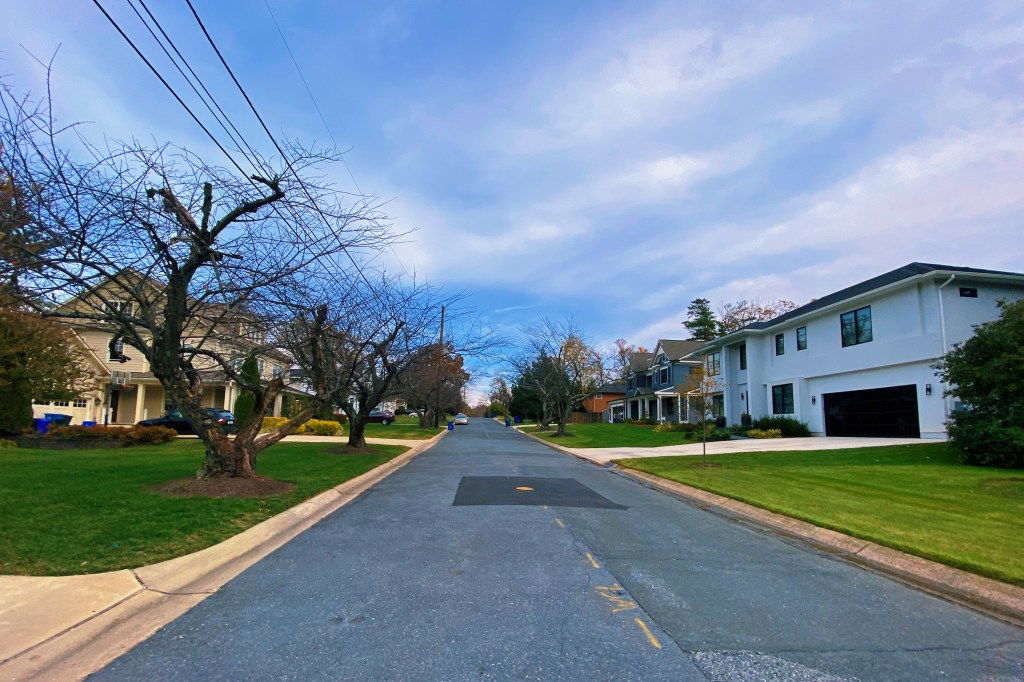
But most of the original homes have been torn down and replaced with much larger rebuilds. Here is what Kirby Road looked like in the 1960s.
And here is what it looks like now.
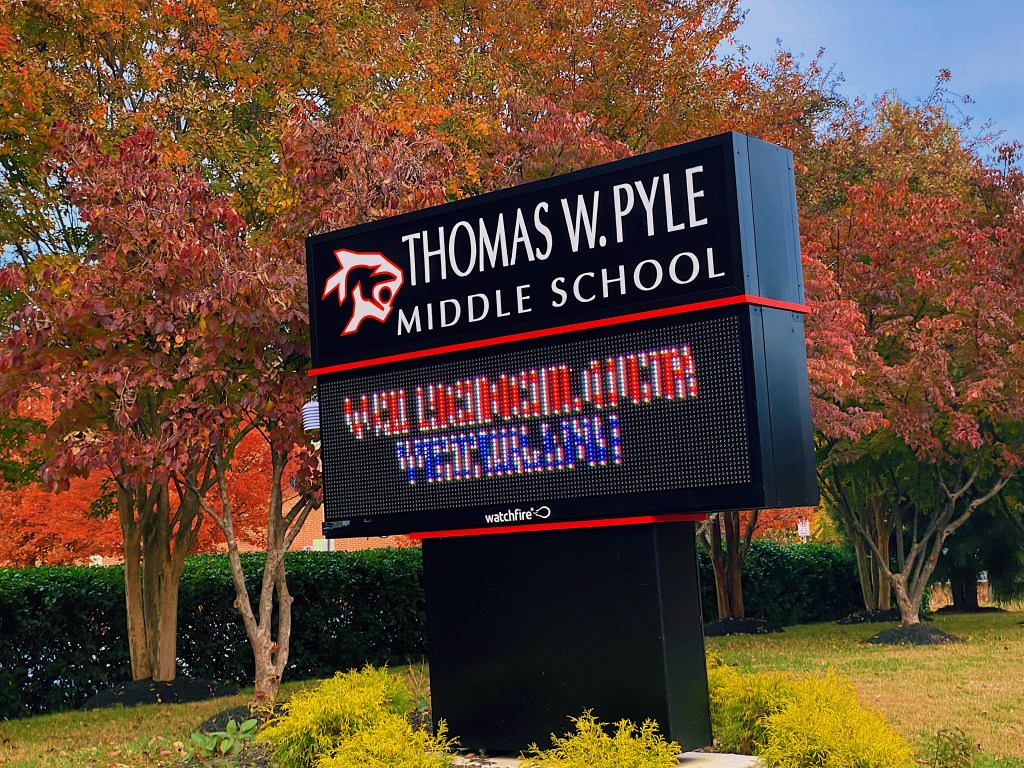
It’s not just the homes that are being replaced or renovated. We walked by the three schools where Mal and his siblings attended. Mal’s older brother, Russ, went to Thomas W. Pyle Middle School.
Named for a Maryland educator, the original school was established in 1962, not long before we arrived in Bethesda. Now it one of the largest and best performing schools in Maryland with over 1,500 students.
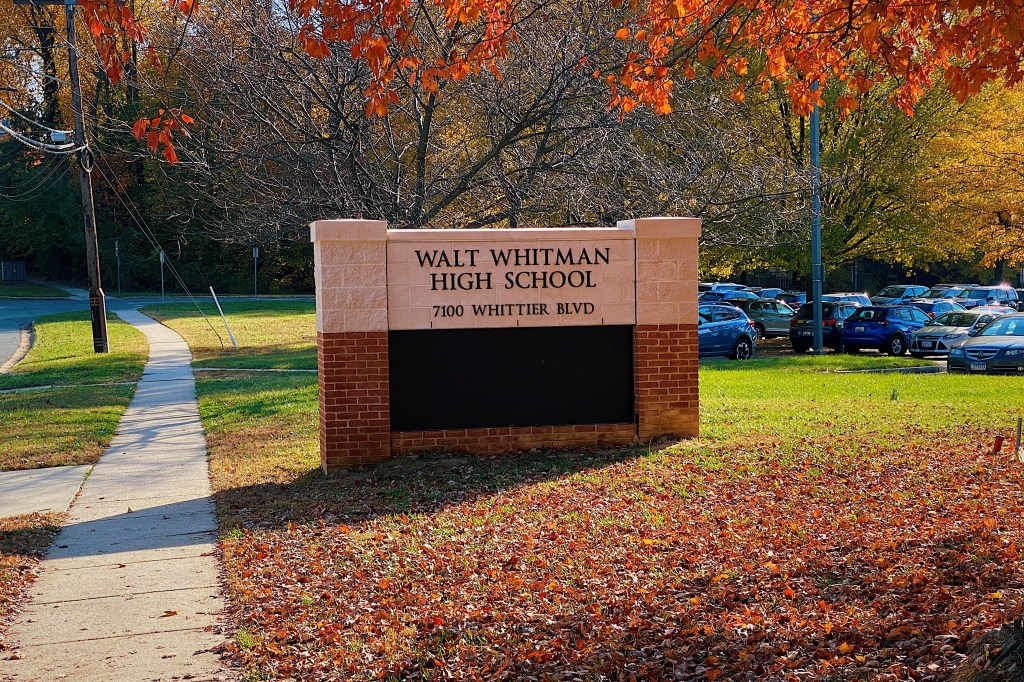
Just around the corner and up the road from Pyle is Walt Whitman High School, where Mal’s older sister, Christine, attended for a while.
Named for the famous American poet, Whitman also opened not long before we arrived in Bethesda. In 2019, it was named Maryland’s highest performing school. Based on the size of the school parking lot, many of the schools’ over 2,000 students appear to drive to school.
The elementary school that Mal attended was called Whittier Woods and stood right next to Whitman. It closed in 1977 and for many years the original buildings were used by the Maryland Board of Education for administration. Recently, it was torn down and has been replaced by a large modern addition to Whitman.
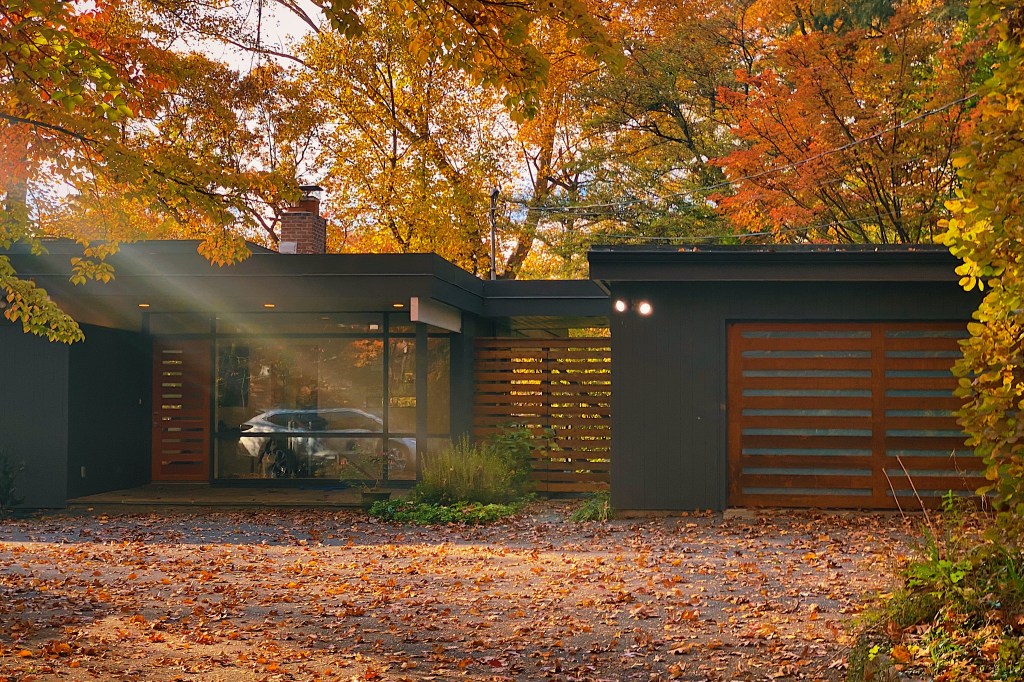
There were not too many homes in the neighborhood that we deemed interesting enough to be photo worthy. Many appeared to be standard developer rebuilds. But here are three exceptions.
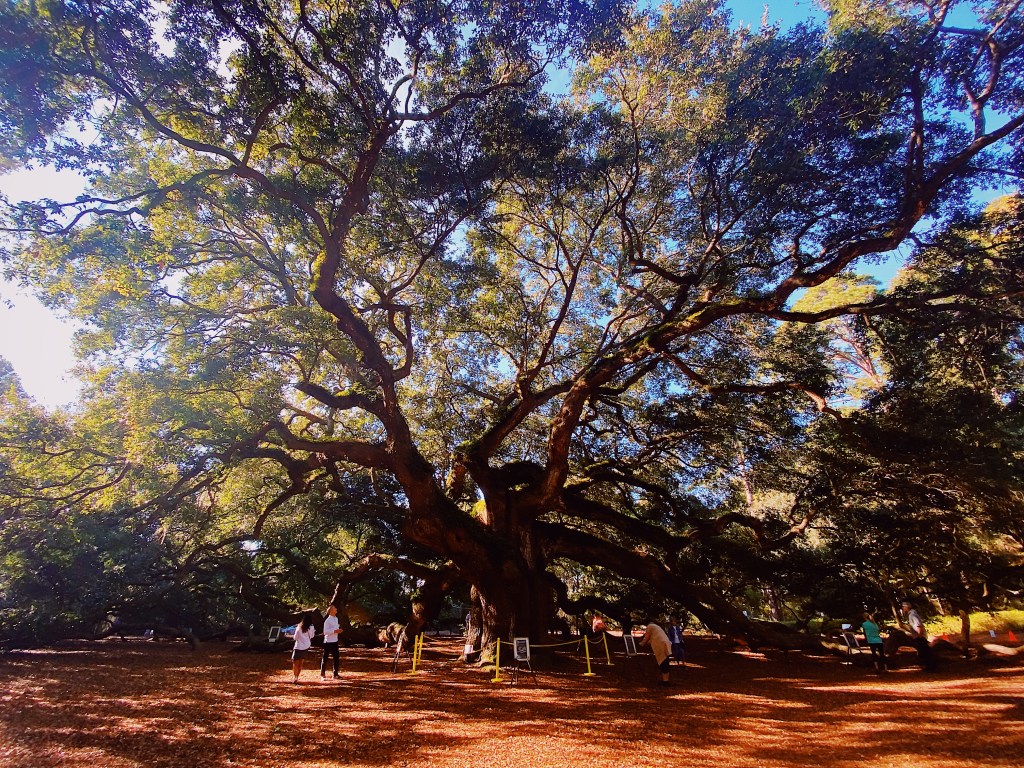
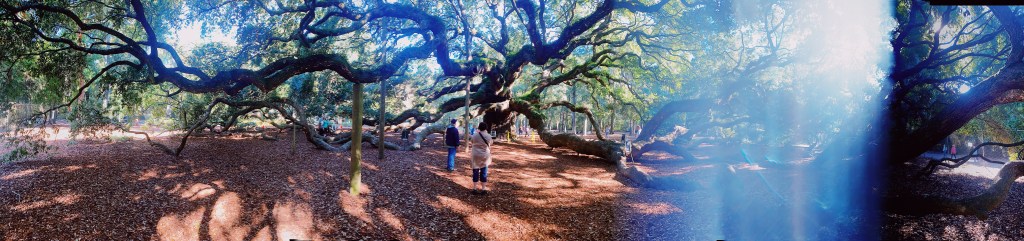
On our way from Kiawah to Charleston, we stopped by the magnificent Angel Oak. The tree is a Southern live oak and is estimated to be about 400 to 500 years old. It stands about 66 feet tall but what is truly remarkable is how far it spreads with branches reaching 187 feet in length. Local folklore tells stories of ghosts of former slaves appearing as angels around the tree, although the tree actually gets its name from Justus and Martha Angel who owned the estate on which the tree stands. Nearby development threatened the tree with the effect that the construction would have on available groundwater and nutrients. Thankfully, local environmental groups won a litigation that preserves the seventeen acres adjacent to the tree. So hopefully it will be around for many years to come.
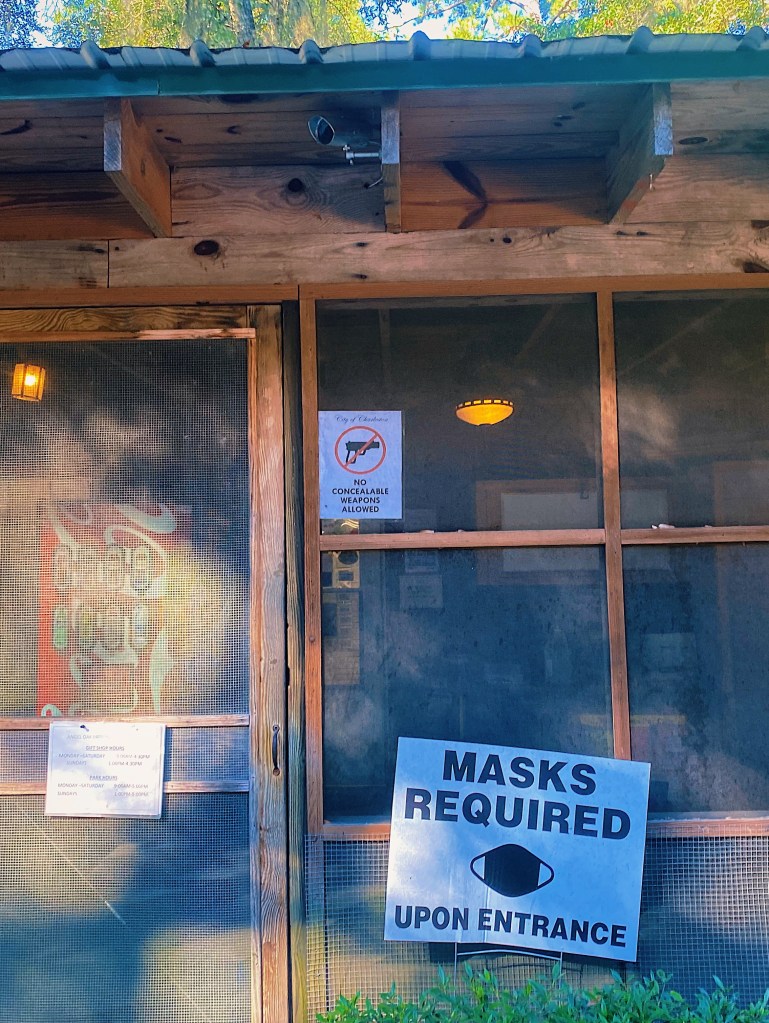
Signs on the gift shop reminded visitors to wear masks but not concealable weapons.
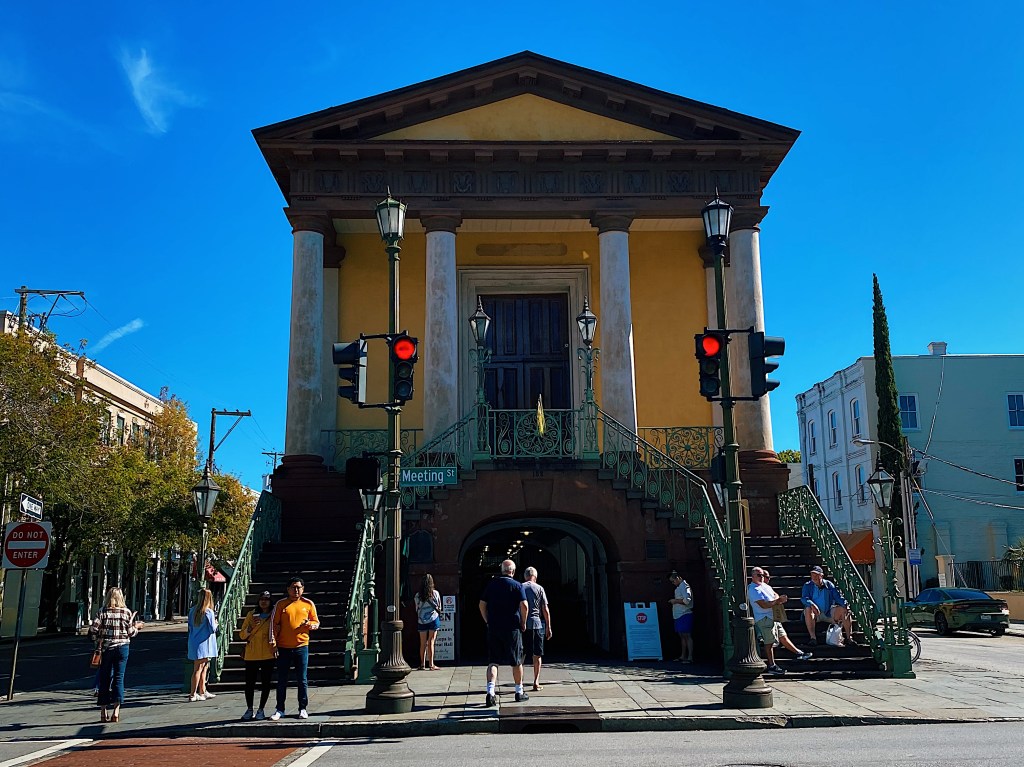
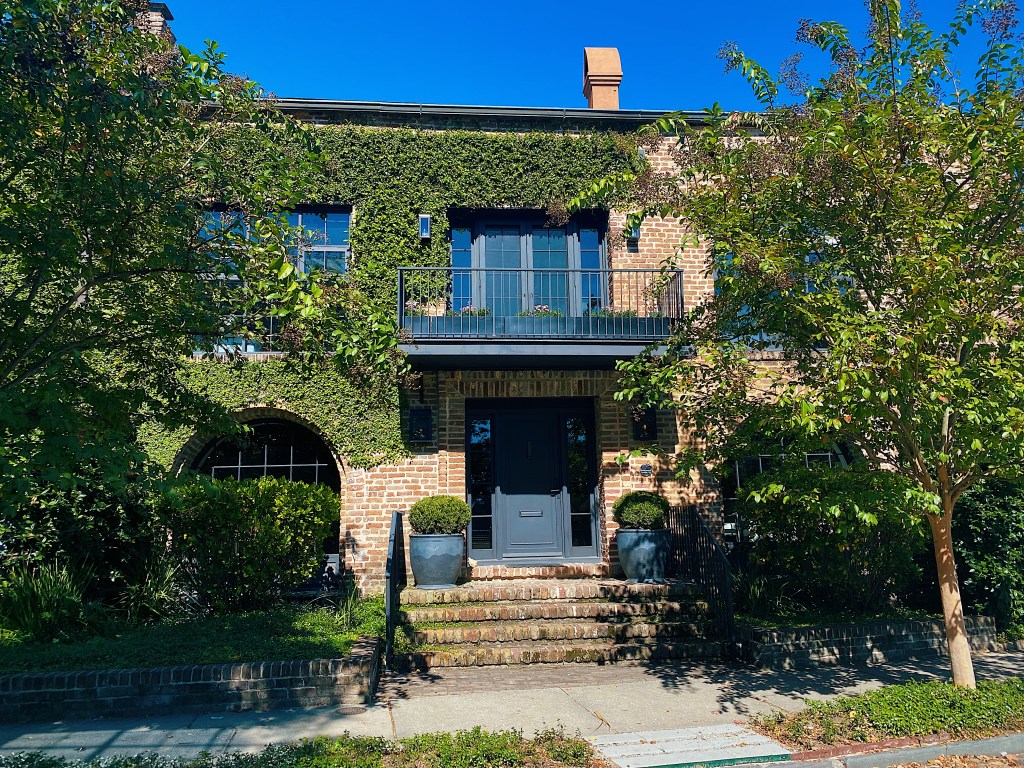
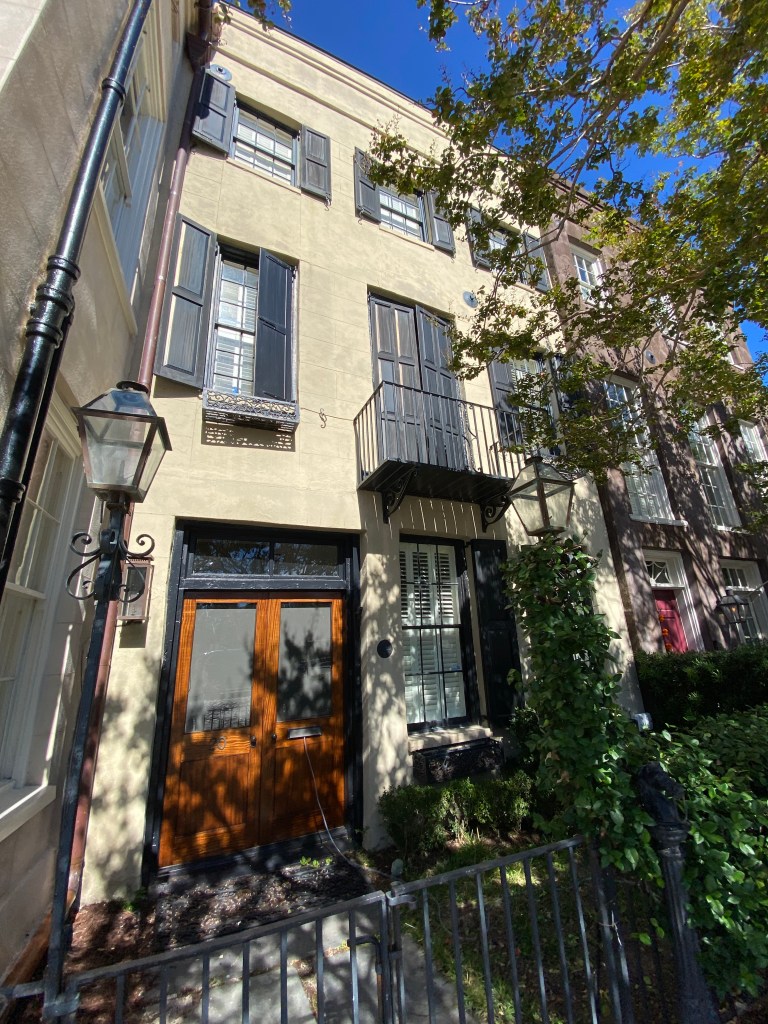
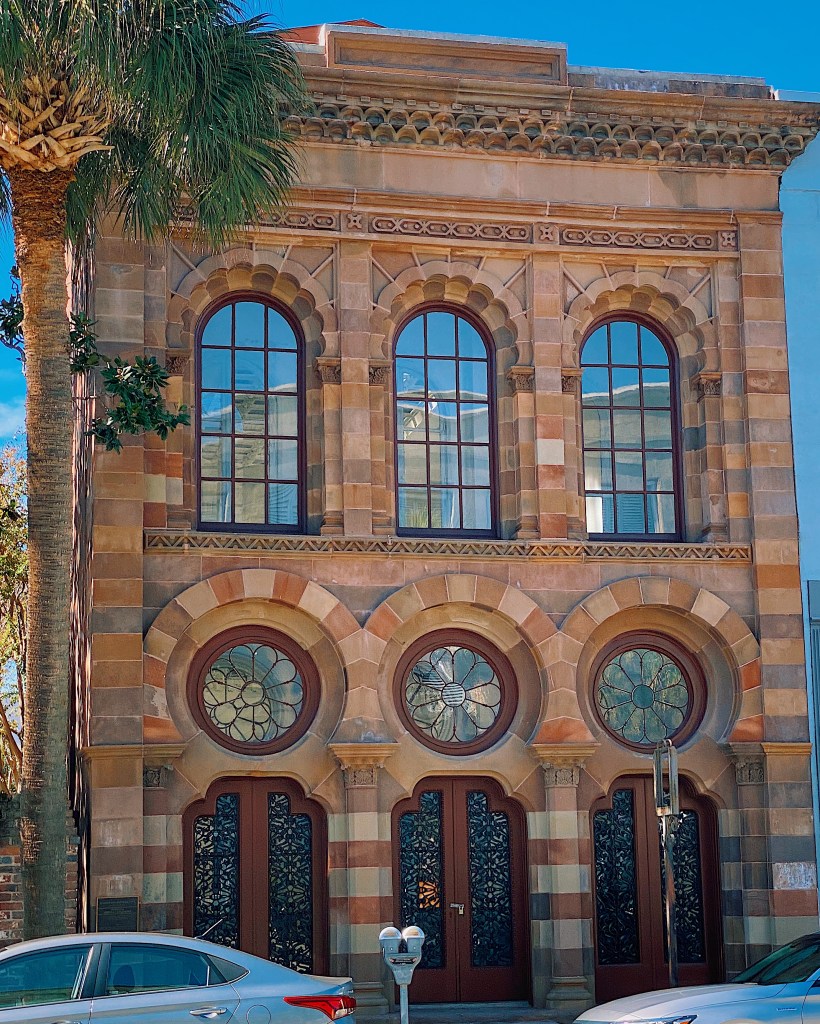
With time to spare before our late afternoon flight, we went for a walk around historic Charleston. With a population of over 150,000 people, Charleston is the largest city in South Carolina. It was founded in 1670 as Charles Town, honoring King Charles II. Here are some of the beautiful old buildings we saw during our walk.
One of the quaintest was this building which also, according to the sign, houses America’s oldest liquor store, established in 1686.
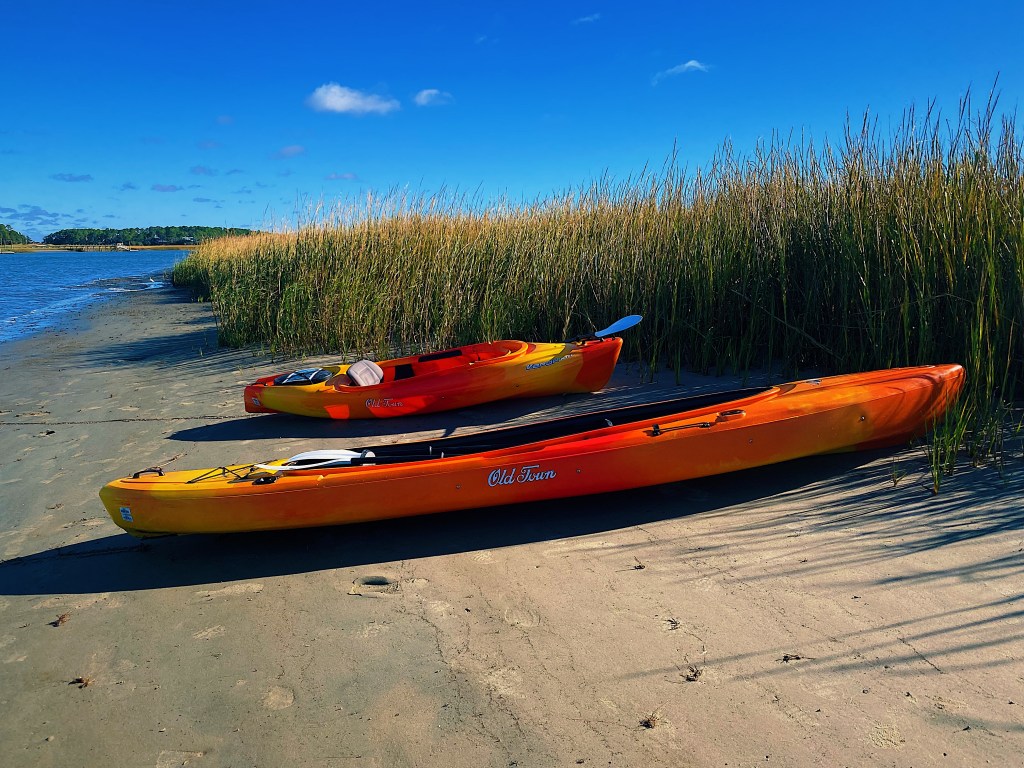
On the last day of October, we went kayaking. Jasper led us through the narrow streams that wind through the marshes to the beach where we saw something truly incredible and somewhat frightening, as befits Halloween day. But more of that later.
As we kayaked along, we saw a host of wild life, including a soaring bald eagle and a cute little American mink, which peered out of the rushes before diving into the water and disappearing. As Eve pointed out, with the alligators for bags, belts and shoes and minks for coats and stoles, Kiawah’s not a bad place for those wishing to enhance their luxury clothing collection.
Where the stream met the ocean, we parked the kayaks and went for a walk along the beach.
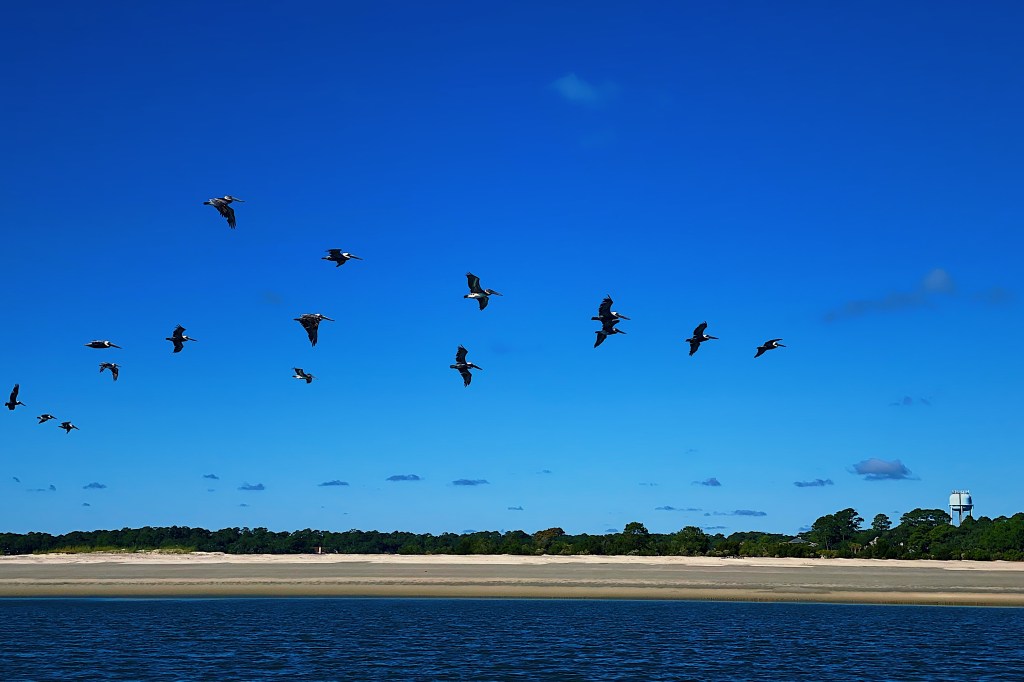
But the main attraction was the dolphins. While we stood on the beach, four dolphins slowly swam up and down the opposite shore, herding fish toward the beach. And then all of a sudden, all hell broke loose as the dolphins drove the fish up onto the beach where they snatched at the stranded writhing fish. The storks were also apparently aware of what was about to happen, as they hovered nearby and quickly leapt into the fray to grab some fish for themselves. Apparently, this is called strand fishing and Kiawah is one of the few places in the world where you can see dolphins catching their prey in this manner. While we were there the dolphins tried their luck about four times. Click on the following image to see a video of the dolphins in action, taken by our videographer, Jasper.
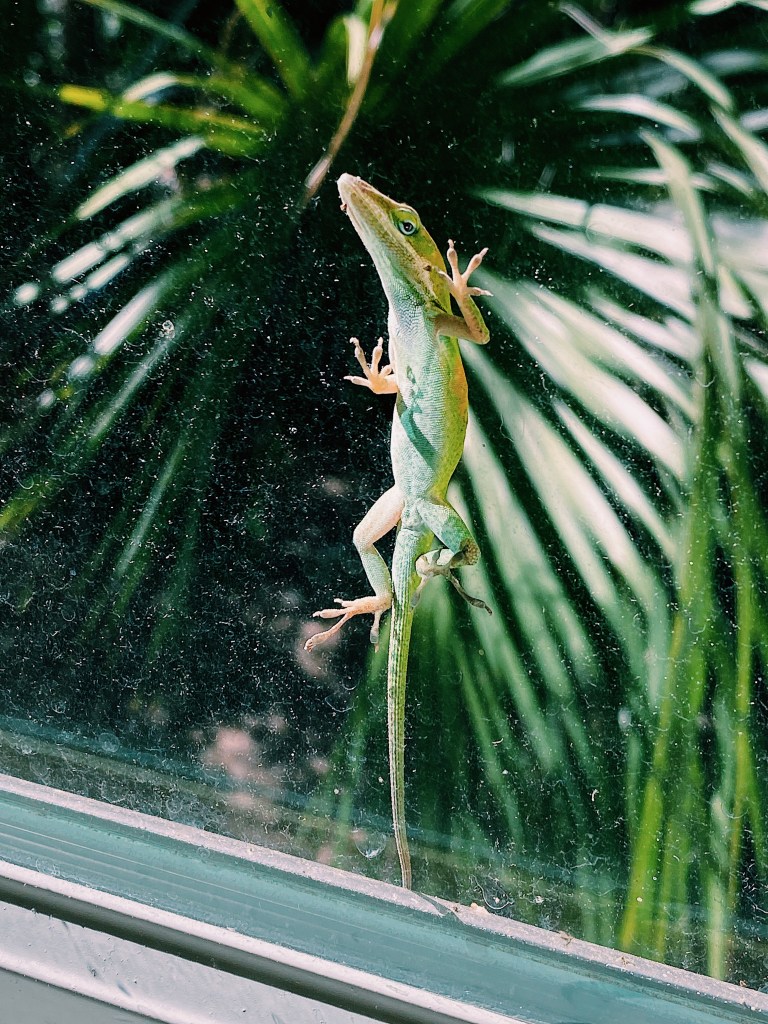
That wasn’t the only scary wildlife sighting of the day. Back at the house, we saw this lizard, sticking to the kitchen window and creepily checking us out.
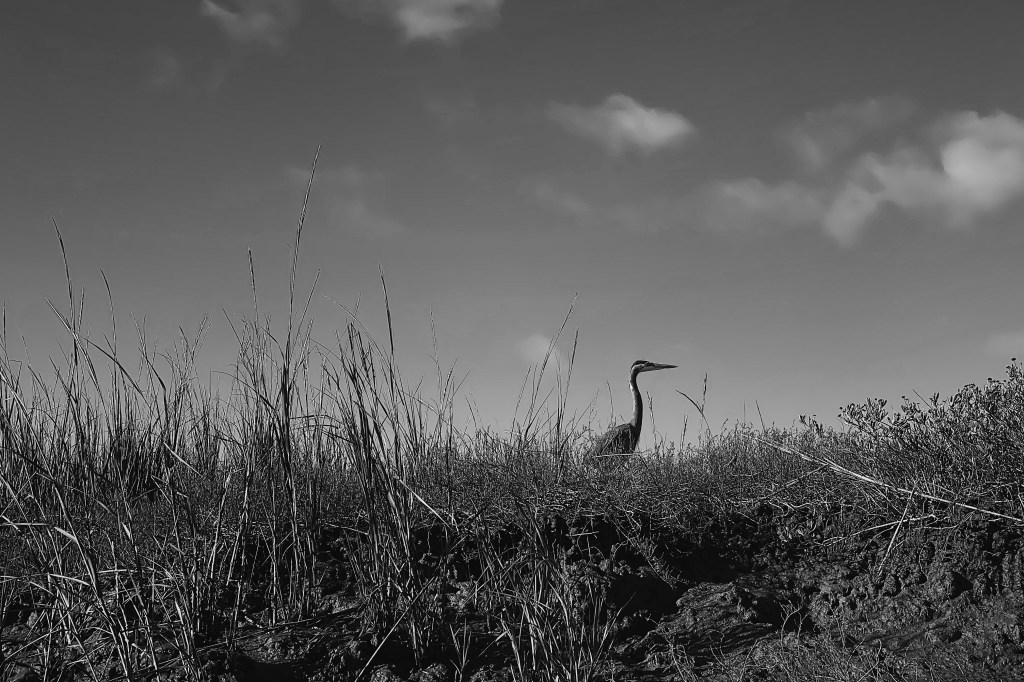
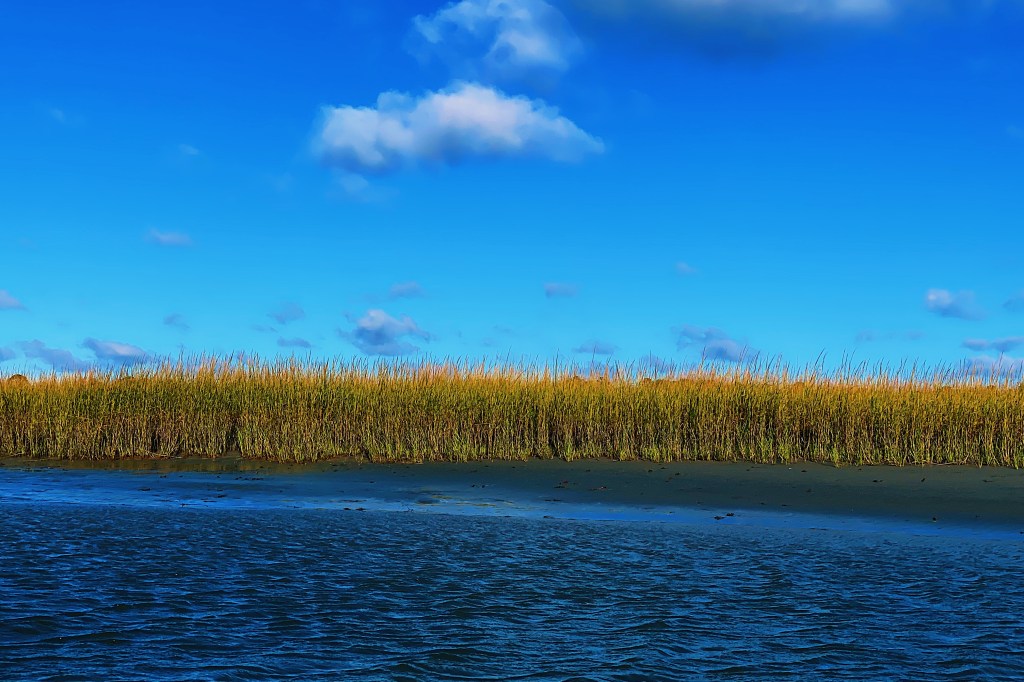
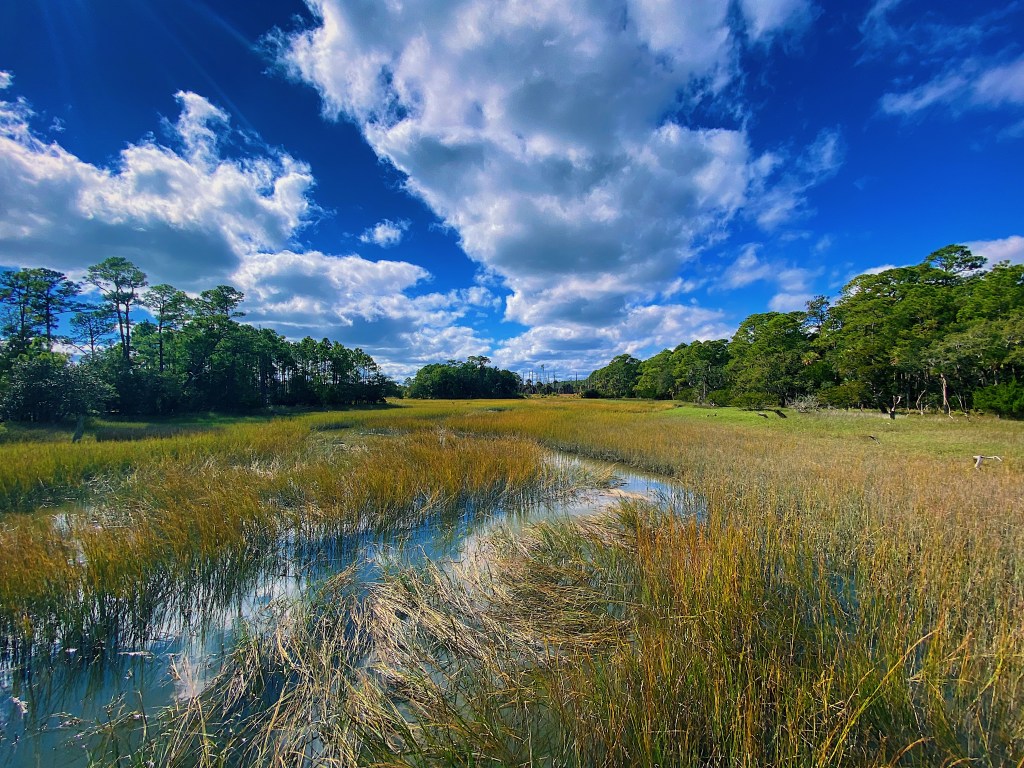
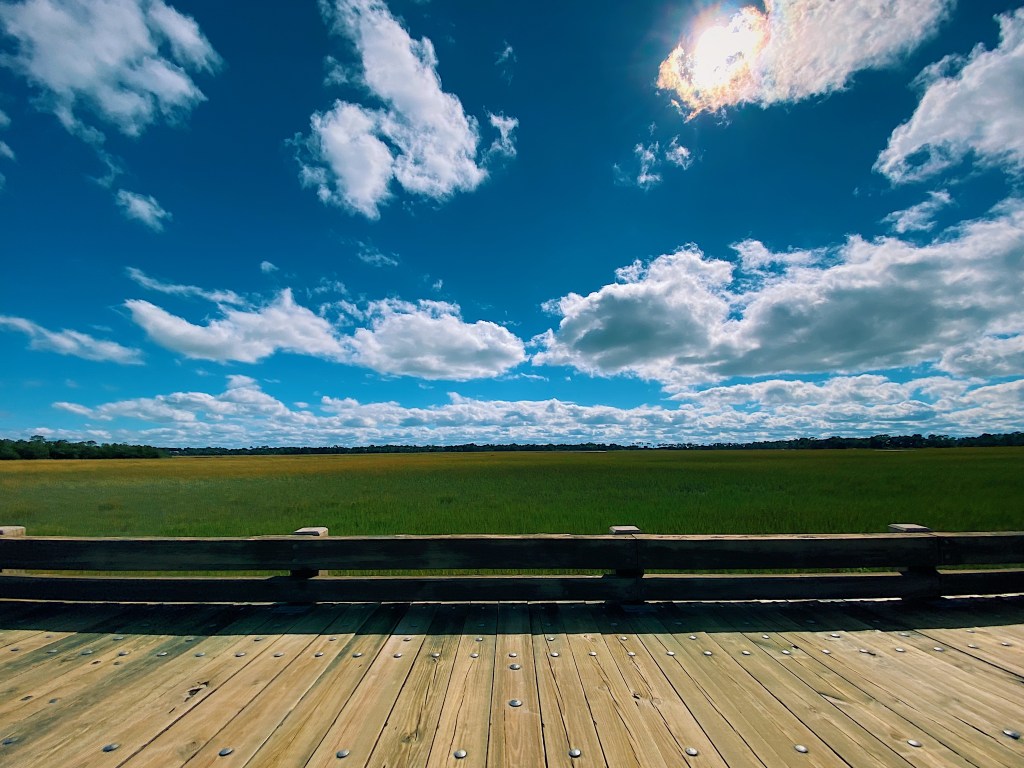
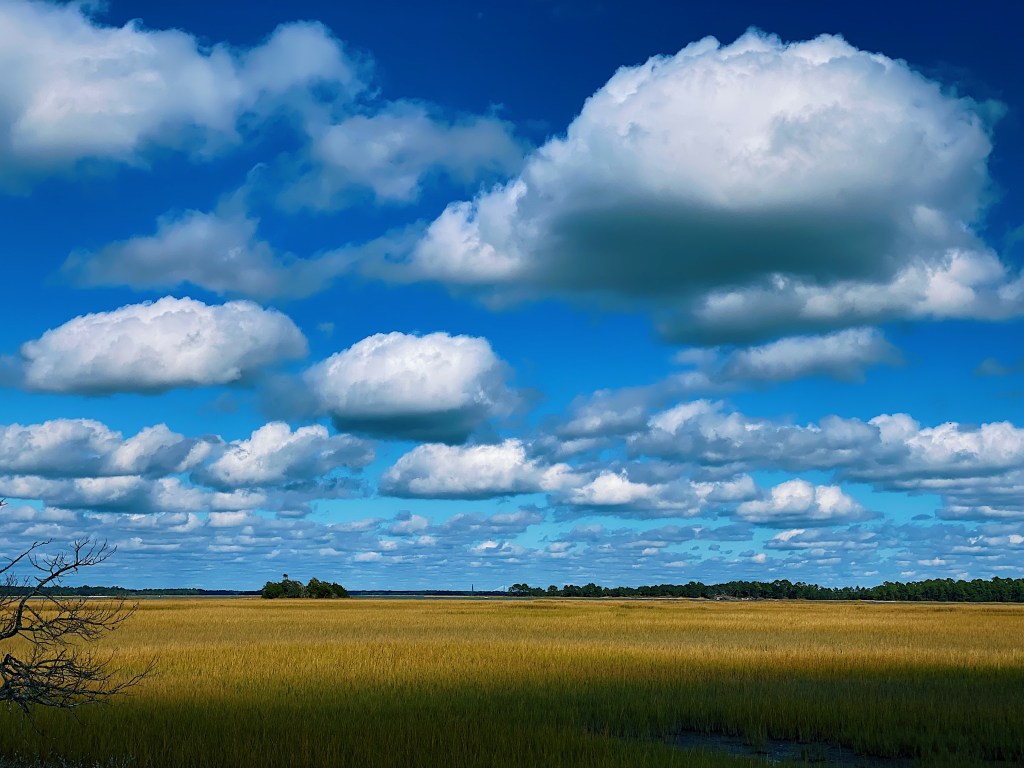
On our next day on Kiawah, Jasper and Eve led us on a long bike tour of the island. We stuck to the more sheltered landward side of the island. This part of South Carolina is called the low country and it’s easy to see why. The area is very flat and we enjoyed the beautiful views of the extensive marshlands that sit between the island and the mainland.
Our intrepid tour guides, Jasper and Eve
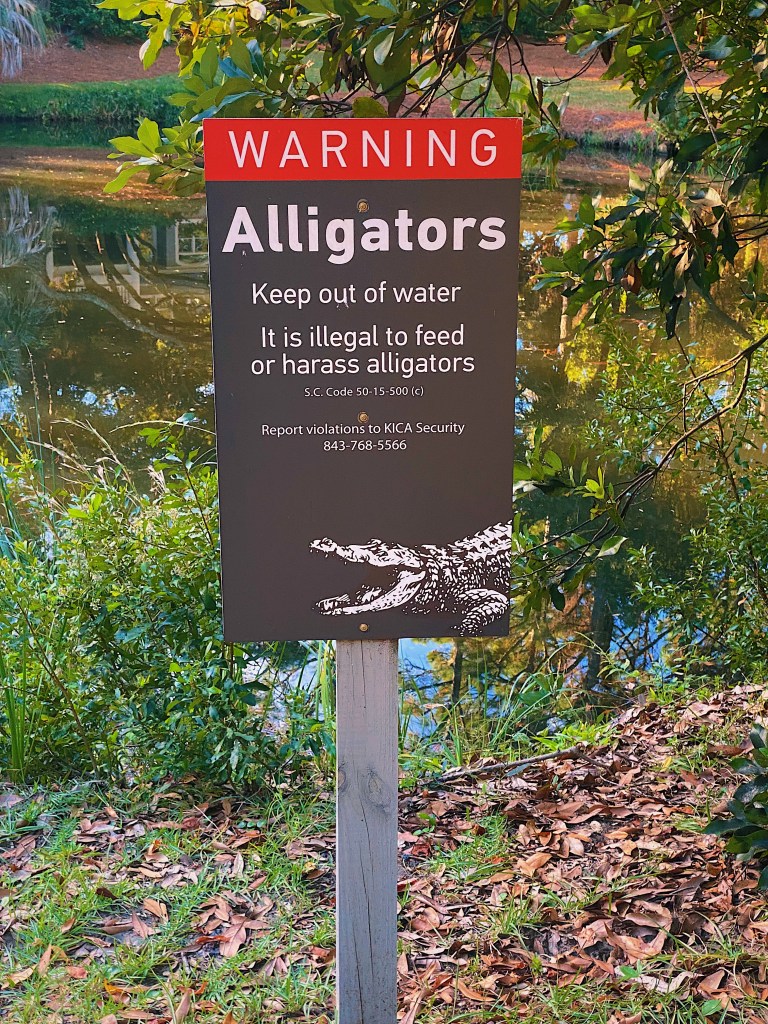
Dotted throughout the island are scores, if not hundreds, of ponds and each one seems to have a resident alligator or two. Beside each of the ponds is a sign pointing out that it is illegal to feed or harass the alligators. It surprised us that such a warning was necessary. Harassing alligators seems to be self-evidently inadvisable. We also wondered whether it is illegal to feed the gators if they happen to be feeding on you.
Just to show that the signs aren’t just hype, we noticed this massive alligator resting not far behind one sign.
Here he is a little closer up.
Here a couple more of his brethren that we spotted along the way.
Often the ponds are right in front of peoples homes, which makes going out to get the morning paper a whole other thing altogether.



























































 Mal and Lauren