September 29-30, 2026
Zion gets its name from the Mormon pioneers who moved into the area in the 1850s and 1860s, being a biblical term referring to a place of refuge or a sanctuary. They were not, however, its first inhabitants. Indigenous peoples, ancestors of today’s Southern Paiute communities, have lived there for thousands of years. In fact, the park was originally named Mukuntuweap, an indigenous name that roughly translates to straight canyon. It was not until 1918 that the name was changed to Zion, partly because officials believed it was easier to pronounce and market.
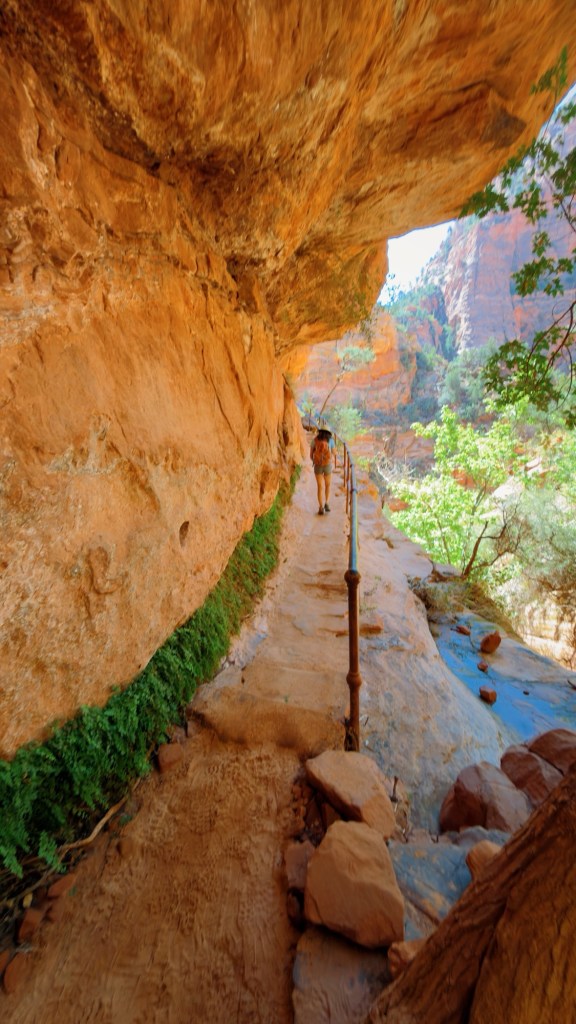
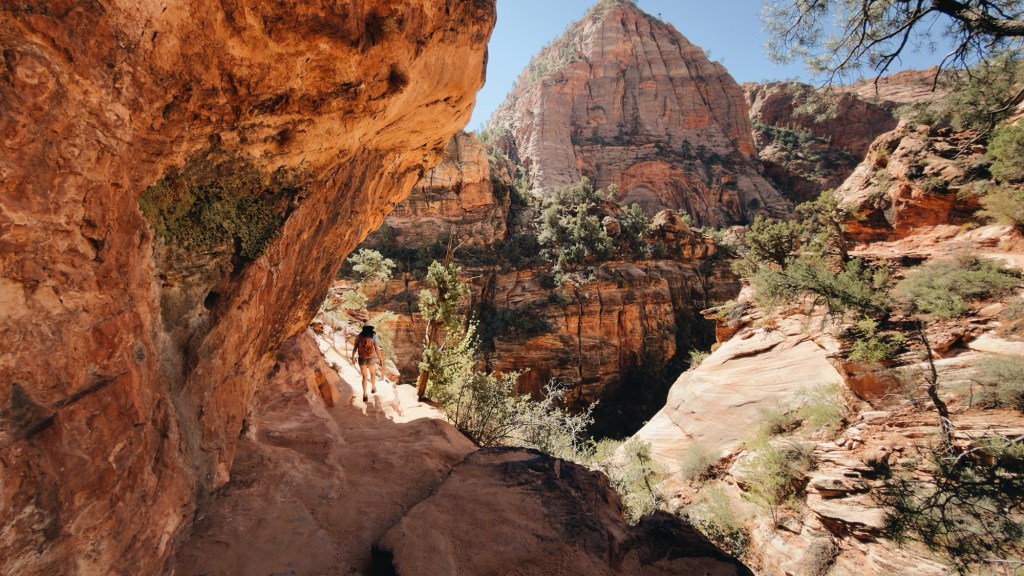
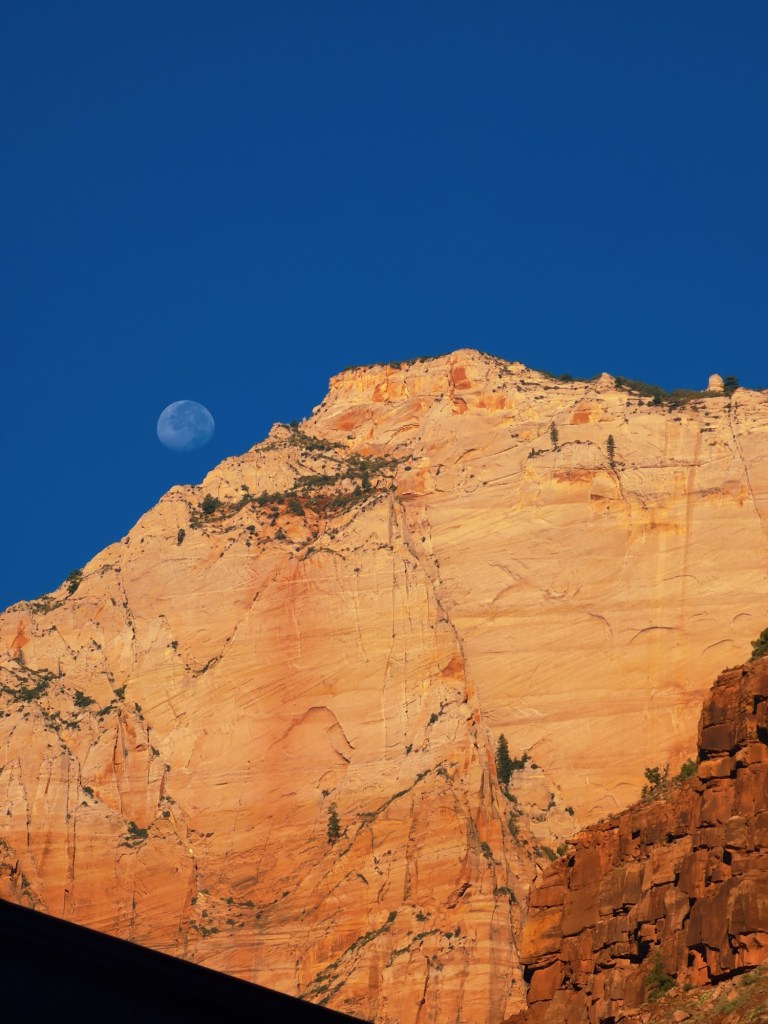
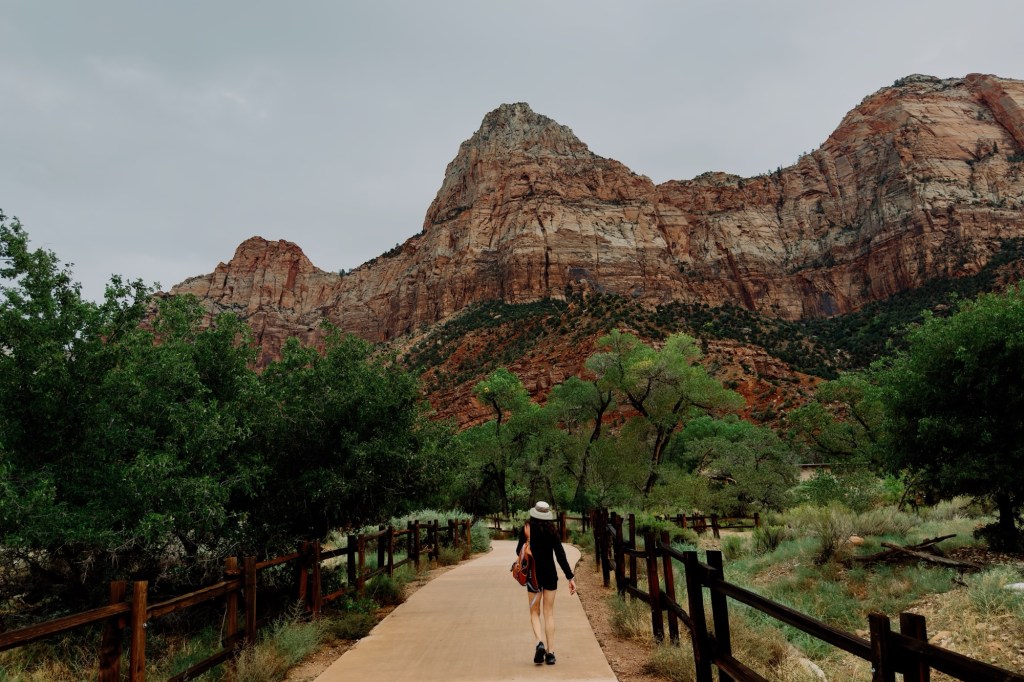
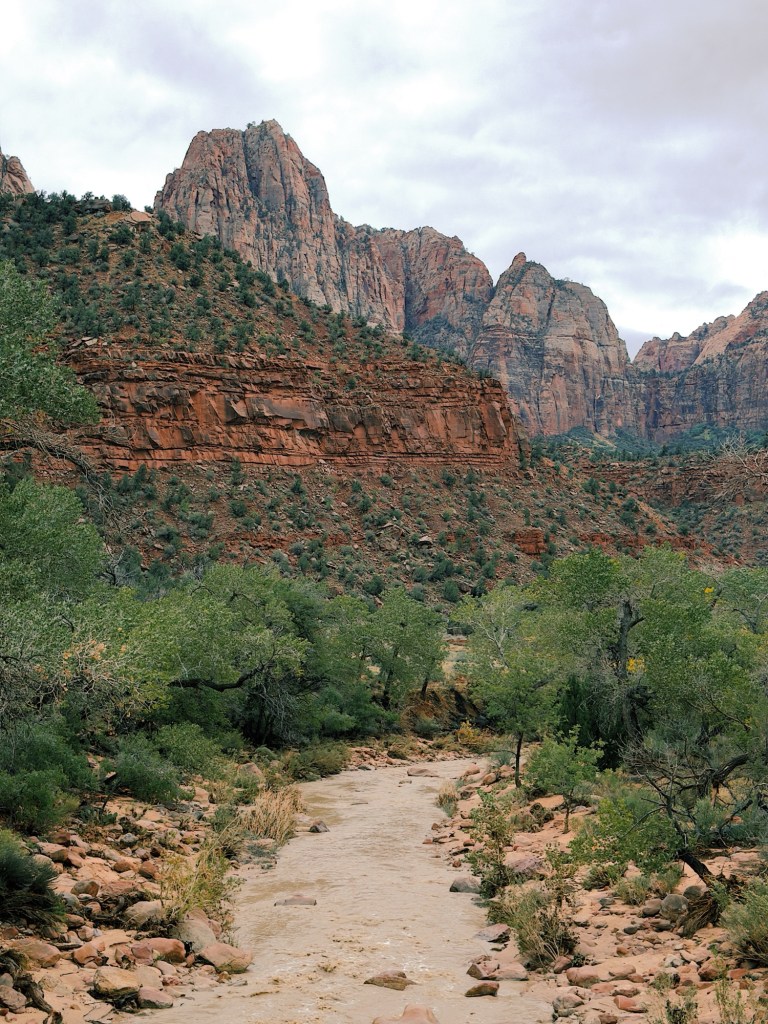
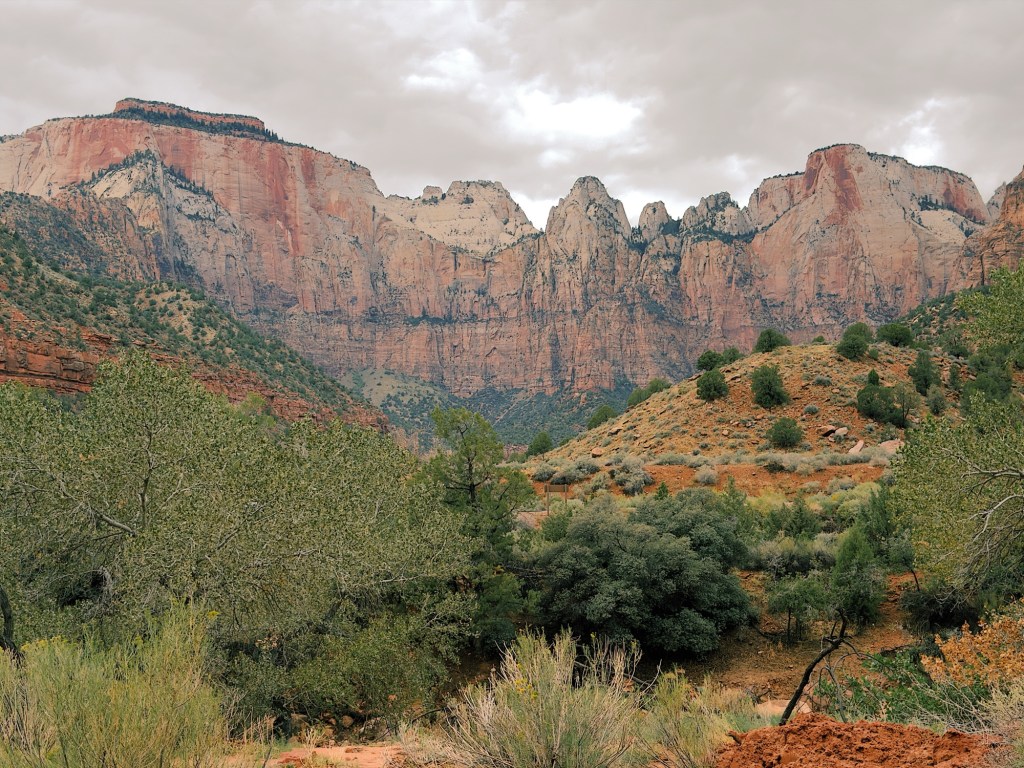
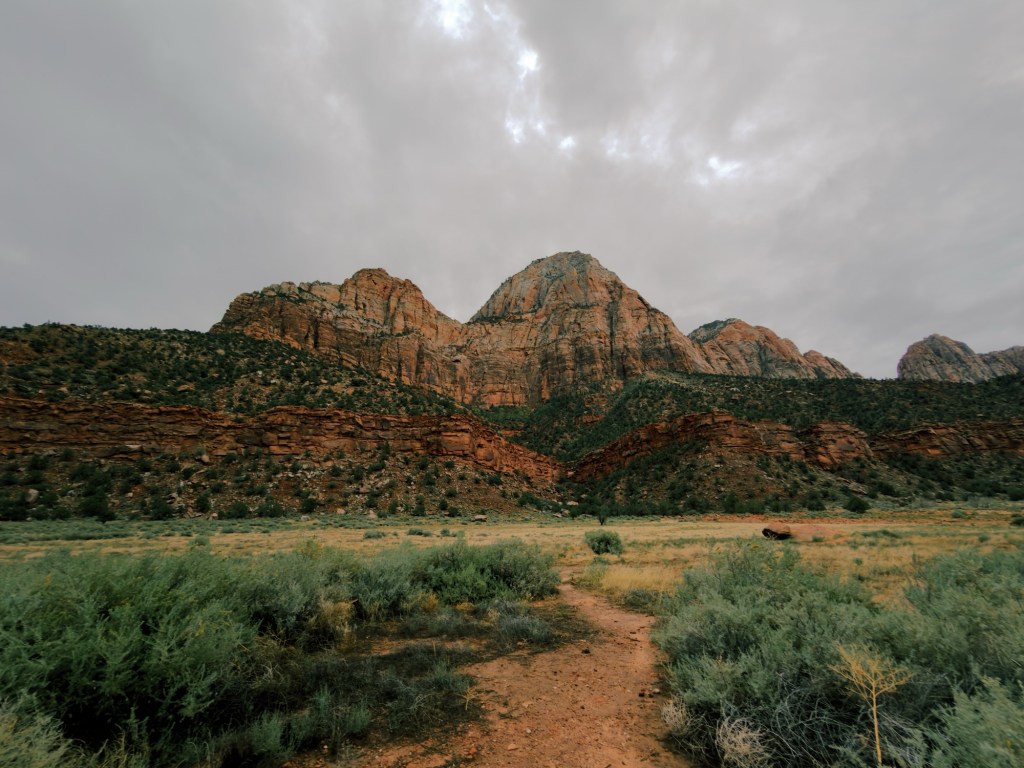
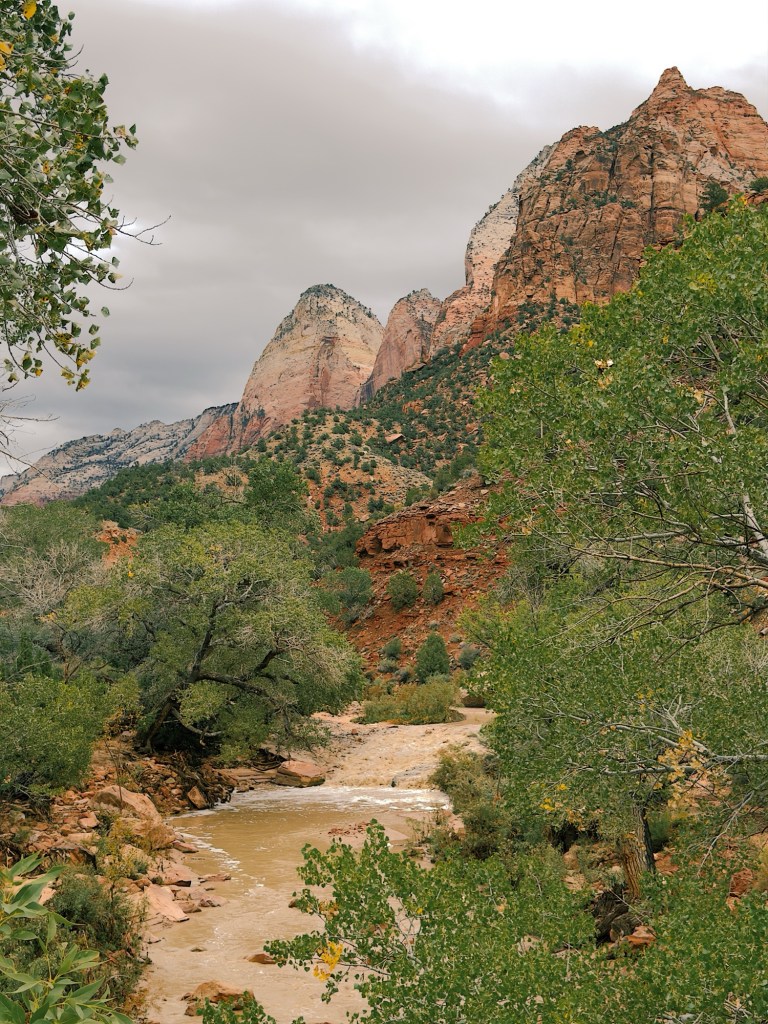
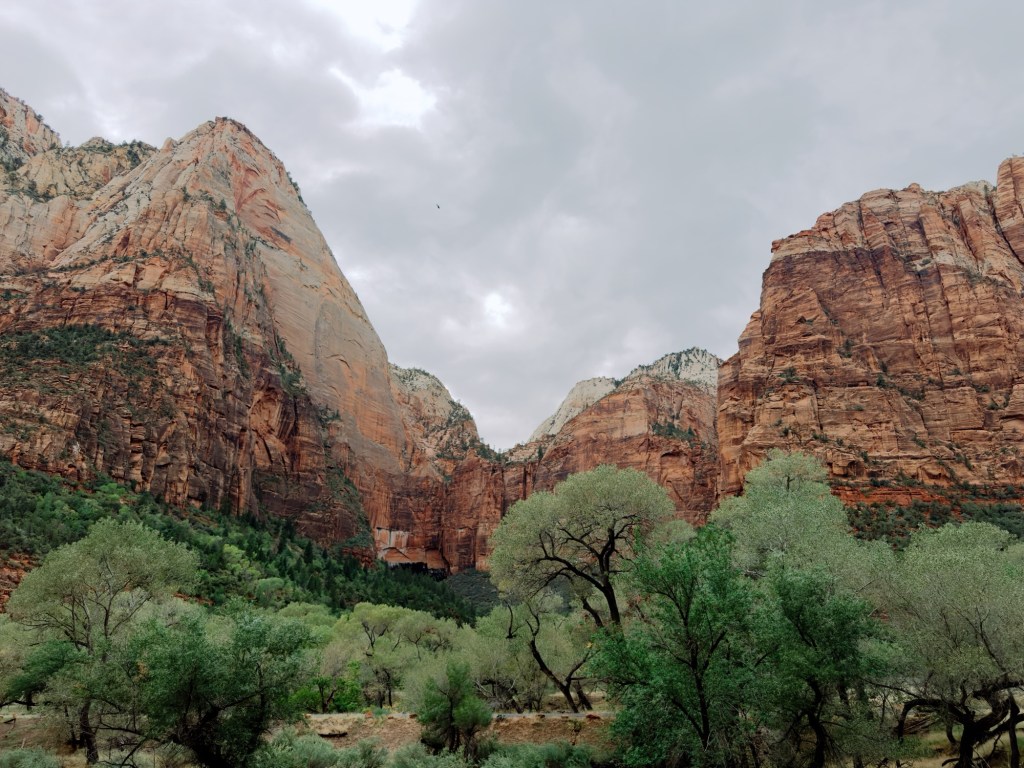
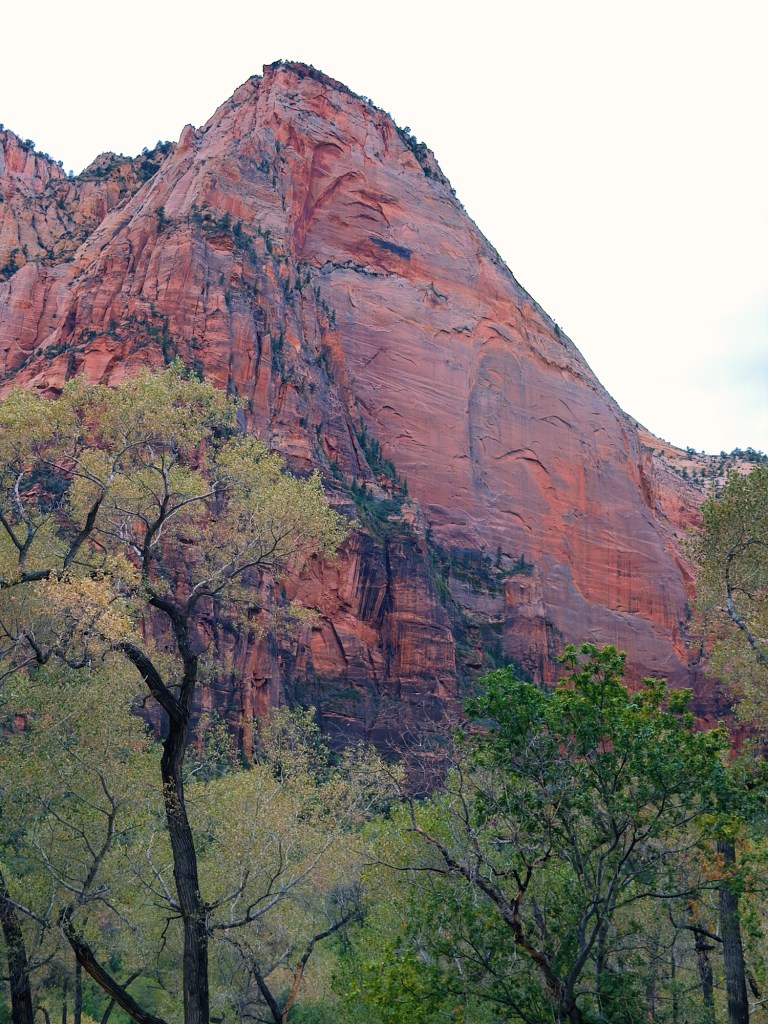
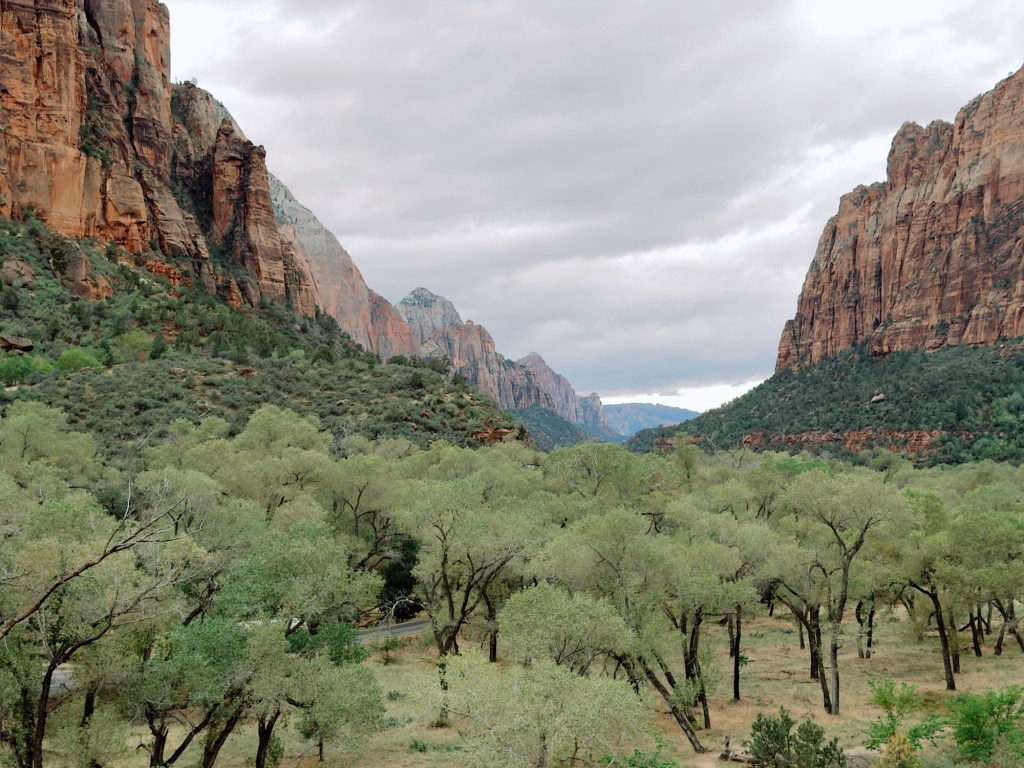
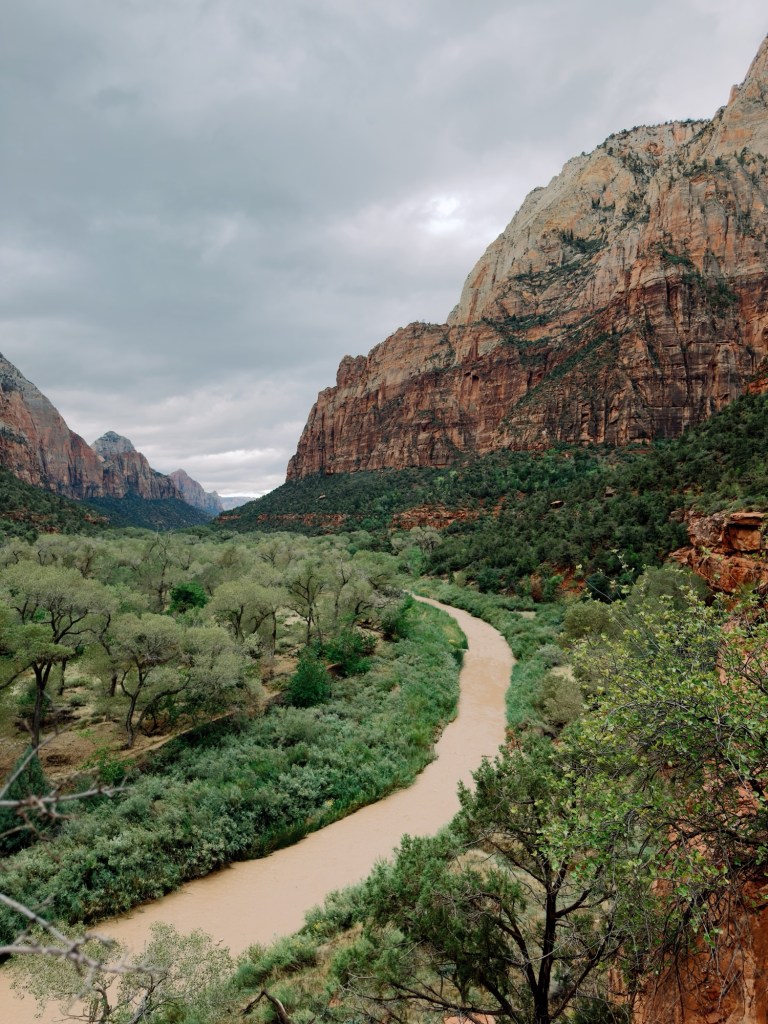
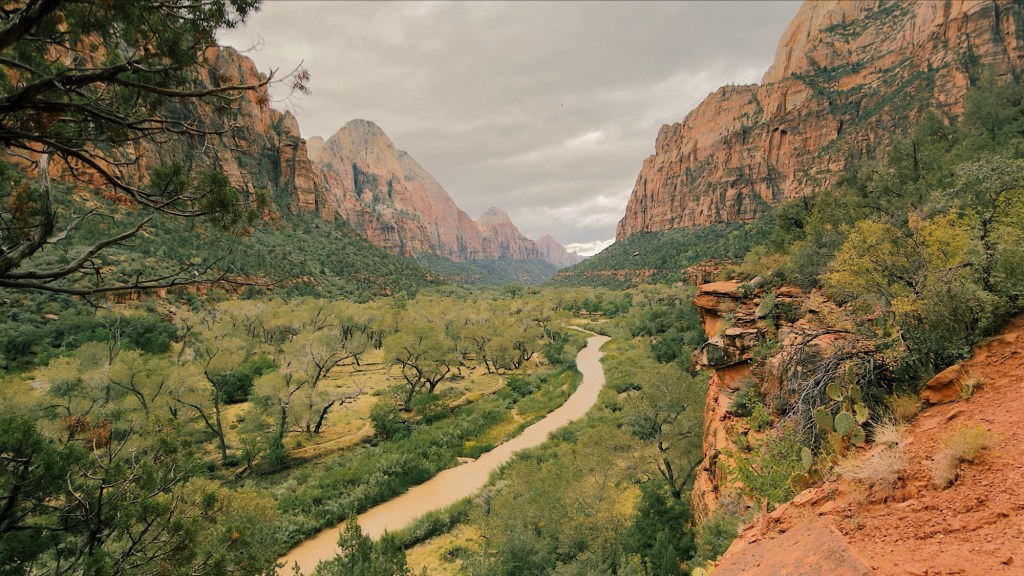
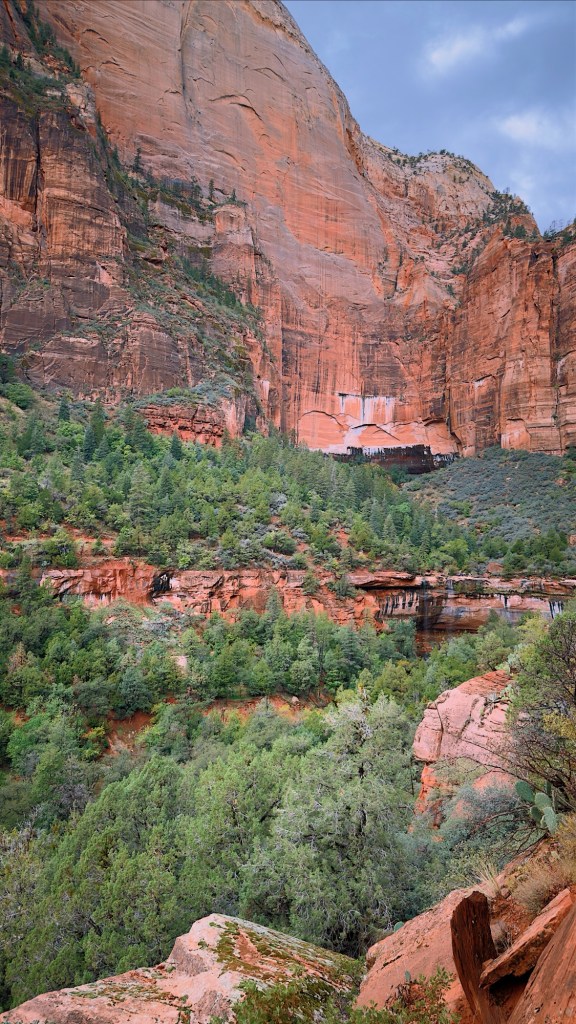
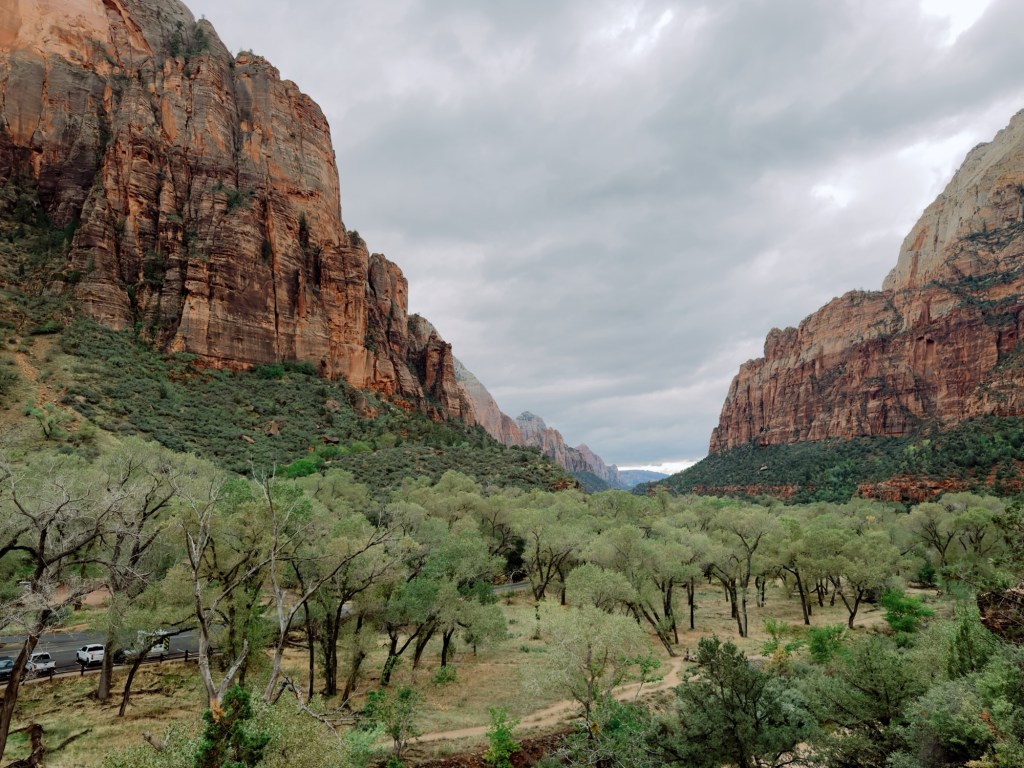
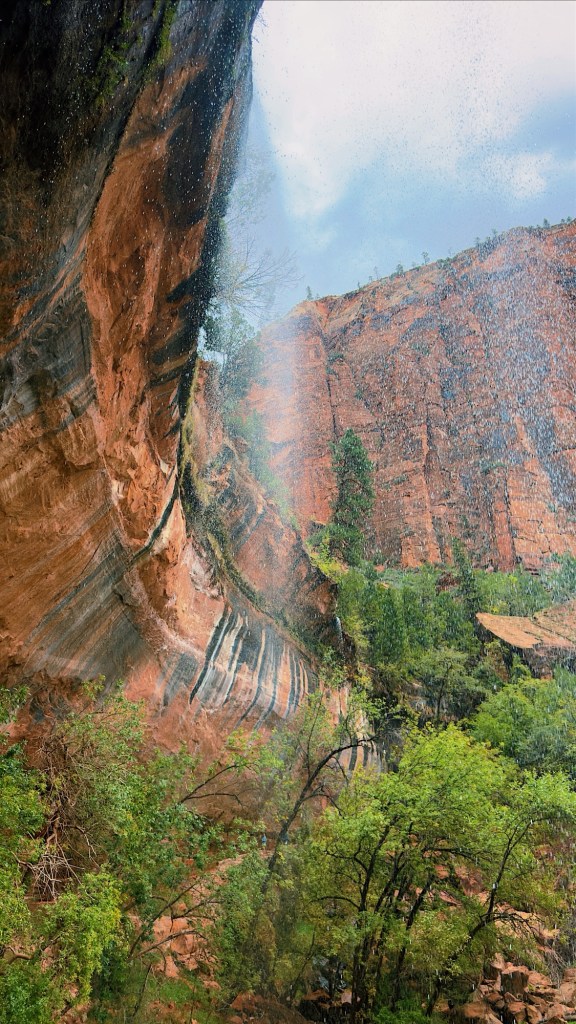
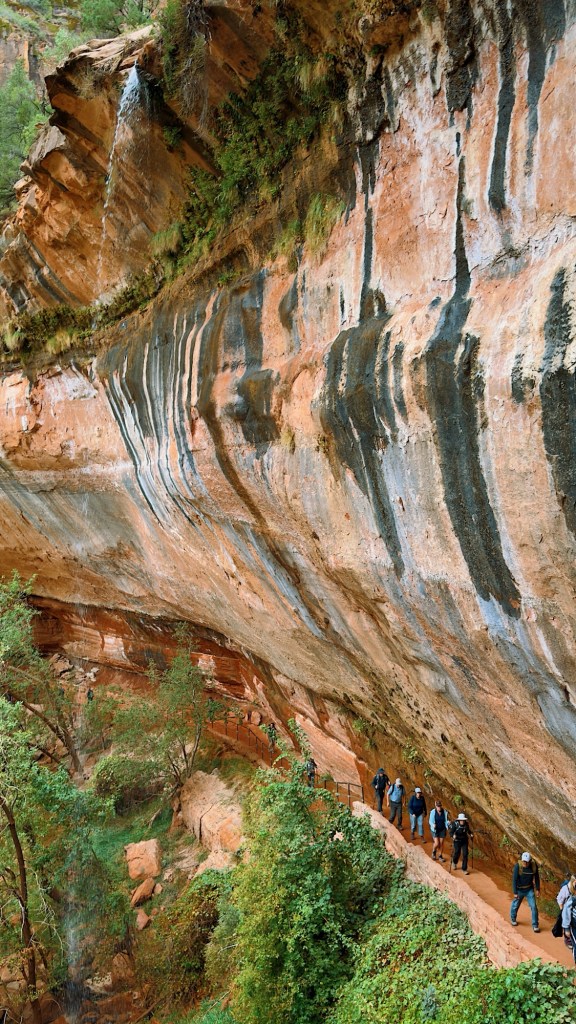
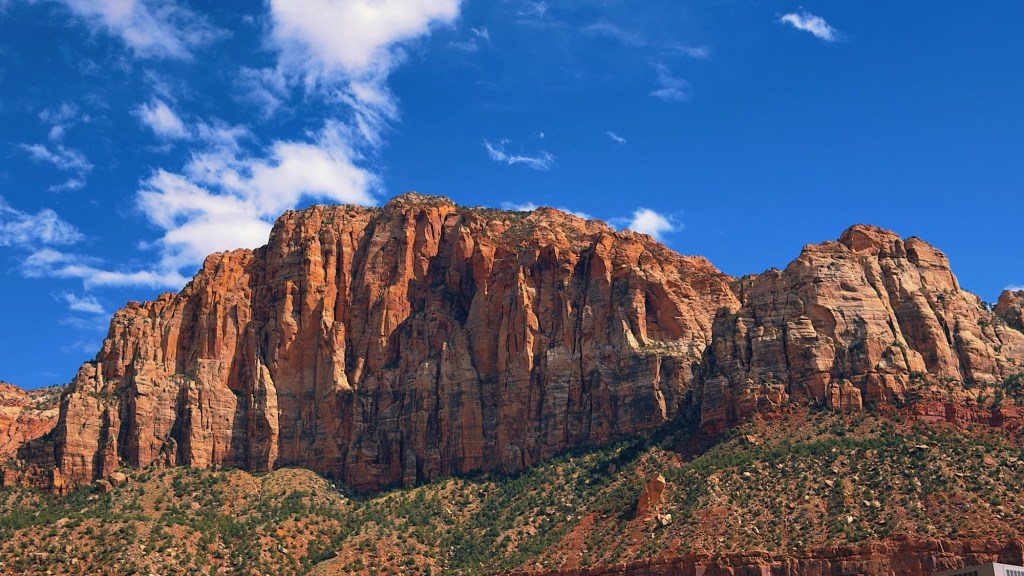
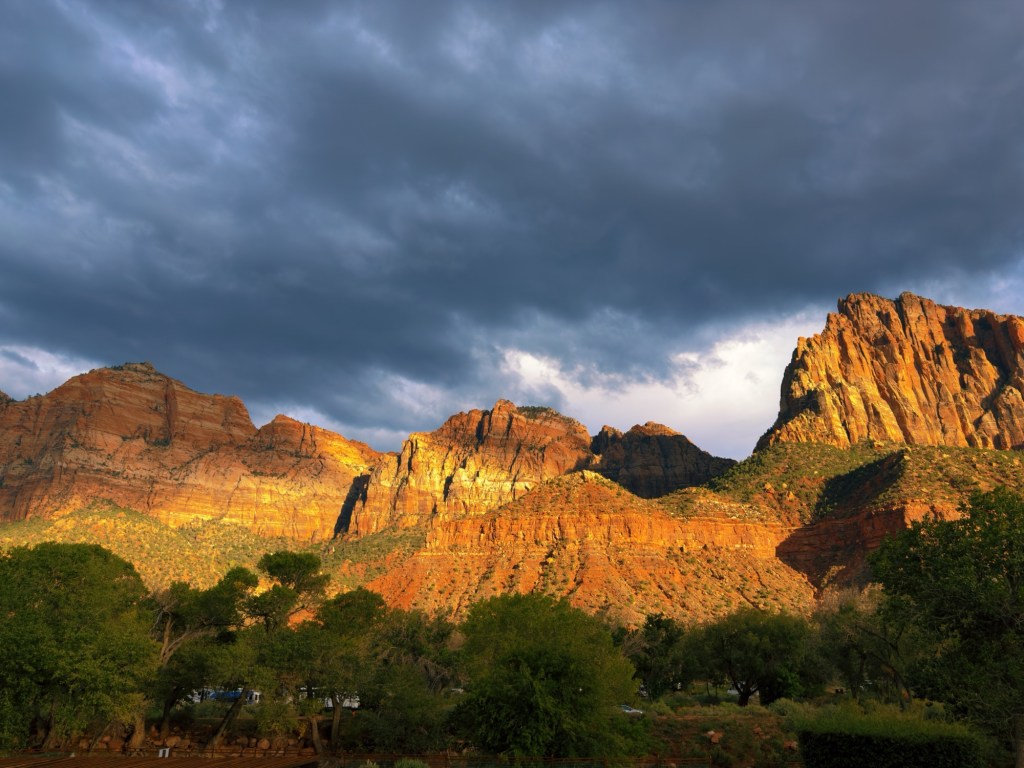
It is a spectacular place, where tall orange sandstone cliffs rise above sage green trees and the Virgin River which meanders through the canyon. Looking at the sedate river today, it is hard to imagine that over many eons, it carved the massive canyon that surrounds it. Flash floods can still transform the peaceful slot canyons very rapidly. In fact, the day before we arrived heavy rains had made many of the park trails too dangerous to hike on,
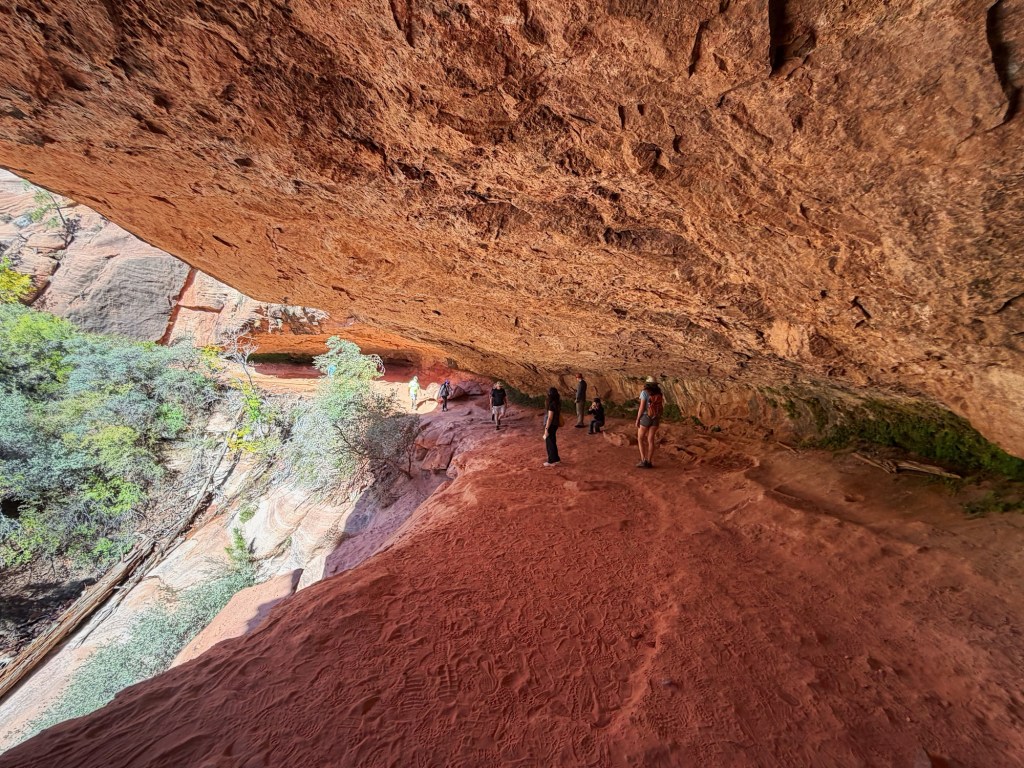
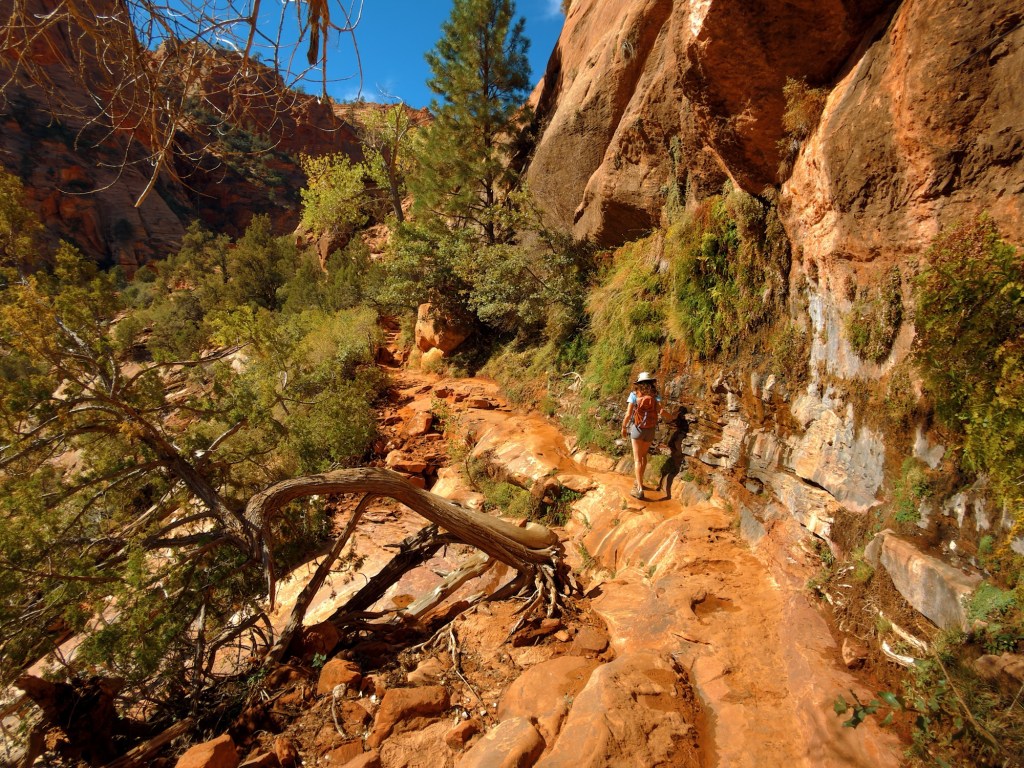
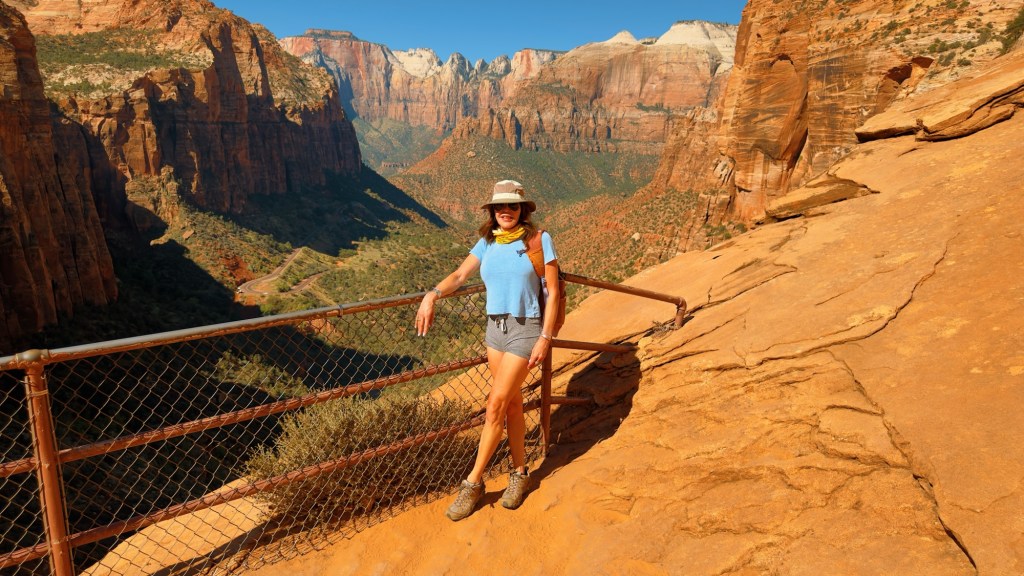
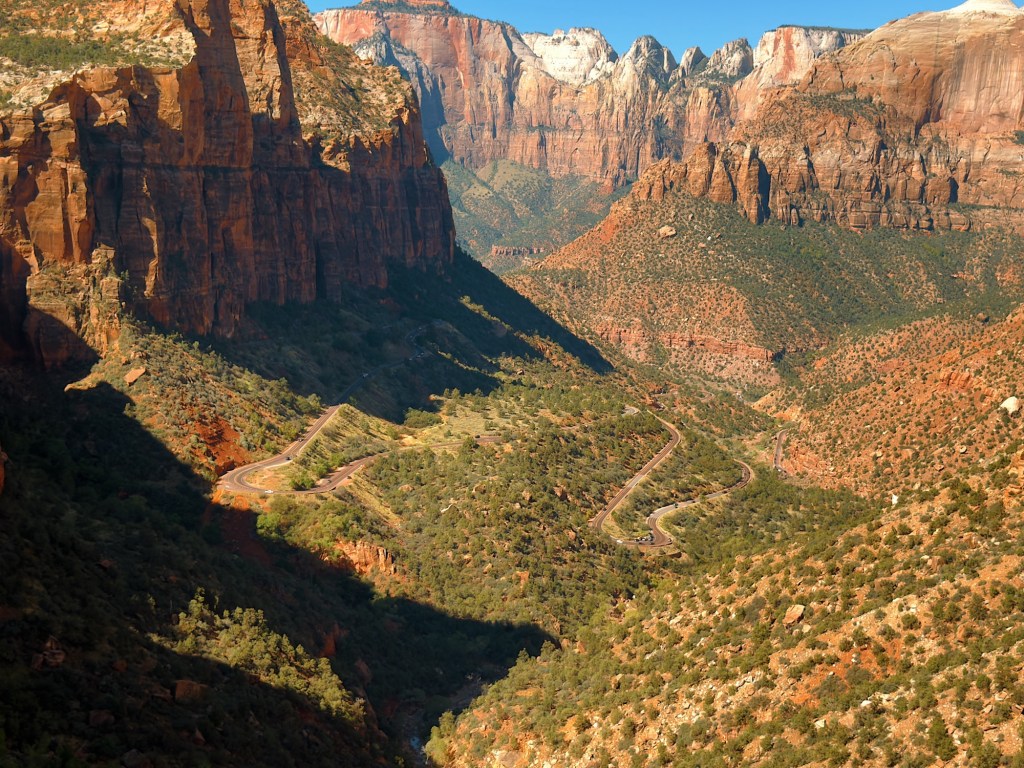
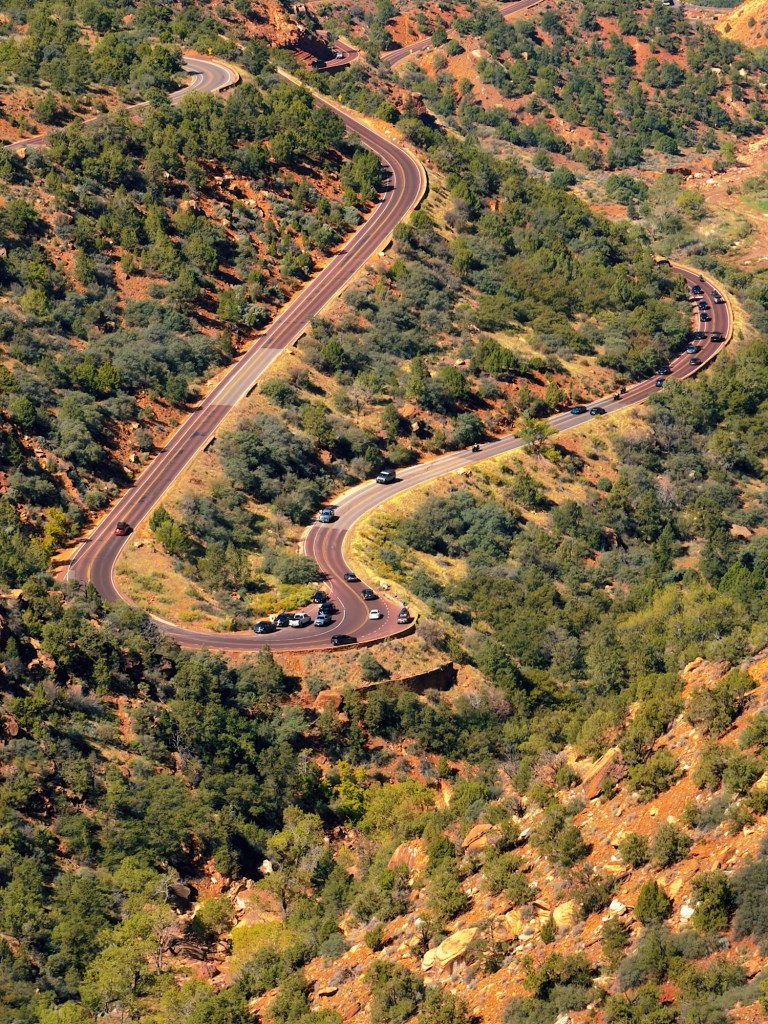
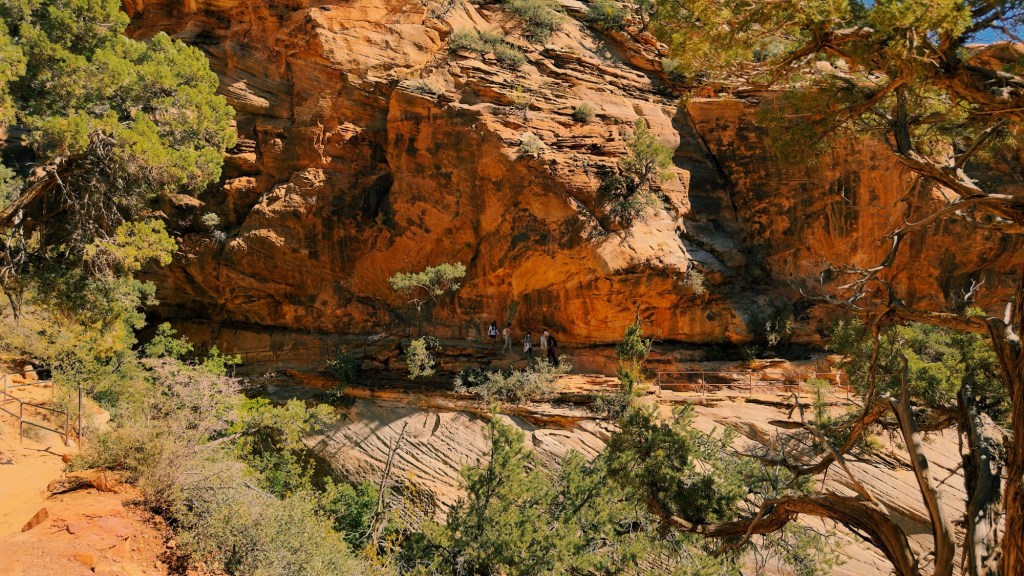
Leaving the park, we drove up over a pass on our way to our next stop, Bryce Canyon. We stopped at the top for a short hike to a spectacular overview that looked down over the valley that we had just driven up. Only a short time after we went on our way, there was a rock slide that crushed a couple of cars (fortunately no one was hurt) and closed the pass for a few hours.