April 24, 2026
Glen Echo Park was first developed in 1891 as a National Chautauqua Assembly. The cultural gatherings, which began in 1874 at the Chautauqua Institution in New York, had started as training programs for Sunday school teachers but quickly grew into a national movement that remained popular through the early part of the twentieth century. The assemblies included lectures and talks on a variety of topics including science, religion, politics and literature as well as music, theater and storytelling performances.
There was only one Chautauqua gathering at Glen Echo Park and by the early 1900s the site had become the Glen Echo Amusement Park which it remained until 1968. Lauren remembers going there as a child. Today, it is a fascinating place to visit. Some of the buildings from its days as an amusement park remain and have been restored which gives it a nostalgic but somewhat creepy feel. We definitely would not want to be stuck there on a dark and stormy night.
As befitting for a place that started as a Chautauqua gathering place, it is now also host to many local arts and cultural organizations, as well as artist studios. There are also art, photography, pottery and glass blowing classes as well as summer camps and puppet shows for the kids. The large Spanish ballroom, a beautifully restored 1993 Mediterranean-style Art Deco building, is still considered one of the best dance halls on the east coast and is something of a Mecca for the Swing dance community, attracting dancers from throughout the country.
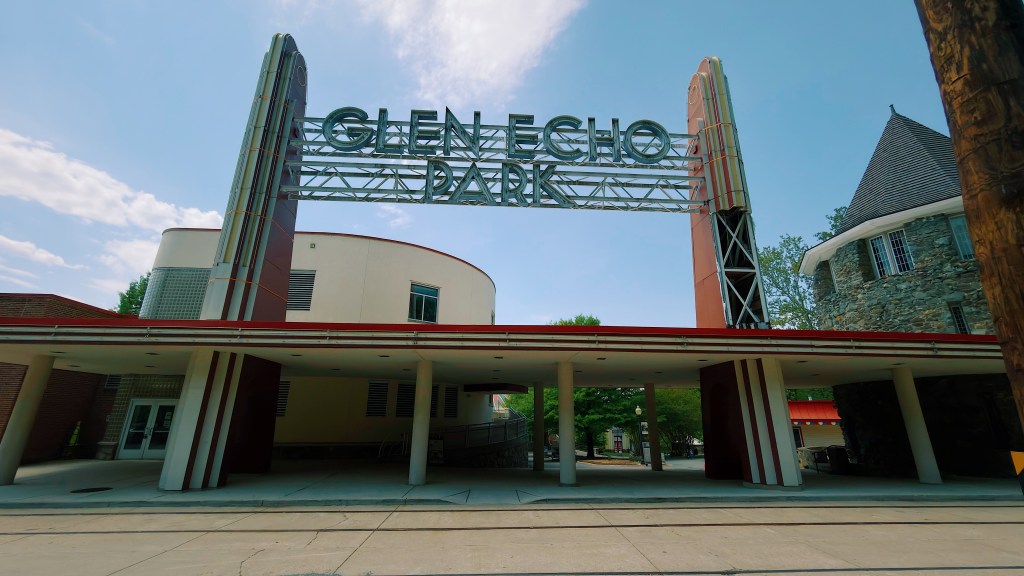
In its heyday, people rode street cars (trollies) directly to the park from nearby Washington DC. You can still see the tracks outside the entrance.
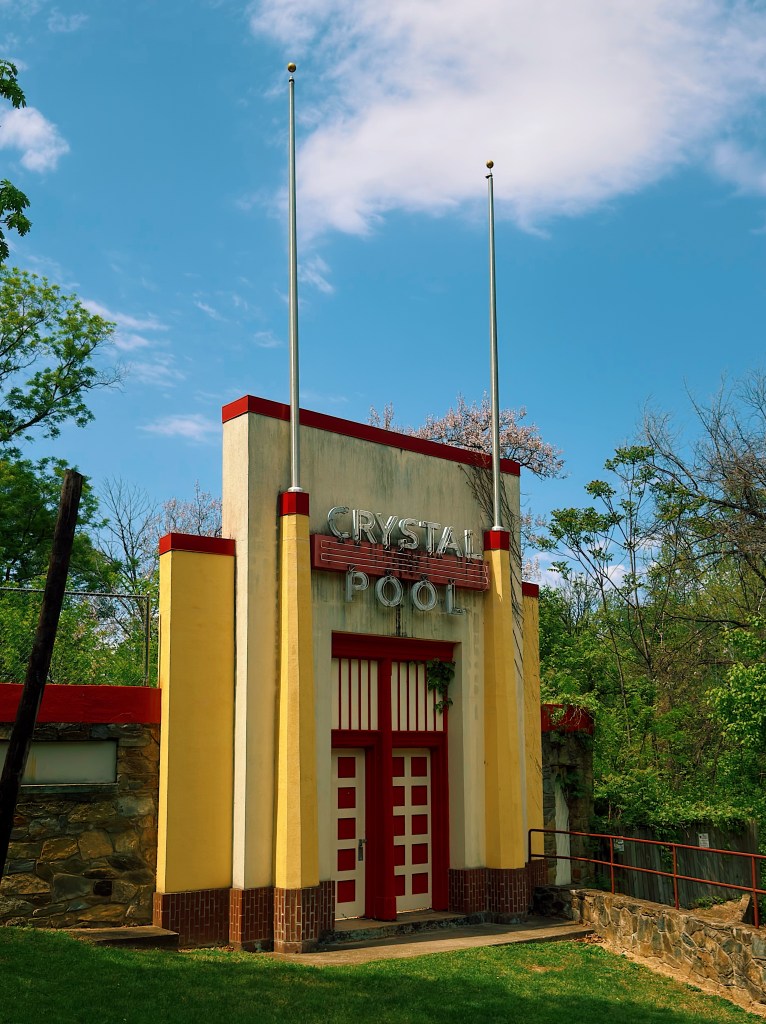
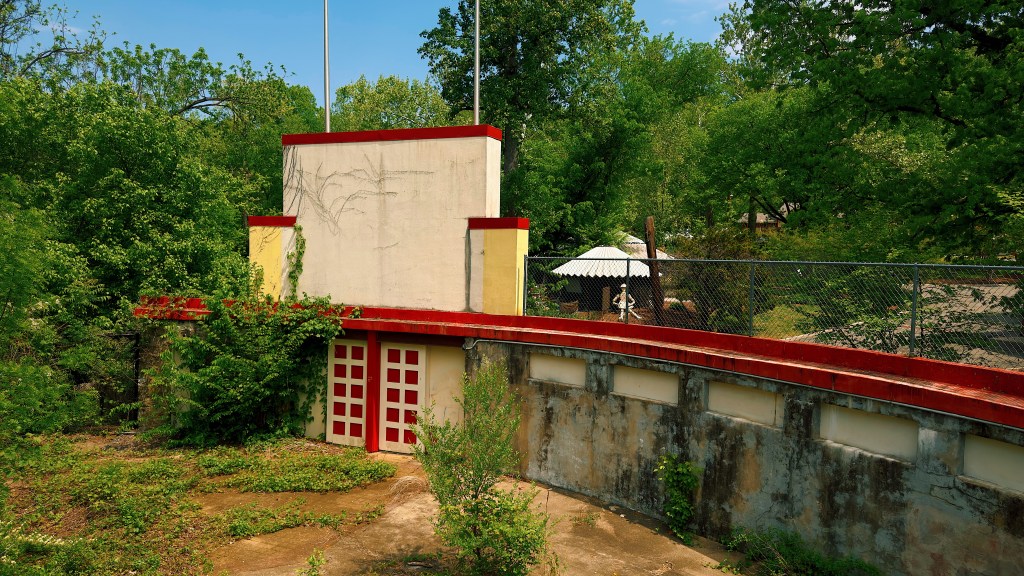
The park included a massive pool that could hold thousands of swimmers. Sadly, only the entry of the pool remains.
Our good friends Dale and Joe, who were visiting us from Connecticut, followed the advice on this building.
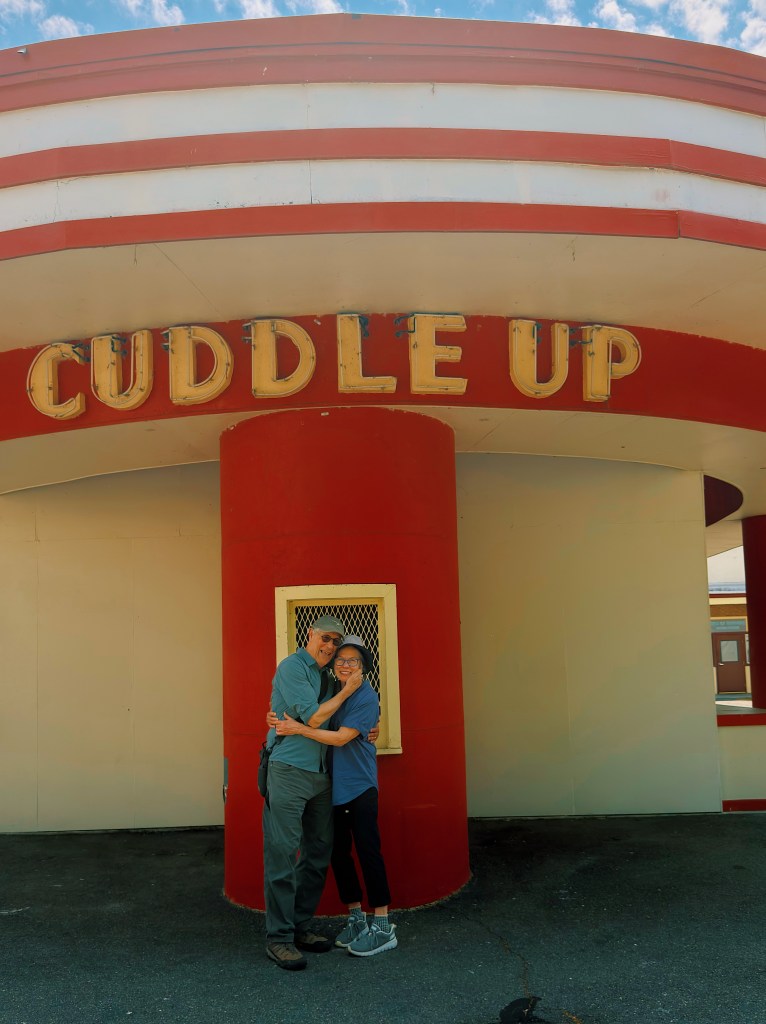
There are some beautifully restored deco buildings.
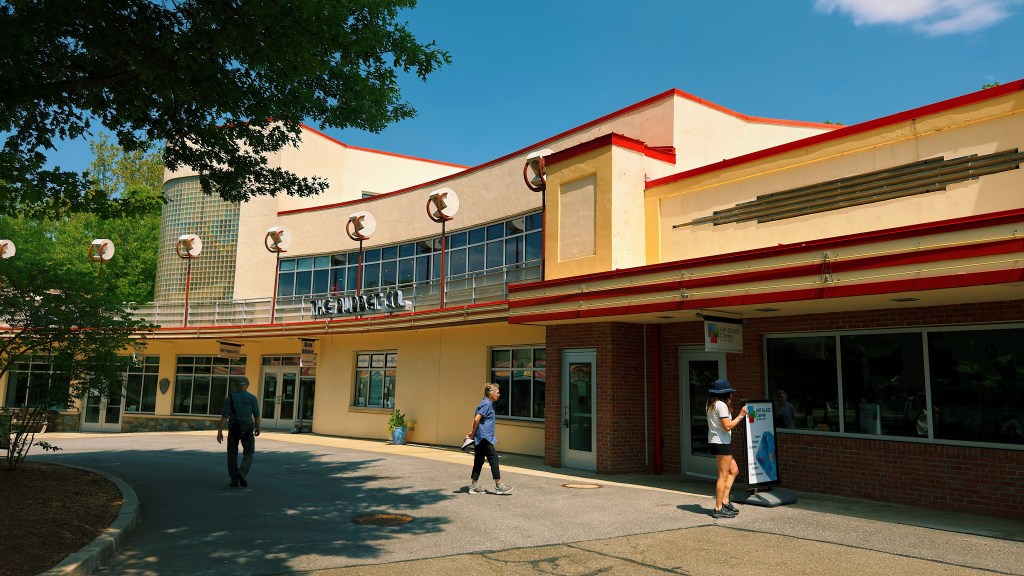
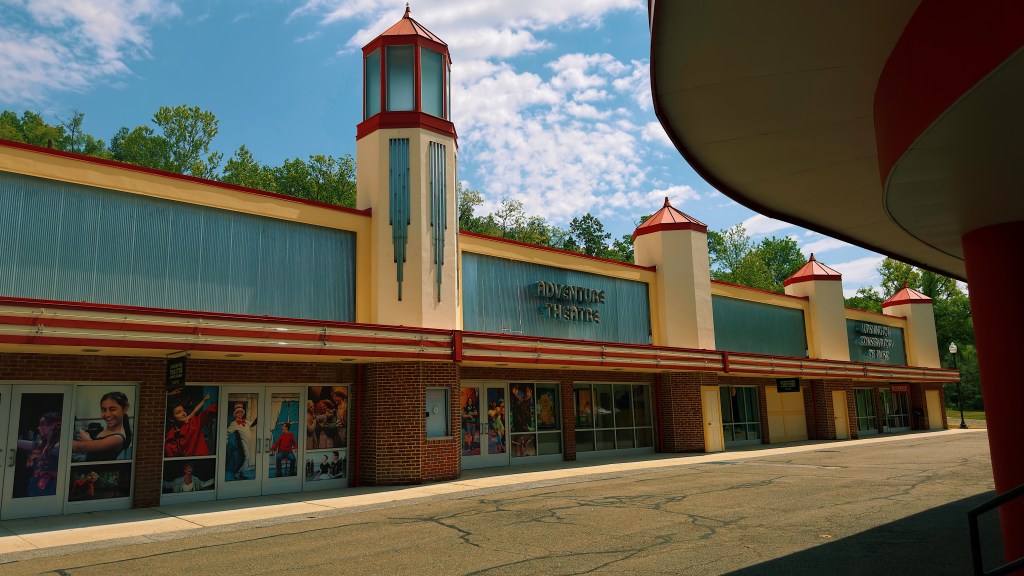
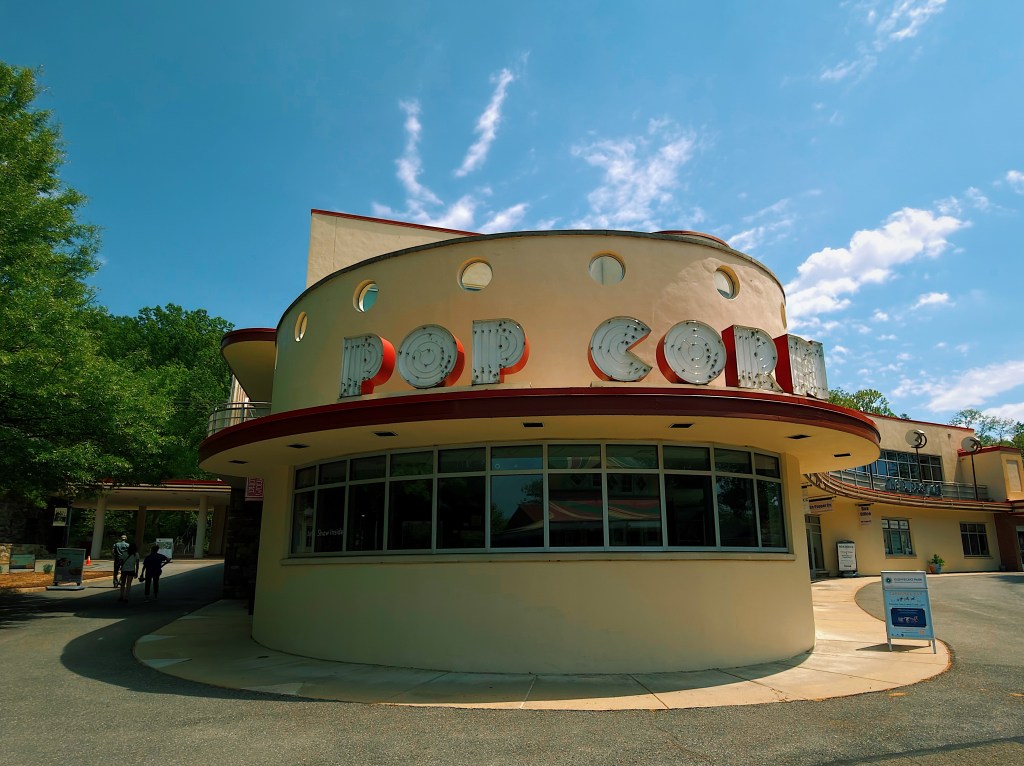
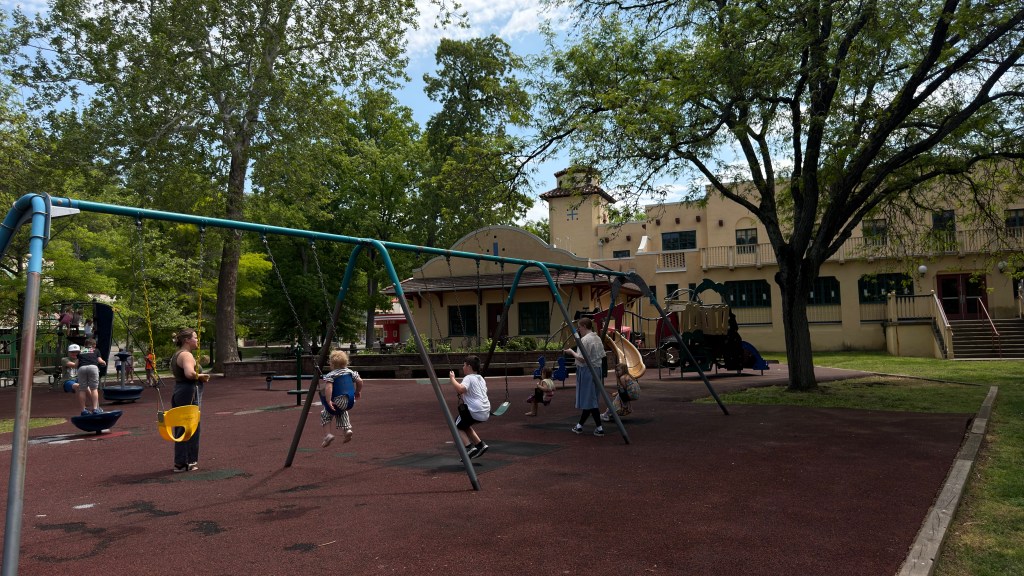
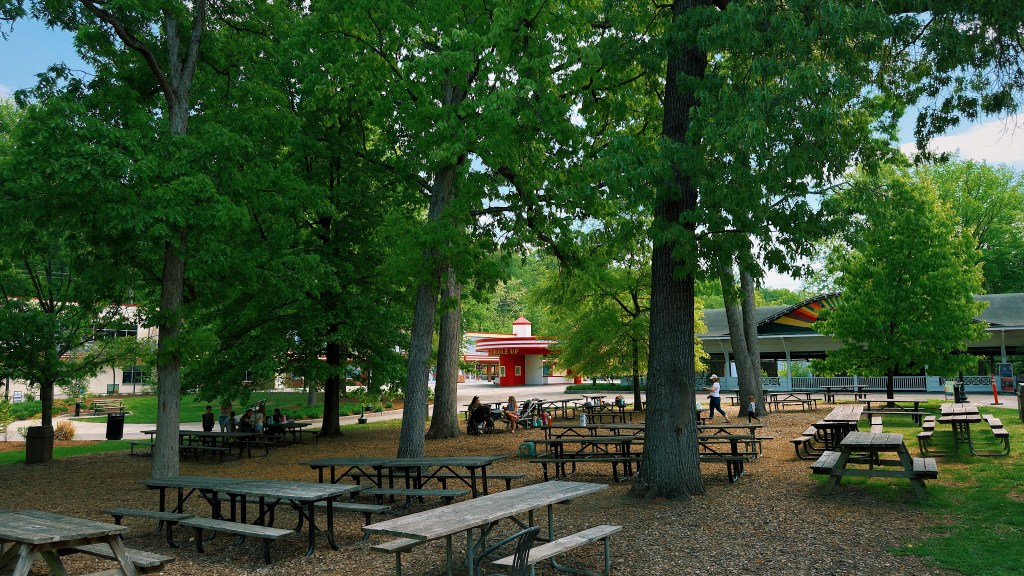
As well as a playground and large picnicking area under the trees.
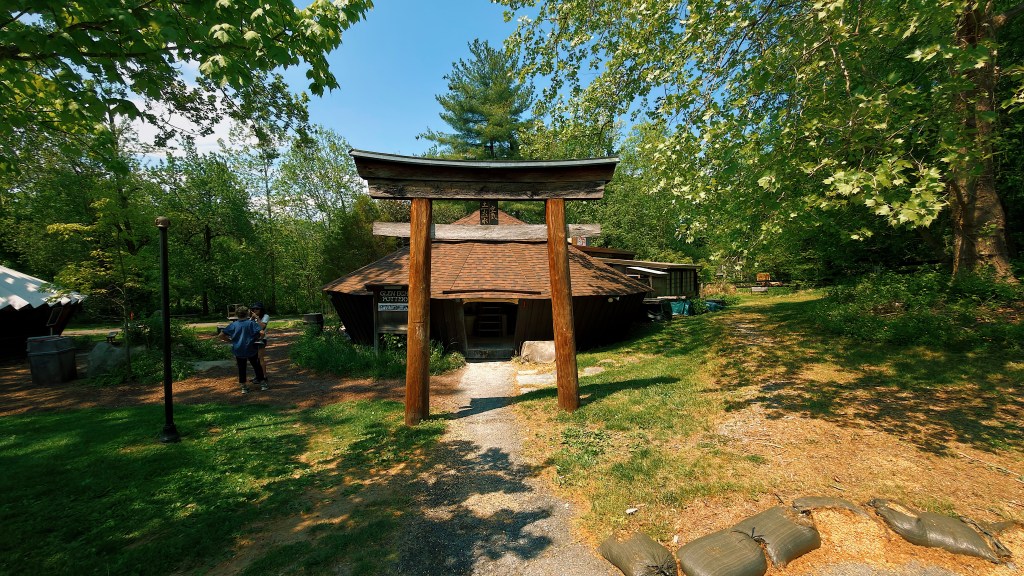
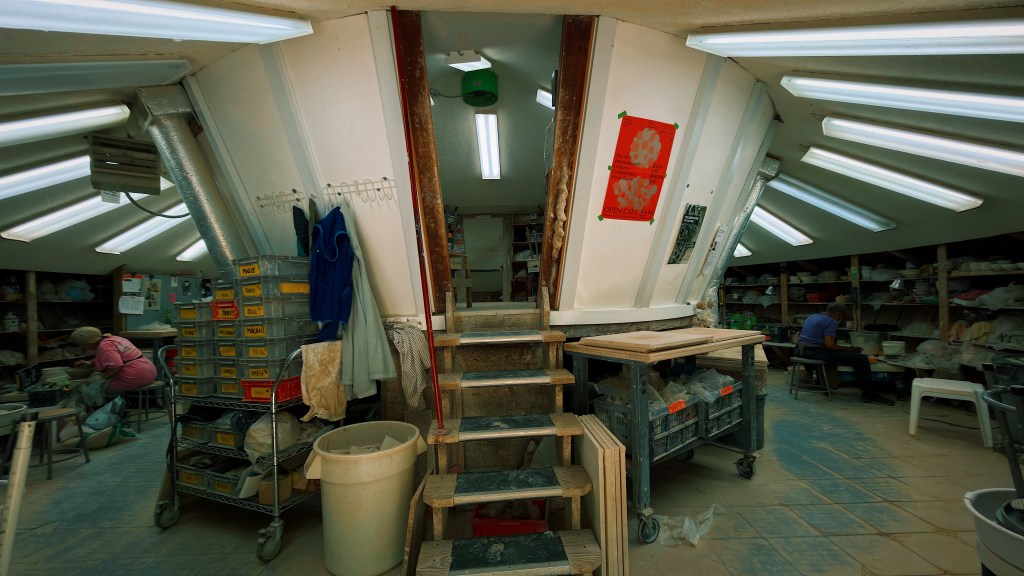
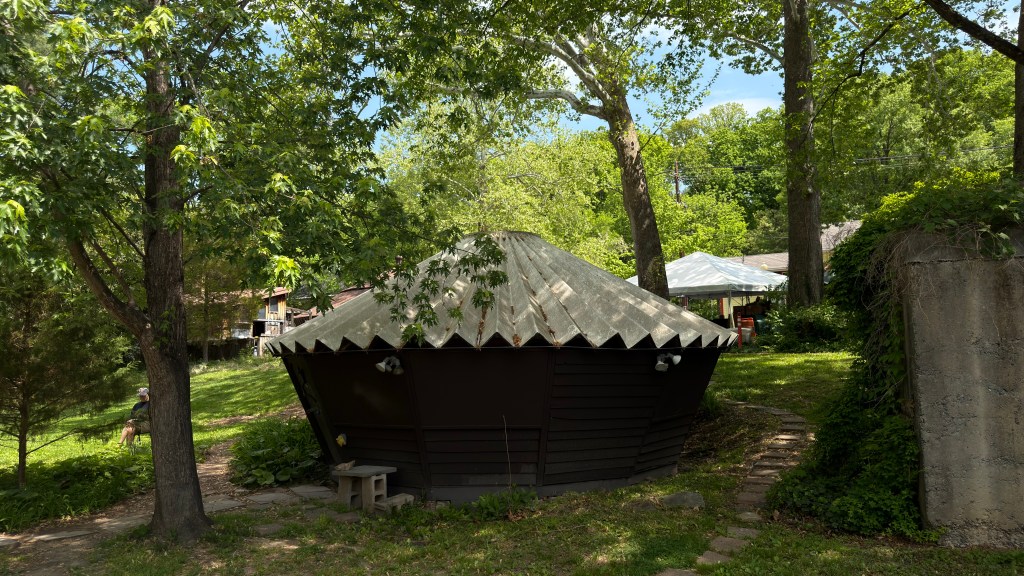
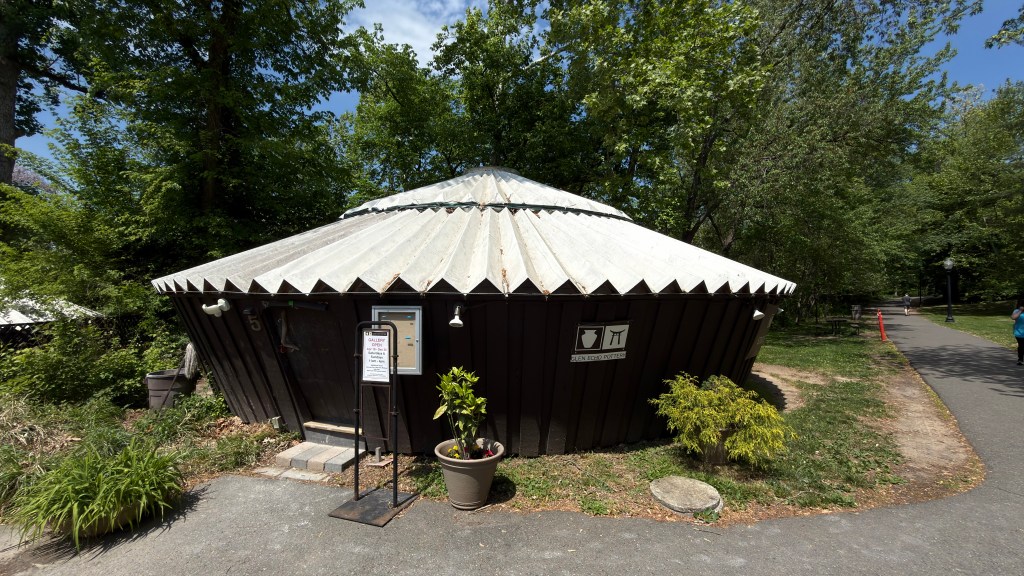
There are a number of yurts on the grounds that are used by local artisans.
One of the park’s central attractions is its beautifully restored carousel which unfortunately was not open while we were there, so we couldn’t go for a spin.
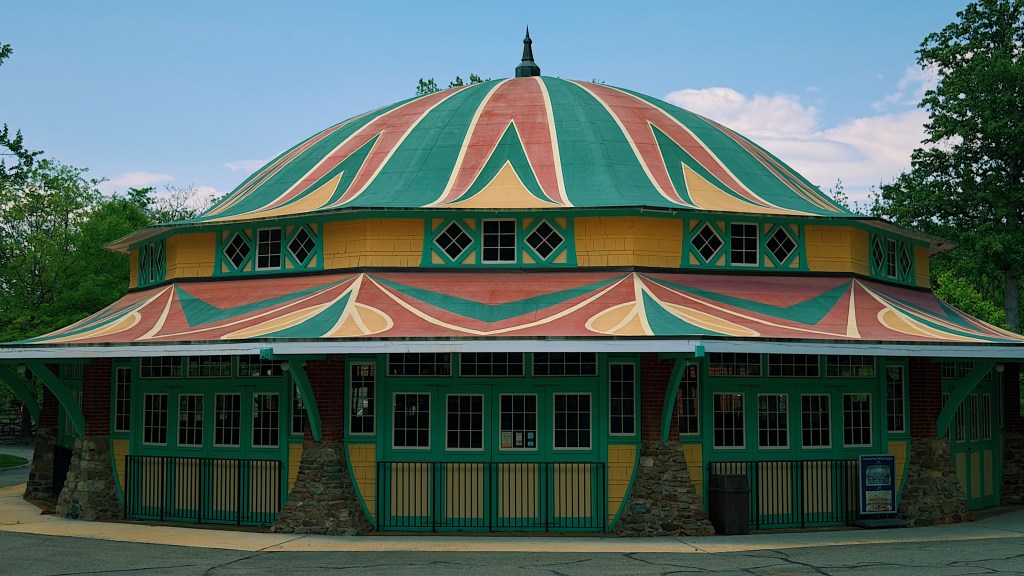
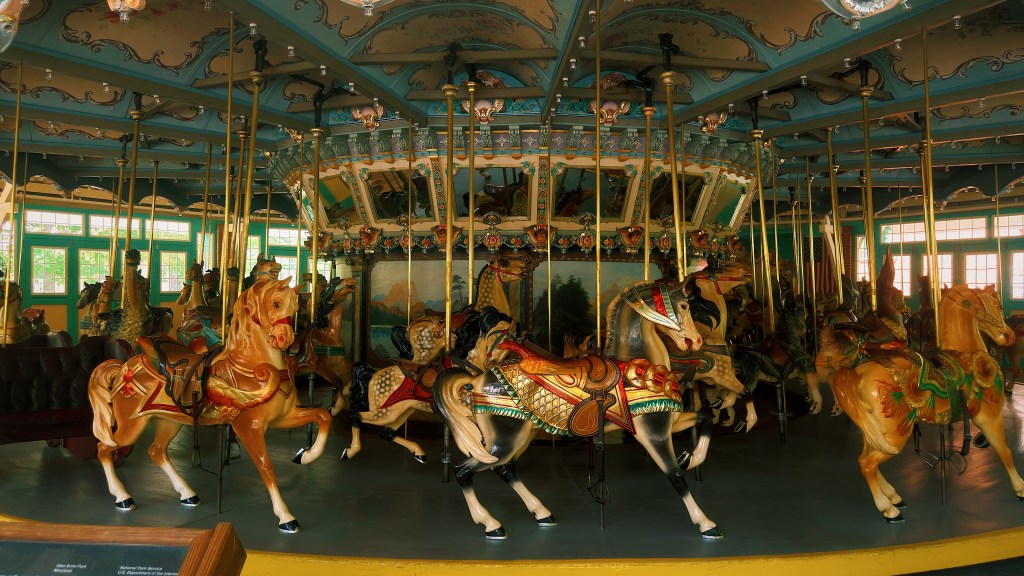
The carousel has an interesting role in Civil Rights History. In 1960, a group of Howard University students formed The Nonviolent Action Group (NAG) to combat racism and segregation in the Washington DC area and chose Echo Park, which was segregated, for one of their first protests. With tickets purchased by a white NAG member, the students seated themselves on the carousel. Seeing black students in the group, the operator refused to start the ride. After a two and a half hour standoff, five black students were arrested for trespassing. A picket line continued outside the park throughout the summer, with the protestors enduring the oppressive Washington heat, threats of violence and a counter-protest organized by George Lincoln Rockwell’s American Nazi party. The protests ended on September 11 when the park closed for the season. By then they had gained widespread national support and over the winter, Attorney General Robert Kennedy intervened and the owners of the park abandoned their segregation practices. When the part reopened for the new season in 1962 it was open for all and remained that way until it closed in 1968.
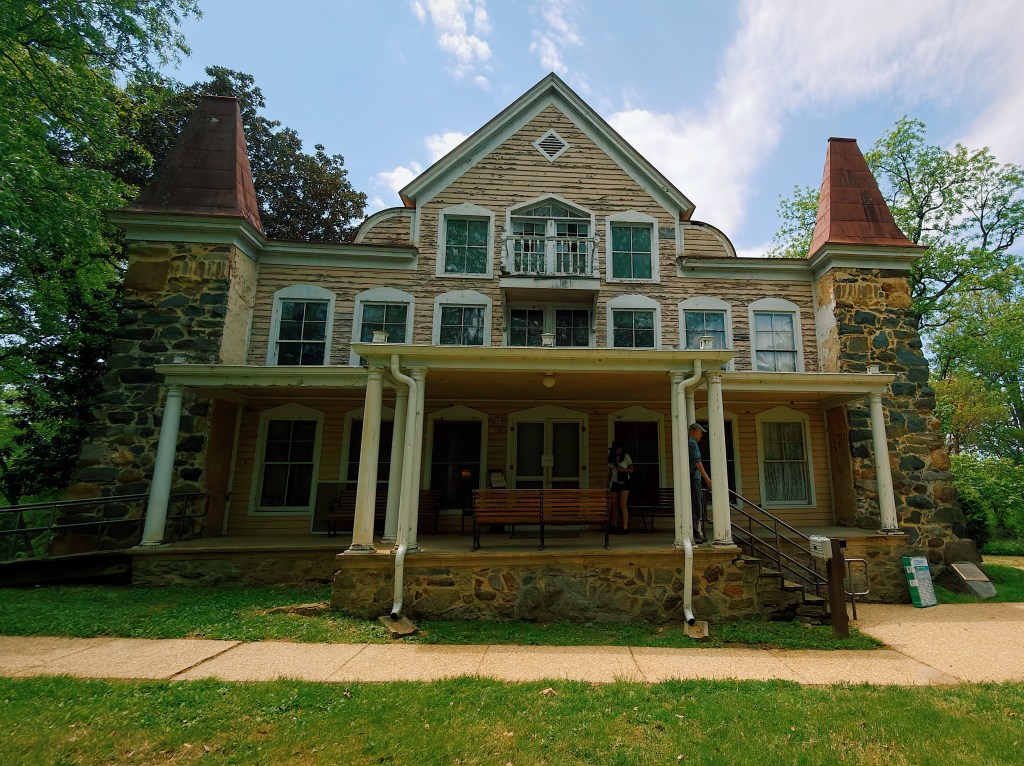
Across the creek from the park is the home of Clara Barton (1821-1912), the founder of the American Red Cross. During the American Civil War, Barton became known as The Angel of the Battlefield. She organized supplies and personally delivered aid to the soldiers on the front lines, often risking her life. After the war she visited Europe where she learned about the international Red Cross movement. Inspired, she returned to America and founded the American Red Cross in 1881. The home in Glen Echo was built in 1891 not just as her home but also as a headquarters for the American Red Cross. She lived there until her death in 1912. It was designated a historic site in 1974 and is considered the first U.S. national historic site dedicated to a woman’s achievements. Unfortunately, due to ongoing preservation issues, the interior of the building is not open currently to visitors and the outside is very rundown.