January 25, 2023
The Coromandel Peninsula is about a two hour drive from Auckland. It is about fifty miles long and 25 miles wide at its broadest point. Along its shores are some of New Zealand’s most beautiful beaches. It gets its English name from HMS Coromandel, a British Royal Navy ship that stopped at Coromandel in 1820. The ship, itself, was named for India’s Coromandel coast. The Maori name for the peninsula is Te Tara-O-Te-Ika-A-Maui which translates to ‘The Spine of Maui’s fish’ with the spine, no doubt, referencing the high ranges that extend along its length. In Maori and other Polynesian cultures, Maui is a great folk hero and trickster who is famous for his cleverness. Under one of his most famous exploits, he used a magic fish-hook to catch a giant fish that became the north island of New Zealand.
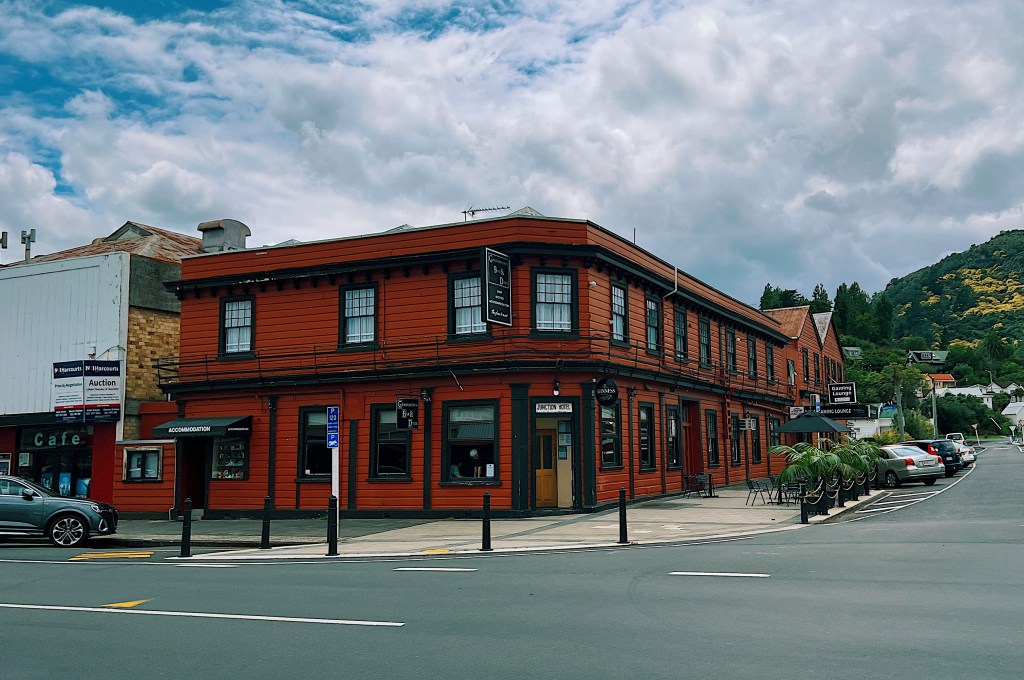
Our first stop on the peninsula was at Thames which we expect gets its name from the English river that runs through London. Its Maori name is Parawai. The town was initially built during New Zealand’s gold rush in the late 1860s to early 1870s. In 1870, it had a population of about 15,000 which would have made it one of New Zealand’s largest towns at the time. By the time that Mal’s father was born there in 1925, its glory days were already well behind it. Today, it is still the largest town in Coromandel but with a population of less than 5,000. Along its main streets are some of the old hotels that served the miners back during its heyday. There are also more than a few second hand stores, called opshops (opportunity shops) in New Zealand.




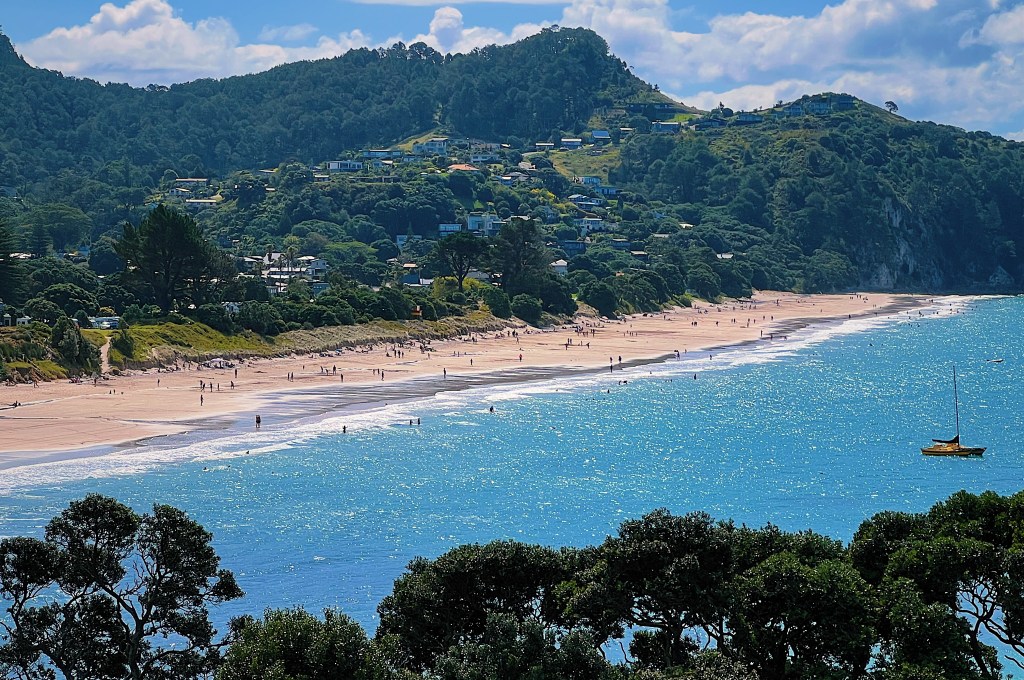
From Thames we drove up over the ranges to our final destination, Hahei. One of the peninsula’s more popular beaches, it is named for Hei, who arrived in New Zealand with Kupe, the legendary Maori explorer and navigator who is said to have been the first human to discover New Zealand.
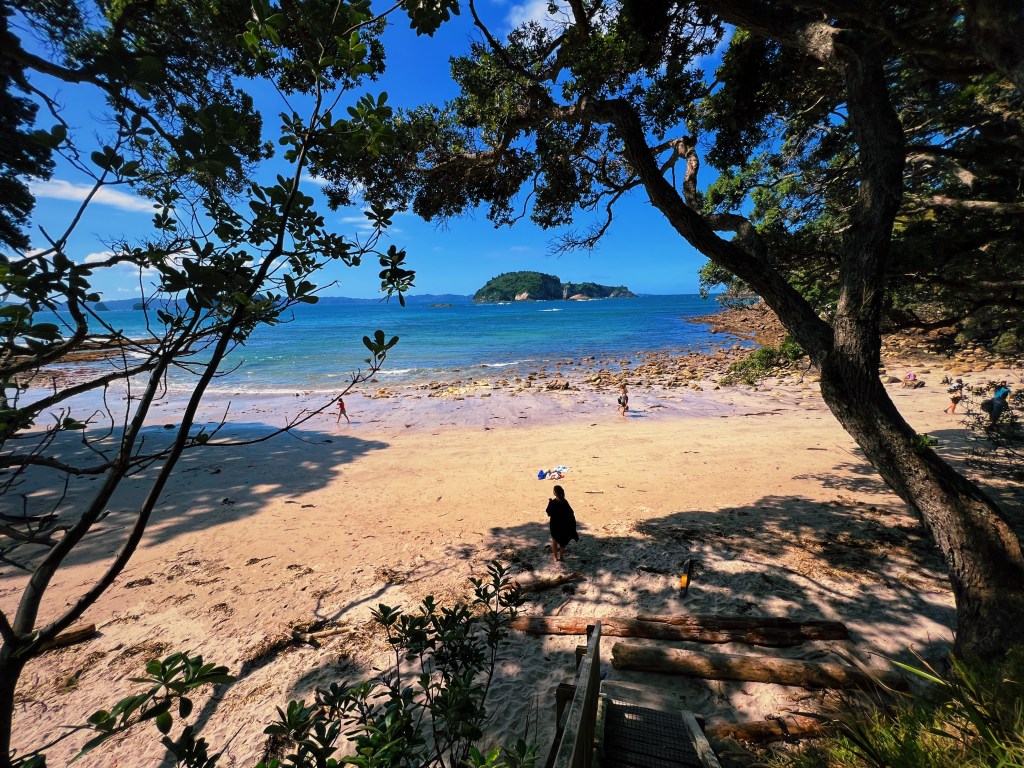
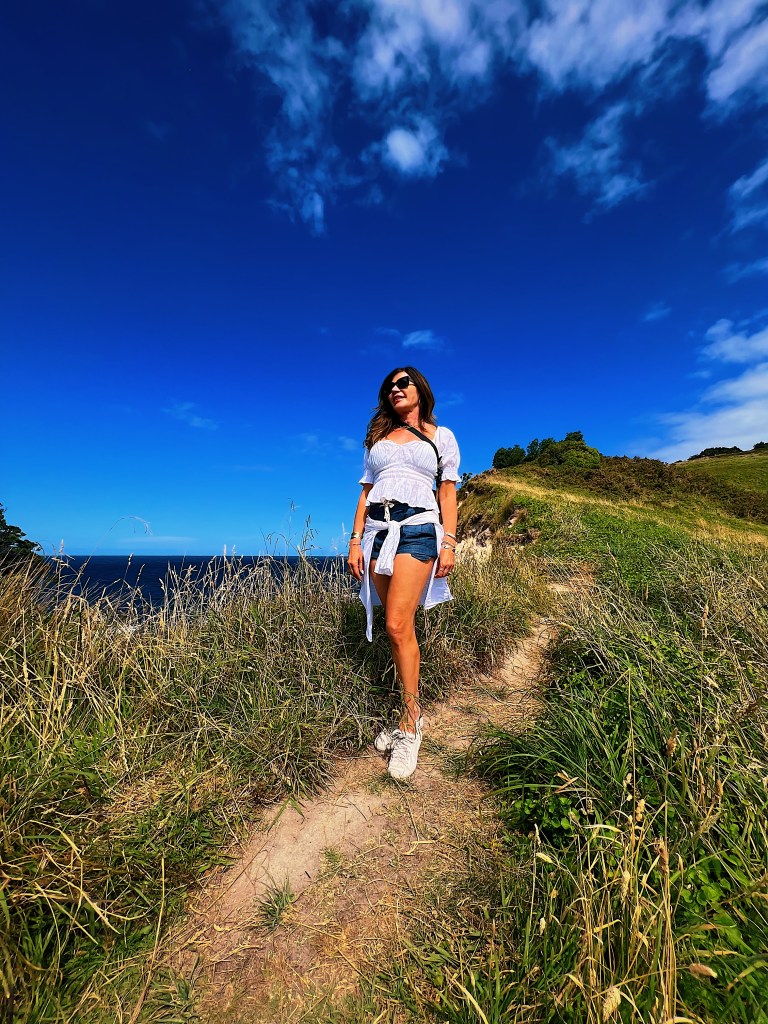
We immediately set out for a walk along Hahei beach and up the headlands at its southern end.



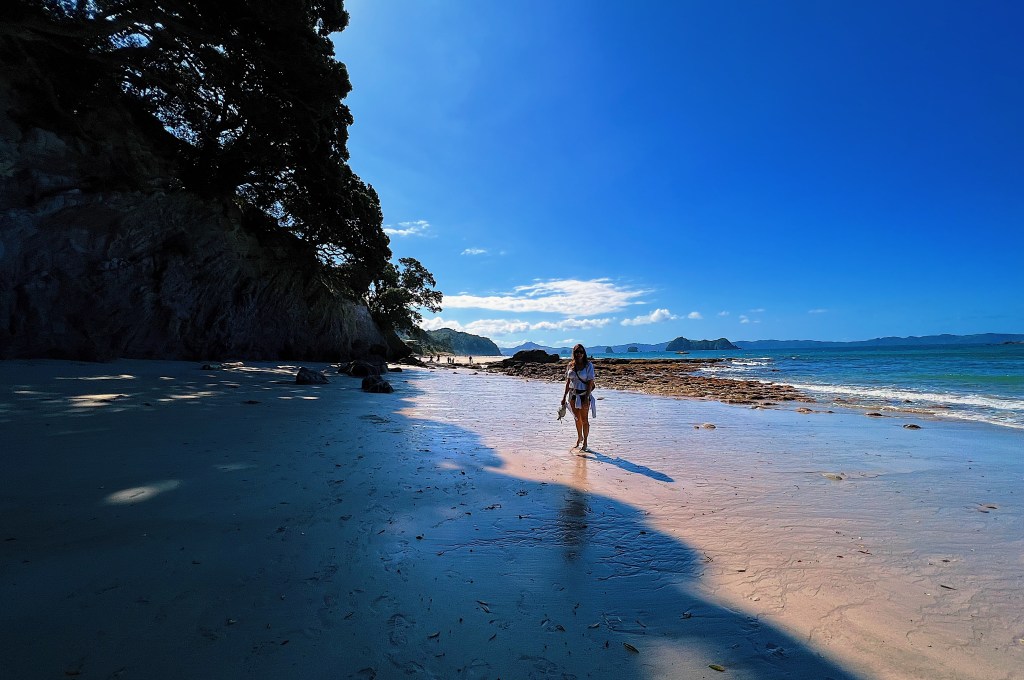
Back on the beach, we walked by a mix of old and new beach homes, commonly called baches (pronounced batches) by New Zealanders. The following photo shows a classic small bach with its larger newer and fancier neighbor.
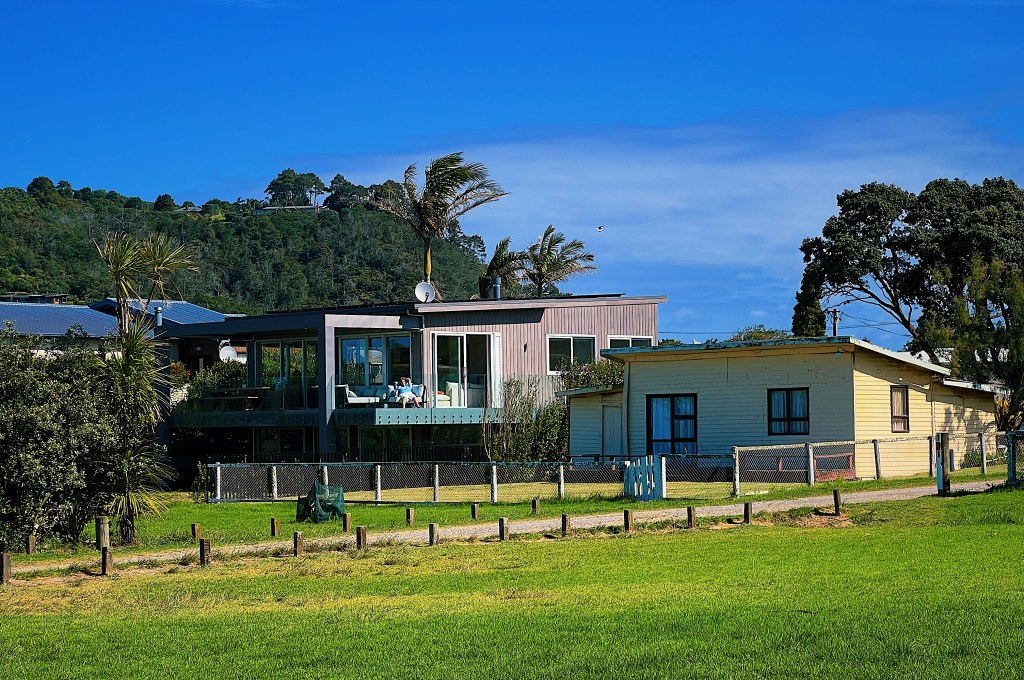
A number of these baches had tractors parked outside, which we can only assume are used to tow boats down over the beach for launch.

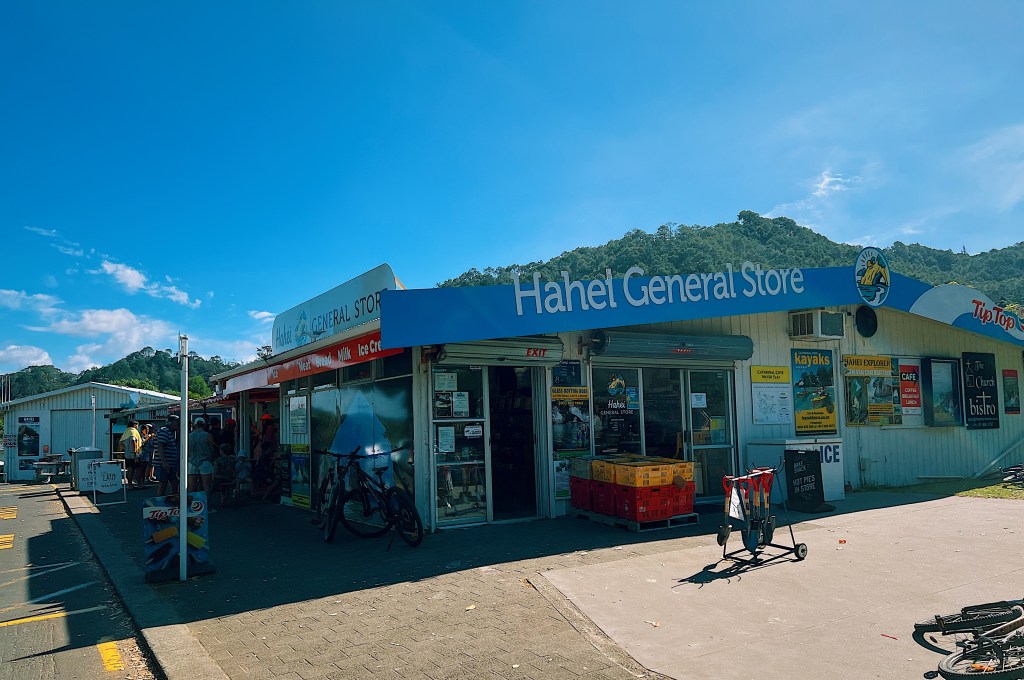
We also stopped by the local general store for some provisions.
There were also avocados available roadside, selling on an honesty basis for $5 for a bag of six.

 Mal and Lauren
Stunning photos – which batch did you stay on and was this an overnight trip? How was the food? Loved the photos!
LikeLike