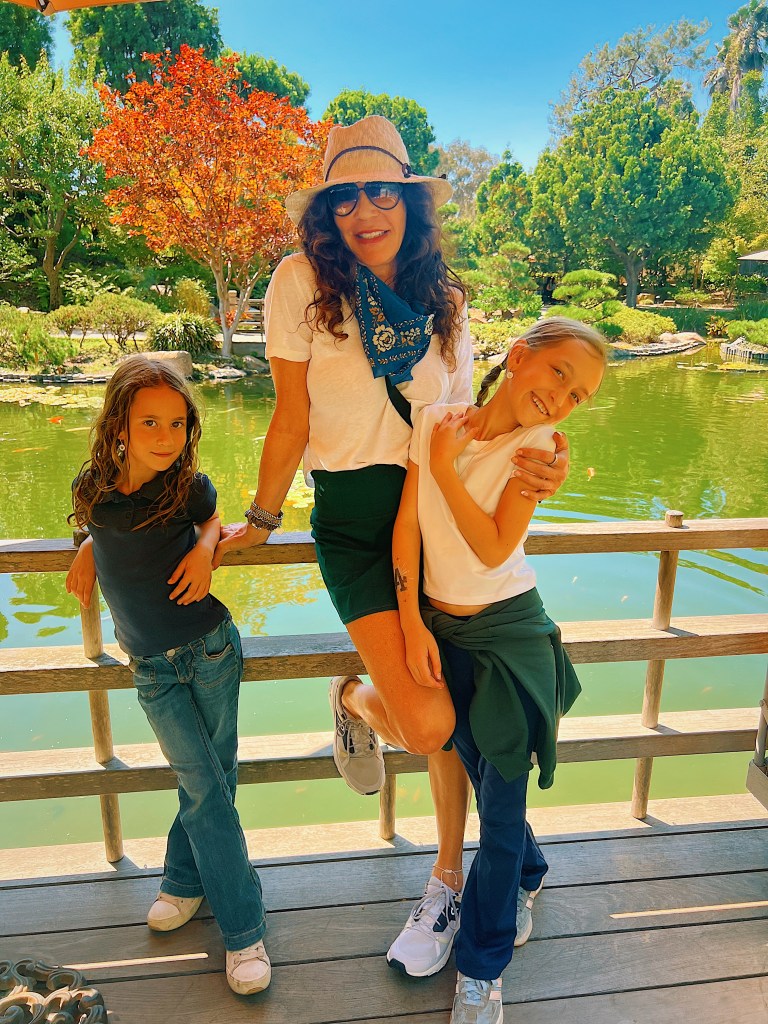
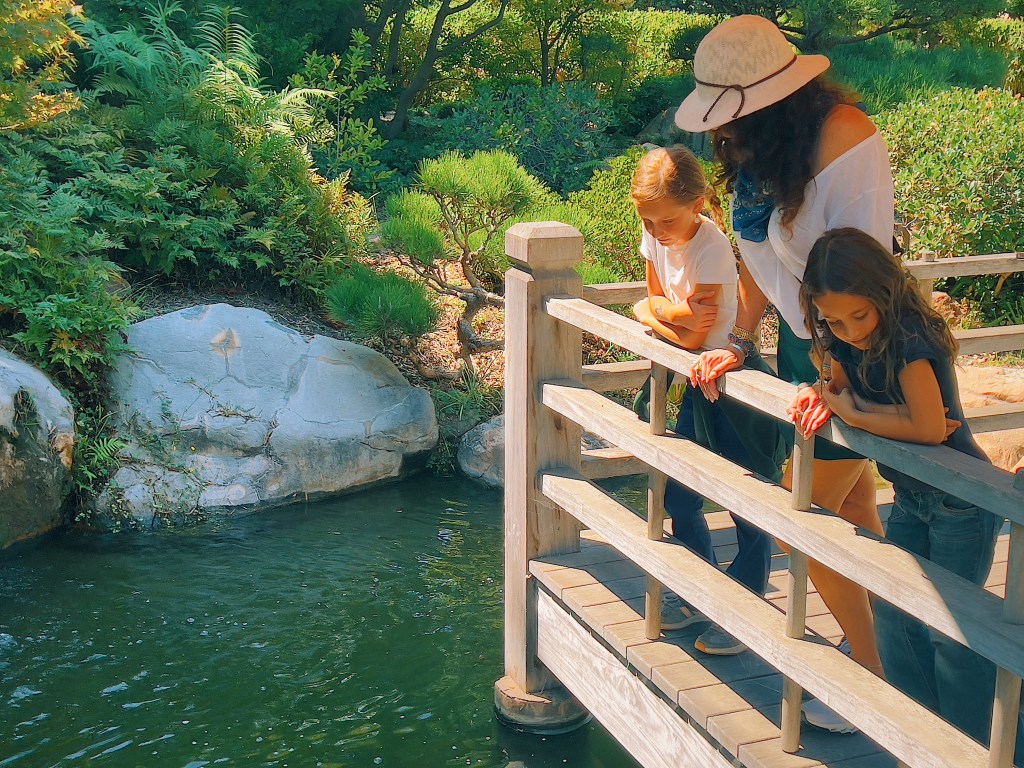
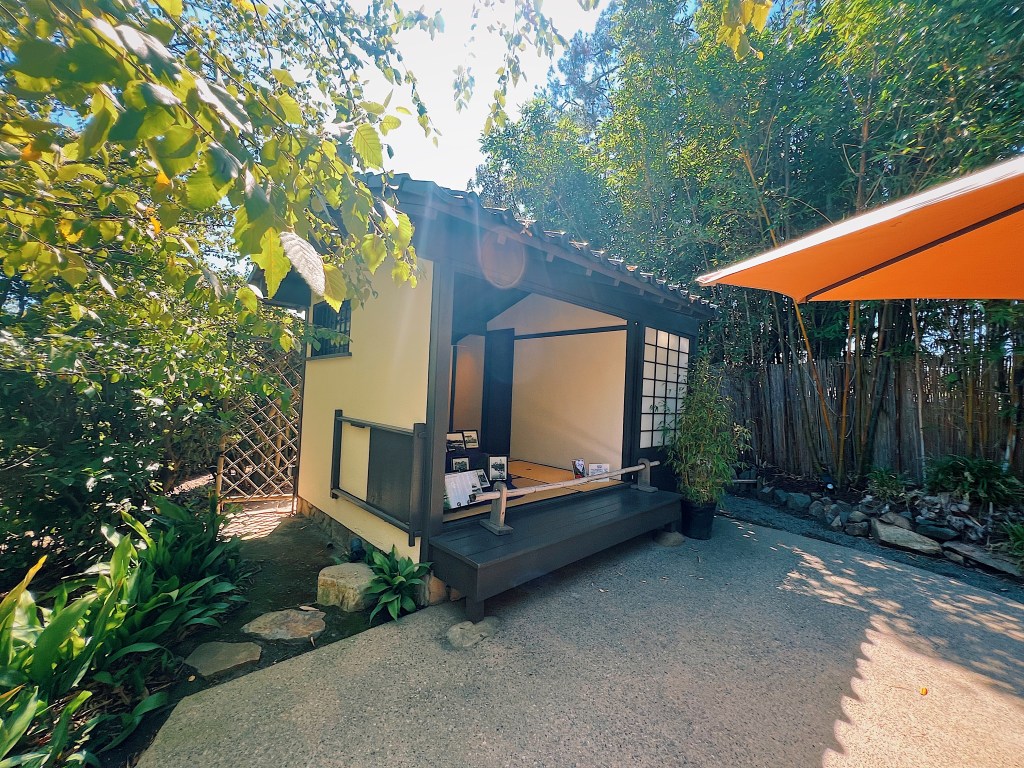
On the campus of California State University Long Beach, this pretty Japanese garden was opened in 1981. It has everything you’d expect from a traditional Japanese garden, including a beautiful pond
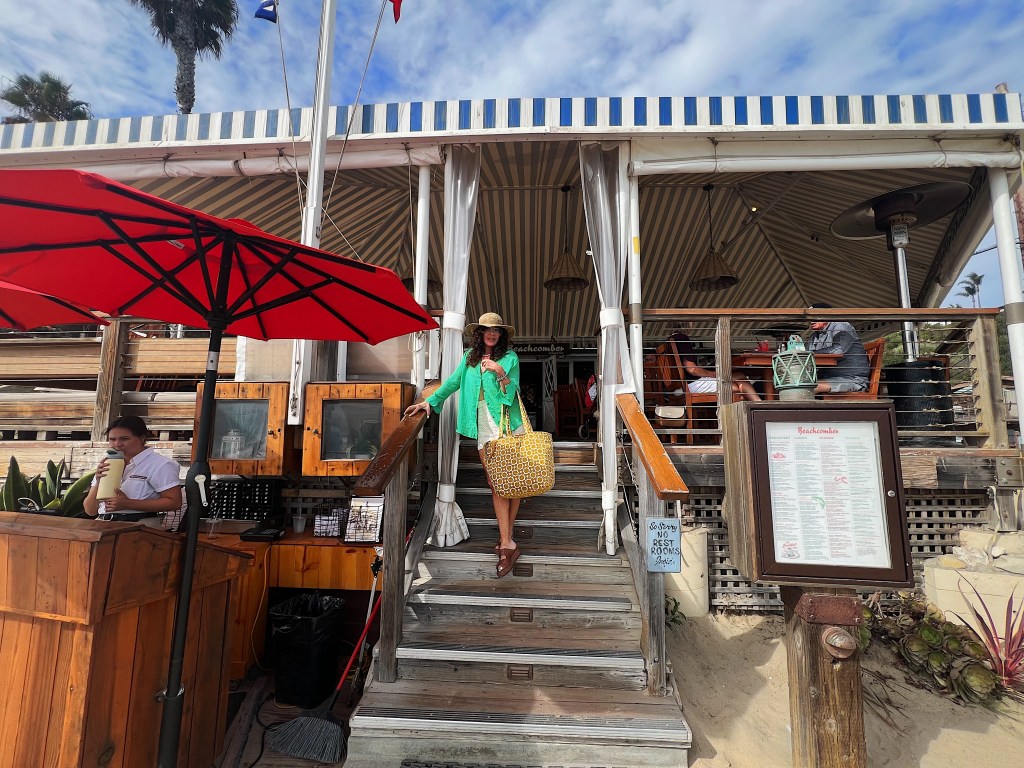
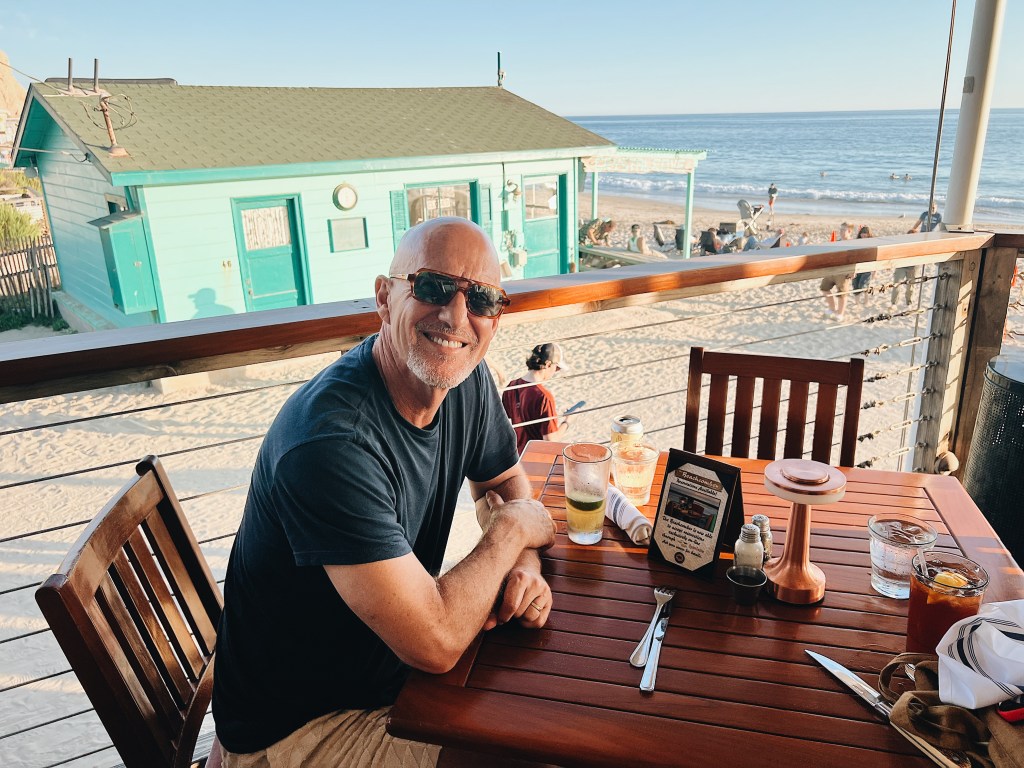
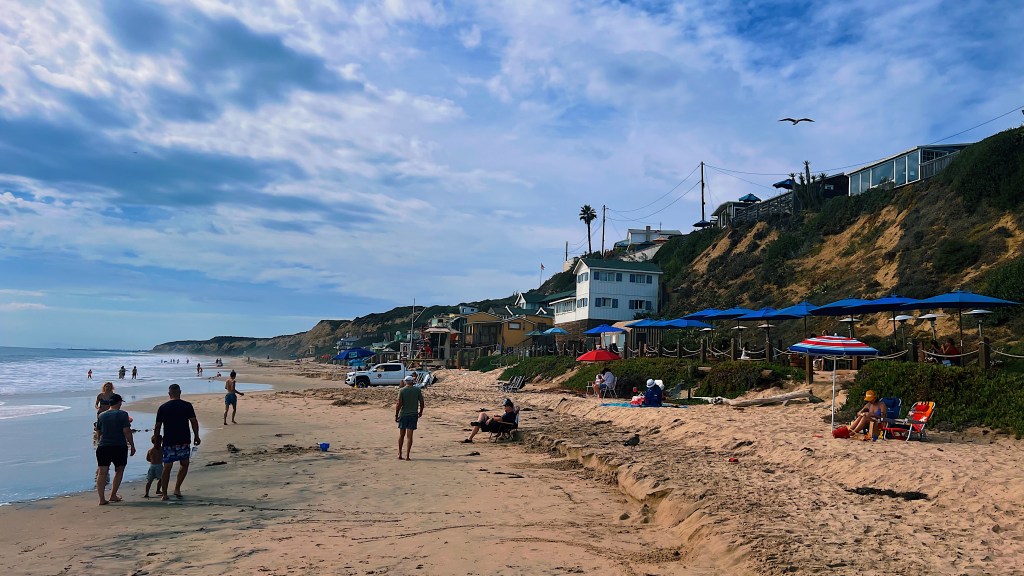
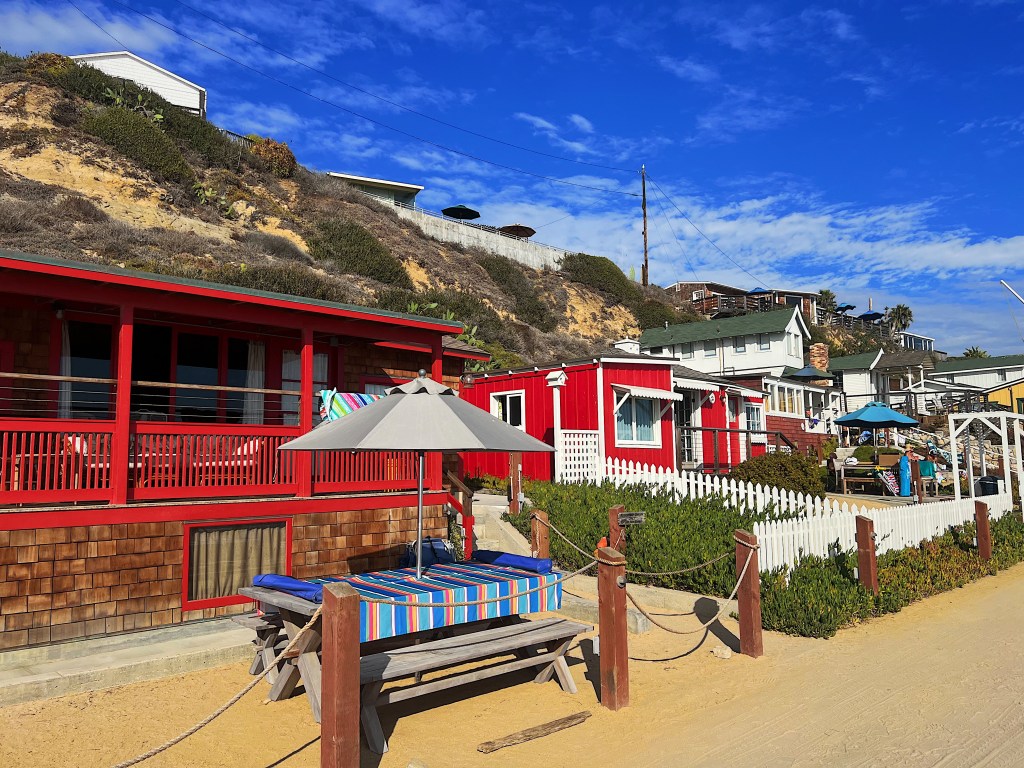
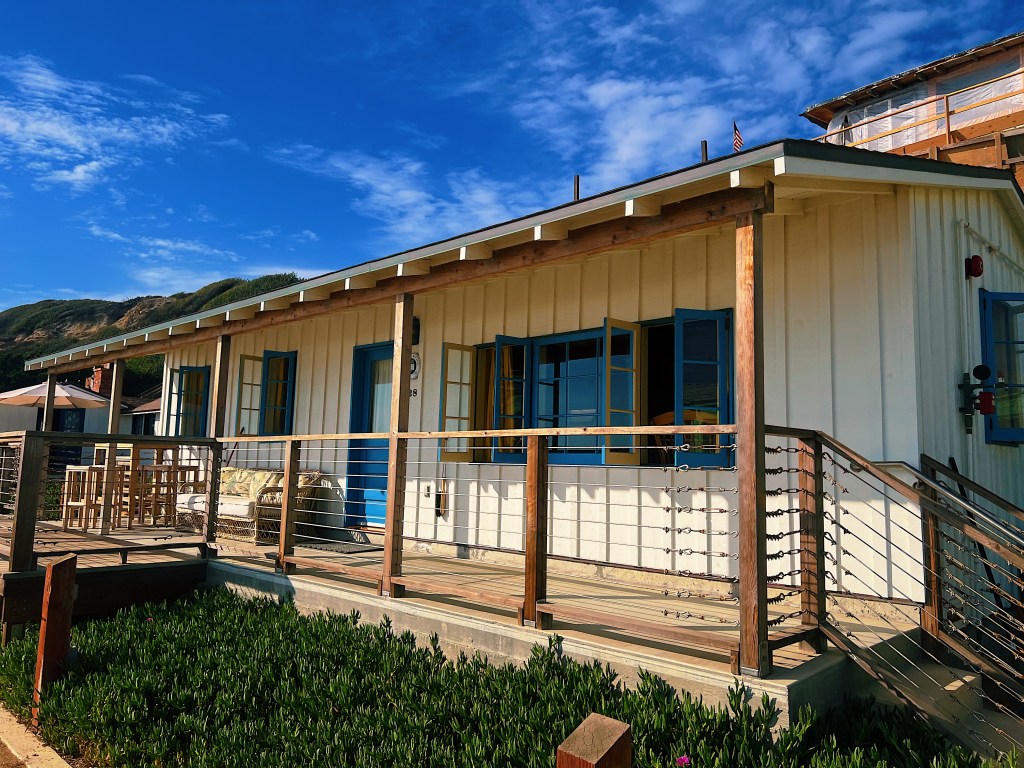
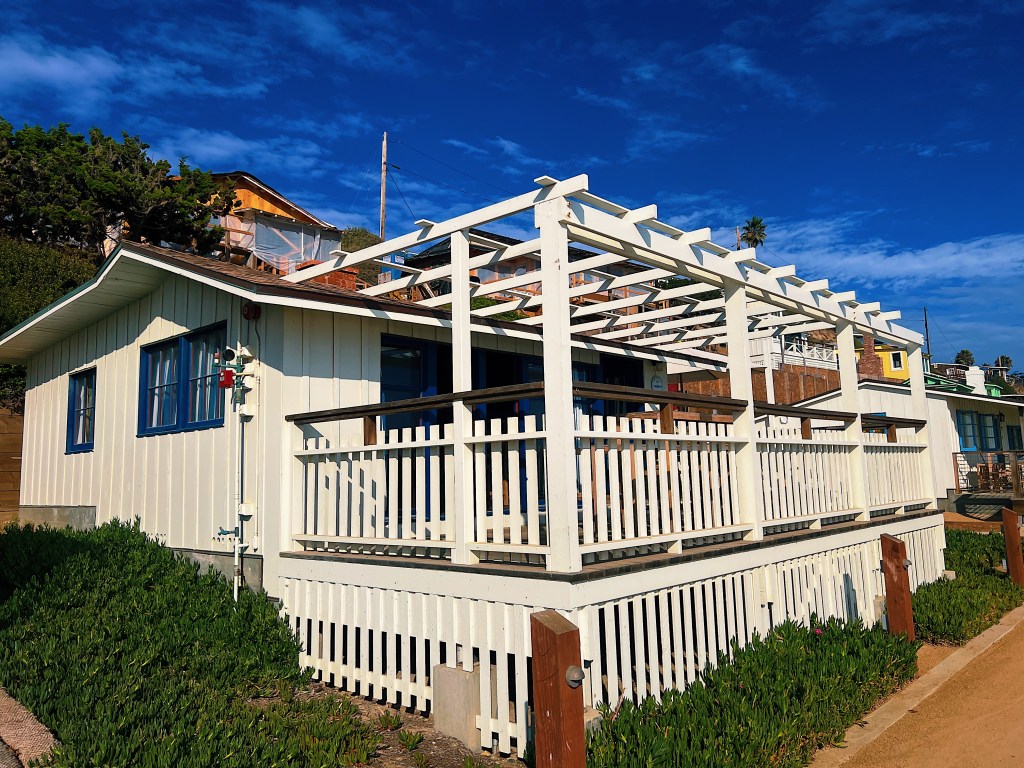
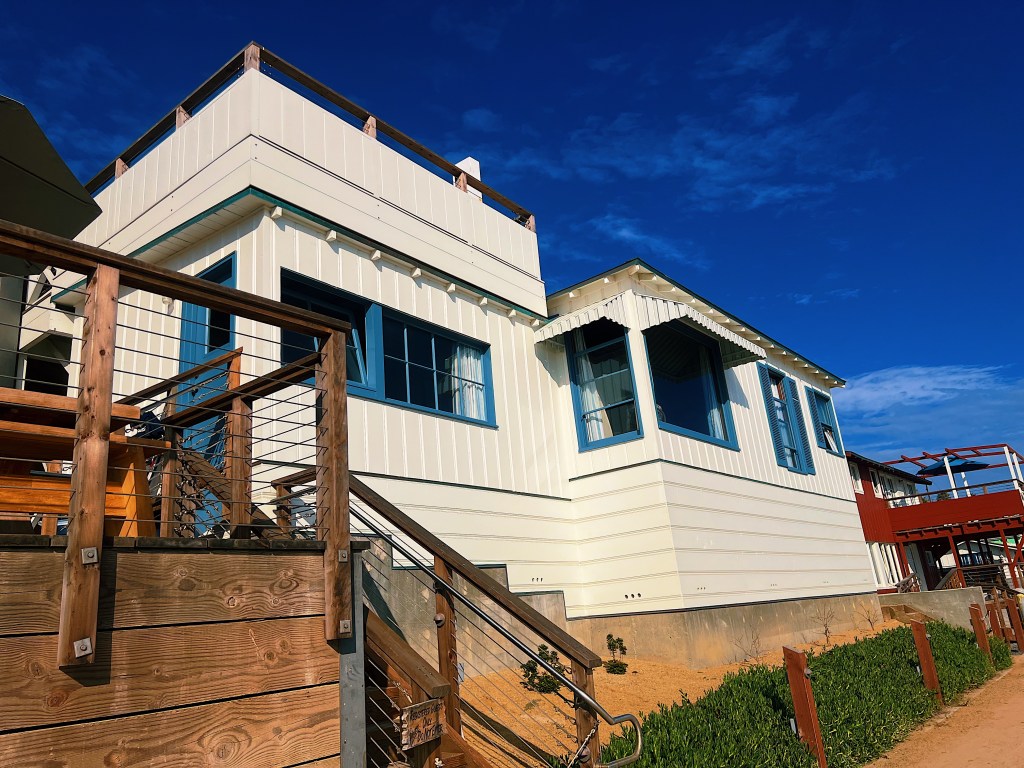
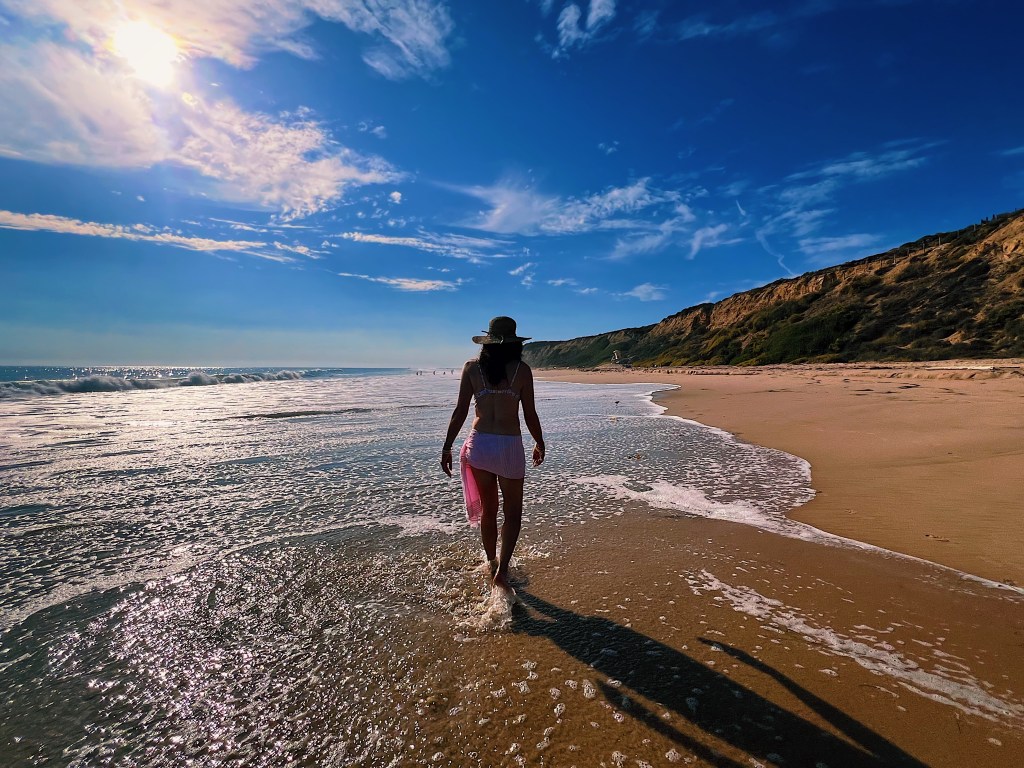
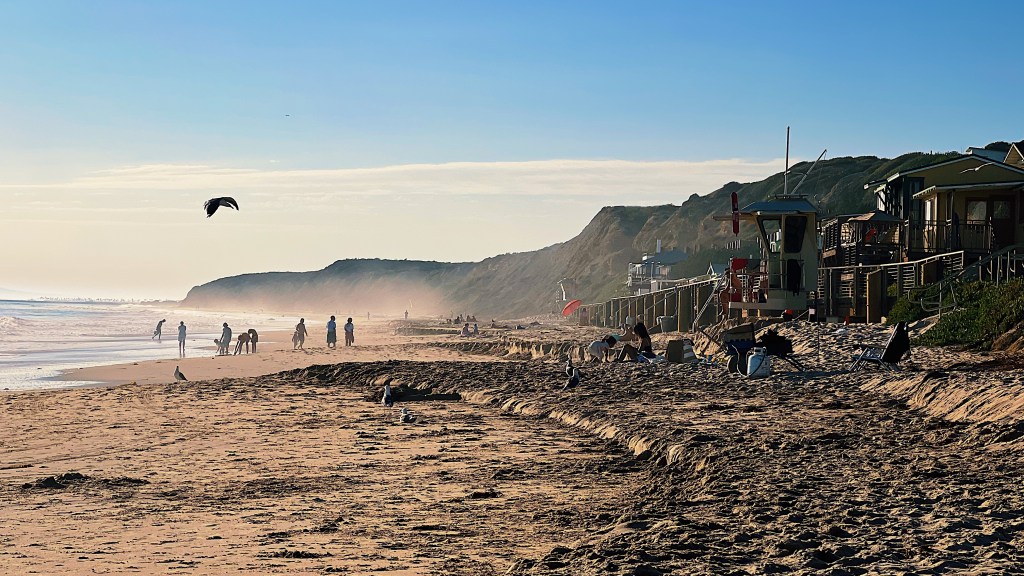
Located between Newport Beach to the north and Laguna Beach to the south, Crystal Cove State Park stretches for just over three miles along the coast. Sitting below cliffs, it is for the most part not visible from the Pacific Coast Highway (locally known as the PCH) that runs along next to it. The Park includes a historic district where over forty 1920s beach cottages have been preserved and can be rented (demand is high, however, so you first need to win a lottery). Many of the cottages reminded us of classic New Zealand baches. There is also a restaurant on the beach called Beachcomber which has excellent food in a fantastic location.
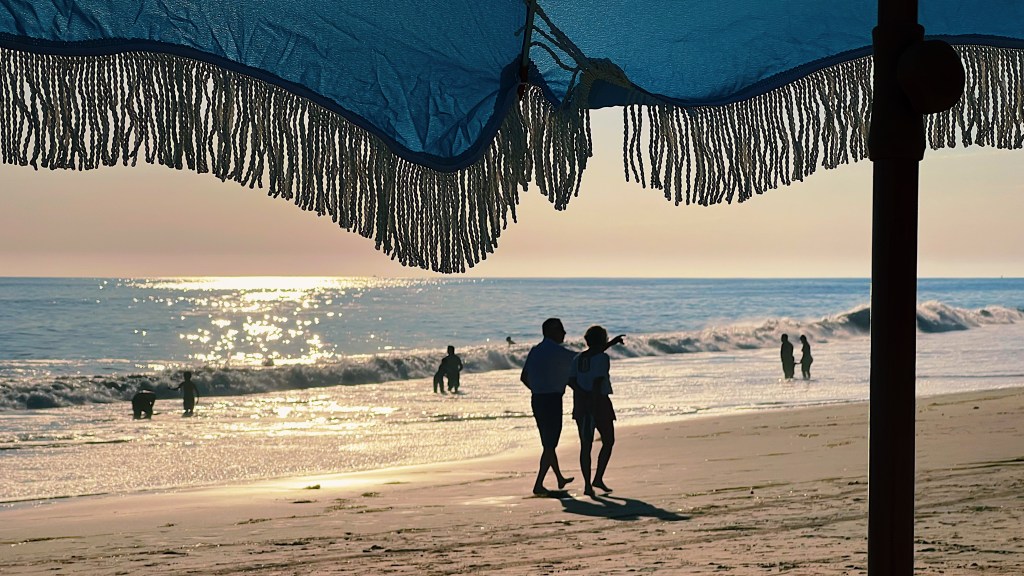
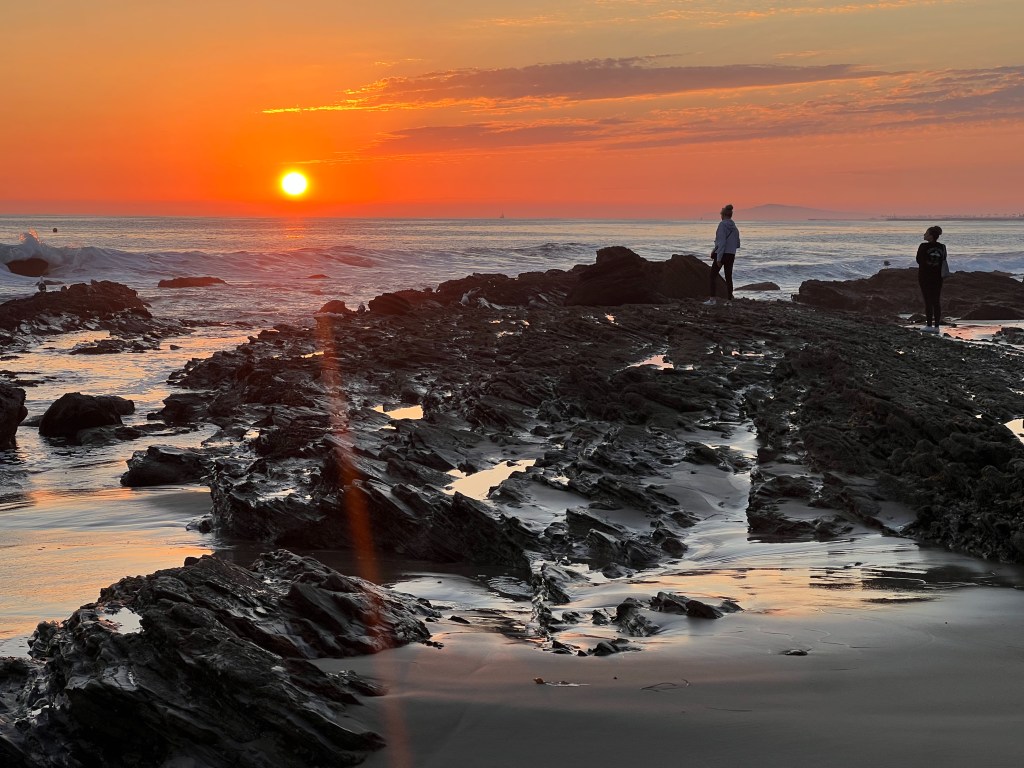
One thing that we hadn’t realized about California until spending more time here is that on any given night you can head to the beach and be treated to a spectacular sunset.
And if the sunset is not entertaining enough, you can also watch a movie on the beach.
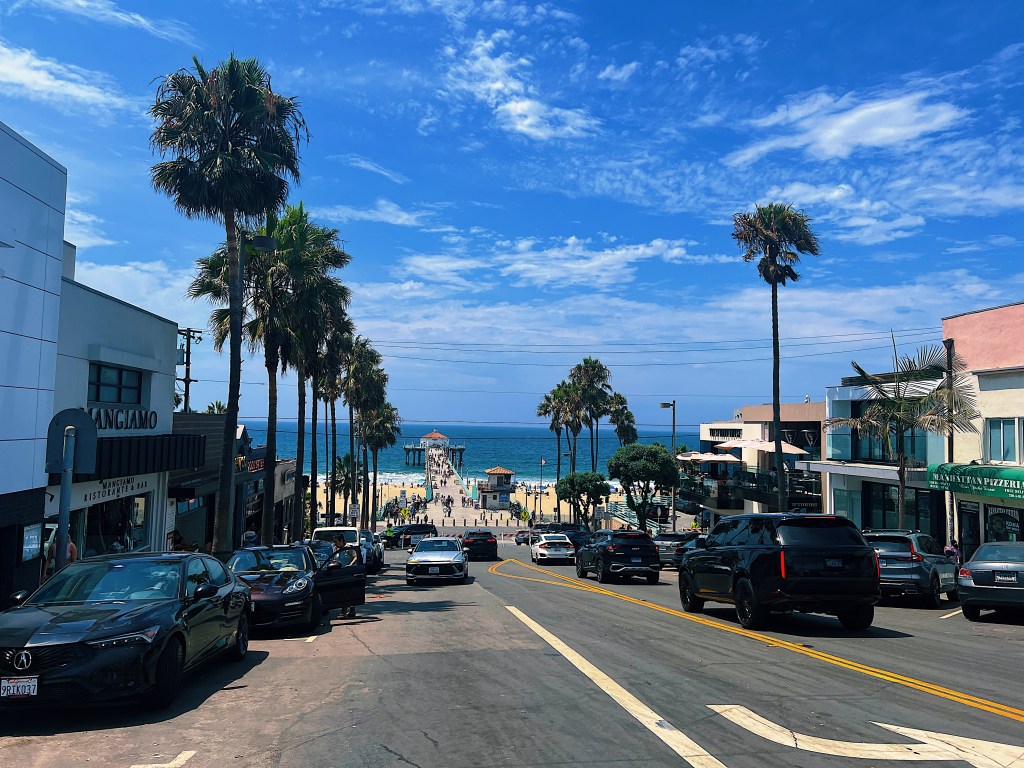
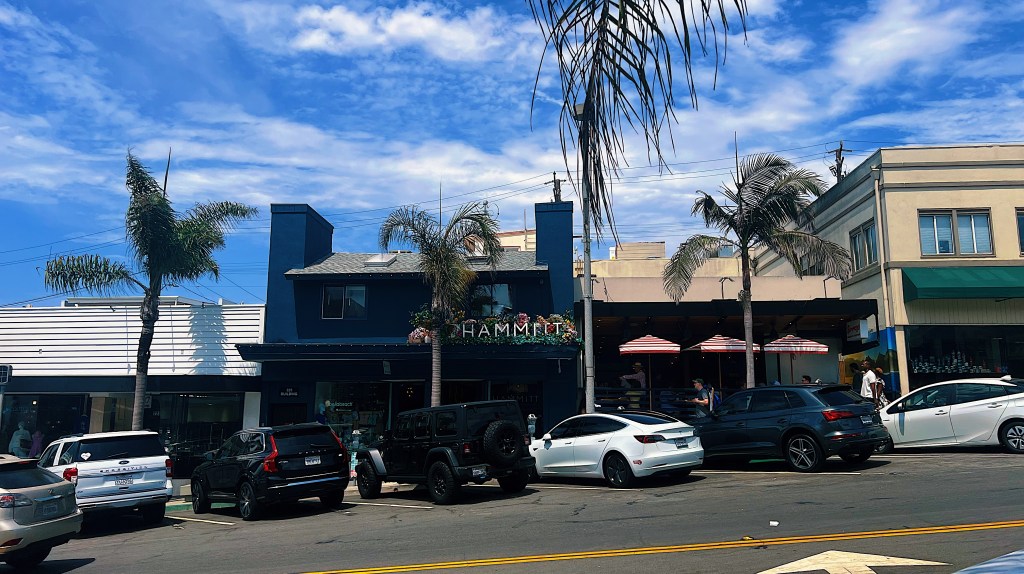
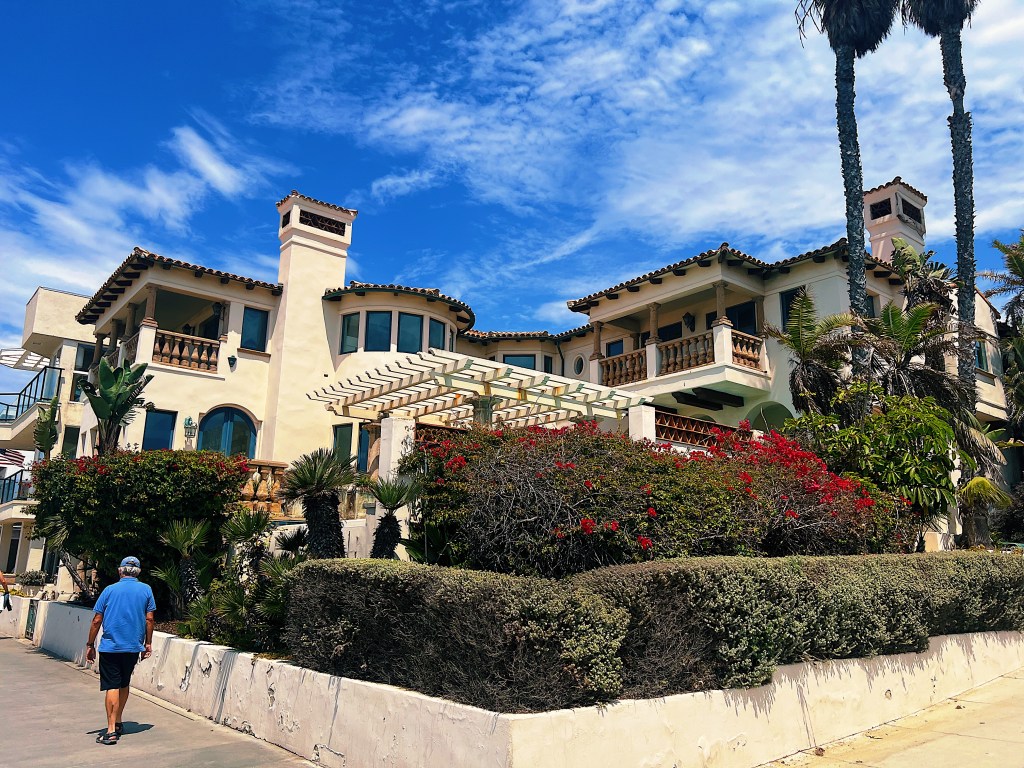
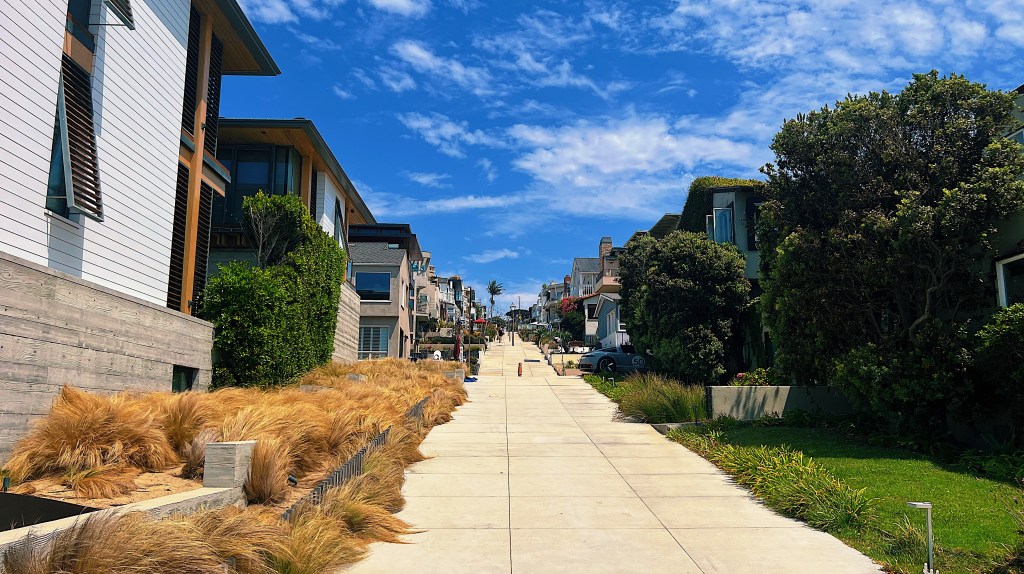
Manhattan Beach may not resemble its namesake in New York but they do have, at least, one thing in common. They are both expensive places to live. In fact, more homes exceeding $1 million were sold in Manhattan Beach than any other city in California, including such famous places as Malibu, Beverly Hills and Bel-Air. Not surpisingly then, it is a very pristine place, with little of the homelessness and trash that you find in other parts of Los Angeles.
At Huntington and Malibu, they’re shootin’ the pier
(Surfin’ Safari, The Beach Boys)
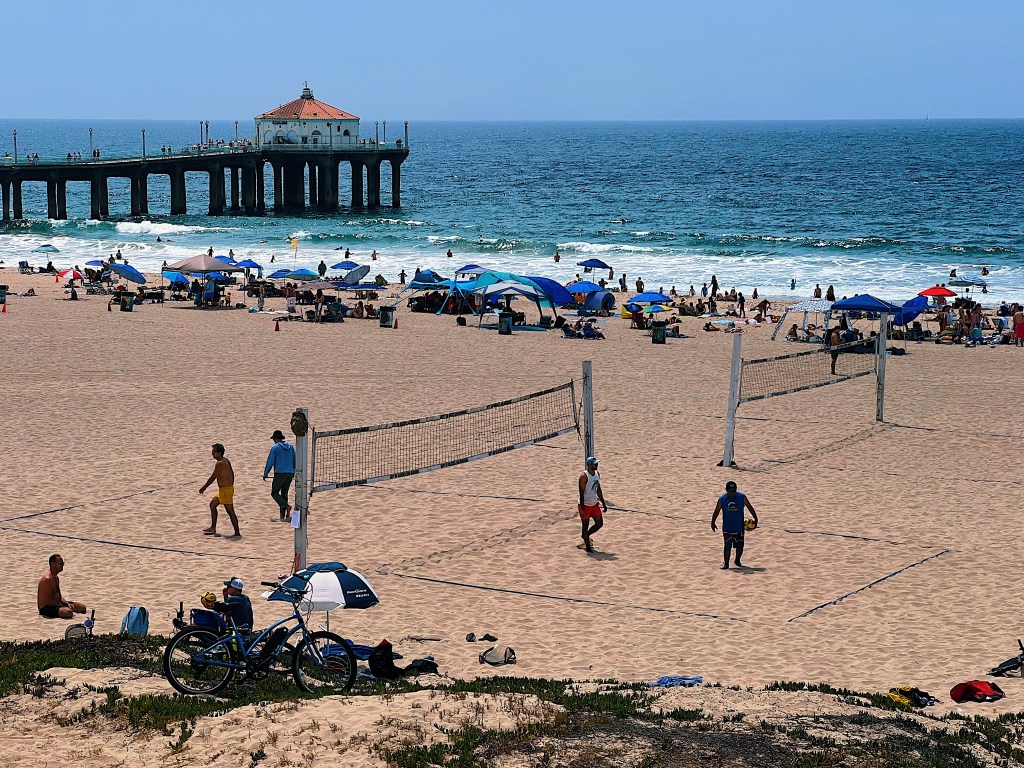
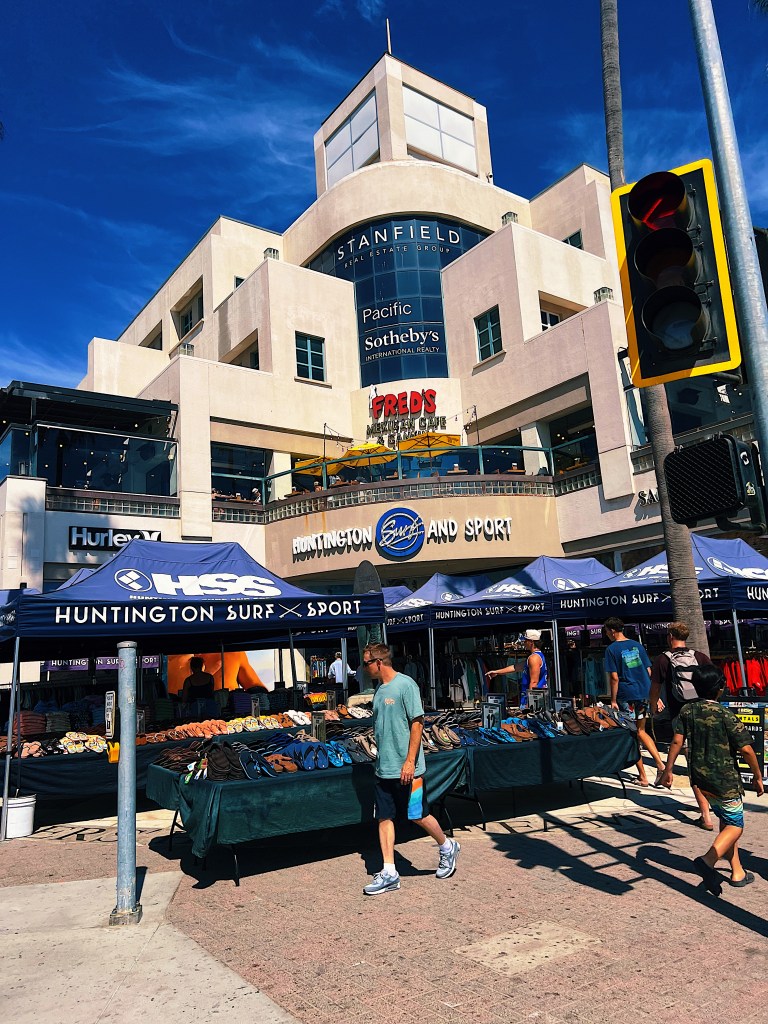
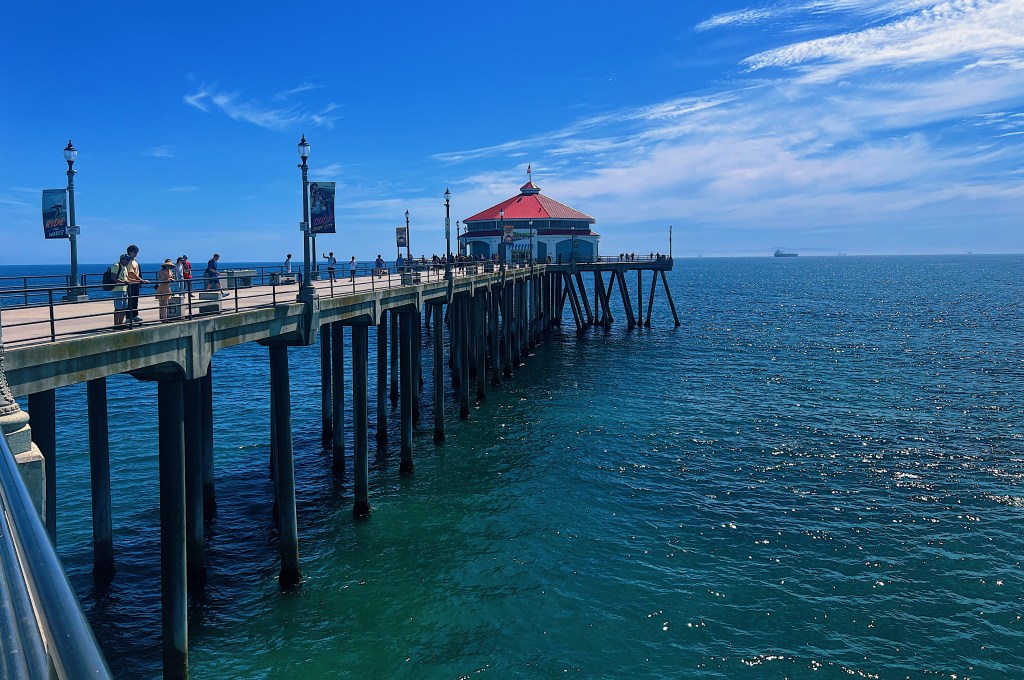
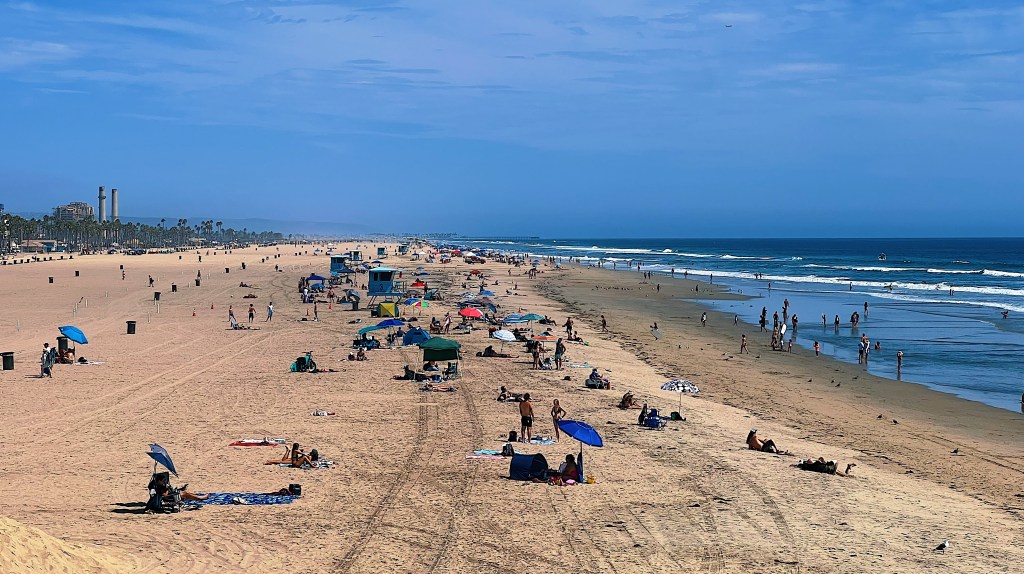
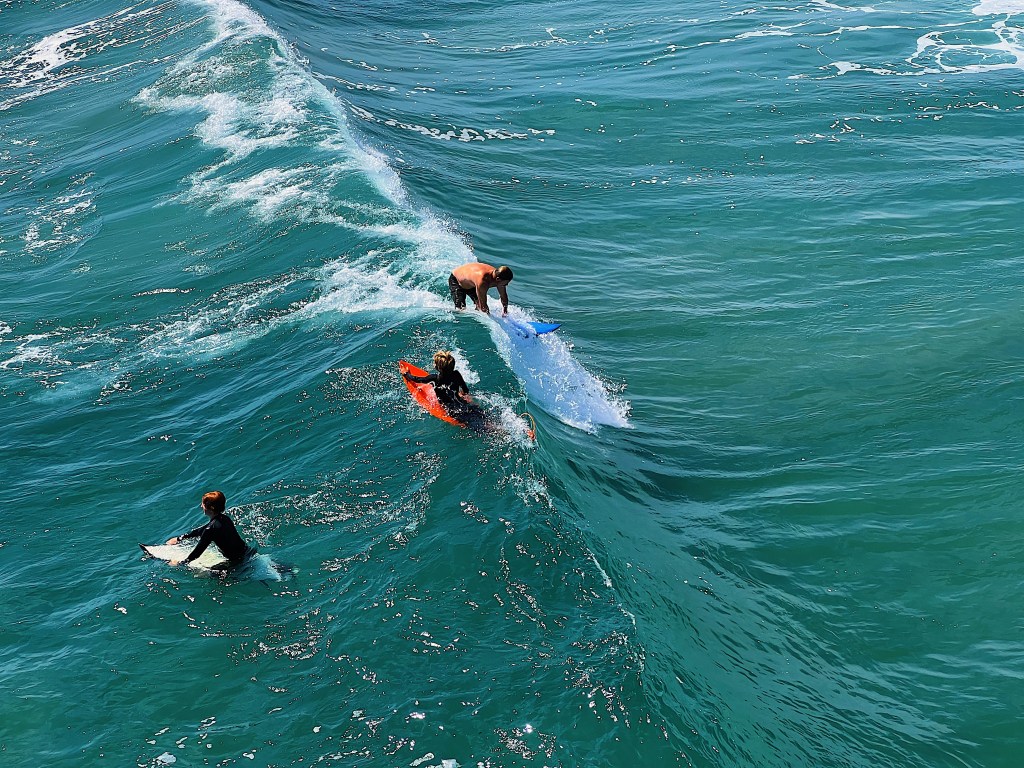
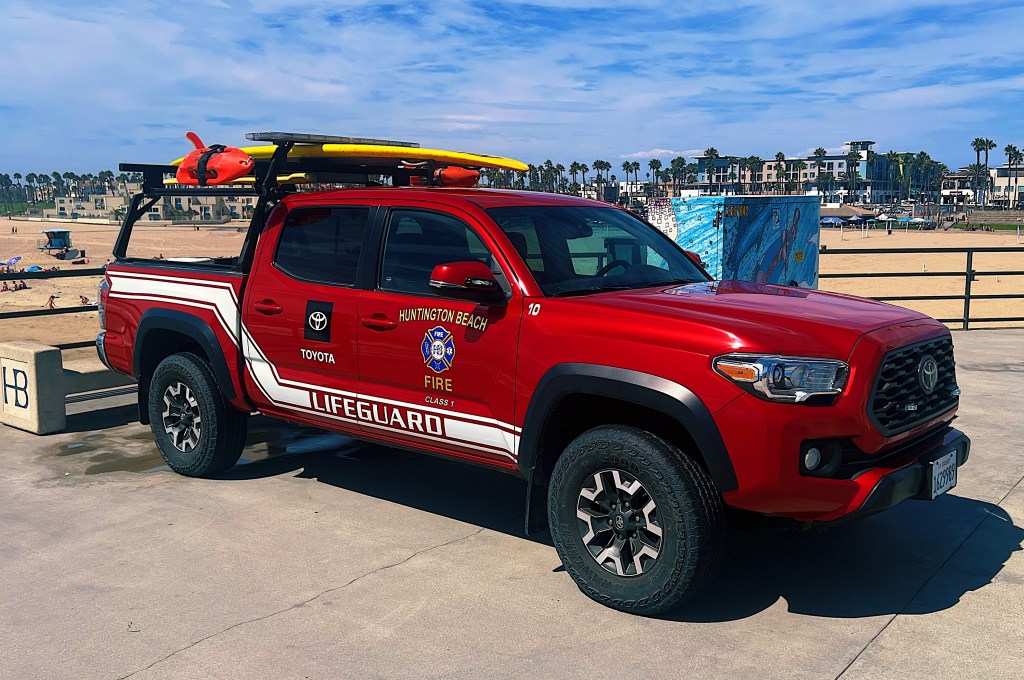
Apart from Hawaii, perhaps no place is more associated with surfing than Southern California. And in California, Huntington Beach is the center of surf culture. Each year, it is the site of the World surfing championships and has earned its nickname of “Surf City”. People have been surfing there since 1914 when George Freeth first paddled out along side the iconic pier. On a hot summer day, we headed to the beach.
Point of Interest: At one time an encyclopedia company gave away free parcels of land (with the purchase of a complete set for $126) in the Huntington Beach area. The lucky buyers got more than they had bargained for when oil was discovered in the area, and enormous development of the reserves followed. Although many of the old reserves are depleted, you can still spot skip jacks bobbing up and down at various spots. In fact, the Chevron corporation remains a major land owner in the city.
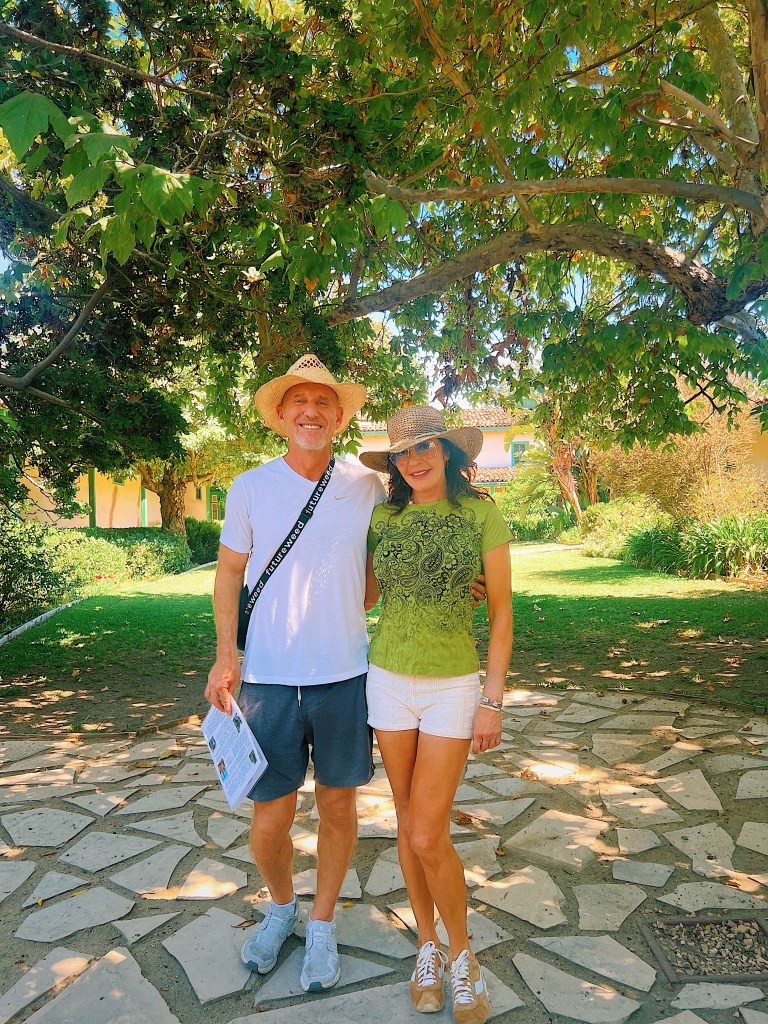
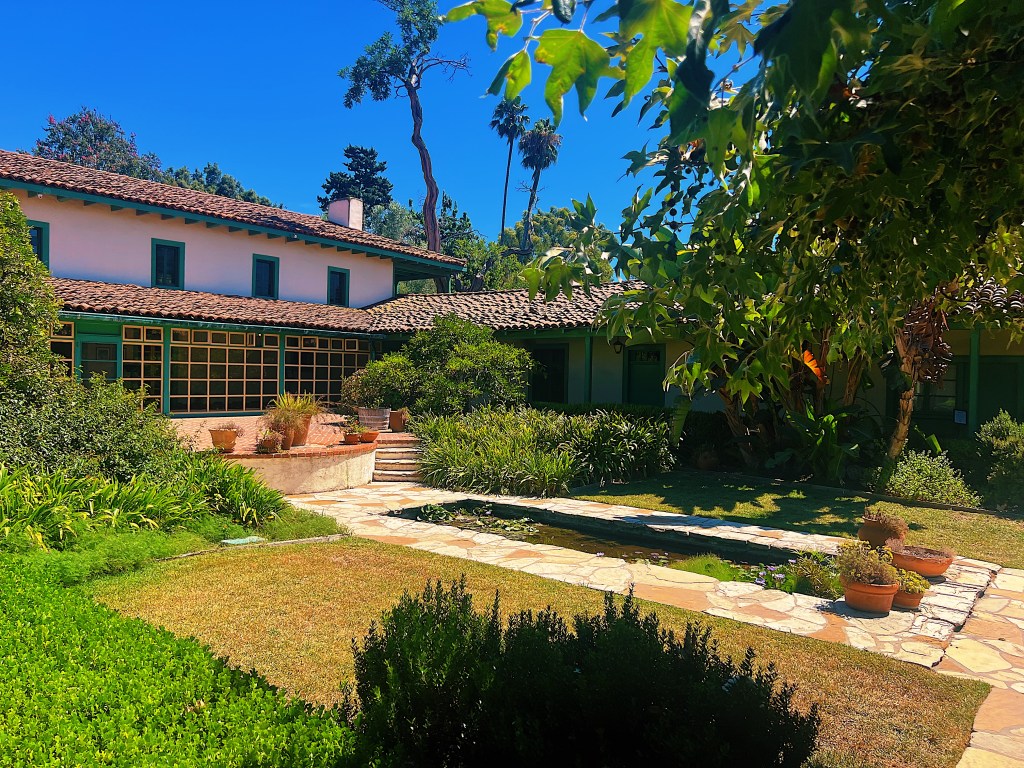
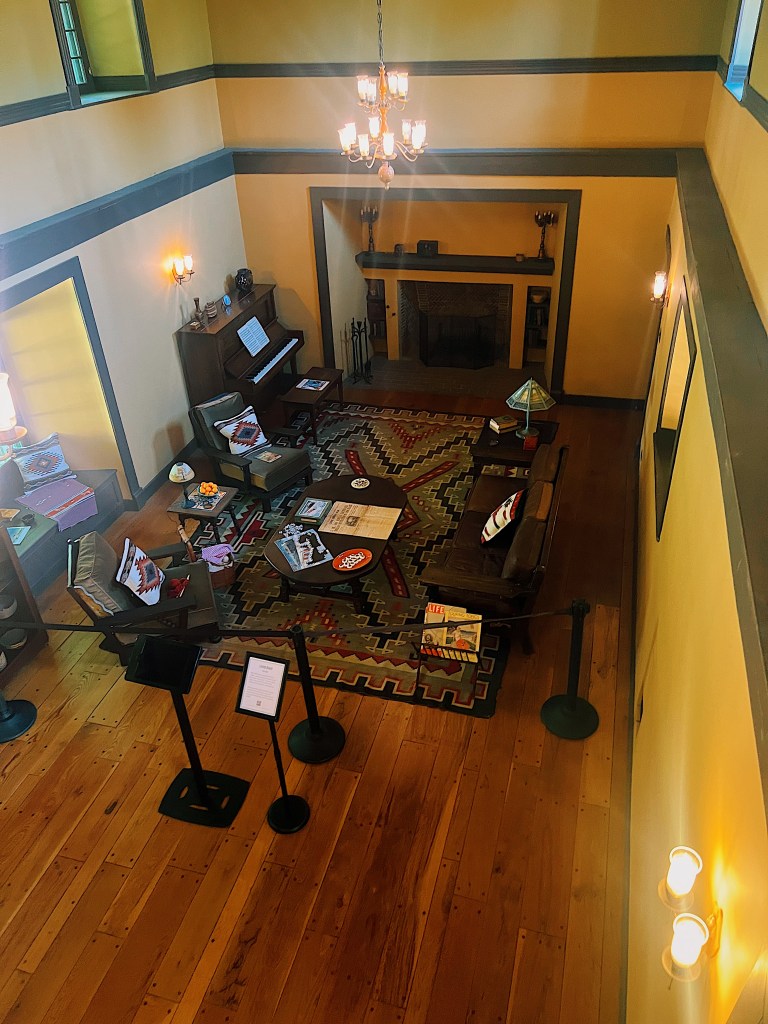
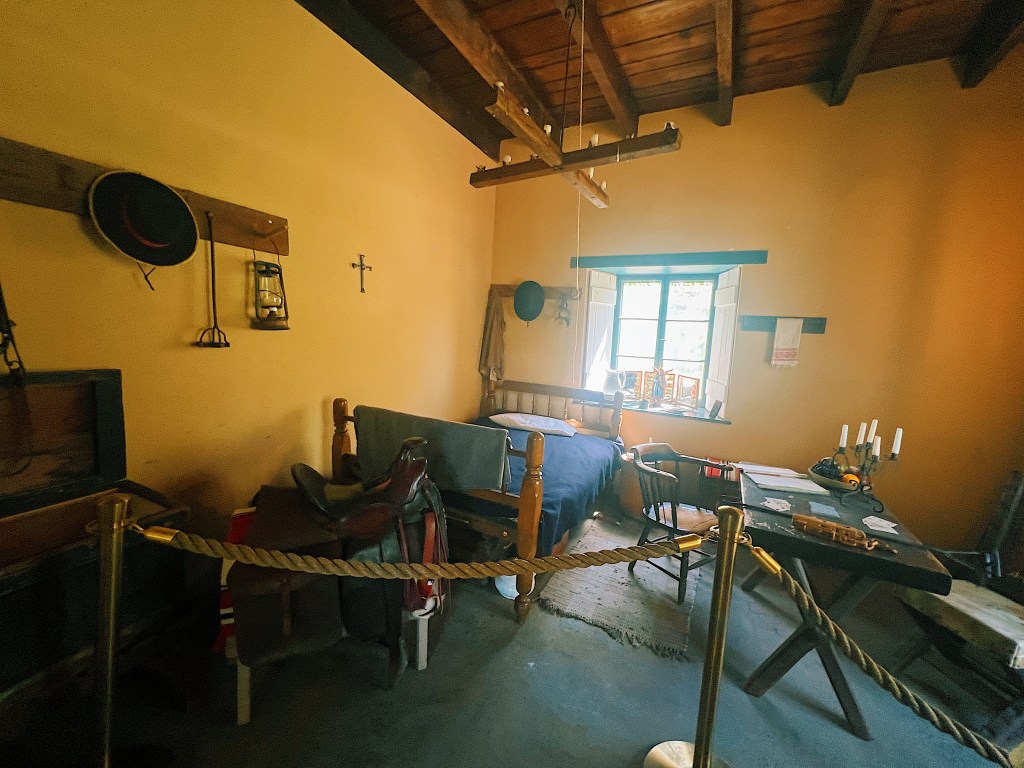
California Heights, where we live, was once part of a massive ranch. In 1784, the King of Spain granted 300,000 acres to a former soldier named Manuel Nieto as a reward for his military service and to encourage Spanish settlement in California. On his death, his children inherited the property and his daughter Manuela Cota received the 27,000 acres known as Rancho Los Cerritos (Ranch of the little hills). In 1842, Manuela’s heirs sold the property to Massachusetts-born John Temple. Temple built a two-story Monterey-style adobe house that still exists and is now a museum. We decided to pay the nearby Rancho a visit.
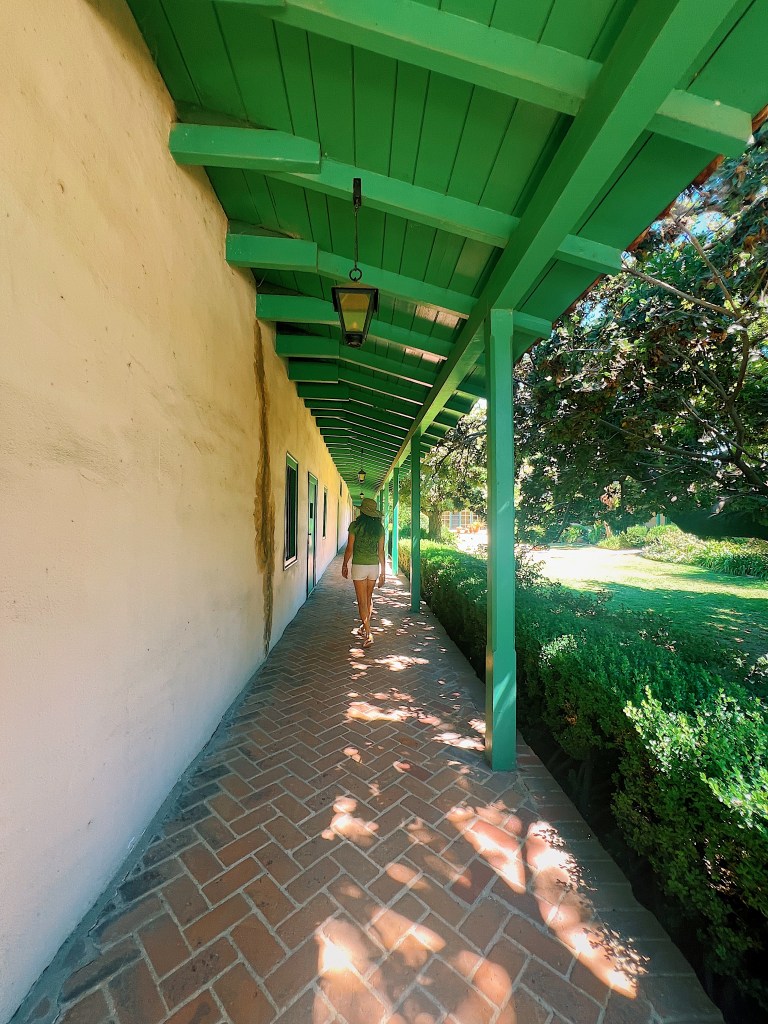
The inside has been furnished like it was back when the house was first built. On a very hot day it was surprisingly cool inside even with no air conditioning.
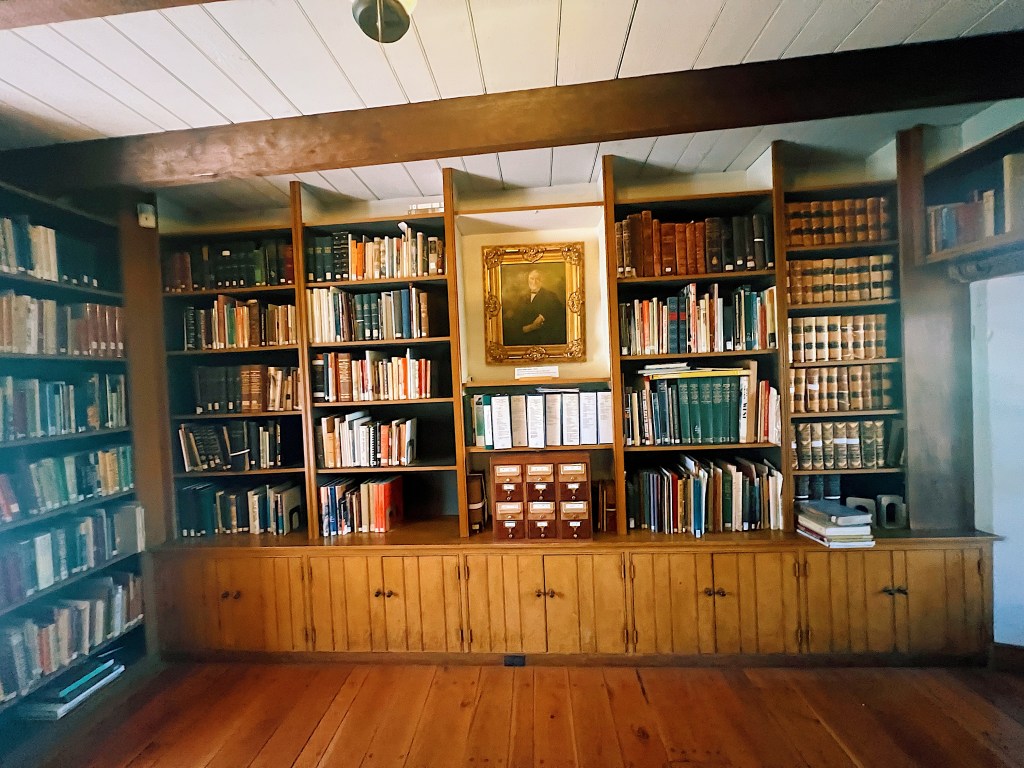
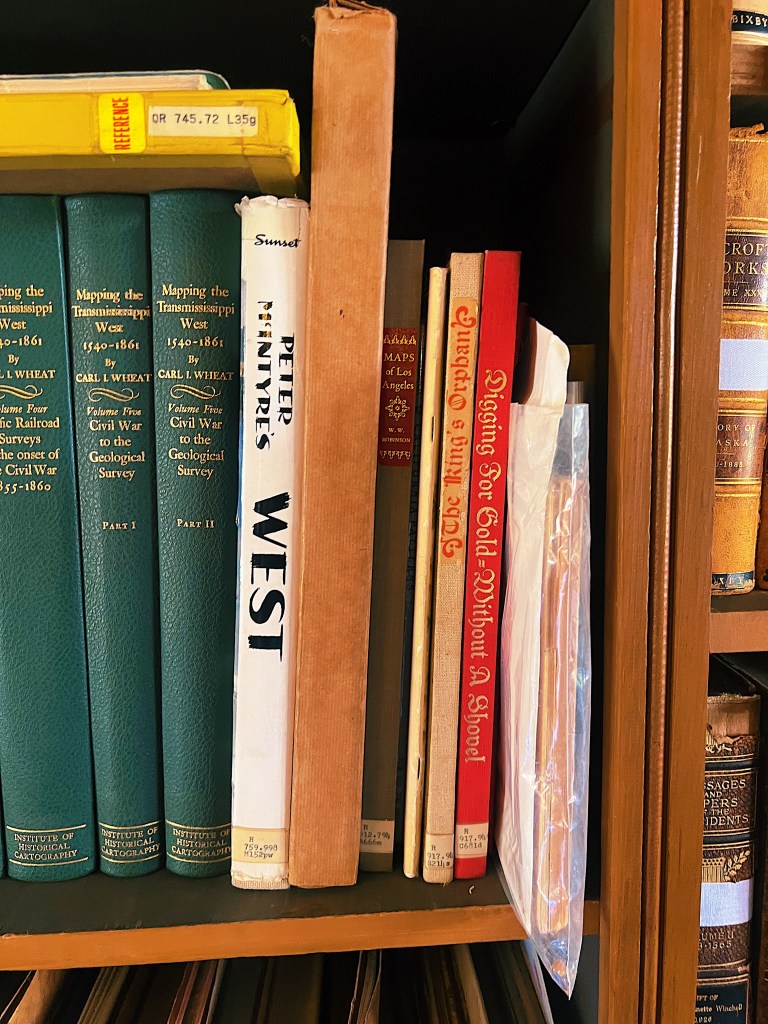
We were surprised to see in the library a copy of Peter McIntyre’s West. McIntyre was perhaps New Zealand’s most popular artist of the twentieth century. In the 1960s he produced a number of books of his paintings that were popular in New Zealand including one covering New Zealand and one the Pacific Islands. In 1970, an American publisher produced Peter McIntyre’s West which contained scenes that McIntyre had painted across the western states.
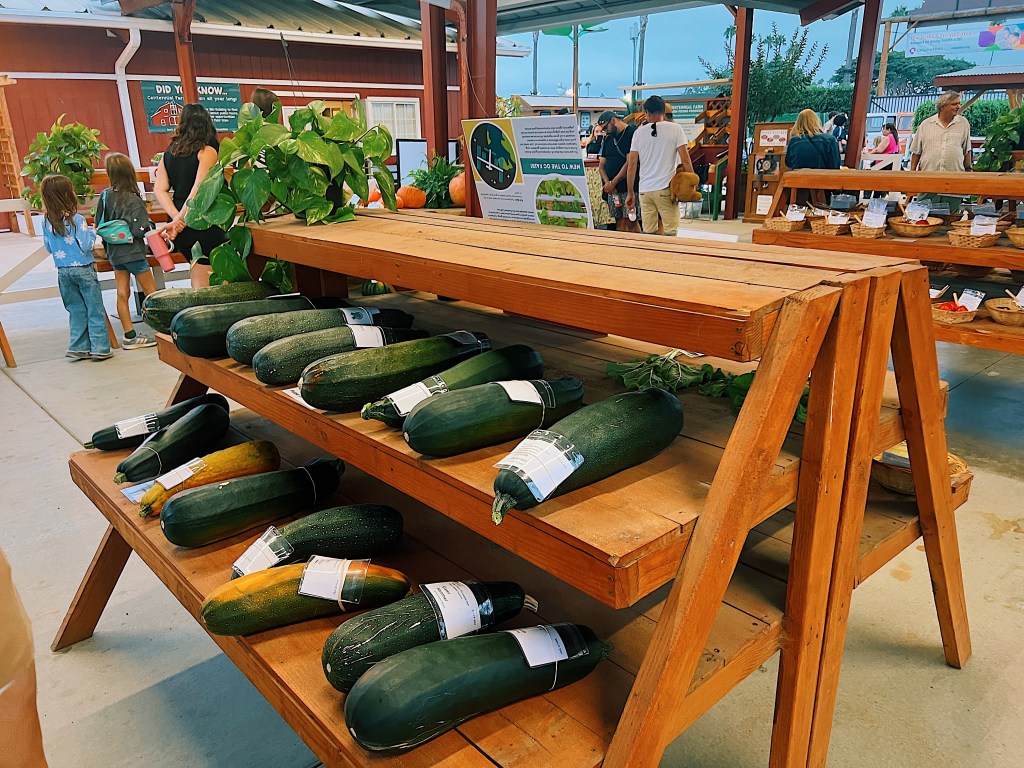
The Orange County Fair has been going since 1890. It is now one of the biggest fairs in the world with an attendance of over 1 million visitors during the 23 days it is open each year. There are the traditional farm animals and vegetable competitions.
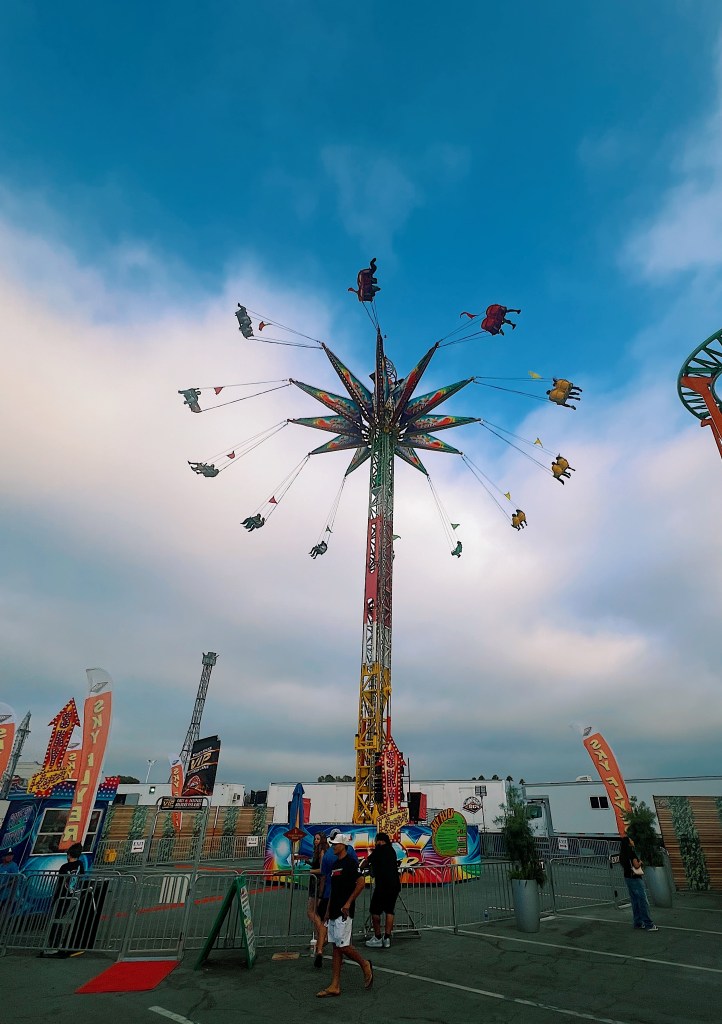
But the main attractions are the terrifying and nausea producing rides.
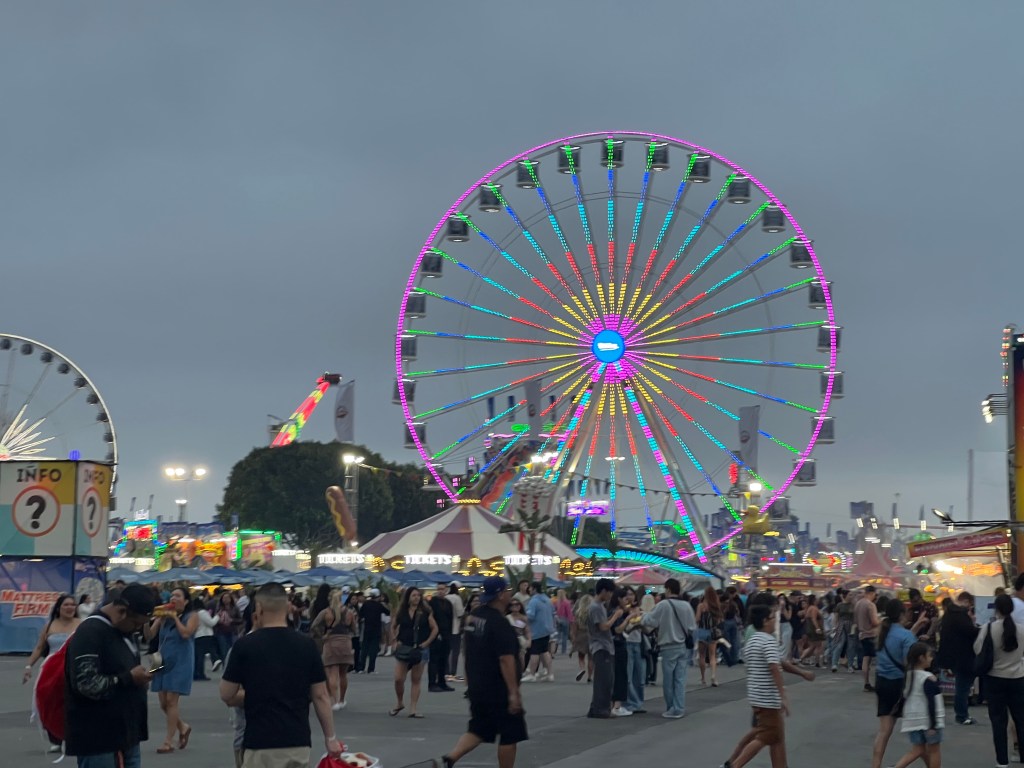
Of course, no fair is complete without a giant Ferris wheel.
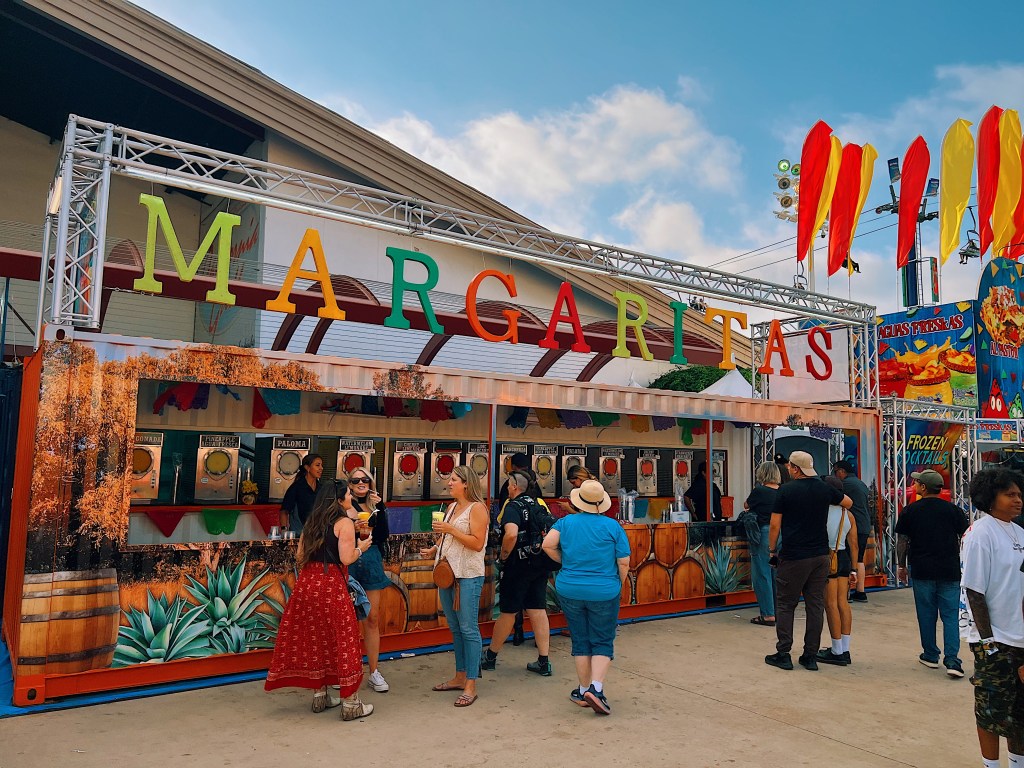
The other main attraction is the massive variety of junk food. Hint: Save the food until after the rides.
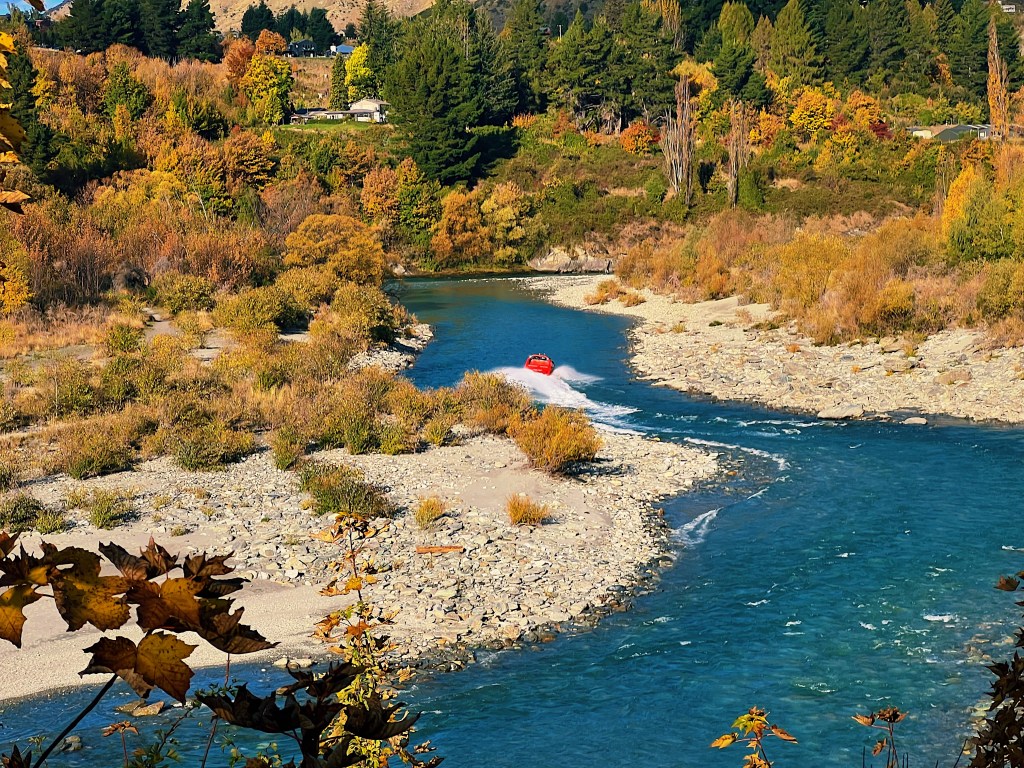
We went for a hike along the Shotover River with our brother-in-law, Bill. The river gets its name from one of the early European settlers, William Gilbert Rees, who named it after his business partner’s English estate, Shotover Park. It has a particularly beautiful Maori name, Kimi-akau, which translates as “looking for the coast”. During the New Zealand gold rush in the 1860s, the Shotover was one of the richest gold-bearing rivers in the world. These days, it continues to provide riches but now they are in the form of tourist dollars, paid to the operators of the bright red jetboats that fly up and down the narrow and shallow river. These very fast and agile boats are propelled by a jet of water that is ejected through the back of the boat. Because there are no propellers, the boats can operate in very shallow waters. Fun fact: the first modern jetboat was developed by New Zealand engineer, Sir William Hamilton in the mid 1950s.
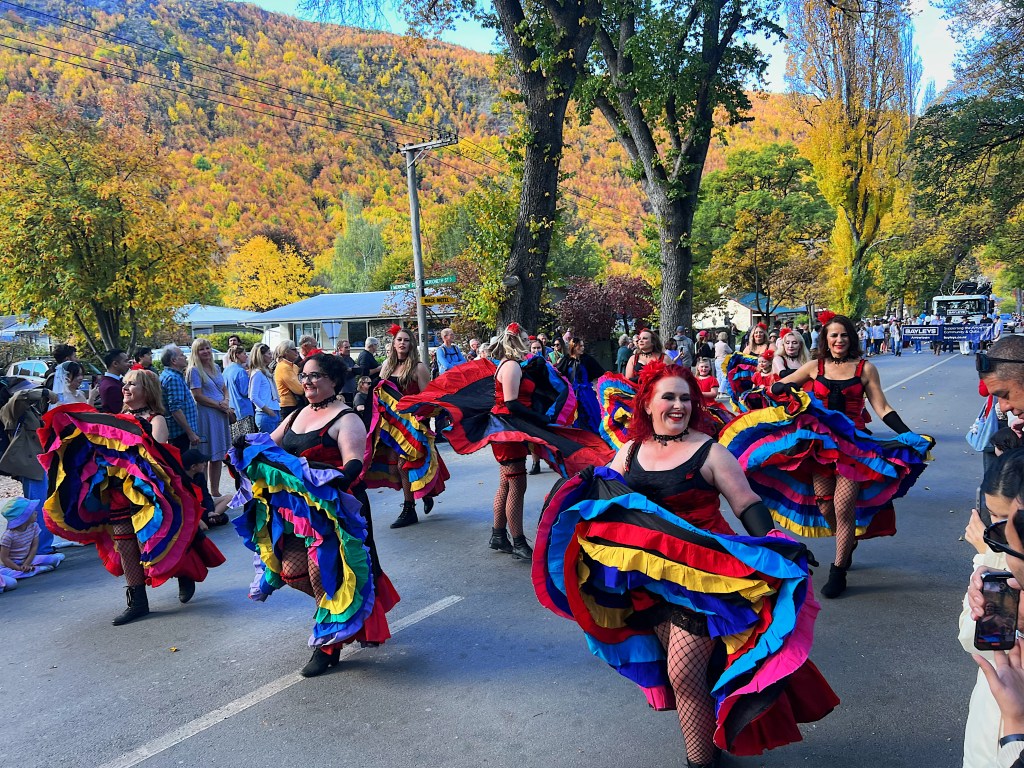
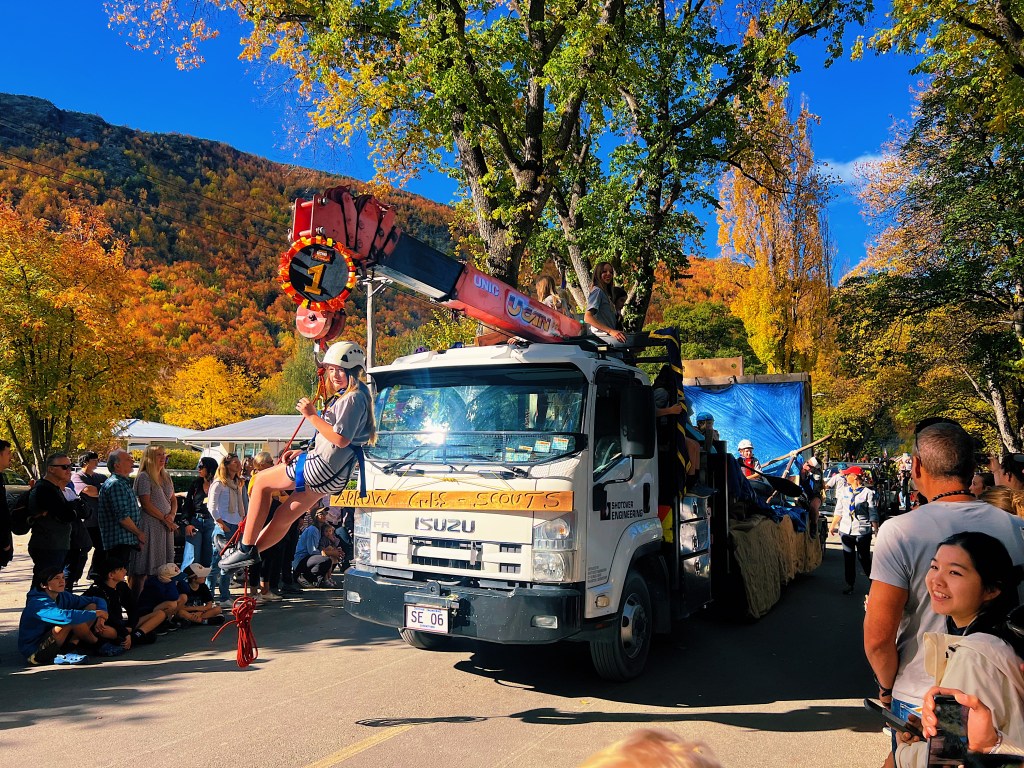
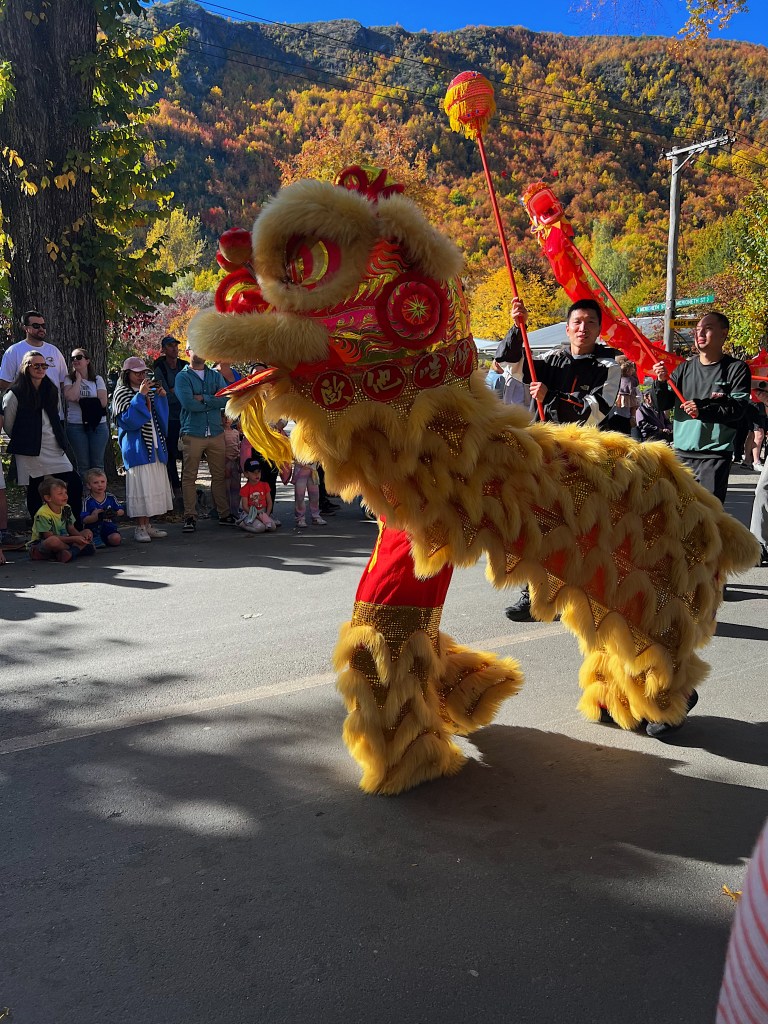
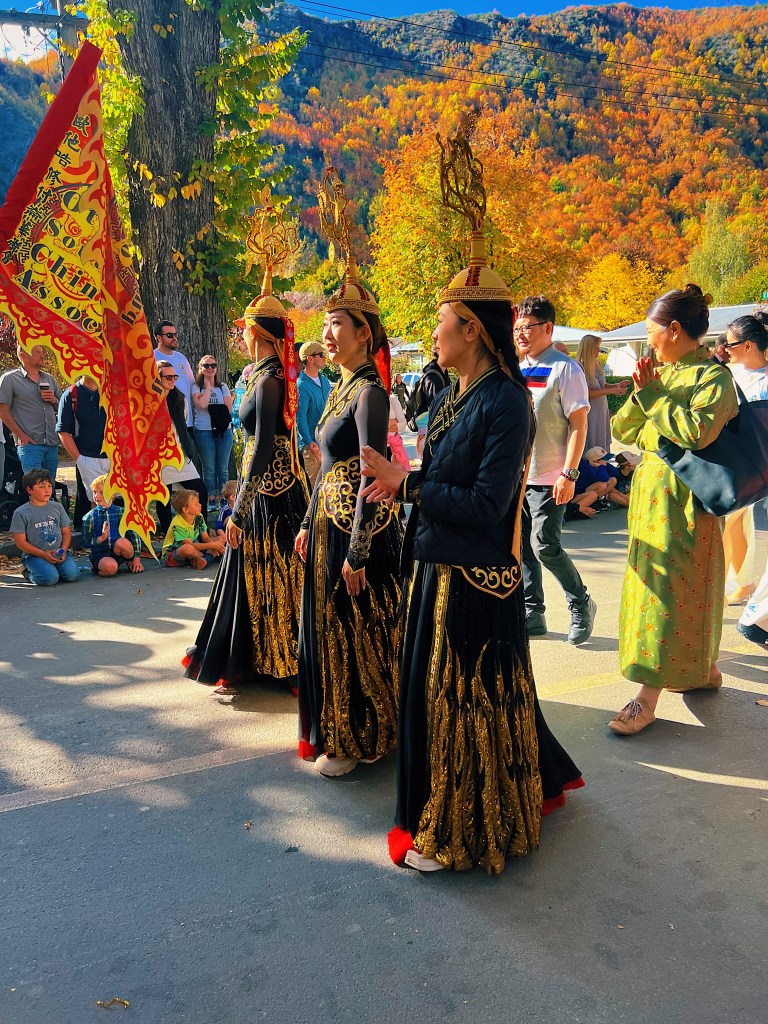
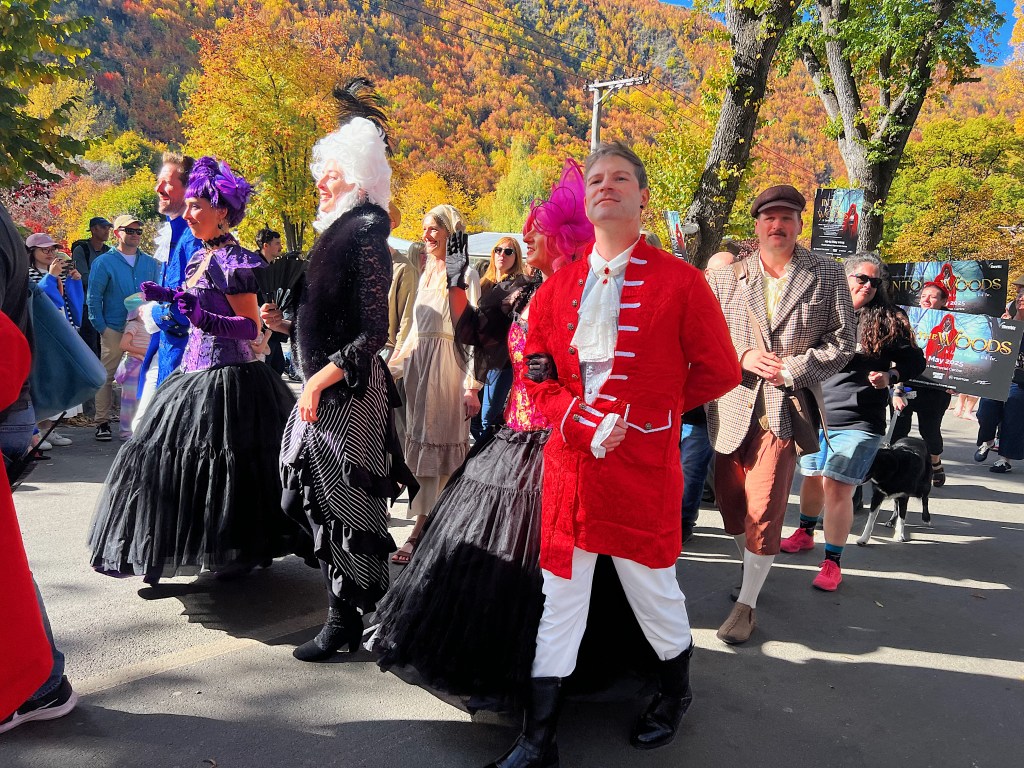
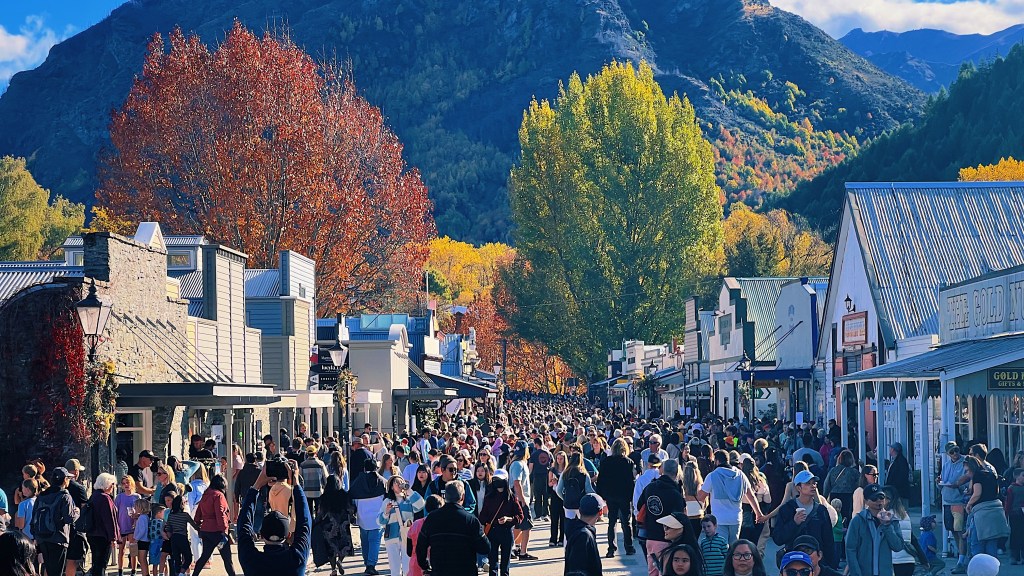
Arrowtown is a historic gold mining town near Queenstown in the Otago region of the of the South Island. Back in the 1860s at the peak of the gold rush, the town had a population of over 7,000, including a large number of Chinese. When we visited, the Autumn Festival and parade looked to draw close to that number in what is normally a sleepy tourist town.
When we lived in New Zealand in the 1980s, we had a Fiat Bambina, similar to the one but without the snazzy blue paint job.
Afterwards, we headed to Queenstown for a drink at the Nest bar and restaurant, with beautiful views of the lake.
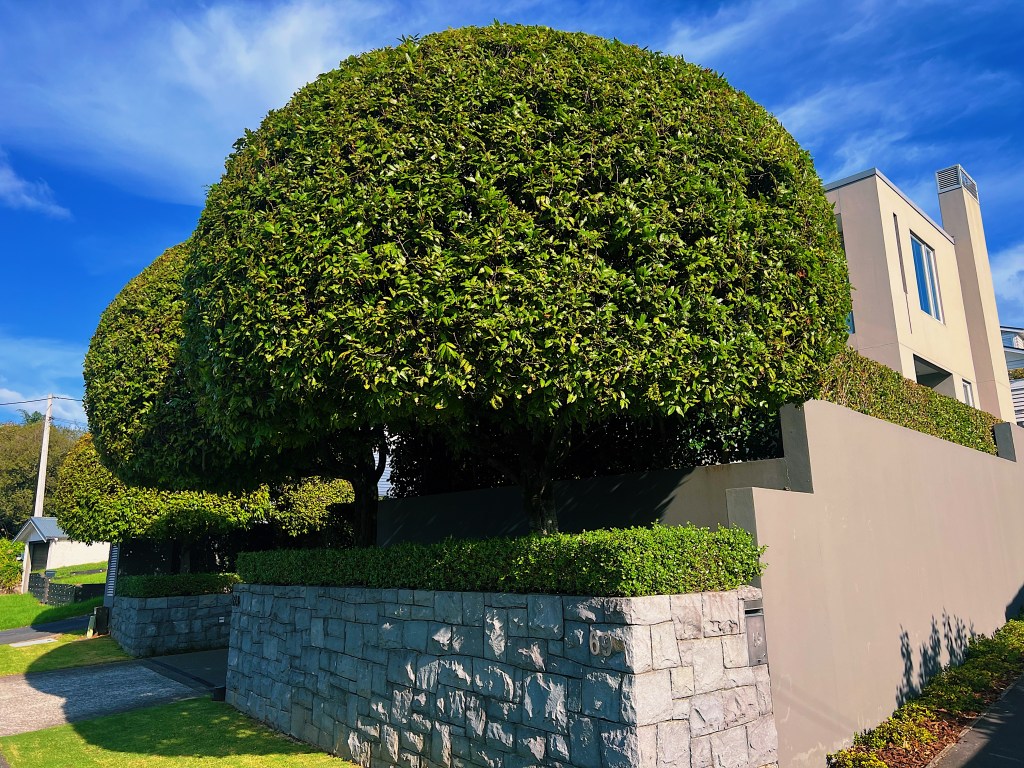
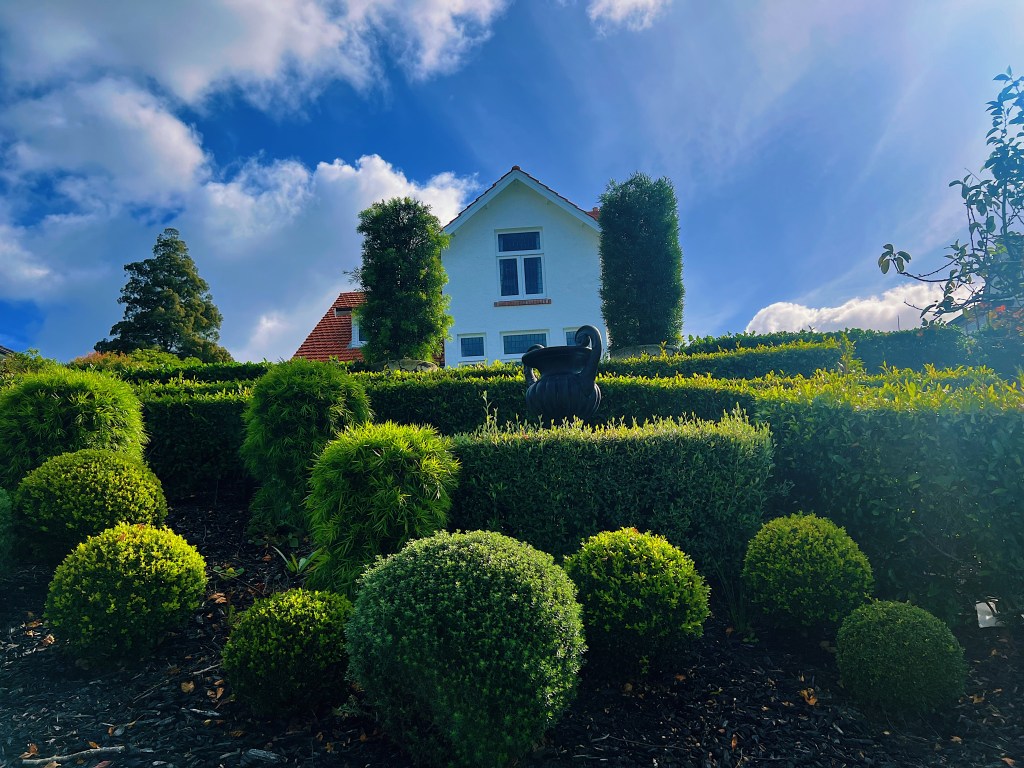
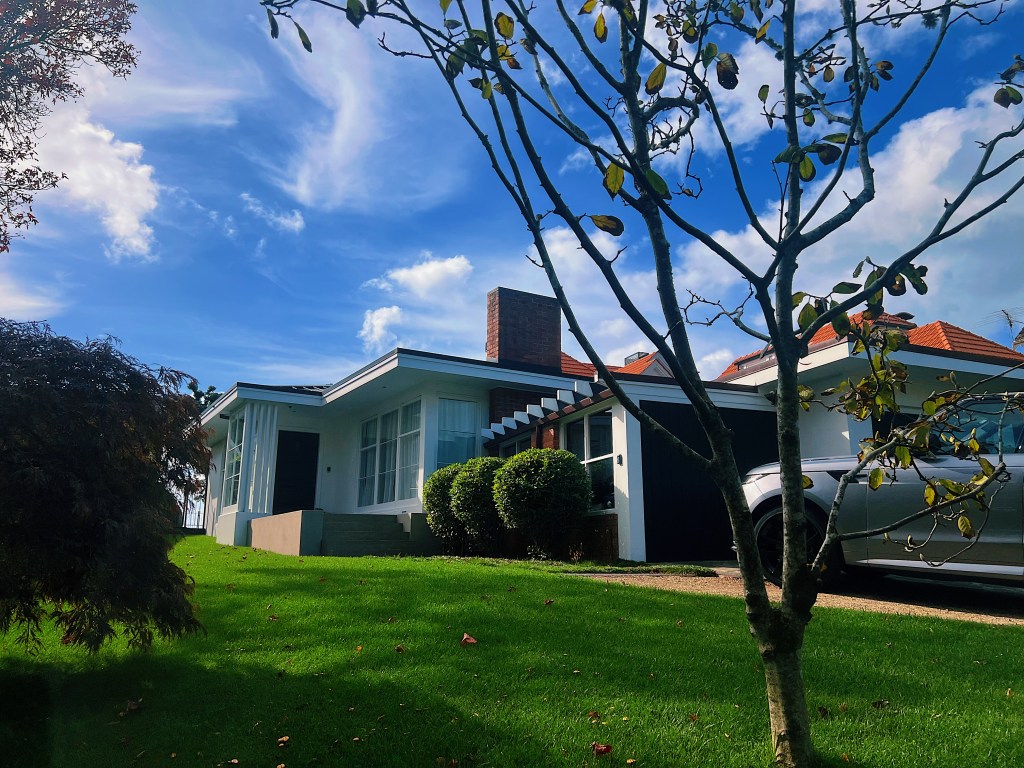
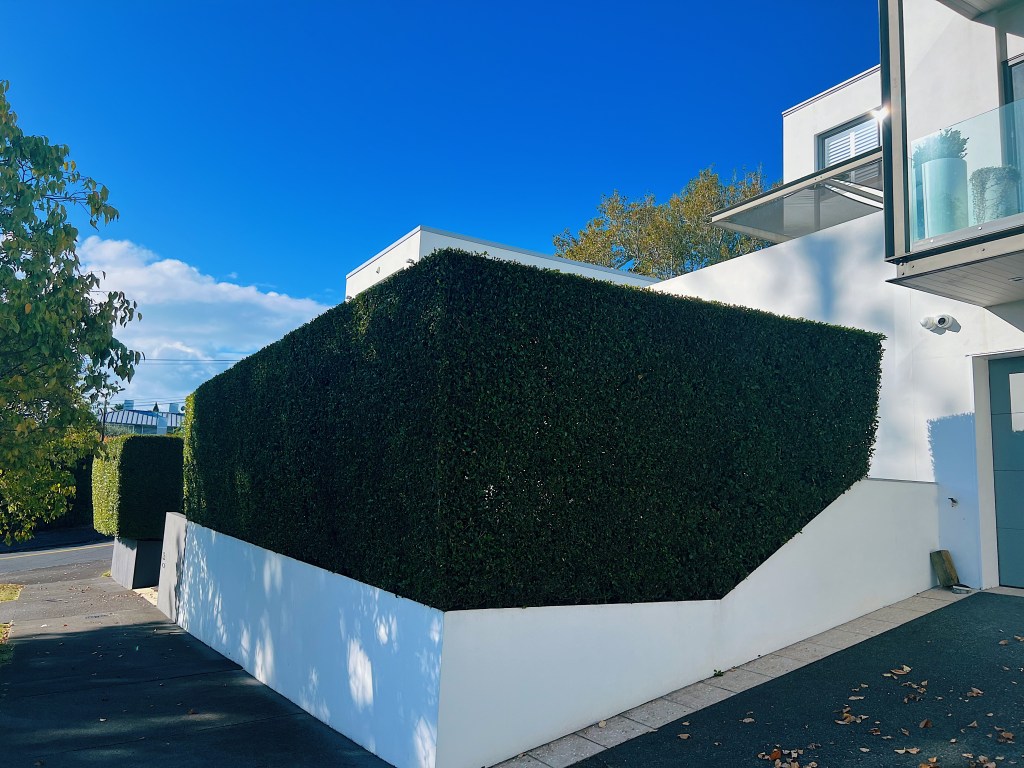
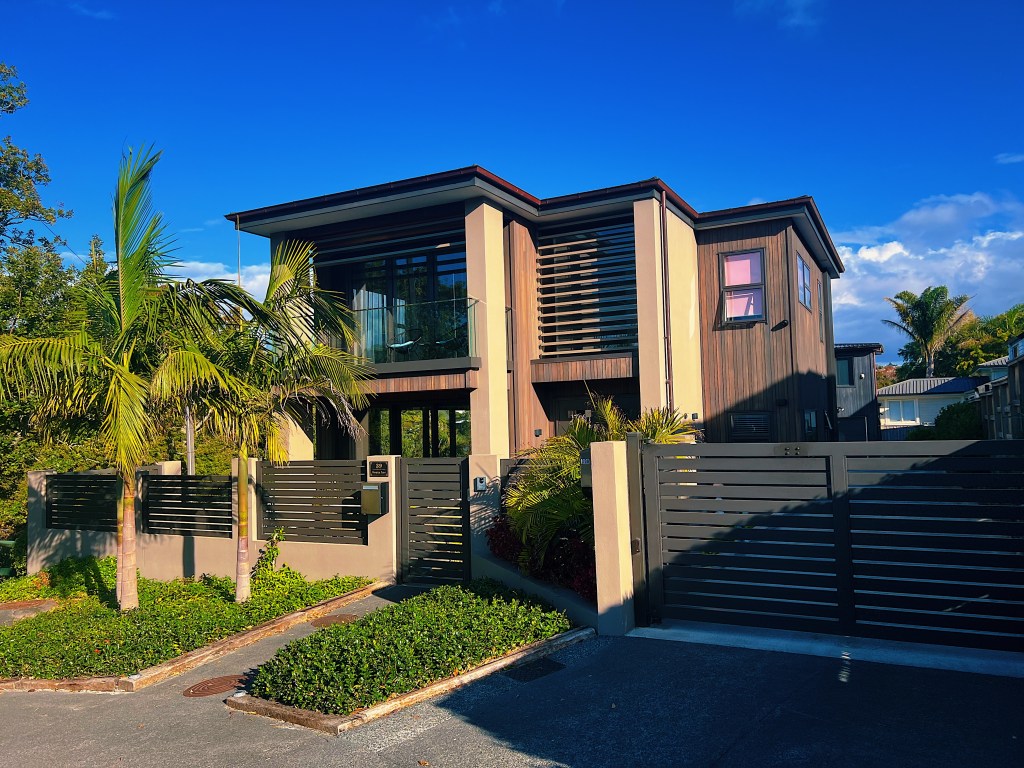
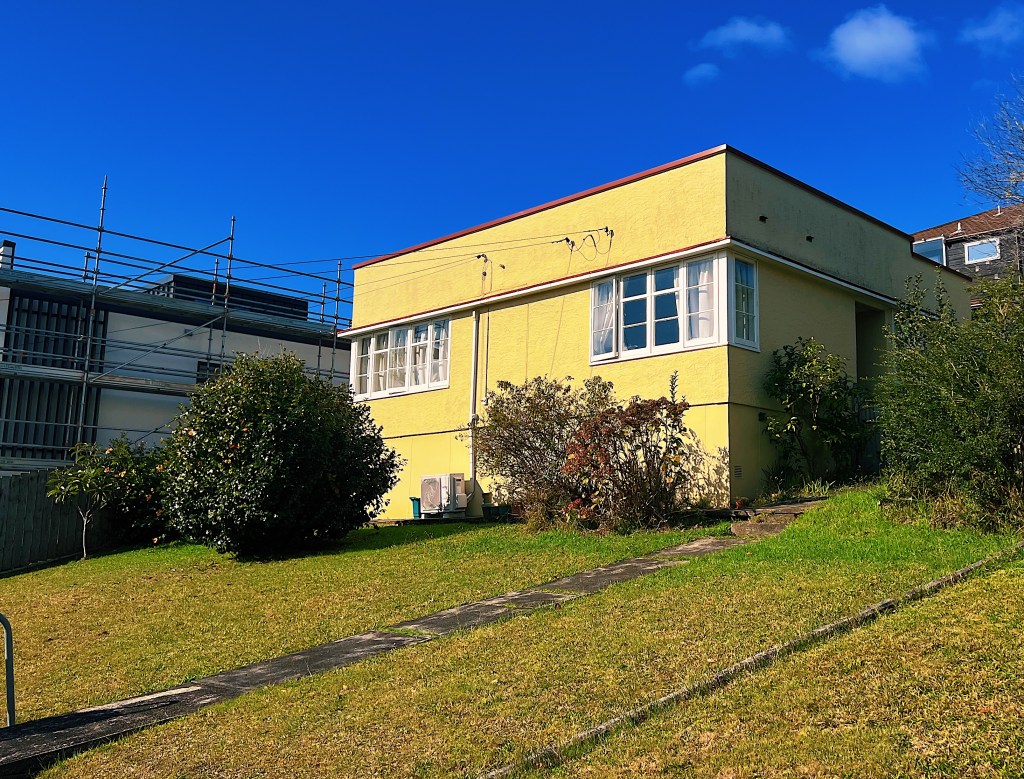
We returned to our old neighborhood of Remuera, where we lived for a few years in the eighties. It has grown a lot since then with a lot more fill-in housing. So that has left the suburb with quite a variety of housing, with modern homes often tucked in behind the original homes and accessed down long driveways that are often lined with immaculately groomed hedges.
In fact, we noticed wandering around, that many of the locals seemed particularly fond of their hedges.






























































 Mal and Lauren