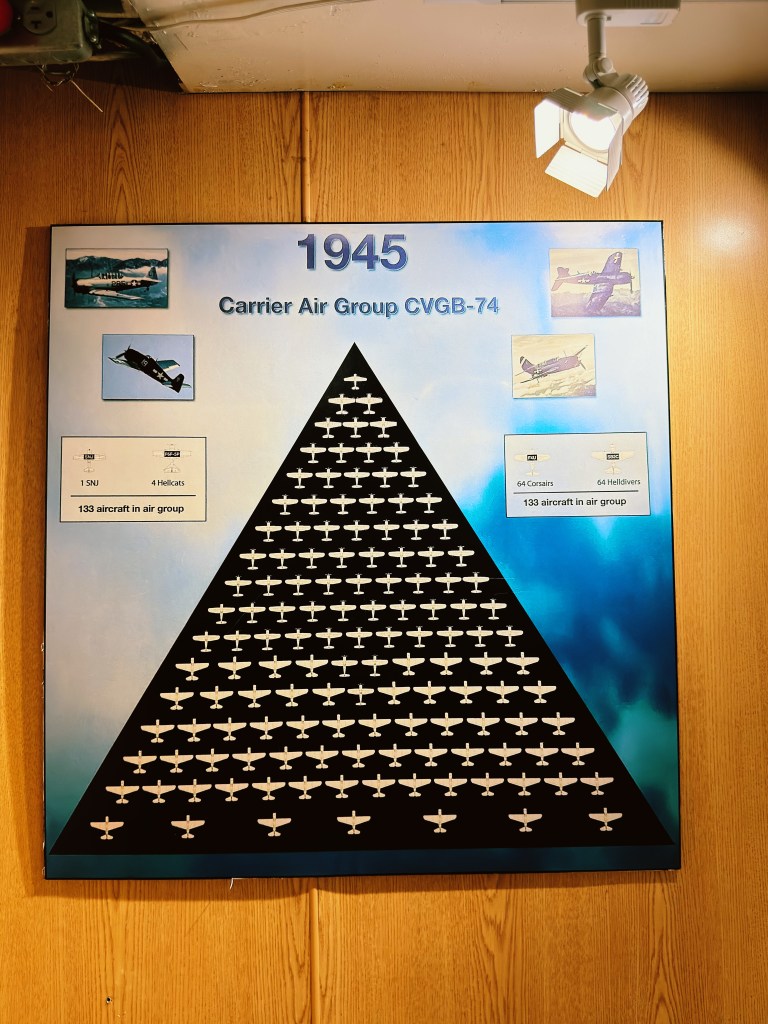
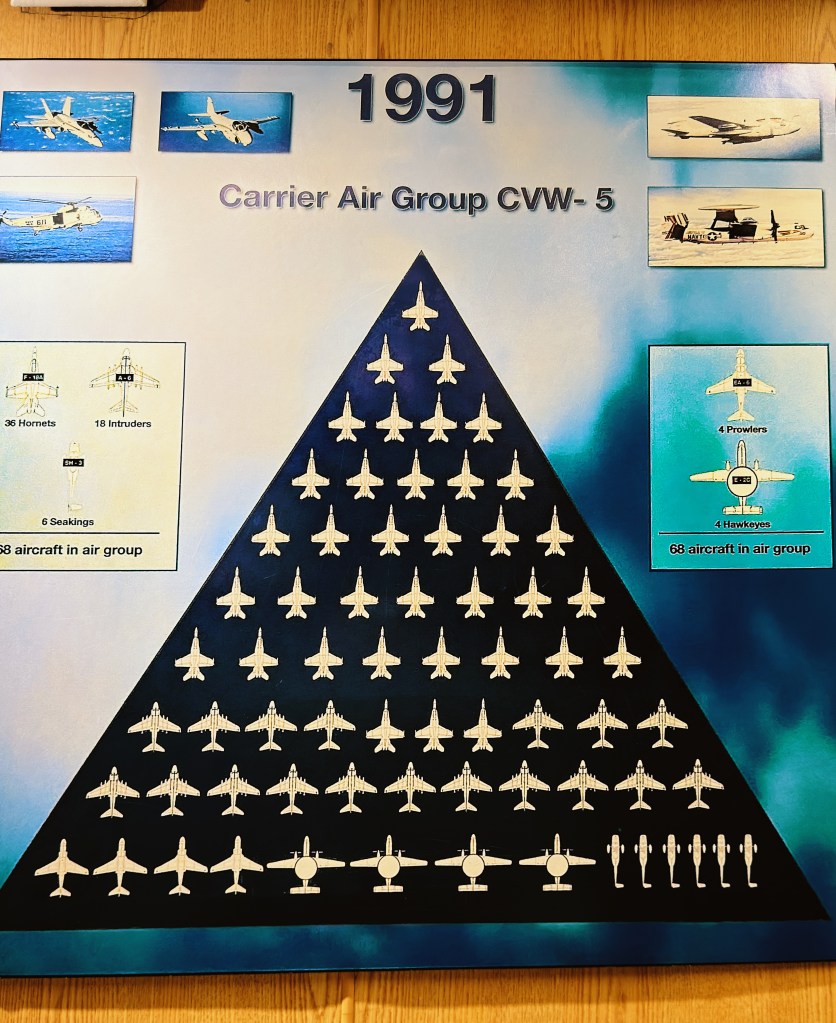
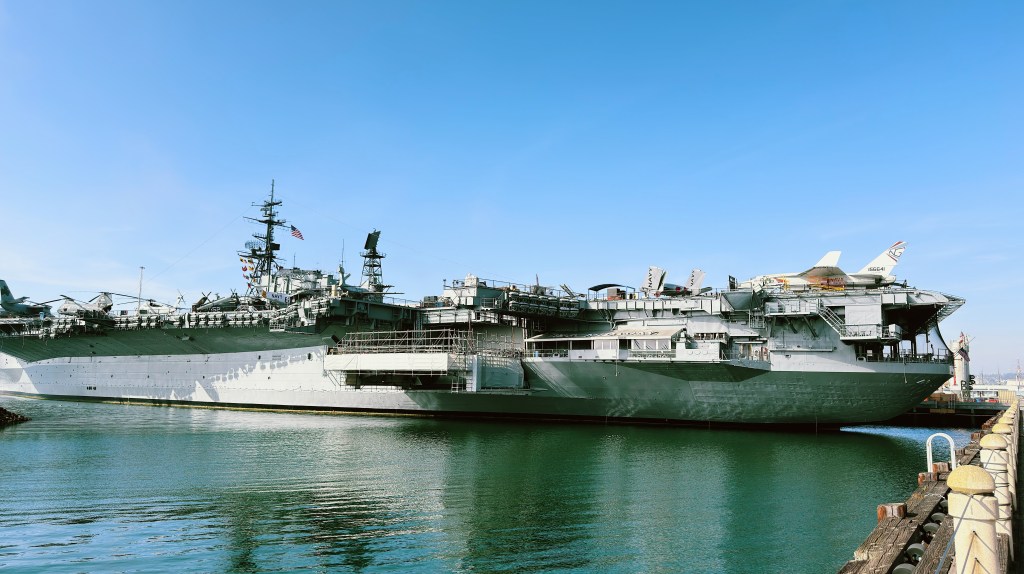
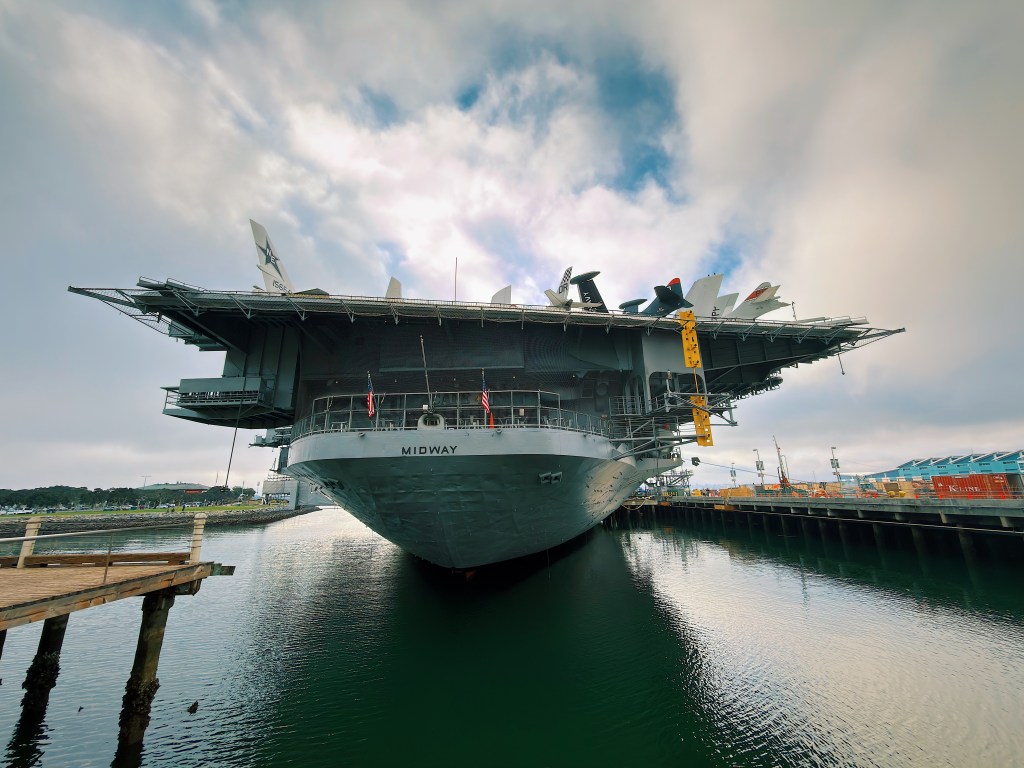
Commissioned just eight days after the end of World War II, USS Midway was the largest aircraft carrier in the world until 1955 as well as the first ship that was too big to go through the Panama Canal. She operated for 47 years and saw action in the Vietnam war and Operation Desert Storm before she was decommissioned in 1992. She is now a museum ship in San Diego. At over three hundred meters long (three football fields), it is hard to describe just how massive she is. To give some idea of her size, in the 1940s she carried almost 140 aircraft and even in later years with the larger fighter jets, she carried over 70 aircraft. The following chart gives a good idea of just how many aircraft that is.
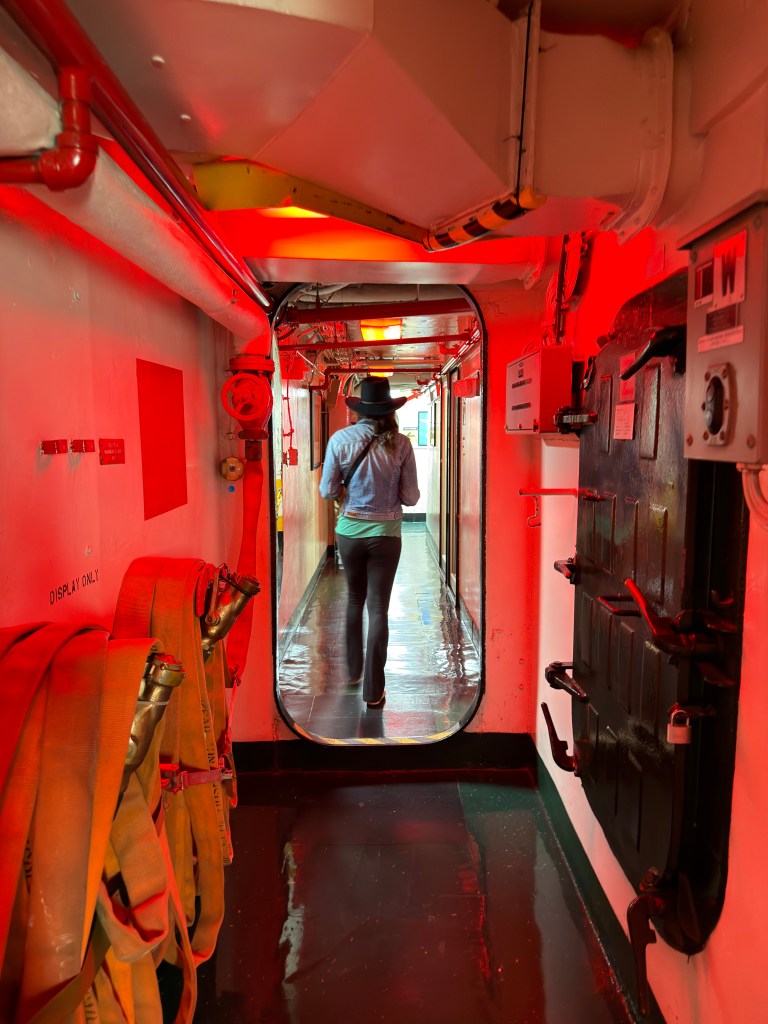
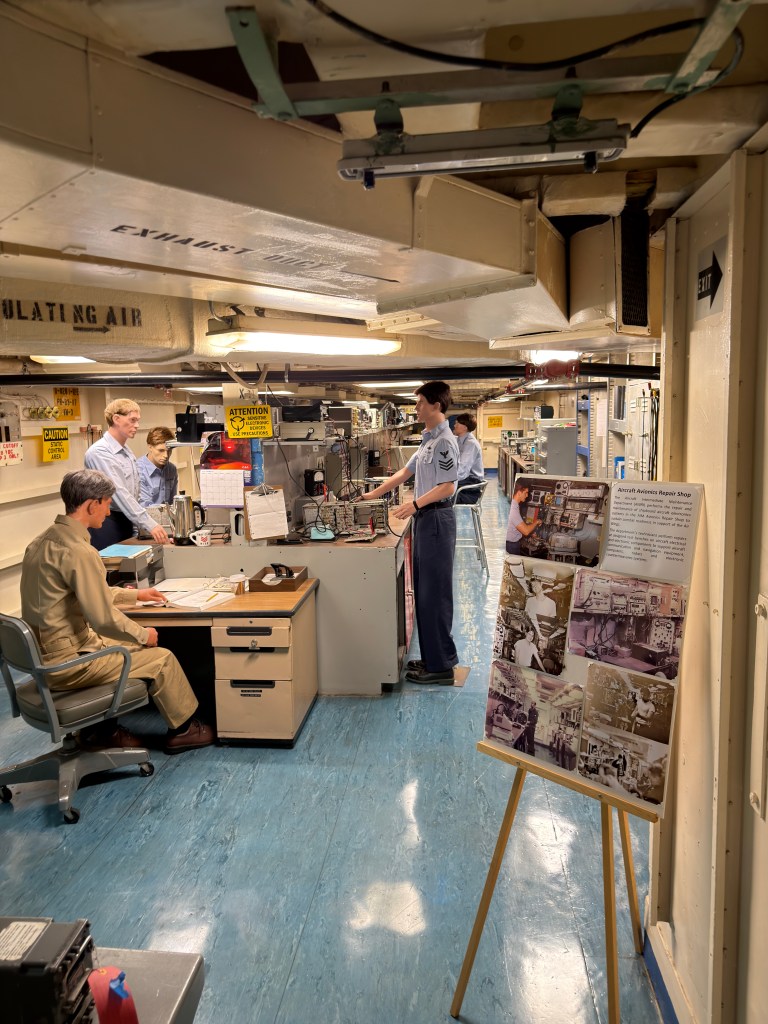
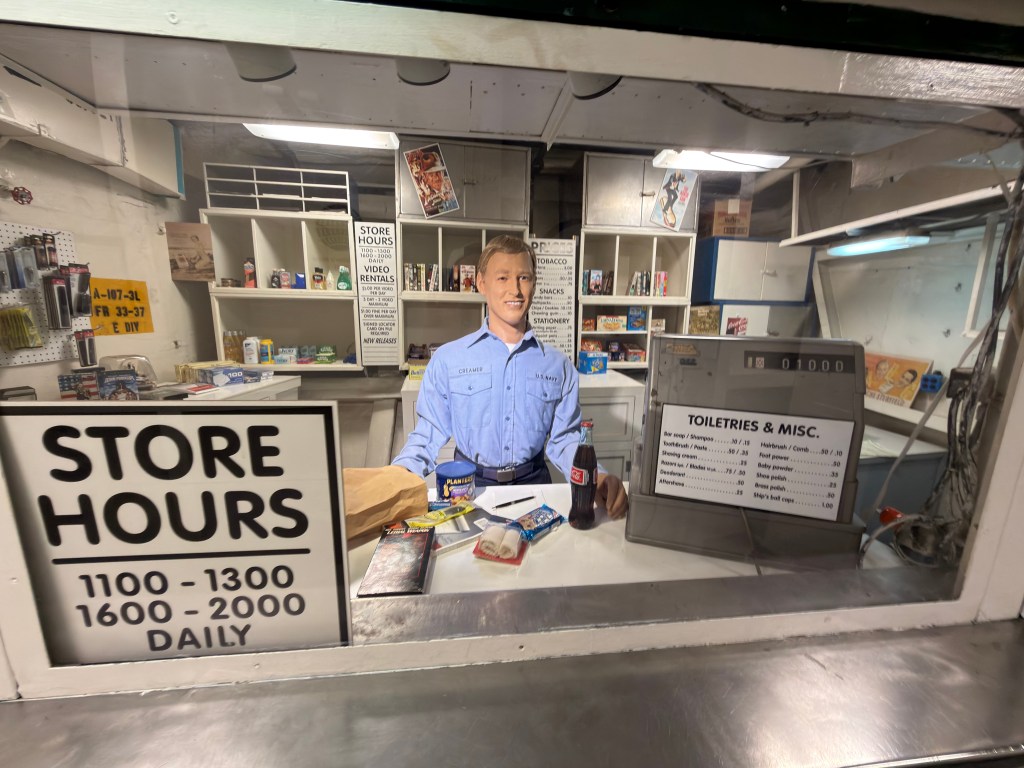
There is a massive hangar that runs the length of the ship. Surrounding it are a maze of narrow hallways and small airless rooms. It must have taken the new sailors quite a while to find their way around.
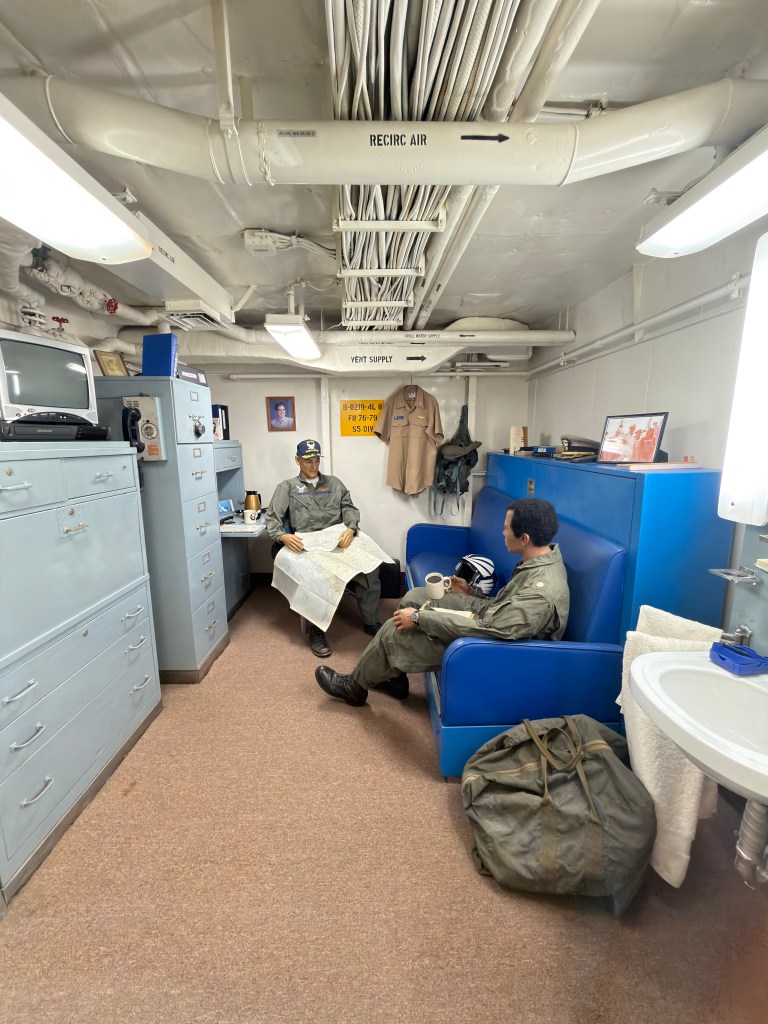
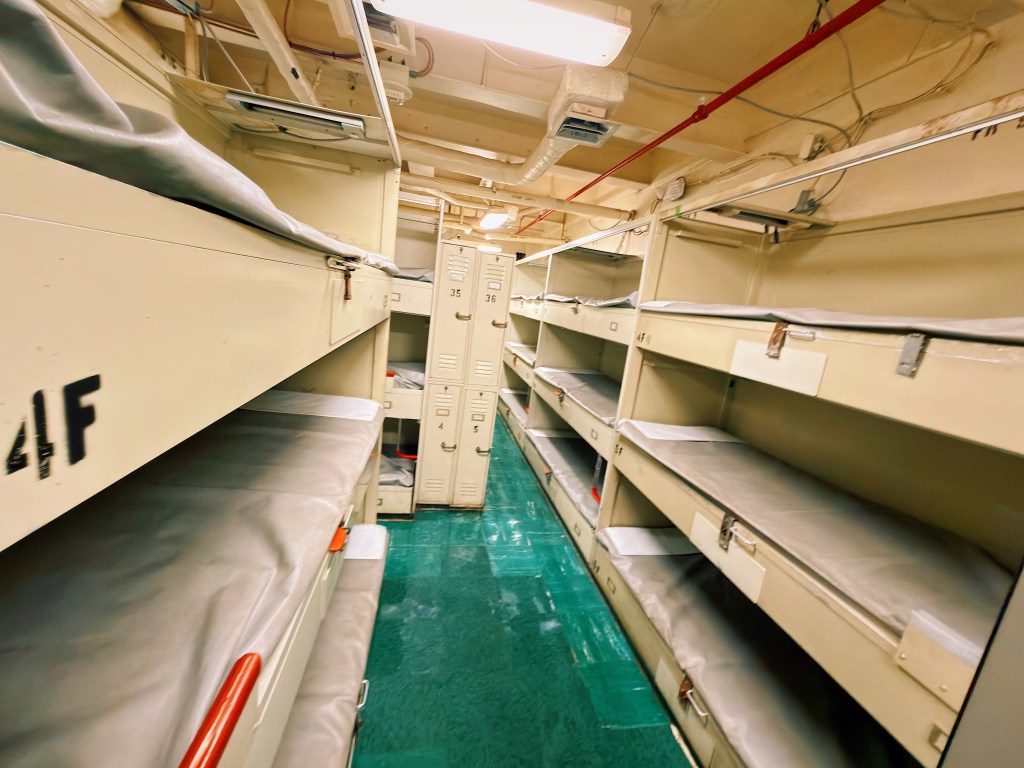
Fitting in over 4000 crew and pilots, there wasn’t a lot of sleeping room.
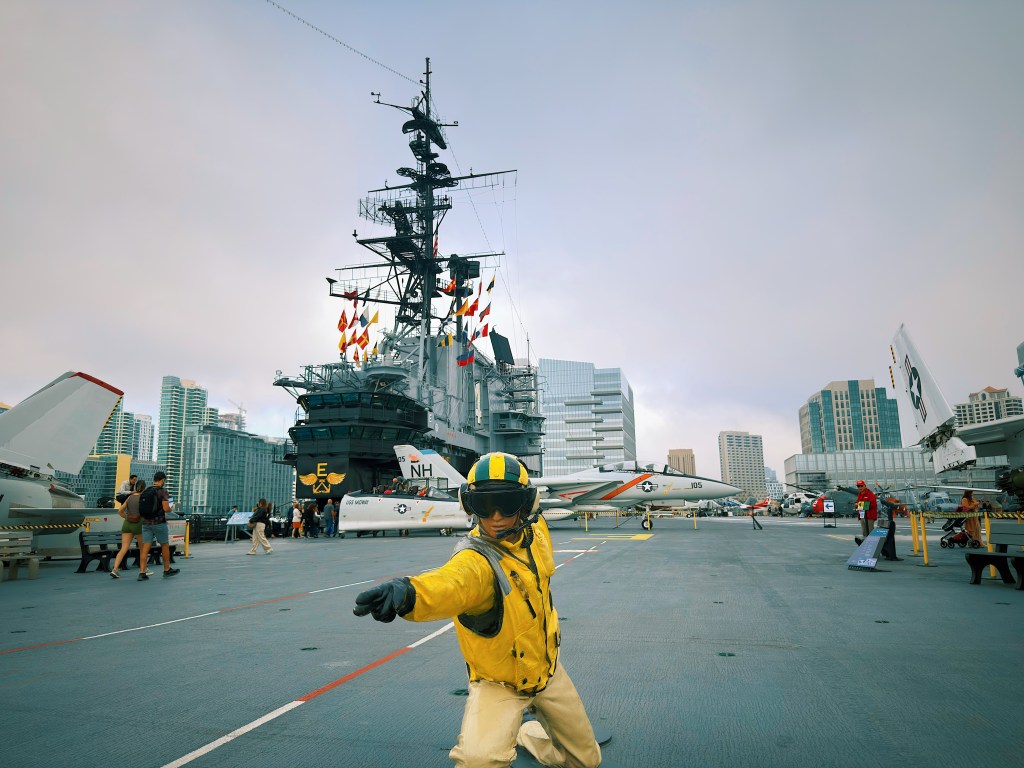
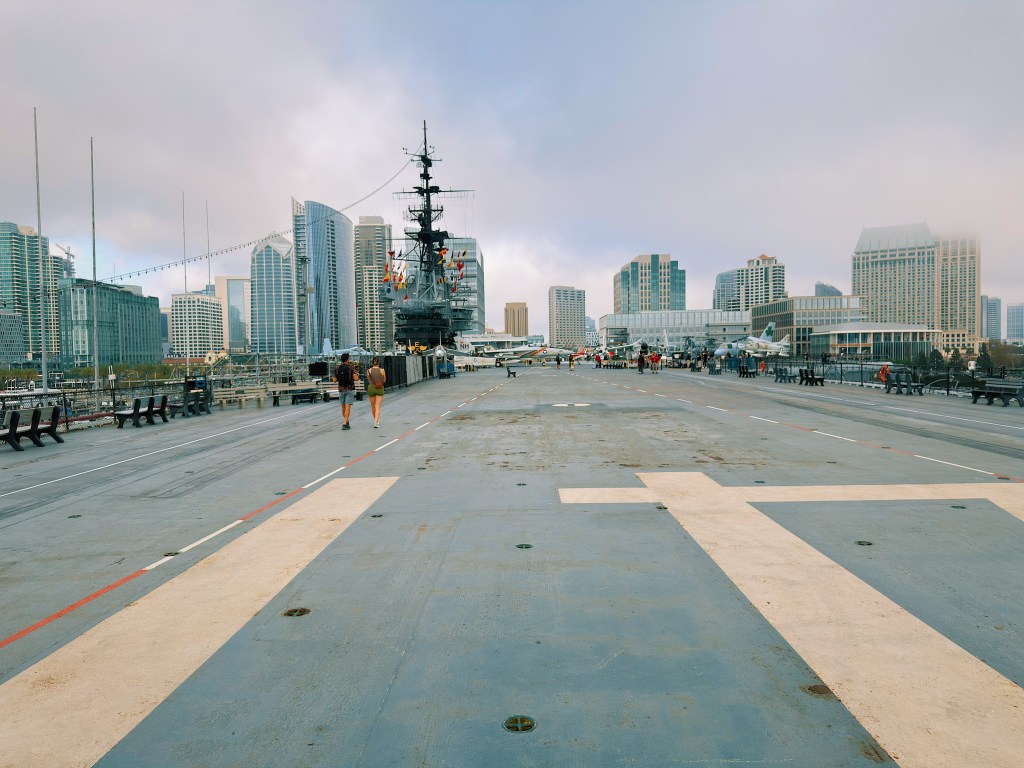
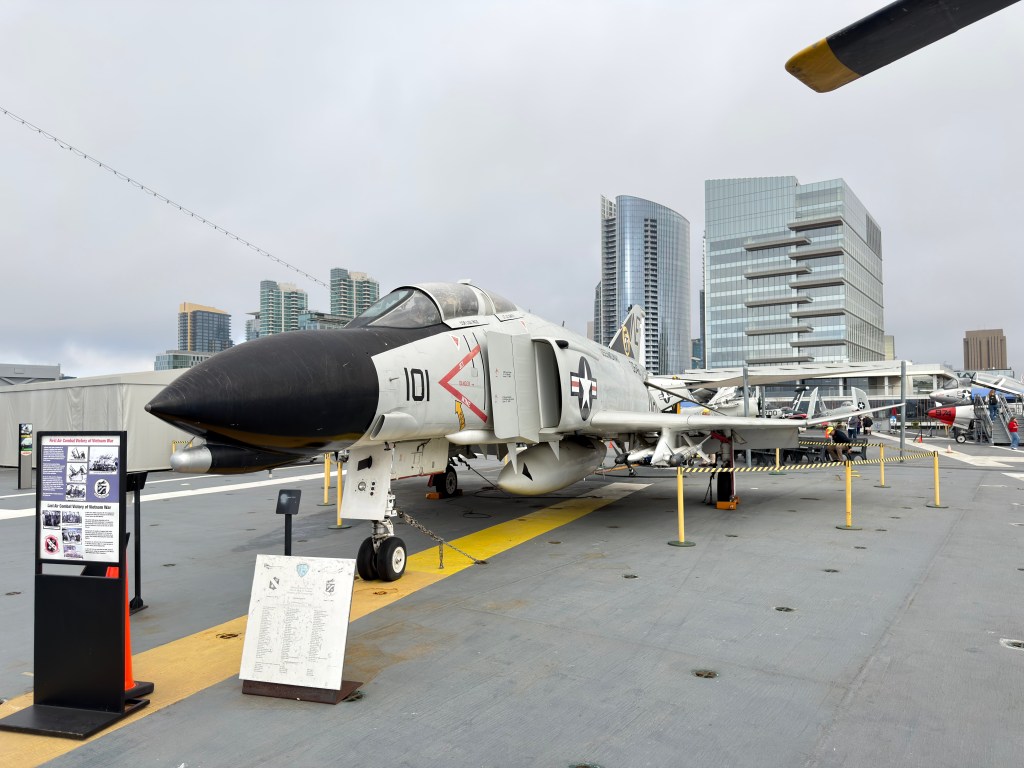
Up on deck, there were a wide variety of aircraft.
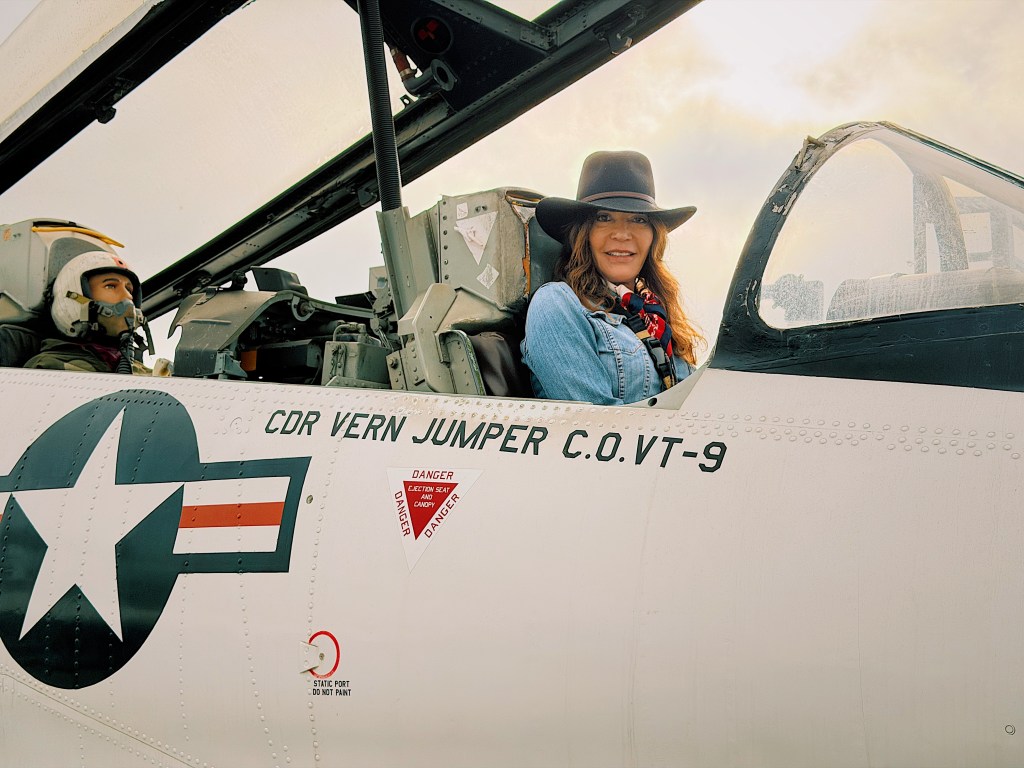
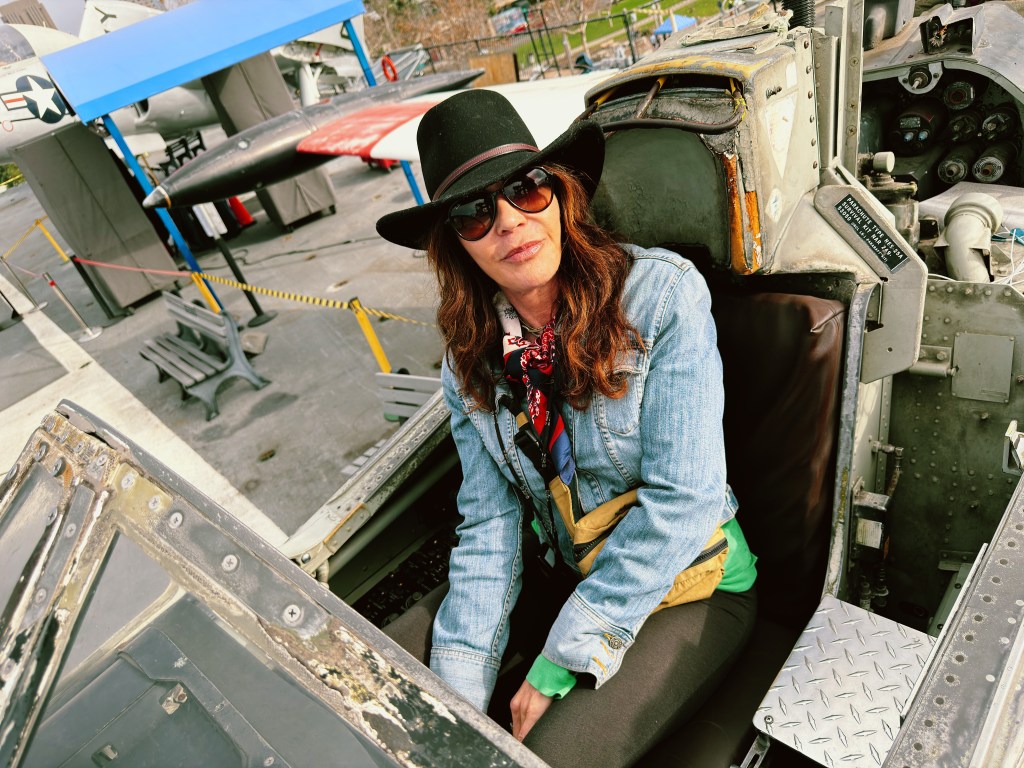
Move over Top Gun.
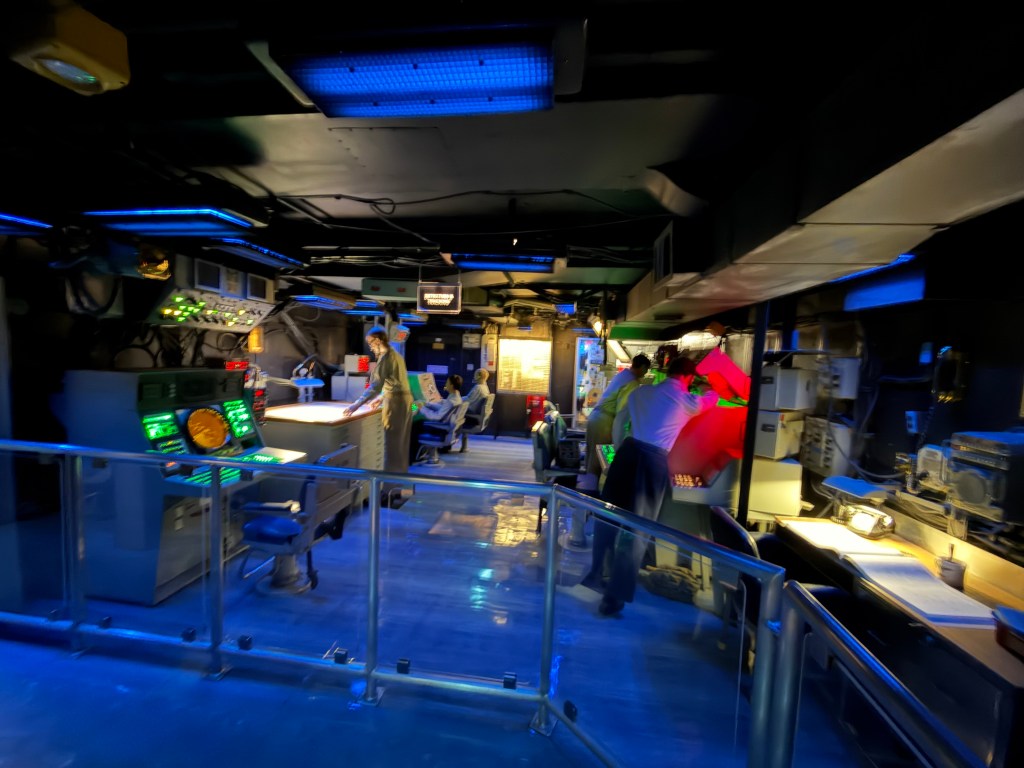
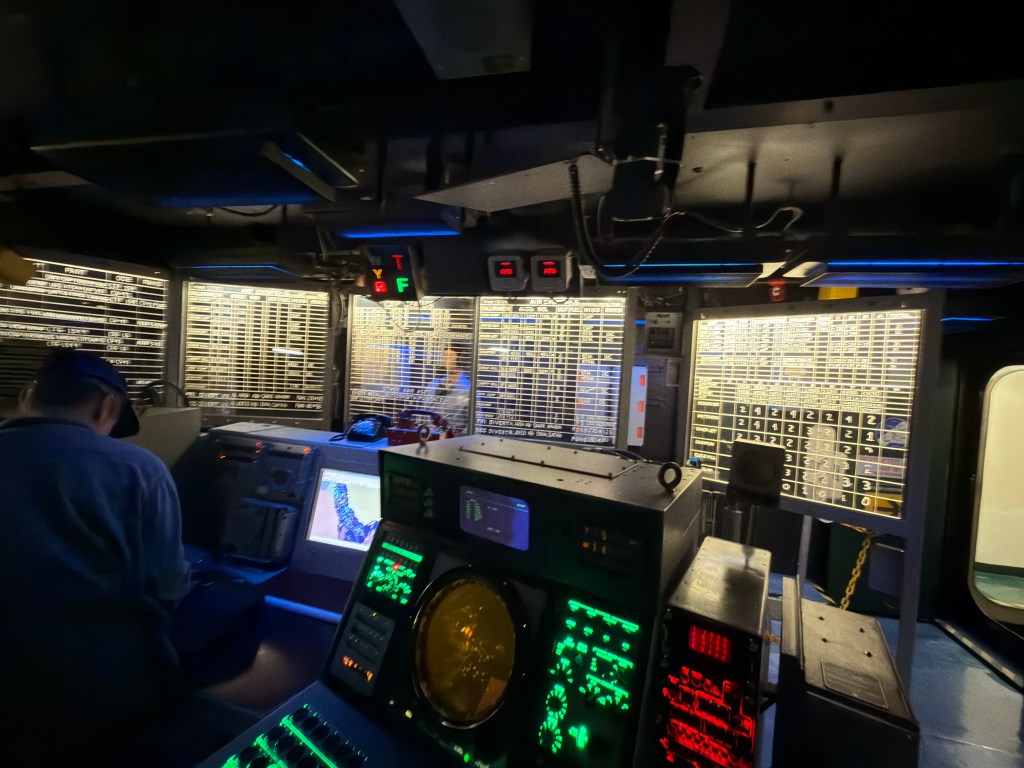
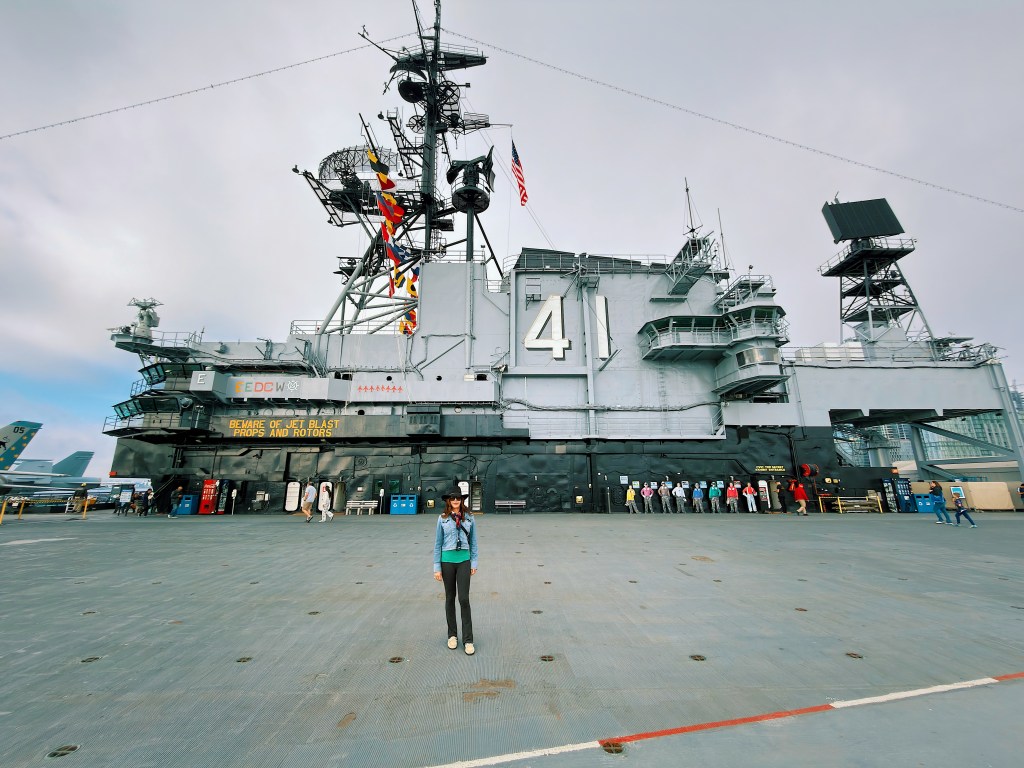
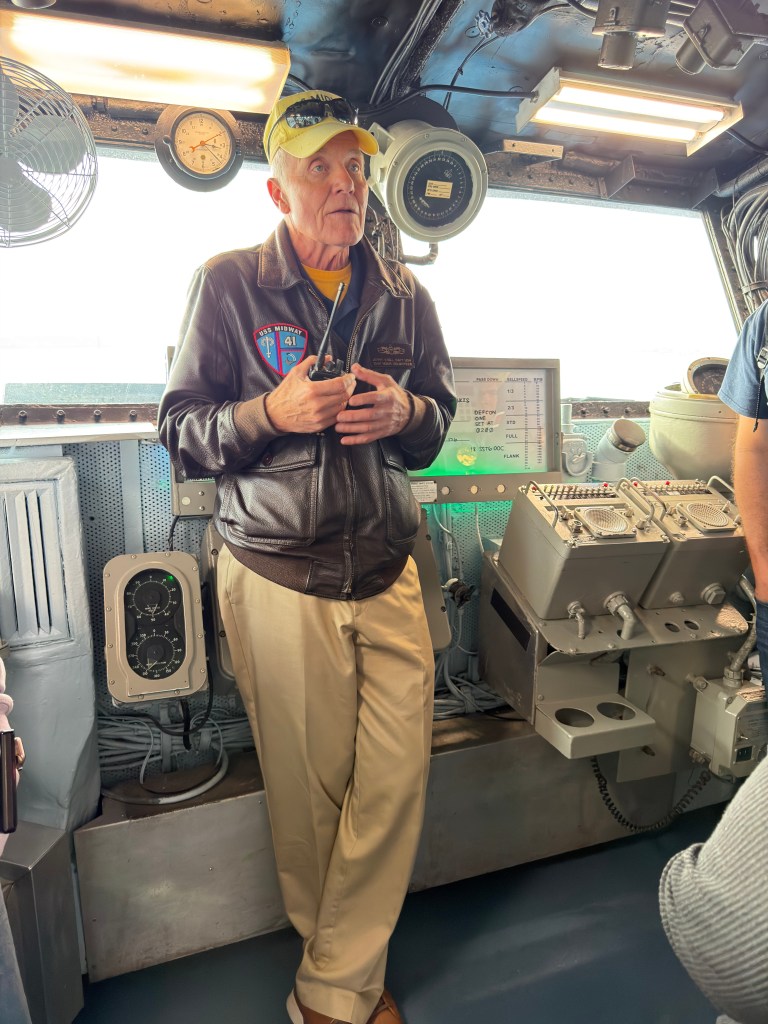
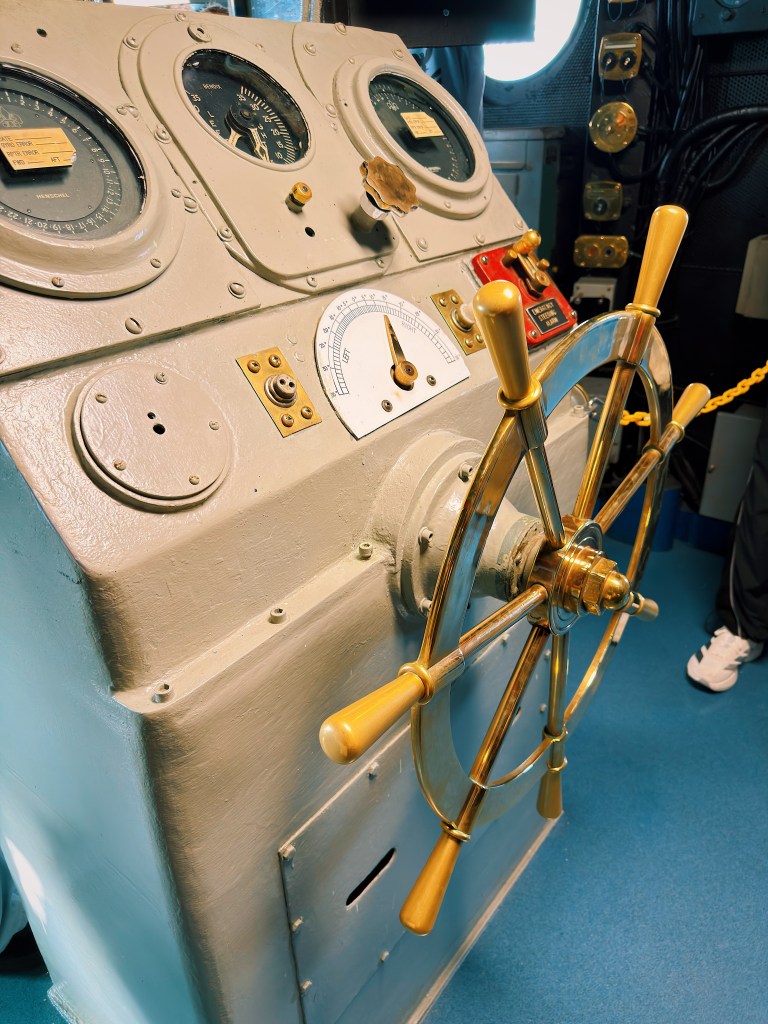
Up in the Bridge (which is apparently called the Island on an aircraft carrier), an actual retired navy captain showed us around.
It’s hard to imagine that this ship’s wheel could be used to steer such a large vessel.
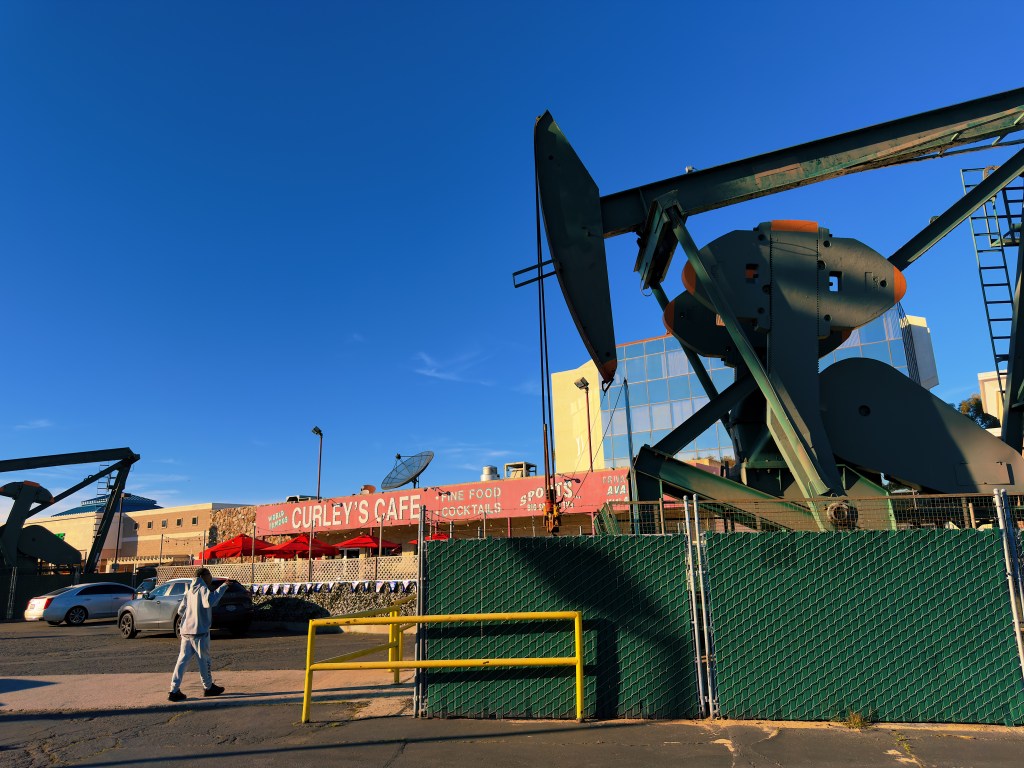
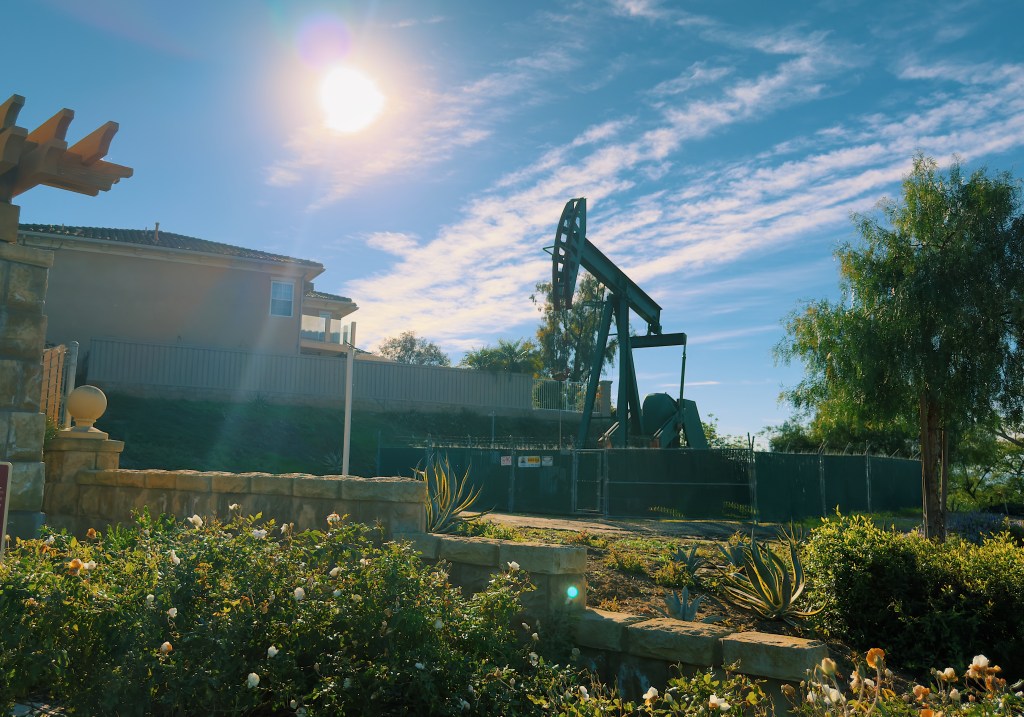
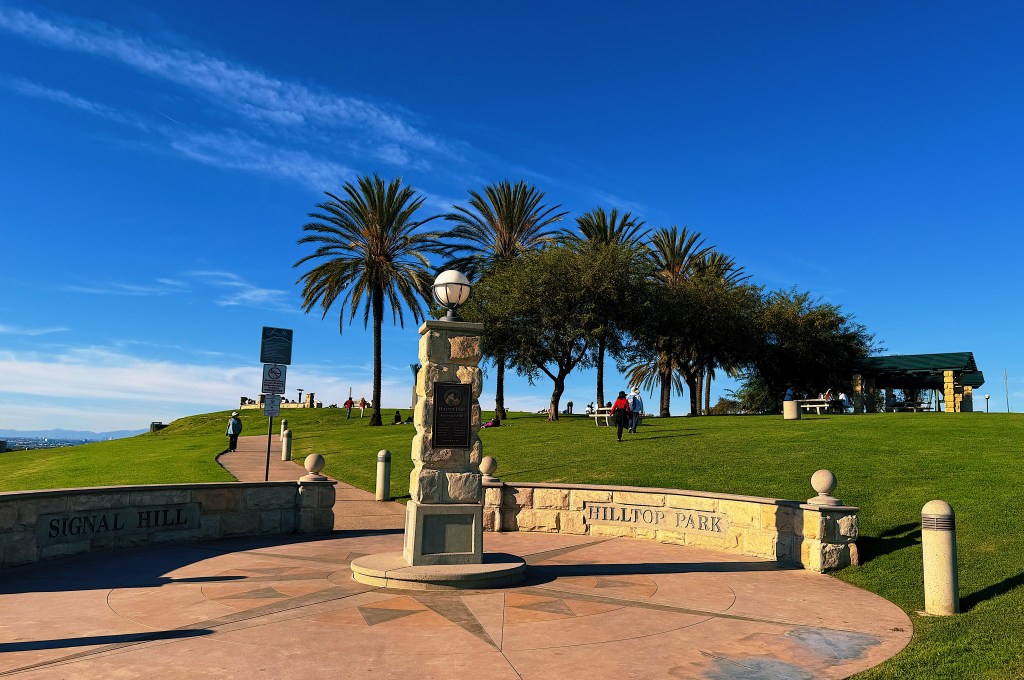
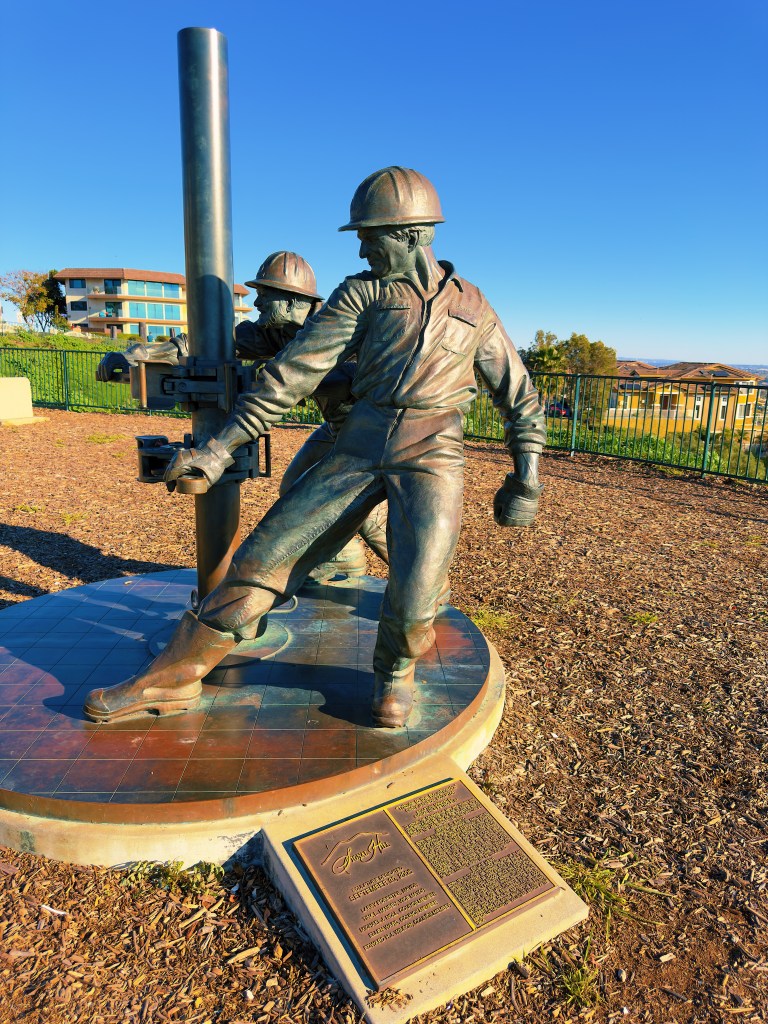
Signal Hill is the highest point in Long Beach. In 1921, oil was discovered there and within a few years the hill was covered with so many wooden oil derricks that it was nicknamed “Porcupine Hill” by the locals. In fact, during the twenties it was the most productive oil field in the Los Angeles basin, which at the time was producing 20% of the nation’s oil supply. Over 100 years later, many wells are still in operation which makes for interesting juxtapositions in the neighborhood, as pumpjacks sit side by side with restaurants and million dollar houses.
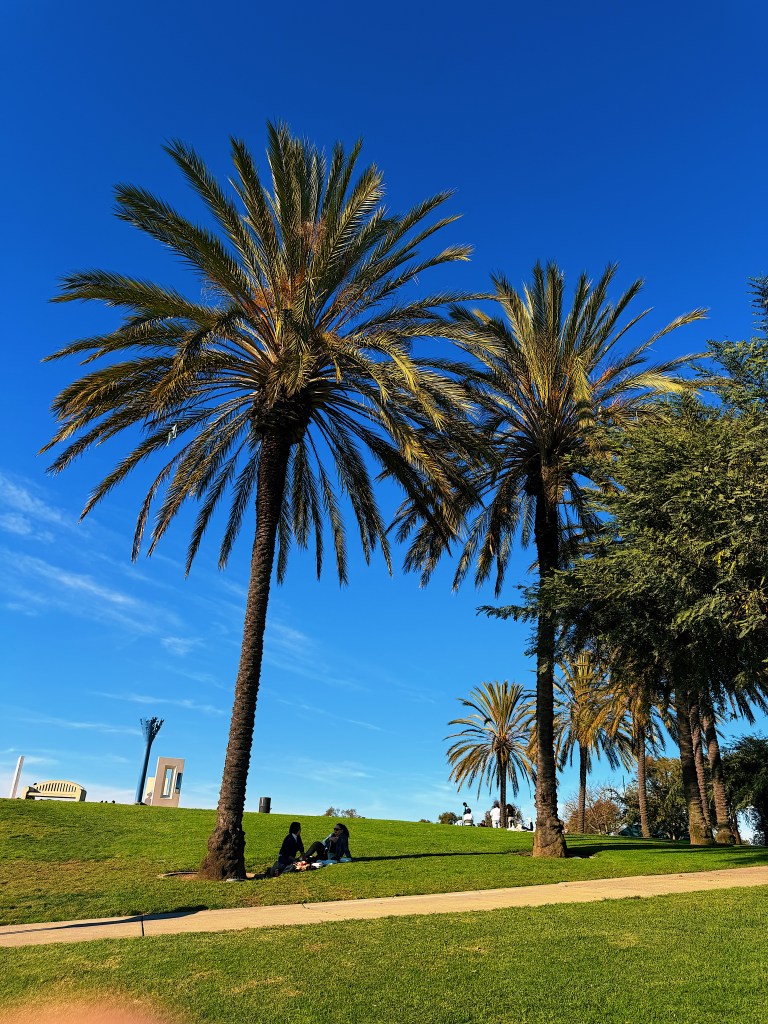
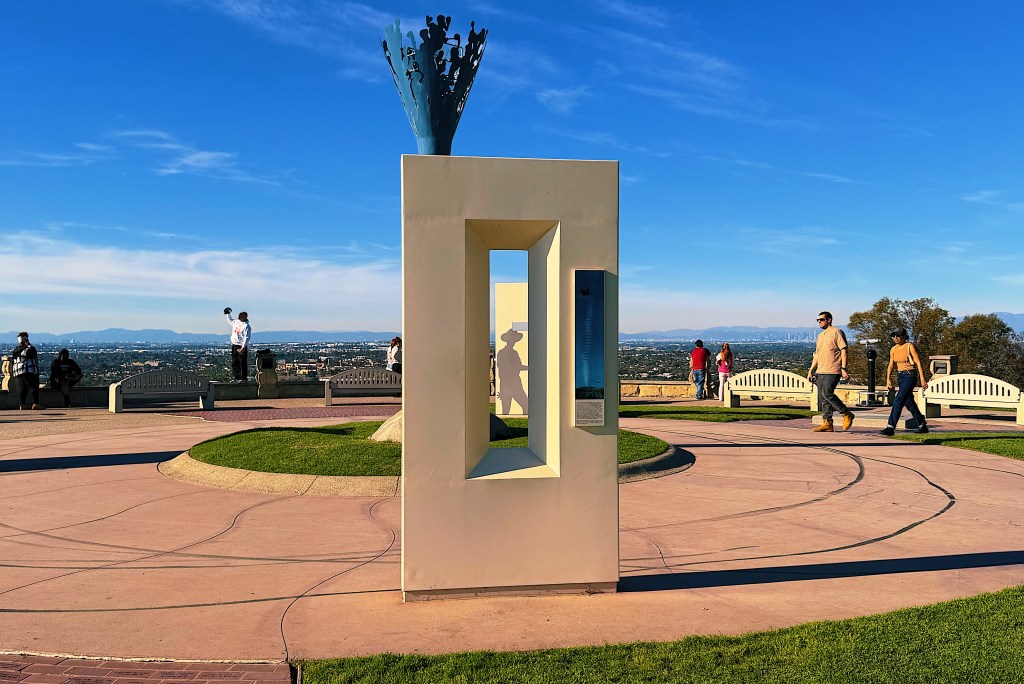
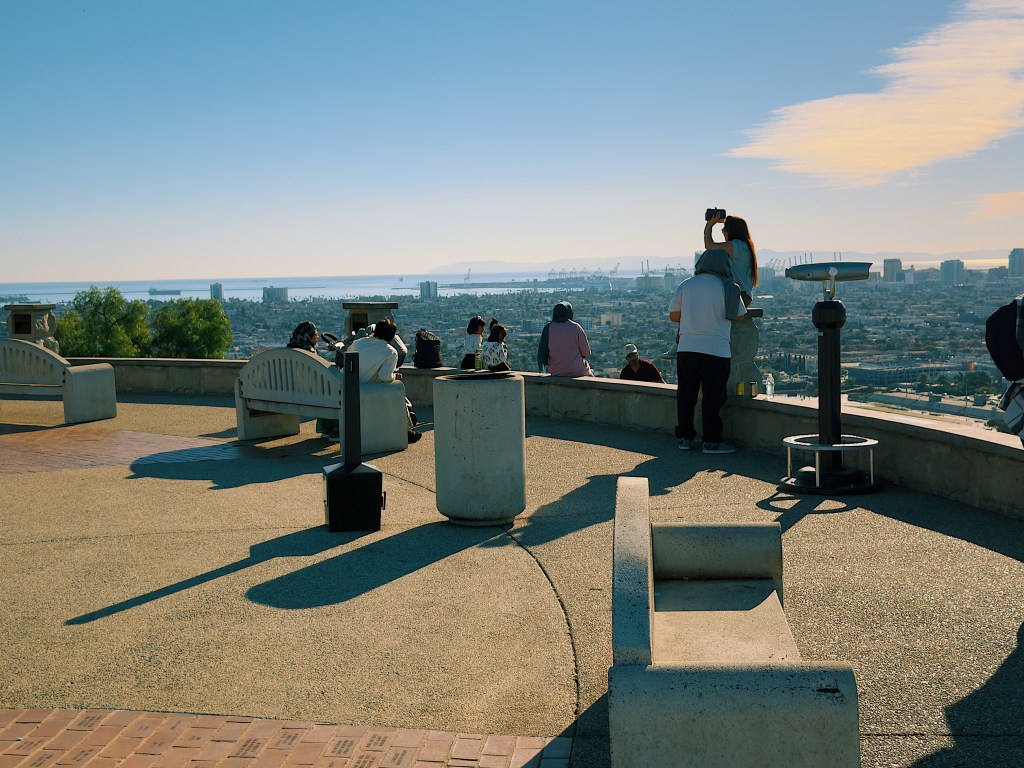
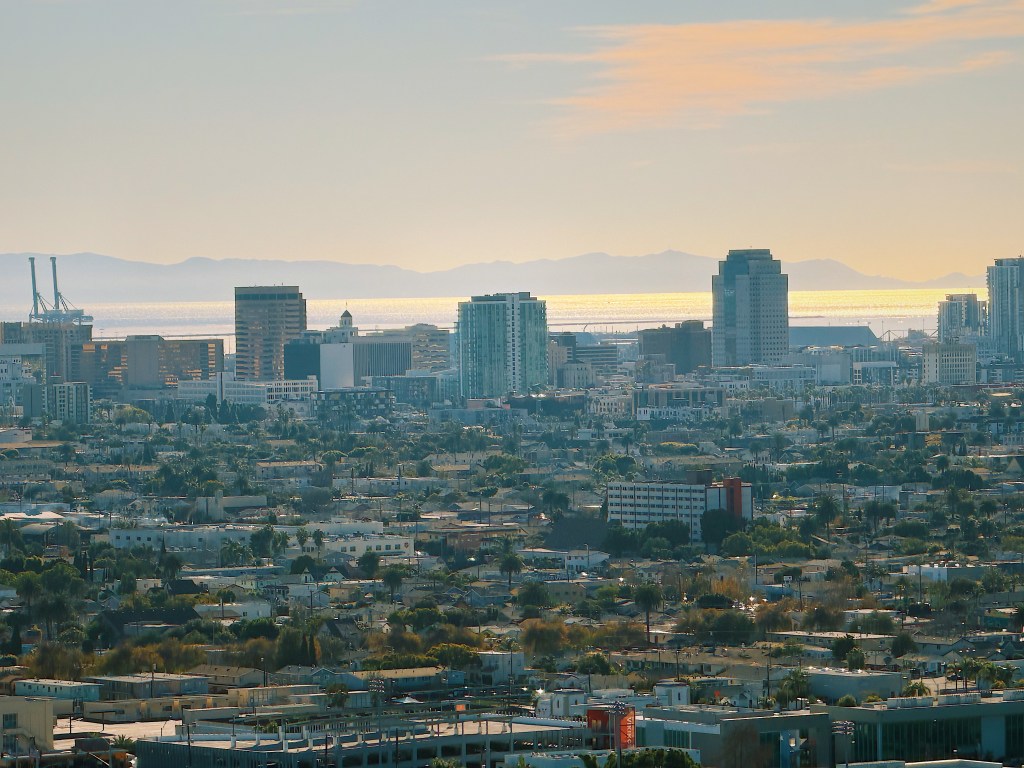
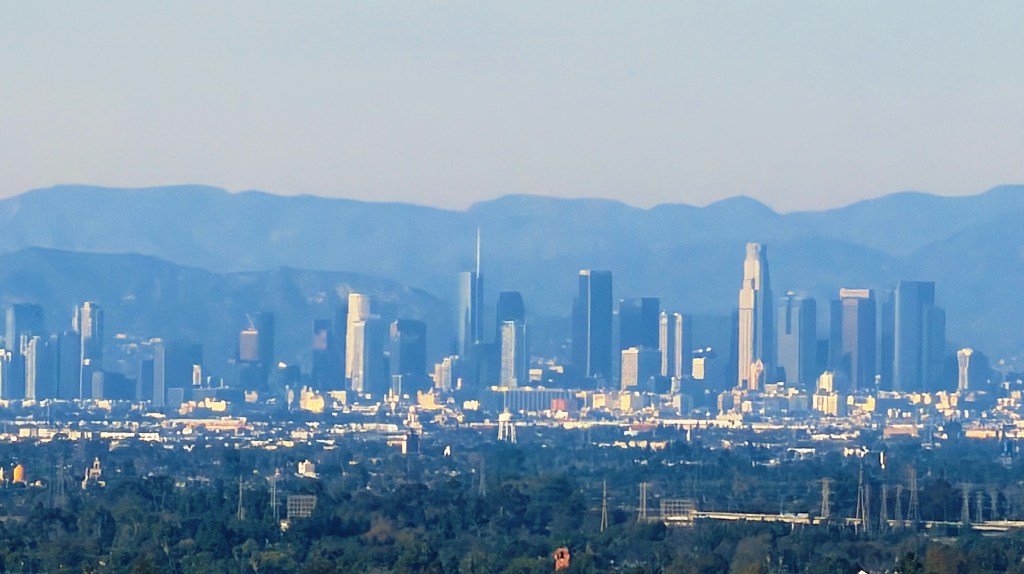
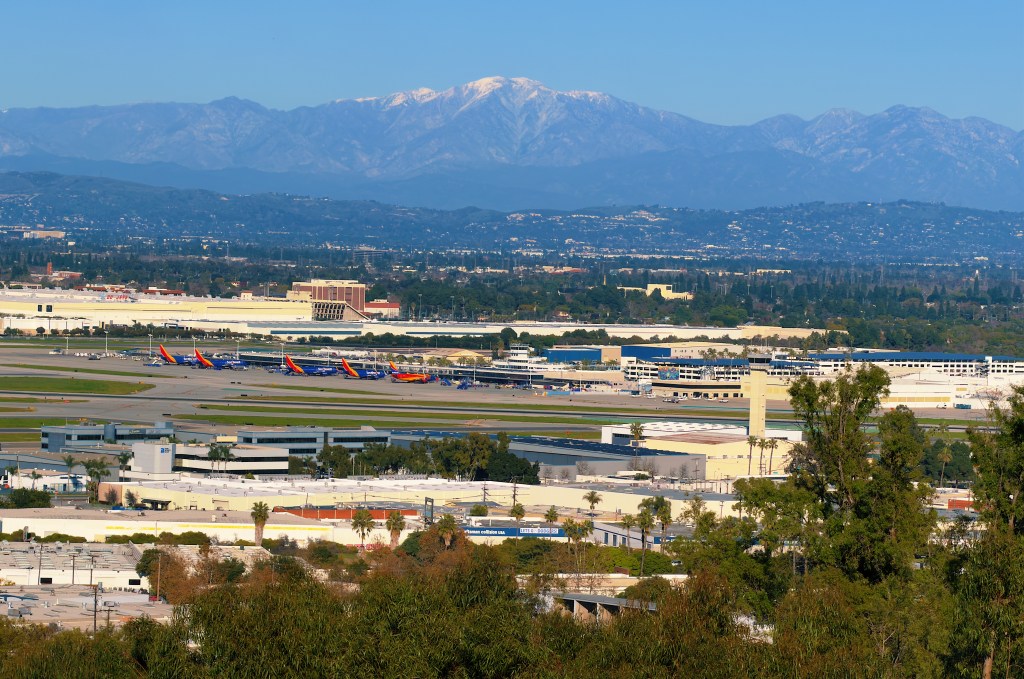
There is a pretty little park at the top of the hill with views that go all the way to downtown Los Angeles, about twenty miles away.
Downtown Long BeachDowntown Los AngelesLong Beach Airport with the snow capped San Bernadino mountains behind
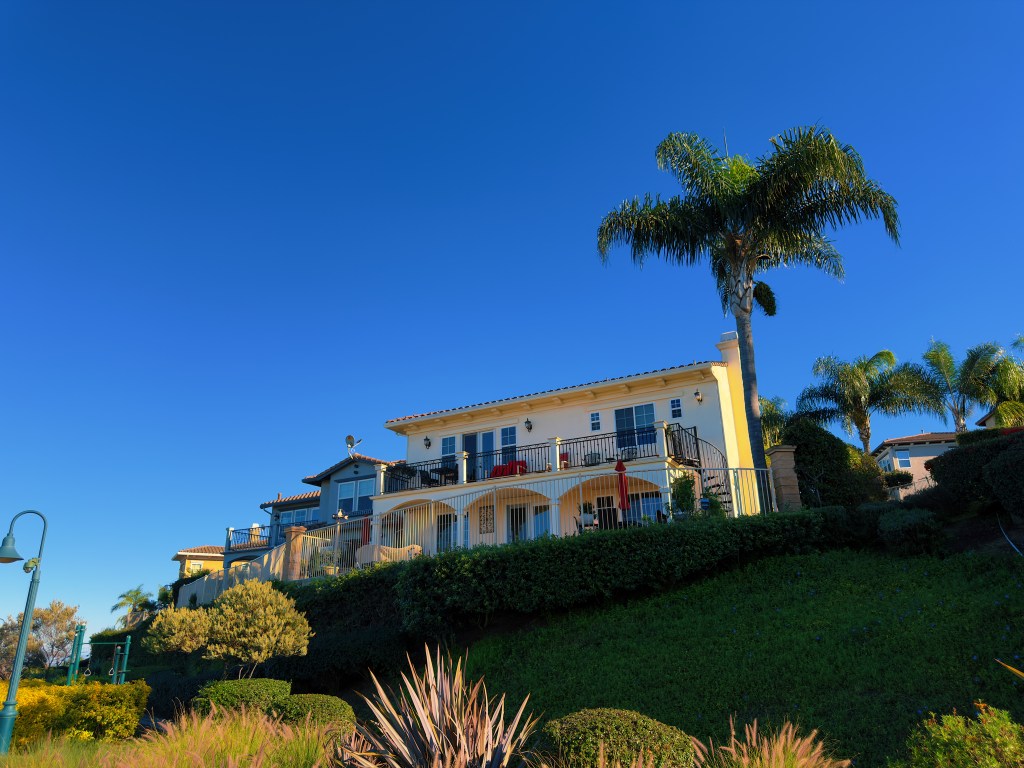
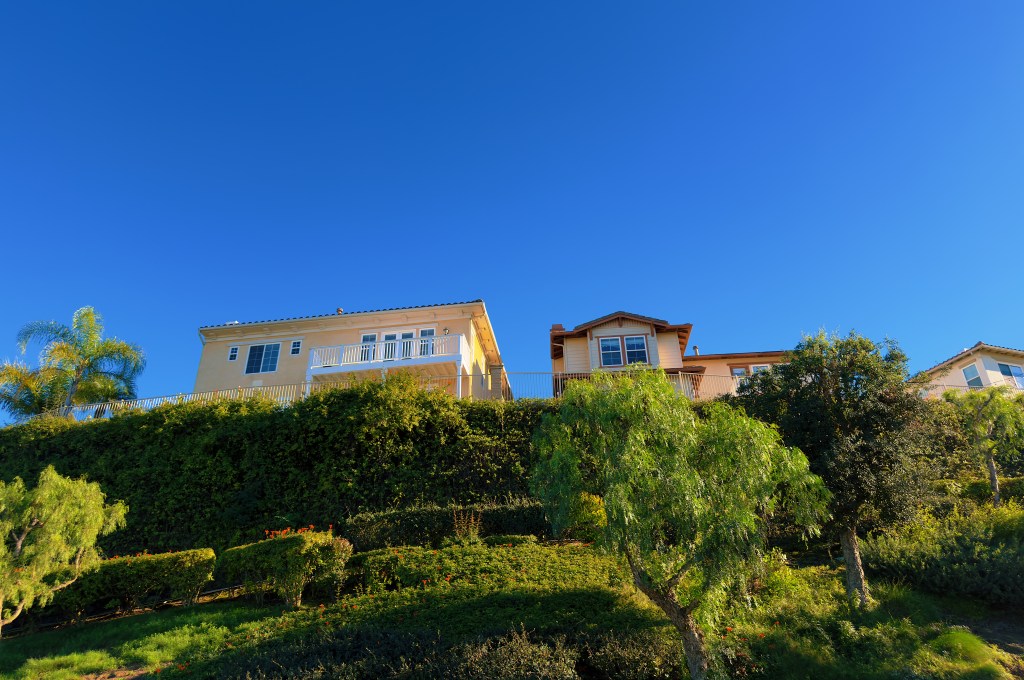
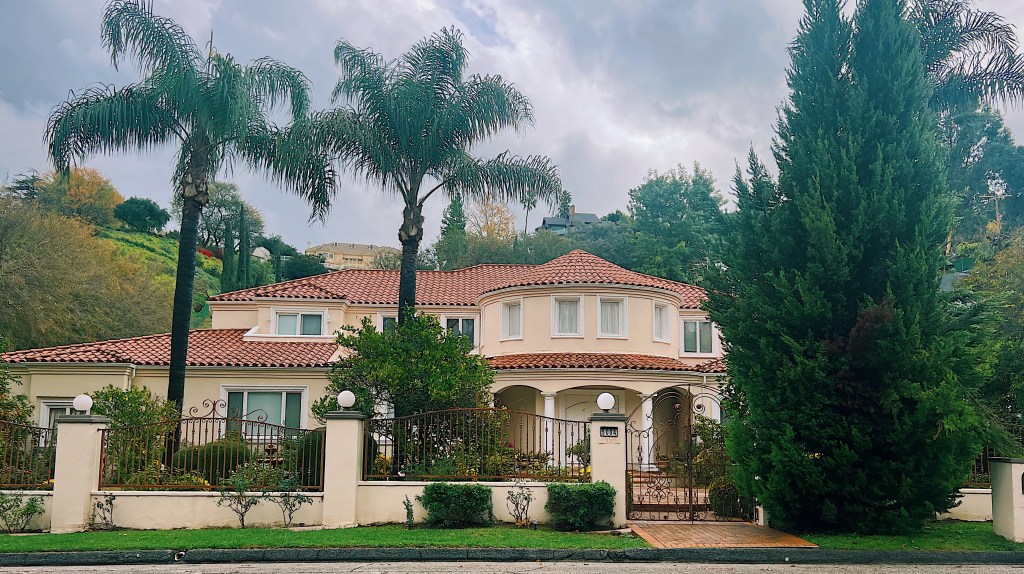
At the top of the hill there is also a gated community of expensive homes.
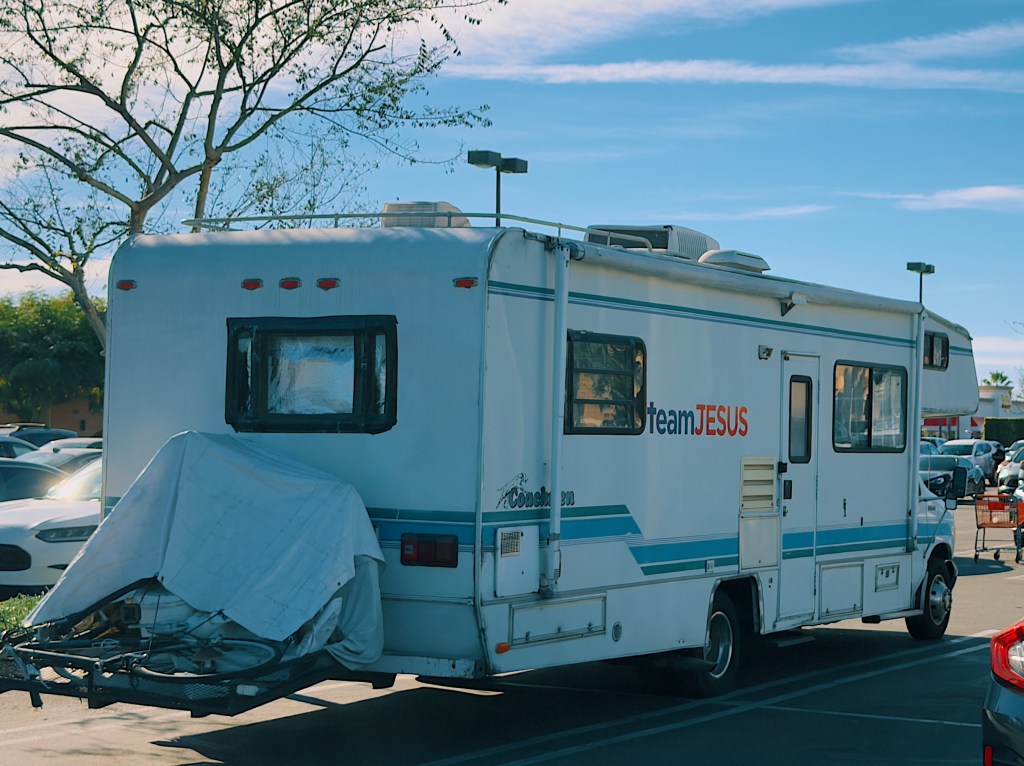
Classic vehicle of the day is this camper van which is apparently on team Jesus.
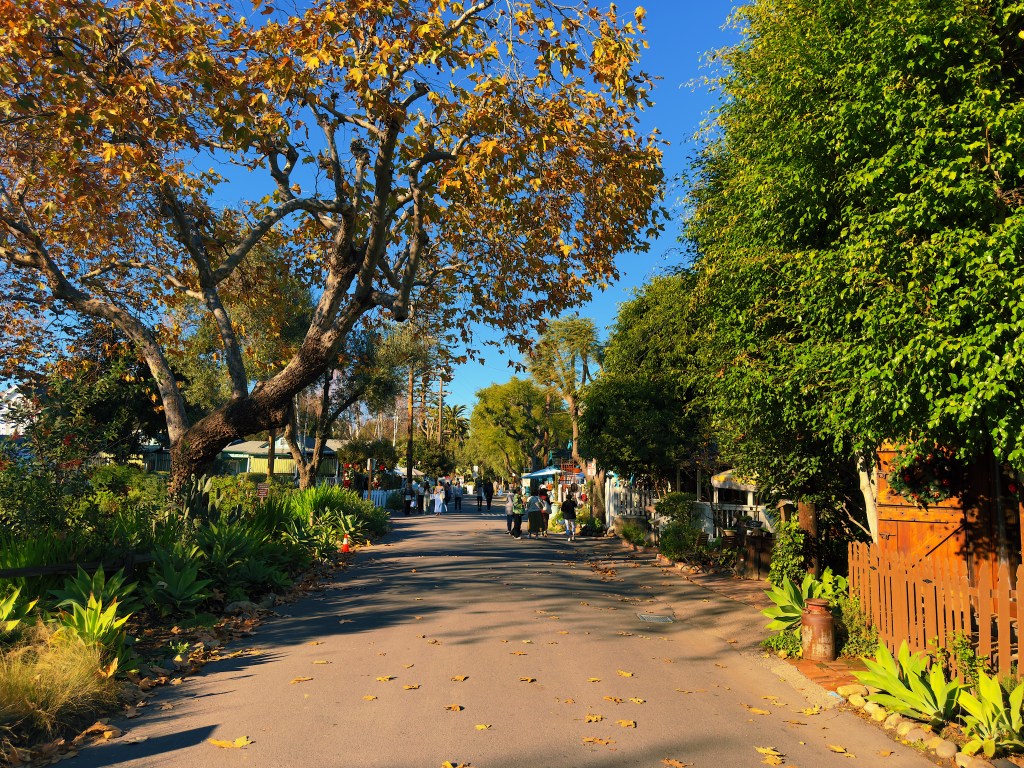
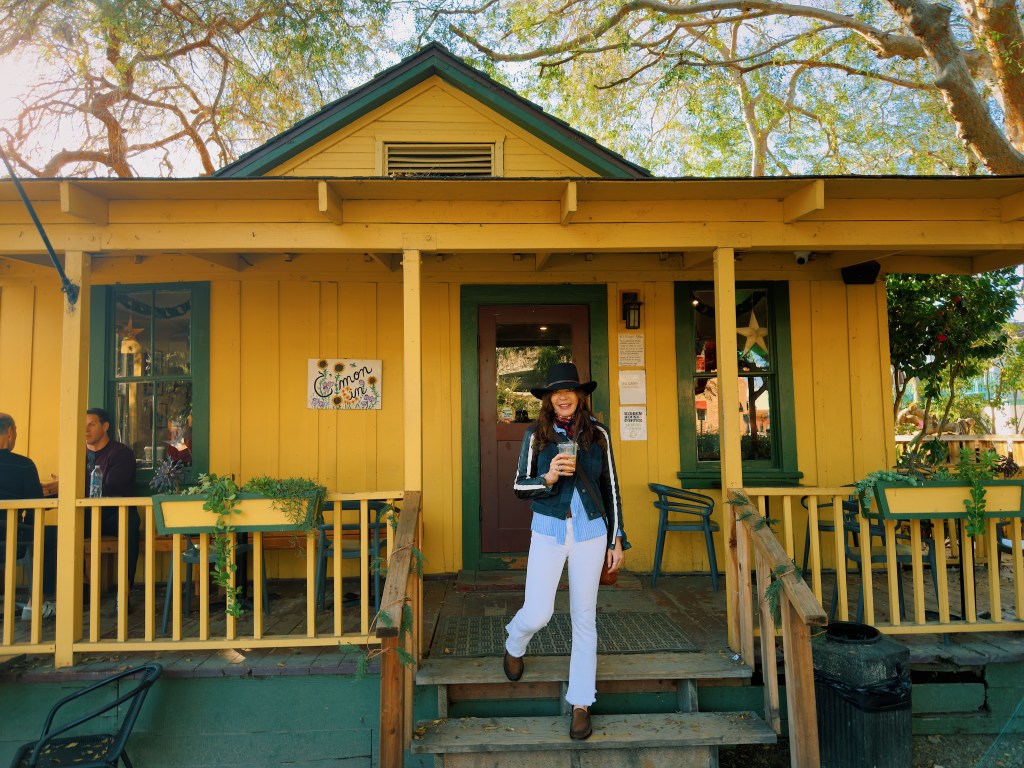
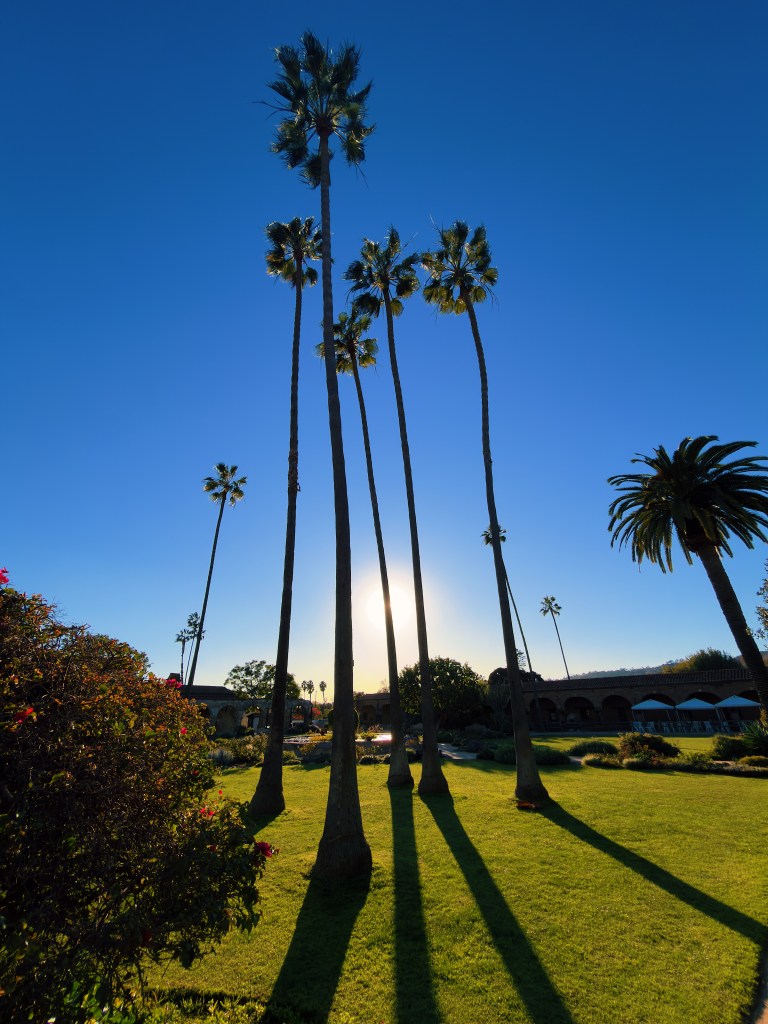
San Juan Capistrano is a town in Orange County, about an hour’s drive south of Long Beach. We started our visit there by having lunch in the Los Rios Historic District, which is California’s oldest continuously inhabited residential neighborhood.
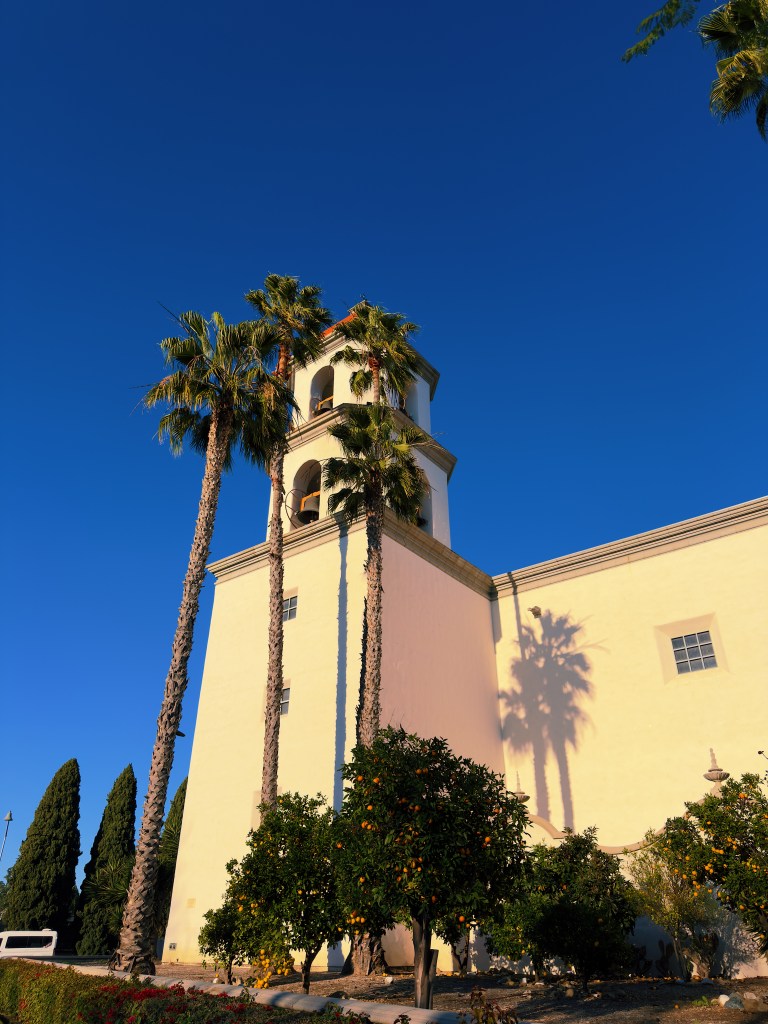
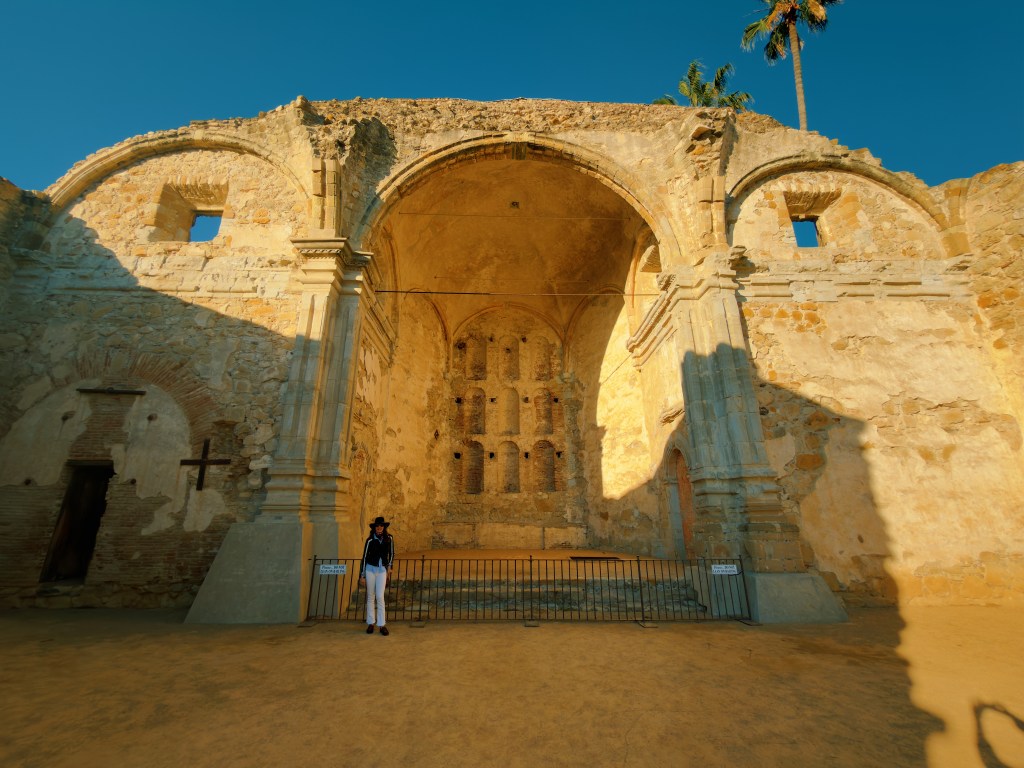
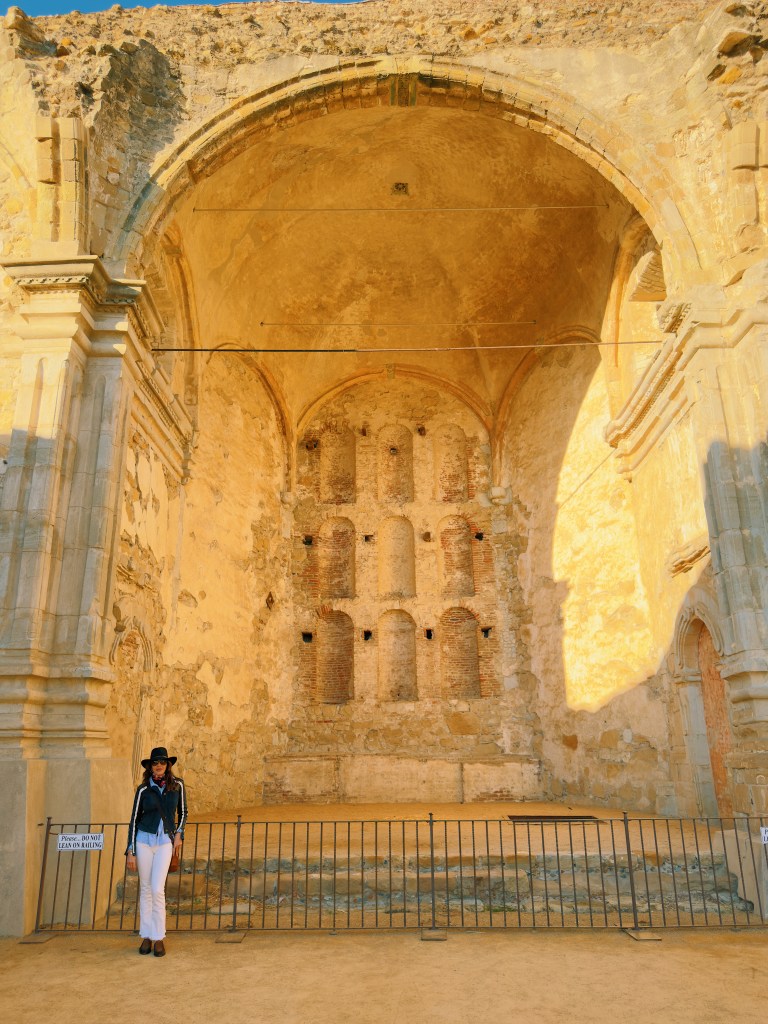
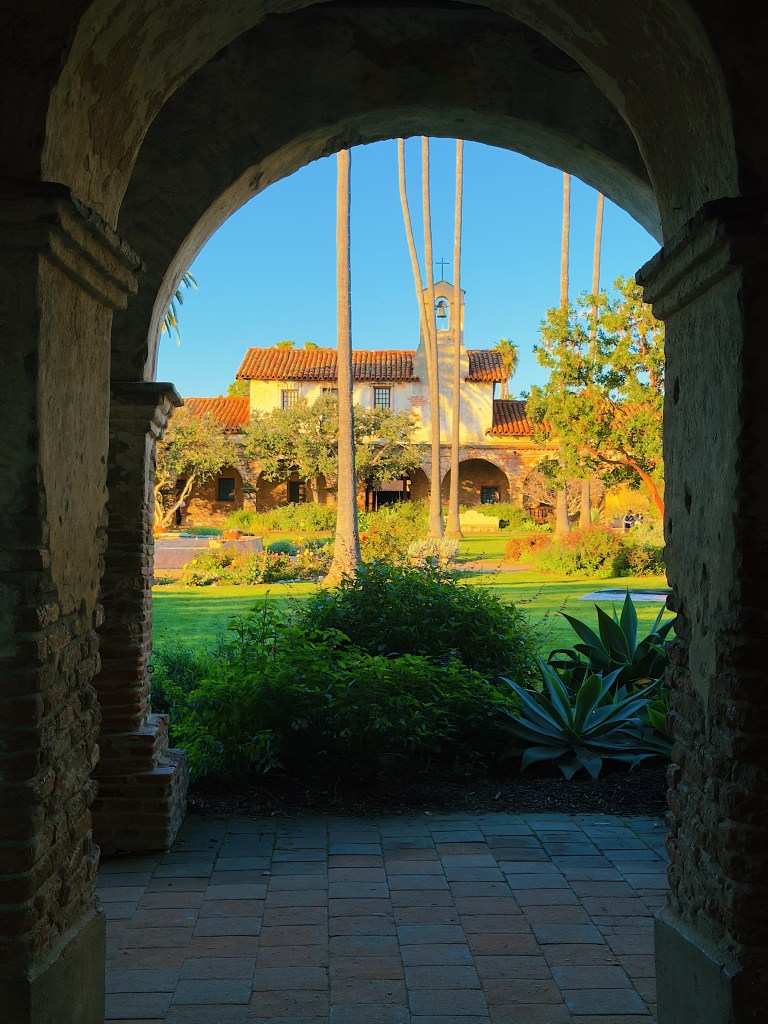
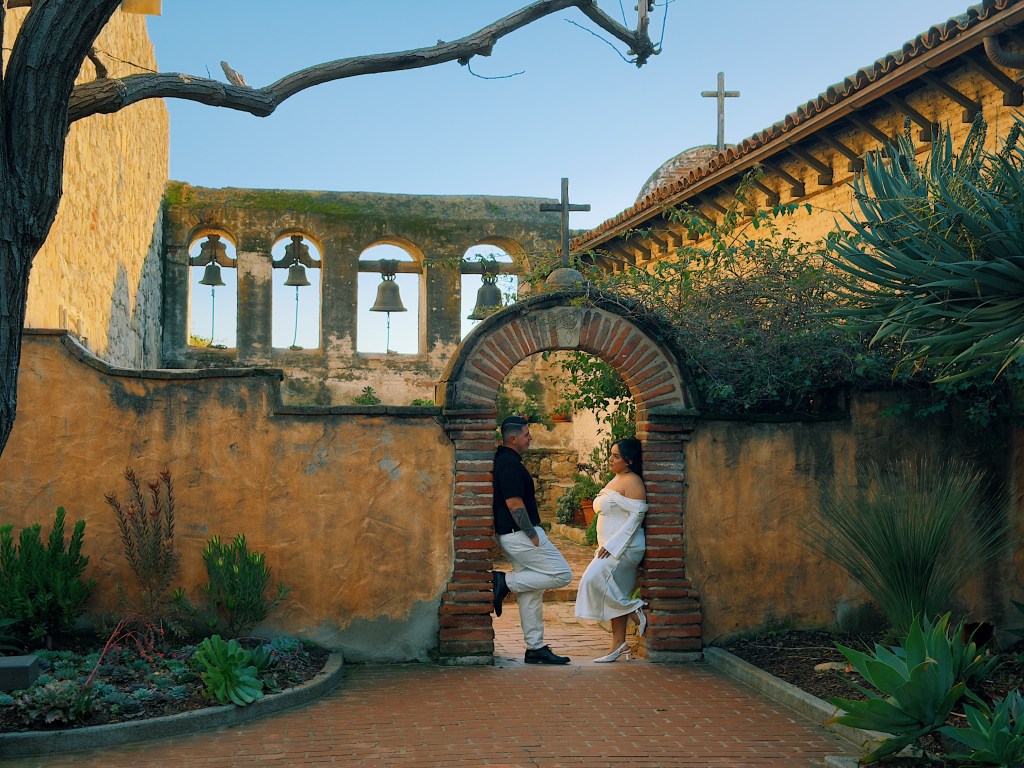
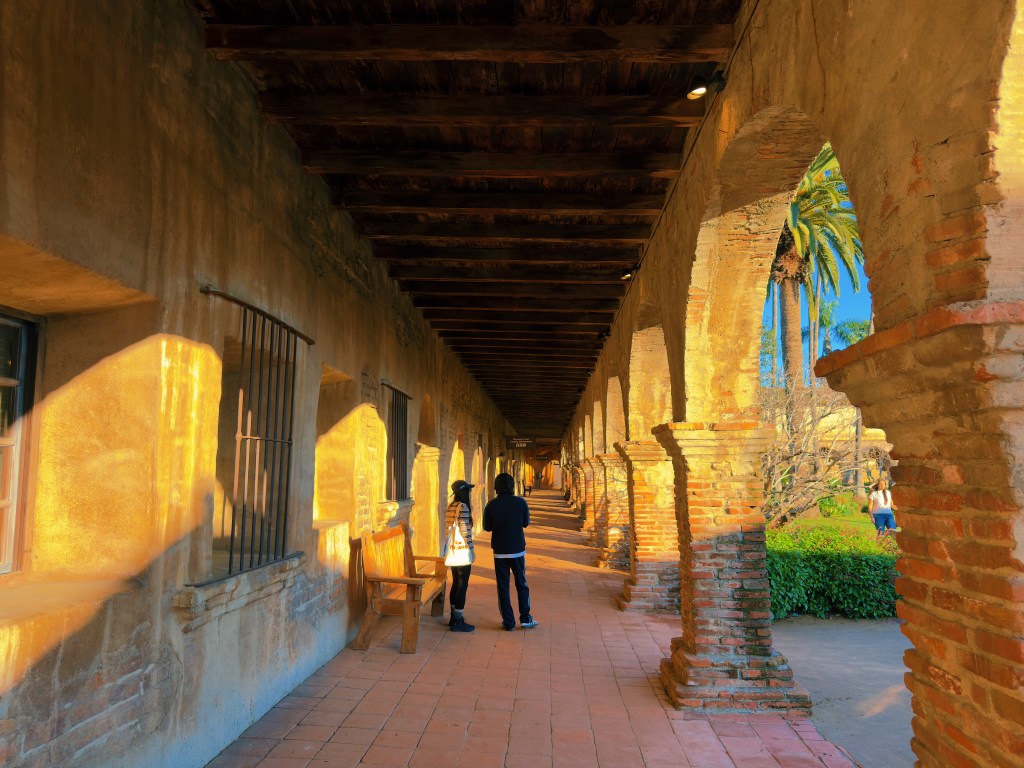
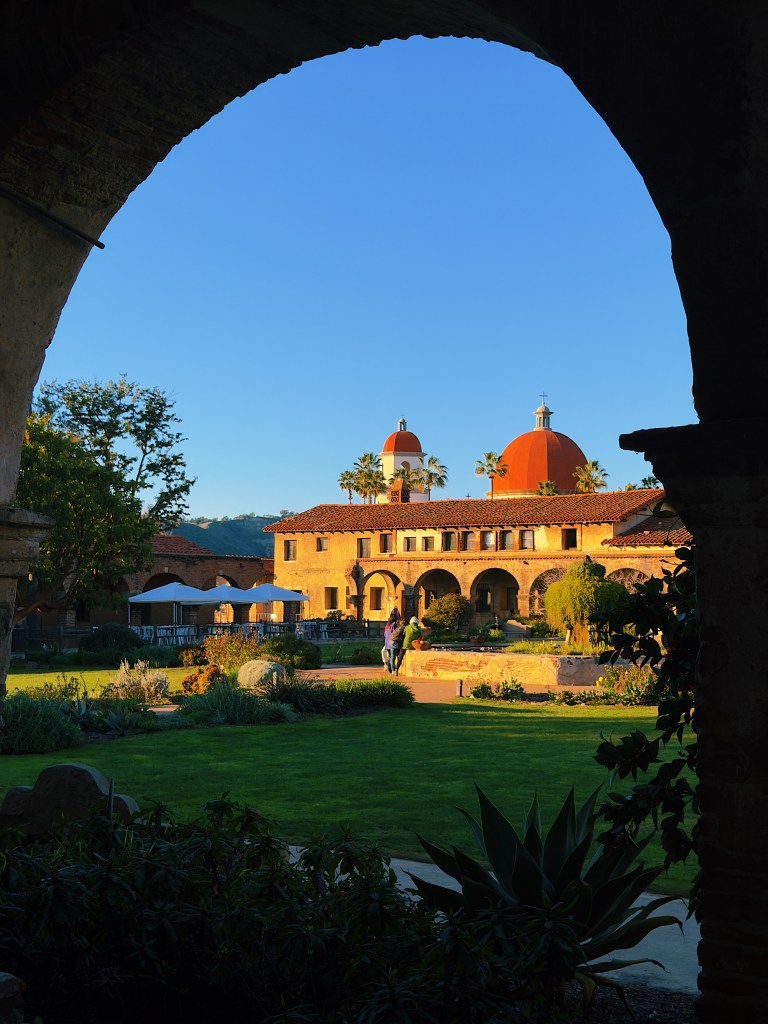
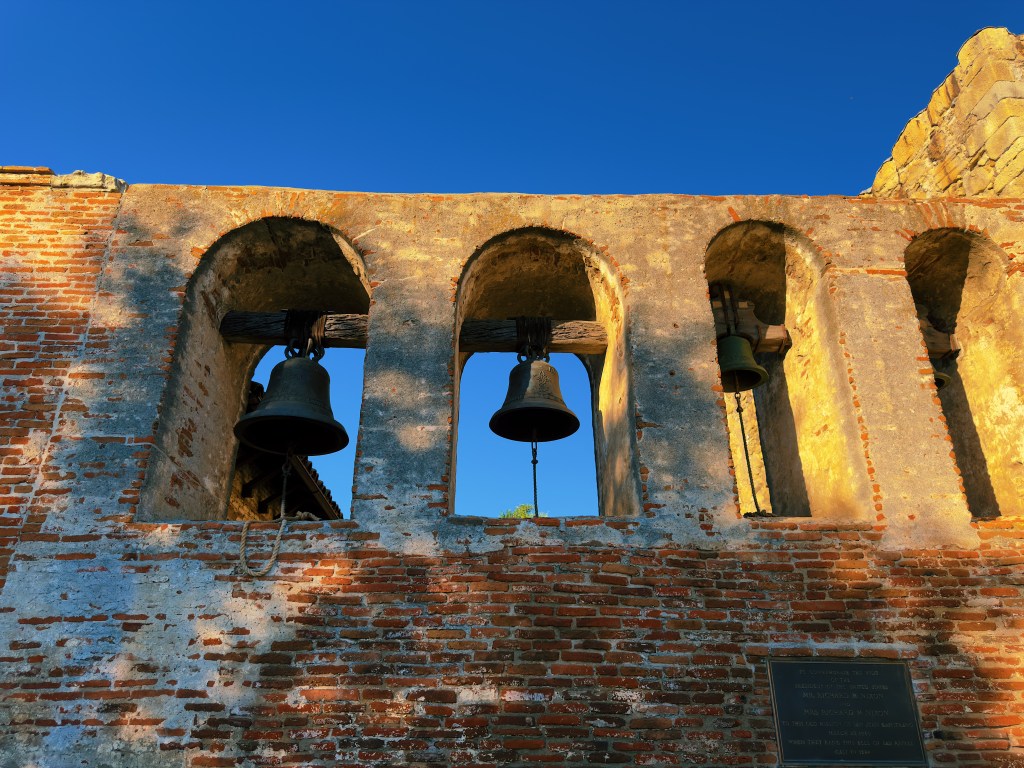
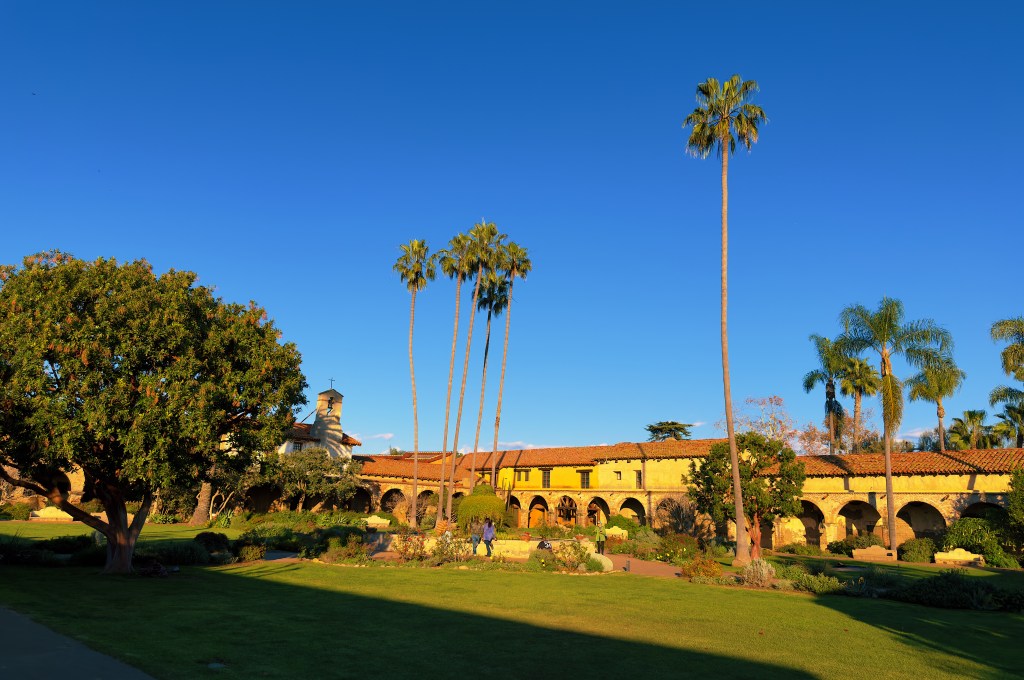
The main attraction in the town is its Mission. There are 21 historic Missions in California, established in the late 1700s and early 1800s by Franciscan priests as part of Spain’s efforts to colonize and convert the indigenous people of California. The Missions are spaced roughly 20-30 miles apart, stretching all the way from San Diego to north of San Francisco. The Mission San Capistrano was established in 1776 in the same year that the Americans on the east coast were declaring independence from the British. It would take another 74 years for California to become part of that new nation, becoming the 31st state in 1850.
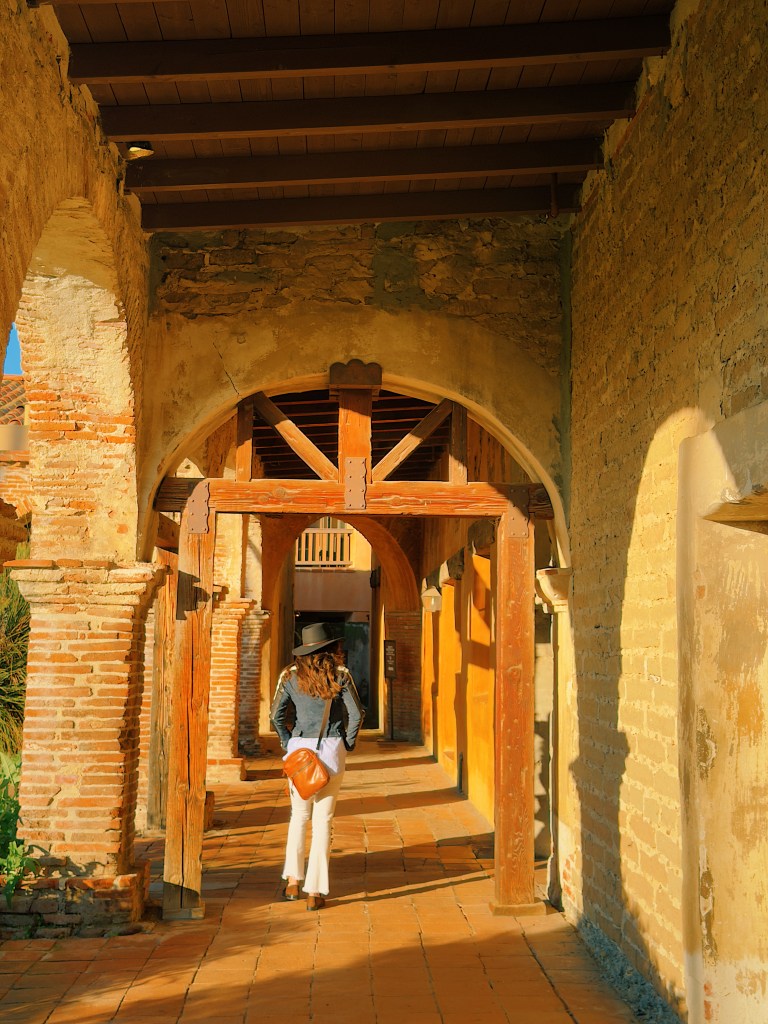
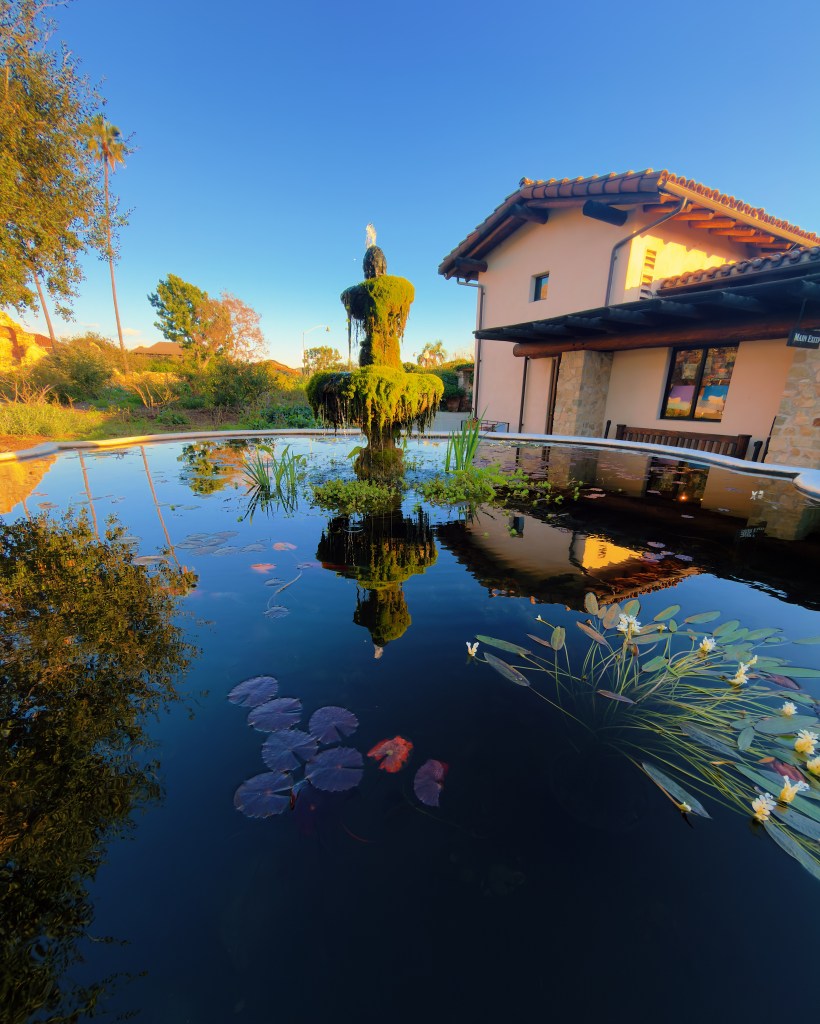
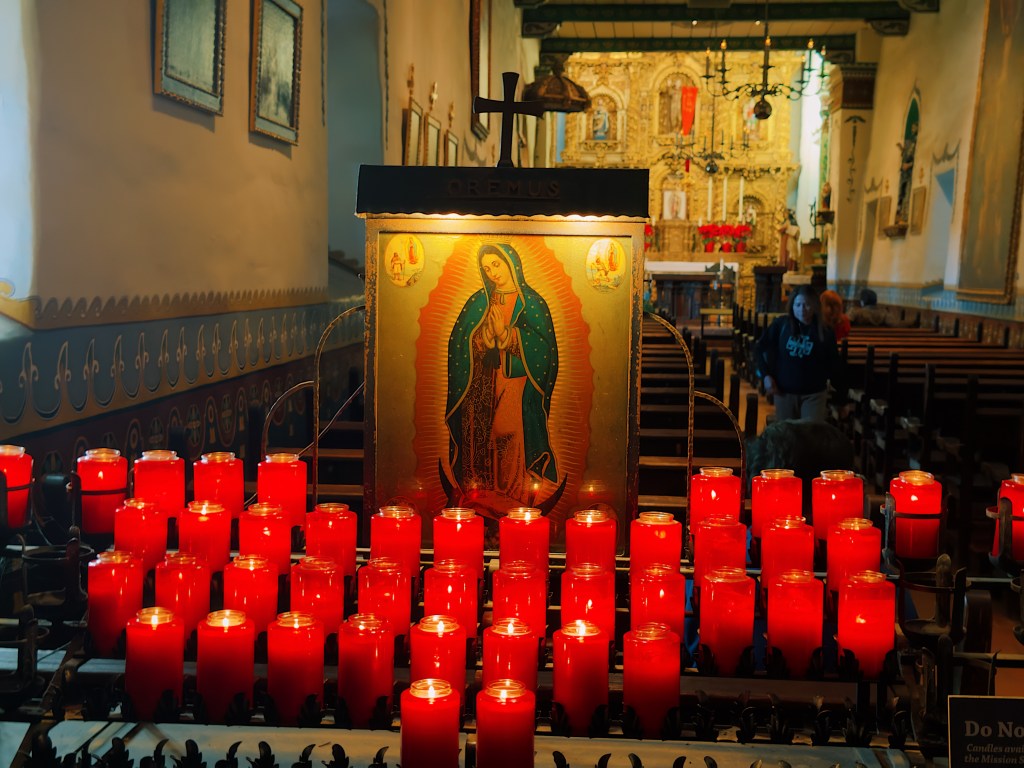
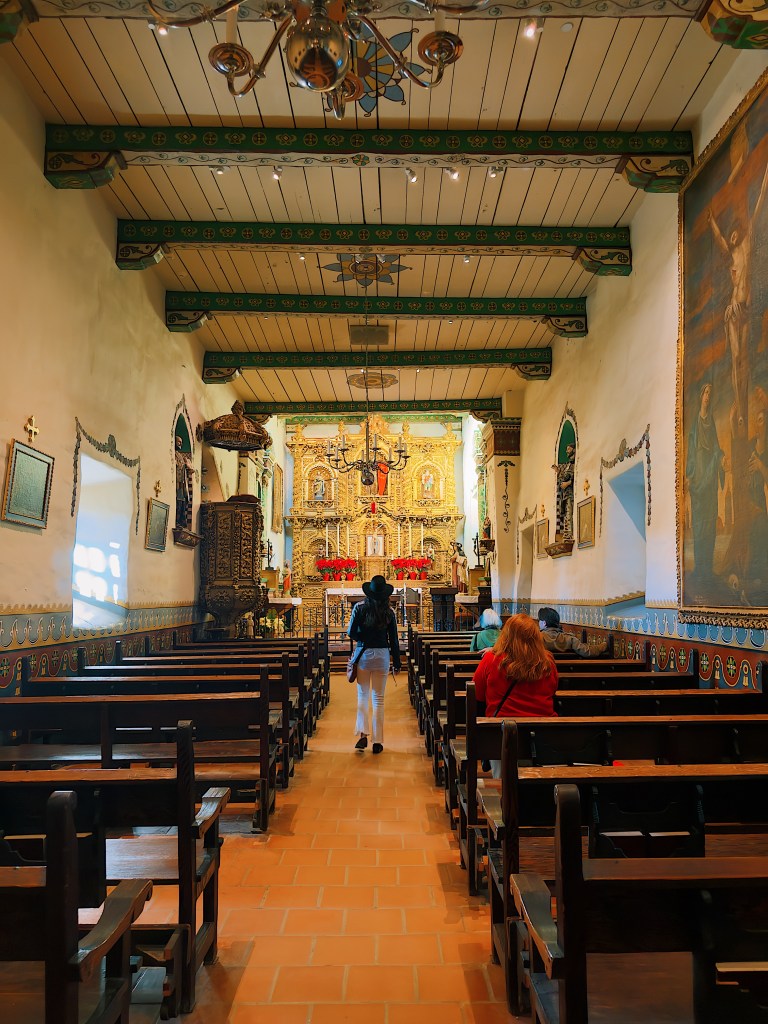
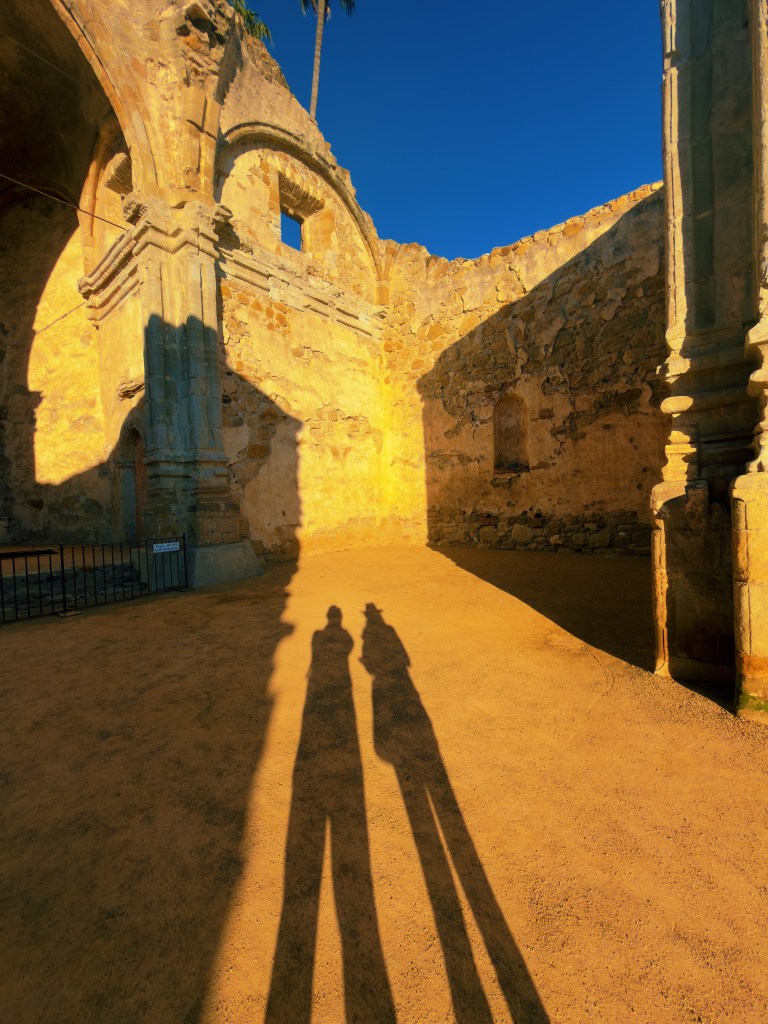
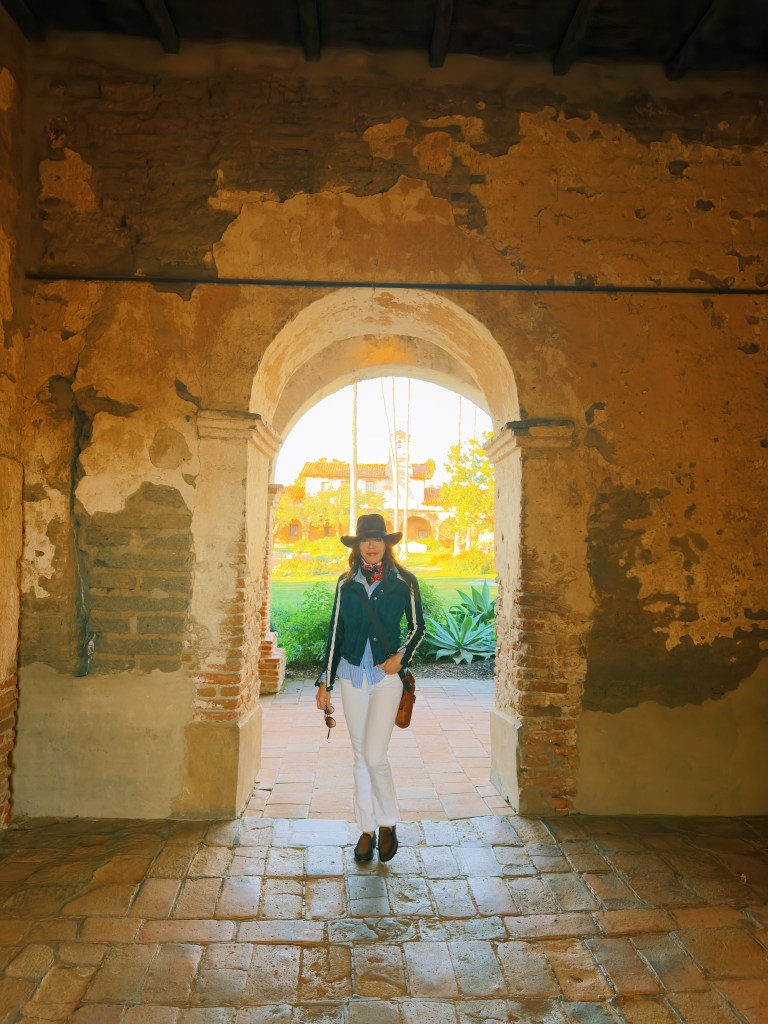
The San Capistrano Mission is sometimes called the Jewel of the Missions and walking around its grounds, it is easy to see why.
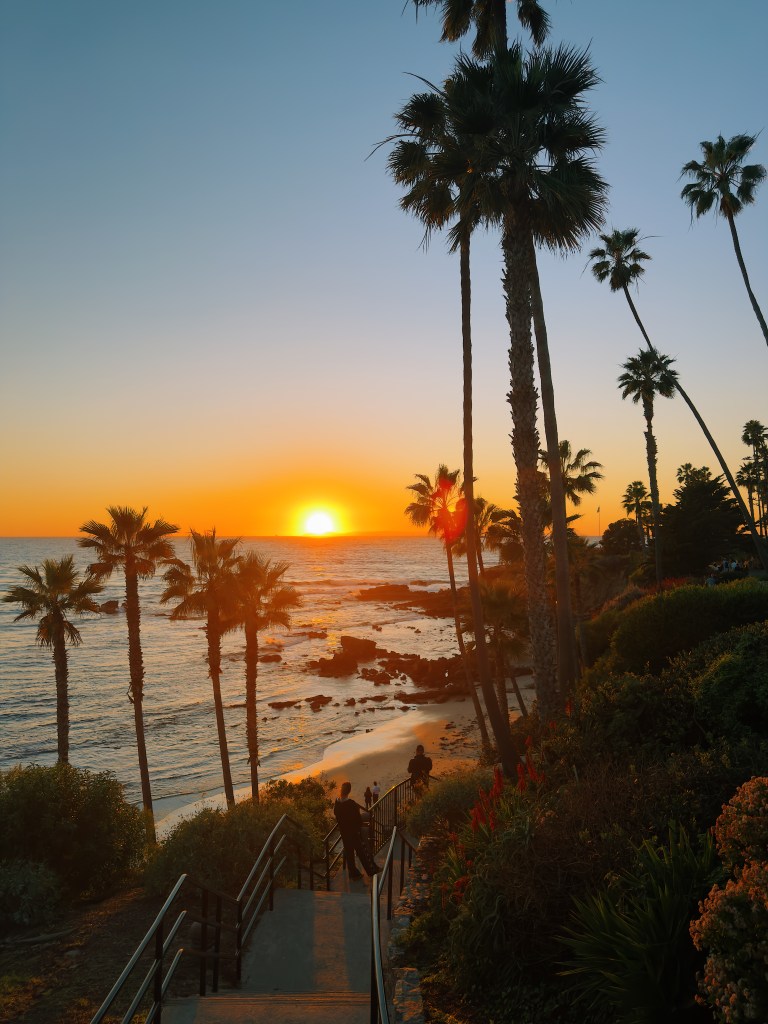
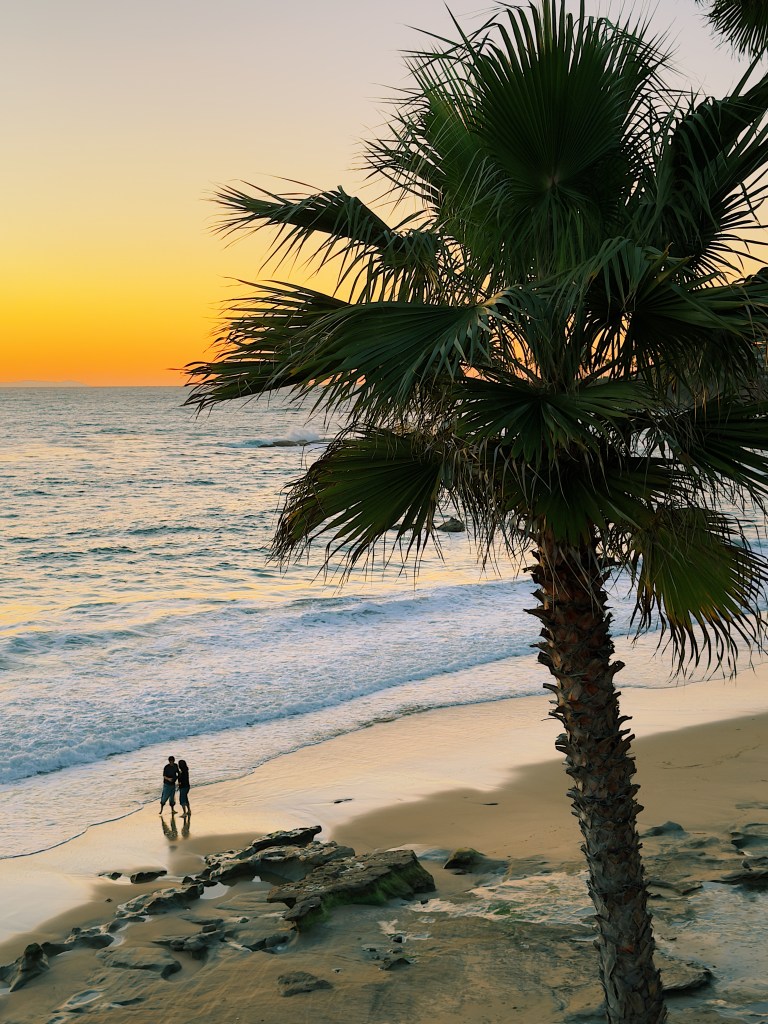
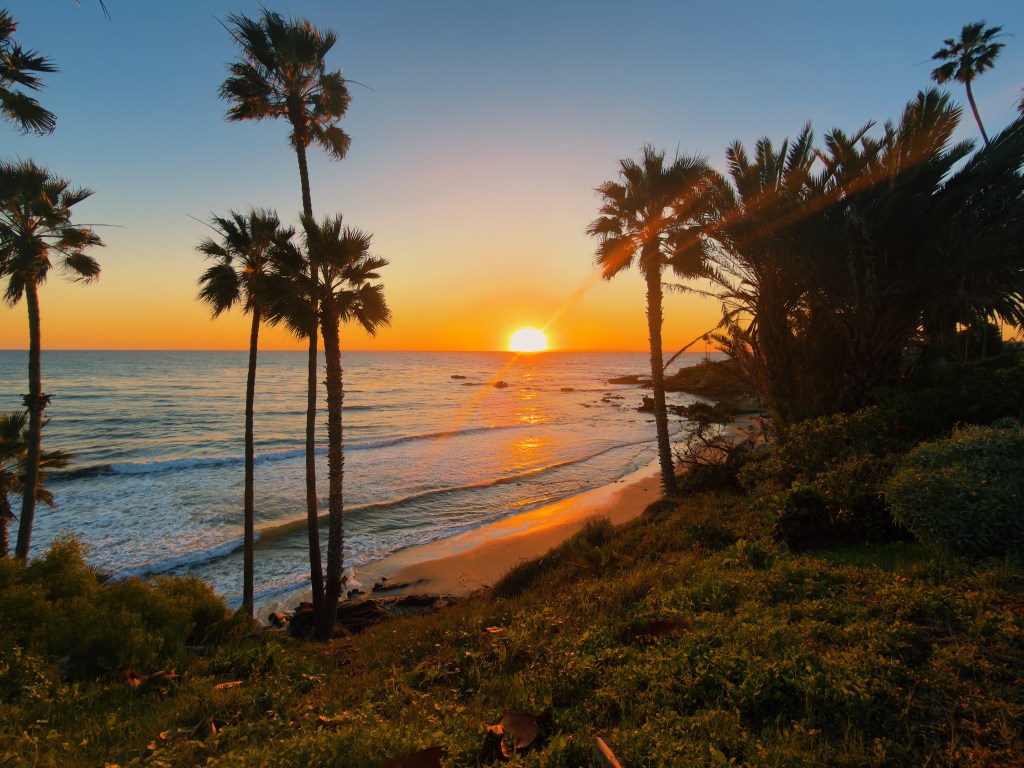
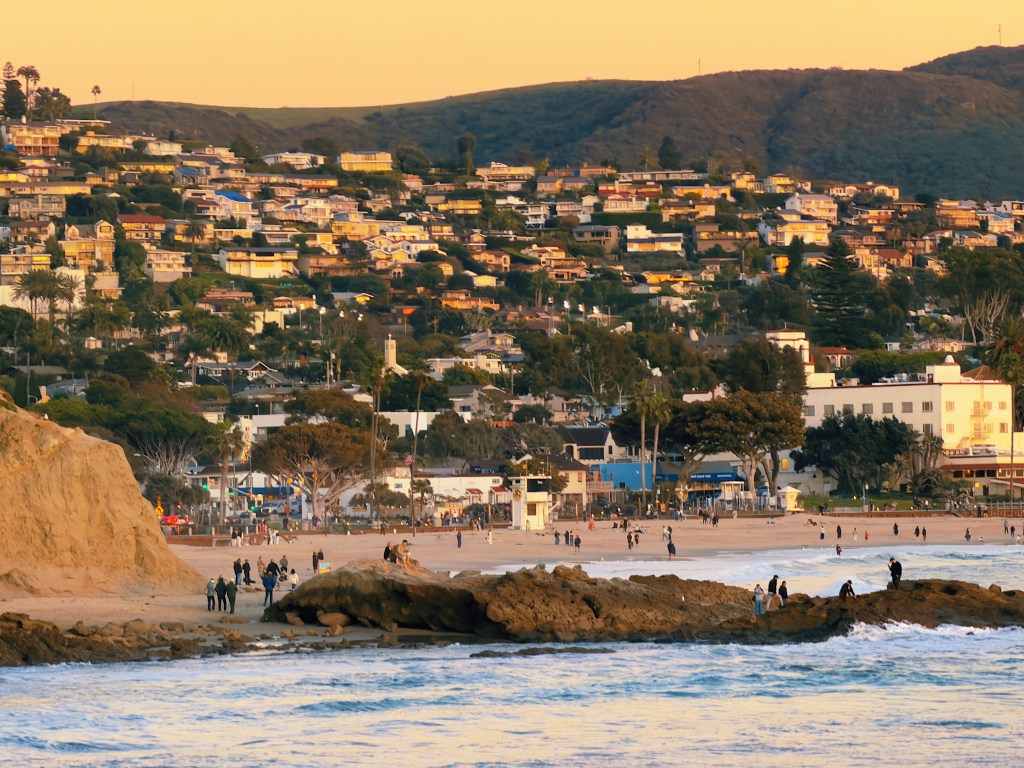
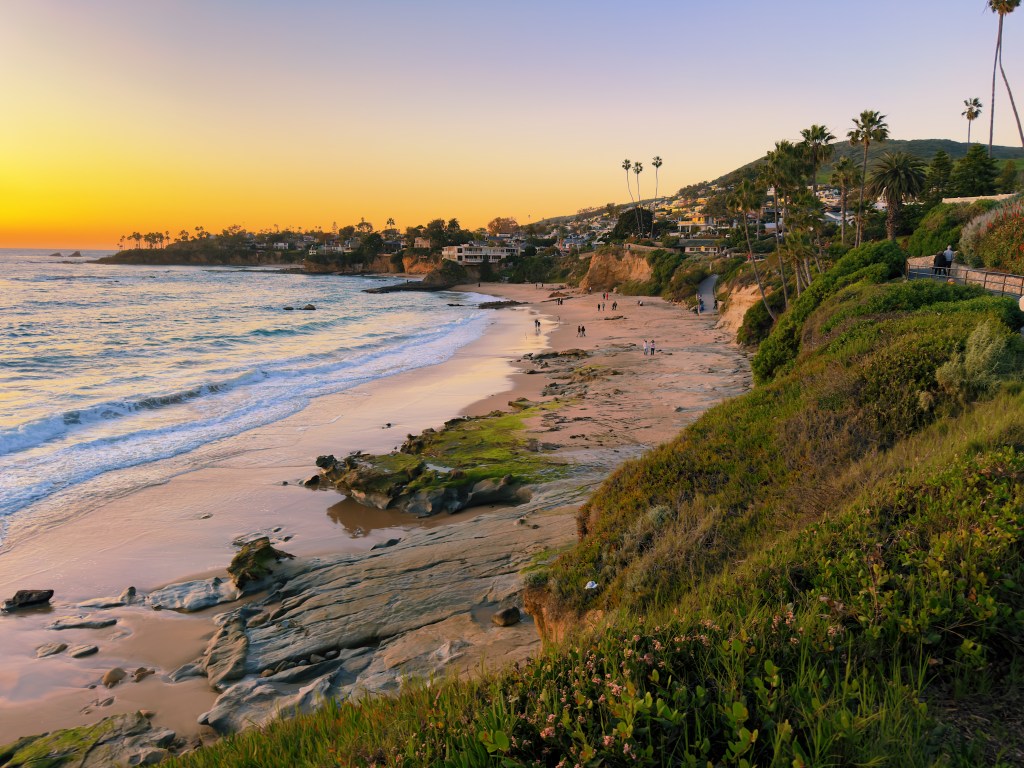
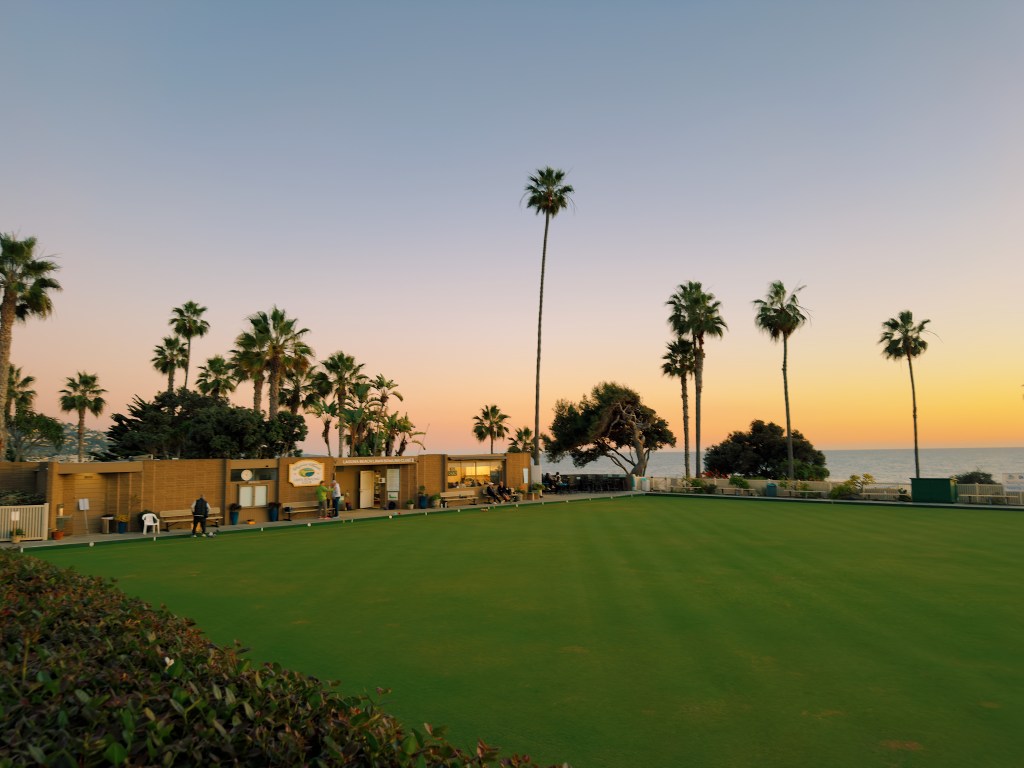
San Juan Capiastrano is near to one of our favourite spots in California, Laguna Beach, so we decided to drive over there for an early dinner and to enjoy the spectacular sunset.
Sitting on the edge of the cliff is the first lawn bowling club we have come across in the United States. It is also one of the prettiest we have seen anywhere.
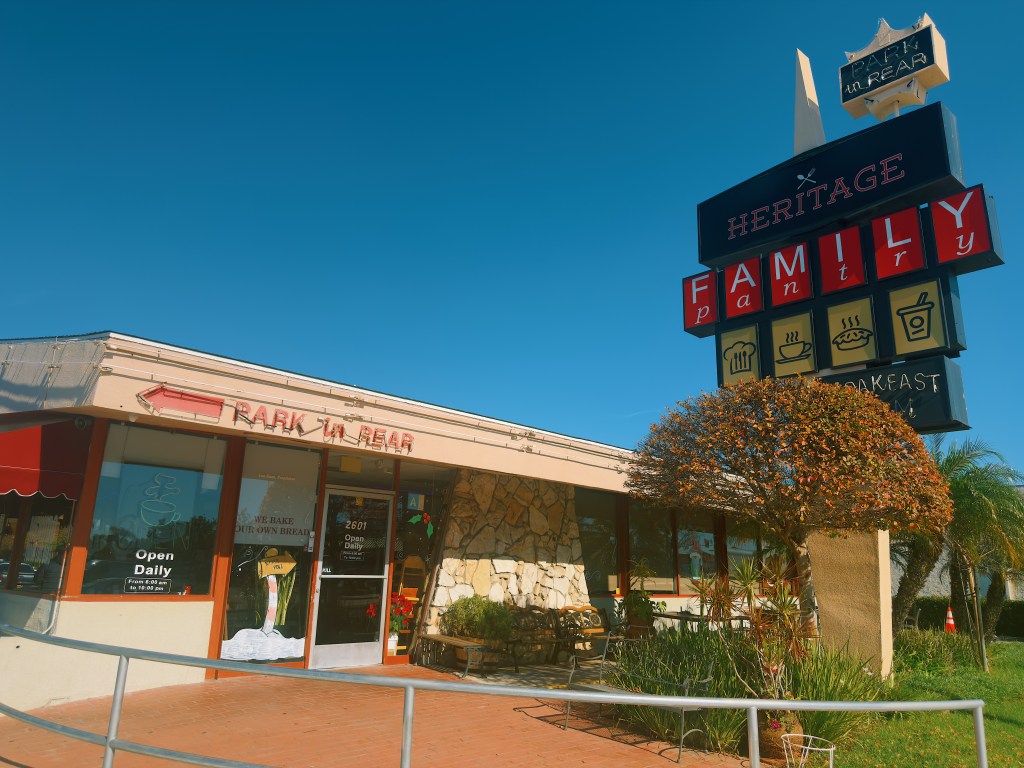
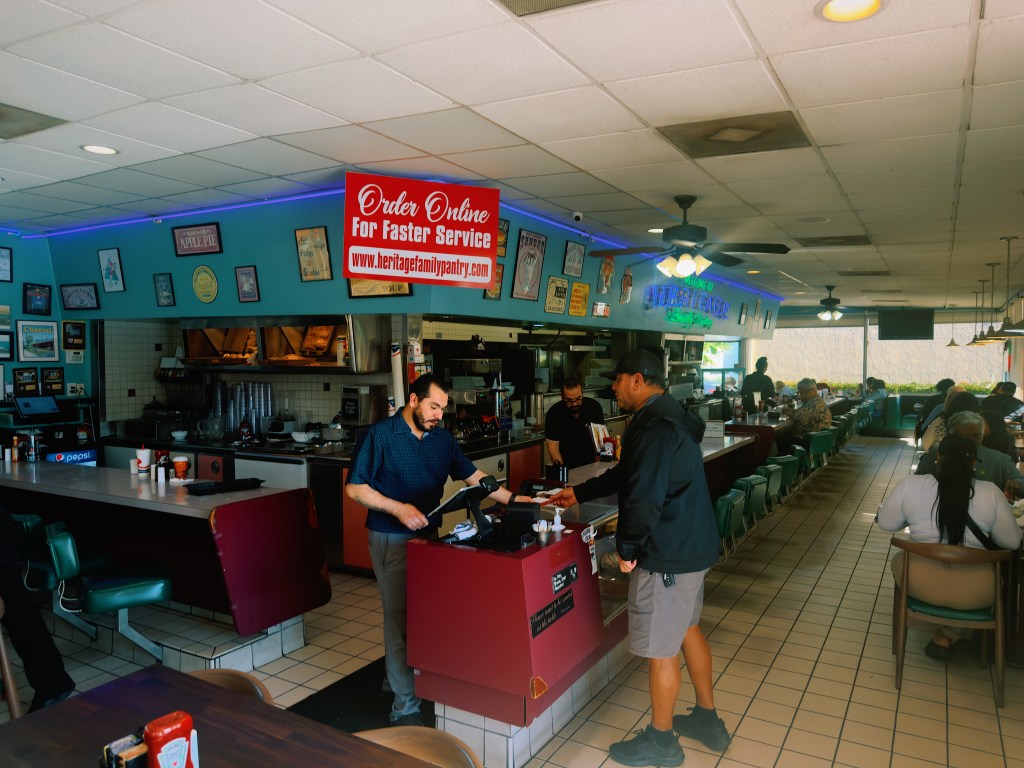
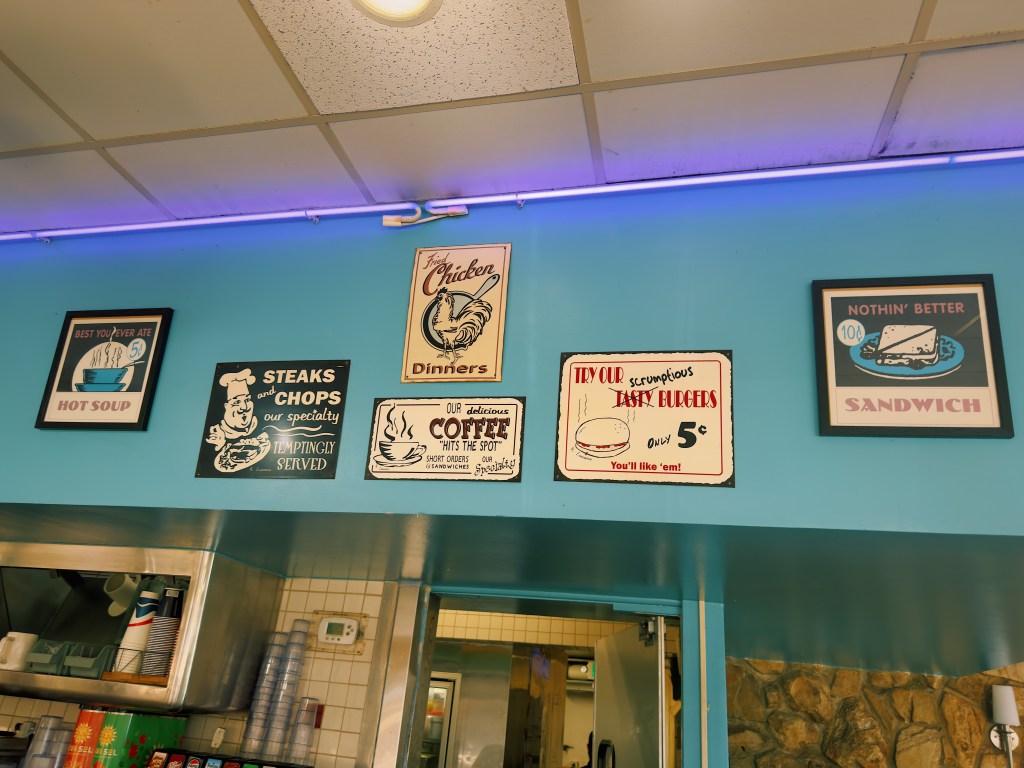
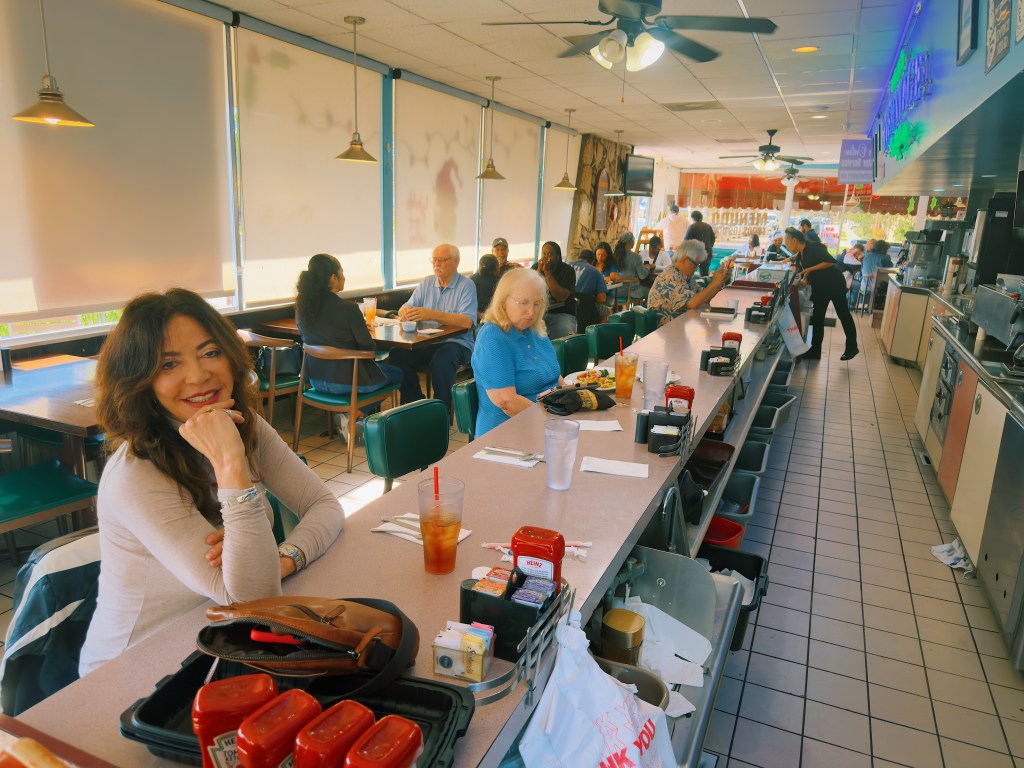
One thing Long Beach and Lakewood have is an abundance of classic American diners, so we have decided to start checking them out. First on the list was Heritage Family pantry where we enjoyed a classic diner breakfast of eggs over easy, hash browns and a side of turkey bacon.
Lauren’s sister, Marcy, lives in the Los Angeles neighborhood of Tarzana. Located in the San Fernando Valley (AKA The Valley), the land it sits on was once owned by Edgar Rice Burroughs, the creator of Tarzan, hence the name.
Burroughs led an interesting life. Born in Chicago in 1875 he graduated from the Michigan Military Academy in 1895 and having been rejected by the U.S. Military Academy at West Point, enlisted in the Seventh U.S. Cavalry and was posted in Arizona. His mission there, as he put it, was to chase Apaches. “I chased a good many Apaches but fortunately for me I never caught up with any of them”. After leaving the cavalry he got married and moved back and forth across the United States taking on various jobs for the next eleven years. He became a cowboy, a shopkeeper, a railroad policeman, a gold miner, and perhaps most surprisingly, an accountant. He even applied for a commission in the Chinese Army but his application was summarily rejected. He also began writing stories. After having a number of stories rejected he finally found a publisher for his novel Tarzan of the Apes. The book was a huge success and Burroughs followed up with a torrent of novels, including over two dozen Tarzan sequels. In 1918 the first Tarzan novel came to the screen and to date there have been over 40 Tarzan movies and fifty television episodes. Finding himself increasingly wealthy, Burroughs purchased a 550 acre estate in the Valley which he named Tarzan Ranch.
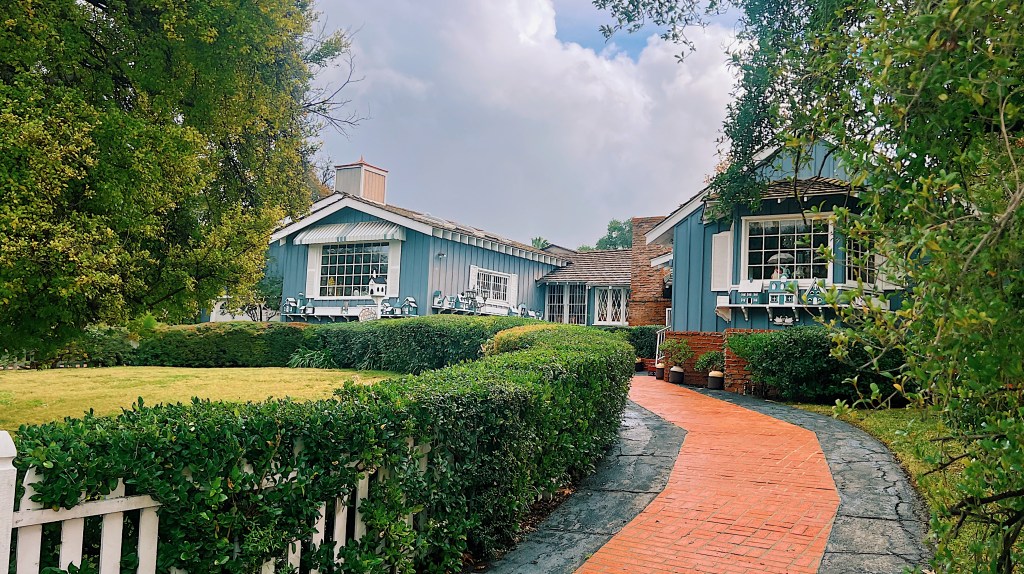
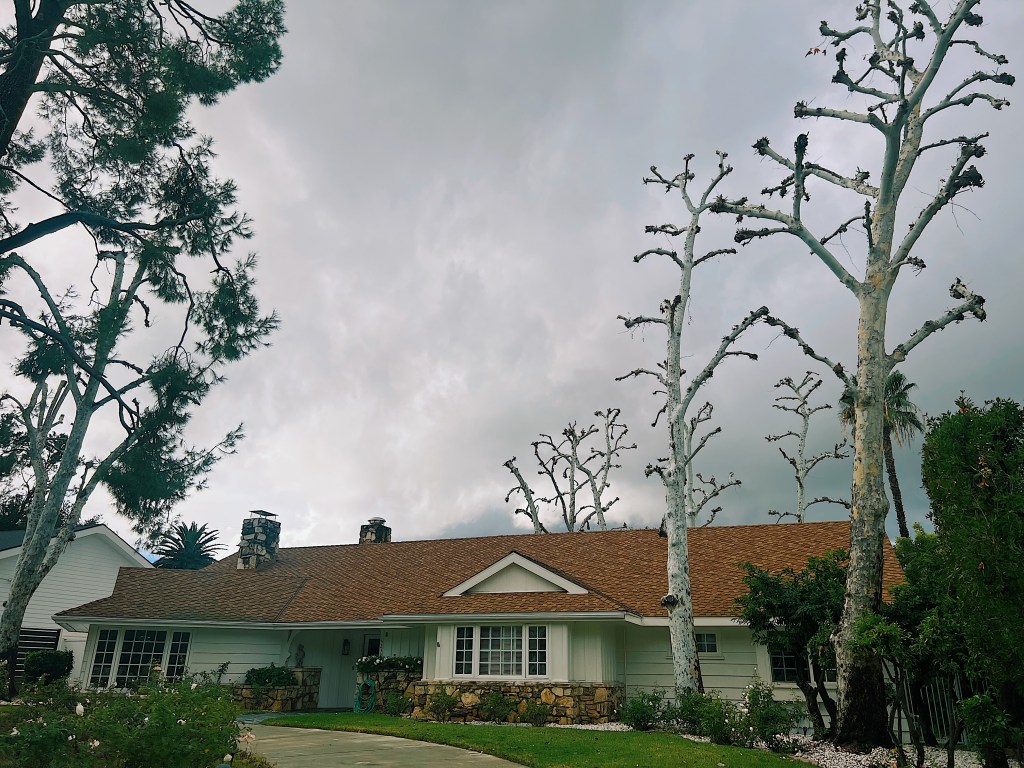
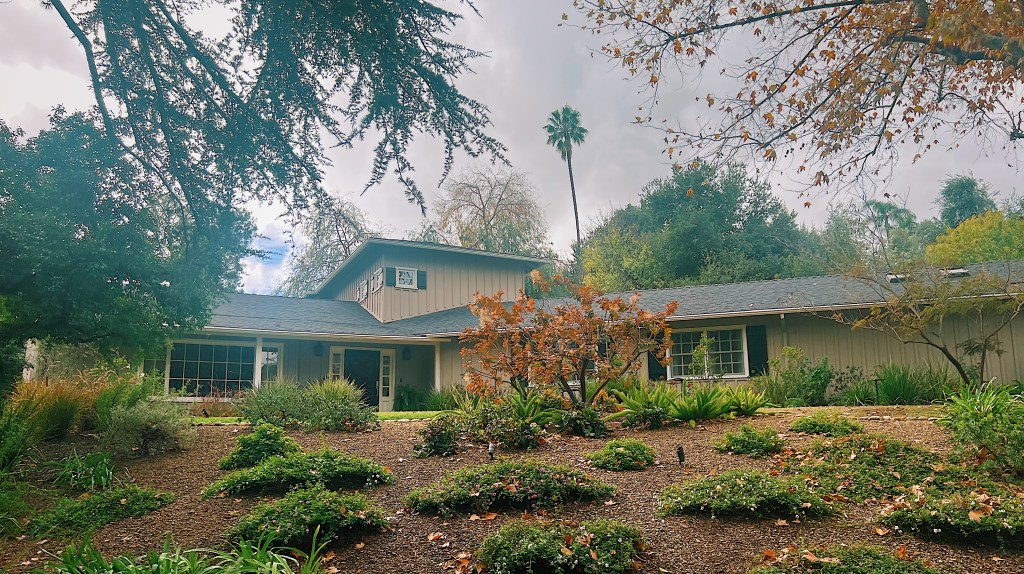
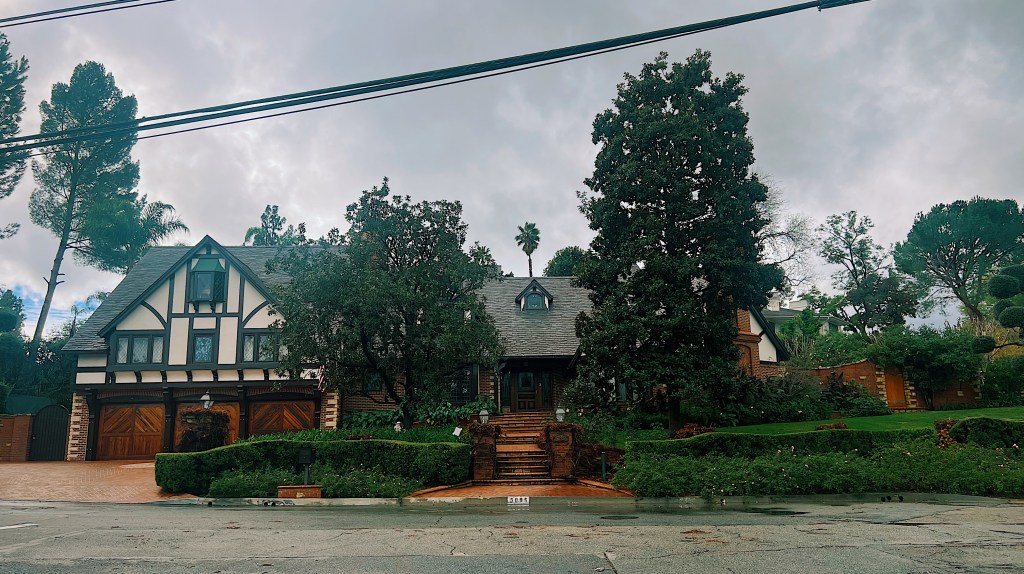
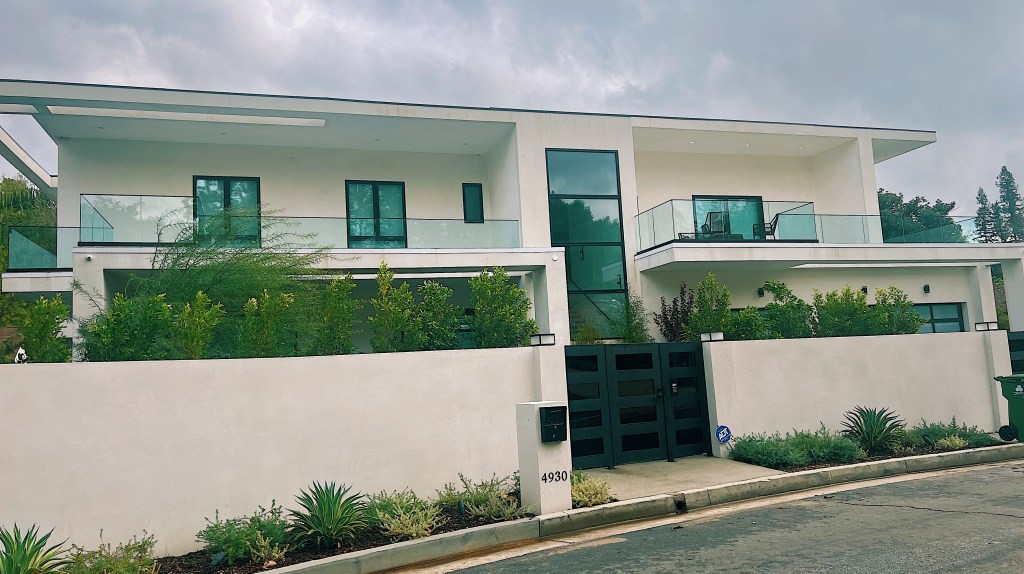
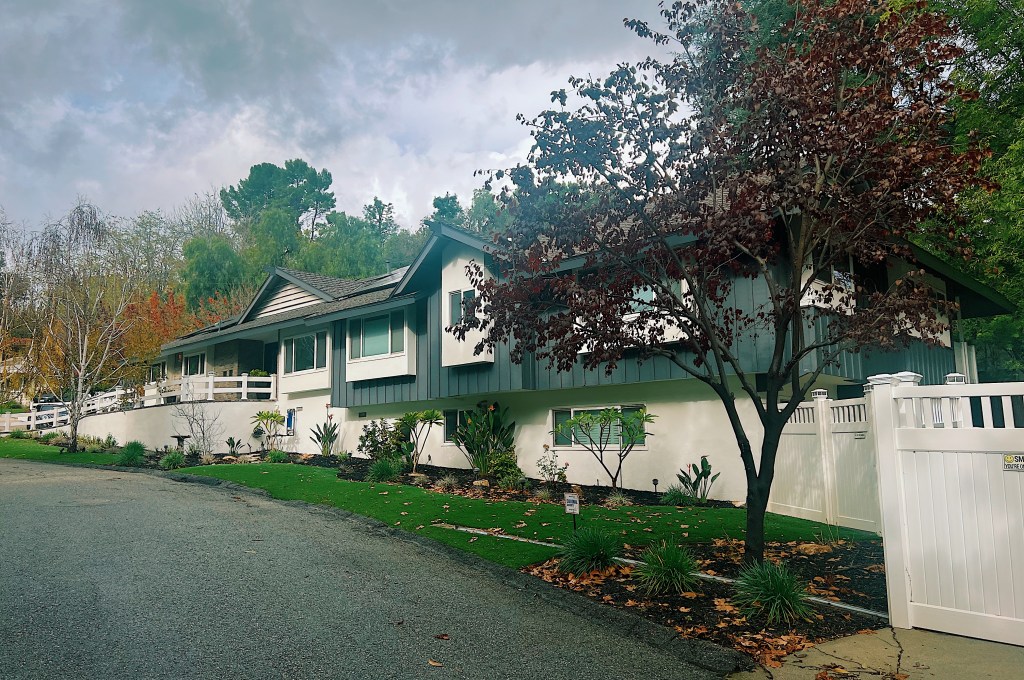
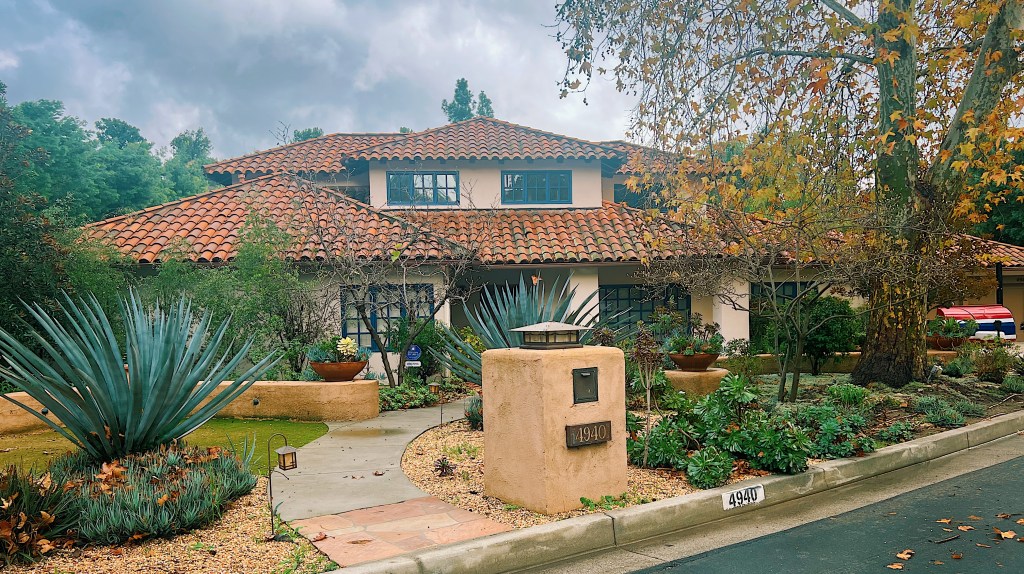
The original homes in the neighborhood are mid-century ranch-style homes. However, as the area has become more affluent, more and more of these homes have been pulled down and replaced with larger homes of different styles.
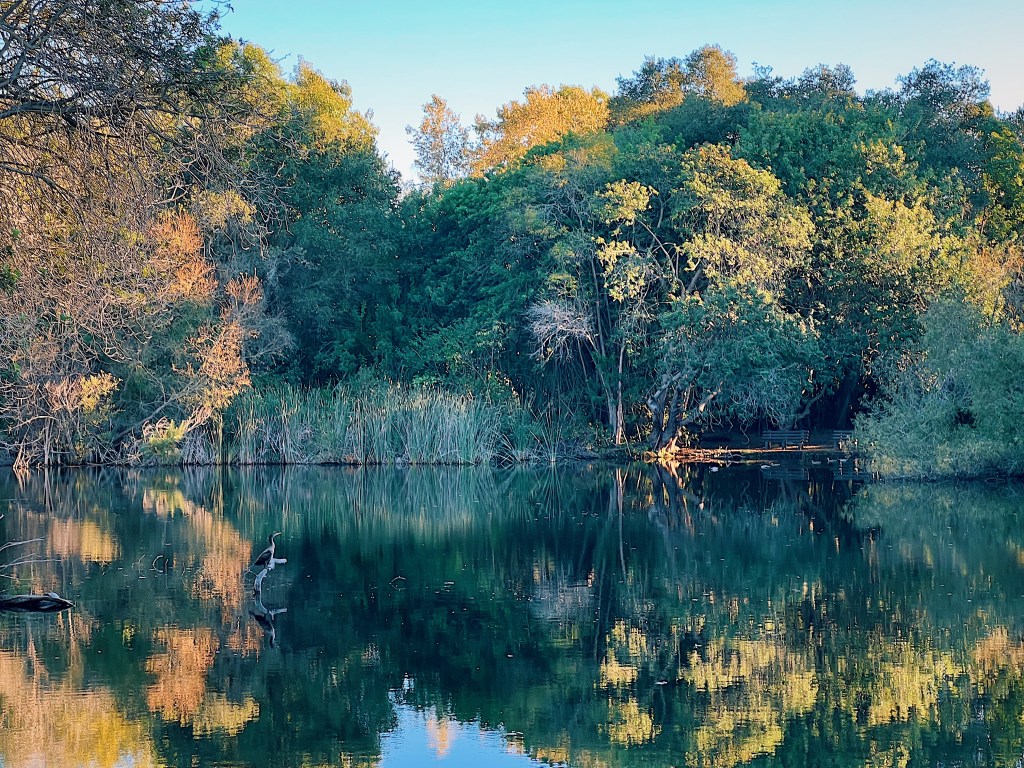
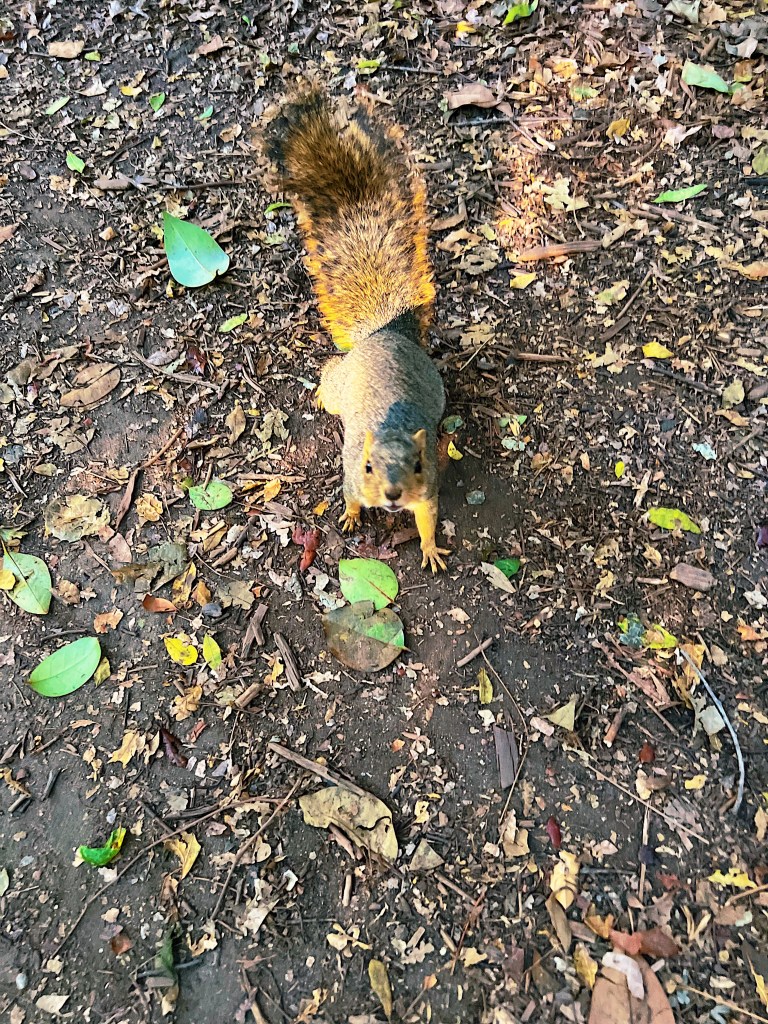
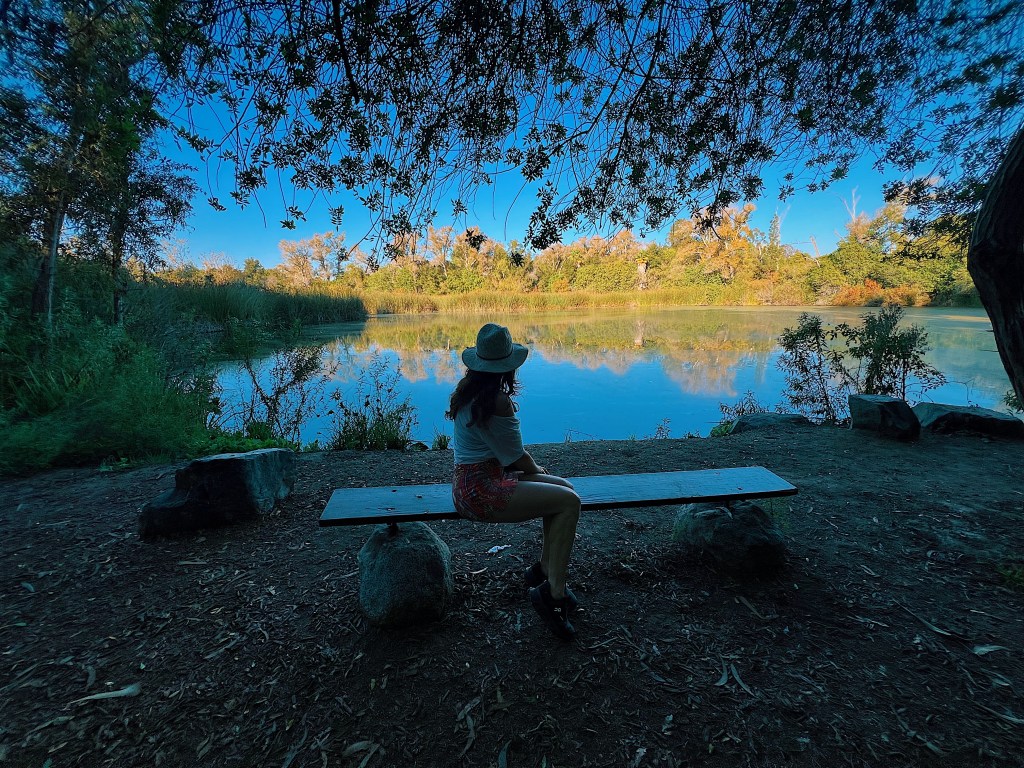
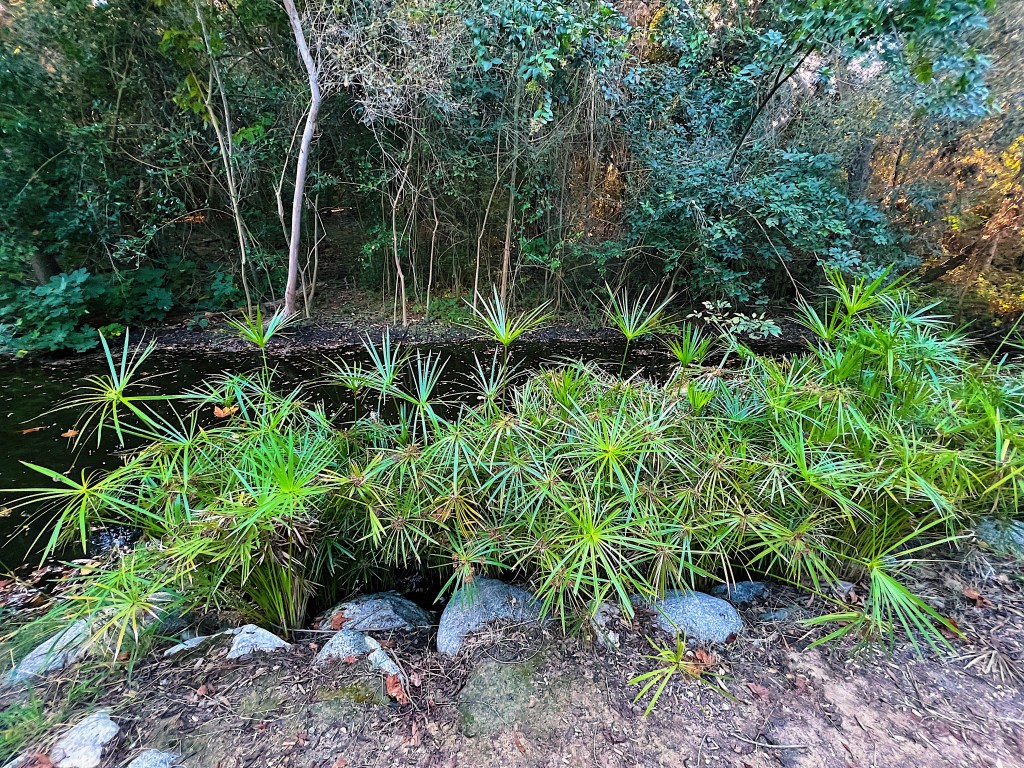
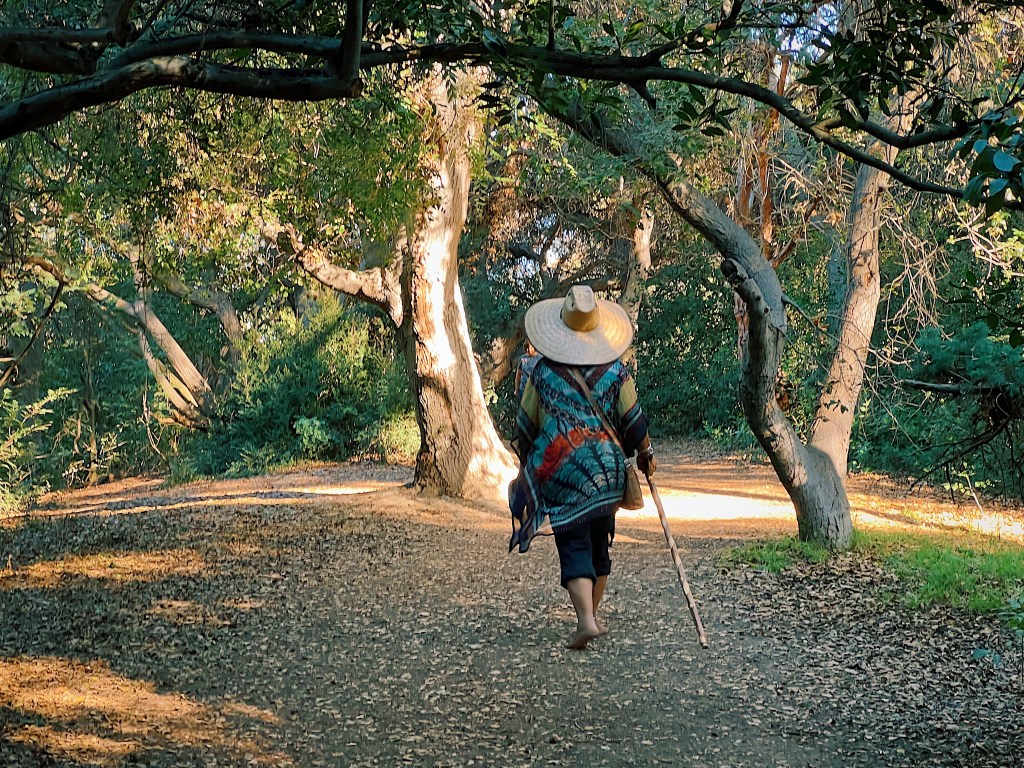
Right in the middle of Long Beach is the El Dorado Nature Center, 105 acres of forest, surrounding a stream and two lakes. Our daughter-in-law, Kylie, guided us through the trails that wind through the Center. Along for the ride was our new grandson, Oli, who was experiencing his first stroll through the woods. The Center provided an interesting juxtaposition to the surrounding dry landscape of Long Beach. It was more like the Washington DC than Southern California. There were even aggressive squirrels.
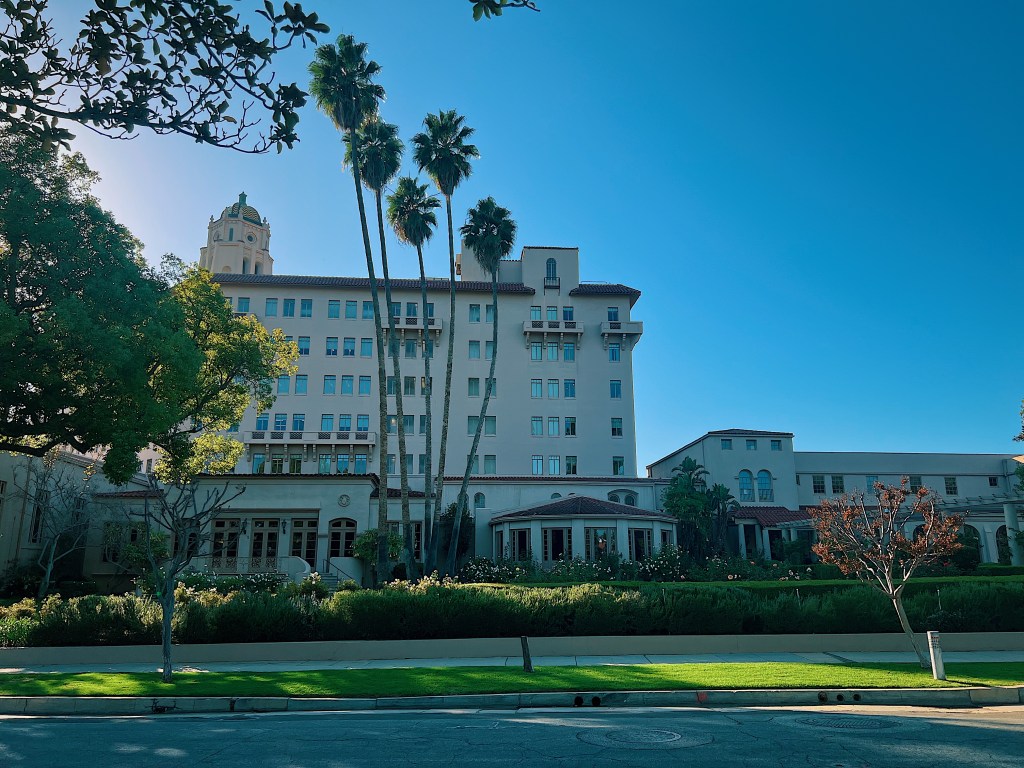
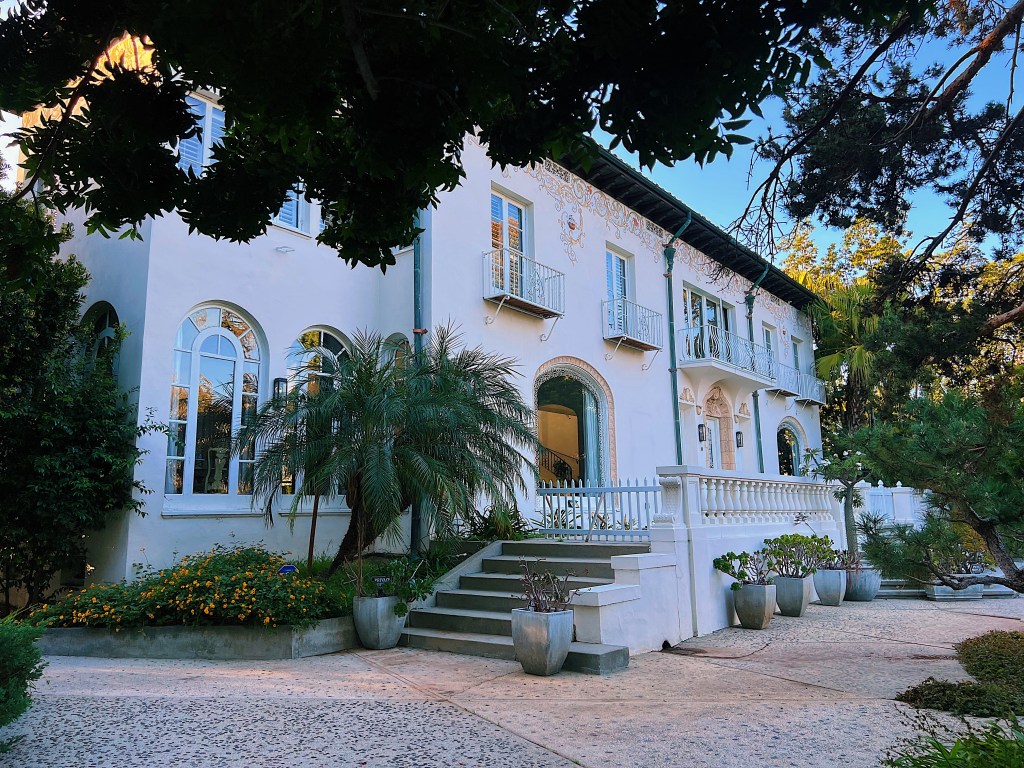
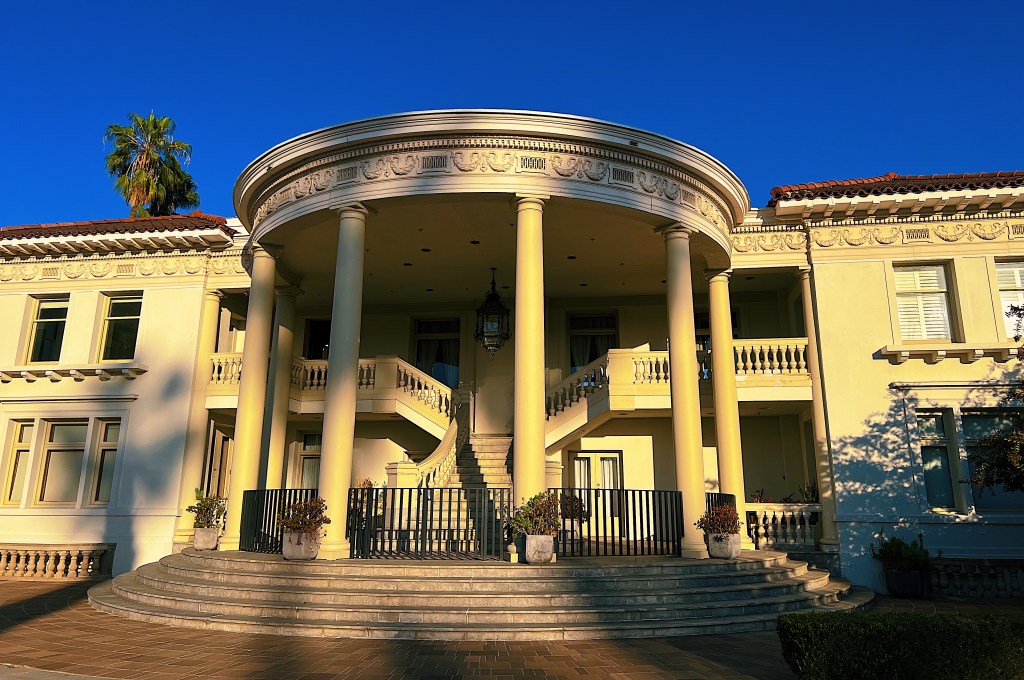
Our good friends Todd and Kristin live in Pasadena, which is about ten miles northeast of downtown LA. Todd took us for a tour through their beautiful neighborhood. First stop was the home of the Ninth Circuit Court of Appeals. The US Courts of Appeals review decisions from the District Courts and are one level below the Supreme Court. There are 13 US Courts of Appeals that, all except for one, are organized by geographic region. The exception is the US Court of Appeals for the Federal Circuit which hears specific types of cases, including patents, international trade, trademarks. The Ninth Circuit covers all of the western states, including California. The courthouse was built as a resort hotel. But during World War II, it was acquired by the US War Department and converted into an army hospital. It was then used by a number of federal agencies before becoming a courthouse in the 1980s. It is beautiful Spanish Colonial Revival style building and is listed on the National Register of Historic Places.
The courthouse is surrounded by other beautiful buildings, including The Maxwell House, home of the Western Justice Center
The Shakespeare Club
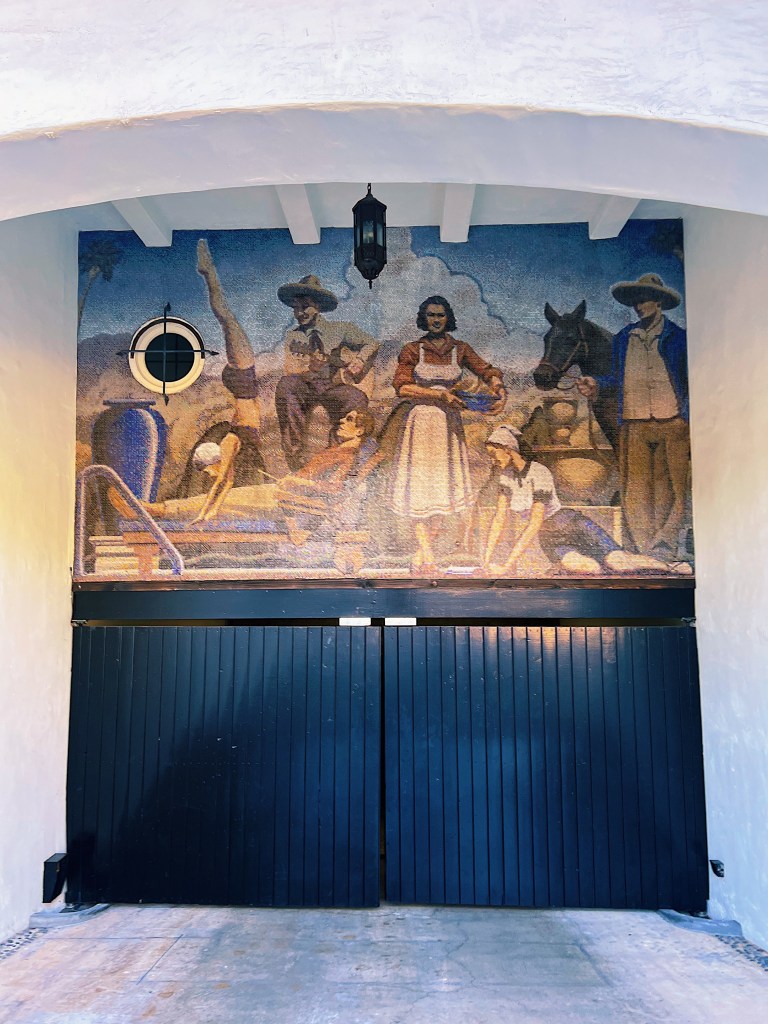
And this small apartment building, which had a beautiful mosaic mural over the entry to its parking.
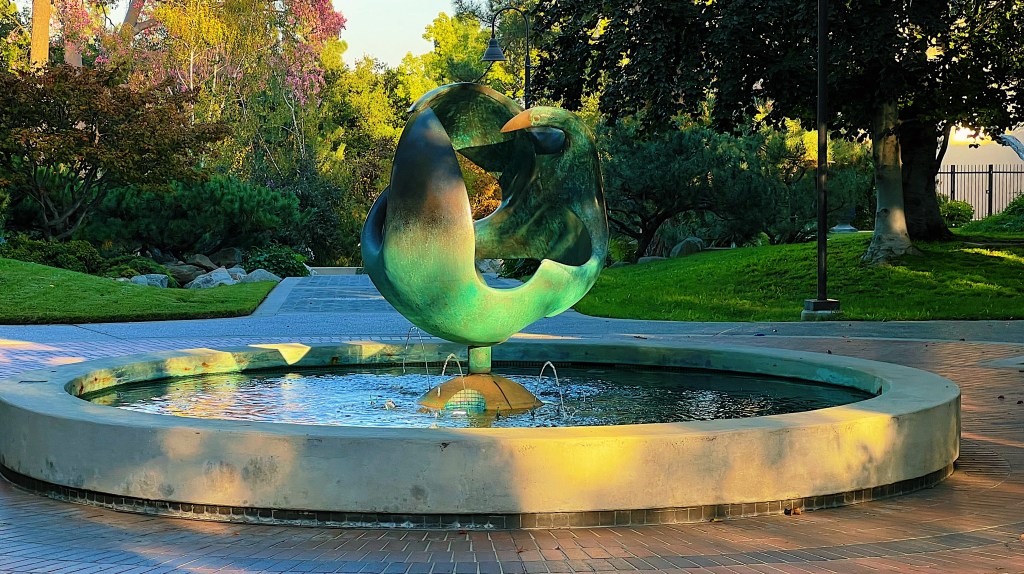
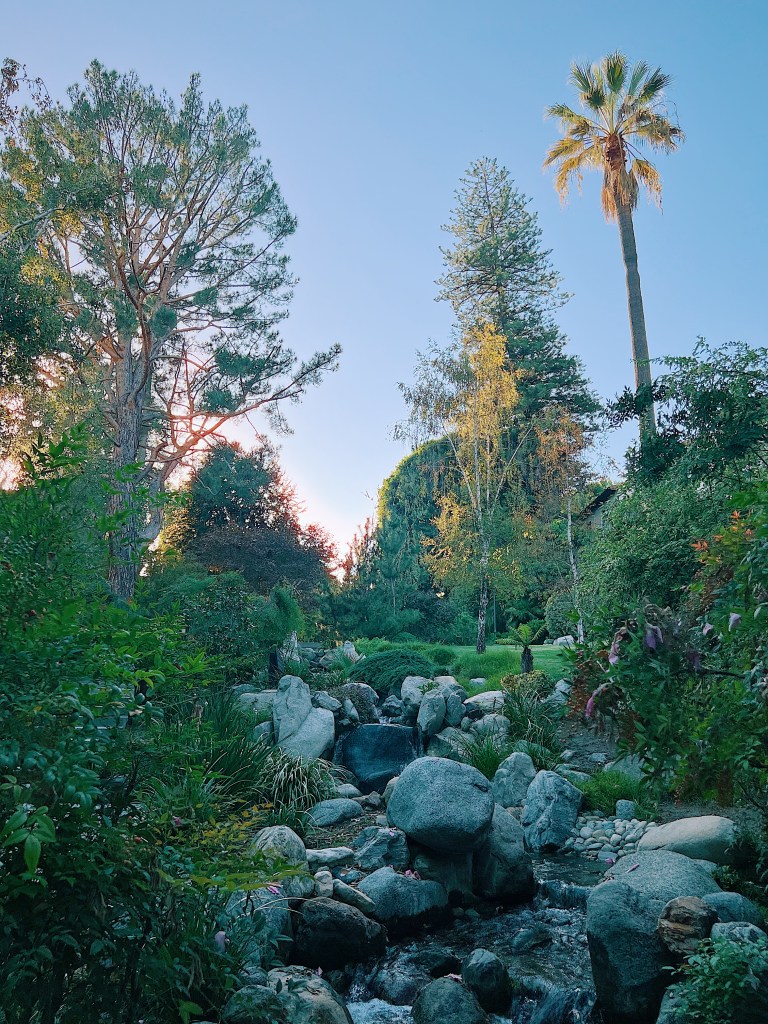
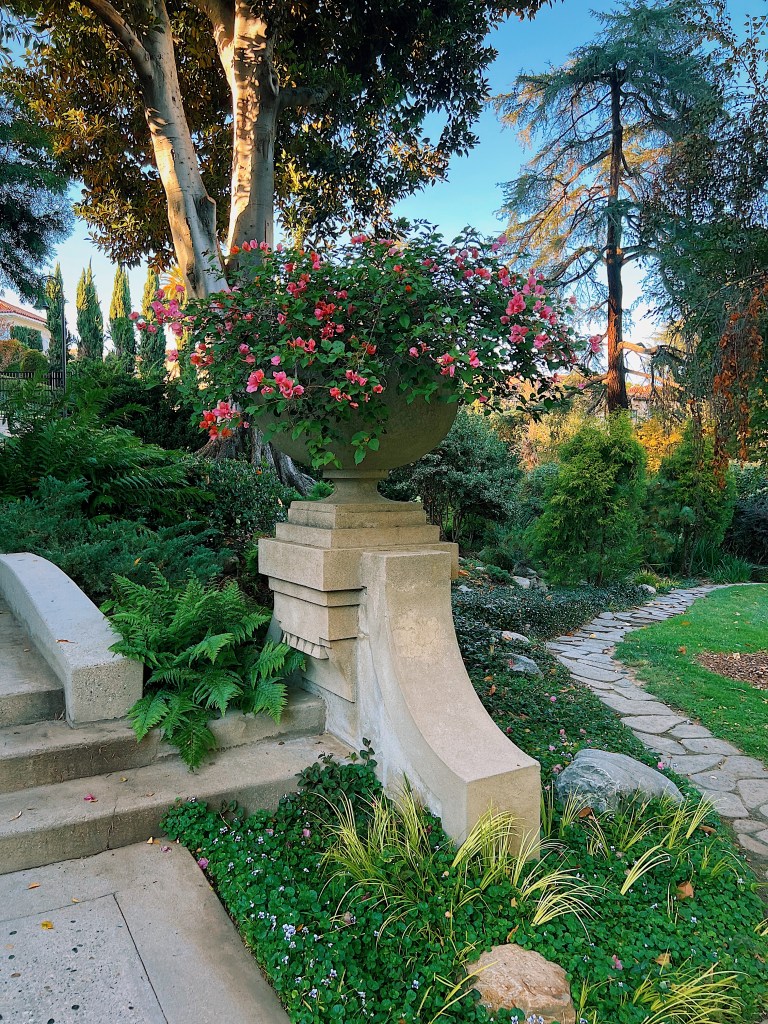
There are a number of beautiful apartment and condo complexes in the neighborhood, including the Ambassador Mansions and Gardens, which include luxury apartments and condos and a Japanese garden, complete with a cascading creek, koi and turtles.
The original mansion and surrounding buildings were once the campus of Ambassador College, a liberal arts school that was affiliated with the Worldwide Church of God (WCG). The WCG had been founded by Herbert W. Armstrong and had a number of controversial doctrines, including the fact that the British people were descendants of the lost tribes of Israel. Armstrong also rejected what he regarded as pagan beliefs that had been adopted into Christianity, including the Holy Trinity, Christmas and Easter. In true evangelical pastor fashion, Armstrong was also accused of stealing millions of dollars from the church to support his lavish lifestyle of luxury cars, mansions and private jets. He died in 1986 and the church eventually reformed to adopt more mainstream Christian beliefs, changing its name to Grace Communion International. The College, however, closed its doors in 1997 and was developed as a residential property.
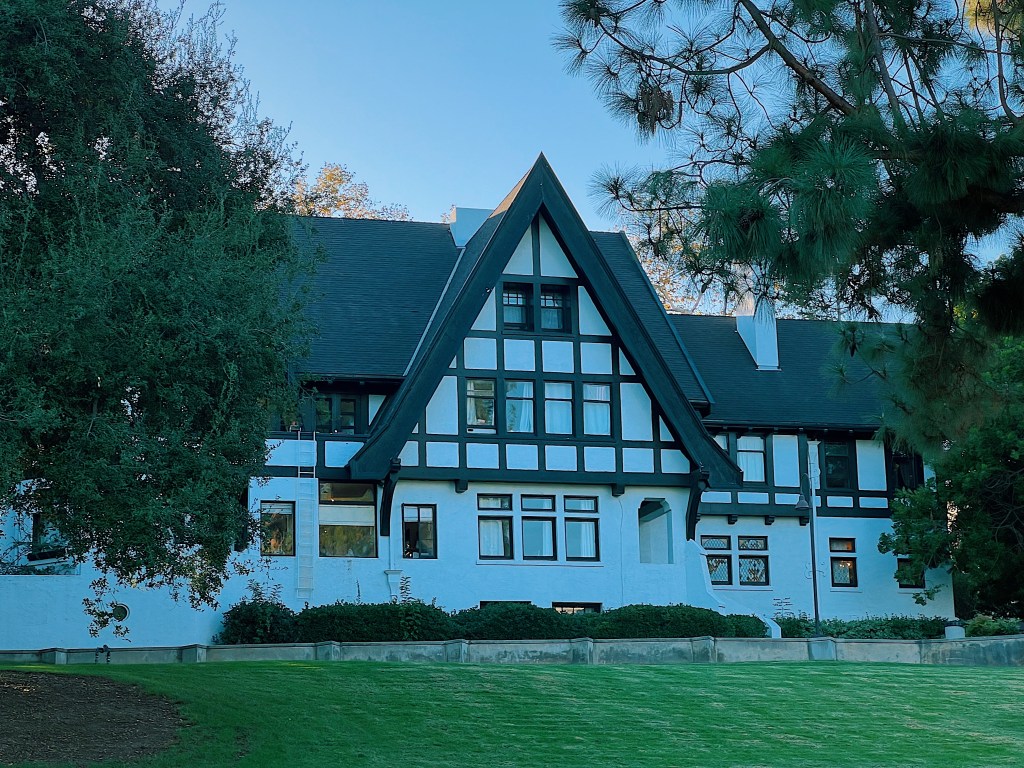
Interestingly, the complex was developed around massive mansions that were the original occupants, built in the early 1900s.
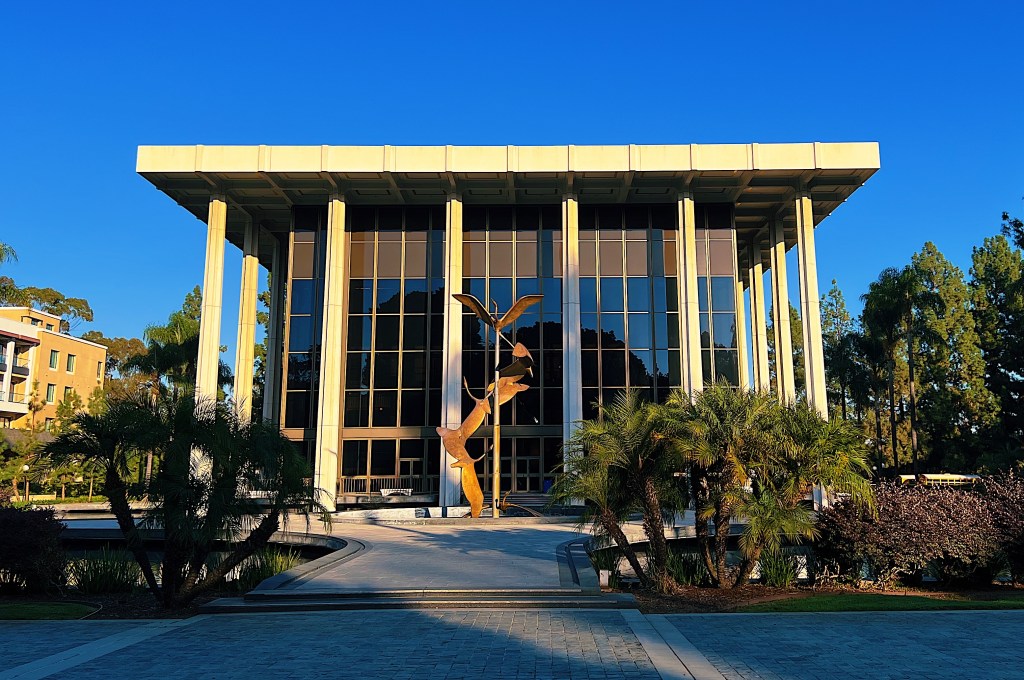
The centerpiece of the College was the Ambassador Auditorium built in 1974.
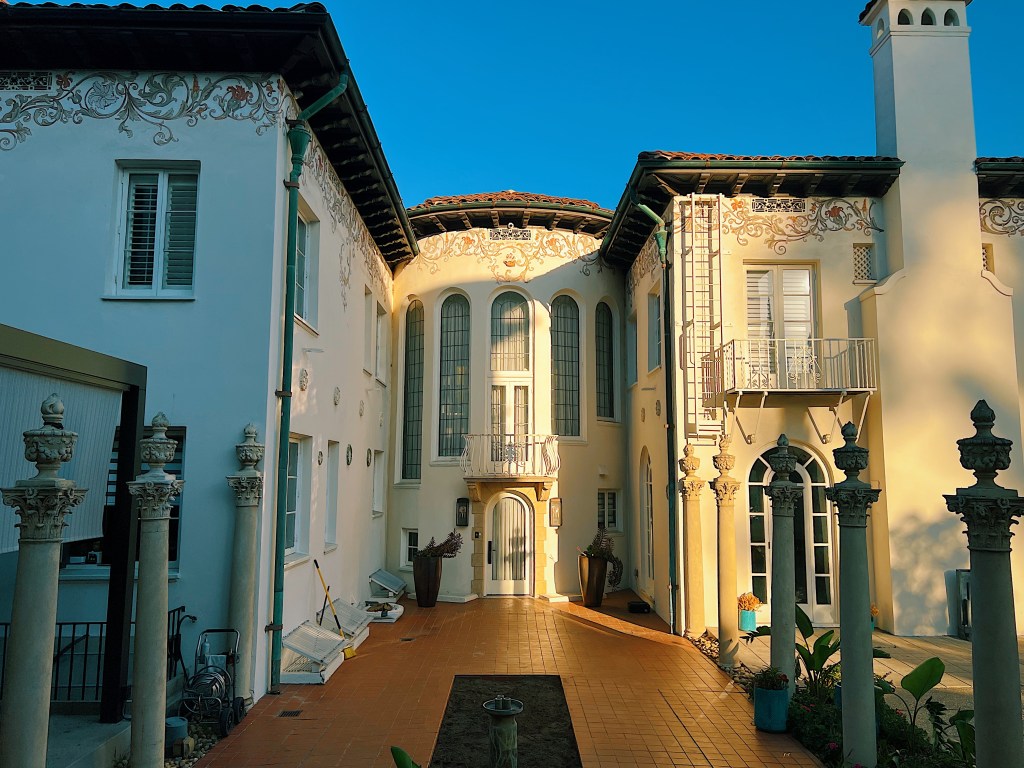
Across the road from the complex is the Wrigley Mansion, a stately Italian Renaissance style building that was owned by William Wrigley Jr., the chewing gum magnate. It is now the home of the Pasadena Tournament of Roses Association that organizes the annual Rose Parade and Rose Bowl Game, both of which take place on New Year’s Day. The game takes place at the nearby Rose Bowl, an outdoor stadium that was built in 1922 and has a capacity of close to 90,000.
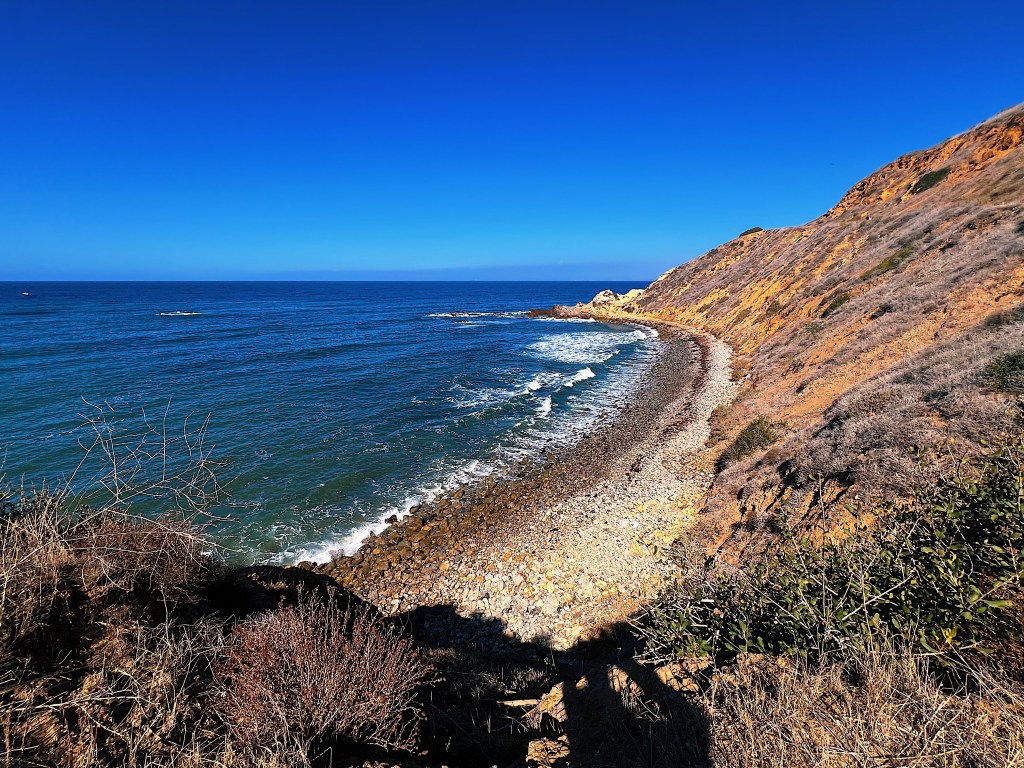
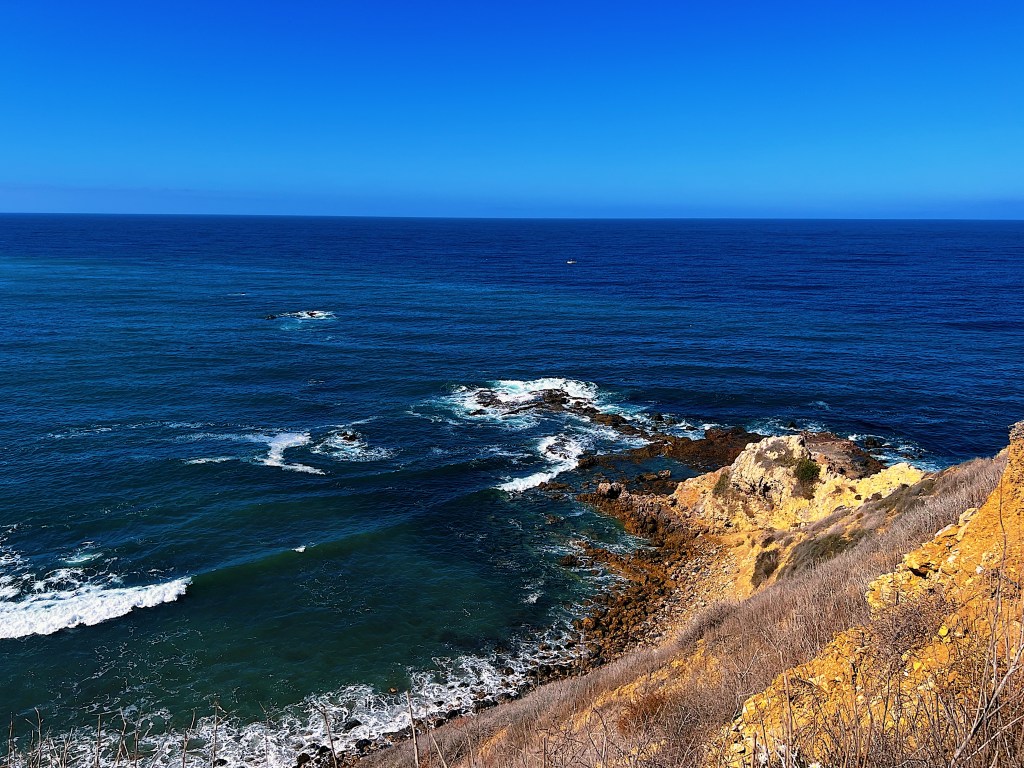
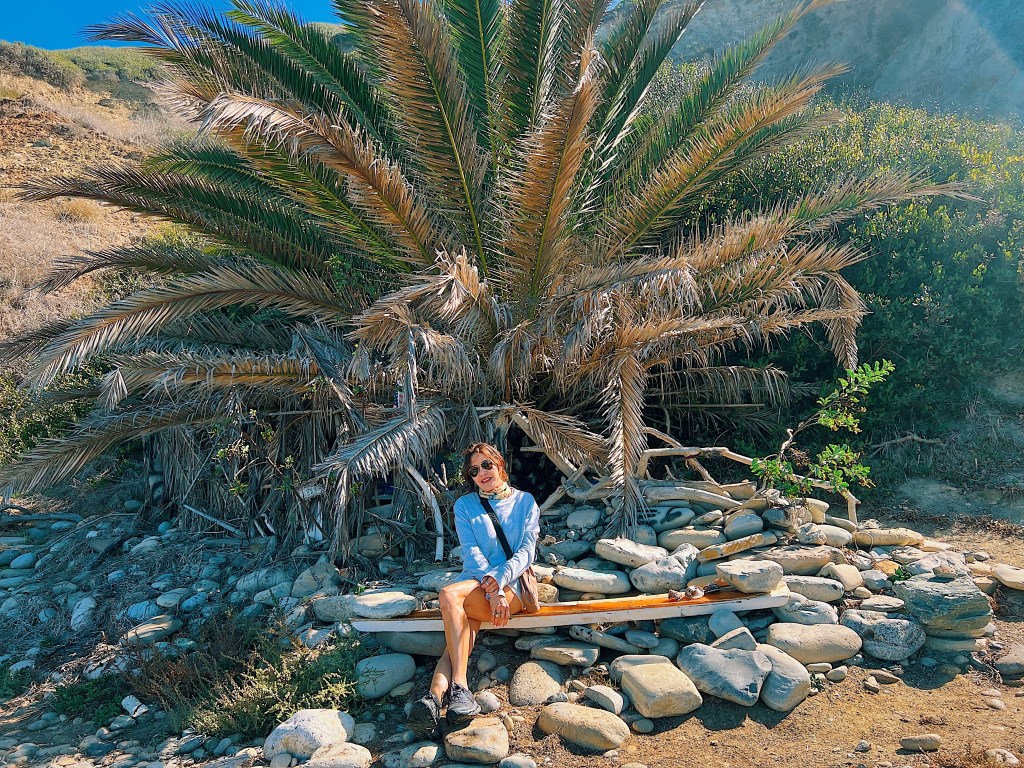
The Palos Verdes (Spanish for green sticks) peninsula lies just west of Long Beach. With its beautiful views over the Pacific, it is home to some of the area’s wealthiest neighborhoods and fanciest resorts. We drove over there and went for a walk along one of its coastline trails.
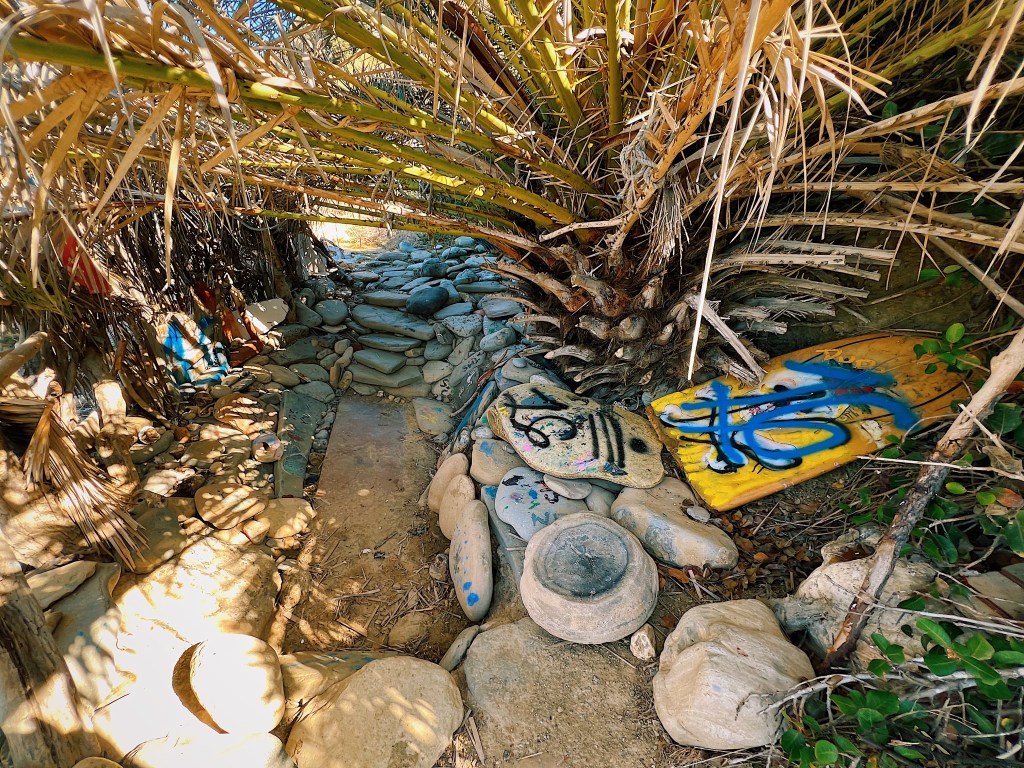
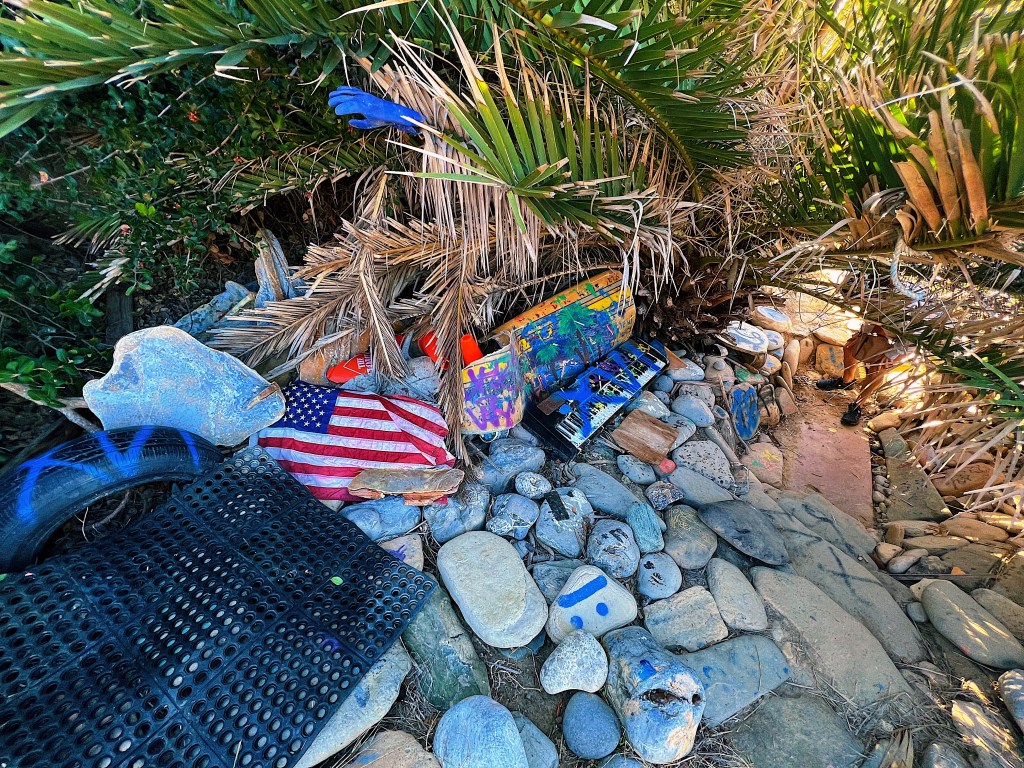
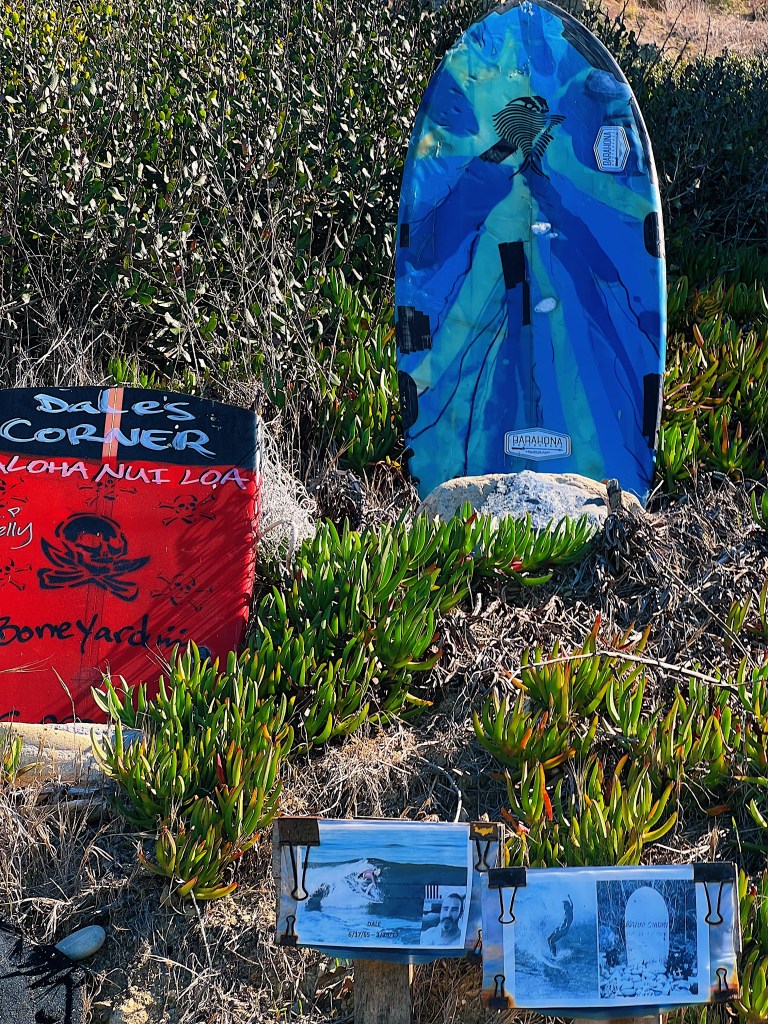
We came across a small shelter that included what looked to be a tribute to a departed surfing buddy.
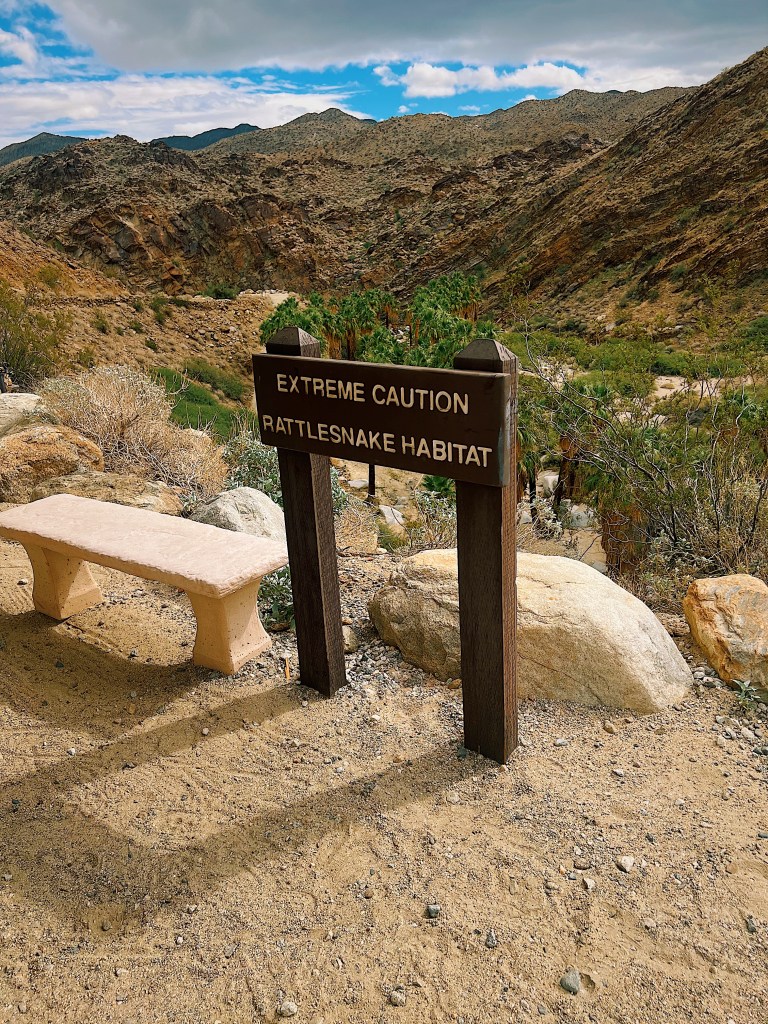
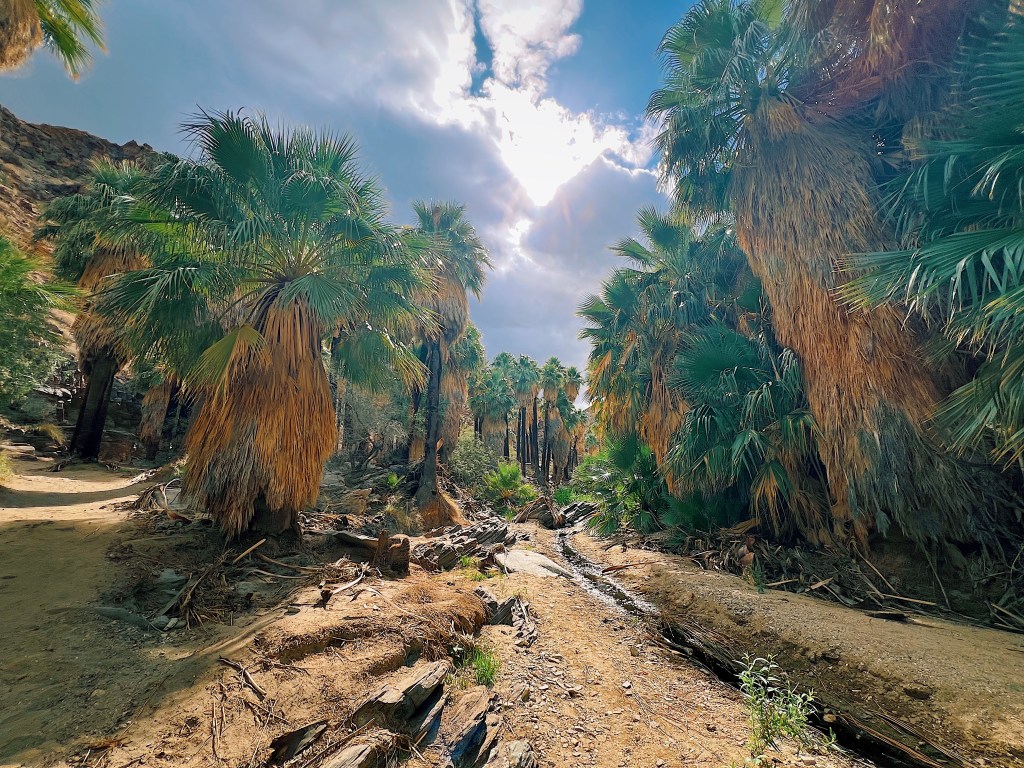
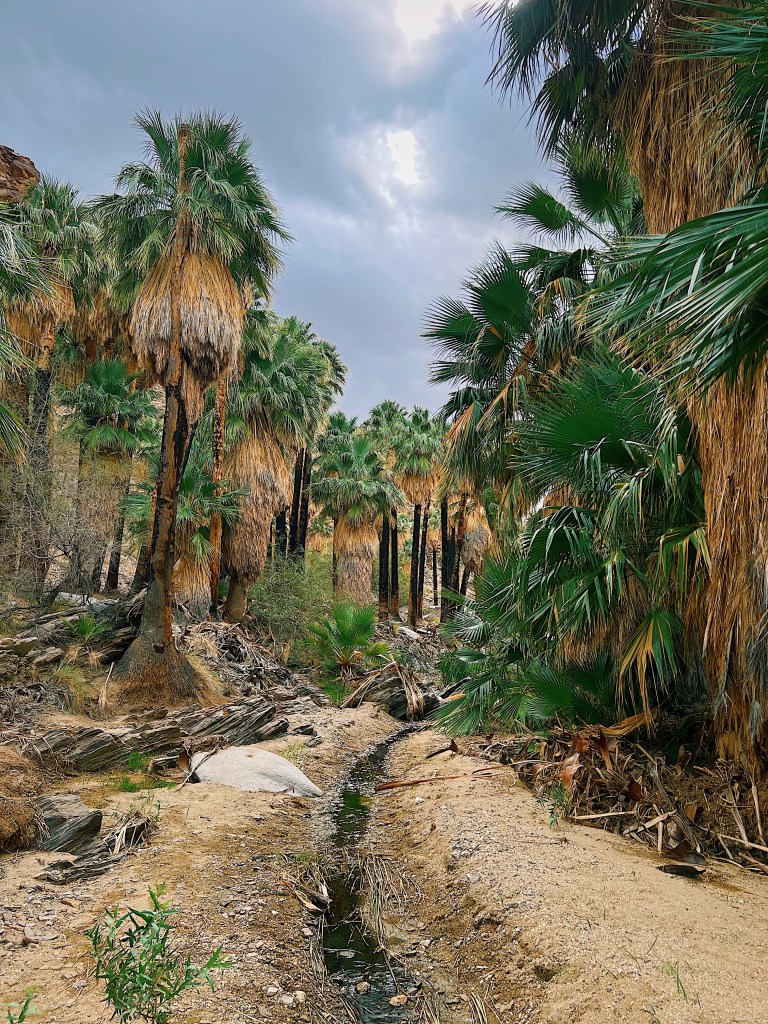
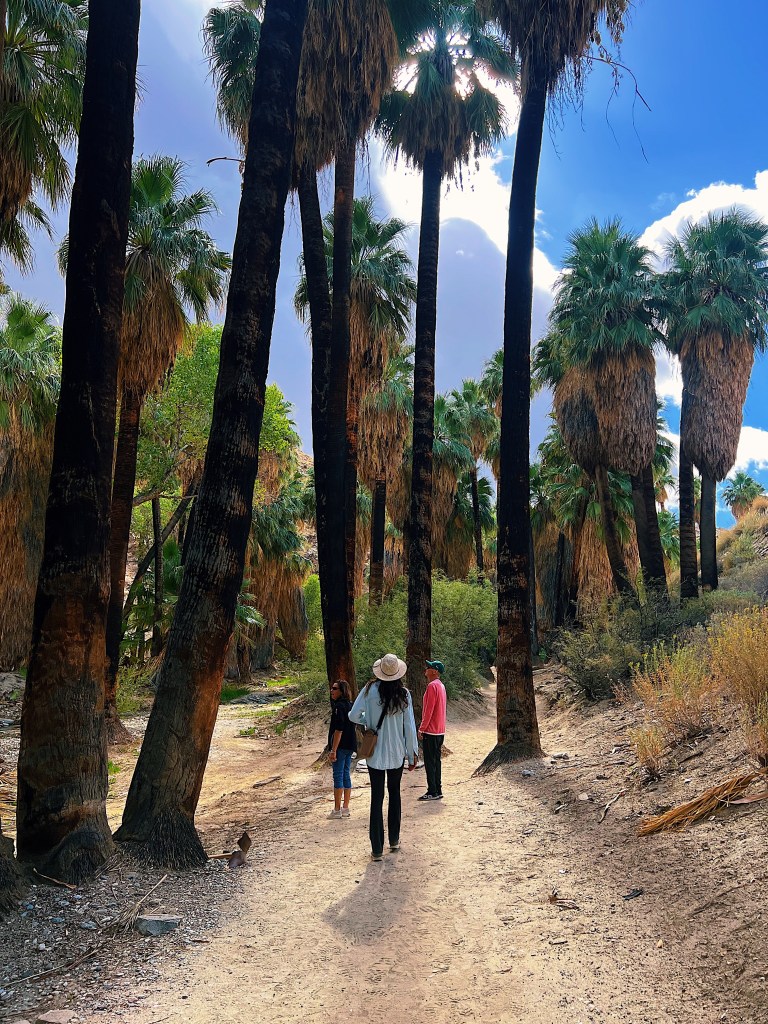
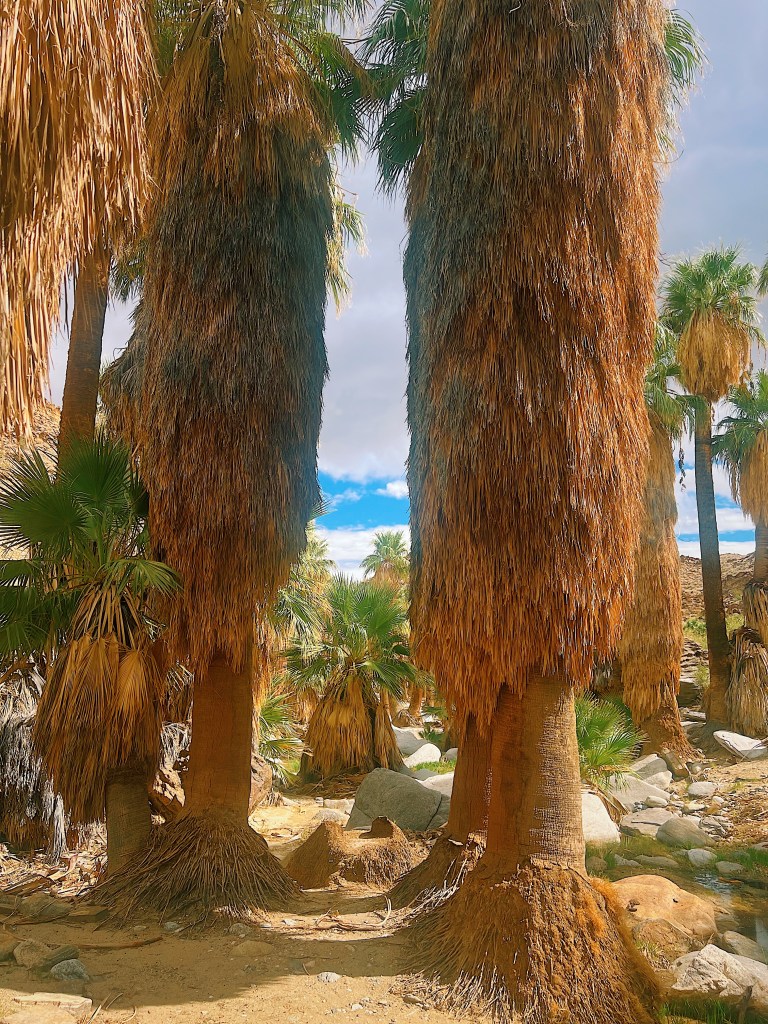
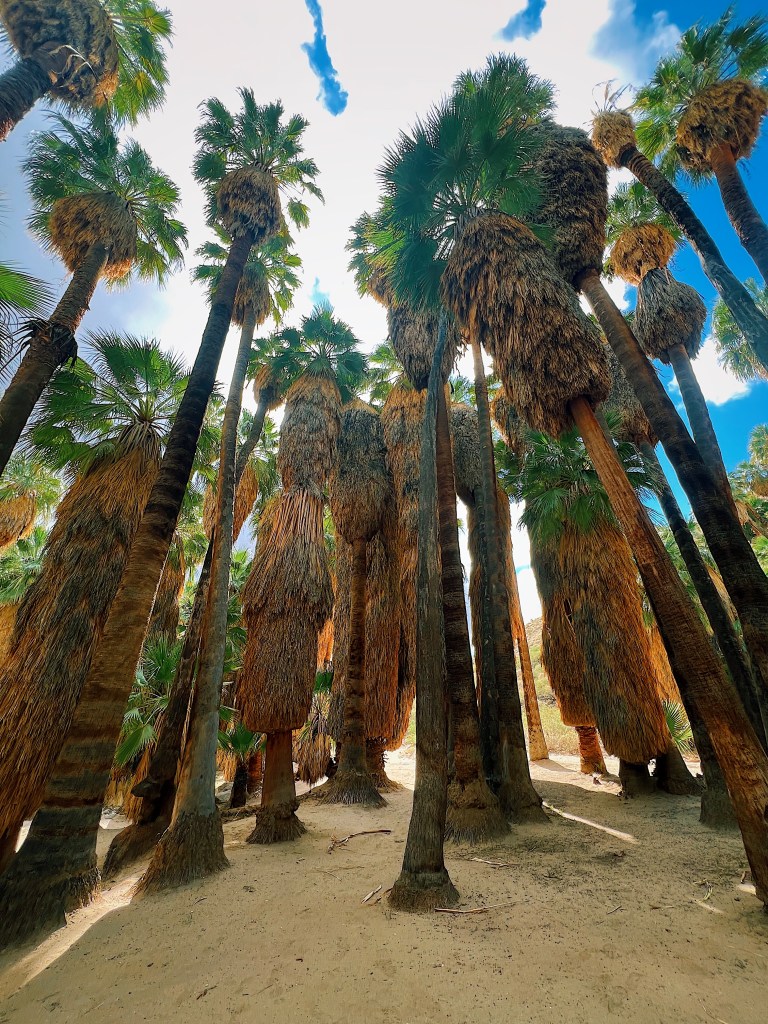
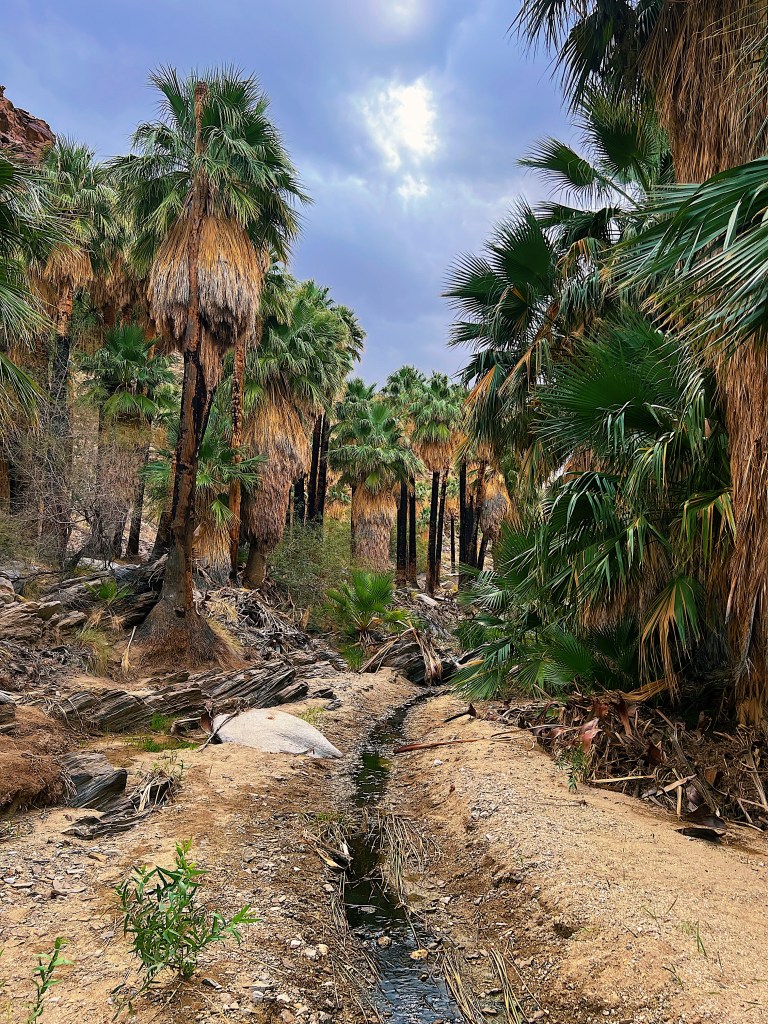
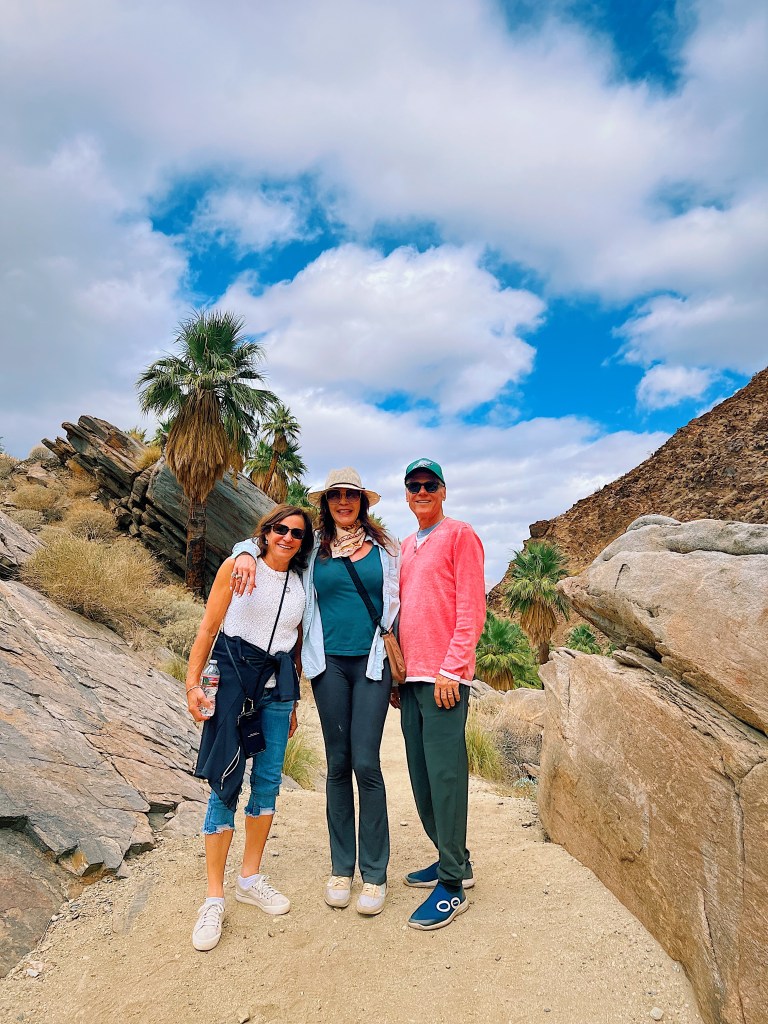
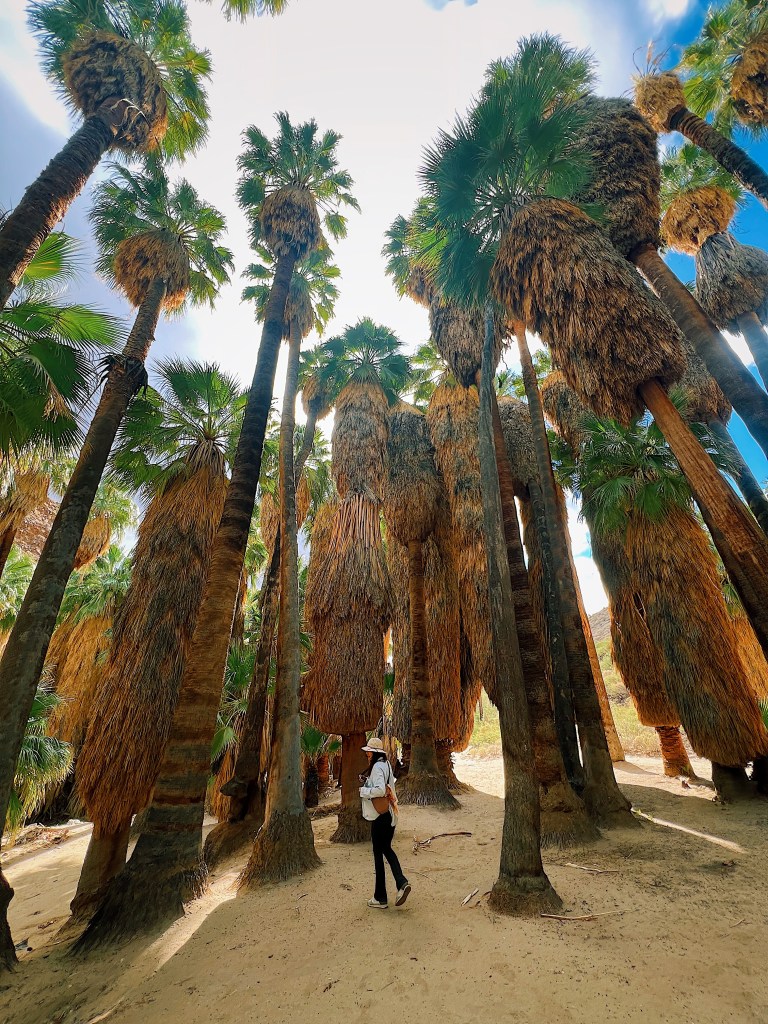
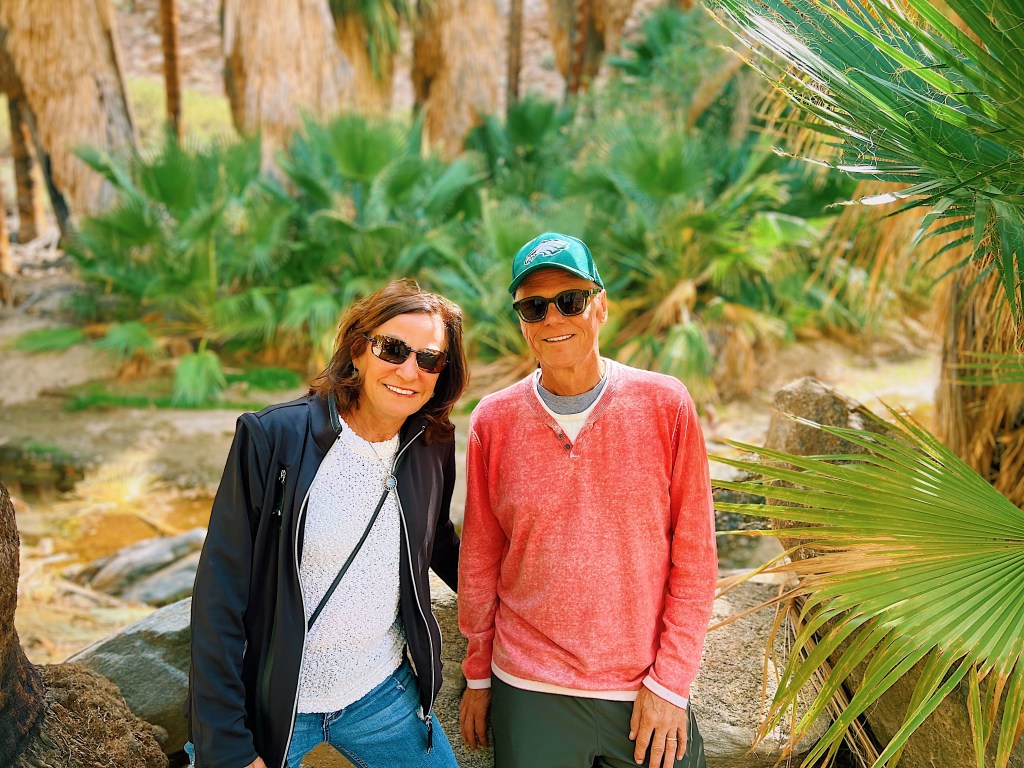
Whenever we visit Palm Springs we like to go for a short hike in Palm Canyon. It is one of number of canyons just outside of town, collectively called the Indian Canyons. Palm Canyon is the largest oasis of California Palm Fans in the world and it really is a magical place. Just be wary of the rattlesnakes.
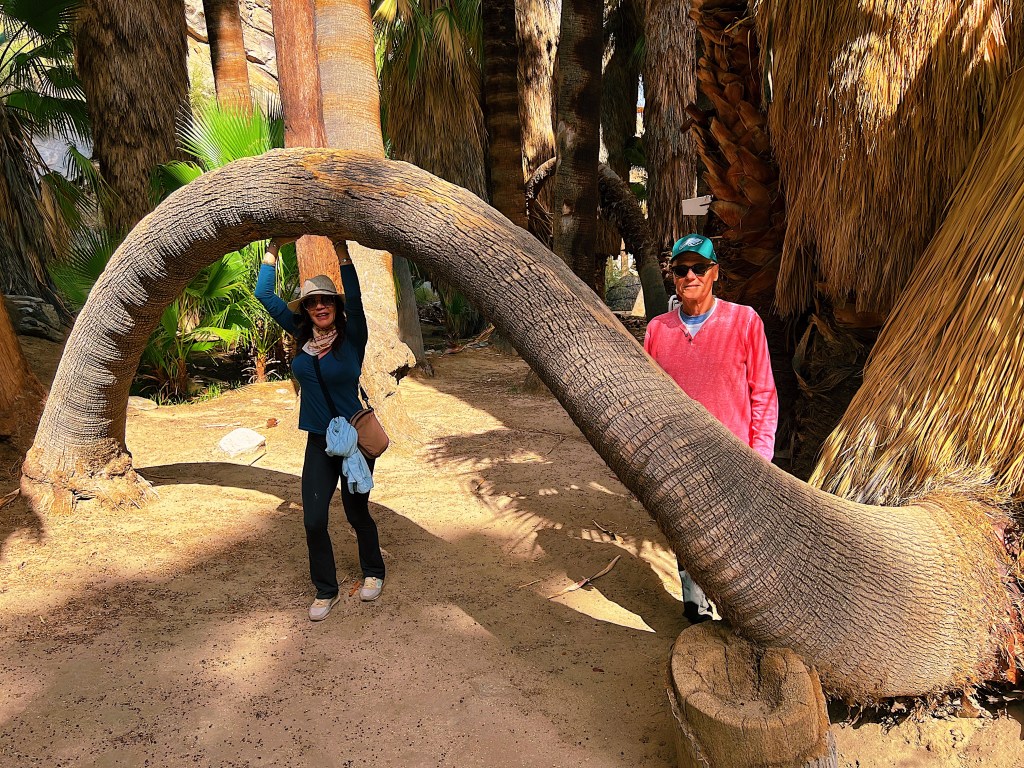
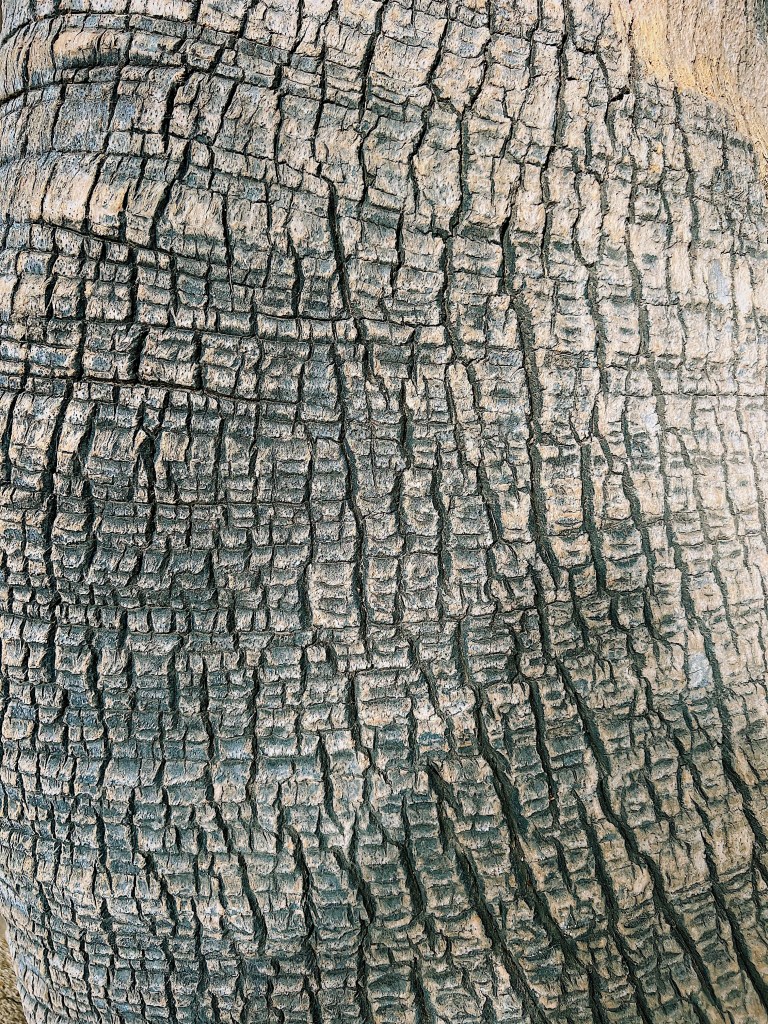
This palm was remarkably like an elephant’s trunk, right down to the crepey texture of the skin.
Long ago, the Agua Caliente Band of Cahuilla Indians established communities in Palm Canyon and the adjacent canyons. Here is a recreation of the small homes they built called ‘Ewaa
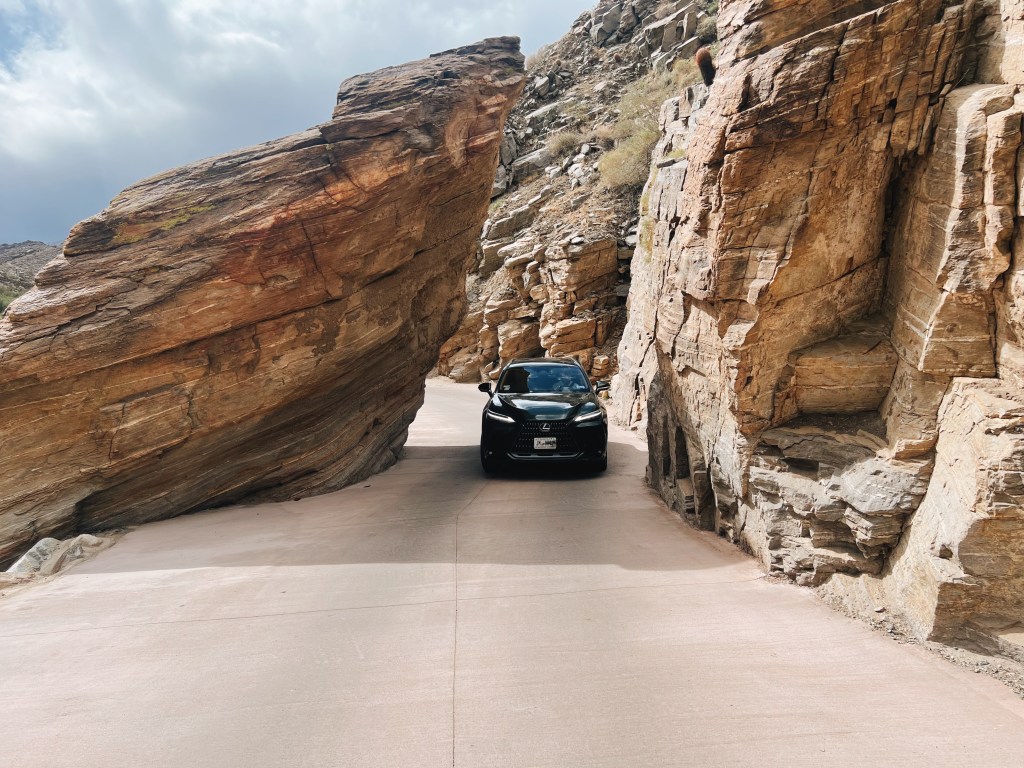
The drive down the canyon into the valley is also spectacular.
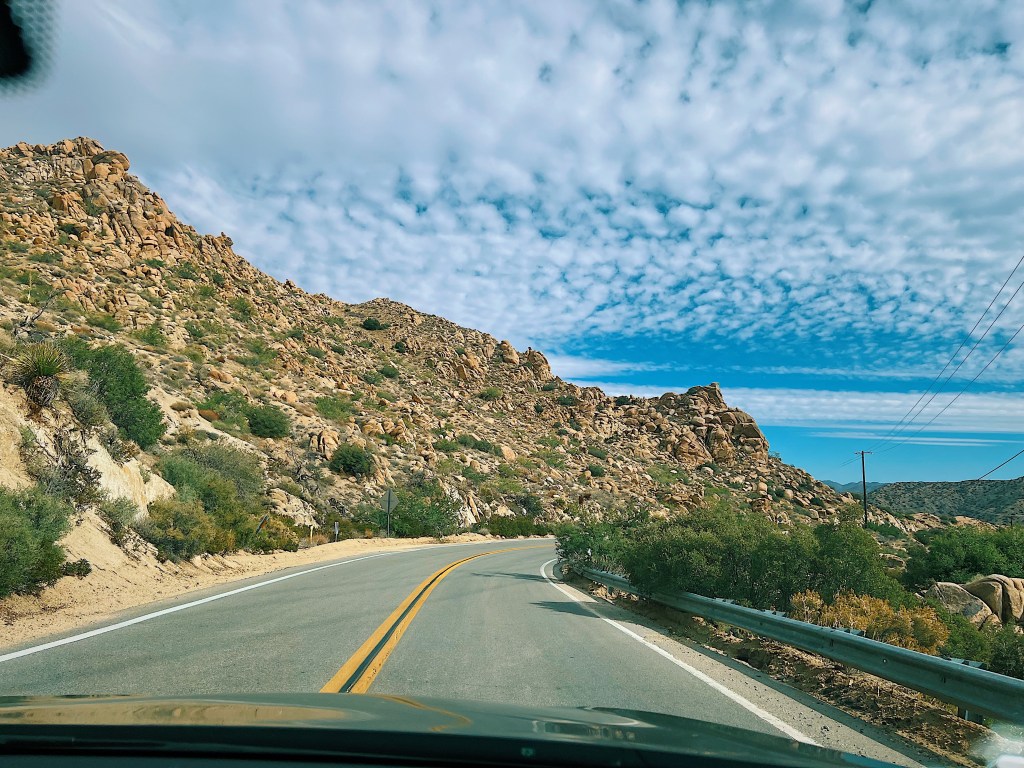
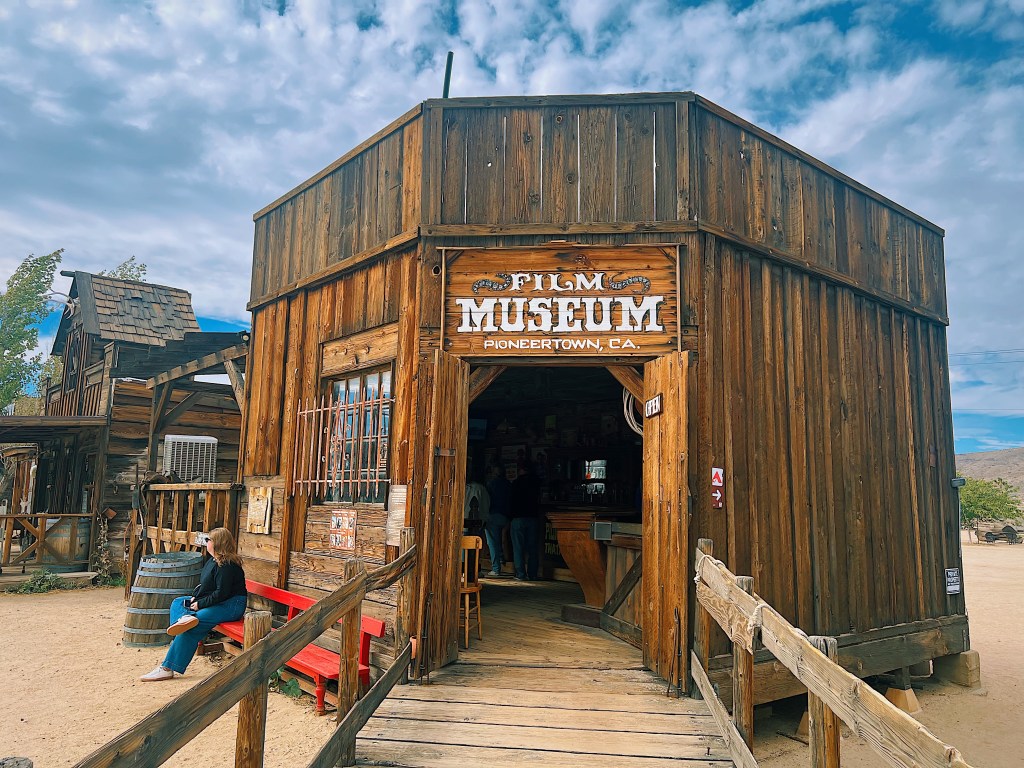
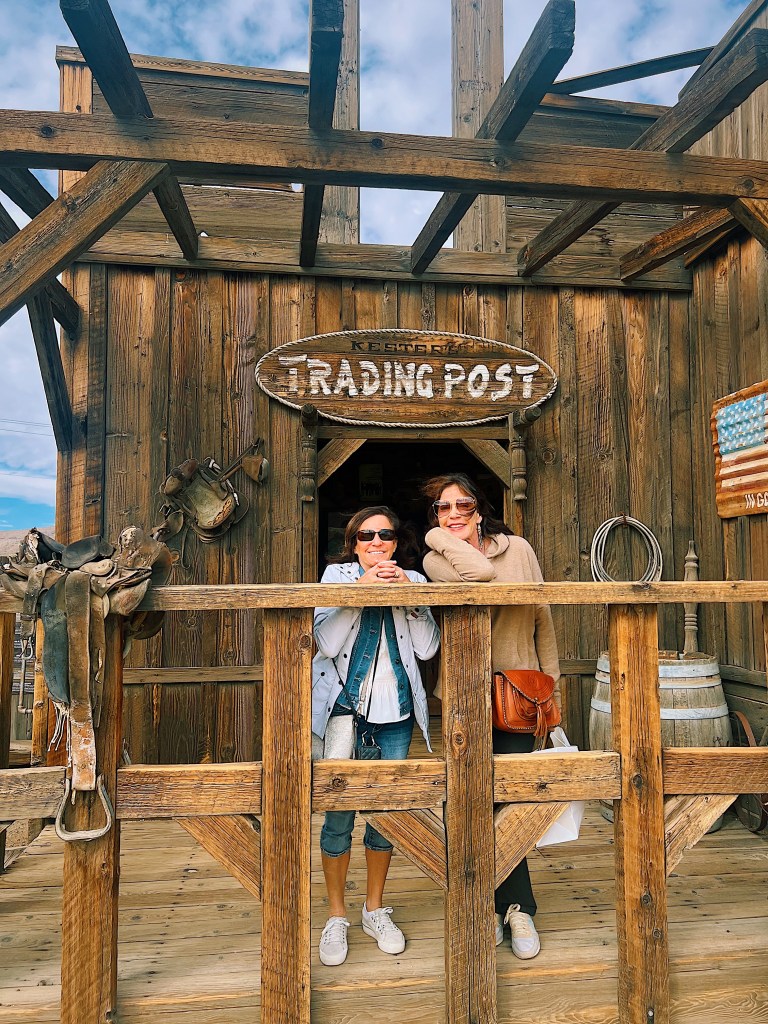
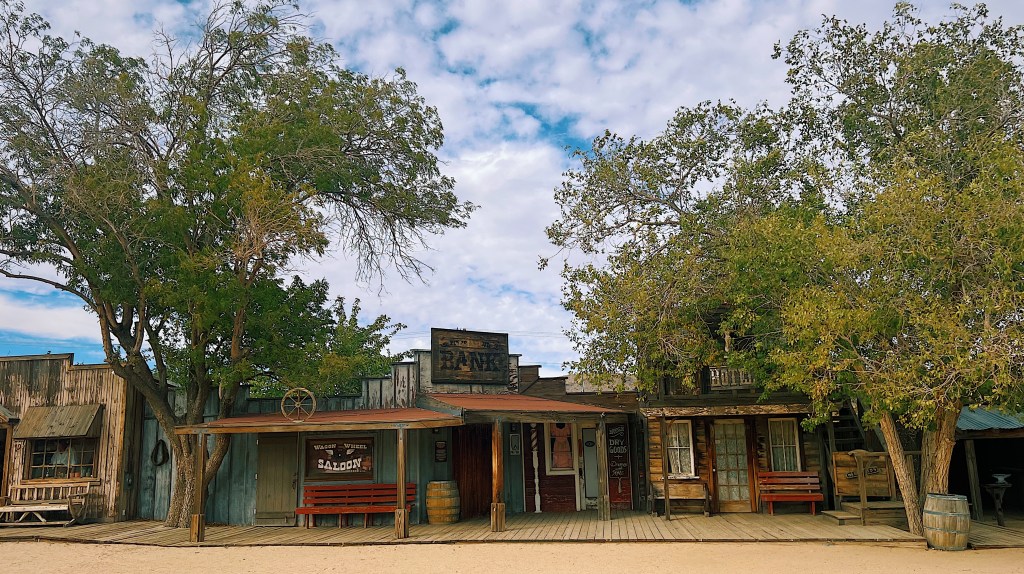
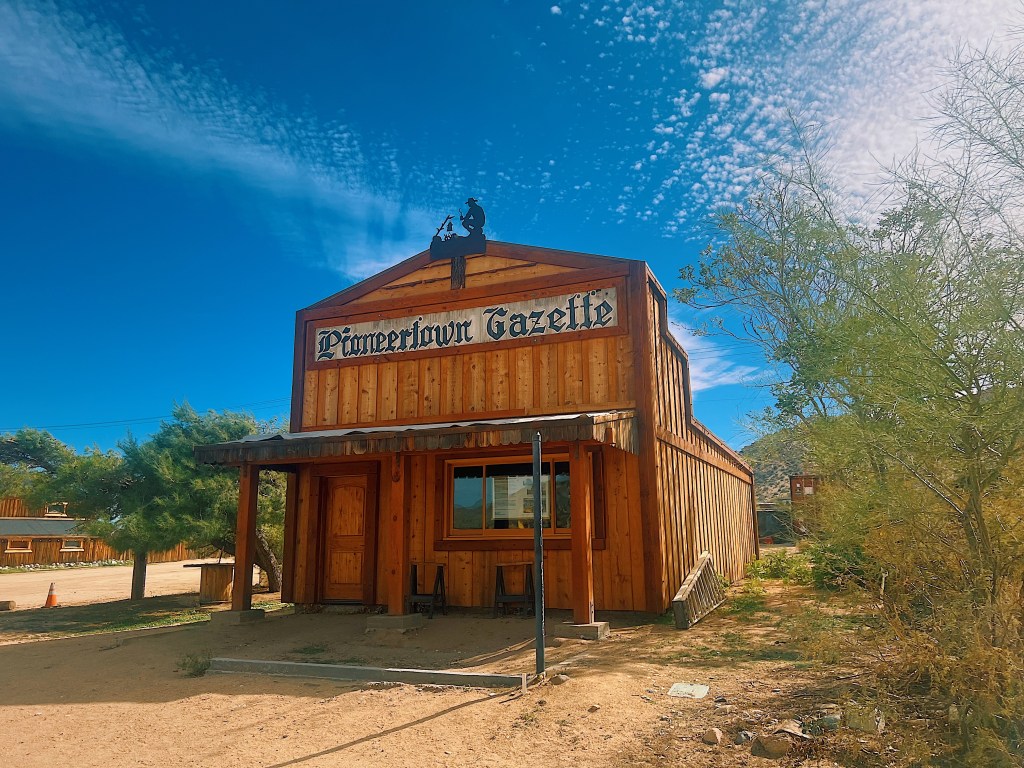
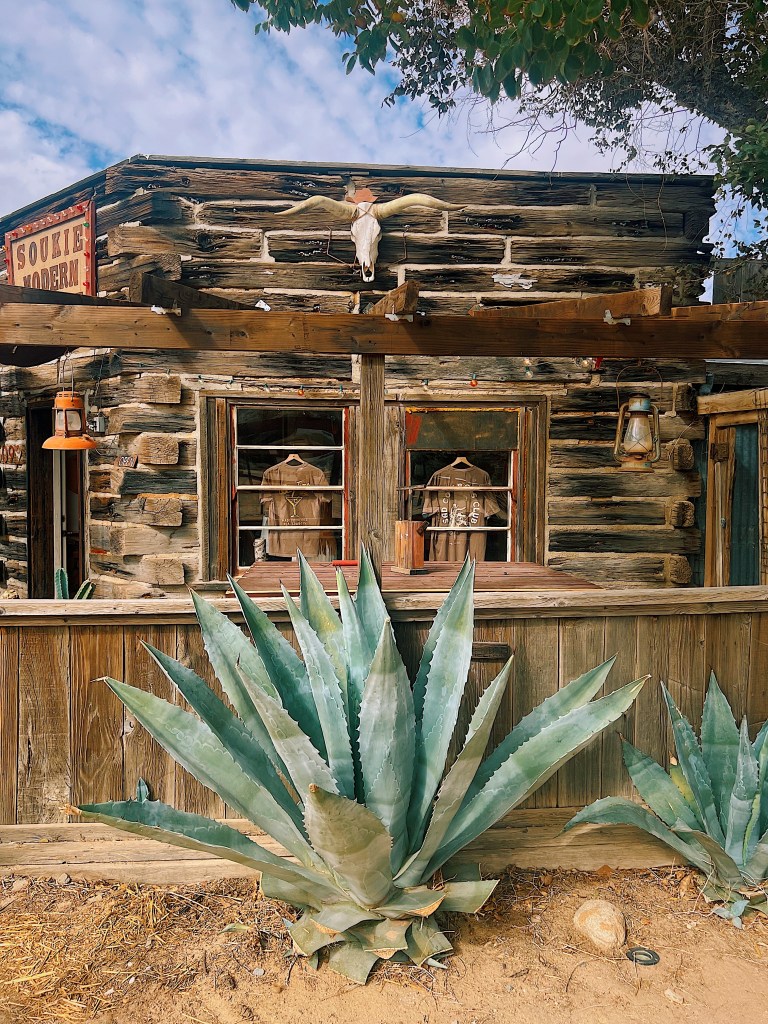
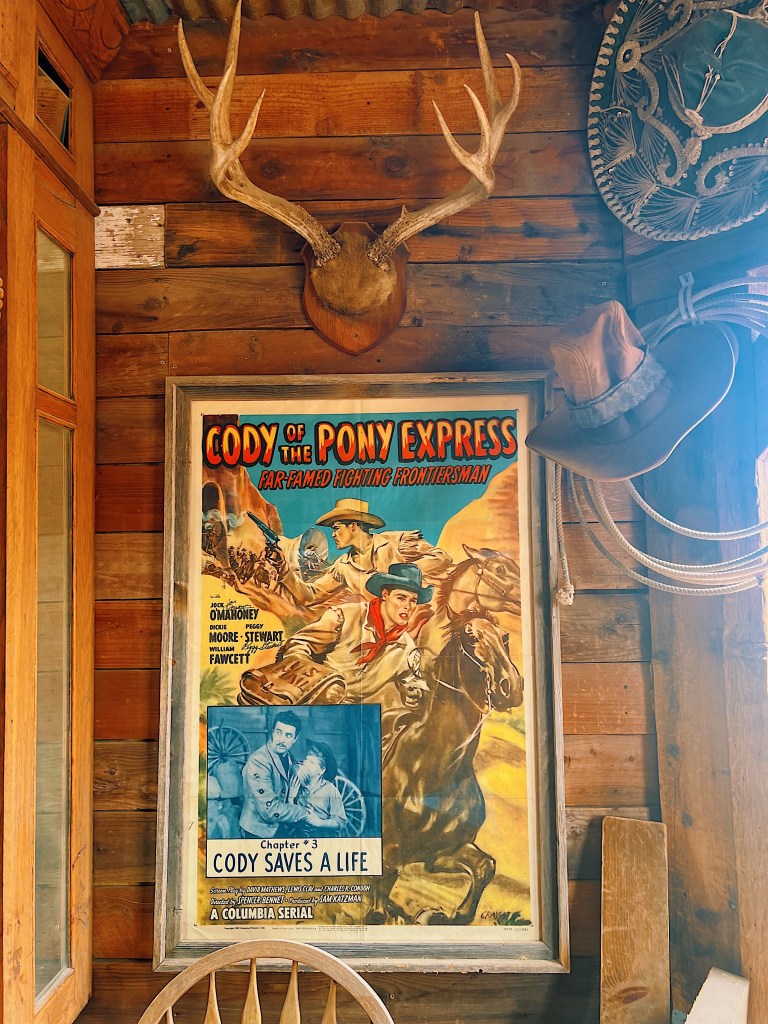
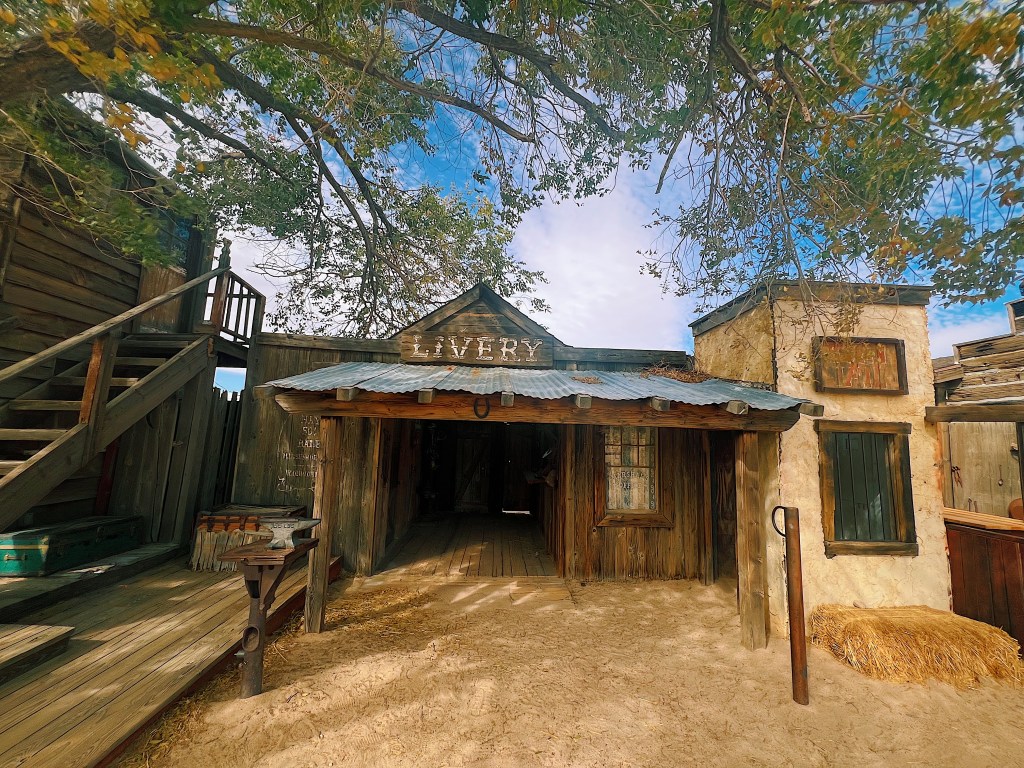
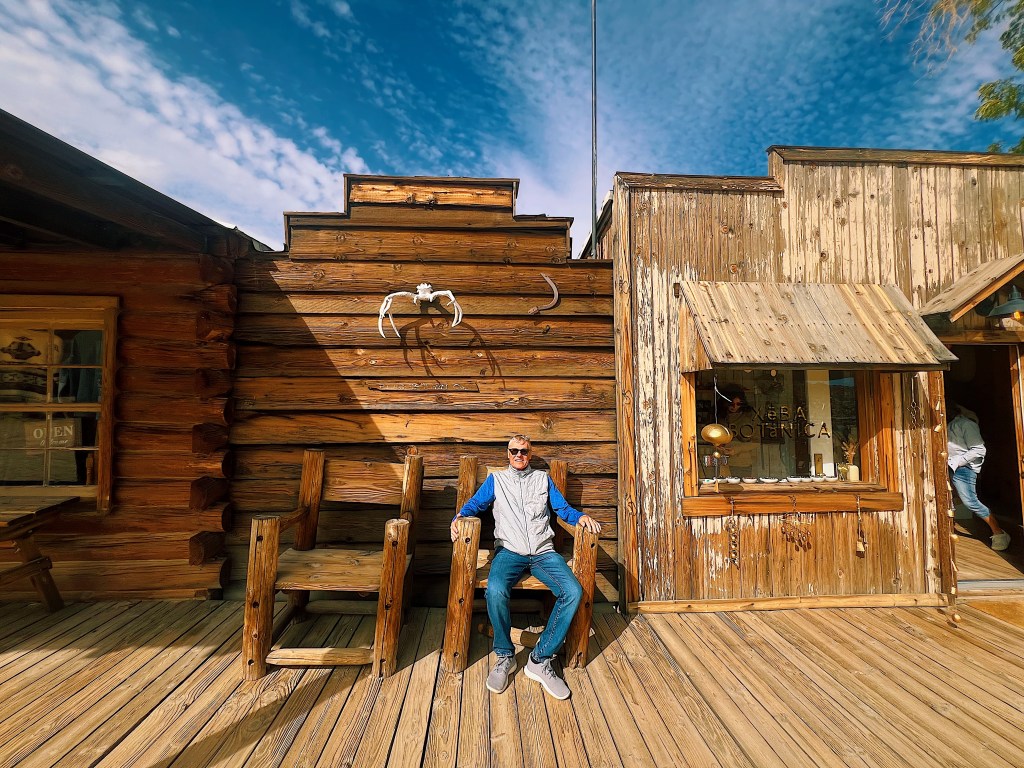
Heading to Palm Springs for a couple of days with Lauren’s sister Marion and her husband Jeff, we decided to visit Pioneertown along the way. The town was started by Actor, Dick Curtis, in 1946 as an 1880s themed live-in motion-picture set. Hundreds of Westerns and early television shows have been filmed there. The road to Pioneertown has been designated a California Scenic Drive and it lived up to its designation.
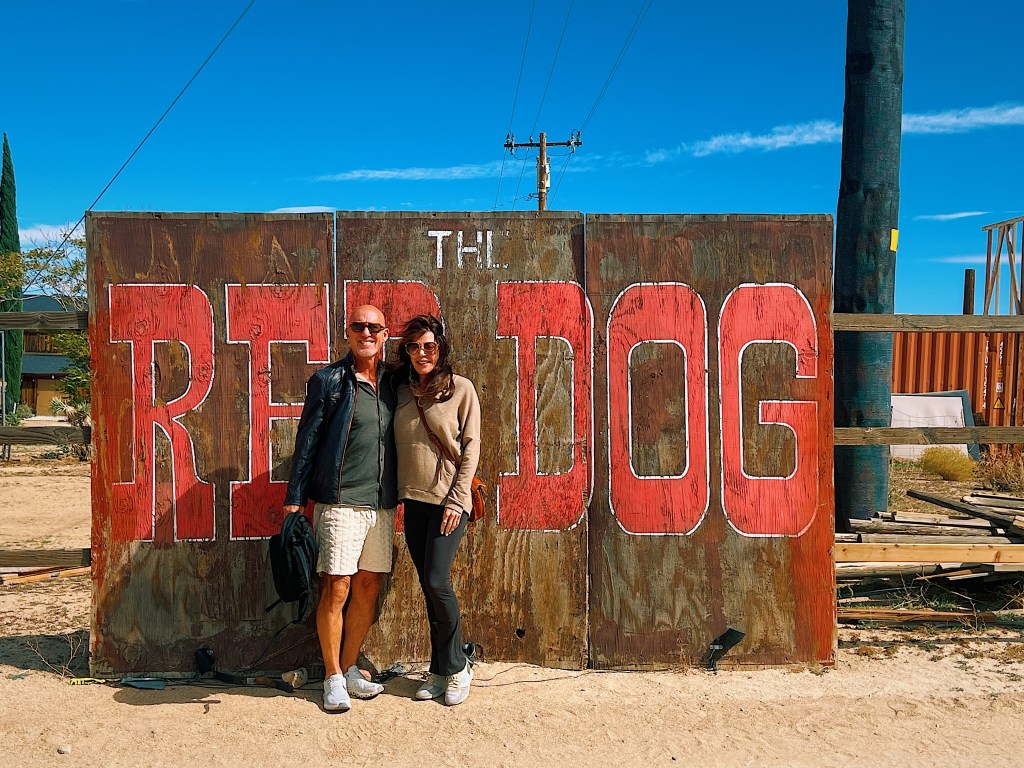
First stop was the Red Dog where we had a burger before moseying down Mane Street.
The town is close to Joshua Tree National Park and there were a lot of Joshua trees around. These very cool yucca trees are endemic to the area.








































 Mal and Lauren