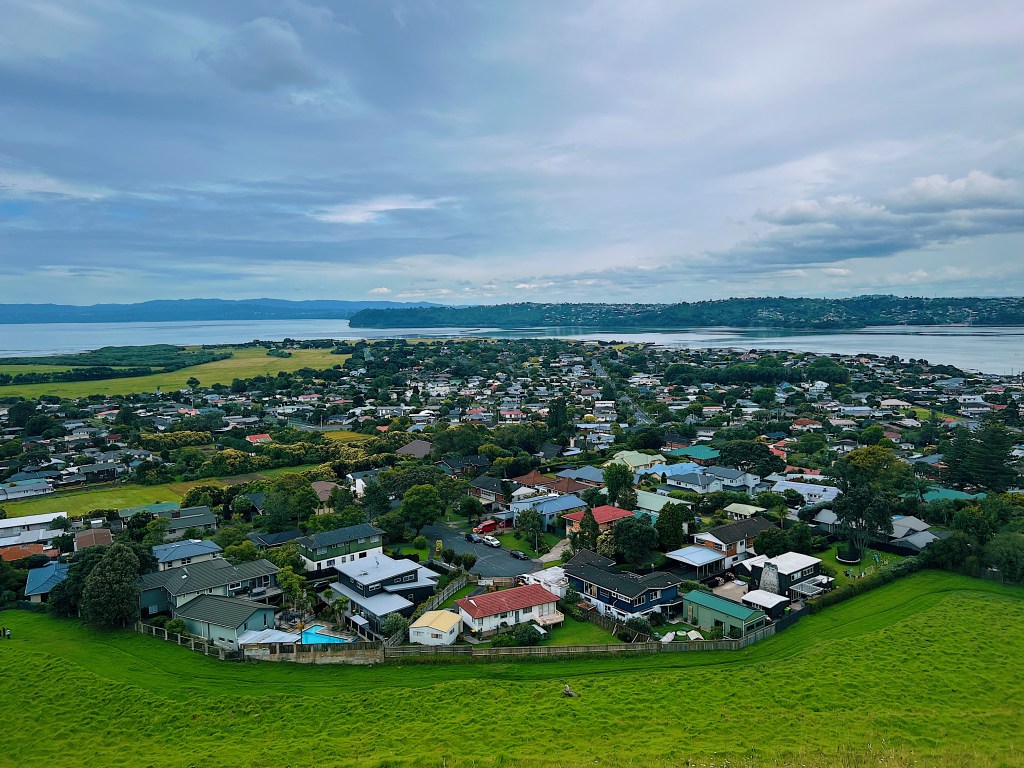
Today our good friend, John, joined us as we climbed Mangere (pronounced Man-ger-y) Mountain. Mangere is one of Auckland’s largest volcanic peaks, including not just one but two cones. Standing at 106 meters (348 feet) above sea level, it dominates the surrounding neighborhood of the same name. It gets its name from the Maori phrase “hau mangare” meaning “lazy winds”, due to the shelter it provides from the prevailing westerlies. It has two other Maori names, Te Pane-o-Mataaho (the head of Mataaho) and Te Ara Pueru (the path of dog skin cloaks). Mataaho is a Maori god of earthquakes and eruptions and is associated with many of the volcanic features in the Auckland region. Te Ara Pueru, apparently, refers to a historic event that occurred on the mountain prior to European arrival. We are intrigued at what happened at the event but have not been able to find any further information.
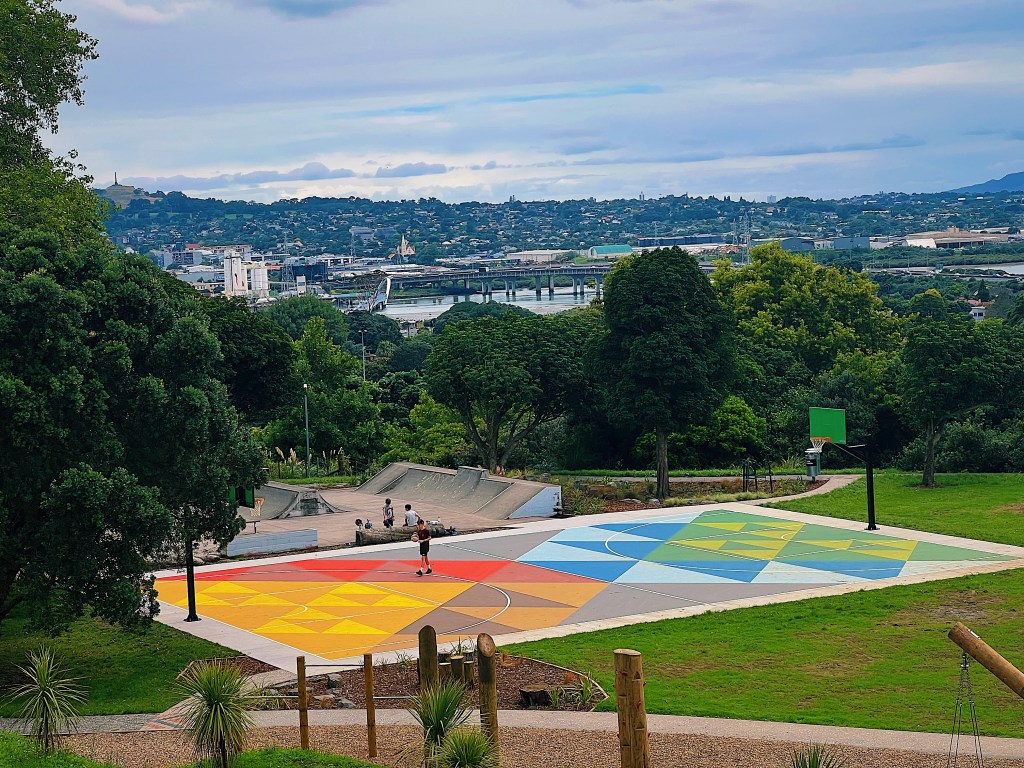
At the foot of the mountain is a very nice playground, complete with a colorful basketball court.
Here is the view up the mountain
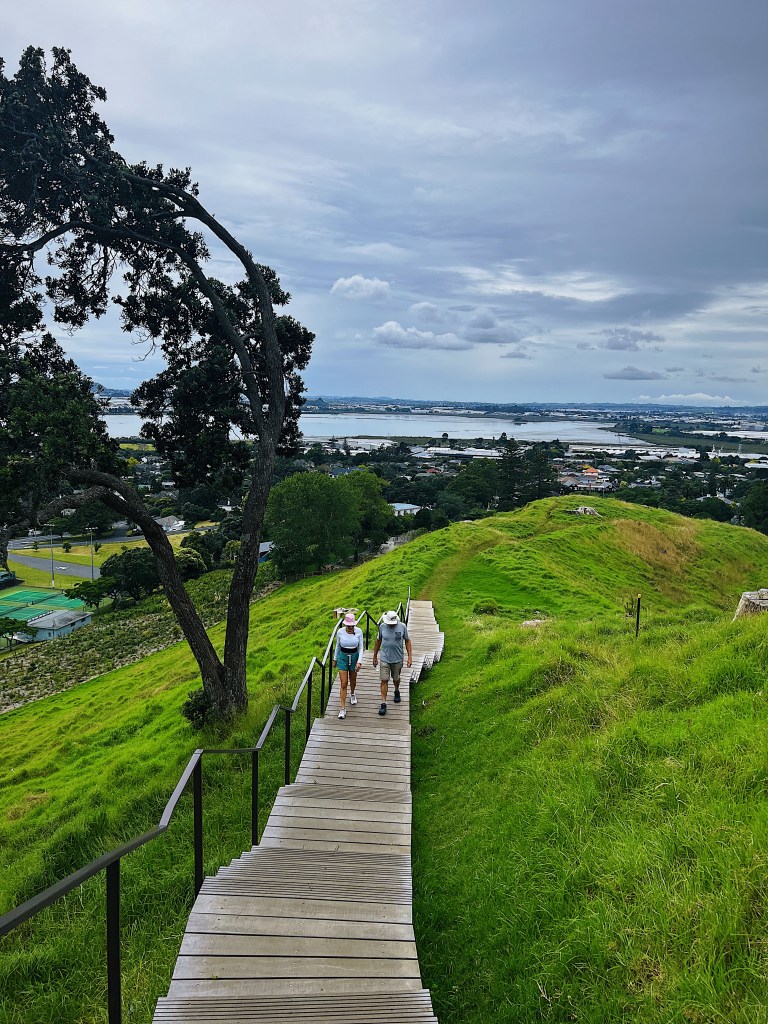
There were some helpful steps to ease the difficulty of the climb.
Quite a few non-native trees had been felled. A native pohutukawa tree had found a home growing out of this stump.
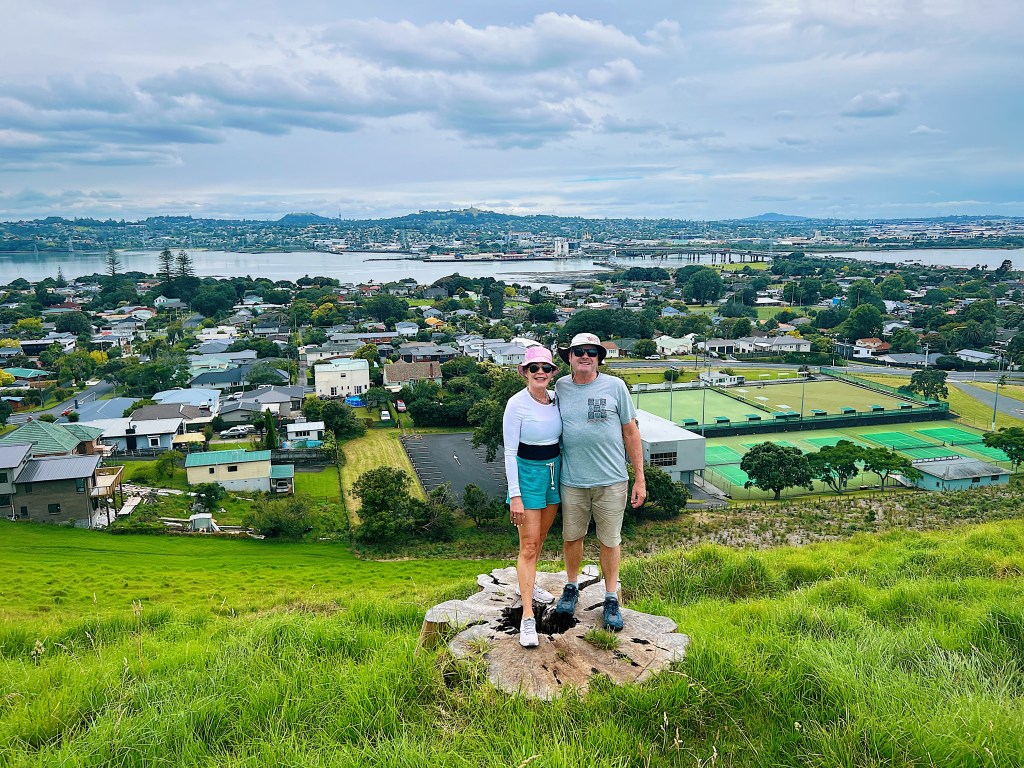
The stumps also make good places to stand for photos.
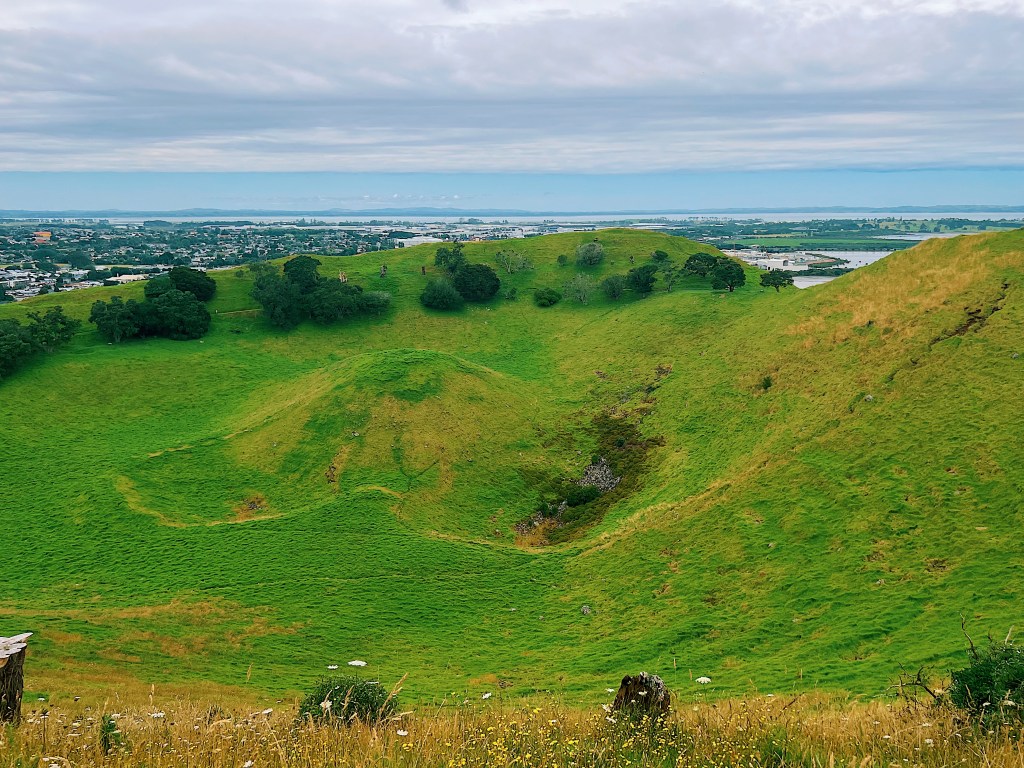
Here is the view down into the larger of the two cones.
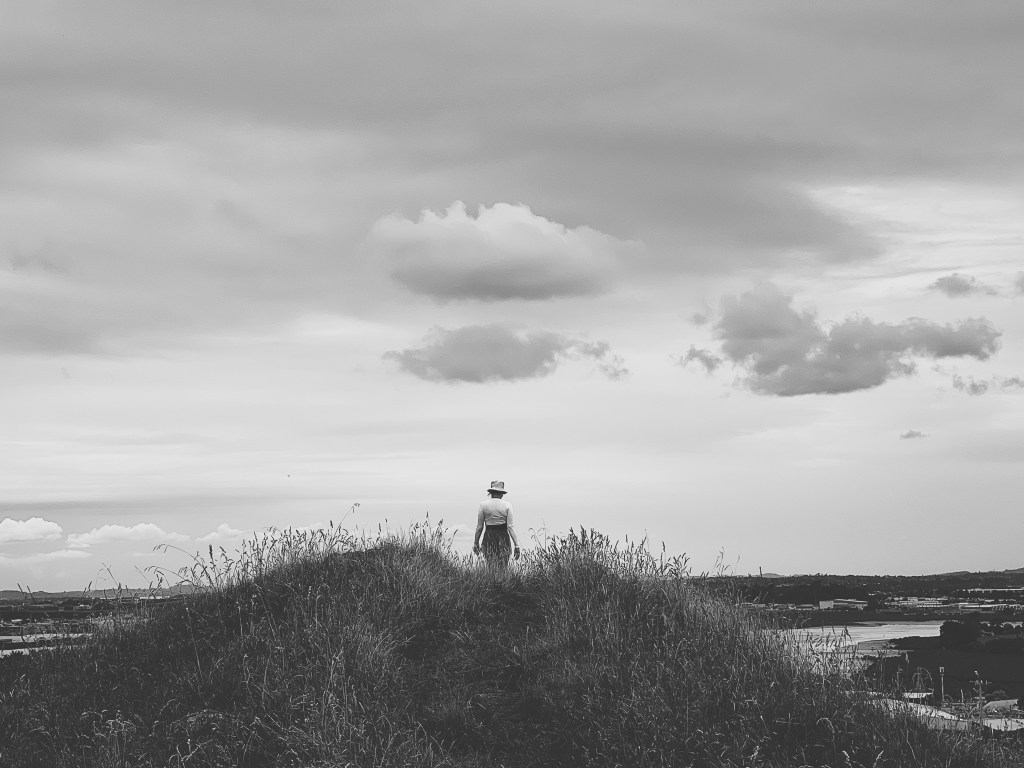
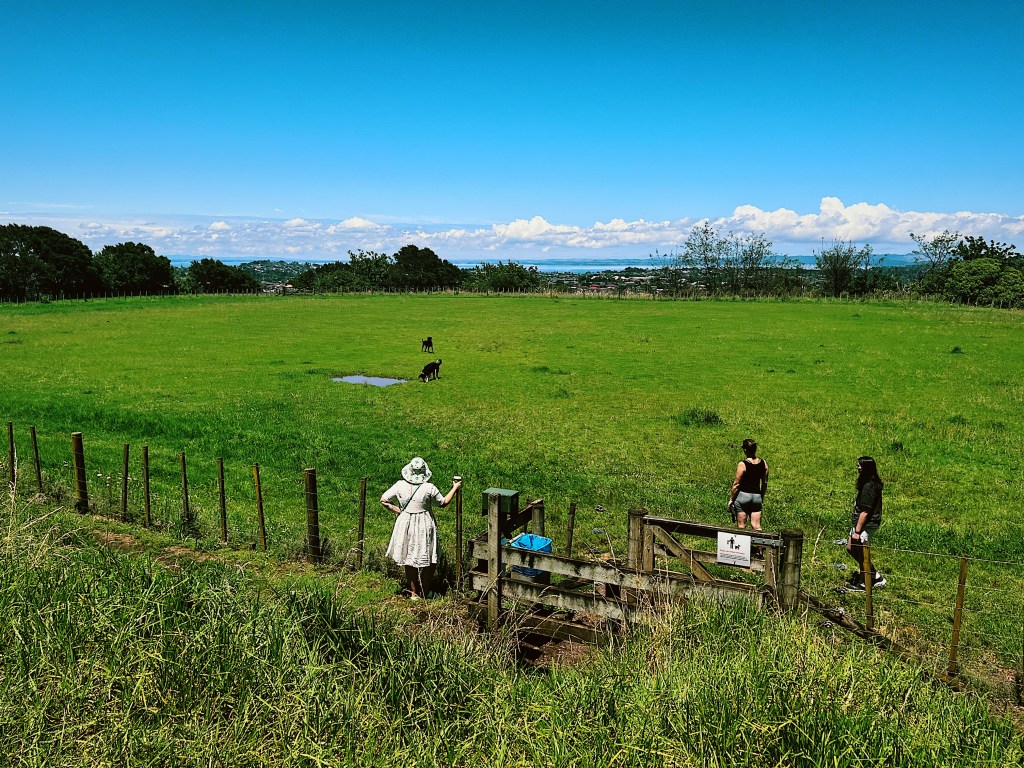
Here are some more views from the climb.
The remains of the pa (fortified village) that once stood on the mountain are visible in the terraces and the underground storage pits, where the Maori buried kumara (sweet potatoes) to keep them cool and dry.
Kumara pit
There is a third crater right next to the mountain that is now a perfectly round lagoon.
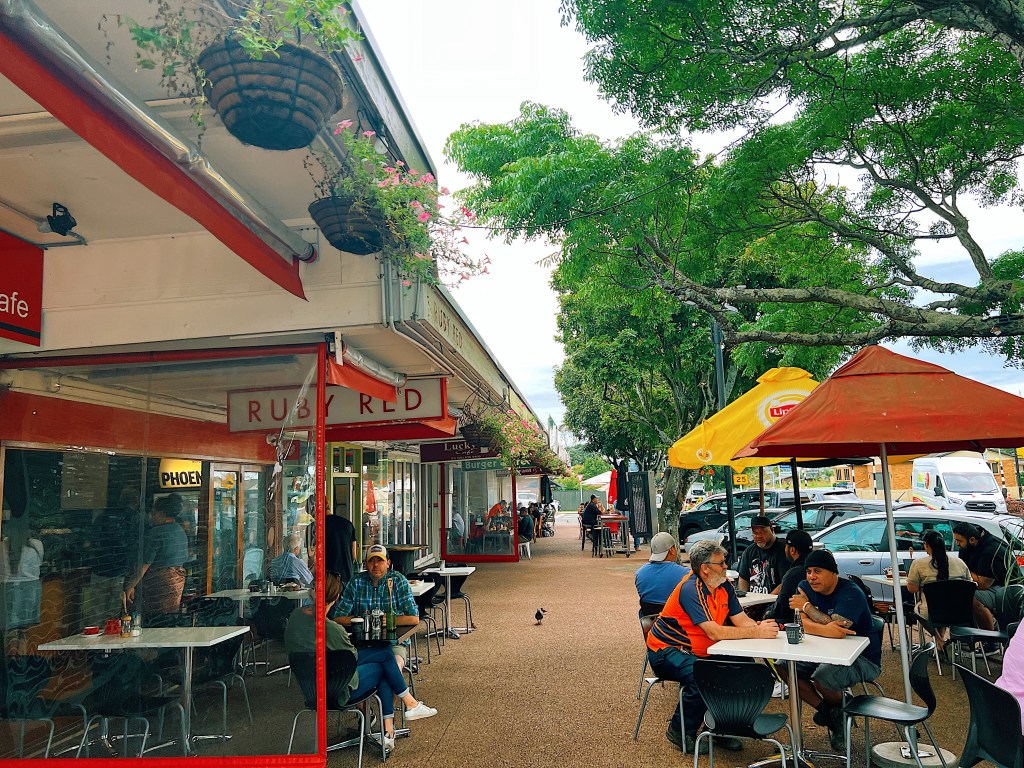
Because this is New Zealand, all outings must include a stop at one of the little independent cafes, that are everywhere. This one, called Ruby Red, was in Mangere Bridge, the little township at the foot of the mountain.
When we were last in Auckland, we started climbing its volcanic peaks, of which there are quite a few. So far, we have summited Maungakiekie (One Tree Hill), Maungawhau (Mt. Eden), Maungakiekie (Mt. Wellington), Maungauika (North Head), Ohinerau (Mt. Hobson), and Te Kopuke (Mt. St. John). Today, we climbed Owairaka / Te Ahi-ka-a-Rakataura (Mt. Albert).
With an elevation of 135 m (443 ft), Mt. Albert is named for Queen Victoria’s consort, Prince Albert. It also has two Maori names. Owairaka means Place of Wairaka. Wairaka was the daughter of Toroa, the commander of one of the great voyaging canoes (wakas) that first brought the Maori to Aotearoa (New Zealand) from their ancestral home of Hawaiki. Whakatane, a town in New Zealand, gets its name as the place where she saved the tribe’s waka from drifting out to sea. The men had gone ashore and the canoe began to drift out to sea. Women were not allowed to paddle the waka but Wairaka, noticing the adrift canoe sprung into action. Summoning other women, she called out “Kia whakatane au i ahau“ (“I will act like a man”), and together they paddled the waka back to shore.
The other Maori name, Te Ahi-ka-a-Rakataura (The long fires of Rakataura) refers to its long occupation by Rakataura (also known as Hape) another of the legendary Polynesian navigators who led the Maori from Hawaiki to Aotearoa.
Like the other volcanic peaks in the region, Mt. Albert was the home of a Maori pa (fortified village). Many of the earthworks and terraces are still visible. The volcano sits in the middle of the suburb bearing the same name which is represented in parliament by Jacinda Arden, New Zealand’s Prime Minister.
On the way up
The view from the top.
Looking north to Waitemata HarborLooking east to the cityLooking west to Manukau Harbor
At the top of Mt. Albert are fields and shady trees.
We started the day with breakfast at Gluten-free bakery, Noglu, on Madison Avenue in the Upper East Side.
Despite the sign outside the bakery, Messiah was nowhere to be seen.
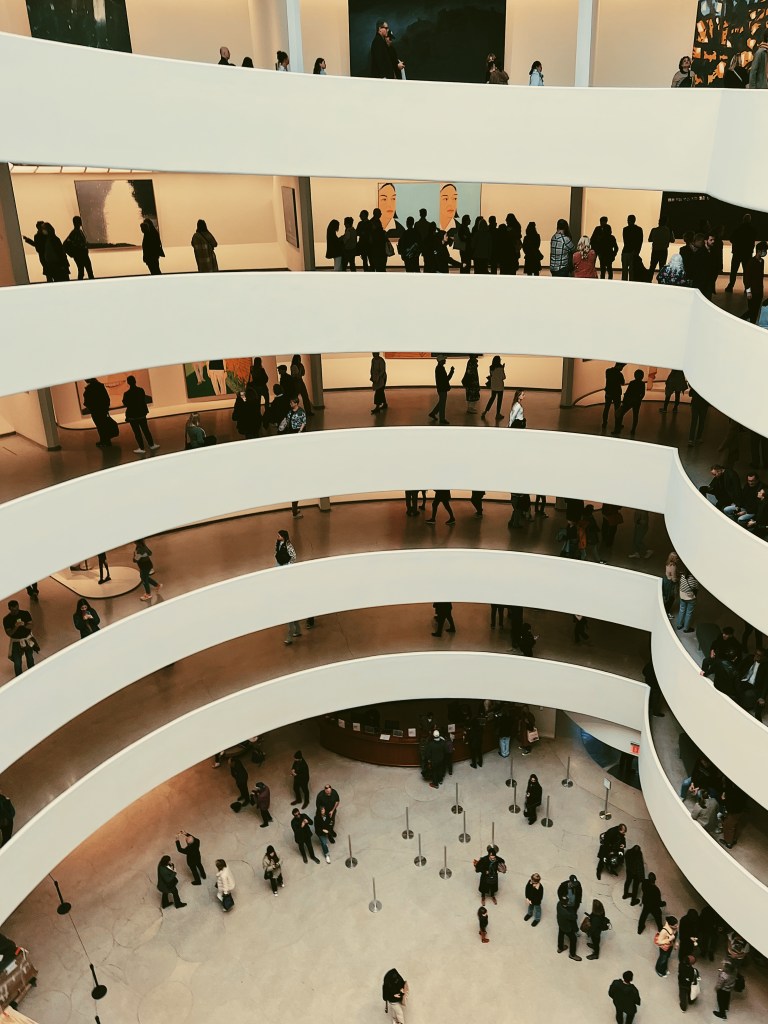
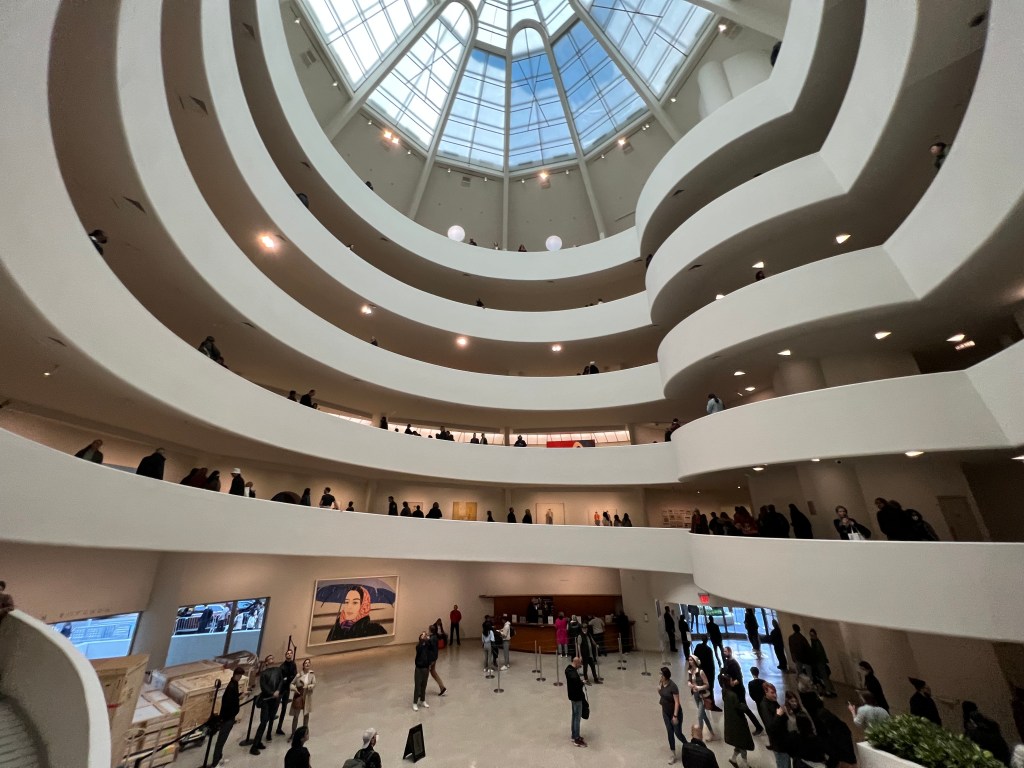
From there, we headed over to Frank Lloyd Wright’s classic museum, The Guggenheim. Completed in 1959, it consists primarily of a six-story, bowl shaped main circular gallery.
Over fifty years on, it hasn’t changed too much from when Mal’s parents visited it in the mid-1960s, when it was still relatively new. This is it back then.
And here it is now.
The Museum has an extensive collection of modern art, including these three Picassos
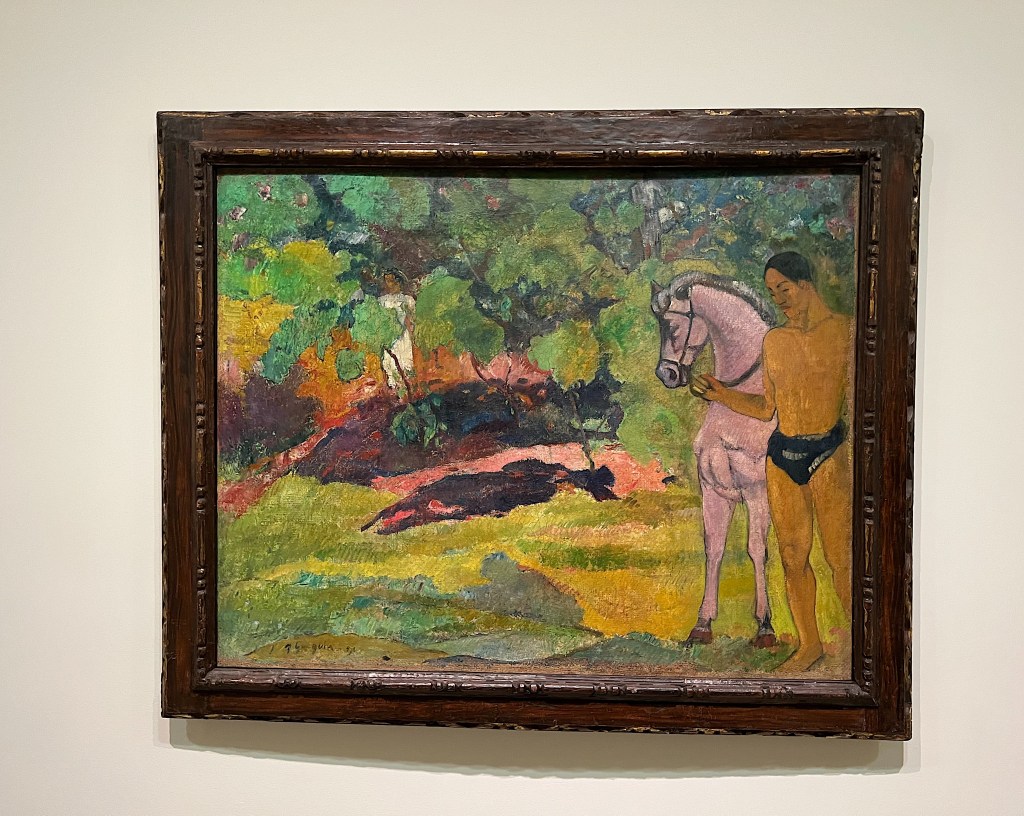
And these two Gauguins
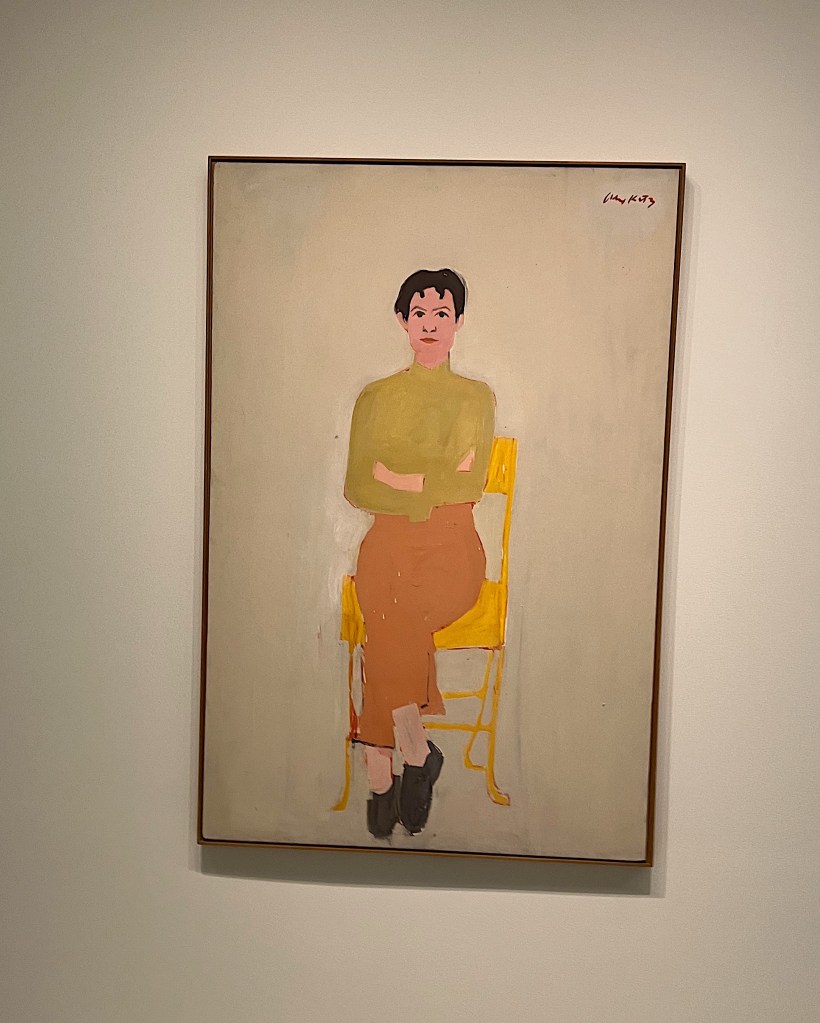
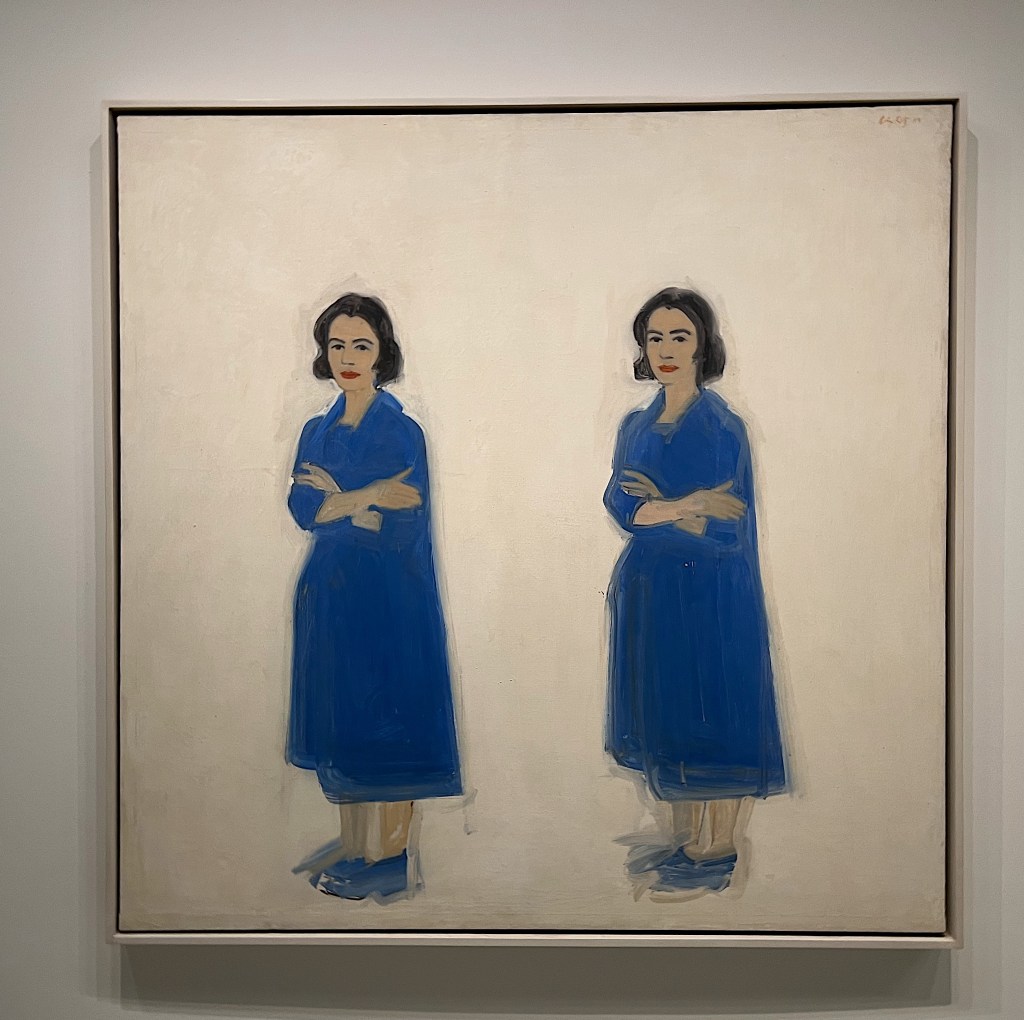
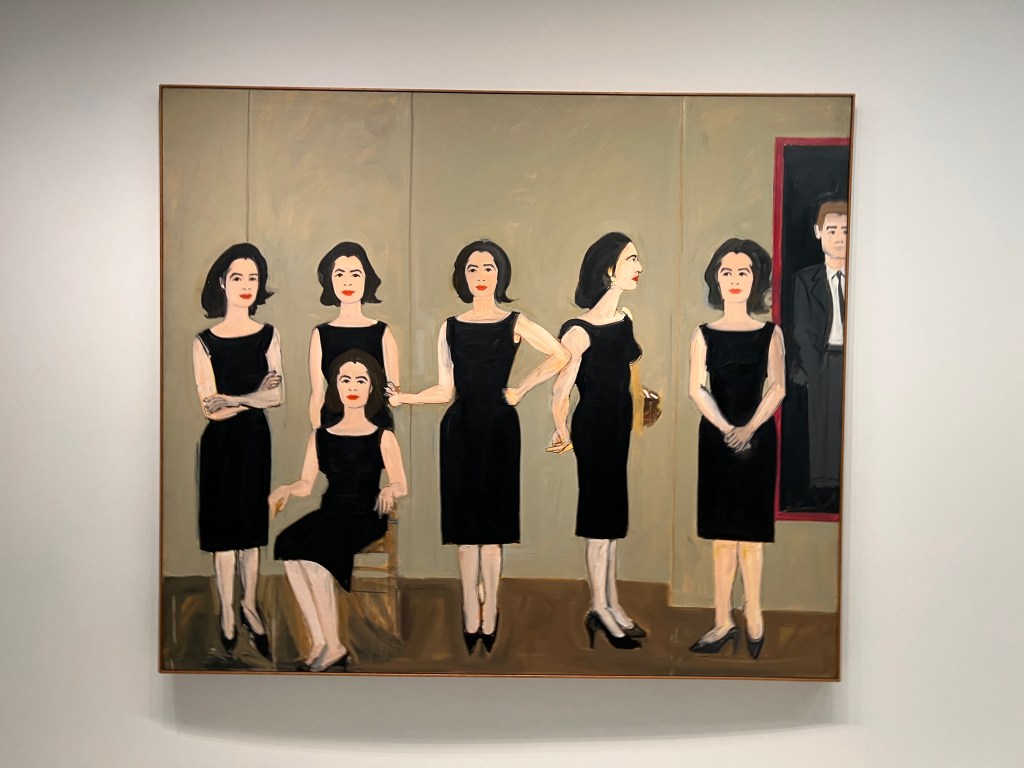
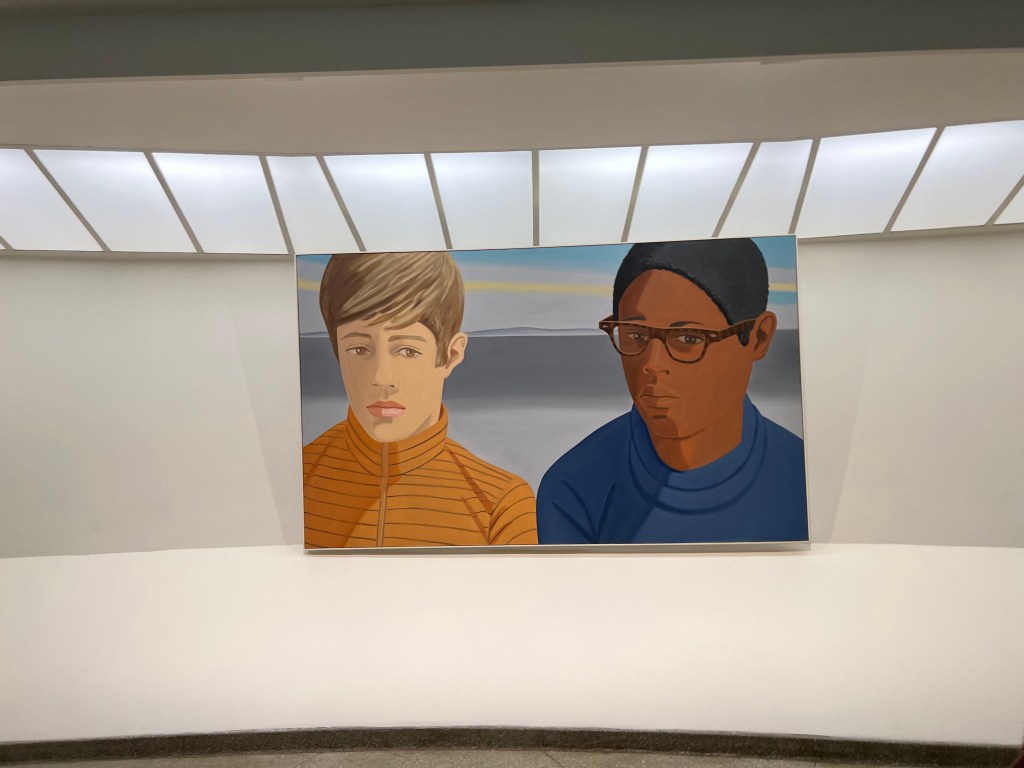
But the main attraction was a massive retrospective of the New York artist Alex Katz who recently turned 95. Here are a sample of his greatest hits.
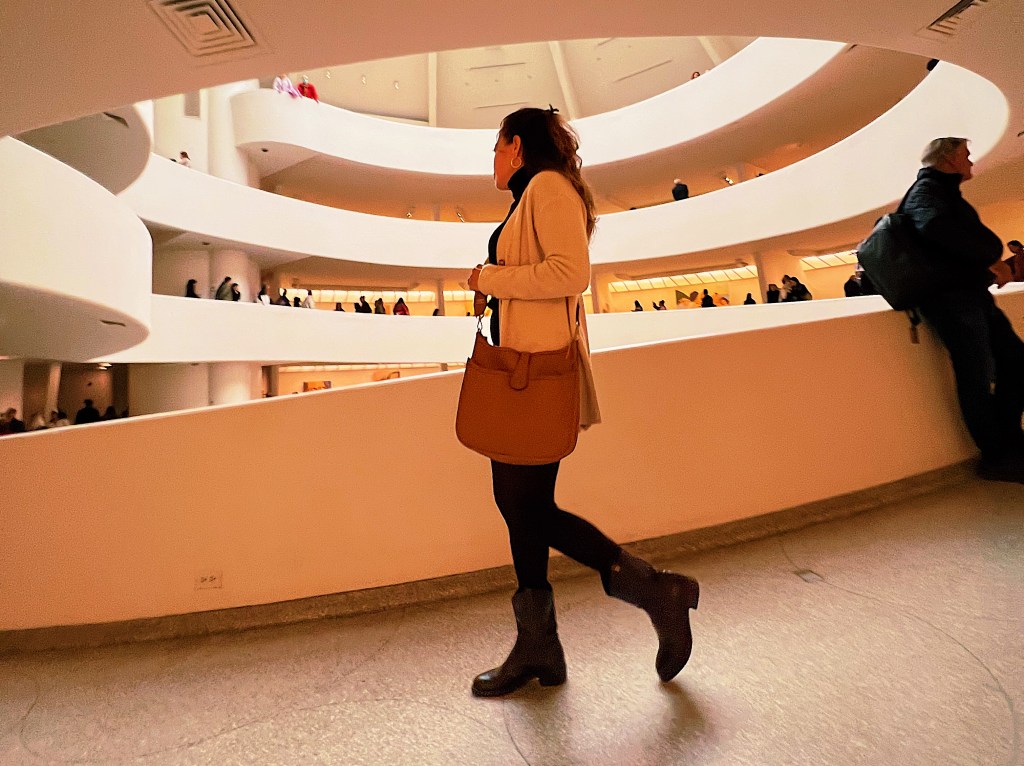
We love this photo, taken by Kylie.
Directly across the road from the Museum is Central Park, so like much of New York, we decided to take advantage of a perfect Autumn day and go for a stroll in the park.
Across the Jacqueline Kennedy Onassis Reservoir we could see one of New York’s most iconic apartment buildings. The twin towered El Dorado was built between 1929 and 1931 in Art Deco style and is thirty floors high. It has been home of many famous actors and musicians, including Alec Baldwin, Bono, Richard Dreyfuss, Faye Dunaway, Carrie Fisher, Michael J. Fox, Ron Howard, Groucho Marx, Moby, Marilyn Monroe and Bruce Willis.
After spending some time browsing the stores on Madison Avenue, including this beautiful perfume store
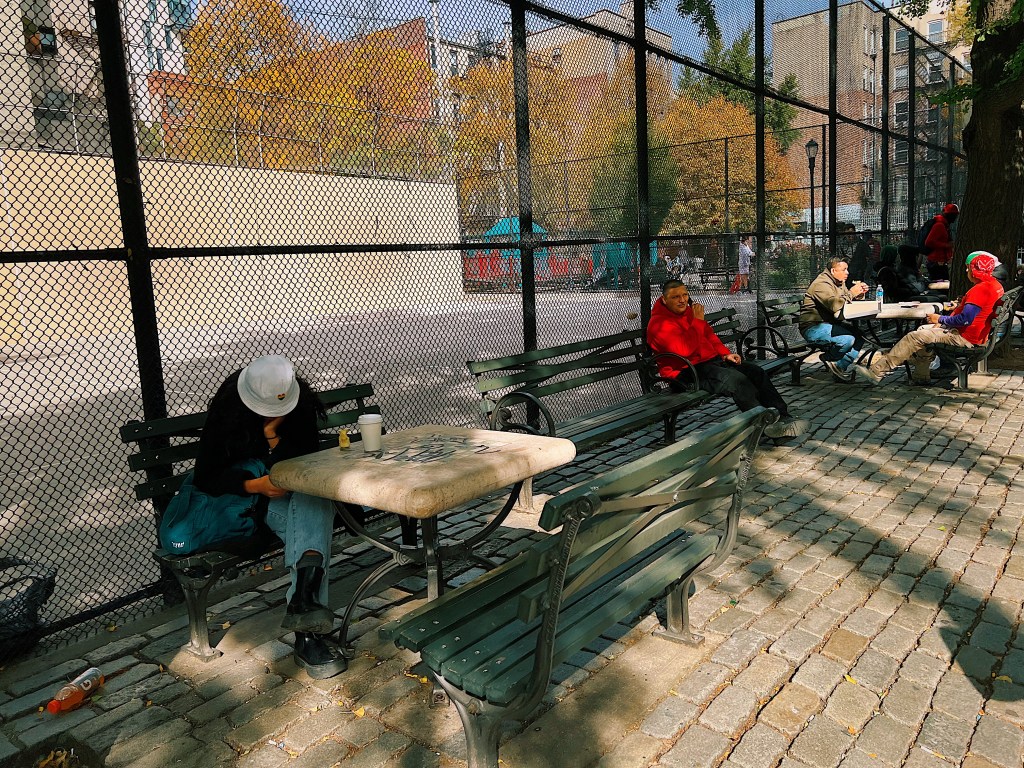
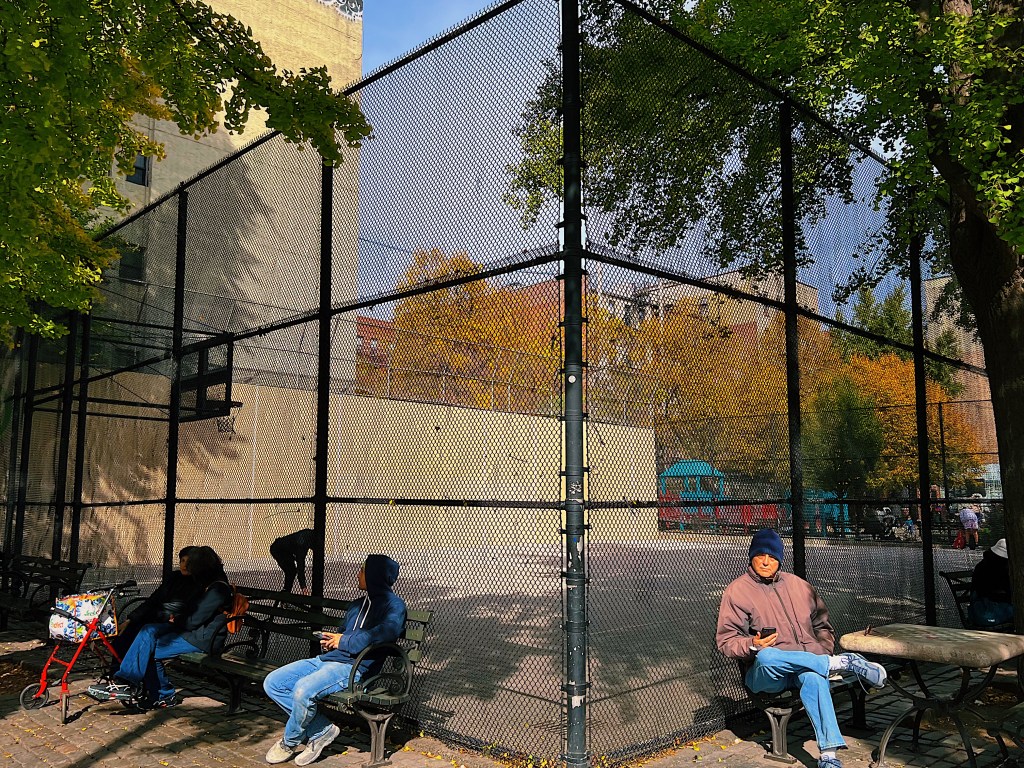
we hopped an Uber back down to Greenwich Village, where we wandered through the neighborhood, making our way back to out hotel in Tribeca via Washington Square Park with its iconic Arch. The NYU students were out in full force.
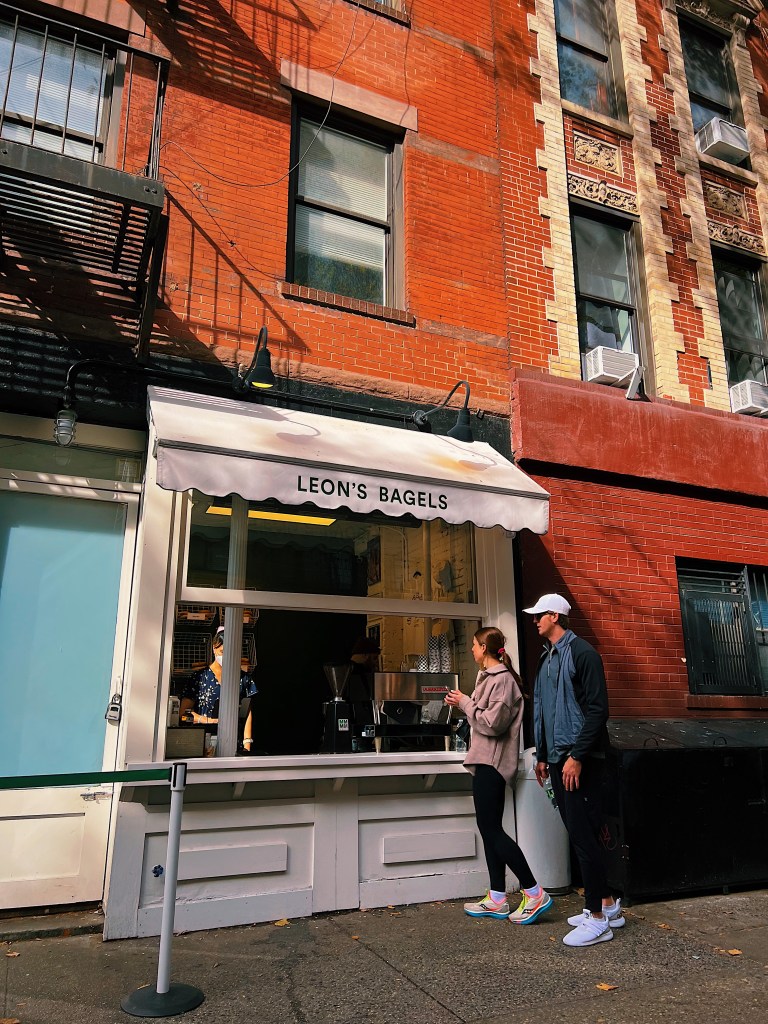
On a cool sunny day, we headed up toward The Whitney Museum in the Meatpacking District. Along the way we passed through Greenwich Village, where Jake stopped at Leon’s for a bagel and lox, the quality of which confirmed what New Yorkers always claim, that nowhere else in the world do the bagels compare with those in New York. Apparently, it has something to do with the water here.
Last time we were in NYC it was pre-Covid. Since that time practically all of the restaurants have expanded out into the streets. Many have built covered spaces that often are quite elaborate. We liked this one with its Autumn theme.
As its name suggests, the Meat Packing District was once the home of over 250 slaughterhouses and packing plants. In the 1960s the area began to decline and by the 1980s it had become a center for drug dealing and prostitution. However, in the 1990s the area went through a transformation, attracting high end boutiques, catering to young professionals and hipsters.
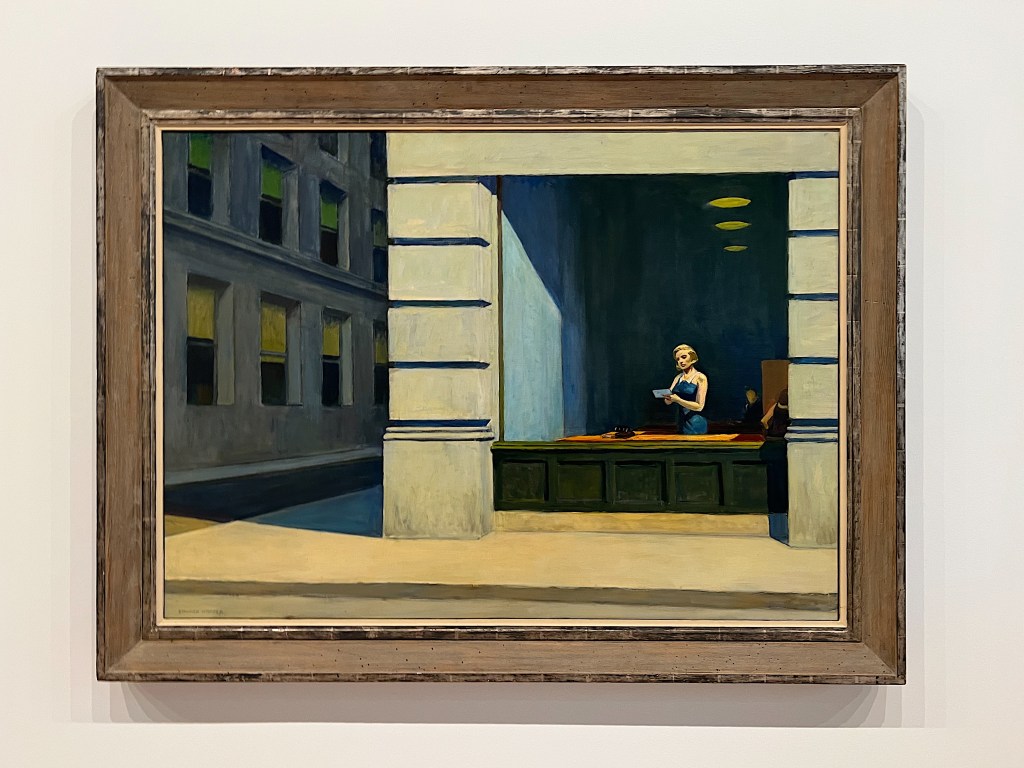
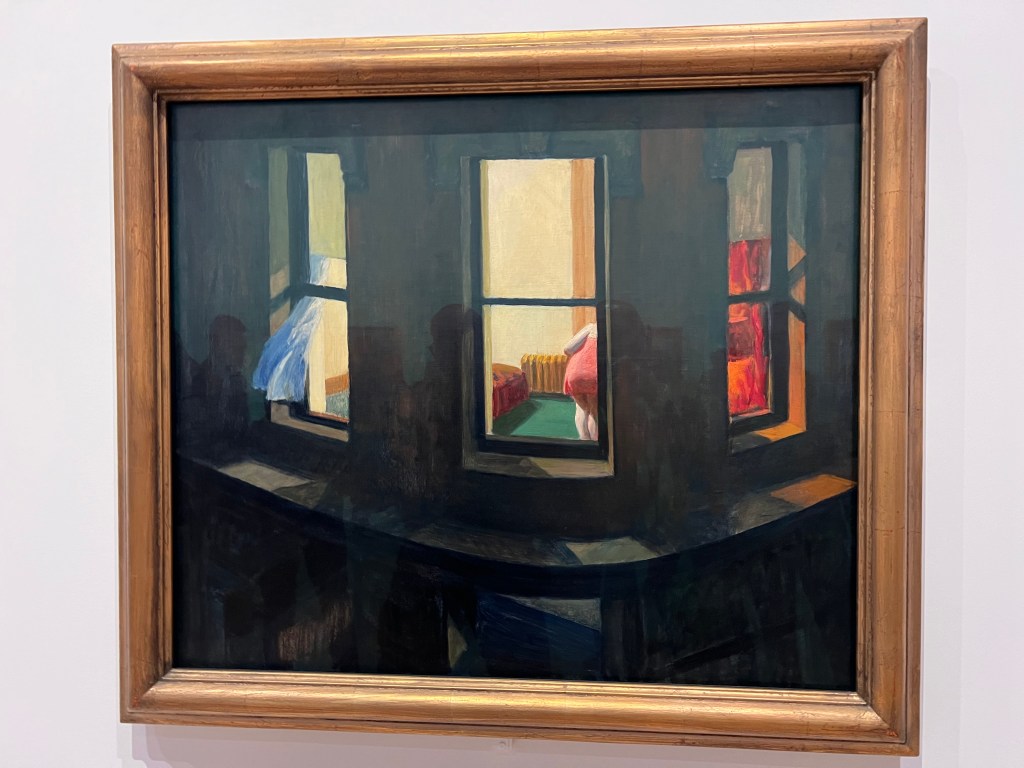
It is also home to one of NYC’s newest and best museums. Designed by Renzo Piano and completed in 2015, The Whitney contains a huge collection of modern American art. While we were there, the main attraction was a large exhibit of Edward Hopper’s New York paintings. Many of his paintings are rather voyeuristic, looking through windows at people going about their lives. Staying in New York, we could see where Hopper got the inspiration for his work. Just that morning we looked out from our hotel room and right across the street into an office where a woman and man were working. It was very reminiscent of Hopper’s painting Office at Night, painted in 1940.
Here are some more paintings from the exhibition.
And here is a self-portrait of the artist.
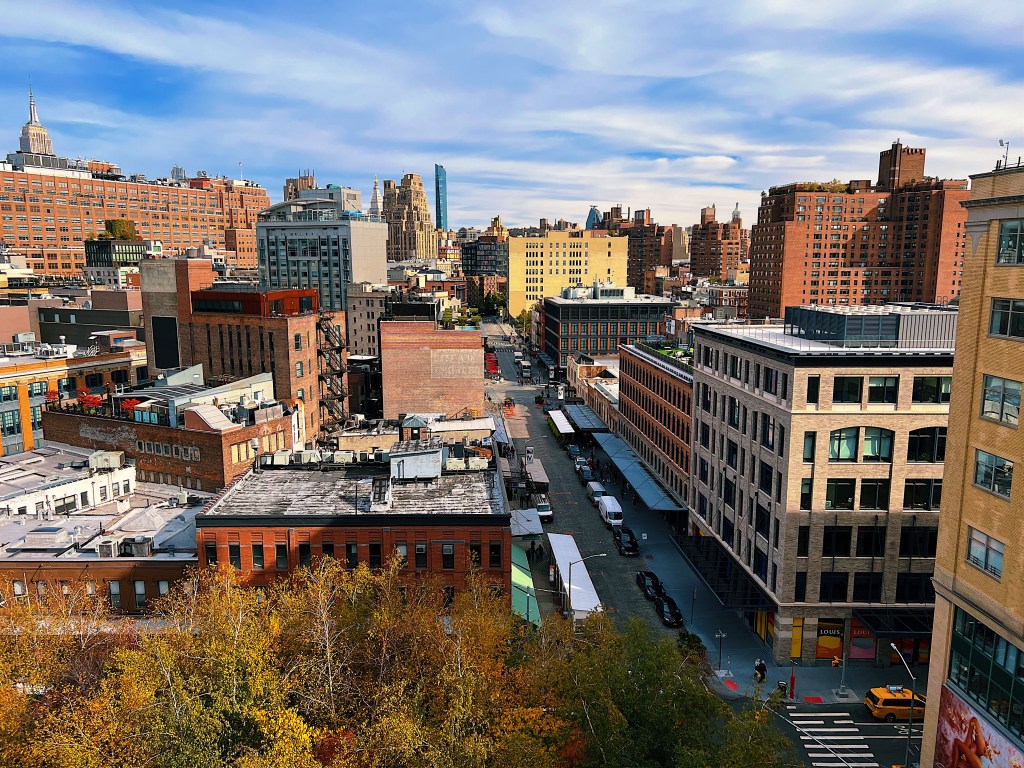
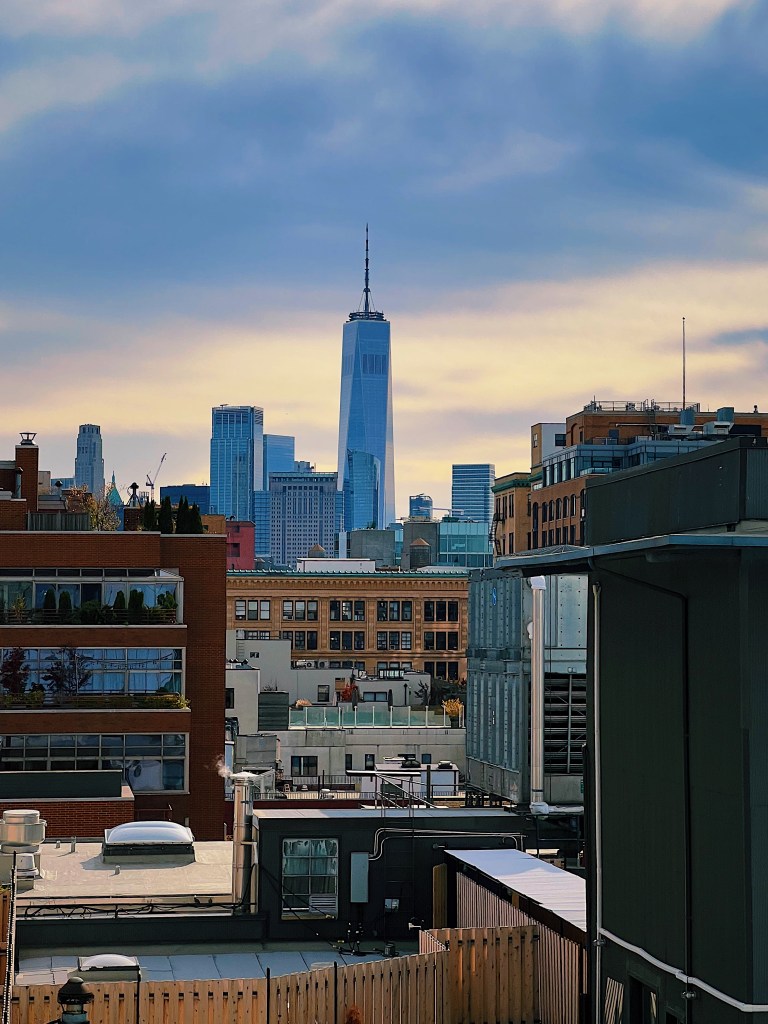
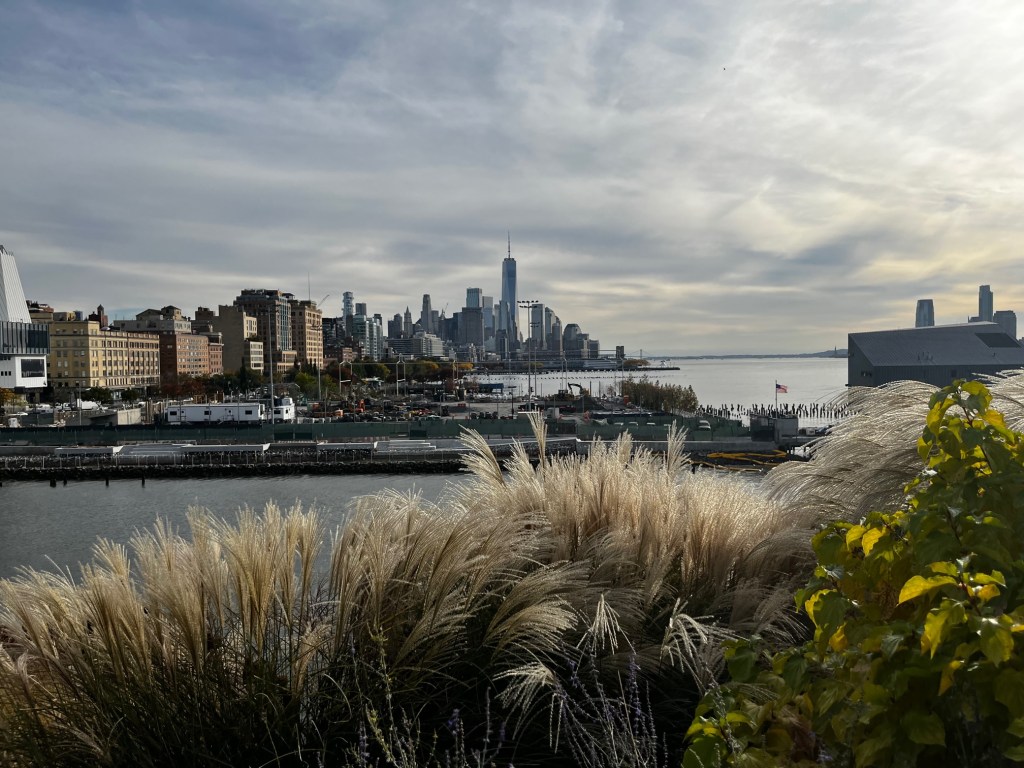
The museum also has some great views over the surrounding neighborhood, The High Line, and the Hudson River.
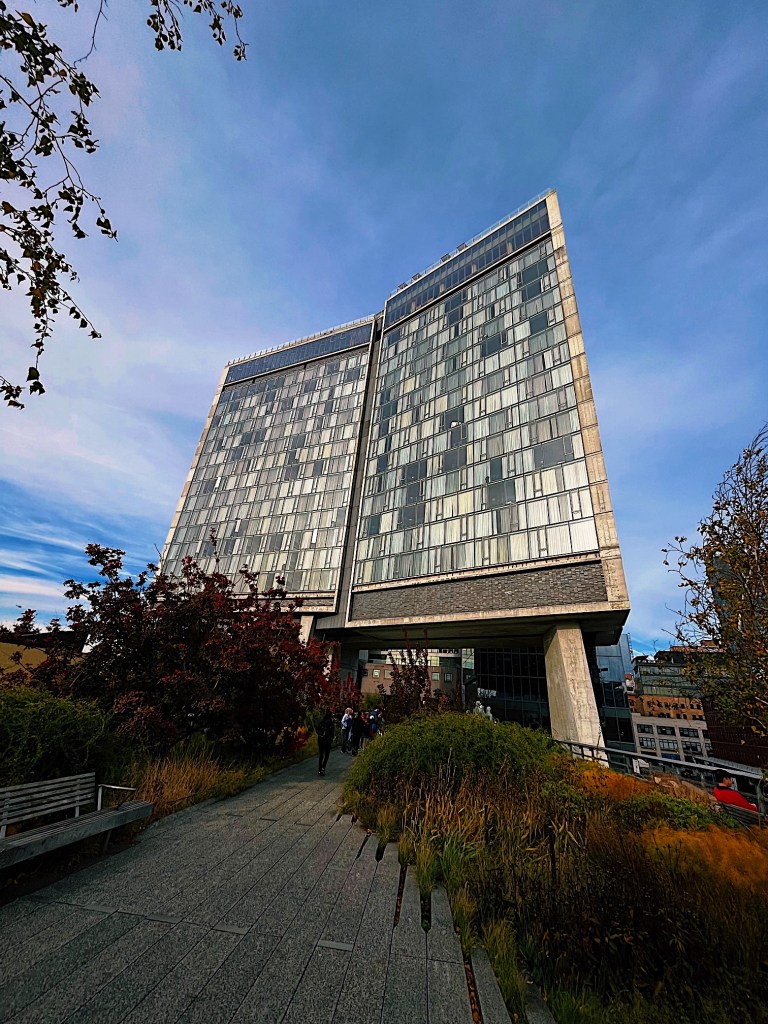
Jake and KylieThe Standard HotelThe Meat Packing DistrictOne World Trade Center Little IslandLauren and Mal
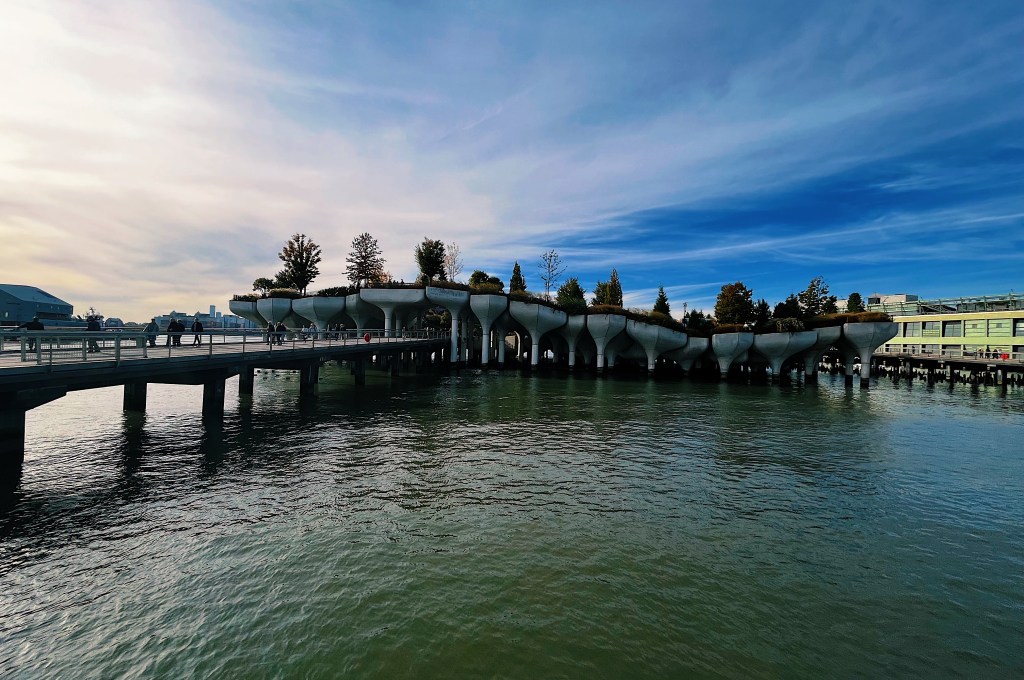
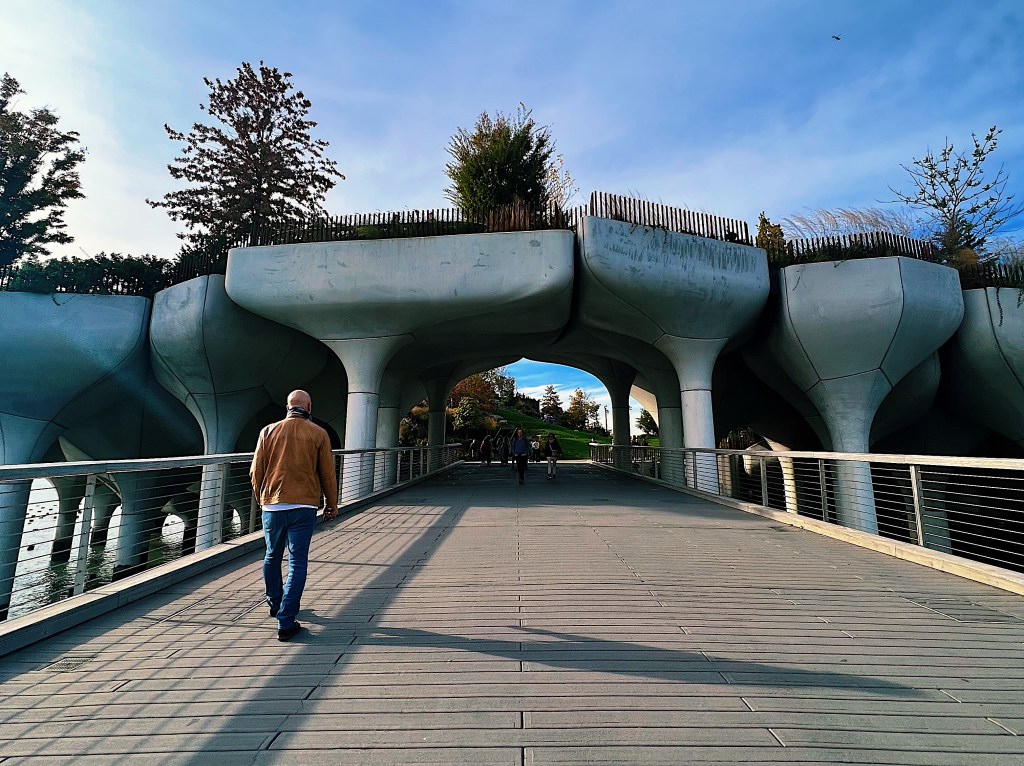
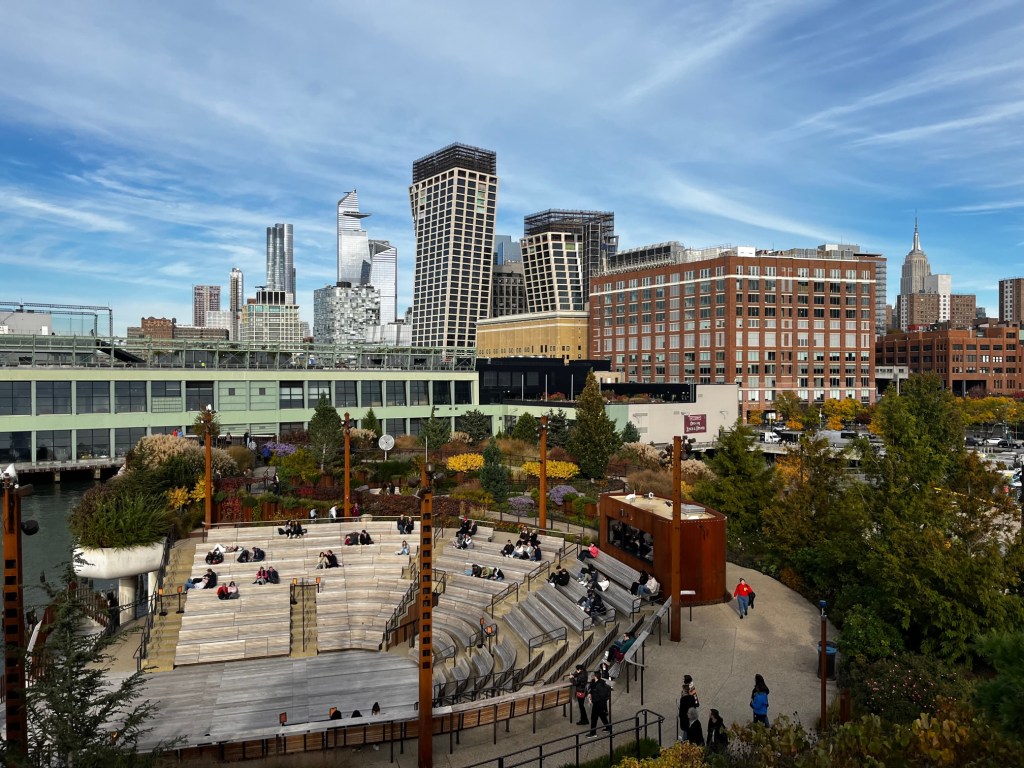
The Museum sits right across the river from Little Island. Designed by Heatherwick Studio, it opened only last year. The artificial island covers 2.4 acres and is supported by 132 pot shaped structures that look like tulips, standing on concrete pilings of various heights. It has various lawns, gardens and paths as well as an amphitheater. It really is very impressive.
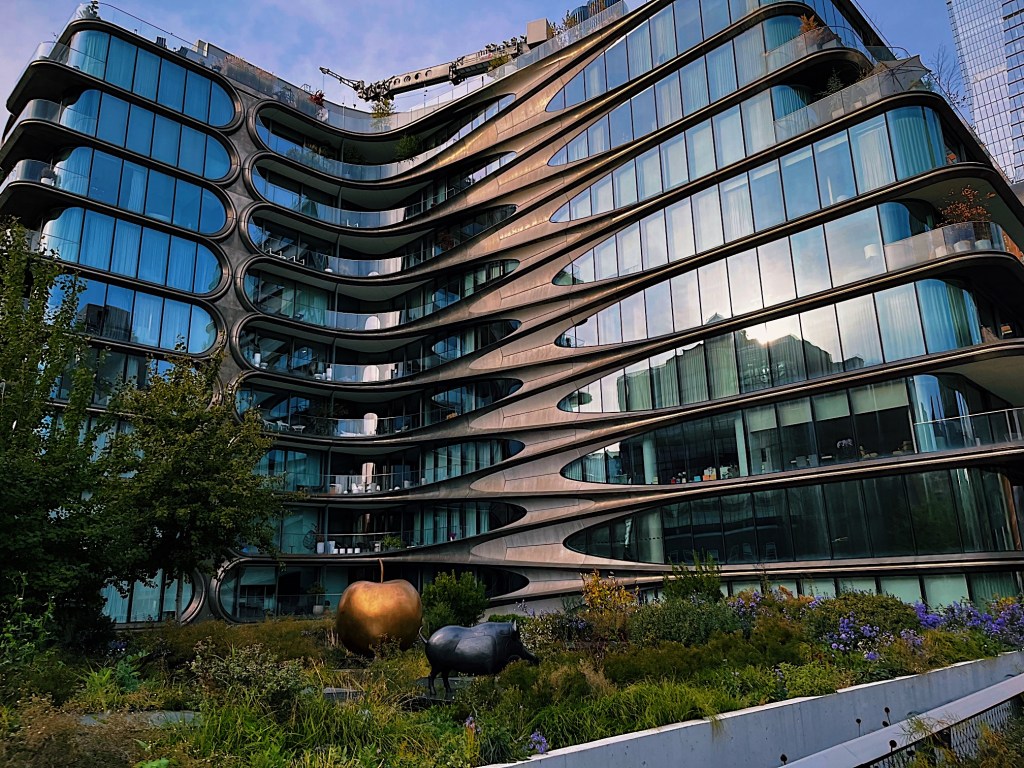
From Little Island we decided to go for a stroll along the High Line, a 1.45 mile long elevated walkway that was once an abandoned elevated railway but now has been extensively planted with gardens and trees. Along the way we passed some interesting but not very private buildings.
We eventually ended up at Hudson Yards, home of a high end Mall and the Shed, a cultural center opened in 2019 that presents a wide range of activities in performing arts, visual arts, and pop culture.
It is also home to the Vessel, an elaborate honeycomb like structure that rises 16 stories and consists of 154 flights of stairs. Unfortunately, not long after it opened in 2019, it began to attract suicides, with four people jumping to their deaths during 2020 and 2021. It is now closed indefinitely.
It’s Autumn in New York. It’s good to live it again. Vernon Duke
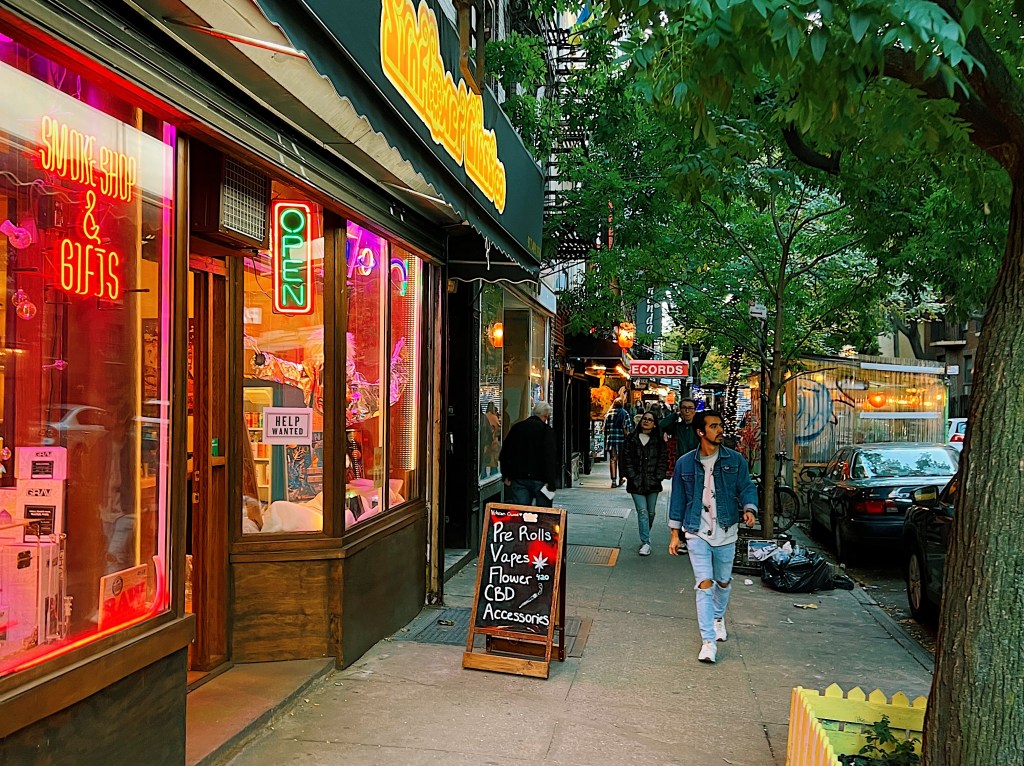
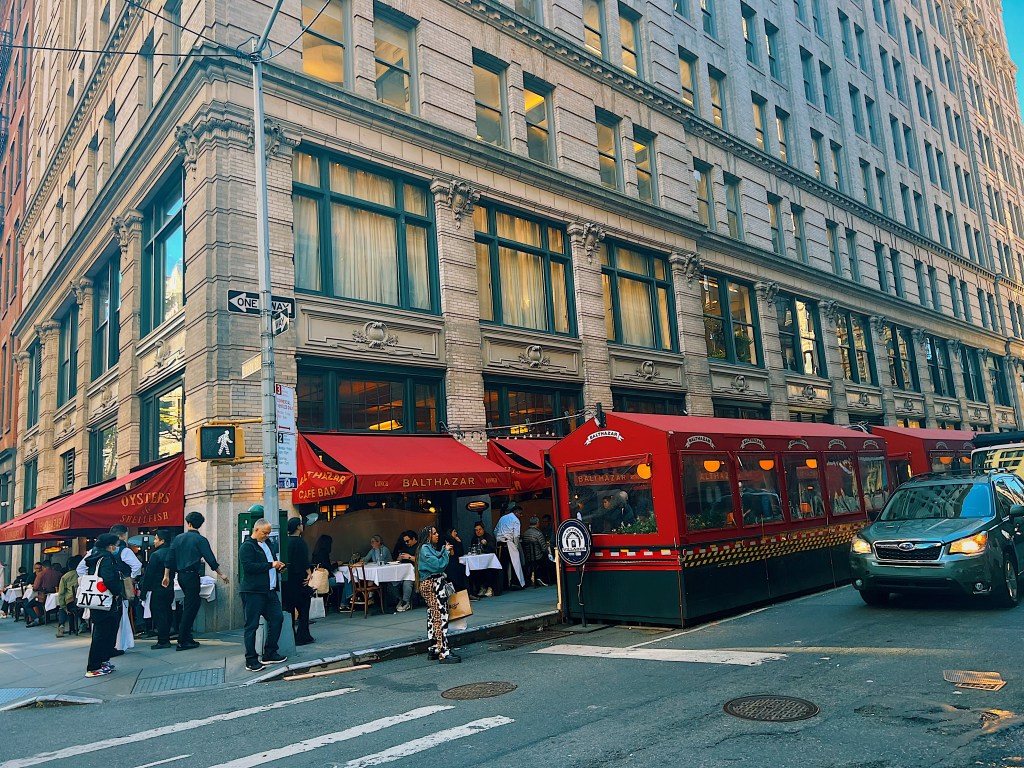
Jake and Kylie were in NYC for work, so we thought that we would join them for a long weekend. Arriving at our hotel in the late afternoon, we decided to go for a walk through Soho and adjacent Nolita. We passed by iconic restaurant Balthazar, which has been in the news recently after its owner banned late night television host, James Corden, from the restaurant after his abusive conduct toward some of some of its staff.
Since we were in Manhattan last, the city appears to have taken a liking for communal bikes, with bike stands sometimes taking up whole blocks.
For those not up for a bike ride there is always the subway with a station on what seems like most corners.
Or for the real desperate, you can always bring your car, although parking can be a problem.
Since we started coming to NYC years ago, Soho has become a completely different neighborhood with lots of high end retail chains. Neighboring Nolita is more like the old Soho, with quiet streets and parks and small independent boutiques.
Among the trendy boutiques a few of the old stores remain, including this classic old butcher.
The University of California, Berkeley, commonly known as Berkeley or Cal, is the first campus of the University of California system, established in 1868. Walking through its hillside campus, it reminded us somewhat of our alma mater, the University of Auckland, with its mix of old and new buildings, iconic clock tower, and similar number of students.
We are not sure if this is a Christo art installation or simply a building under construction.
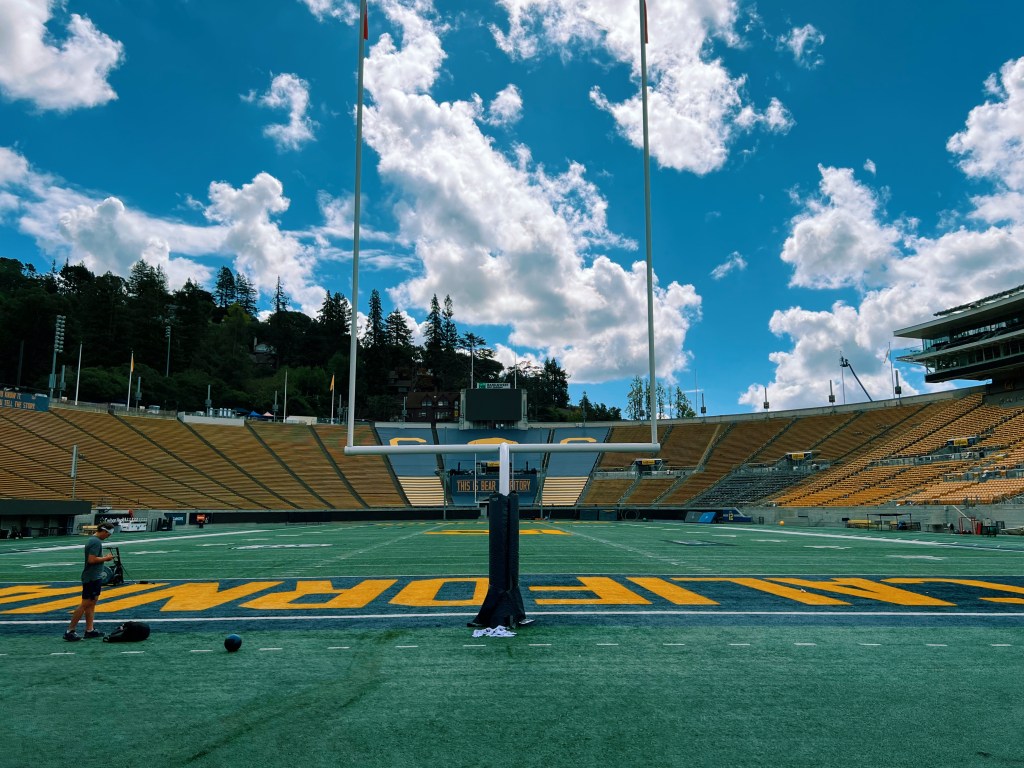
One difference between Auckland and Berkeley is the size of the University’s football stadium. California Memorial Stadium, home of the Golden Bears, holds around 63,000 fans.
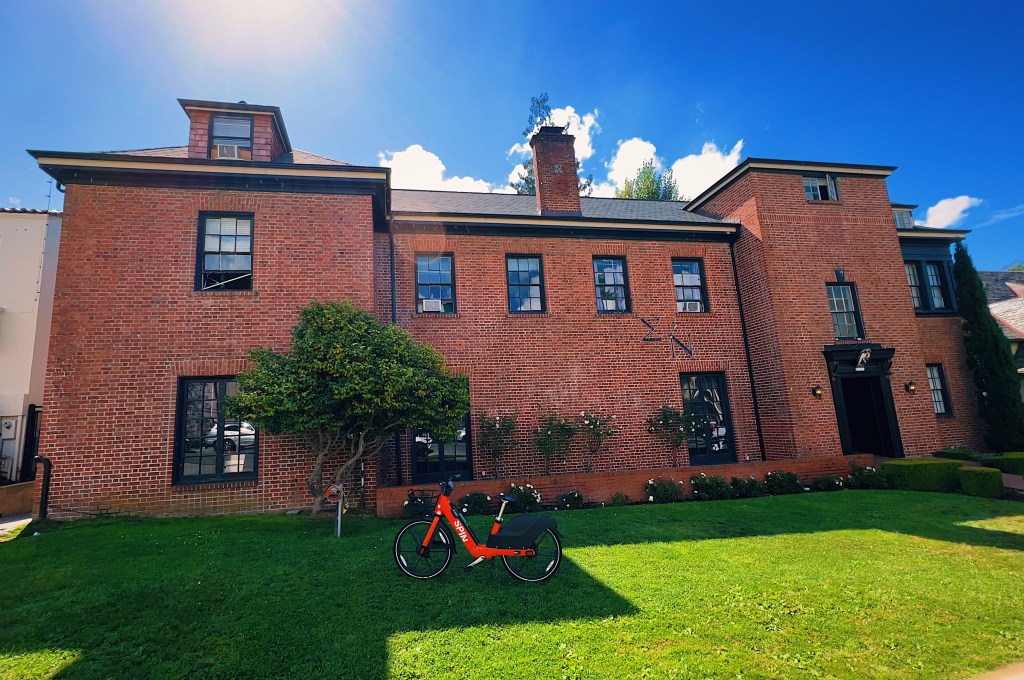
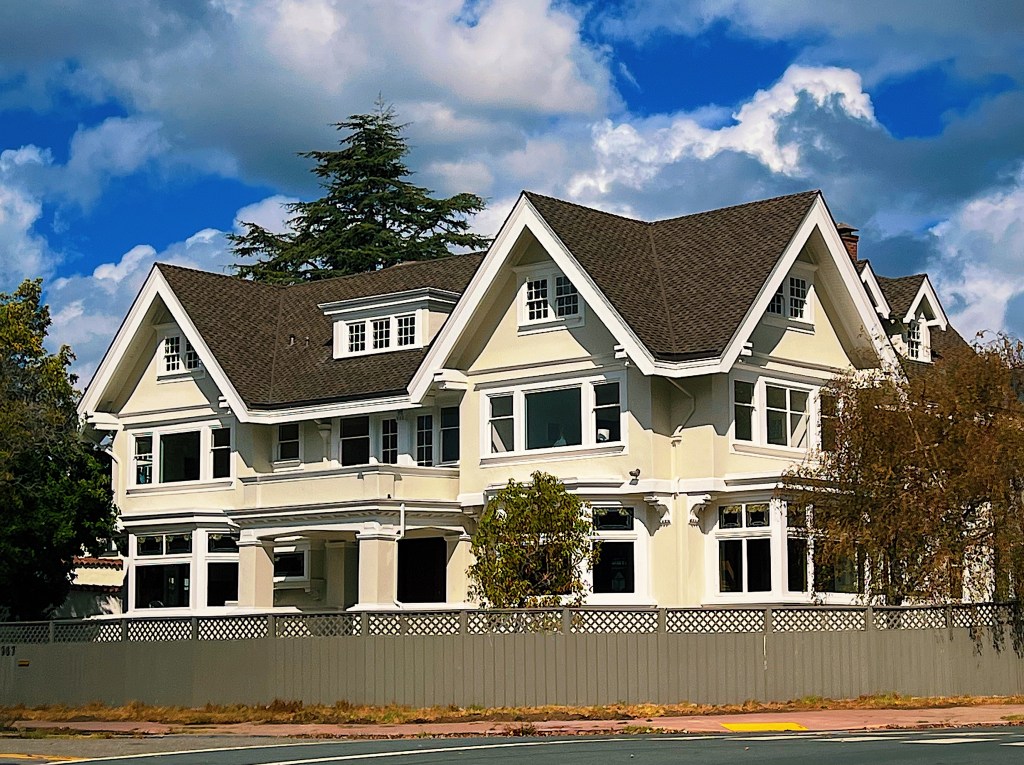
Another difference between Auckland and Berkeley is the existence of fraternities and sororities at the latter. At many American colleges and universities, students join fraternities and sororities as a way of meeting other students and making friends. Often these are housed in old mansions and buildings on or around campus. They are easily spotted by the Greek letters that identify which fraternity or sorority lives there. Berkeley’s were particularly impressive.
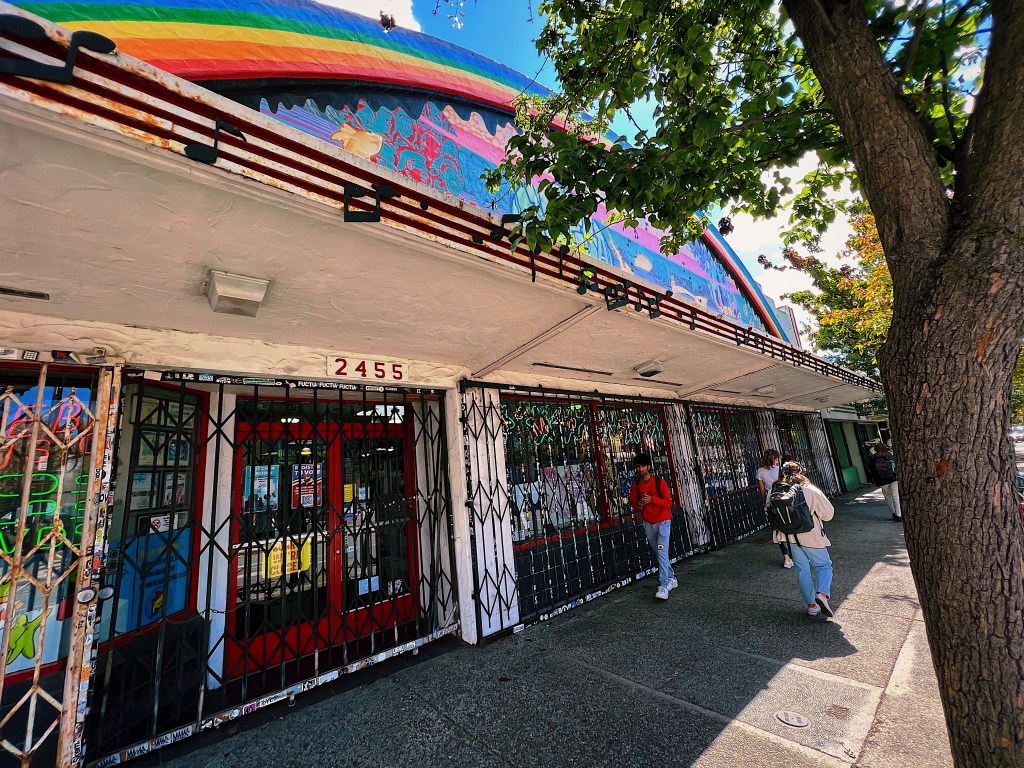
The town of Berkeley, itself, which surrounds the campus, reminded us somewhat of Greenwich Village in New York City, the home of New York University. It may have been the low rise, somewhat rundown, buildings of both neighborhoods, or the throngs of roaming students. Perhaps, it was just that both neighborhoods are forever linked in our minds as centers of 1960s student activism.
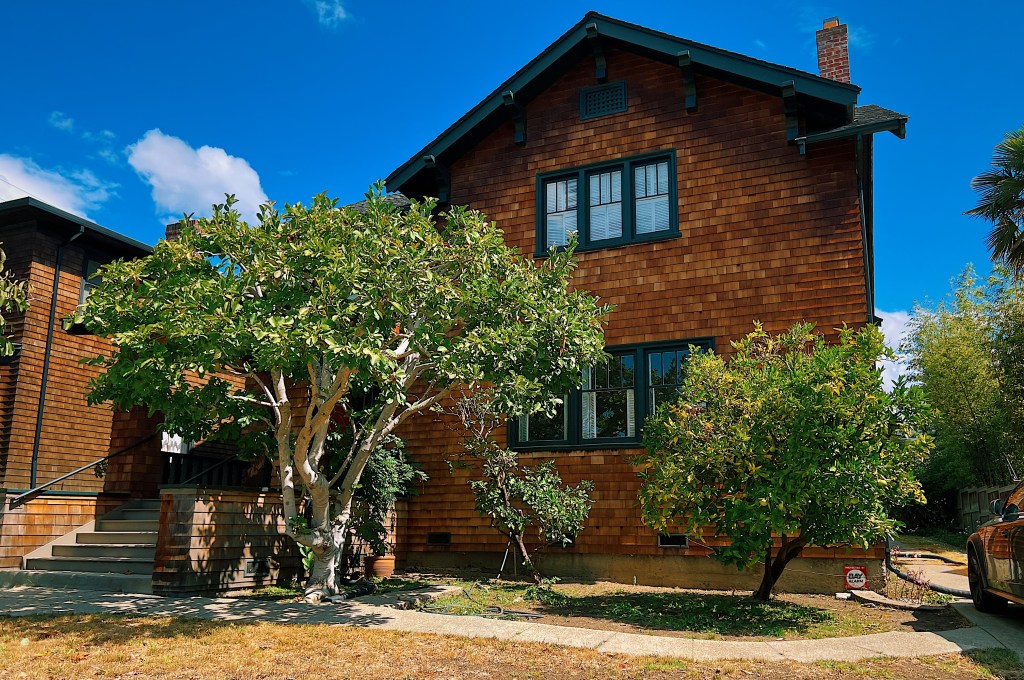
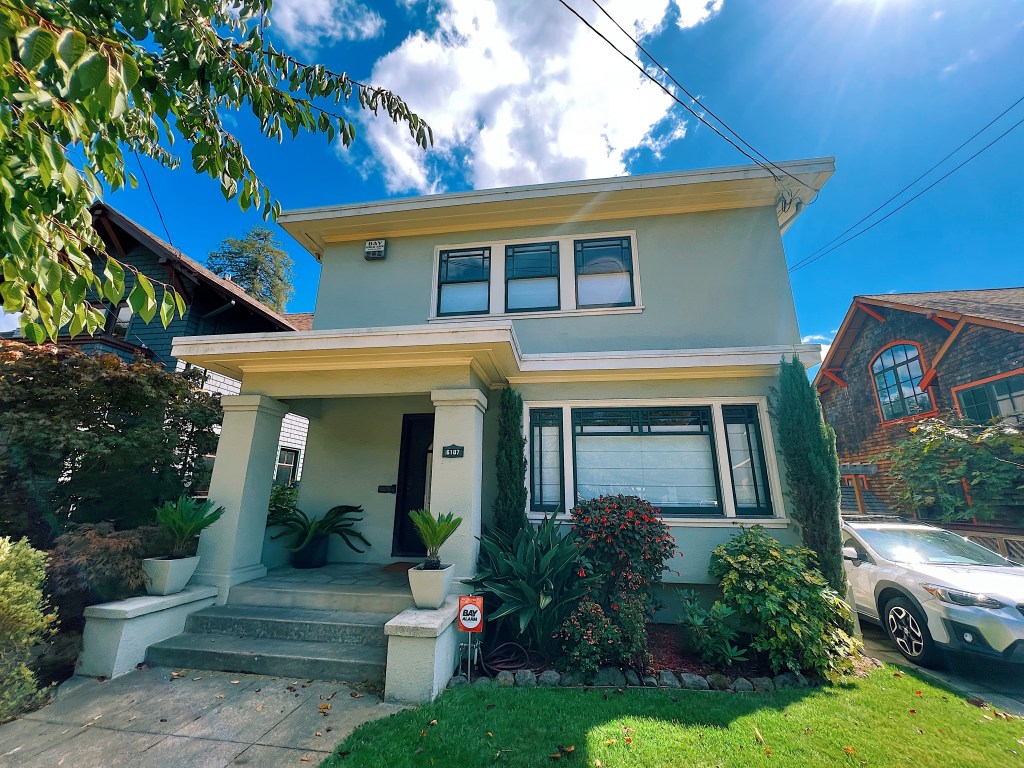
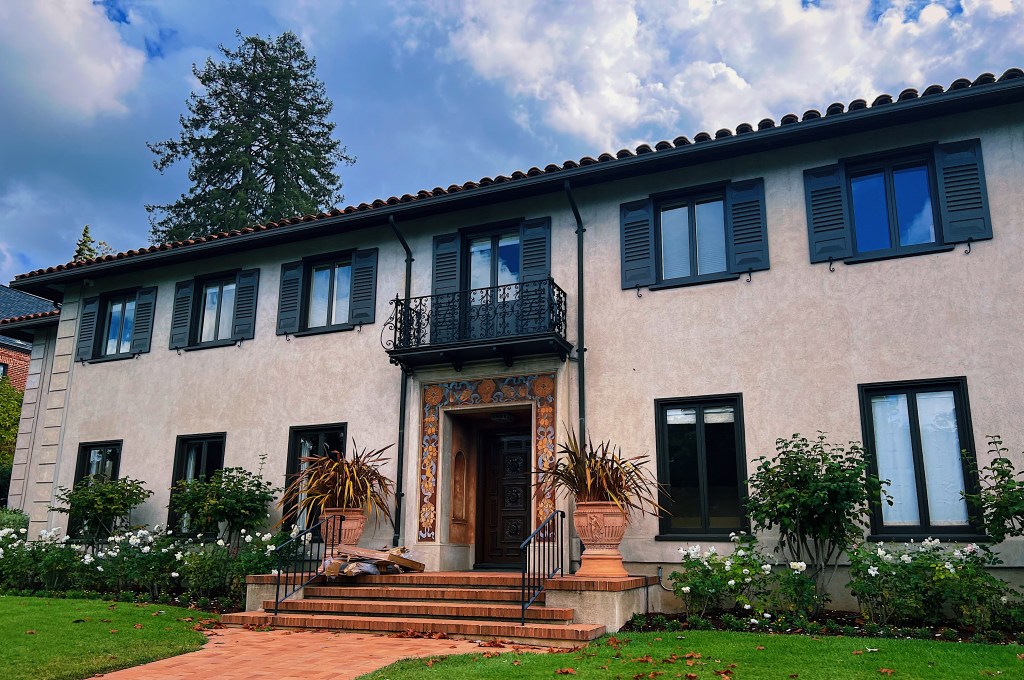
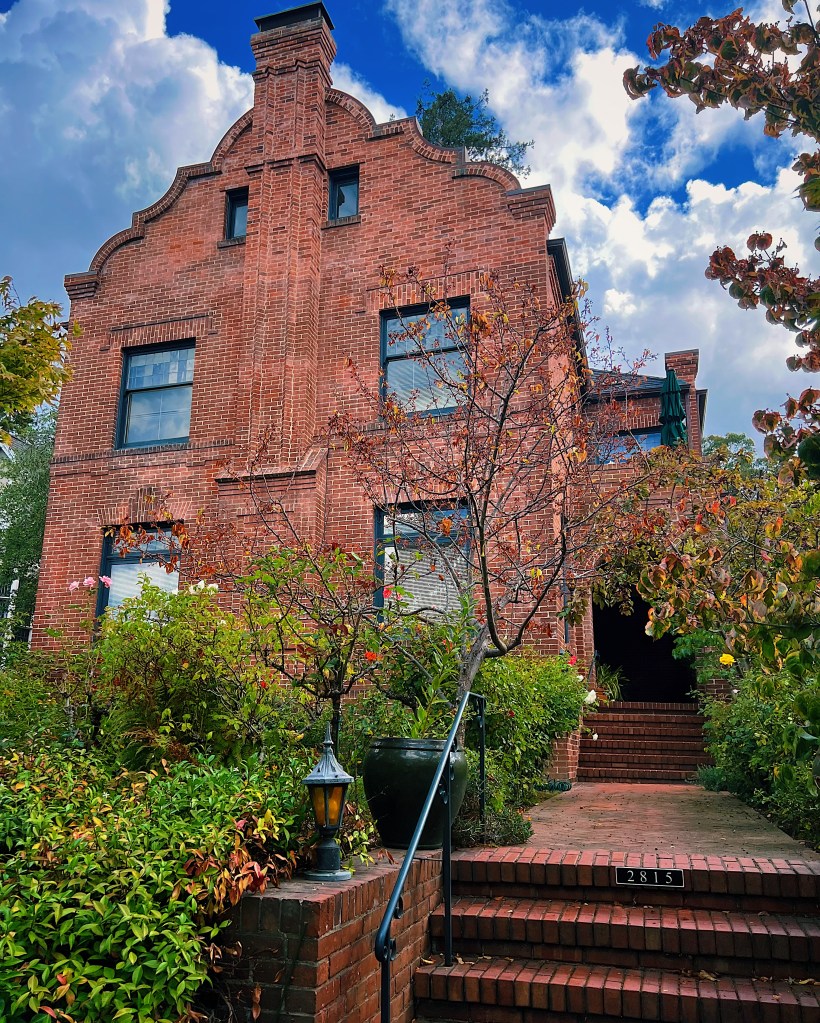
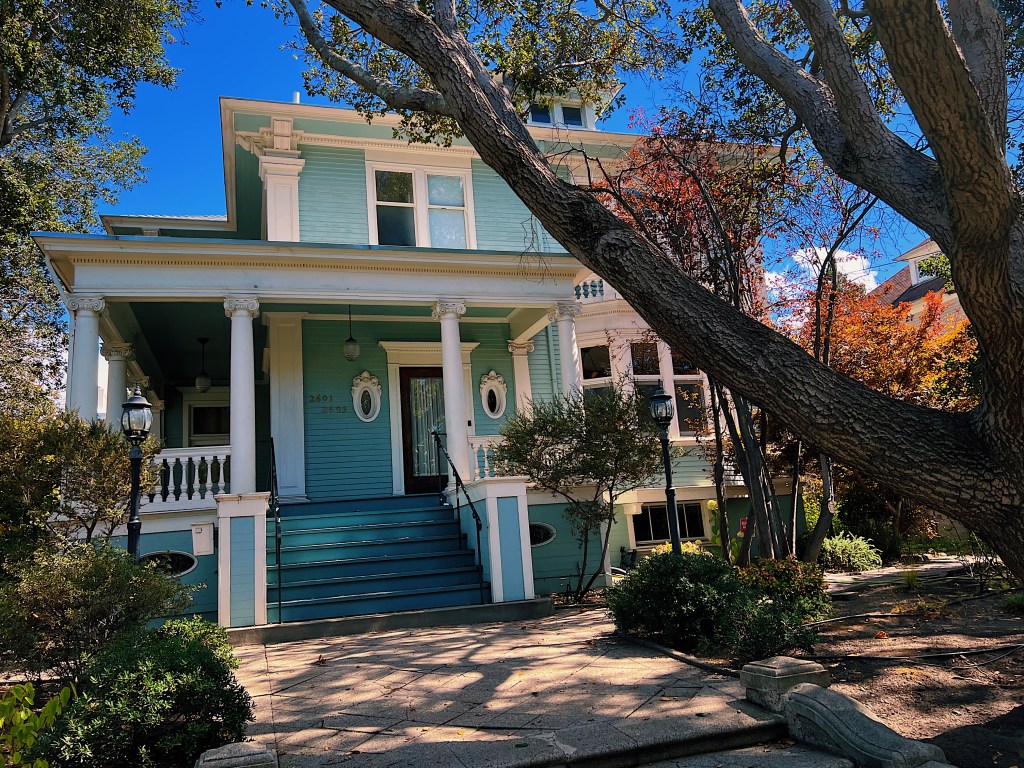
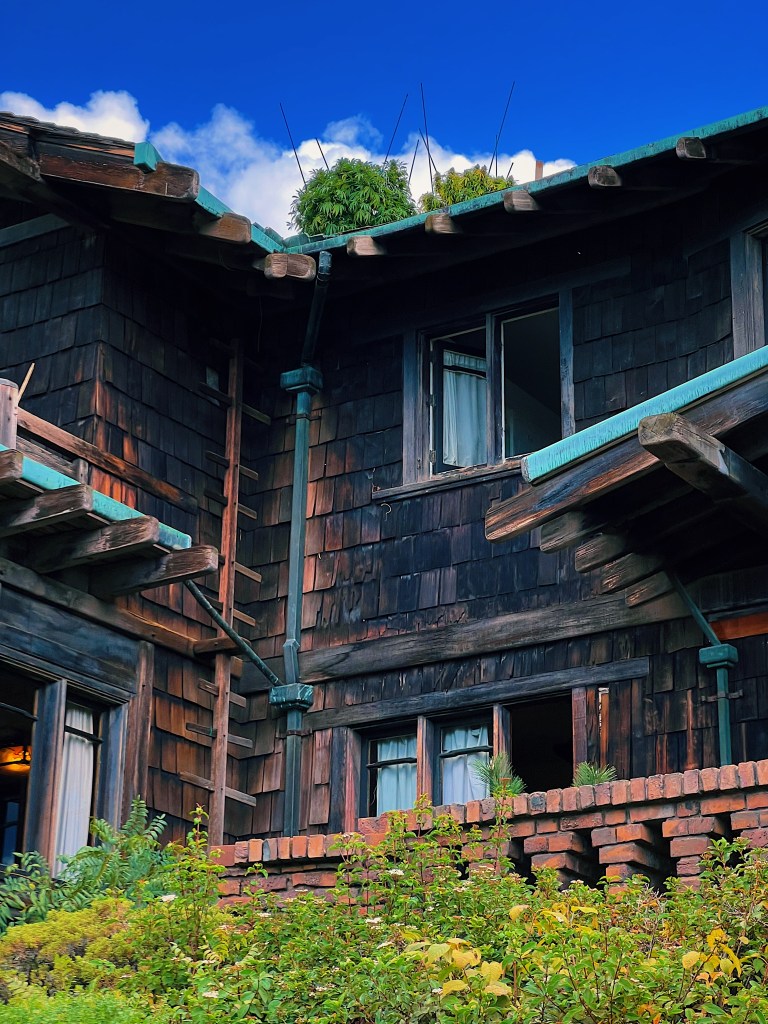
As we walked back from the campus to our hotel we passed through some very nice neighborhoods. Homes clad in natural dark wood shingles were particularly popular.
We came across this majestic redwood tree.
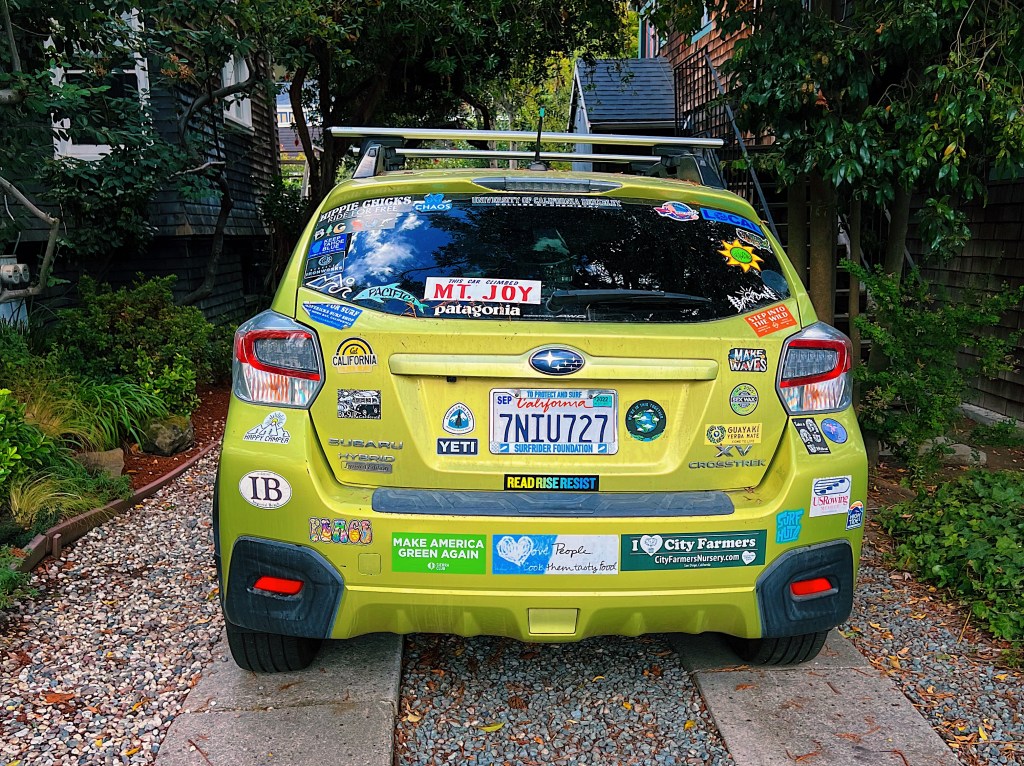
Other reminders that we were in Berkely were this bumper sticker laden Subaru
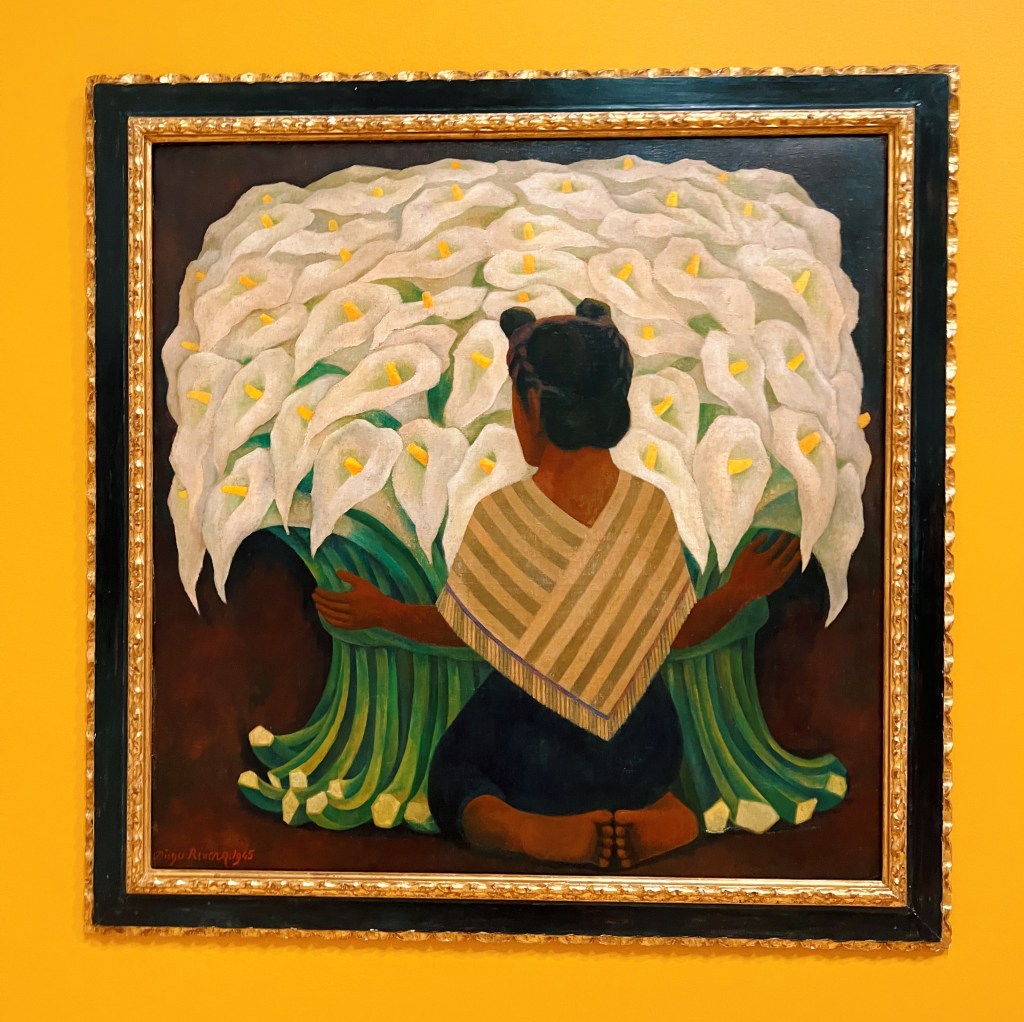
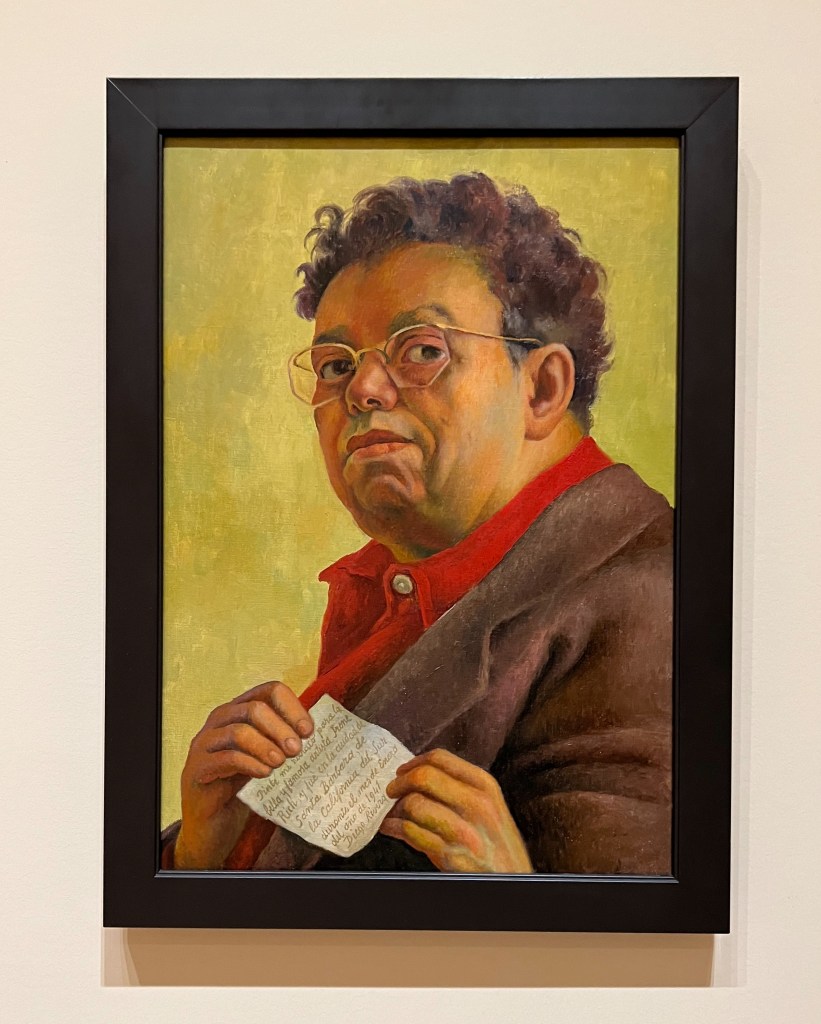
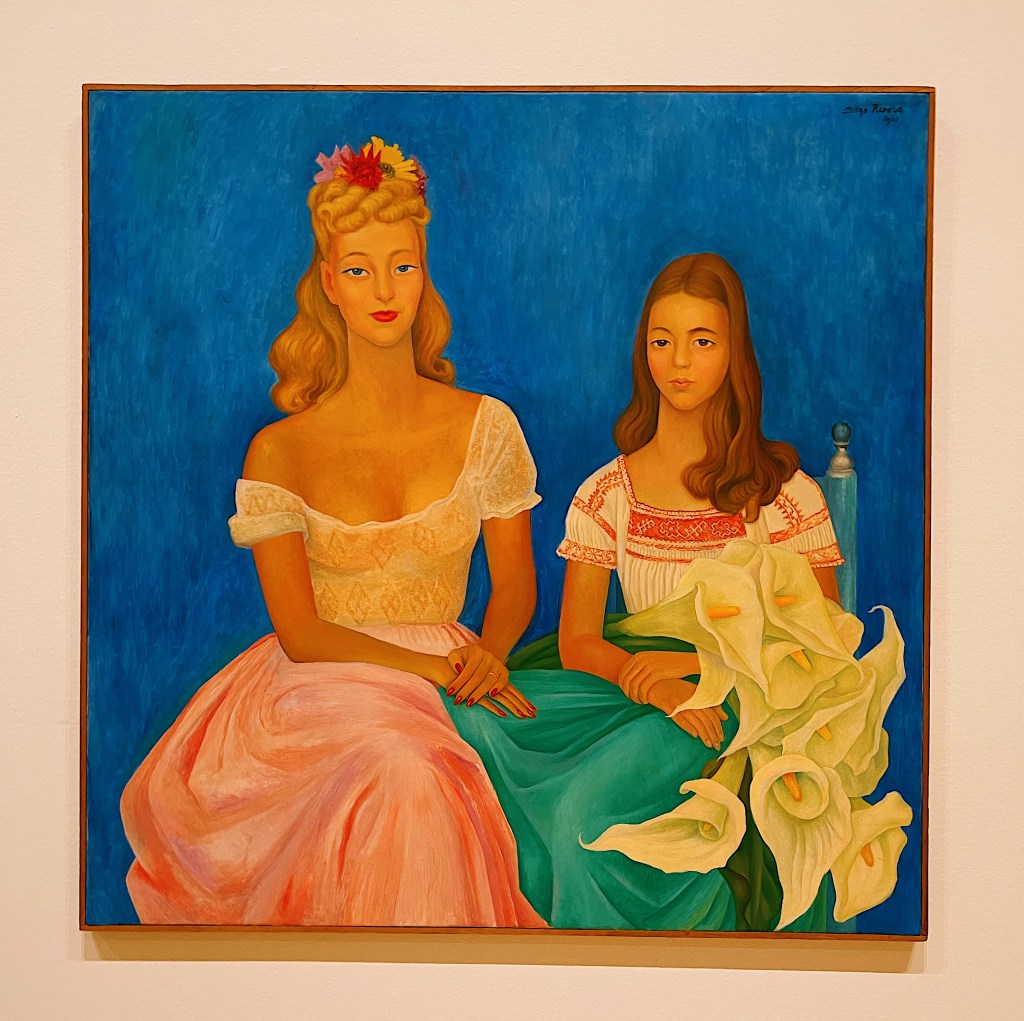
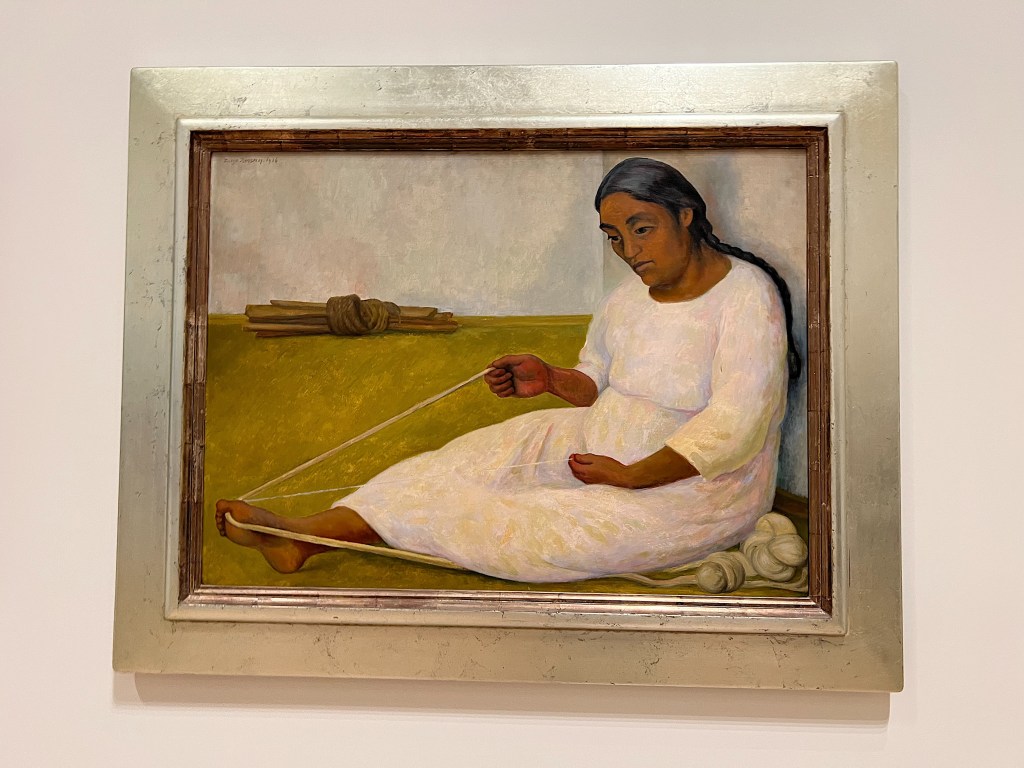
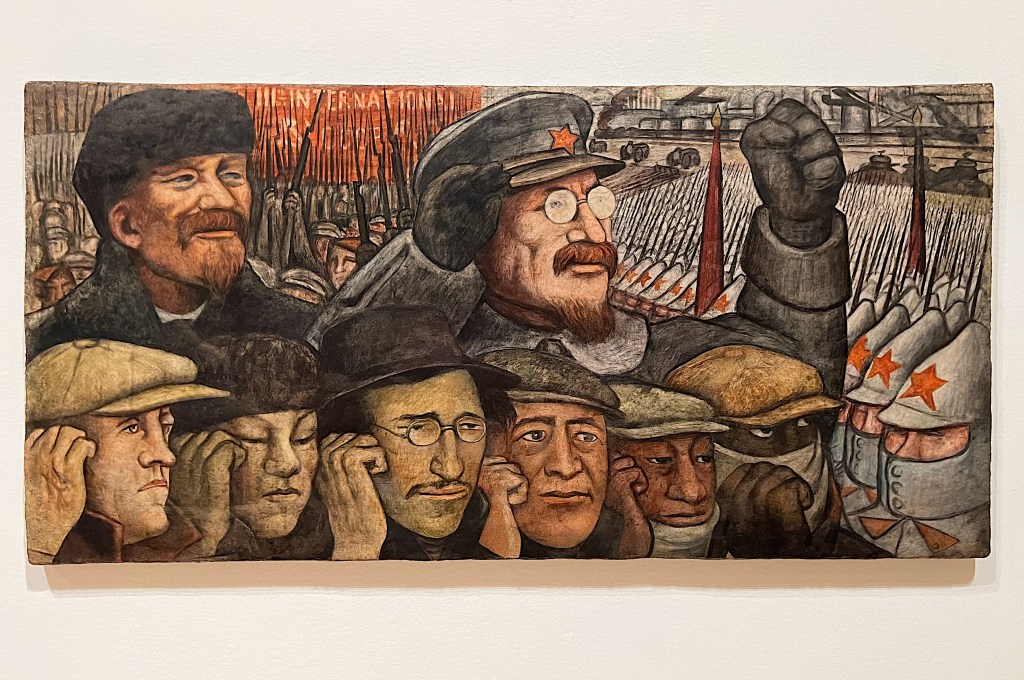
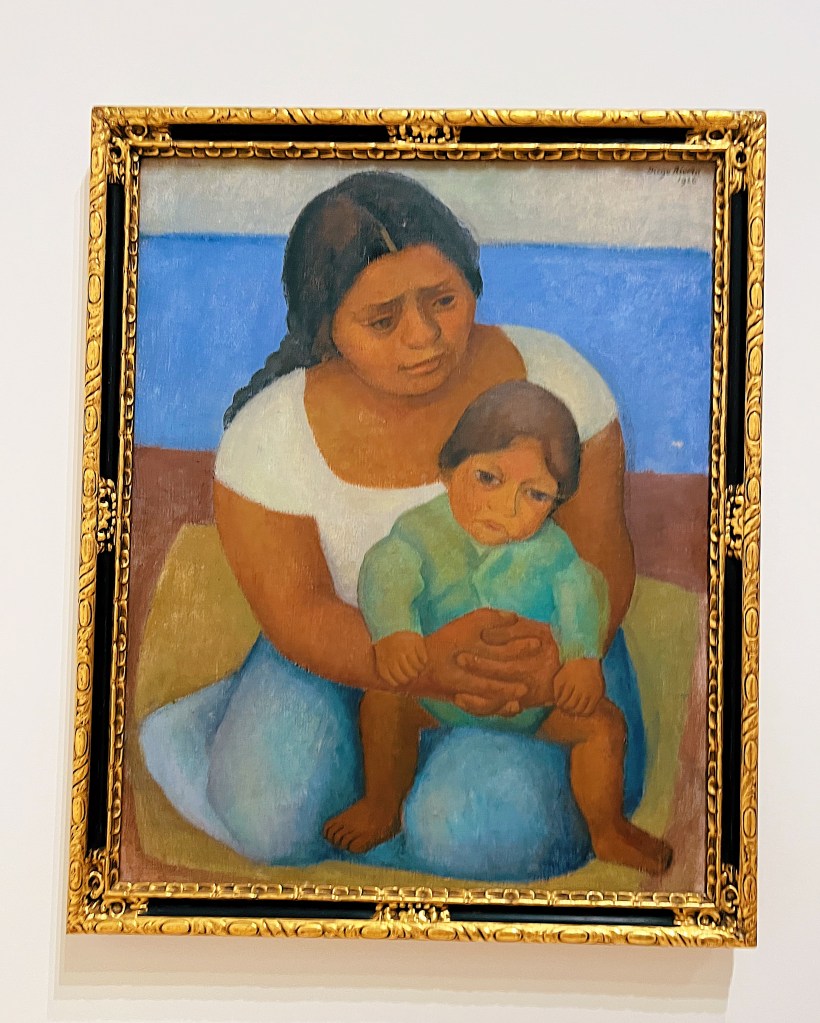
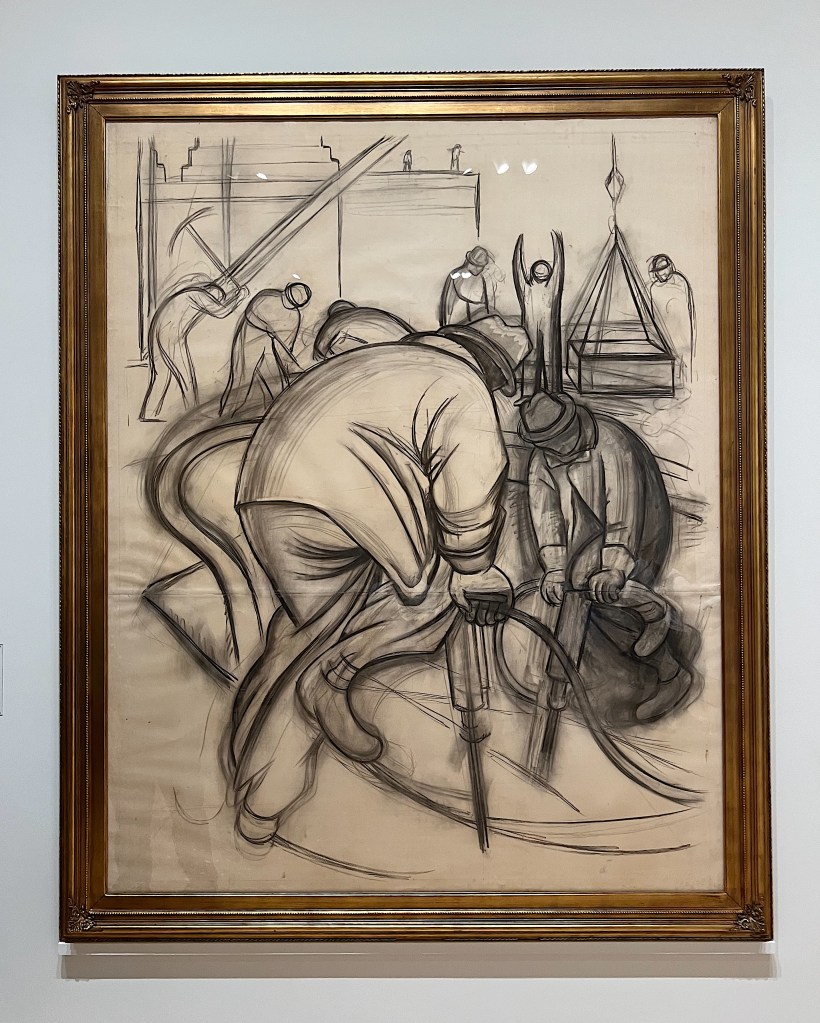
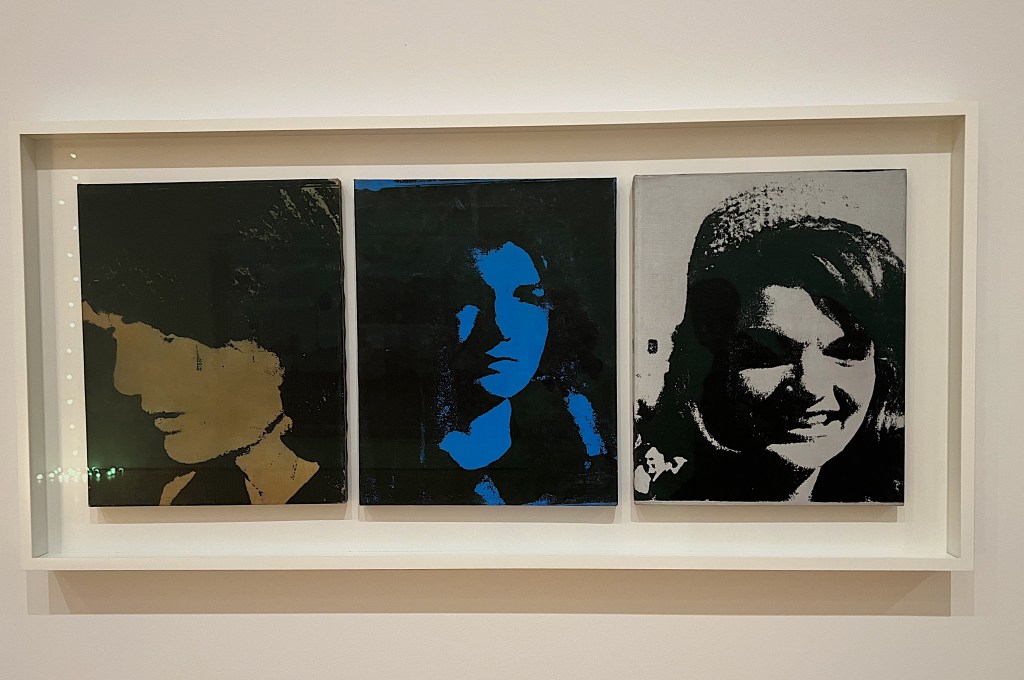
Happily, we found ourselves in San Francisco during the extensive Diego Rivera exhibit being shown at the San Francisco Museum of Modern Art. There were over 150 of the famous Mexican artist’s paintings, frescoes, and drawings. Here are just a few of our favorites.
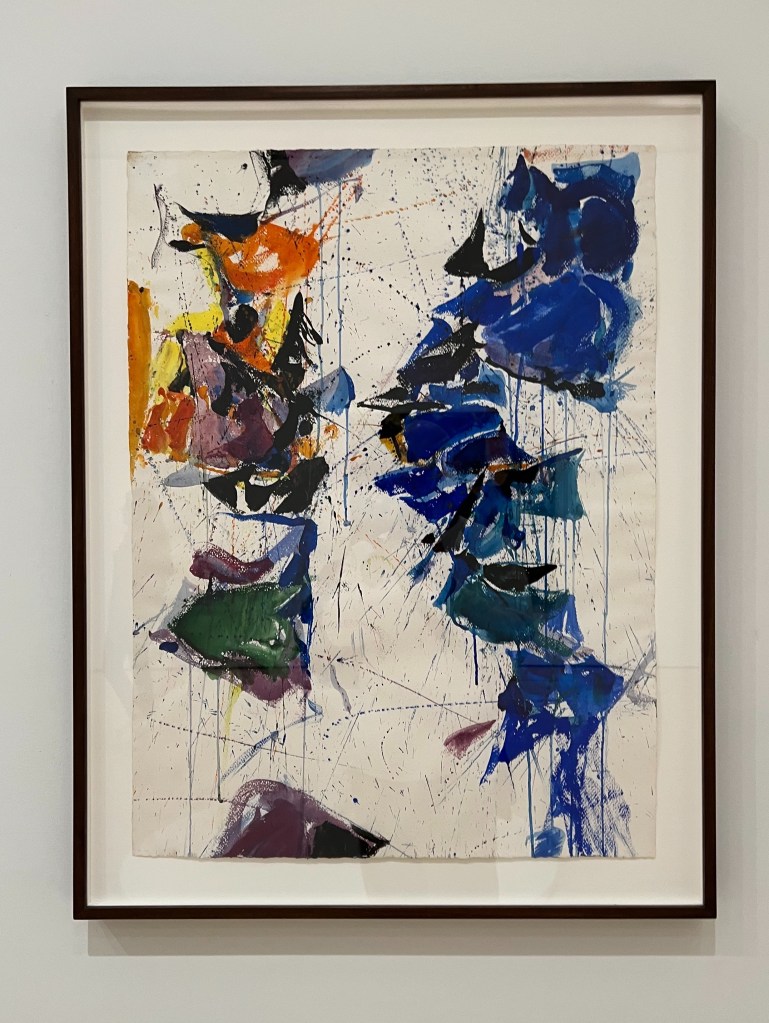
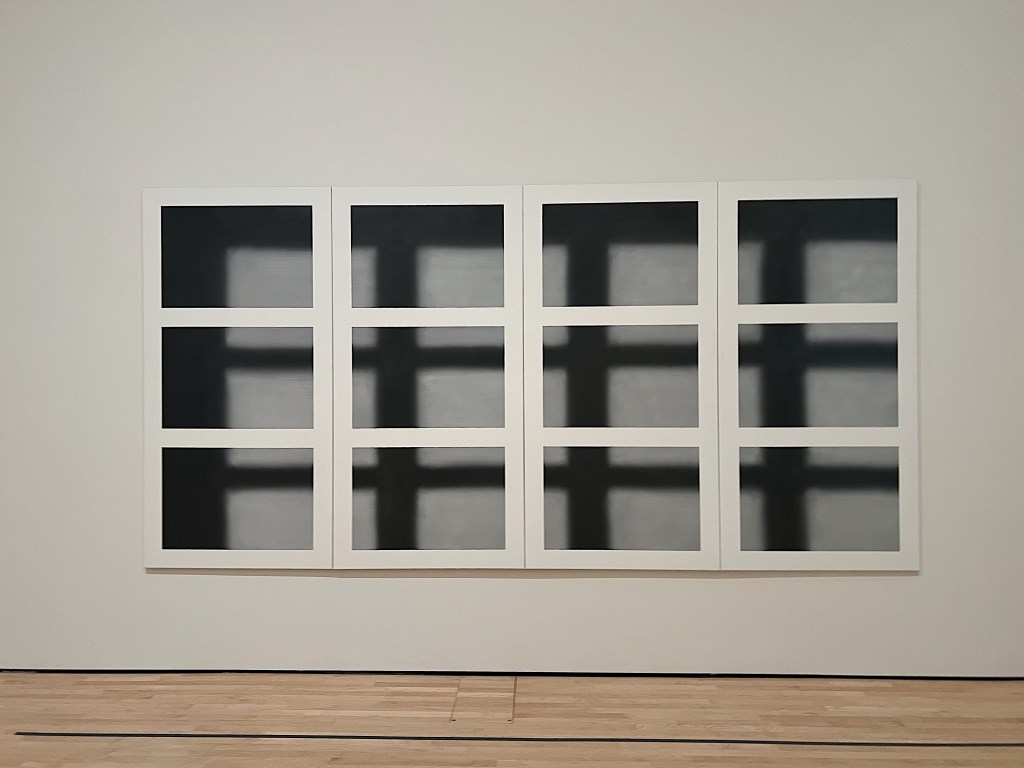
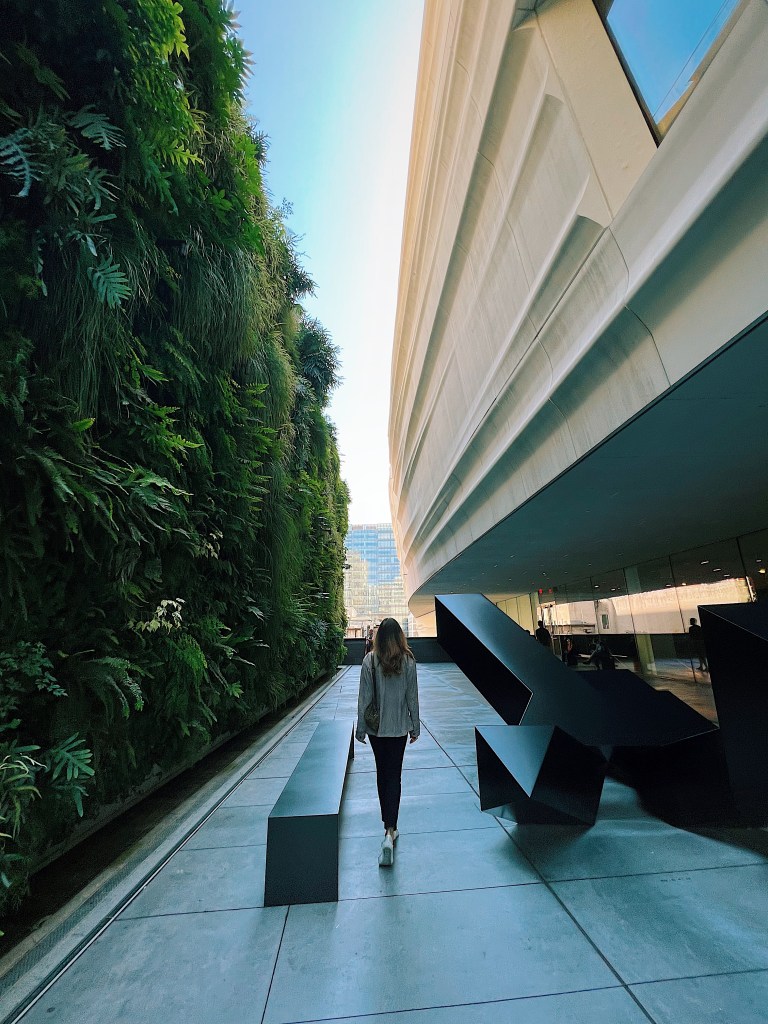
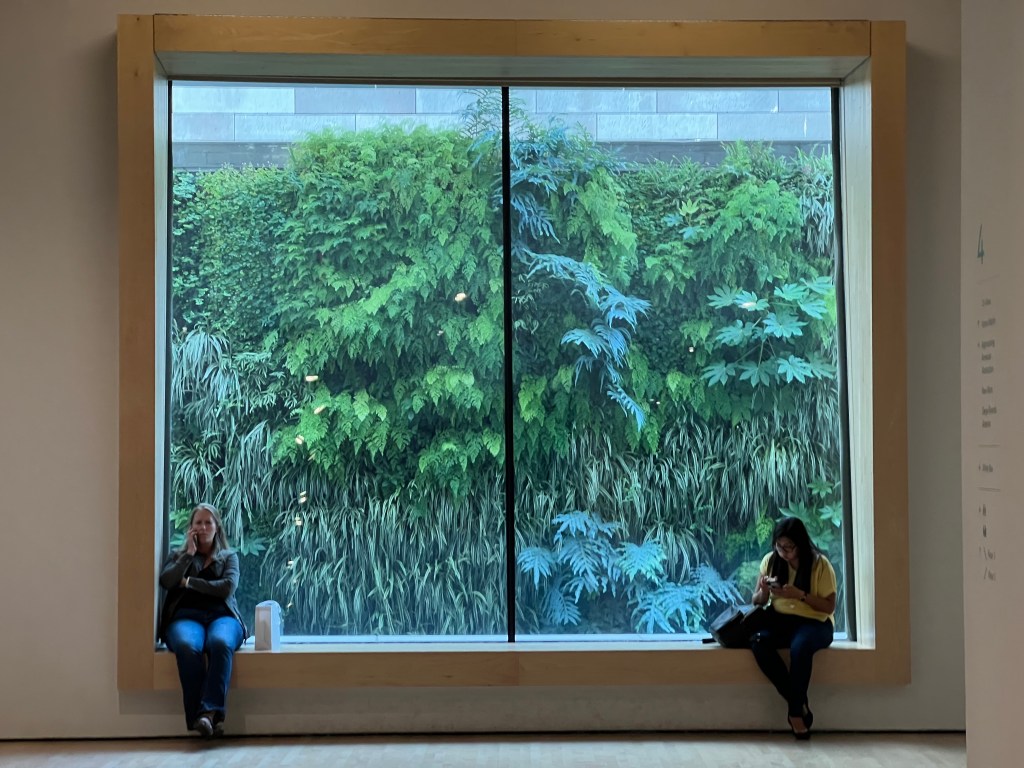
The museum is well worth a visit just to see its permanent collection. Here is some of the artwork and a few of the sights we saw along the way.
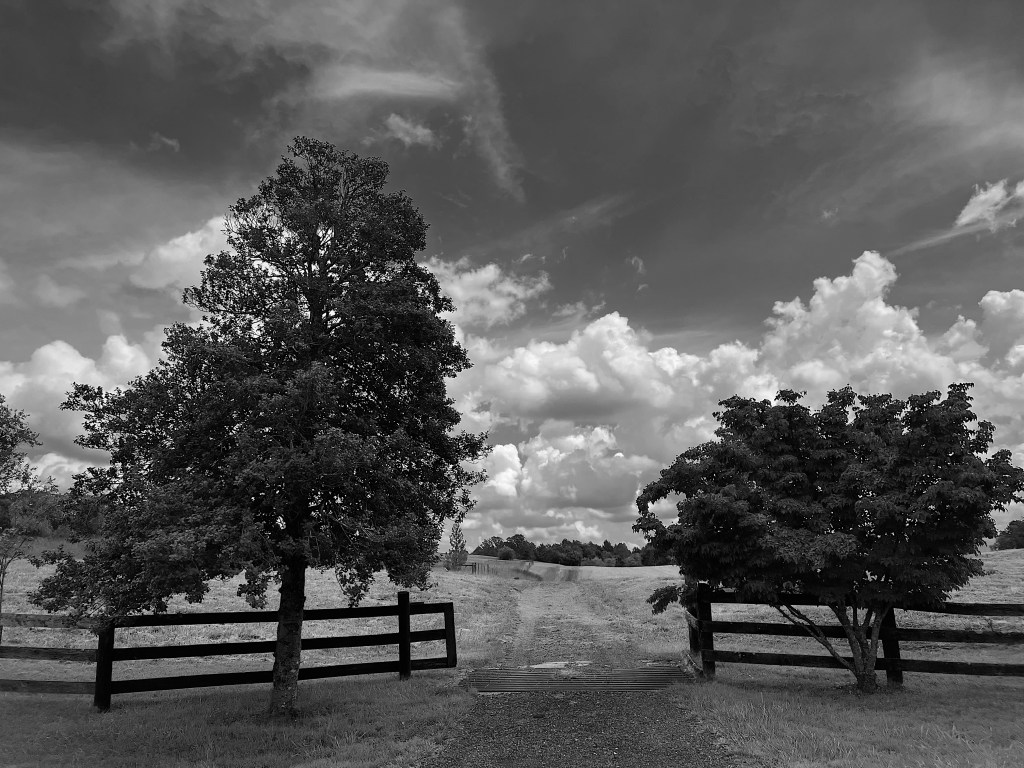
Our good friend, Charlet, invited us to come visit her on her farm about 90 minutes drive from DC in rural Virginia. It was nice to escape the city for a few hours and enjoy the beautiful countryside.
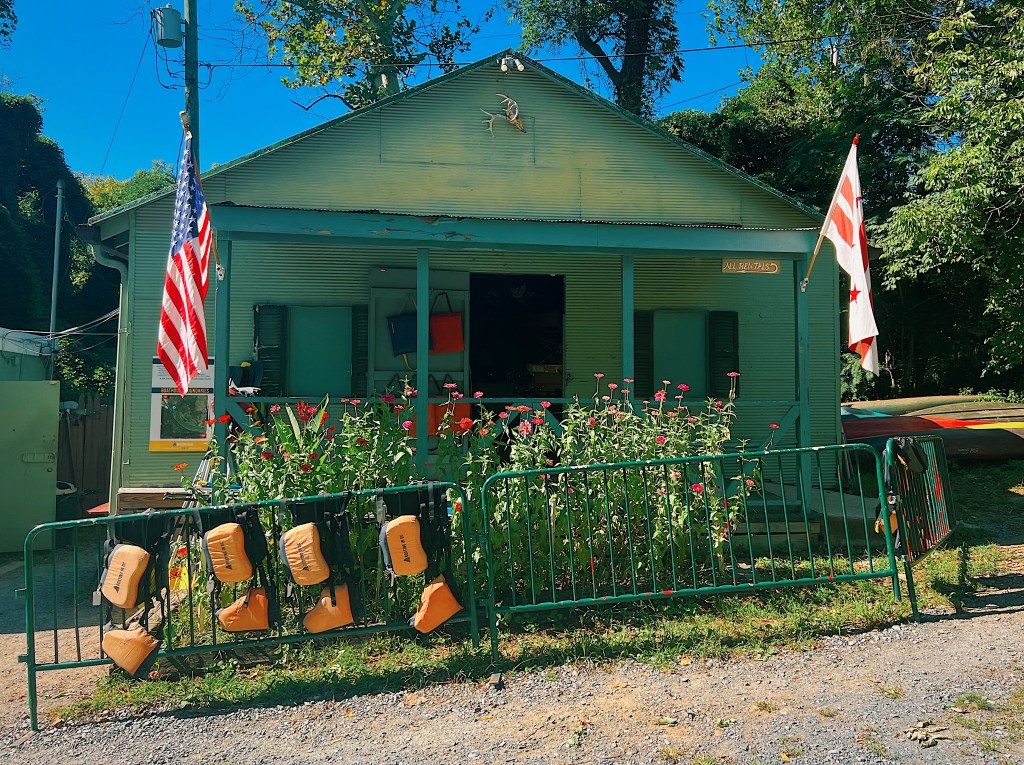
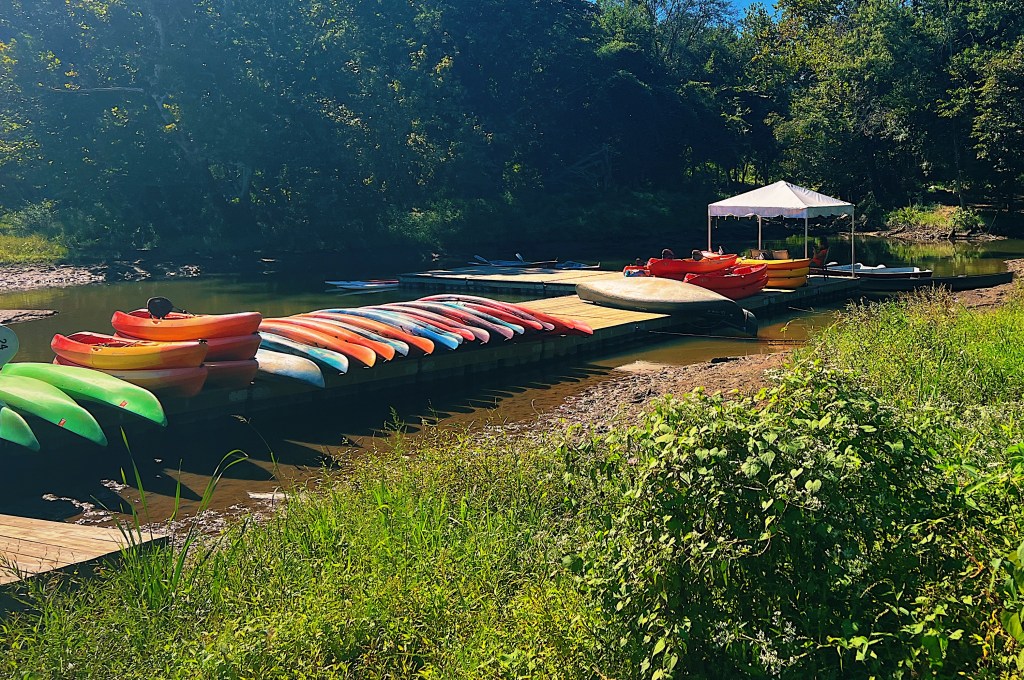
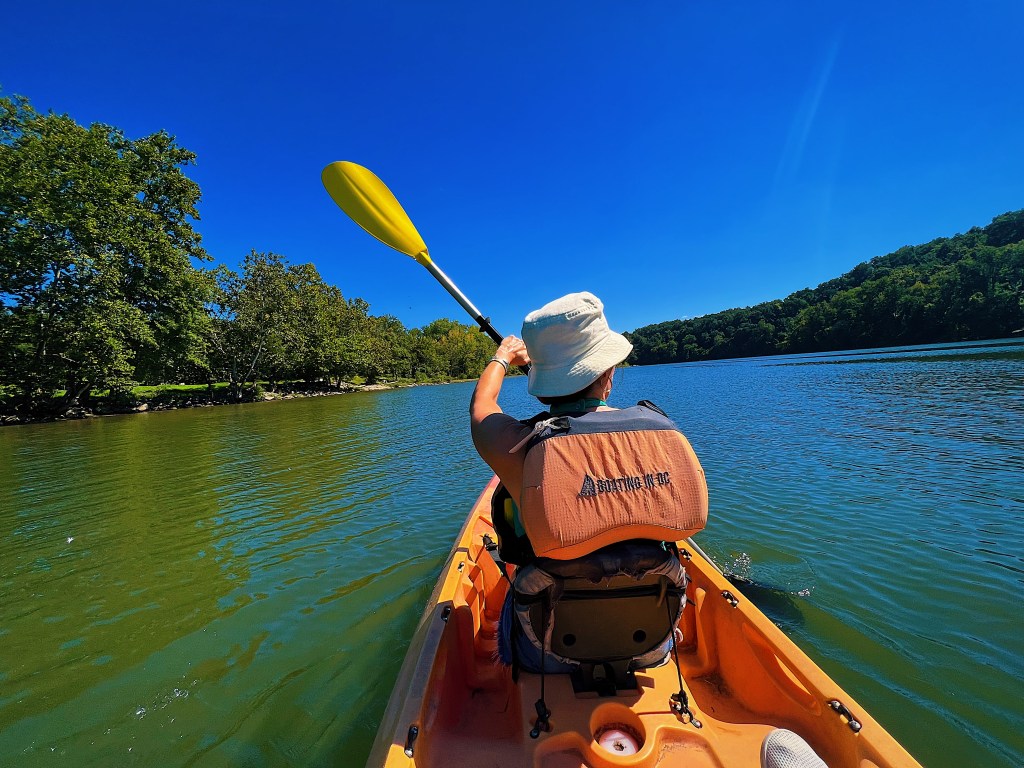
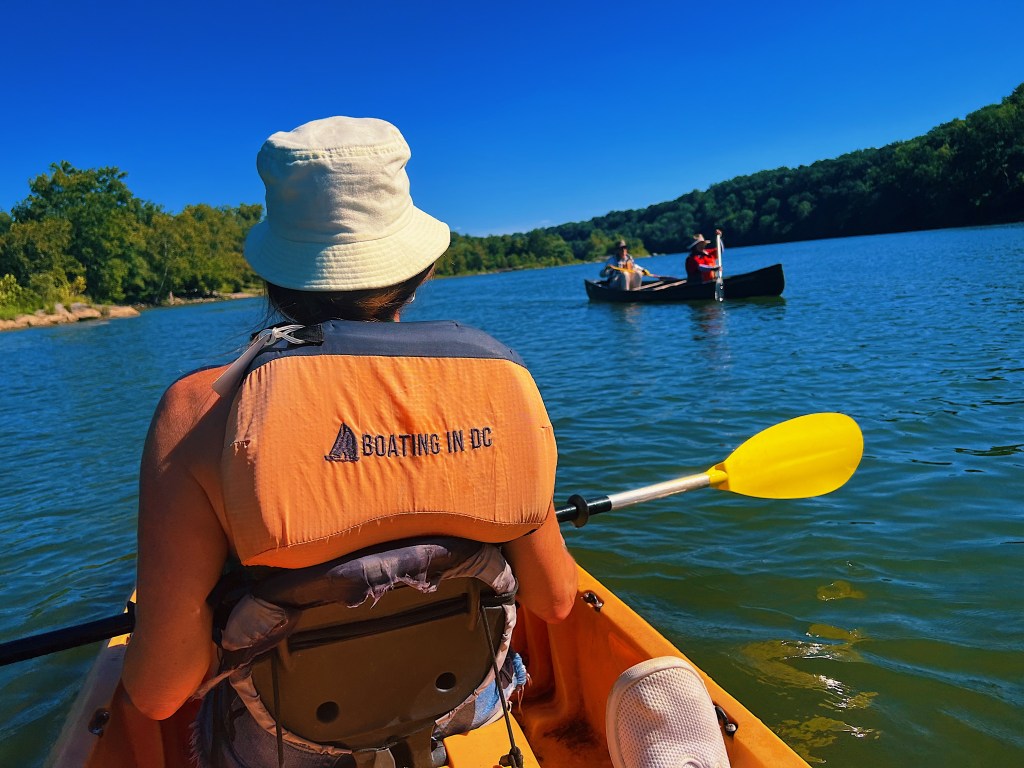
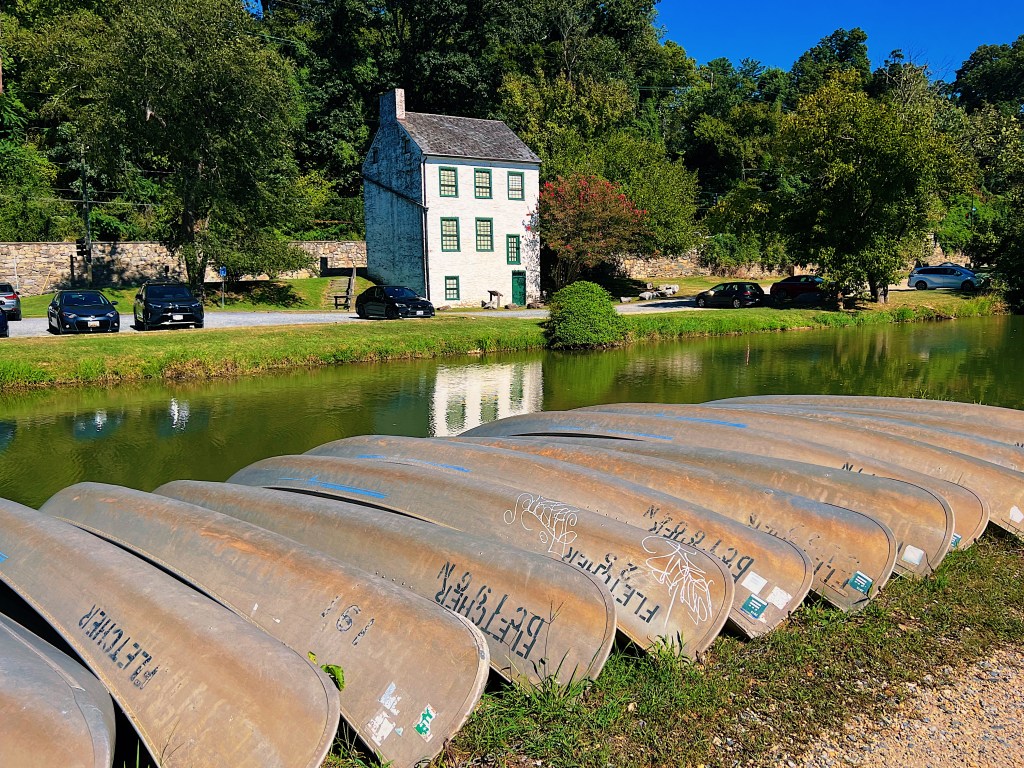
Fletcher’s Boathouse, sitting between the C&O Canal and the Potomac River, has been operating since the 1850s, renting out boats, bikes and fishing equipment. On a beautiful clear day, we rented a kayak and headed out into the river. It is unlawful to swim in the Potomac but that now probably has more to do with the dangerous currents than with the cleanliness of the river. There is now an abundance of fish in the river, including perch, shad, and striped bass (known locally as rockfish). We also saw turtles sunning themselves on rocks jutting out of the river, and at one stage a bald eagle flew overhead.
Across the canal from the Boathouse is the Abner Cloud House, the oldest building on the canal, dating back to 1802.
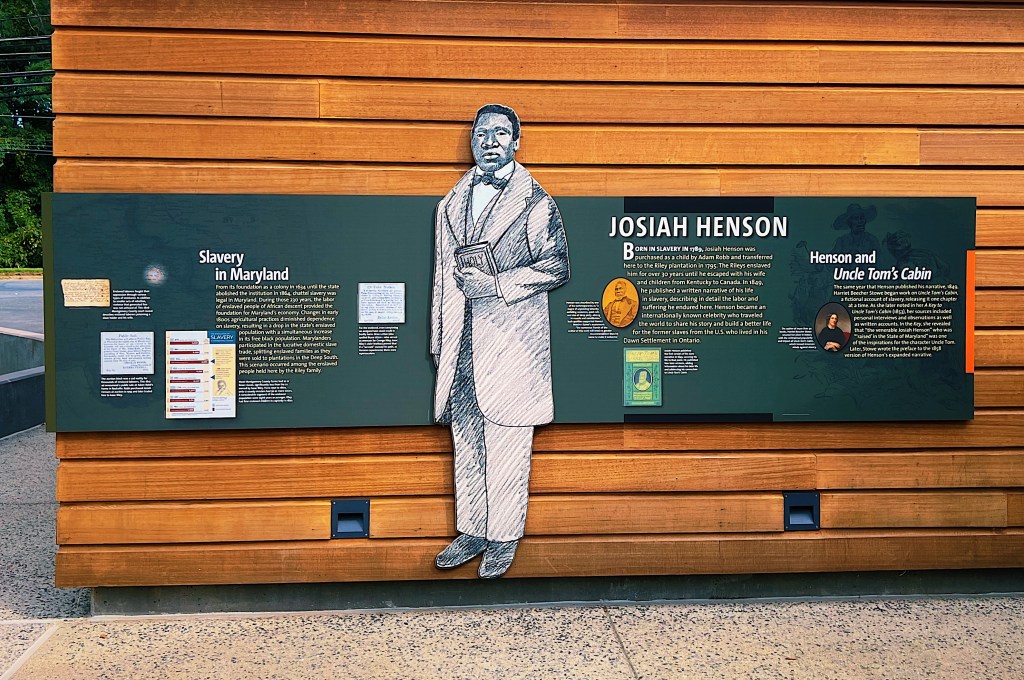
We returned to the neighborhood where Lauren grew up and where her parents lived until five or six years ago. It is a quiet neighborhood with winding narrow roads and houses on large sections. One of the great things about doing these blogs is the surprising things we often learn. For example, Lauren was not aware that she had grown up in a house that stood on land that was once part of a plantation. And not just any plantation, but the one where perhaps America’s most famous slave lived, Uncle Tom. When Harriet Beecher Stowe wrote her novel Uncle Tom’s Cabin, she drew from several sources but the best known was the autobiography of an escaped slave called Josiah Henson. Today Uncle Tom is a derogatory term used for someone who is excessively subservient. The Uncle Tom in the novel was not that man. Rather, minstrel show retellings of the story performed by men in black face transformed Uncle Tom from the Christian martyr of the book to a fool and apologist for slavery. The real Uncle Tom was nothing like the Uncle Tom we now know. Henson had an incredibly inspiring life and it is truly shameful that his story is not more widely known.
Henson had been born into slavery near Port Tobacco, in Charles County, Maryland in 1789. When he was a small boy, his father received one hundred lashes and had his ear cut off and pinned to the whipping post, before being sold off to Alabama, after he stood up to a slave overseer. When Henson’s owner died, the family was sold off and Henson was separated from his mother and siblings. Henson’s mother had pleaded at the auction for her new owner, Isaac Riley, to purchase Josiah as well. Riley responded by hitting and kicking her and Josiah was sold to Adam Robb who was a blacksmith. But Josiah was very ill as a child and Robb, fearing that he would lose his investment, agreed to give Josiah to Riley, in return for Riley bringing his future horseshoeing needs to Robb. Henson was reunited with his mother, regained his health and eventually became entrusted as the farm supervisor.
In 1828, Riley agreed to sell Henson his freedom for $350 which he had already saved up and a note promising a further $100. However, Riley secretly added another zero to the paper changing the fee to $1000. Having been cheated of his money and learning that he might be sold again, Henson escaped to Canada, taking along his wife and children. After working on farms in Canada, he was eventually able to purchase 200 acres in Dawn Township and started a black settlement that exported black walnut lumber to the United States and Britain. He also had become a Methodist preacher and spoke as an abolitionist. He had sent his eldest son, Tom, to school who in turn taught Josiah to read a write in his fifties. His book The Life of Josiah Henson, Formerly a Slave, Now an Inhabitant of Canada, as Narrated by Himself, was released in 1849 and became the basis of Harriet Beecher Stowe’s Uncle Tom’s Cabin.
Henson remained at the Dawn Settlement until he died in his nineties, although he did make a number of trips overseas. He secretly returned to the United States on many occasions as part of the Underground Railway and was responsible for leading 118 slaves to freedom. After the civil war and the abolition of slavery he again returned to the United States where he met with President Hayes at the White House. He also returned to Riley’s farm which by then had gone to seed. Henson described it as “a wilderness; the most desolate, demoralized place one can imagine.” He even crossed the Atlantic to Britain where he met with Queen Victoria and the Archbishop of Canterbury.
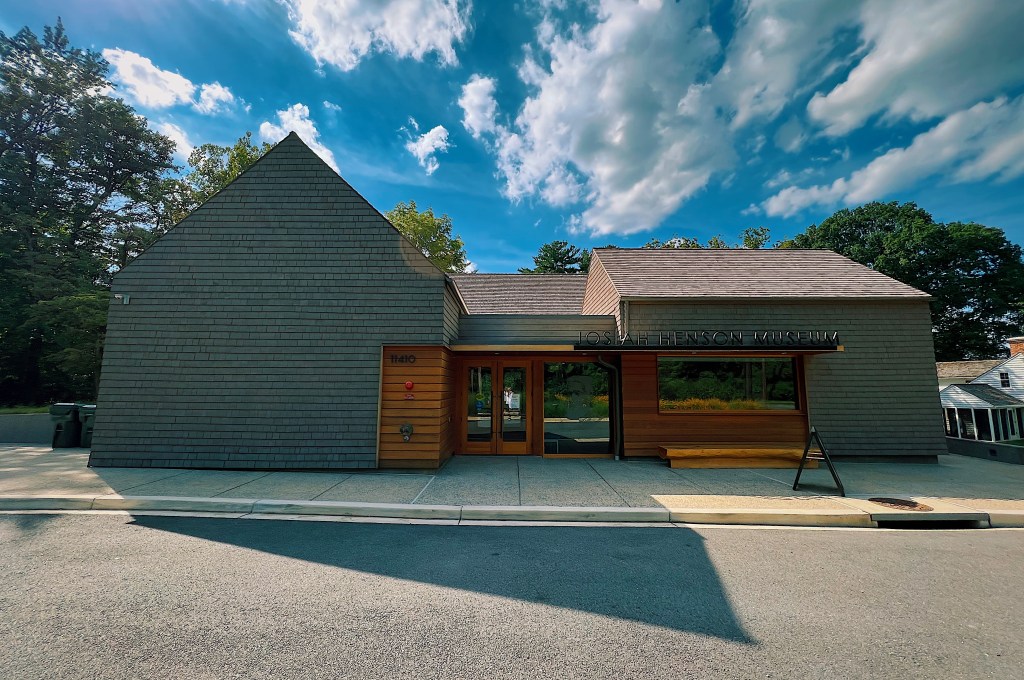
There is a brand new Joseph Henson museum in Luxmanor that is well worth a visit. It outlines his amazing story and includes the original plantation farm house. Its hours are limited, as it is only open from 10 to 4, Friday through Sunday.
The Josiah Henson MuseumJosiah HensonThe Riley Homestead
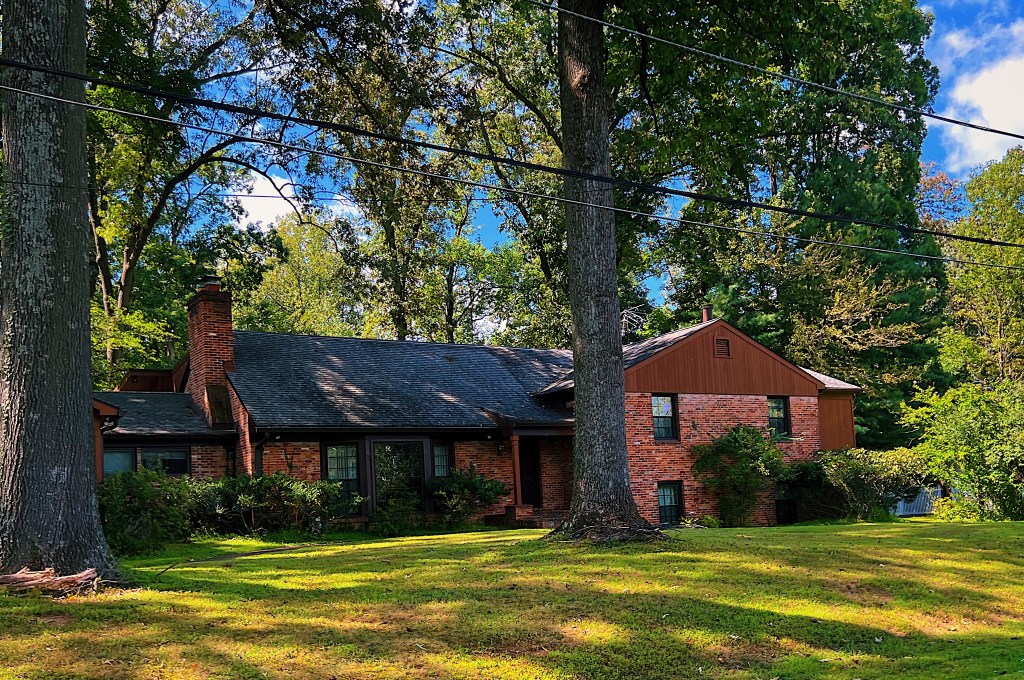
In 1928, Morton and Ernestine Luchs, had acquired 94 acres of the original Riley plantation which they ran as a farm. However, soon they decided to subdivide the farm into half acre lots. The called the suburb Luxmanor, which we guess is a nod to their last name. Unlike many other developments in the area at the time, Luxmanor deeds did not include restrictive covenants preventing Jewish families from purchasing homes. The neighborhood, therefore, attracted a number of Jewish families (There were, however, covenants restricting purchase by African-American families). For a long time, the area remained fairly undeveloped and Lauren remembers surrounding farmland and country roads. Like many suburbs that were built with large sections, many of the original modest brick ramblers and colonials have now been torn down and replaced with massive mansions. Here are some of the original homes that still remain.
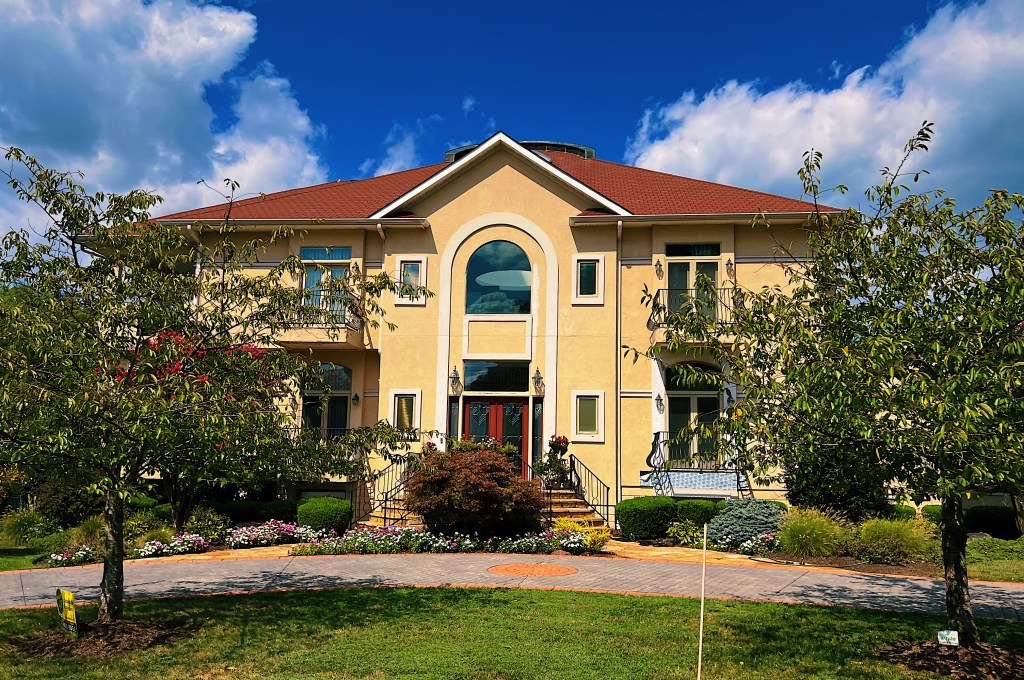
And here are some of the larger homes that are continually springing up in the neighborhood in place of the original homes. It is interesting to see the different types of home that have been in favor with developers over the last forty of so years. A few years back, large colonial homes, stucco mansions and the occasional post-modern home were popular.
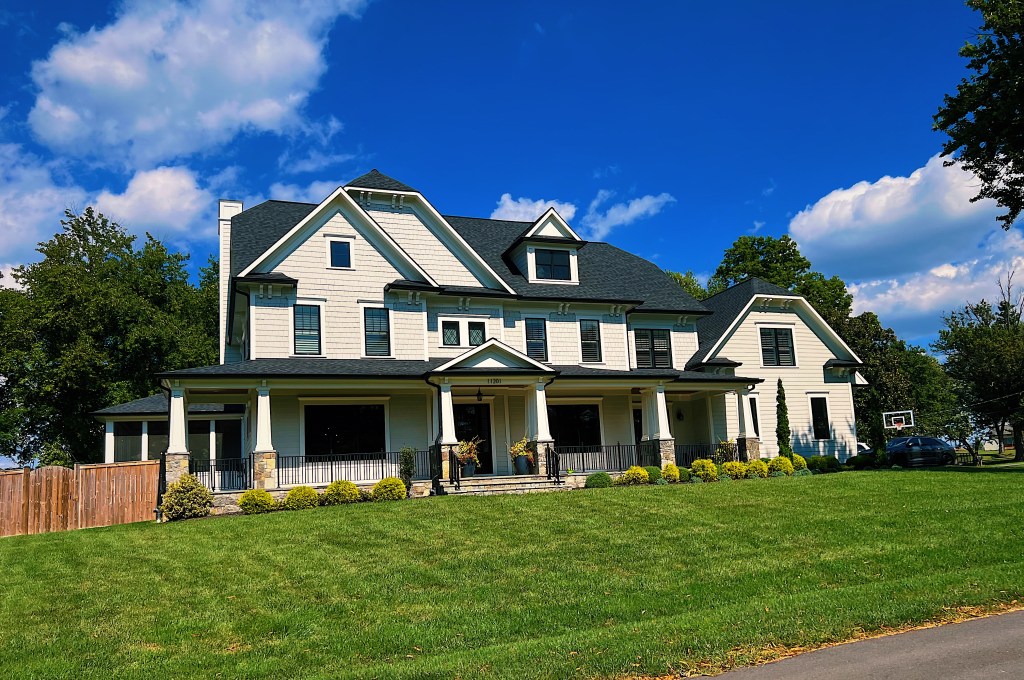
Now Craftsman and Country style architecture appears to be in vogue.
Here is one of the very few modernist homes in the neighborhood.
And here is the house where Lauren grew up. The new owners have painted it white and appear to be going for a more mid-century modern look.
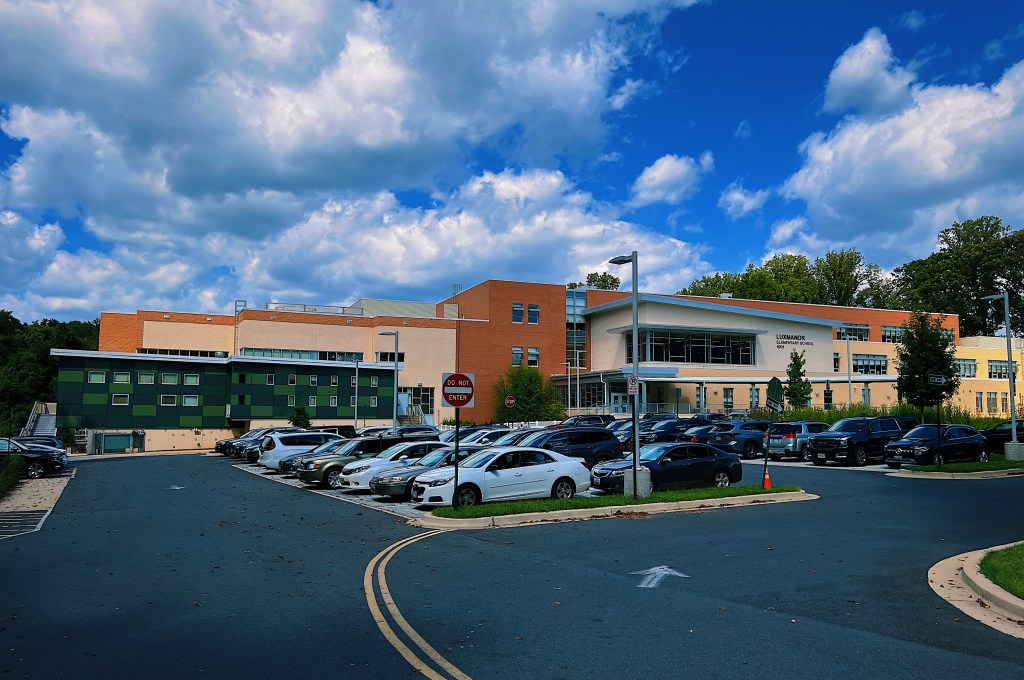
Finally, we passed by Luxmanor Elementary School. When Lauren attended, it had only been open for a short while and was a small school. Now it has been rebuilt and has 575 students.













































































 Mal and Lauren