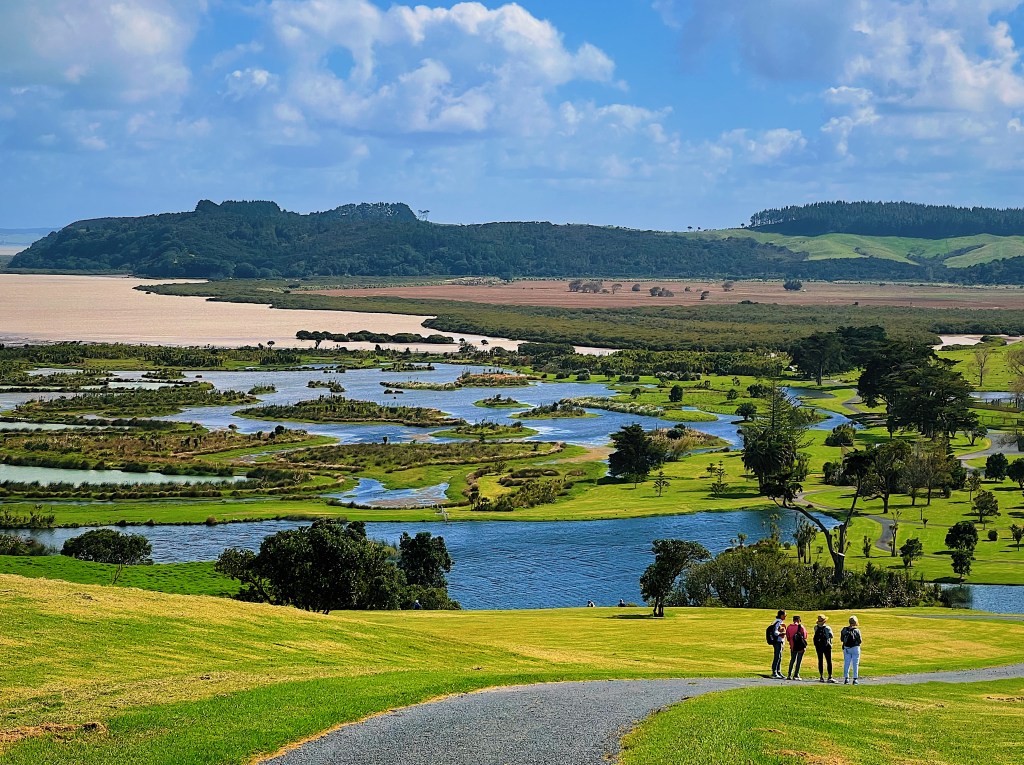
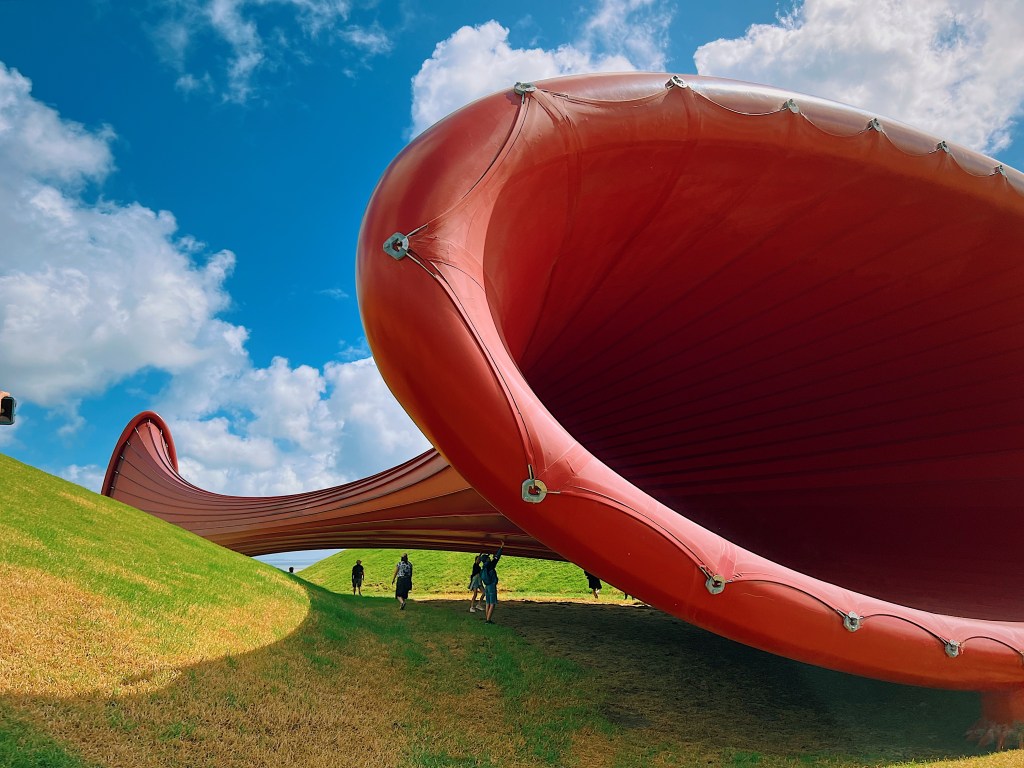
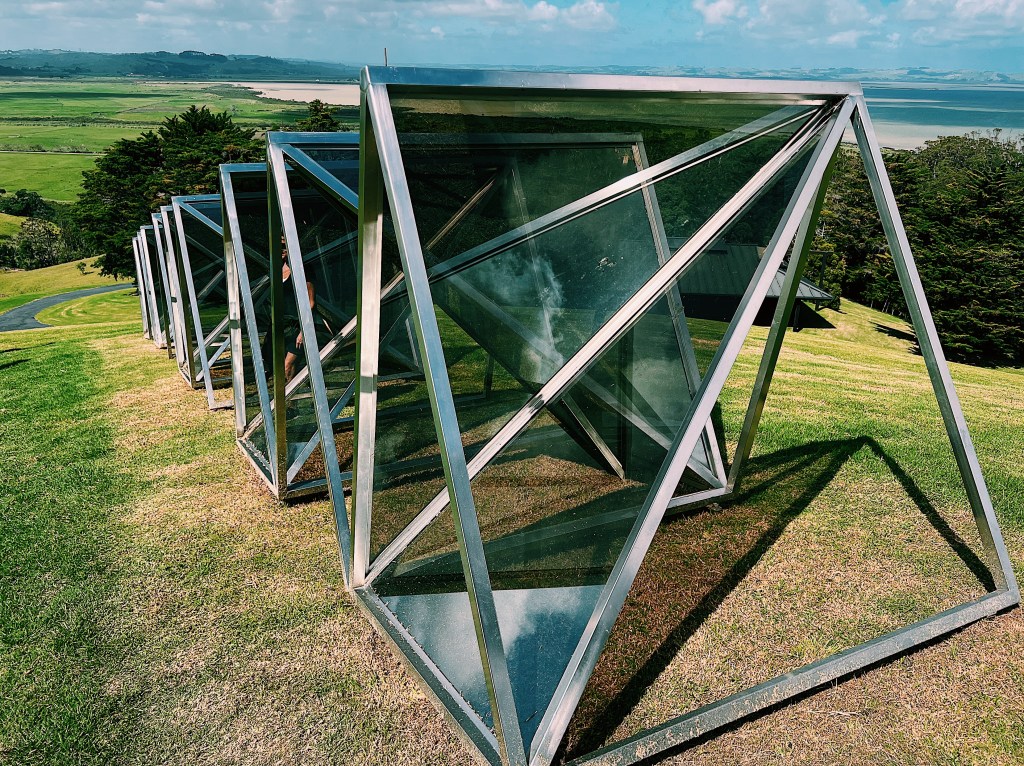
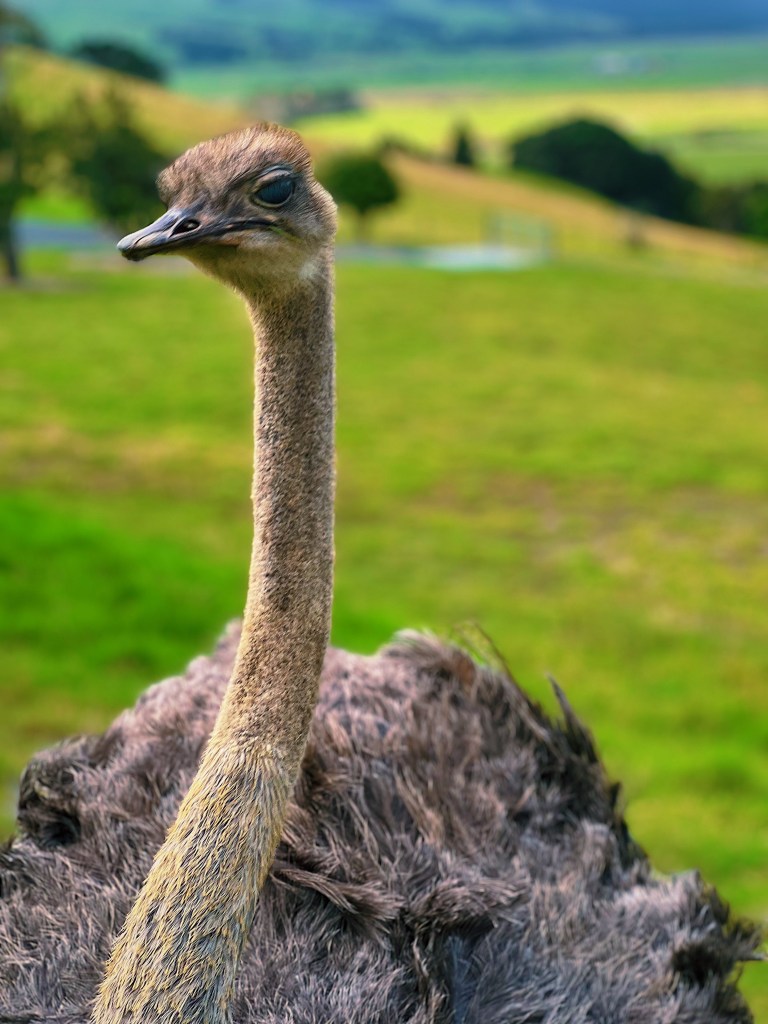
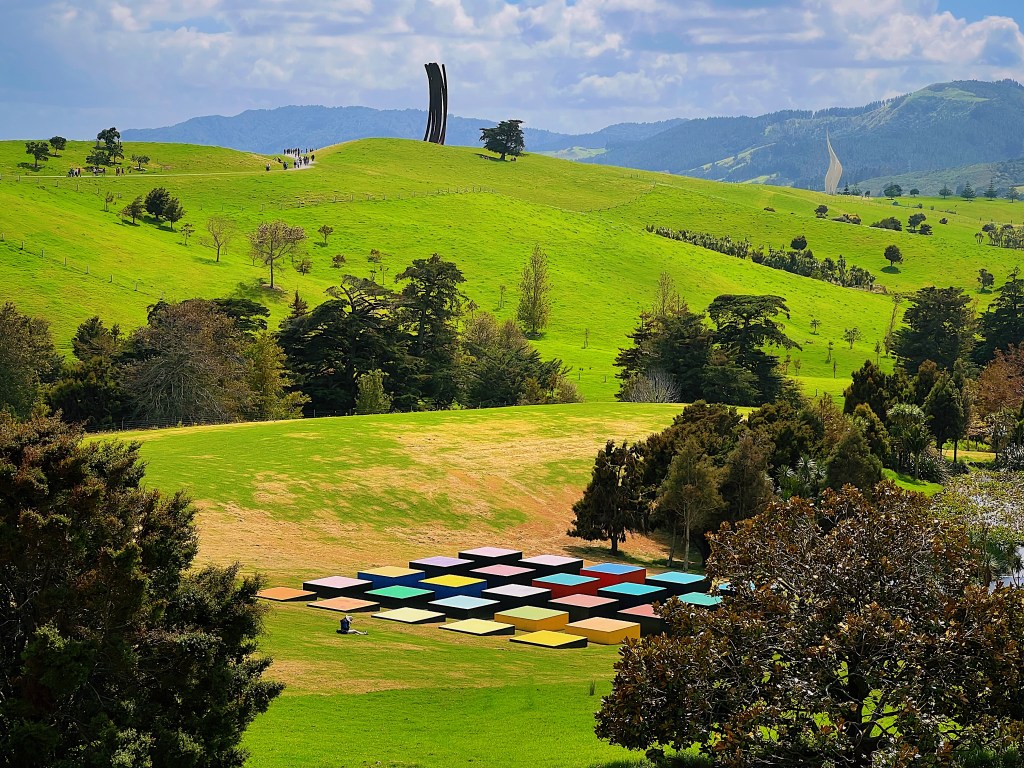
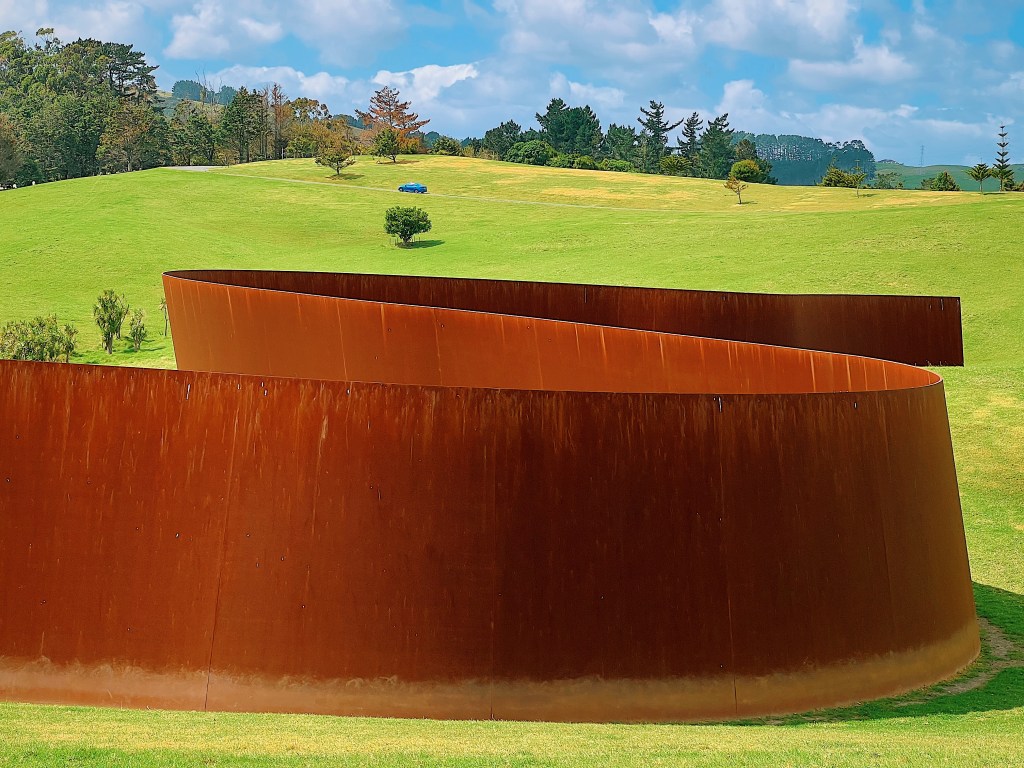
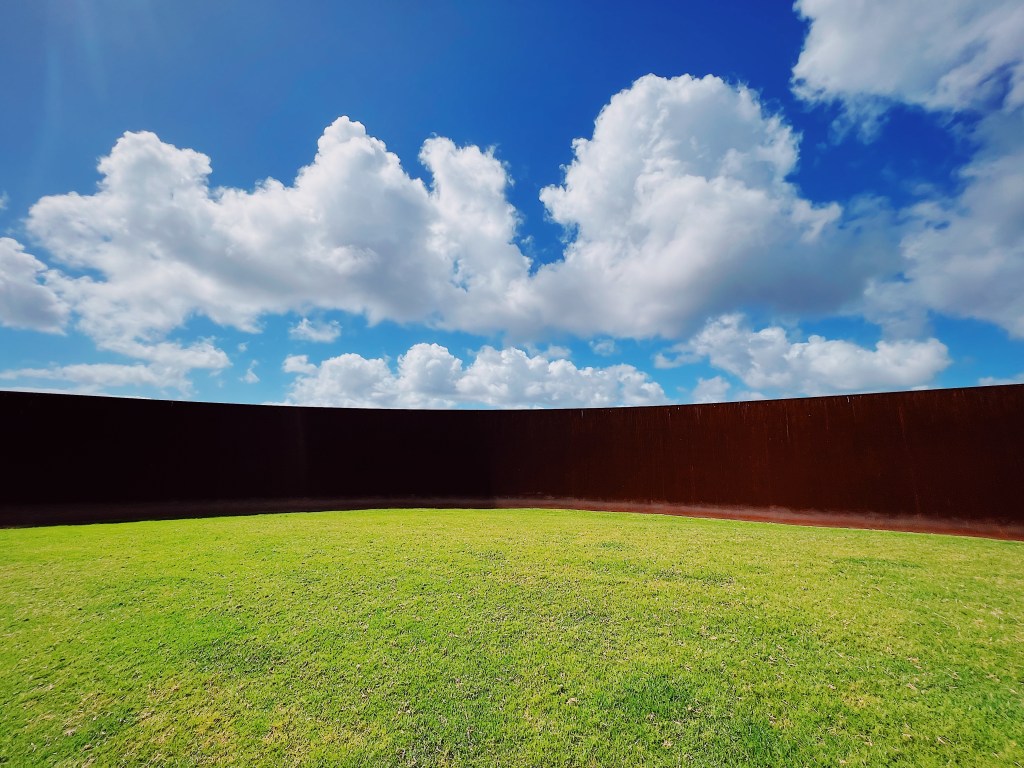
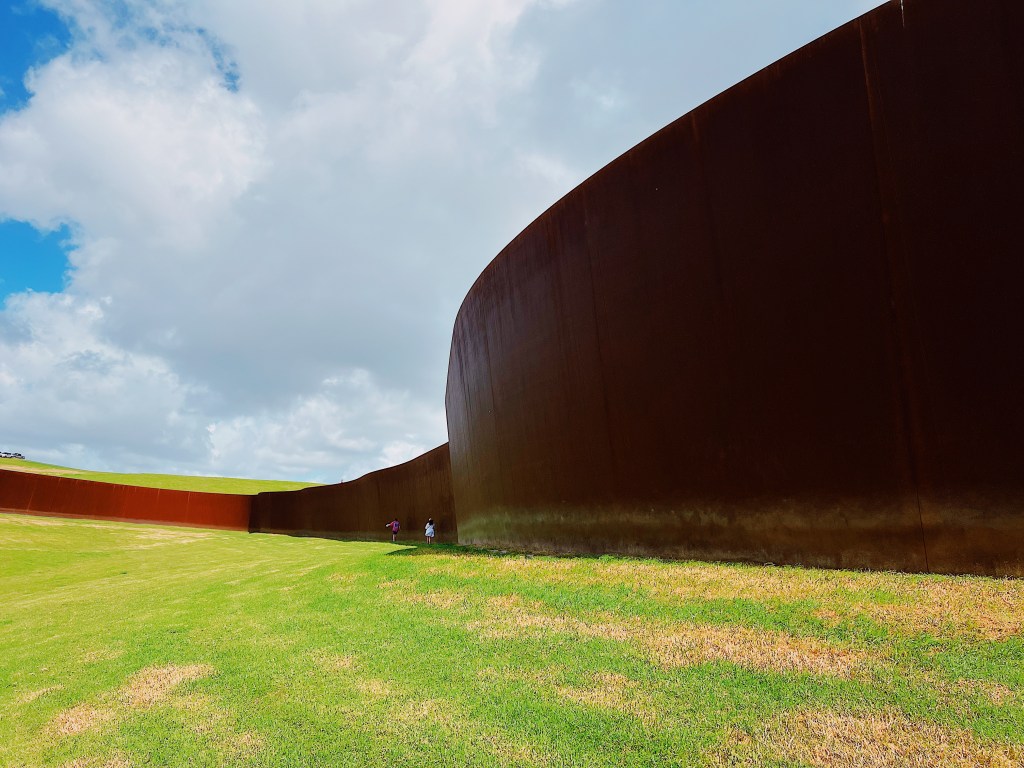
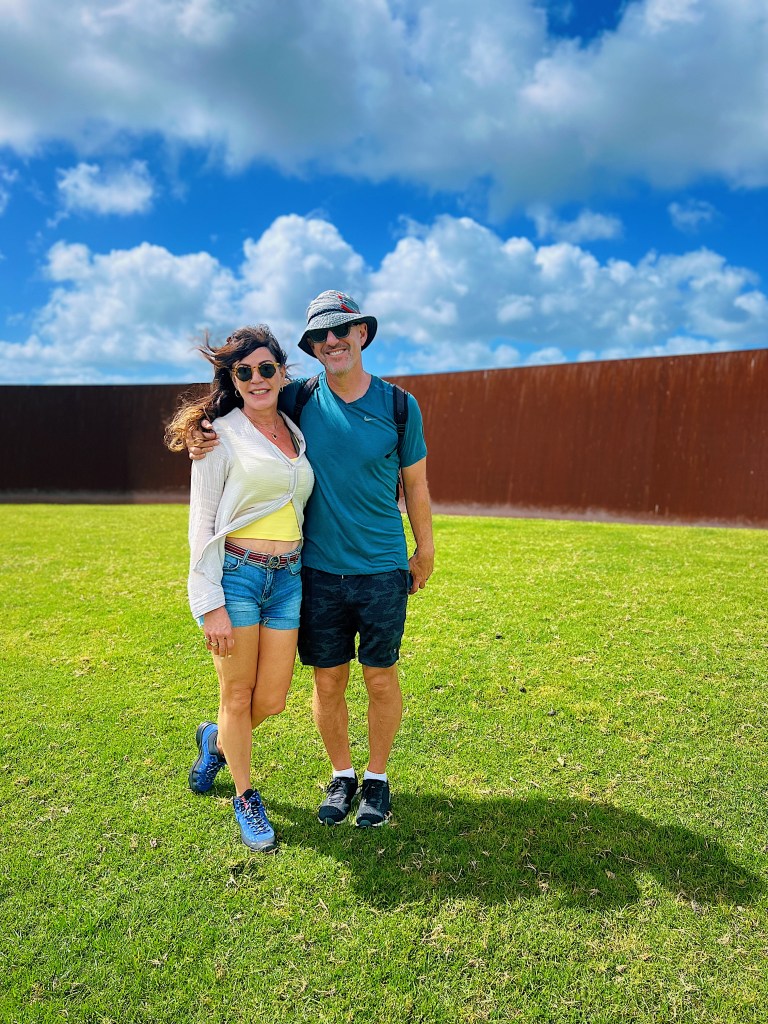
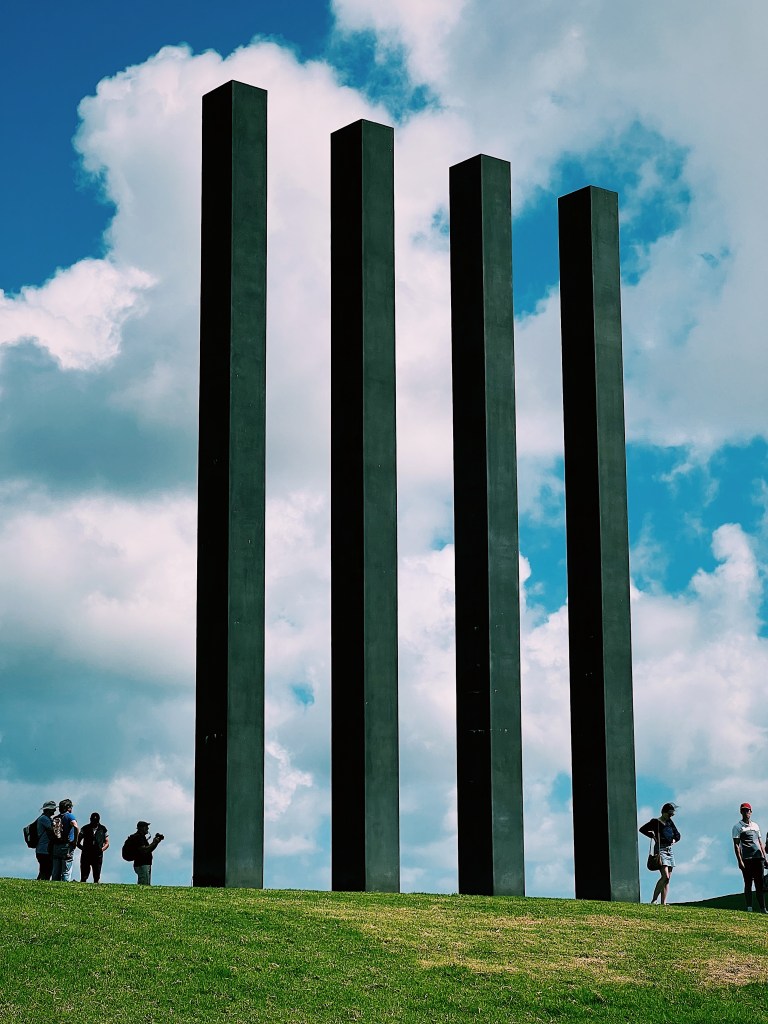
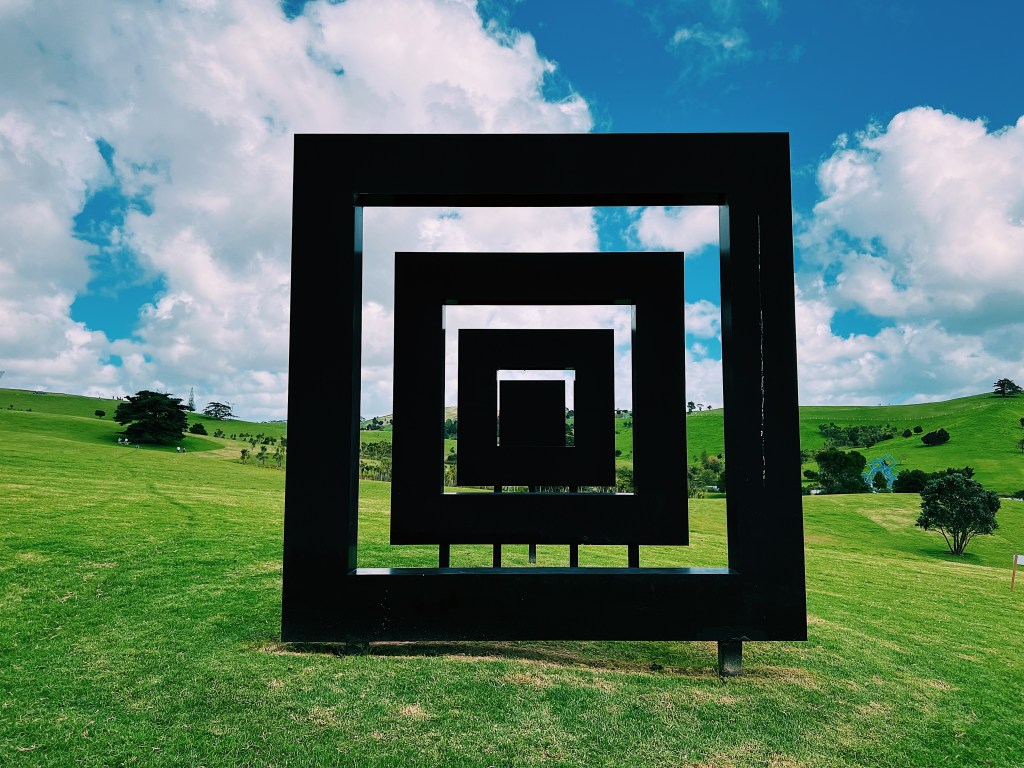
Gibbs Farm is about an hour’s drive north of Auckland on the shores of Kaipara Harbour. It is a beautiful farm but what makes it incredibly special is the collection of massive sculpture that Alan Gibbs, one of New Zealand’s wealthiest people, has acquired for the property. The farm is only open to public a few times a year. If you have the opportunity to visit, then we highly recommend you do. And if sculpture isn’t your thing, then there is also the diverse collection of exotic animals to view, including giraffes, bison, and ostriches.
Transcendence, Rado Kirov (2017)Jacob’s Ladder, Gerry Judah (2017)88.5 degrees ARCx8, Bernar Venet (2012)A Fold in the Field, Maya Lin (2013)The Gibbs homesteadArches, Andy Goldworthy (2005)Dismemberment, Site 1, Amish Kapoor (2009)Sea / Sky Kaipara, Graham Bennett (1994)Horizons, Neil Dawson (1994)A curious ostrichRed Cloud. Confrontation in Landscape, Leon van den Eijkel (1996)Enjoying the view, The Mermaid by Marijke de Goey (1999) in the distance crossing the pondTe Tuhirangi Countour, Richard Serra (1999/2001)Sentinels, Andrew Roger’s (2017)Untitled, Richard Thompson (1994)Easy K, Kenneth Snelson (2005)Tango Dancers, Marijke de Goey (2014)
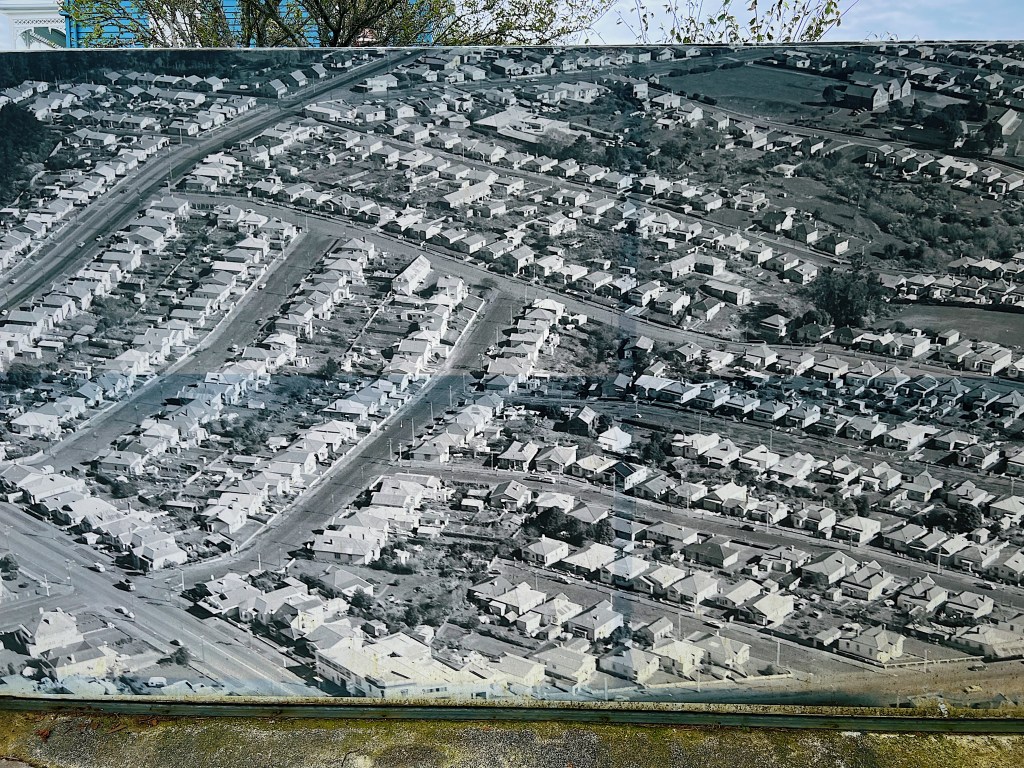
Our good friend, John, guided us on a tour through his neighborhood of Grey Lynn. Most of the houses in the neighborhood were built between the 1800s and the beginning of the First World War. They were constructed quickly and with little variation of layout as can be seen in this early photograph of Grey Lynn that we came upon on a local fence.
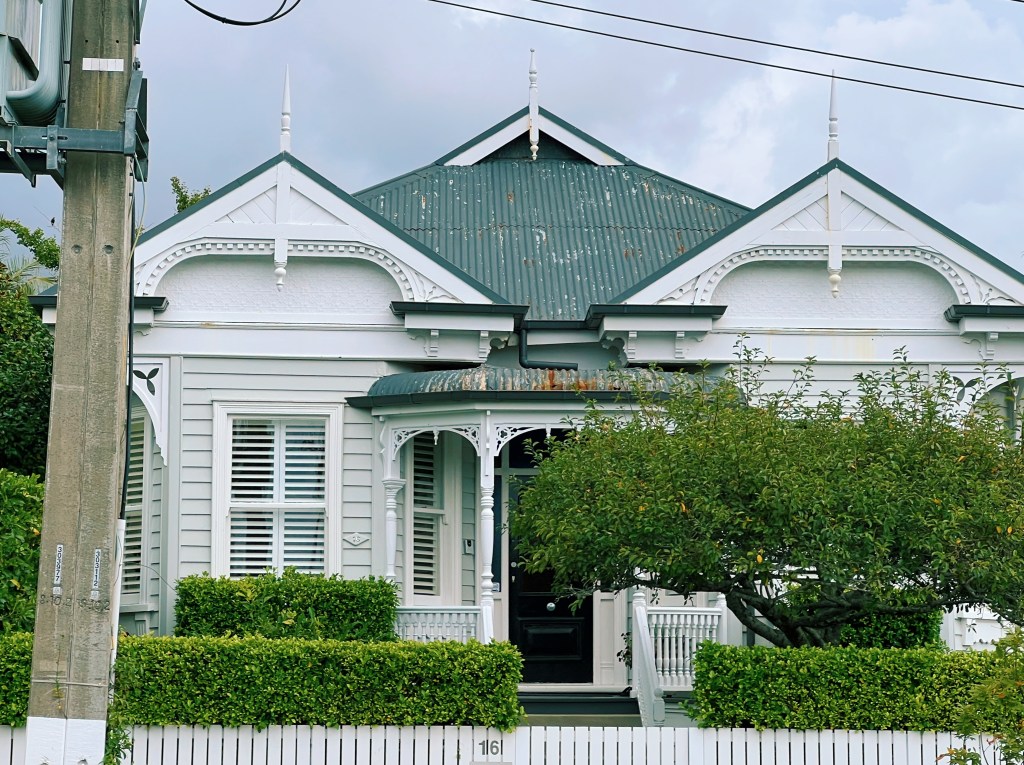
Today, there are many more trees lining the streets but most of the original houses remain. Although the houses differed little in layout, they are differentiated by the application of mass produced items such as wooden fretwork. Many also have bay windows, which at the time marked the owner as a member of the middle class. Here are some examples.
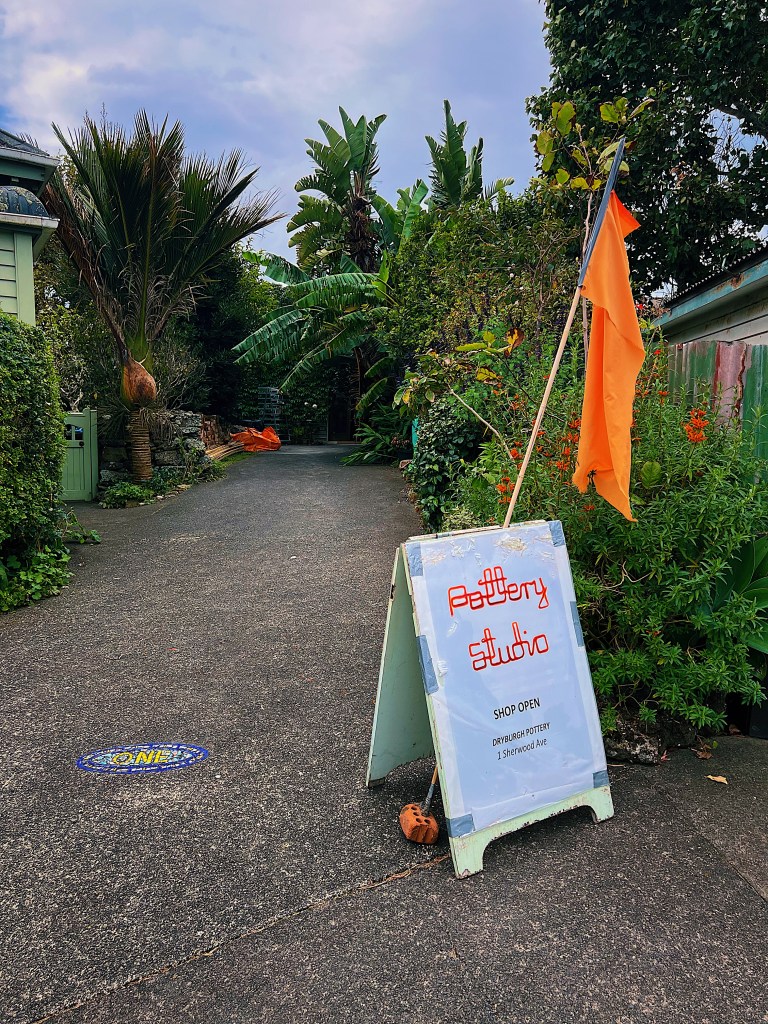
One of the joys of walking in the city is the things you come across that you don’t often notice driving by. For example, we came across this pottery studio, tucked into one of the side streets, where we were greeted by two friendly dogs and an apprentice working on some pottery.
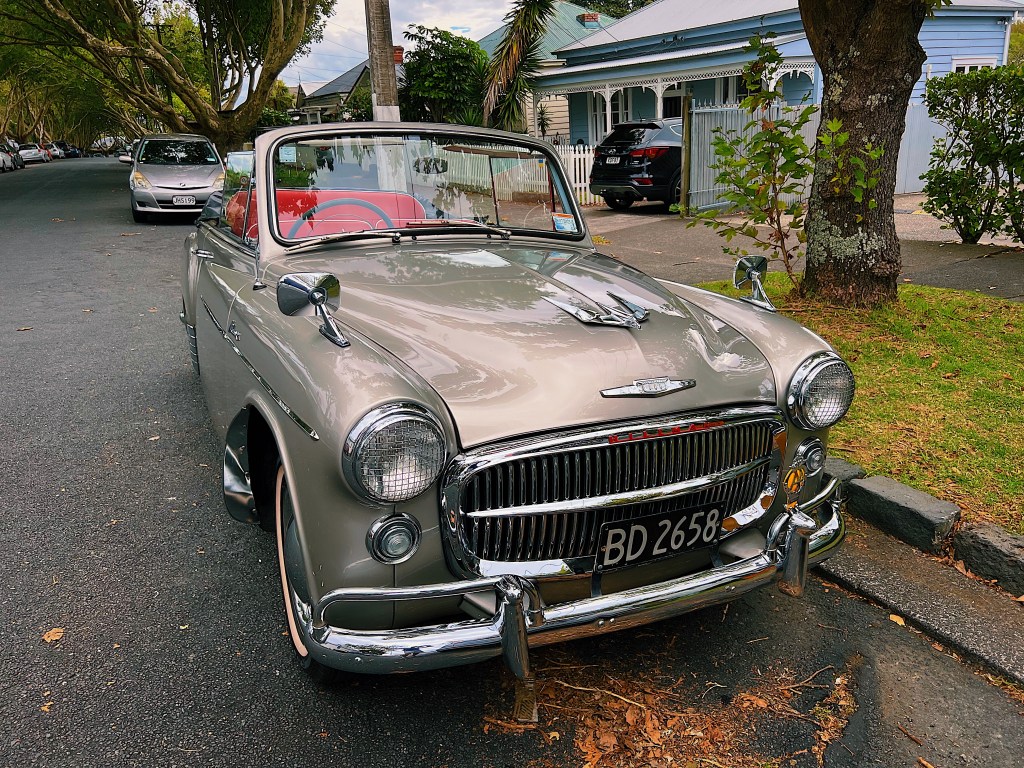
The classic car of the day was this beautiful Hillman Minx convertible.
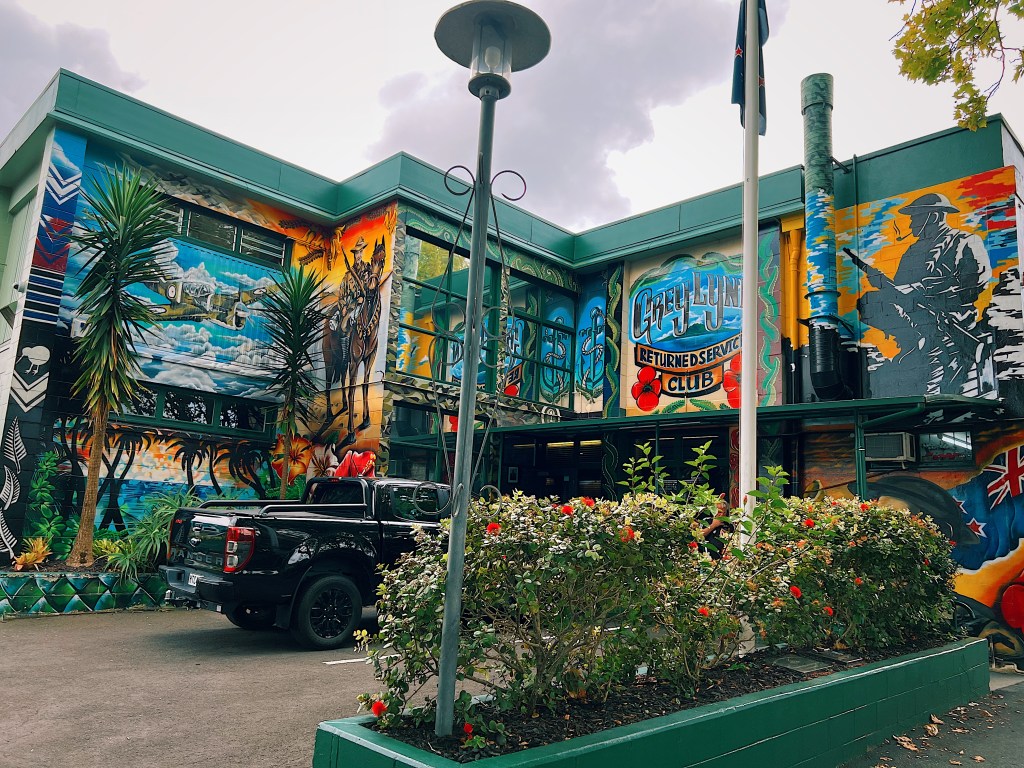
The Royal New Zealand Returned and Services Association, known locally as the RSA, was founded after World War One by soldiers returning from the Gallipoli Campaign. There are over 180 local RSAs throughout New Zealand and their club houses are a common sight, even in the smallest towns. But we have not seen any as impressive as the Grey Lynn club house with its extensive mural, depicting New Zealand military history.
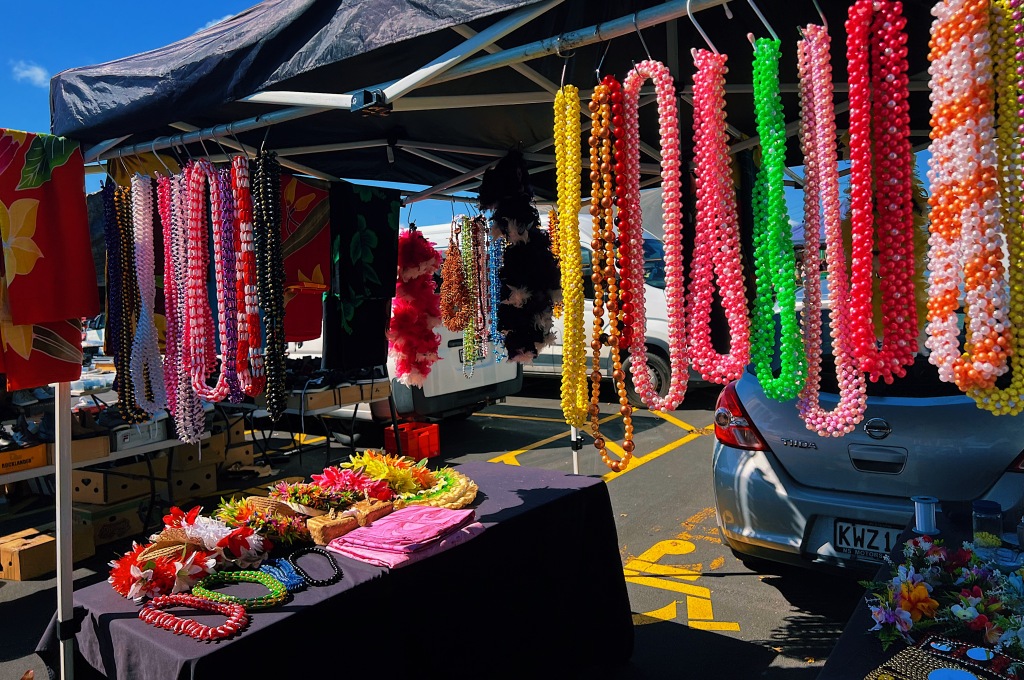
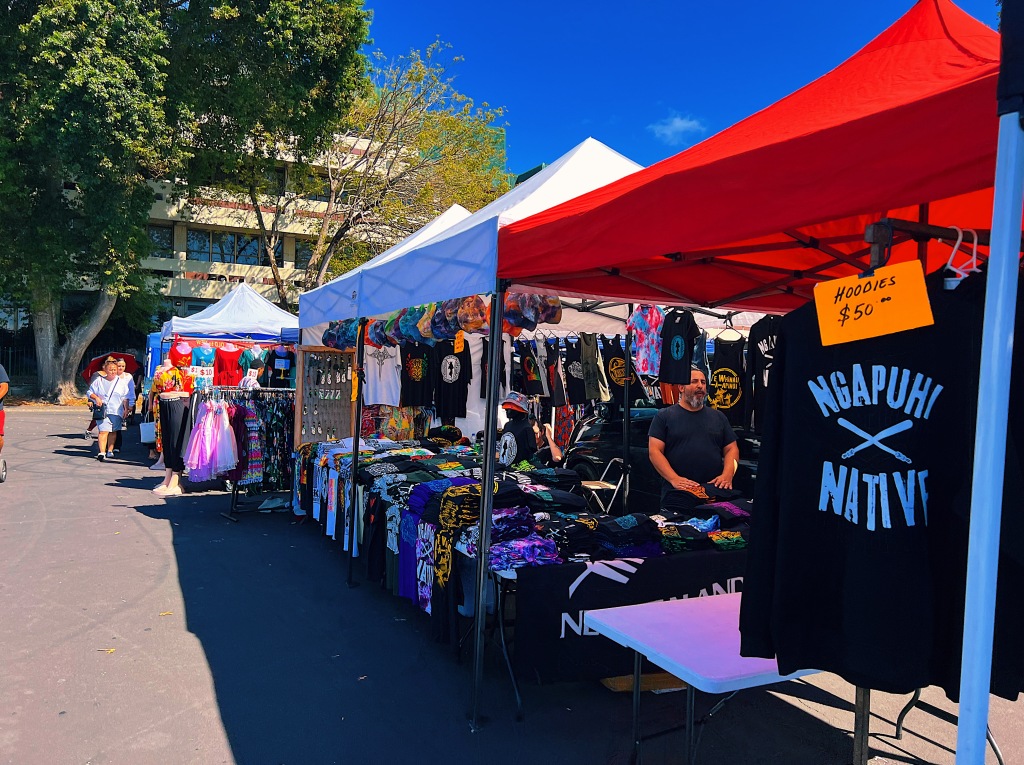
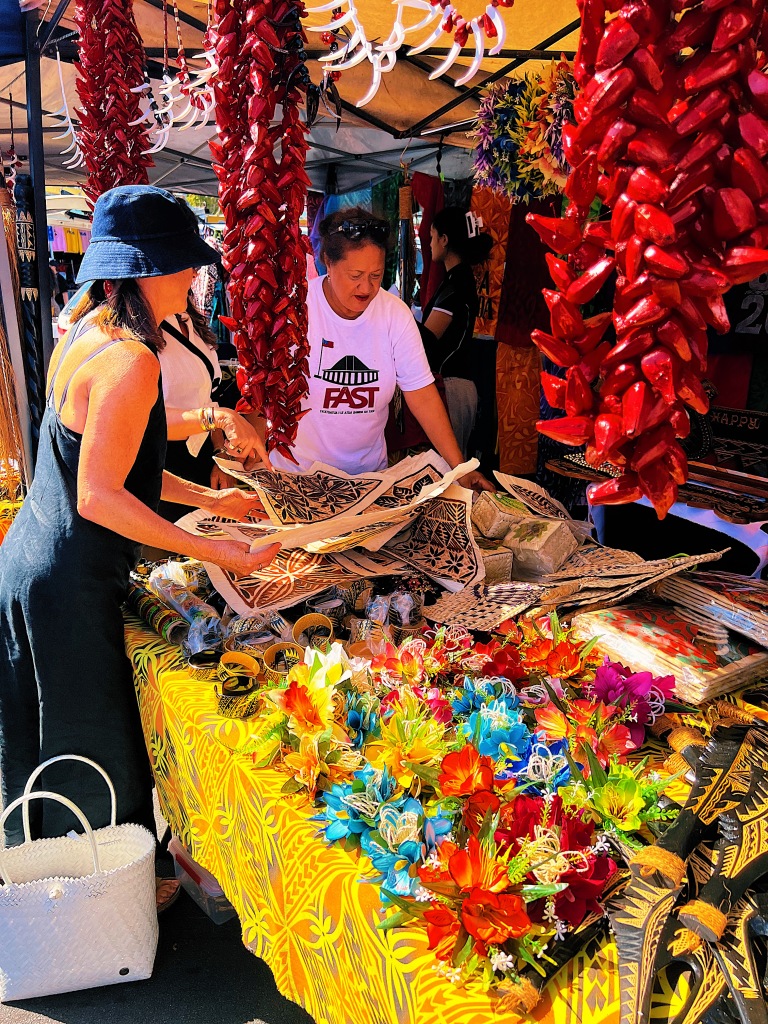
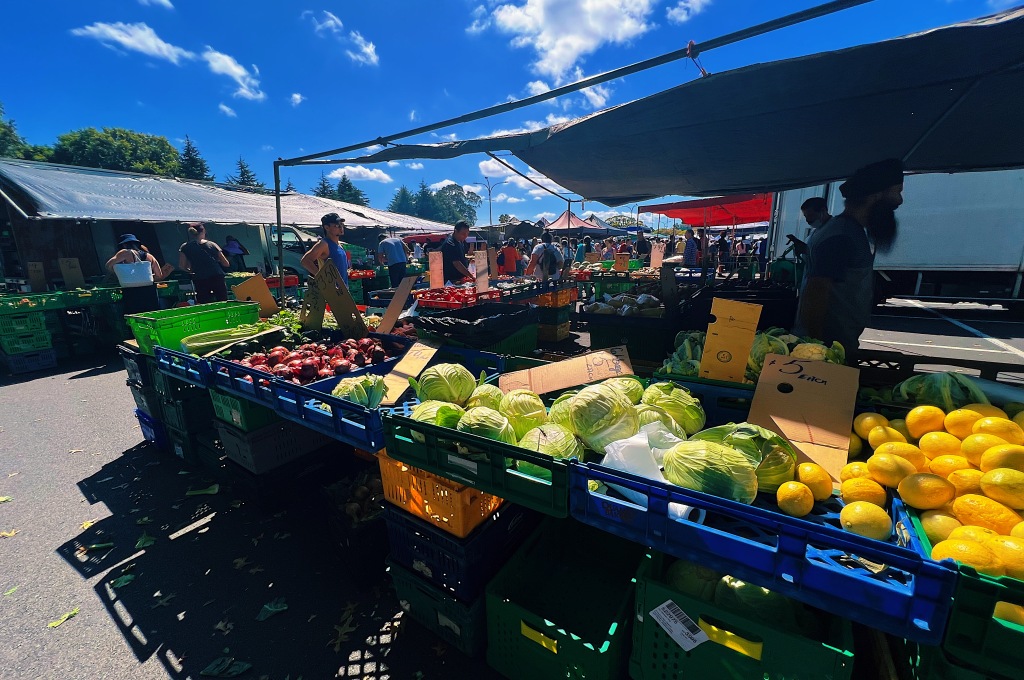
Otara is a largely Polynesian suburb in south Auckland. It translates from Maori as The Place of Tara, named for a Maori chief in the area. Otara gained some degree of fame in 1995 with the worldwide hit single “How Bizarre” by local hip hop artists, OMC. OMC stood for “Otara Millionaire’s Club”, a tongue in cheek reference to the suburb’s low socio-economic status. Now Otara is mainly known for its Saturday morning market which we visited for the first time. The fruit and vegetables were definitely well priced. For example, Kumara (sweet potato) that sells for over $13 at our local supermarket was selling for just over $3 at Otara market.
Back in Auckland, we decided to continue our exploration of nearby neighborhoods. This day found us in Westmere, where Mal’s dear cousin Annette not only lives but also teaches at the local primary school. Here are some of the variety of houses we saw during the walk.
We encountered some interesting fences, including one made of bamboo and another made of shells.
We also liked this classic orange and white caravan.
One distinguishing feature of New Zealand are the ubiquitous dairies (small general stores) that are often decked out in bright colors and advertising. Here are two from the neighborhood.
Mal’s brother and sister-in-law drove us out to Korumburra, the small town where they live, about 90 minutes east of Melbourne. Along the way, we stopped at the even smaller town of Loch, where we stretched our legs and wandered along its main street.
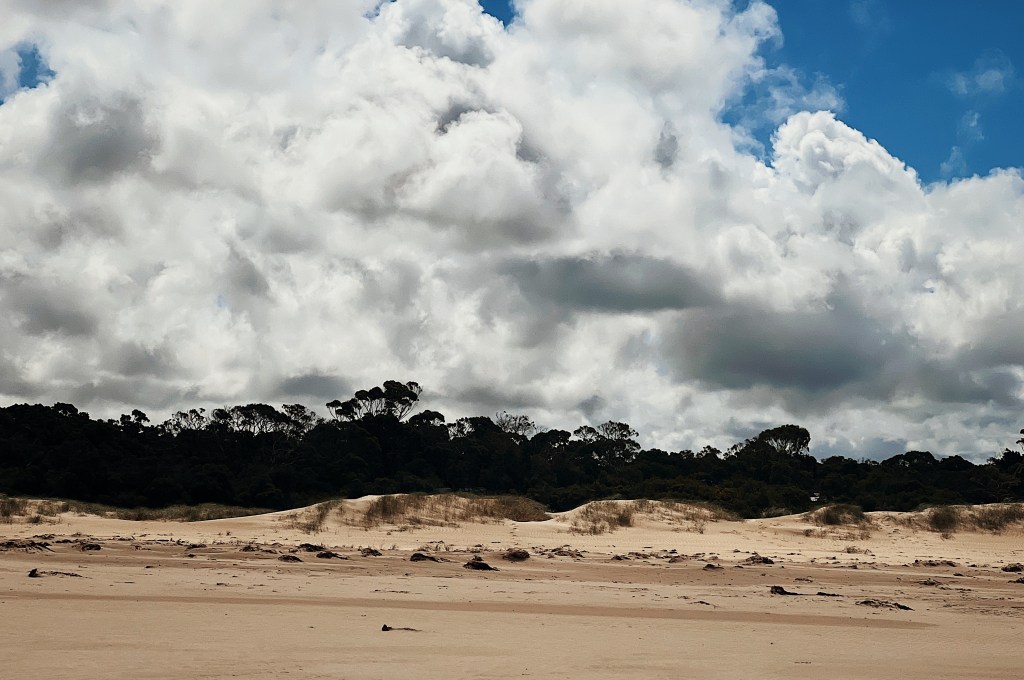
After lunch in Korumburra, Russ and Di drove us to nearby Inverloch beach where they often go for walks.
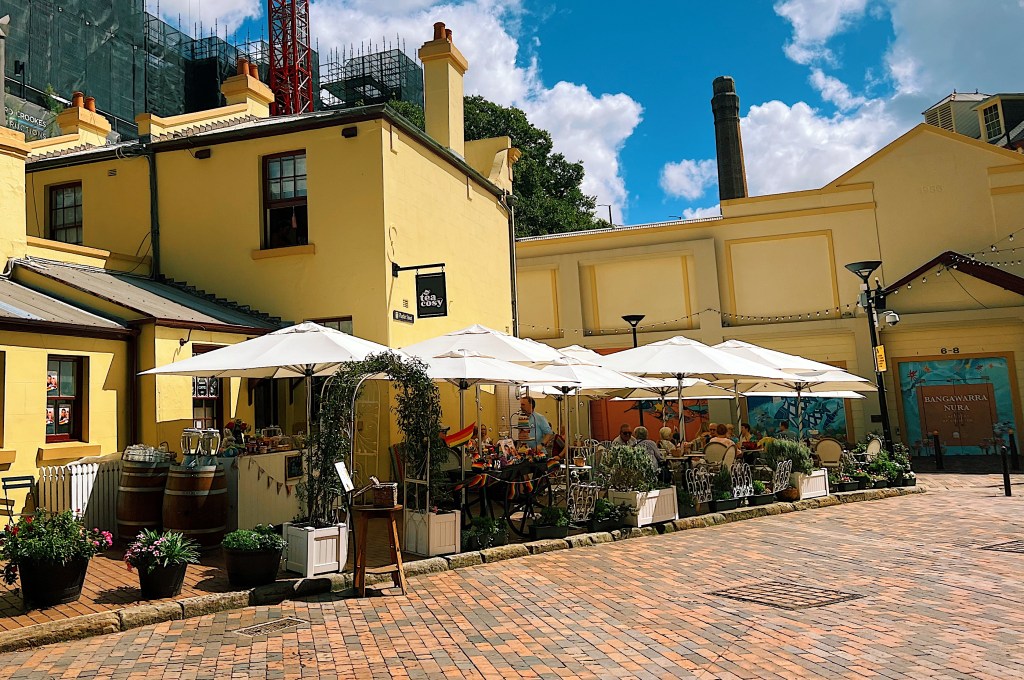
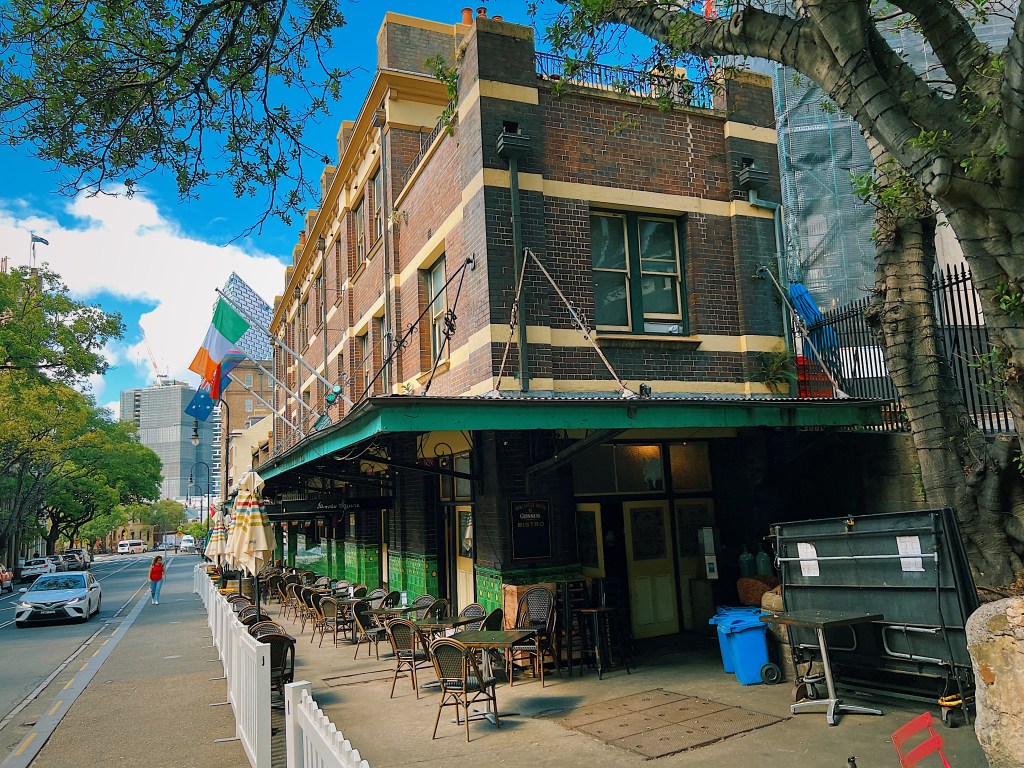
We spent a beautiful sunny morning exploring The Rocks, one of Sydney’s oldest neighborhoods, dating right back to the formation of the colony in 1788. From its earliest history it had a reputation as a slum but now it mainly consists of restaurants, bars and shops, catering to the large groups of tourists that arrive each day on the massive cruise ships that dock at the adjacent port.
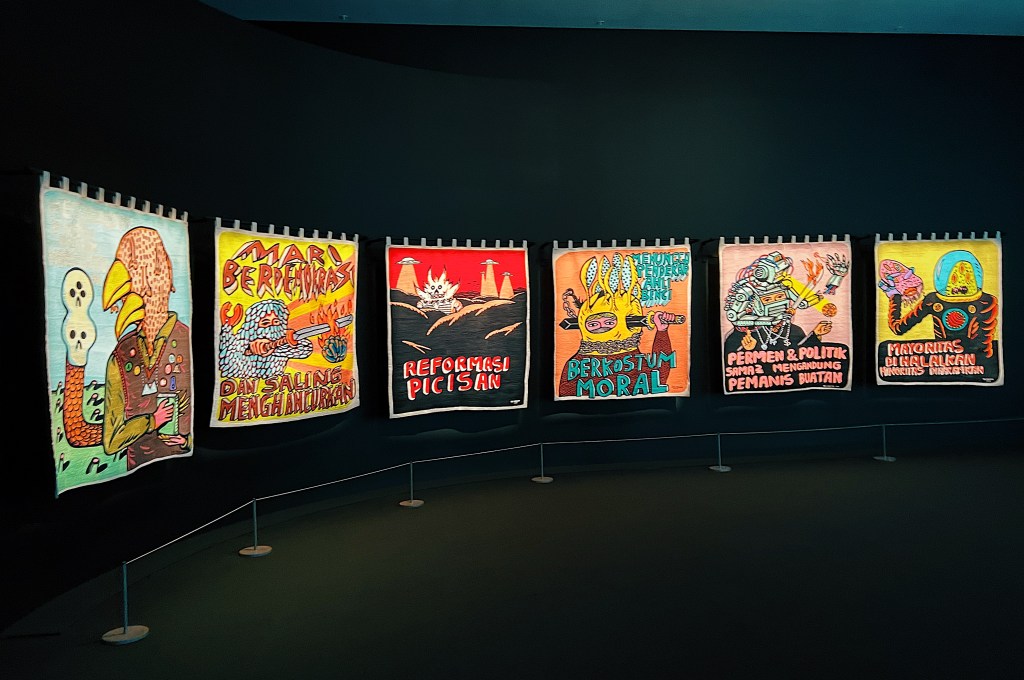
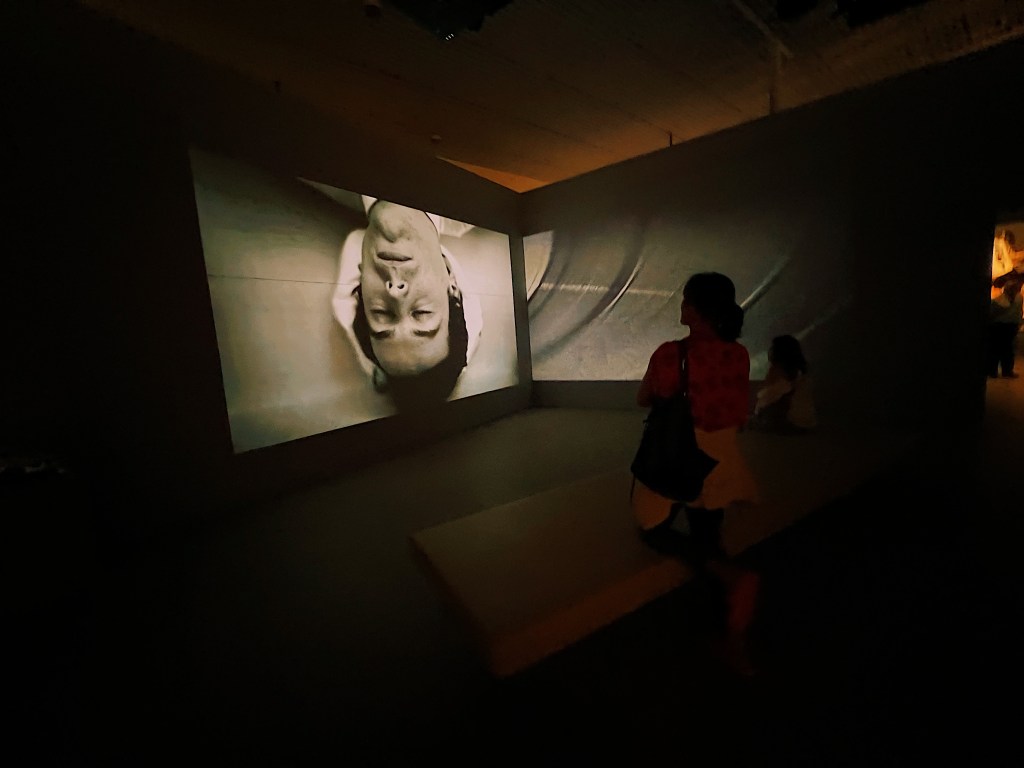
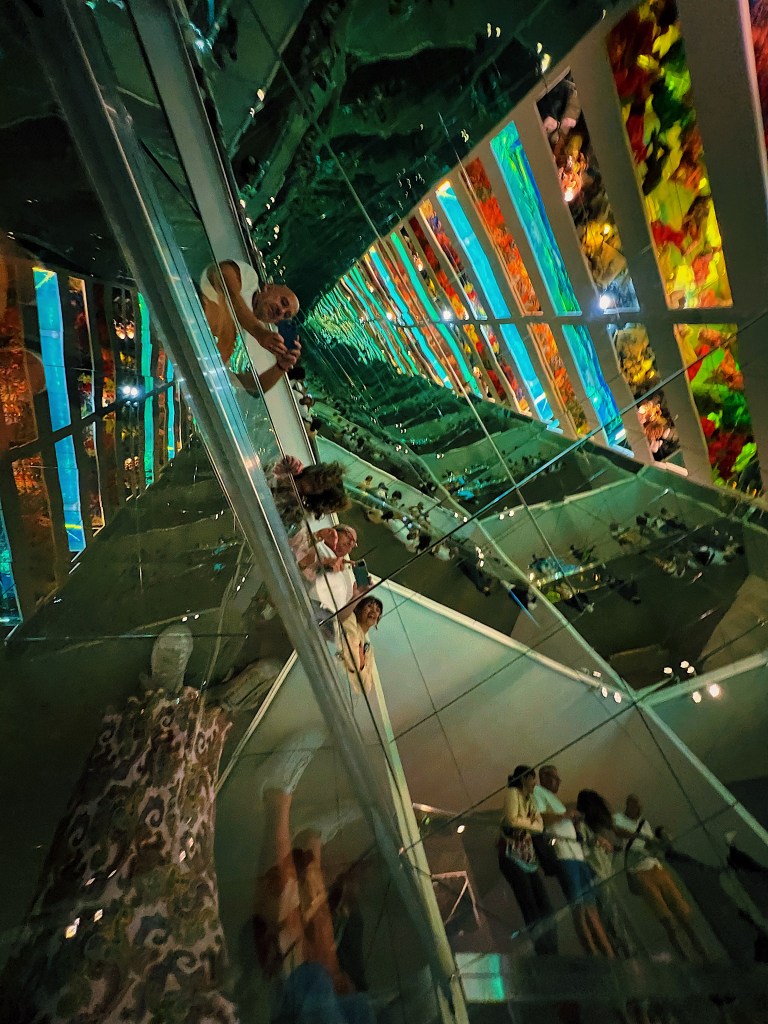
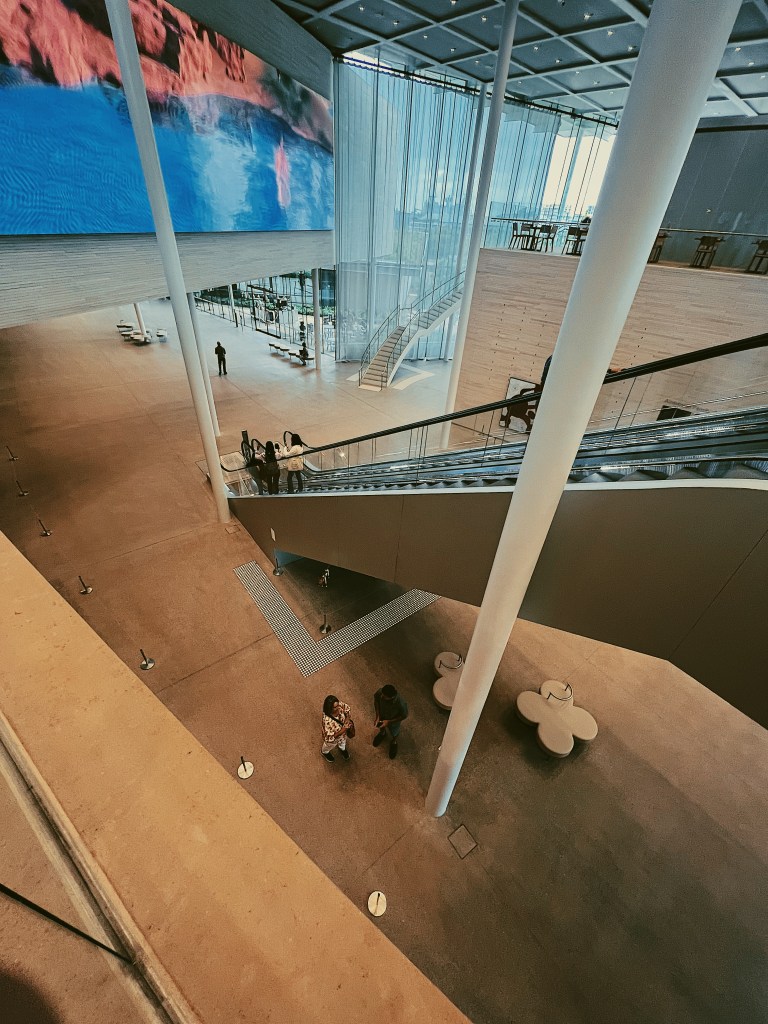
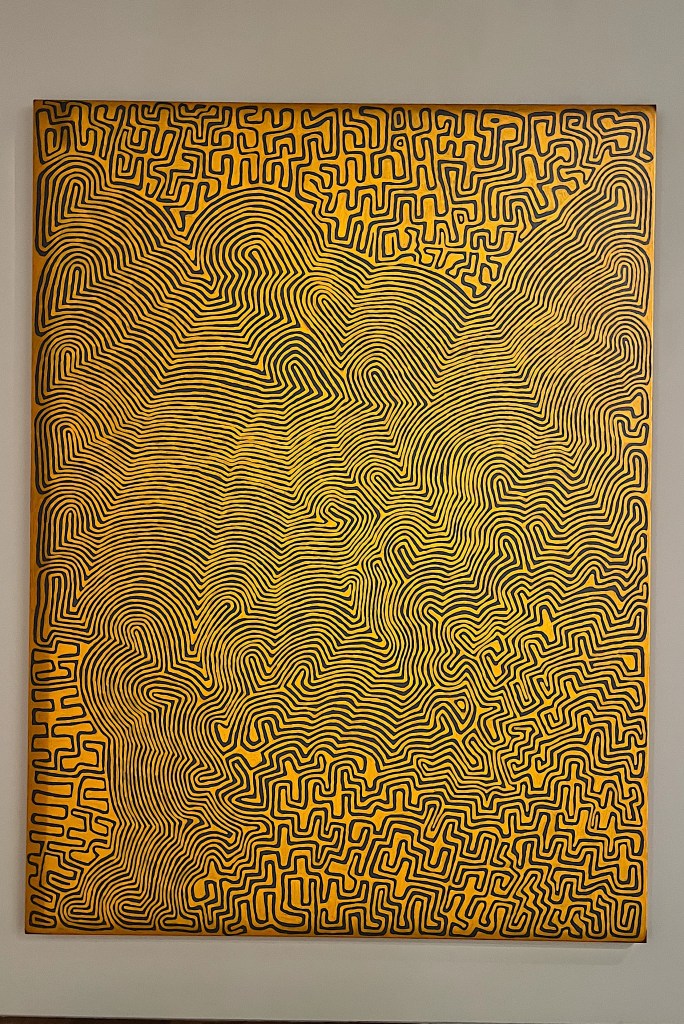
We walked over to the Art Gallery of New South Wales. In particular, we wanted to see the brand new Sydney Modern Project extension to the Gallery. Opening in December 2022 it has almost doubled the Gallery’s exhibition space, cost well in excess of $300 million. Here are some of the sights and artworks we saw during our wander around its extensive spaces.
We even participated in creating an art piece. Rolling little balls out of clay to be included in a work called Archive of Mind by the South Korean conceptual artist, Kimsooja.
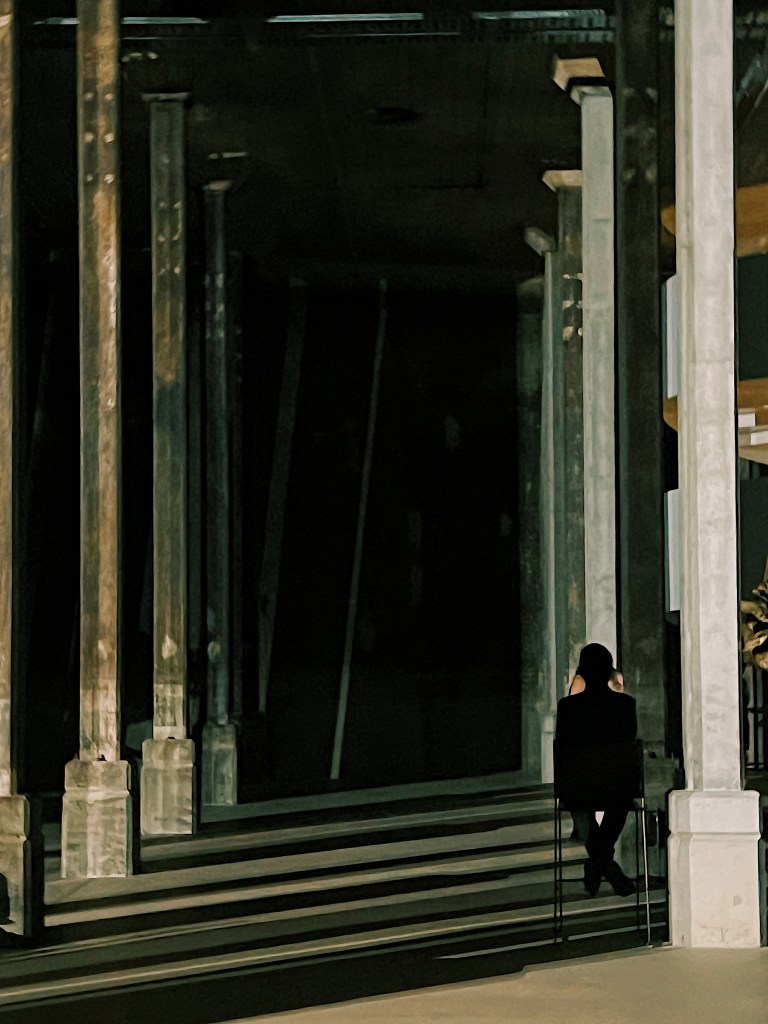
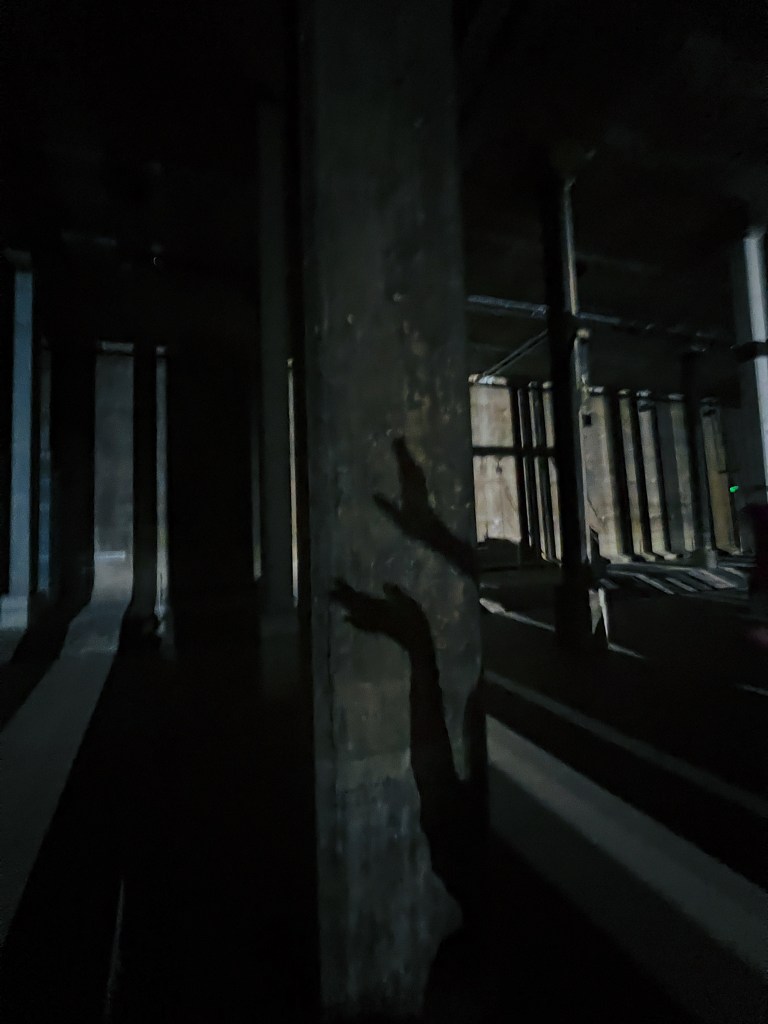
Deep under the new building is a very cool exhibit called The Tank. A massive oil tank had been built to provide fuel for the navy during World War II. It has now been transformed into a dramatic space with shifting light falling across industrial looking sculpture.
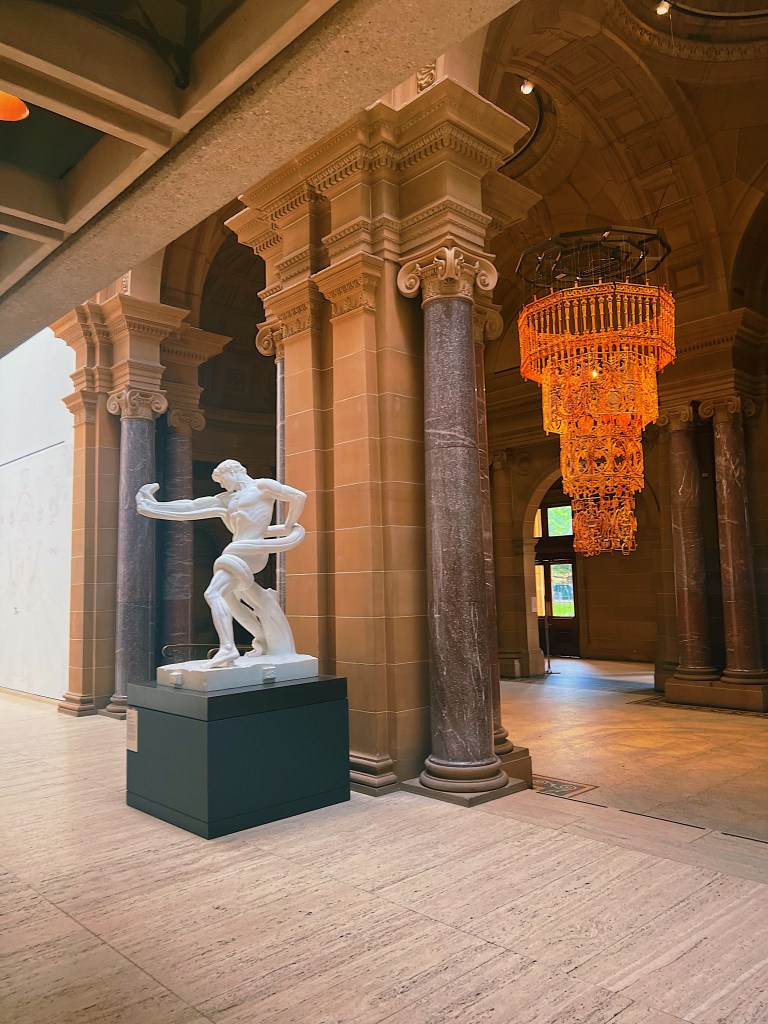
We then walked over to the old wing of the gallery which was also rather impressive.
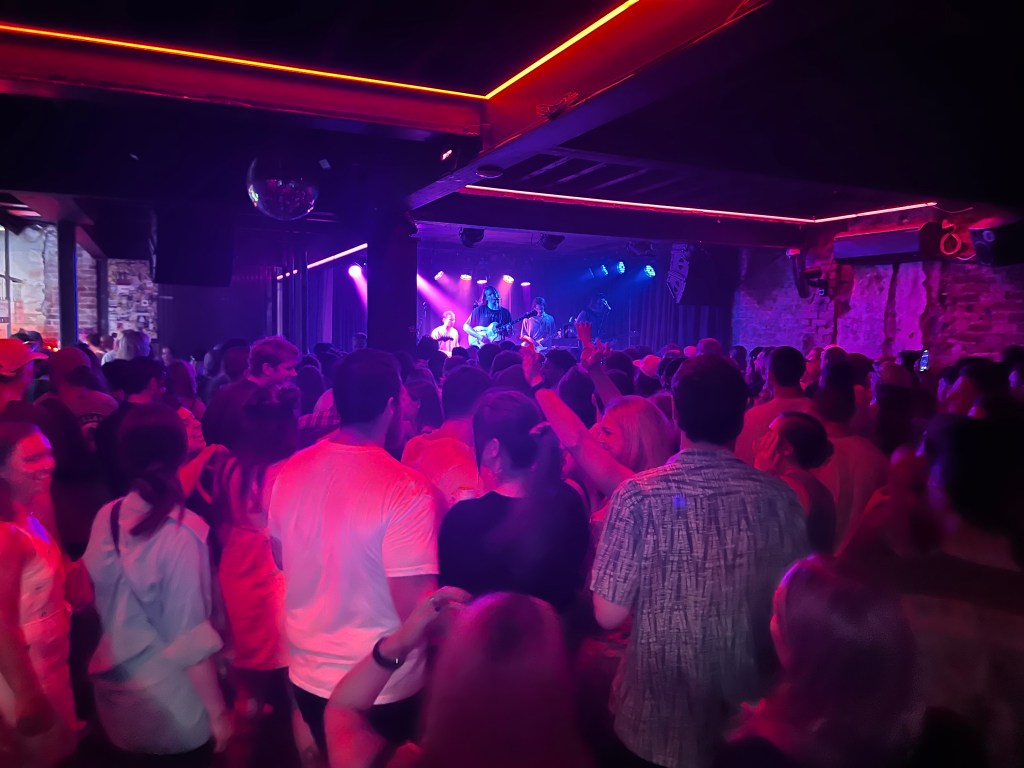
We finished the day at the Landsdowne Hotel watching No Cigar play their first Australian gig. John and Fi’s son, Ned, is the band’s drummer.
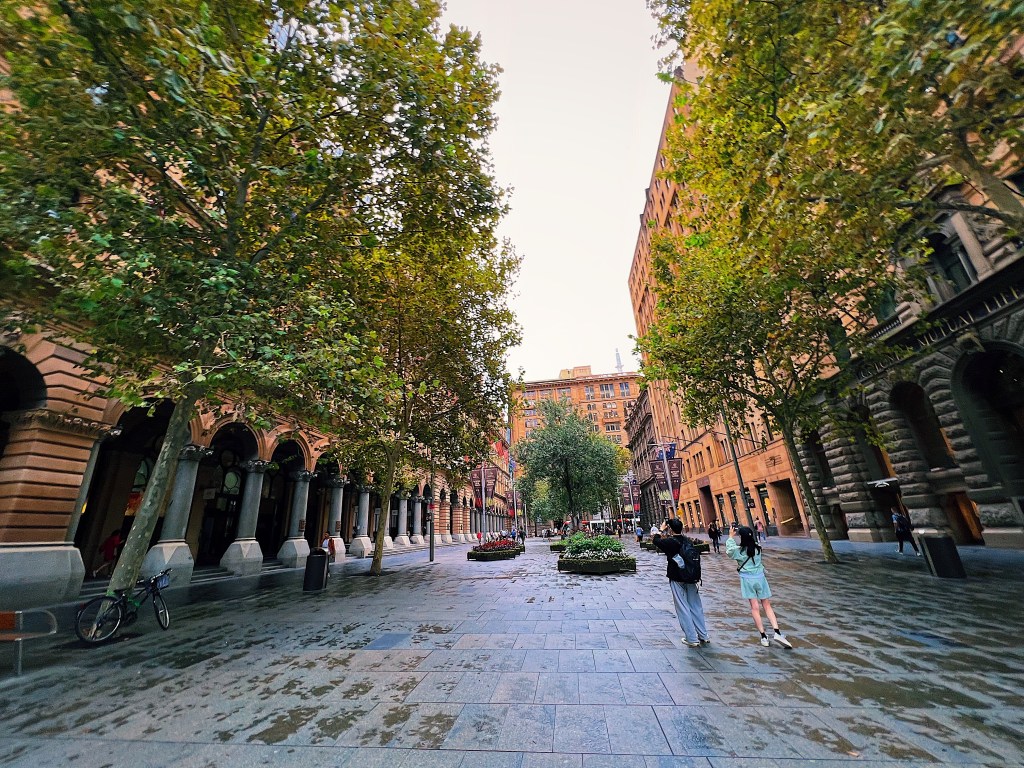
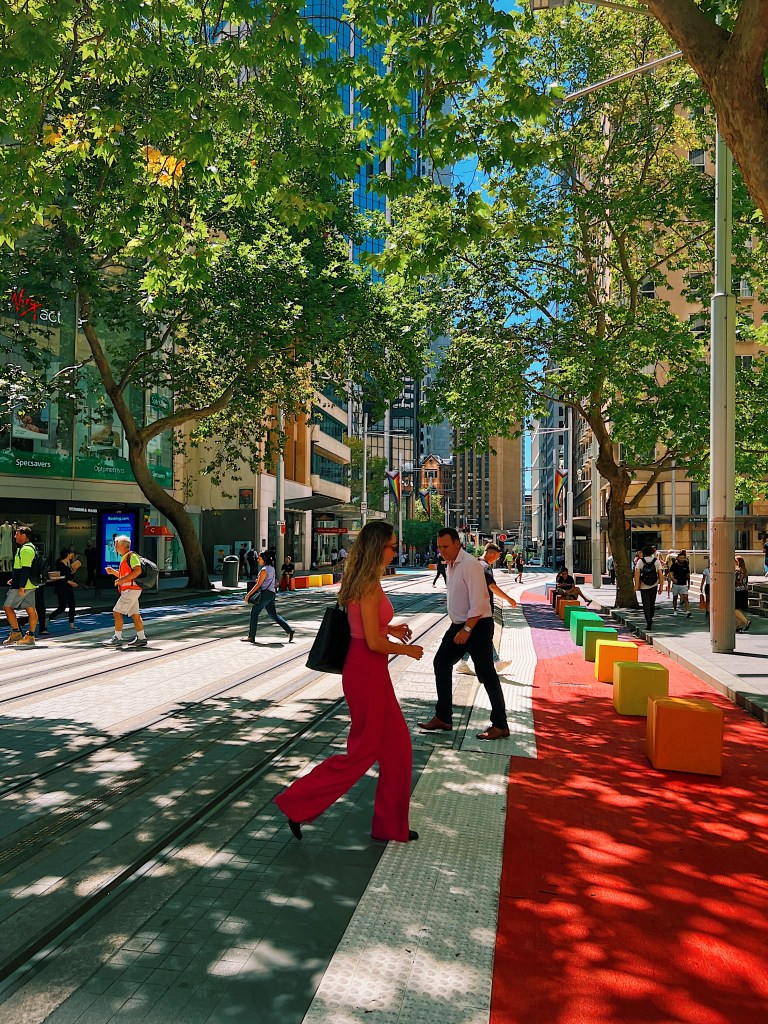
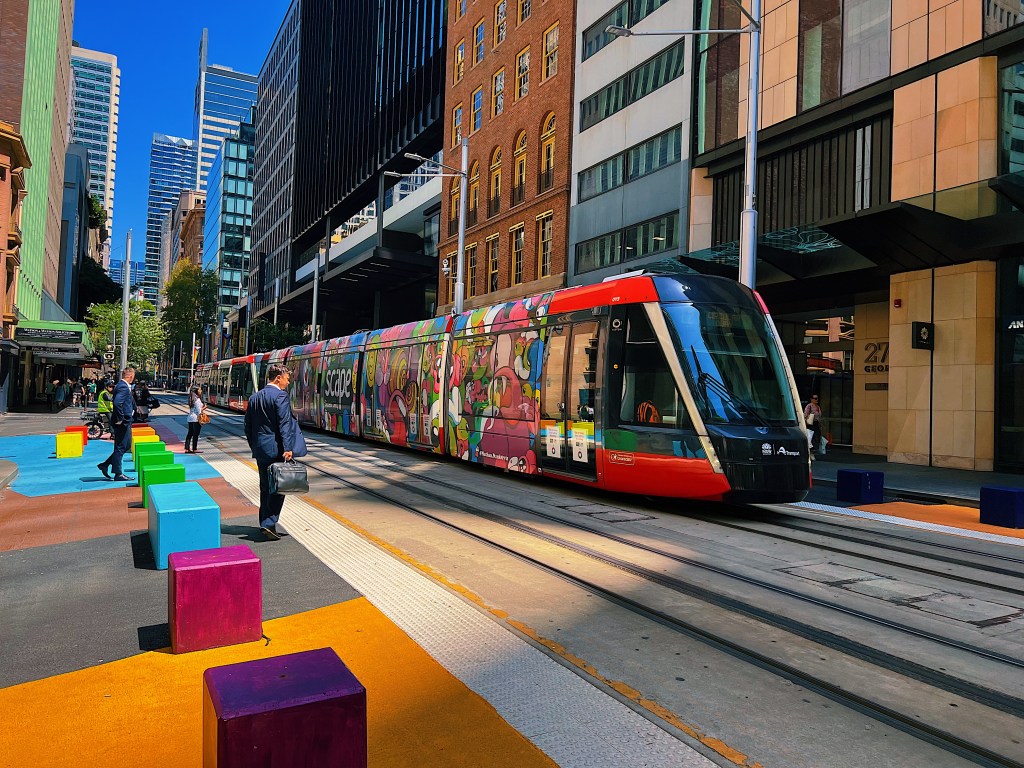
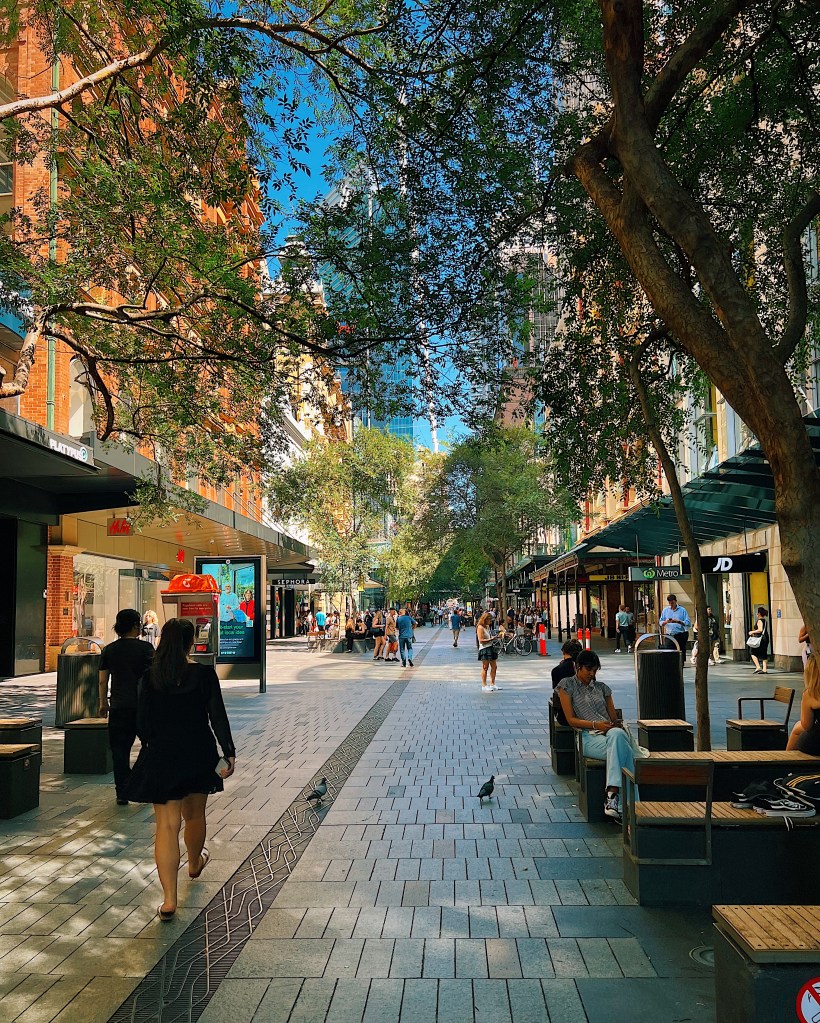
We spent the next day wandering around downtown Sydney, checking out the shops and dodging the trams.
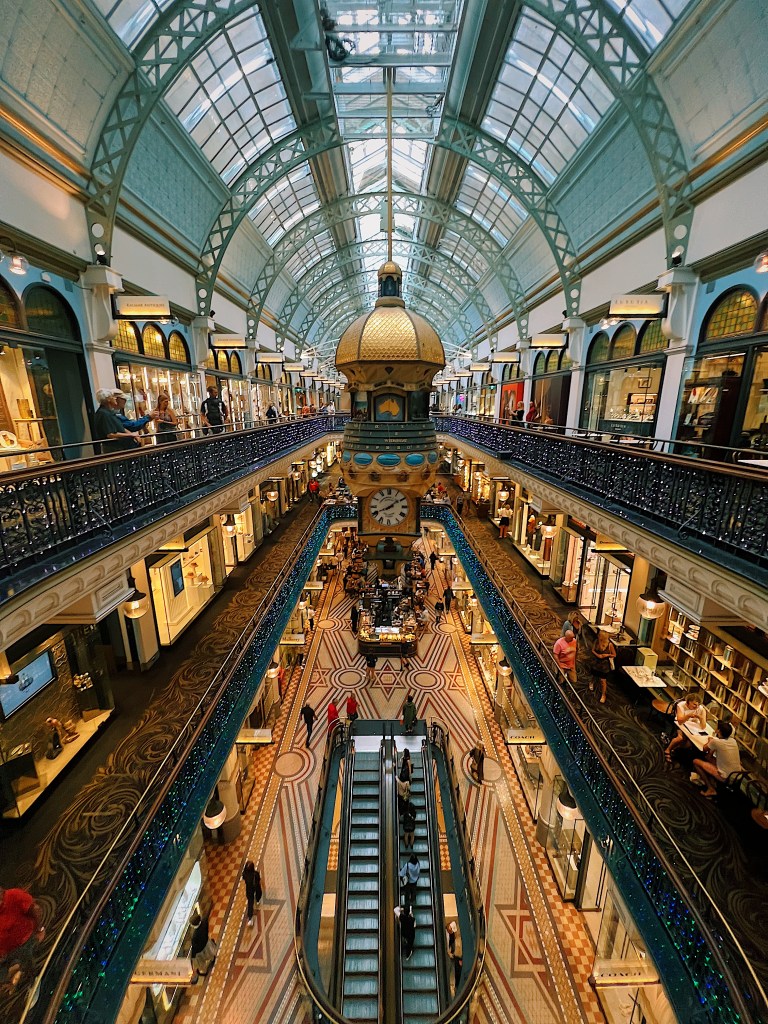
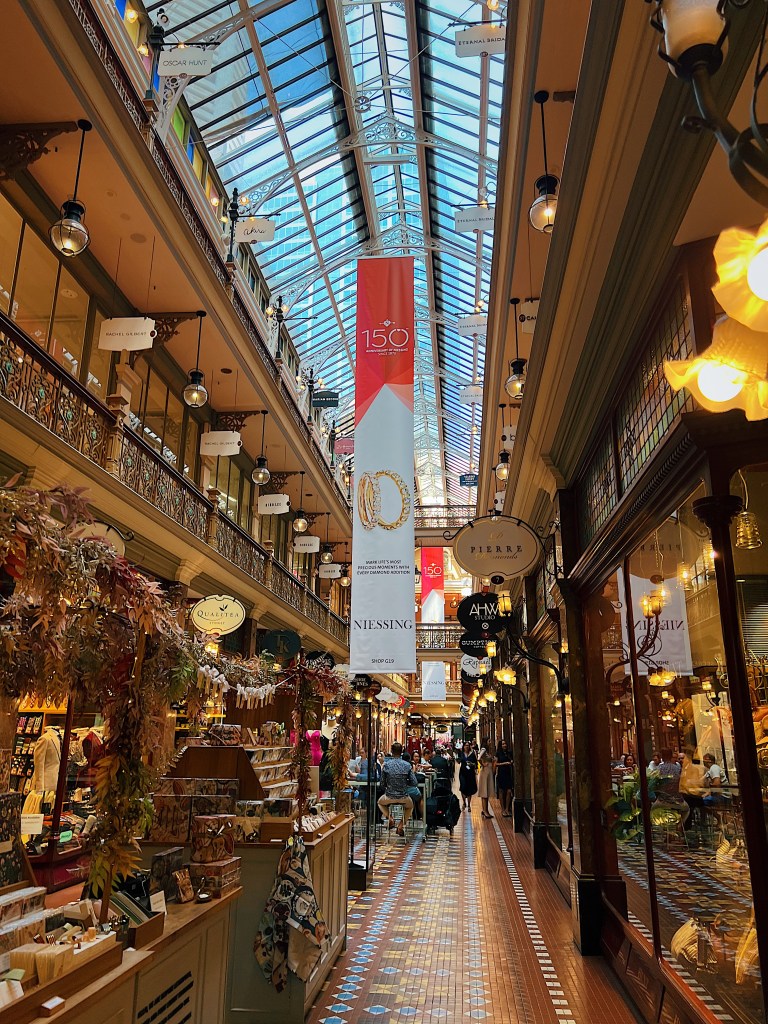
Sydney has some beautiful old shopping arcades, including the impressive Queen Victoria Building, opened in 1898.
And The Strand Arcade, opened in 1891.
In the evening we joined our good friends John and Fiona for dinner in a cool little restaurant called Love, Tilly Devine, tucked into a back alley in the trendy inner city neighborhood of Darlinghurst.
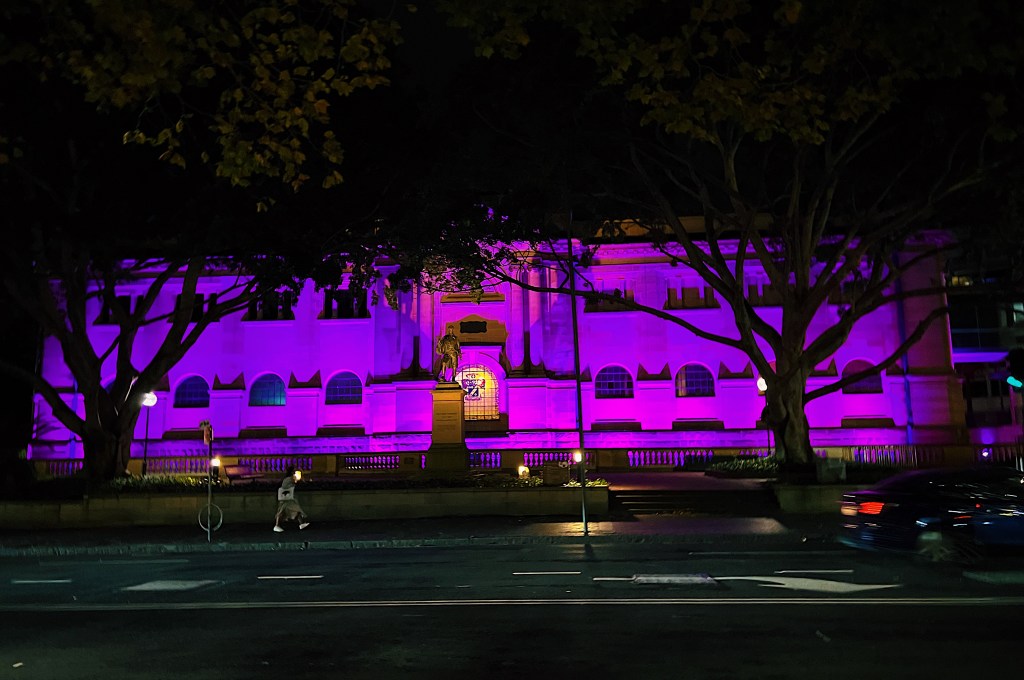
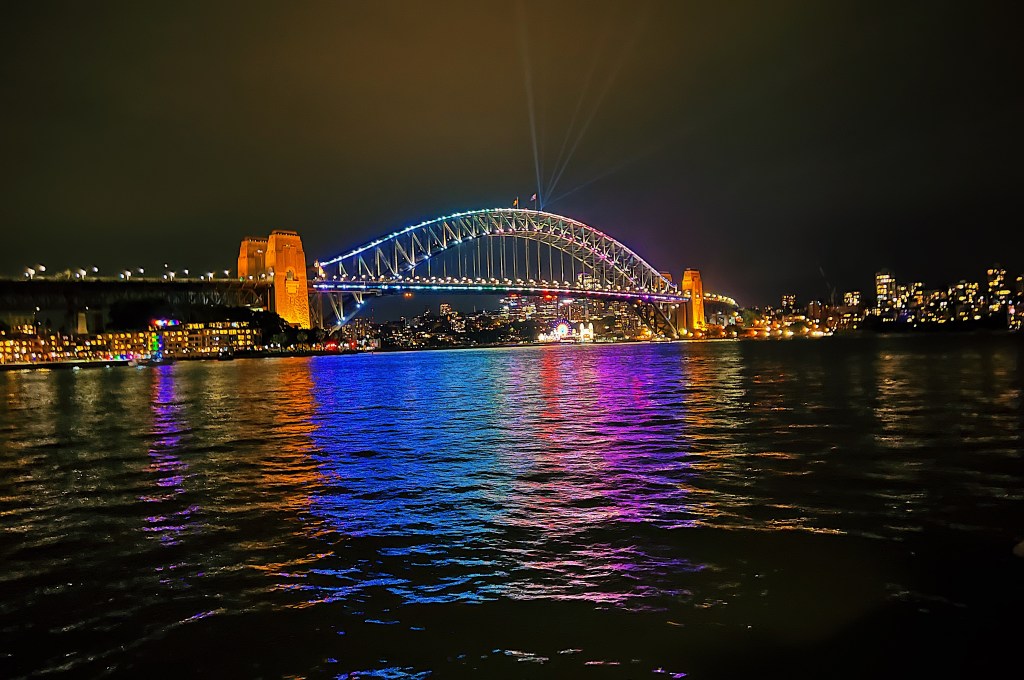
Afterwards, we walked back to our hotel through the city, checking out the rainbow lights that were everywhere as Sydney was in the middle of World Pride 2023.
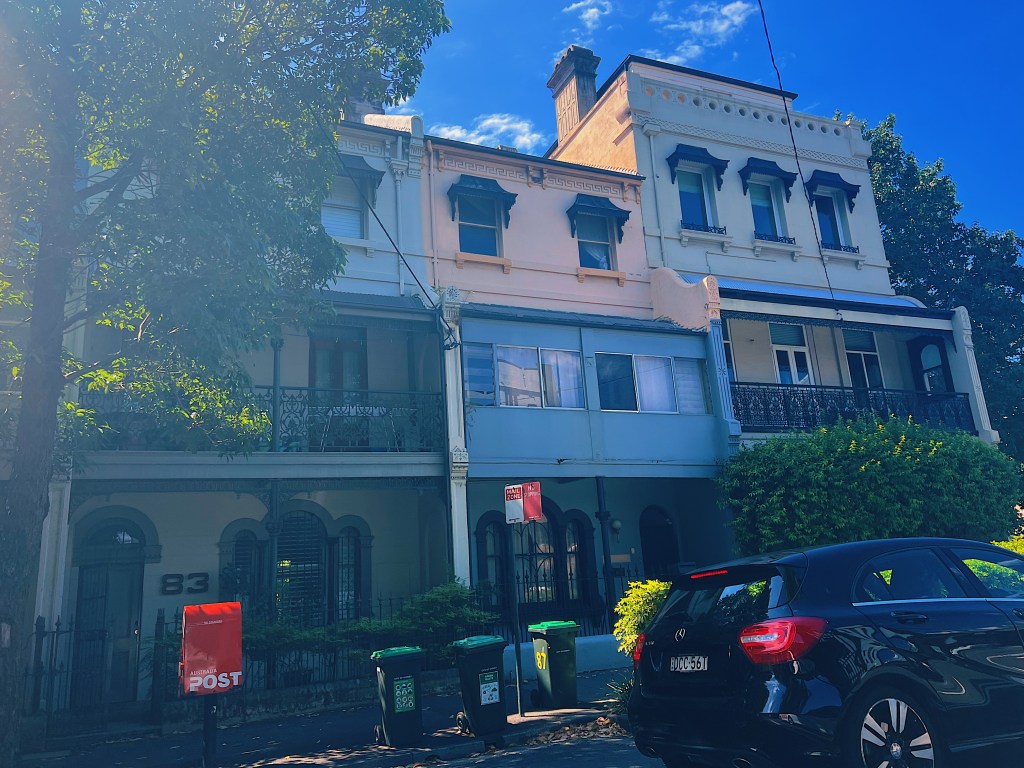
Back in 1983, we lived in Sydney for a couple of months. Our home was a one bedroom bedsit in the inner-city neighborhood of Redfern. Back then Redfern had not gentrified and was a little rough around the edges. In fact, there was a riot in the neighborhood while we were there. We happened to be passing through Redfern on our way to the city and asked the cabbie to drive by our old home. We lived in half of the second floor of the middle home (the place just above the red street sign). It looked much the same. Our home was a one room bedsit with mice in the walls and a bathroom we shared with the other tenants, who we remember as mainly alcoholic old men. Being young, we weren’t particularly concerned at the less than salubrious surroundings.
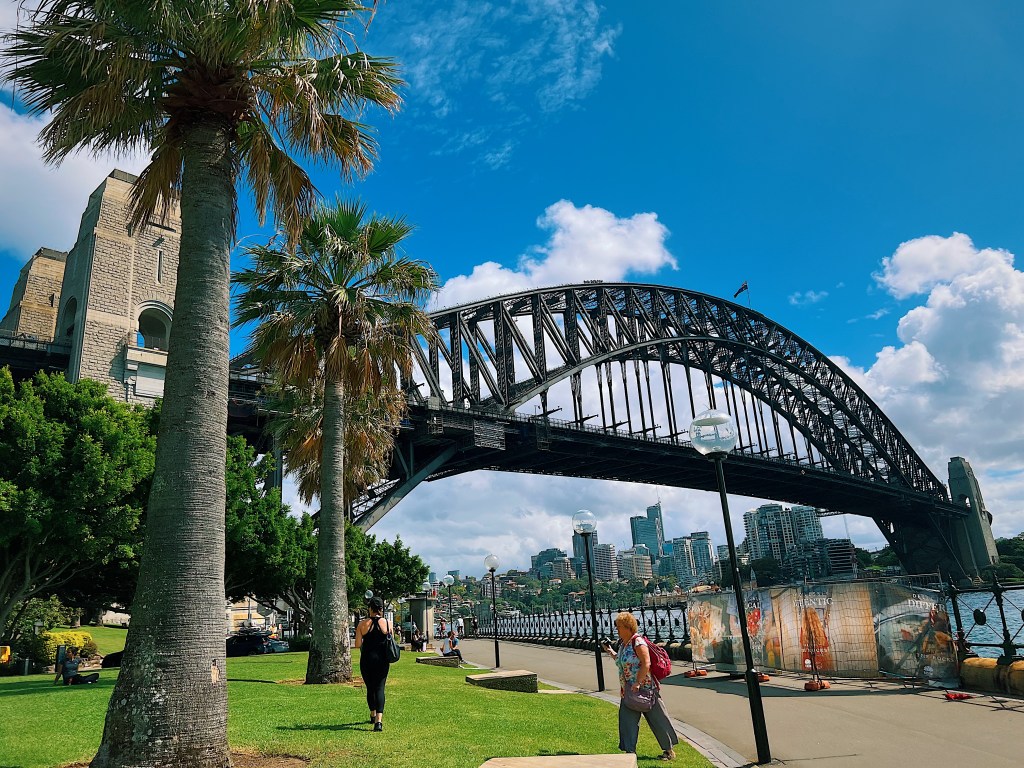
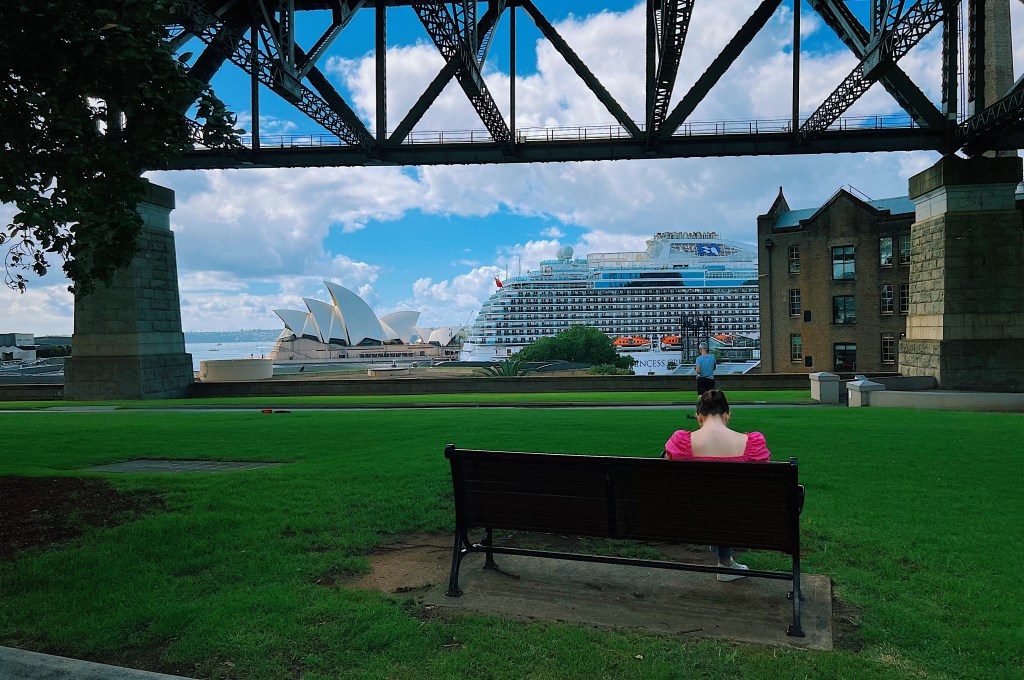
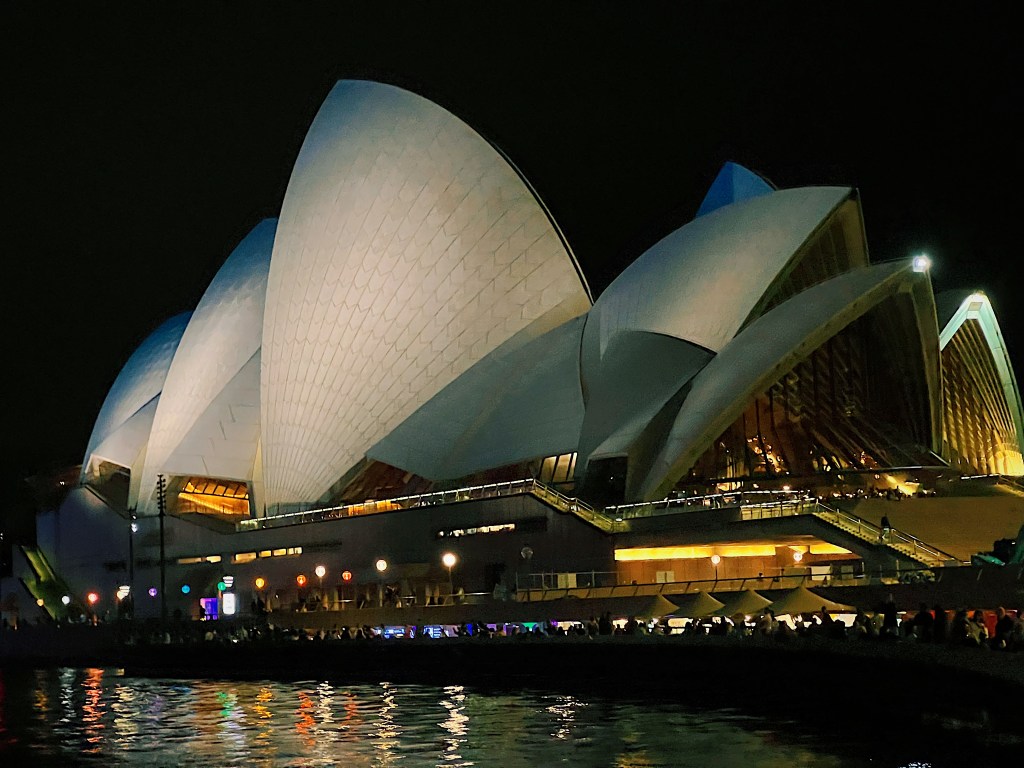
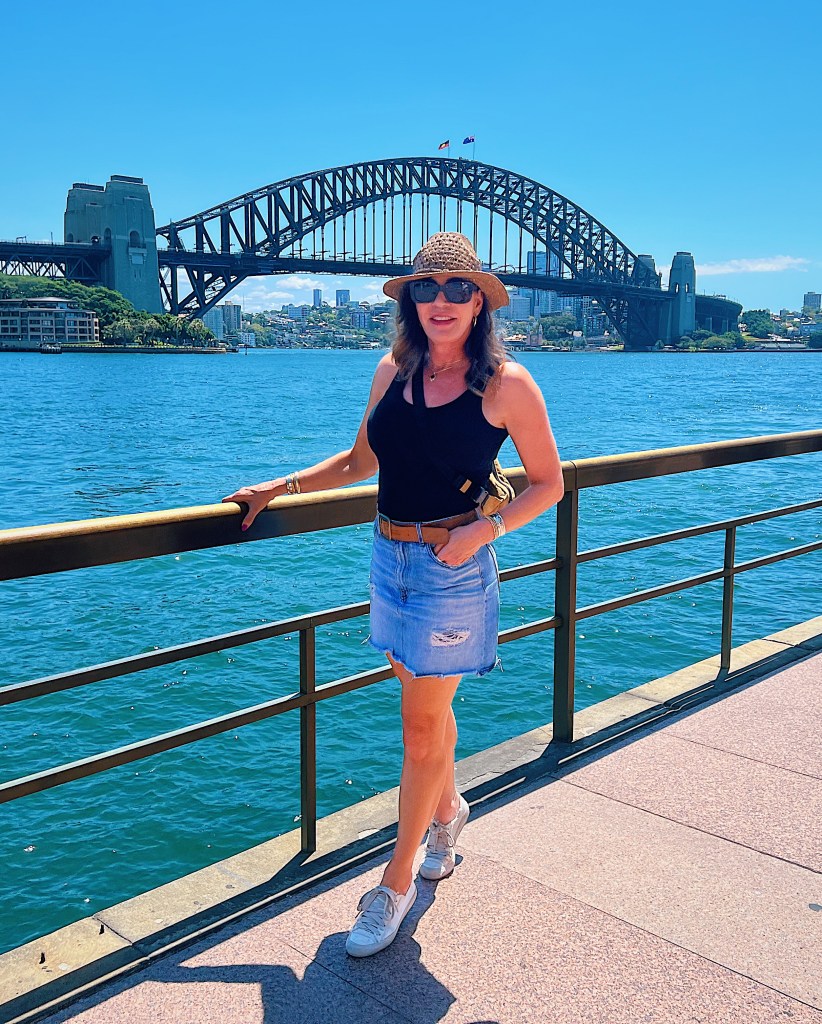
Next we went for a walk down by Circular Quay and watched the ferries sailing to and from various points on Sydney Harbor. The harbor bridge and opera house provided iconic backdrops.
There is a widely told (and sometimes disputed) story that the opera house almost didn’t come into being. The design was one of 223 entries that had been received and according to the story did not make the early cut. It was not until one of the judges who had missed the early days of judging pulled the design out of the rejects pile that it went ahead. That judge was Eero Saarinen, the famous Finnish American architect who among other famous buildings, designed the TWA Passenger Terminal at JFK Airport in New York and Dulles International Airport outside Washington DC.
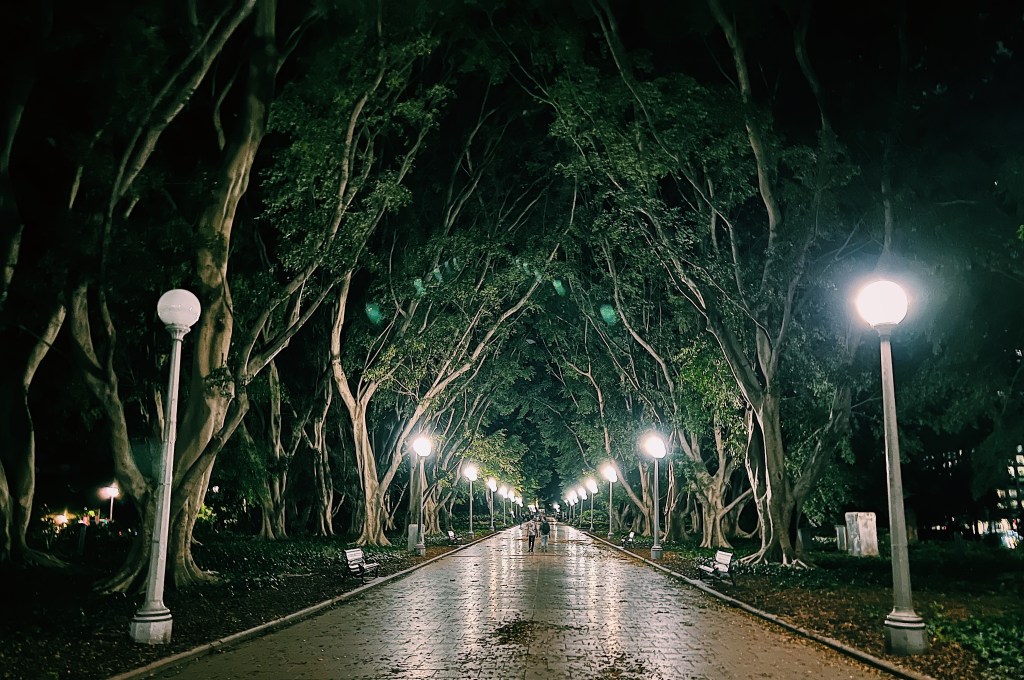
After a walk through the neighboring Royal Botanic Garden, we returned to the hotel for a rest before joining our old friend Chris and his wife Caroline for drinks and dinner down on the Quay, looking across to the opera house.
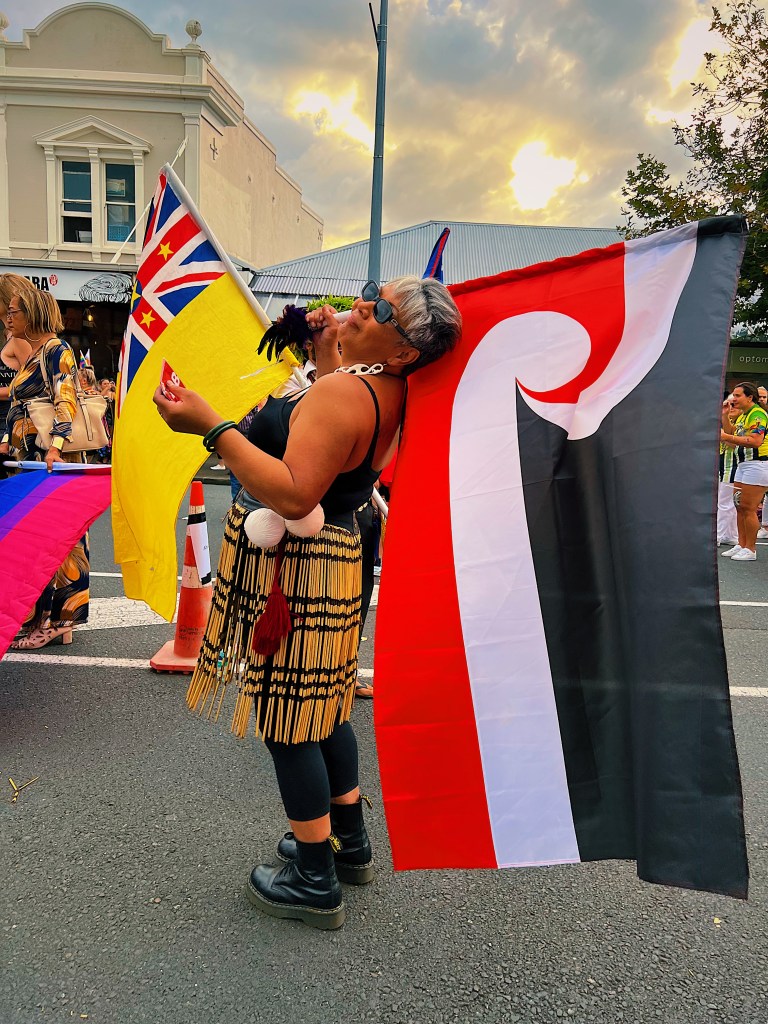
Out on an evening walk, we found ourselves up on Ponsonby Road, where the annual pride parade was about to begin. As the parade’s participants got themselves ready, we wandered around, enjoying the happy vibes. Particularly joyful, was the Brazilian carnival band, banging out Afro-Brazilian rhythms on an assortment of drums and other percussive instruments.
















































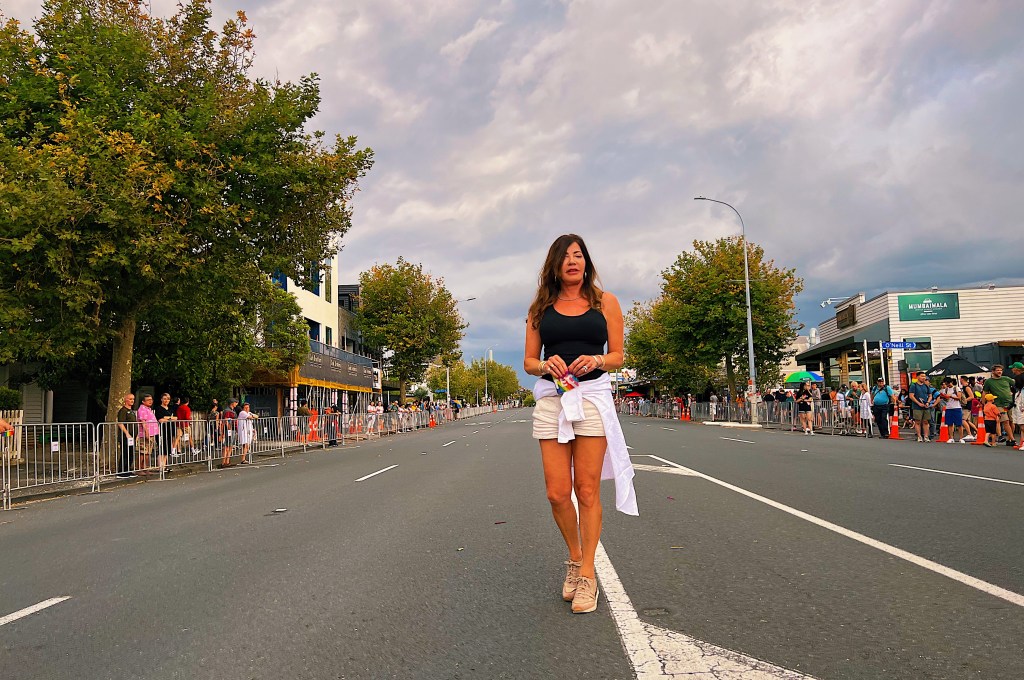
 Mal and Lauren