September 25, 2025
After the Spanish style buildings of Santa Barbara, Cambria was decidedly western. In fact, it reminded us quite a lot of Winter Park, the small ski town where we met in Colorado.
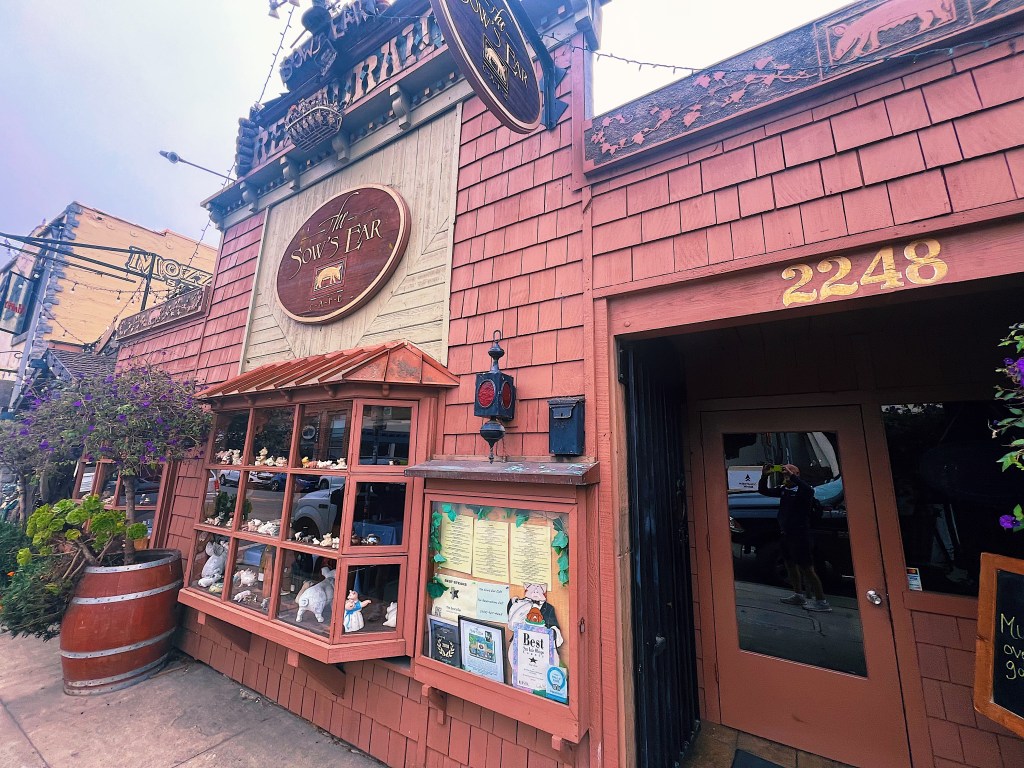
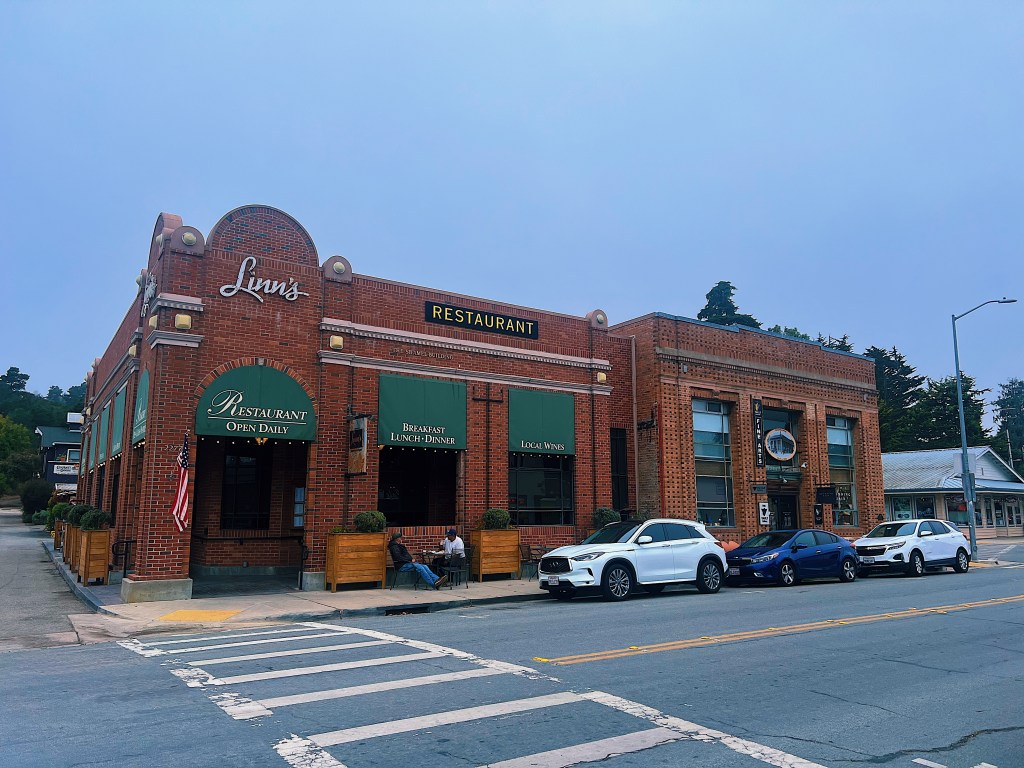
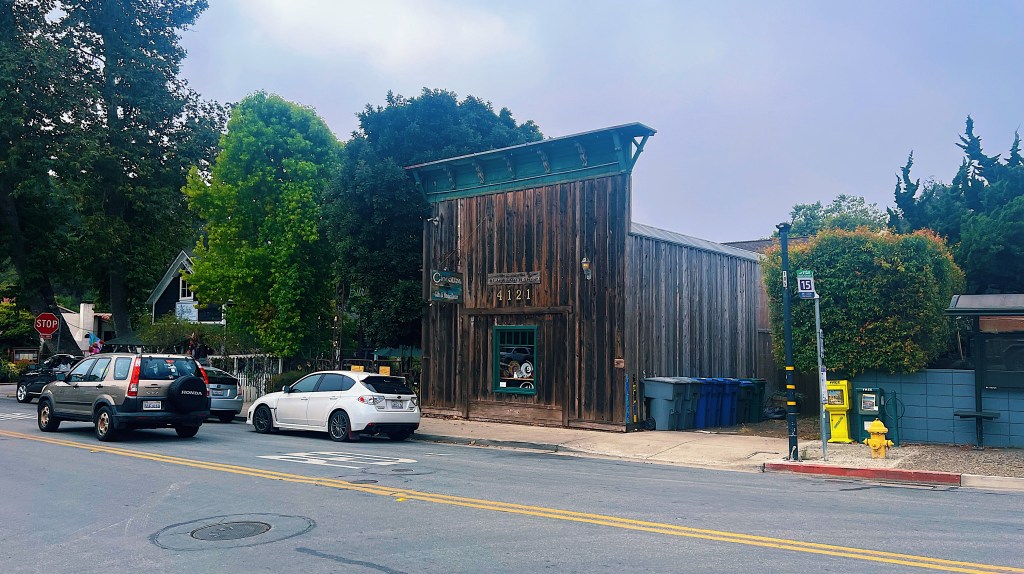
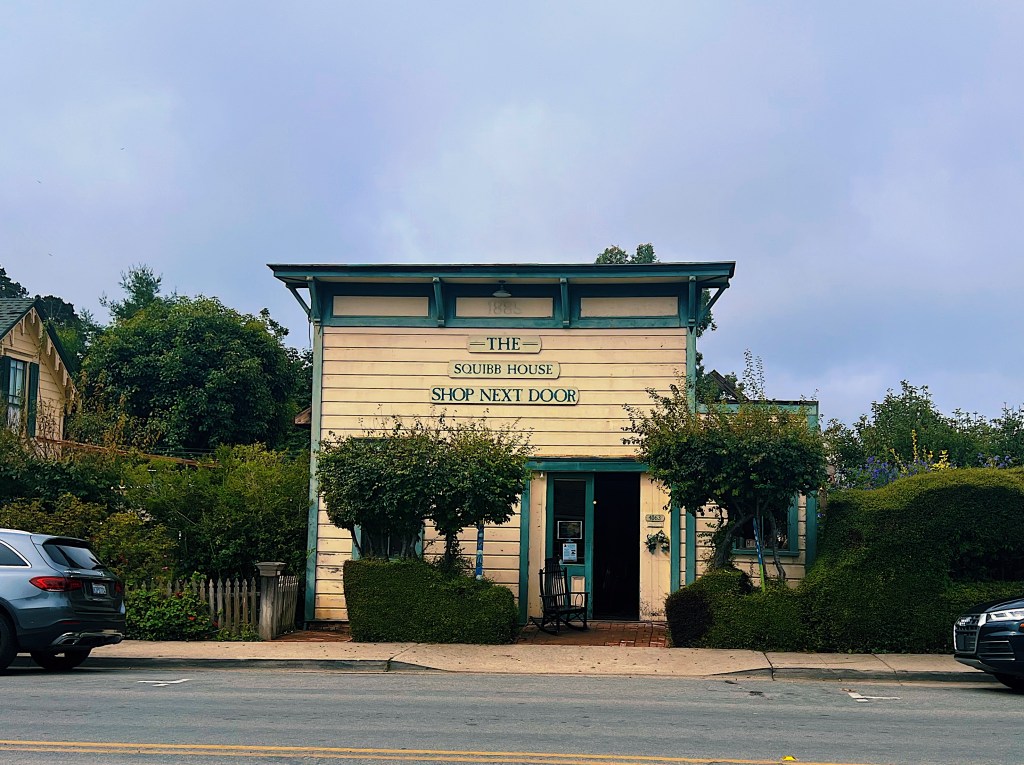


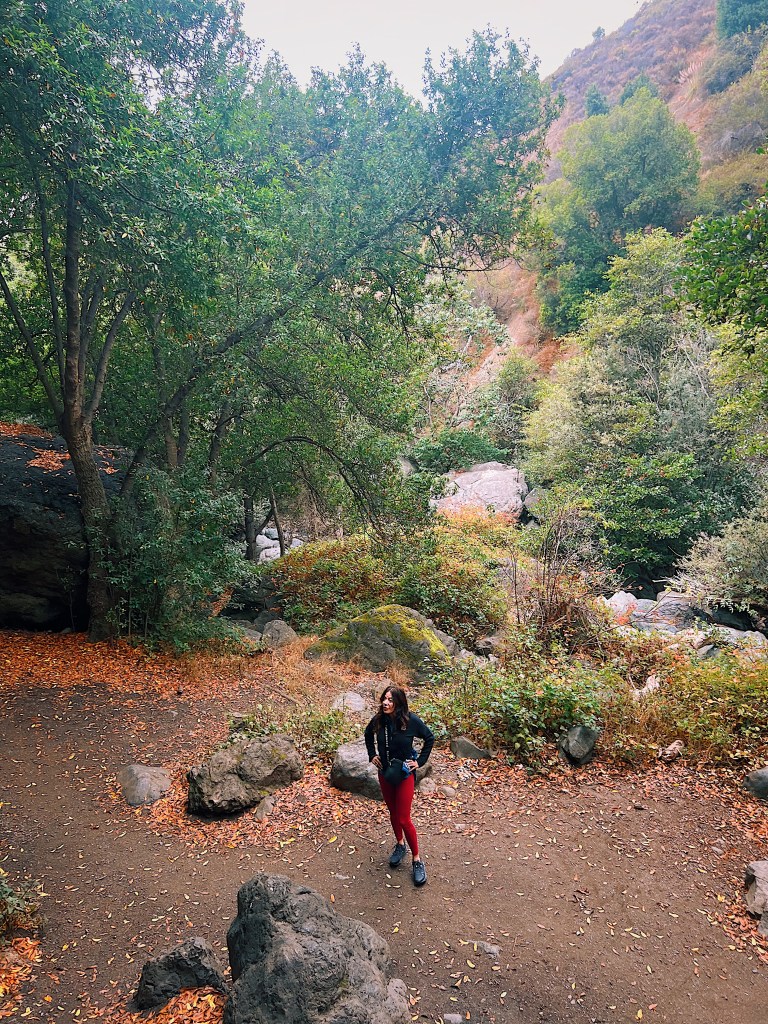
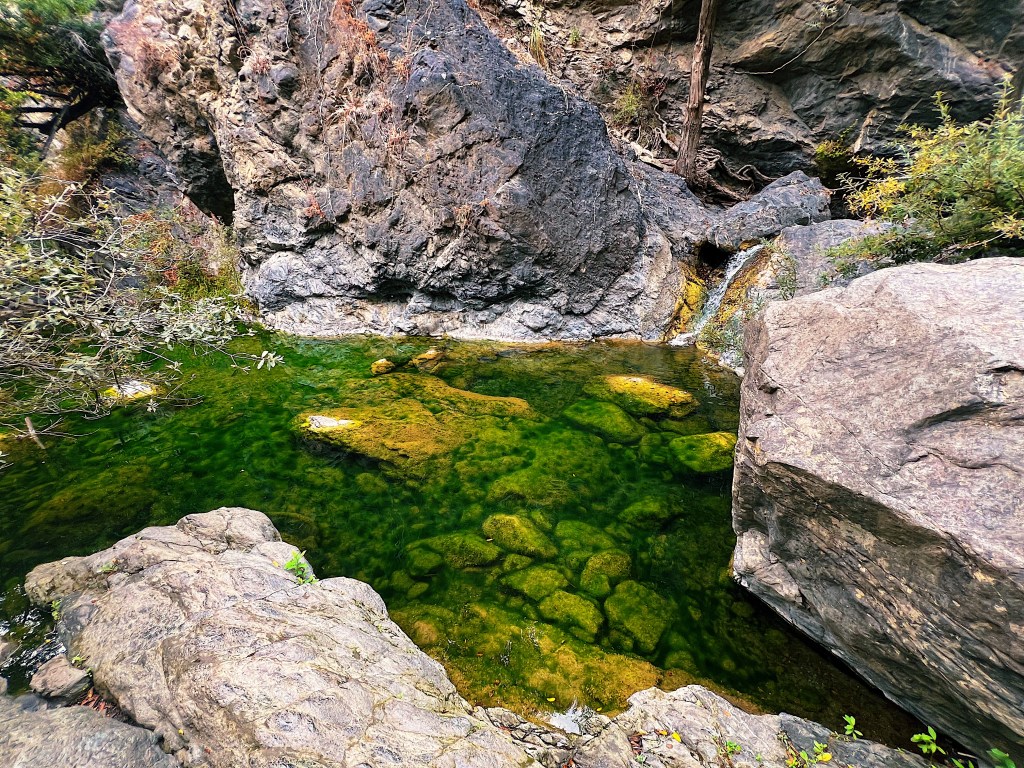
Our original intent had been to follow the Pacific Coast Highway (PCH) all the way up to Carmel, but it has been closed for almost three years, due to a slip and isn’t due to open until March of next year. So we drove as far north as Salmon Creek Falls, where we went for a short hike.

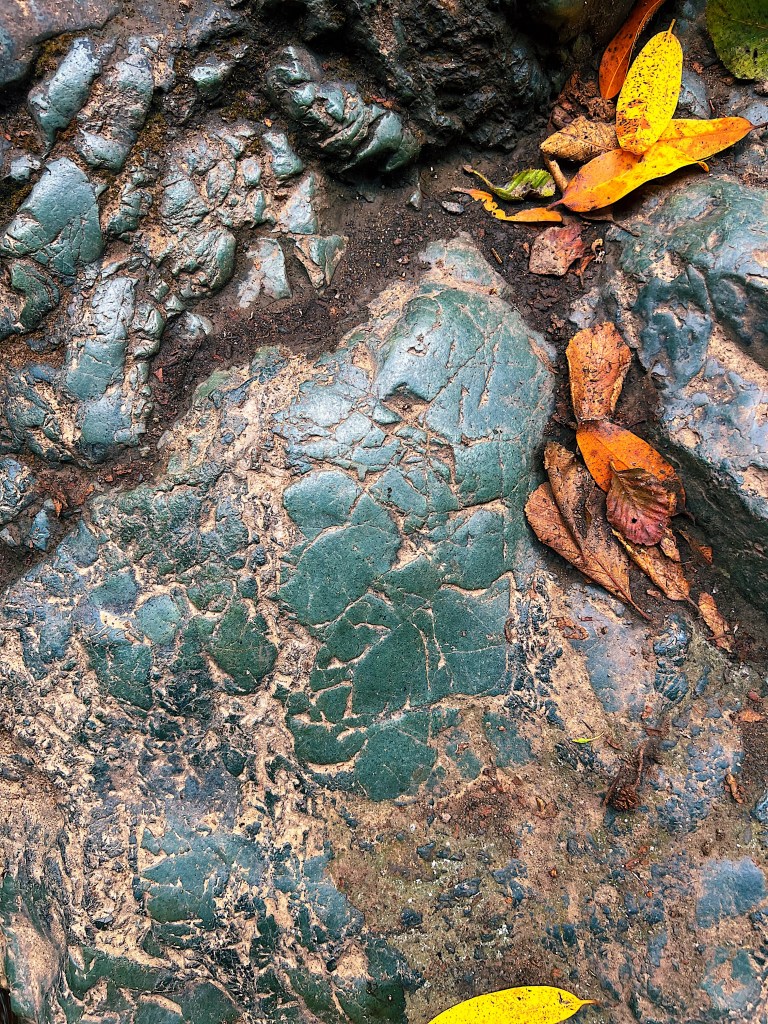
This pretty greenstone (probably serpentinite) would have been ideal for some maori carving.
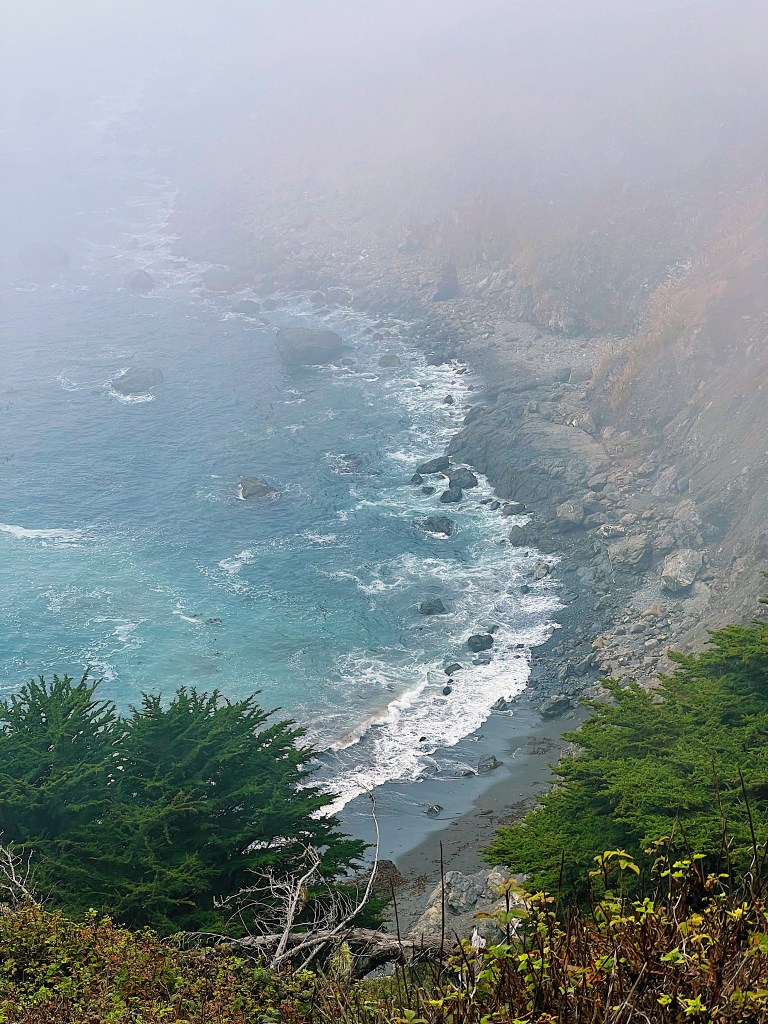
And then we returned down the coast for lunch at Ragged Point. Along the way, we checked out the dramatic views from the road.


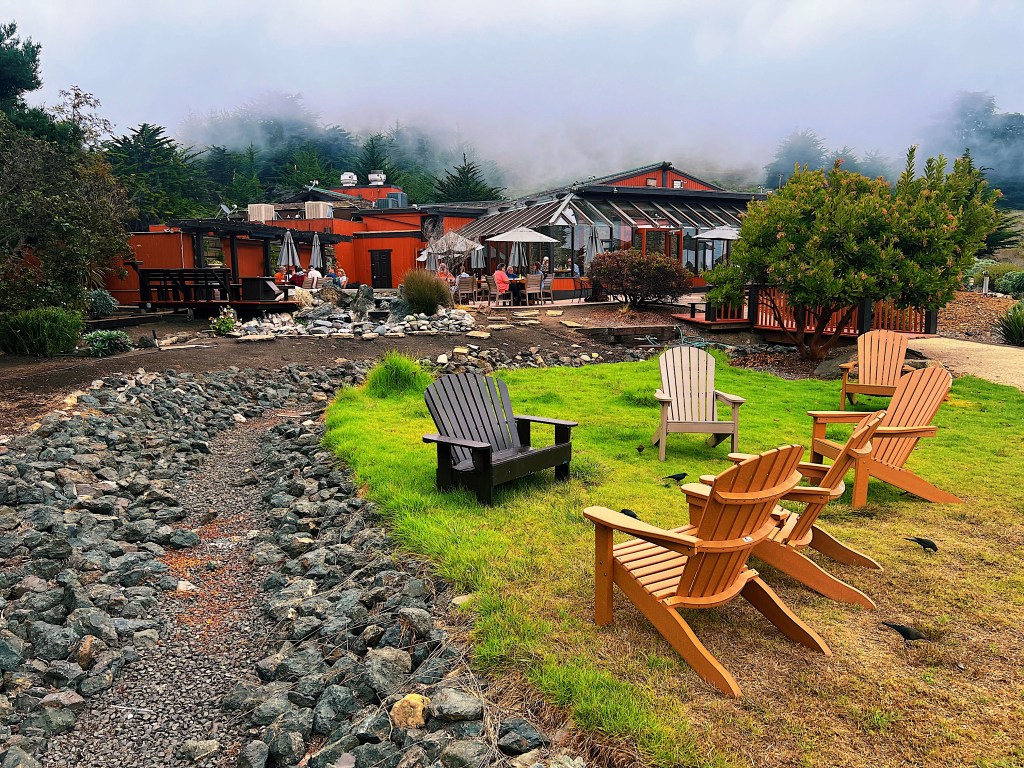
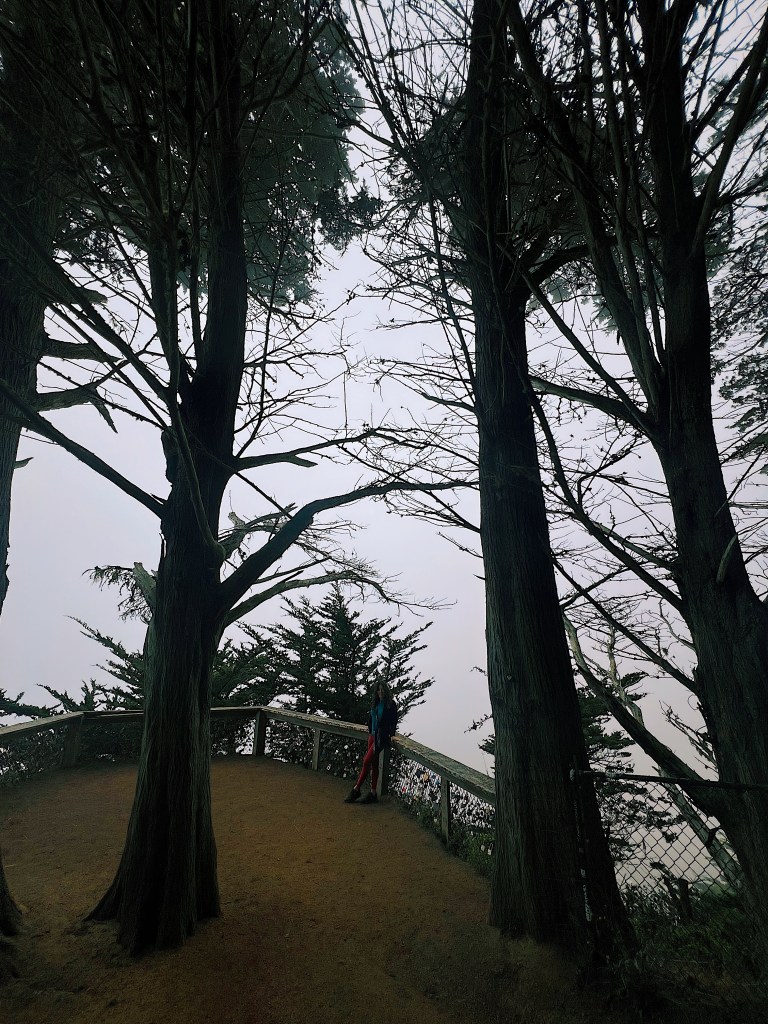
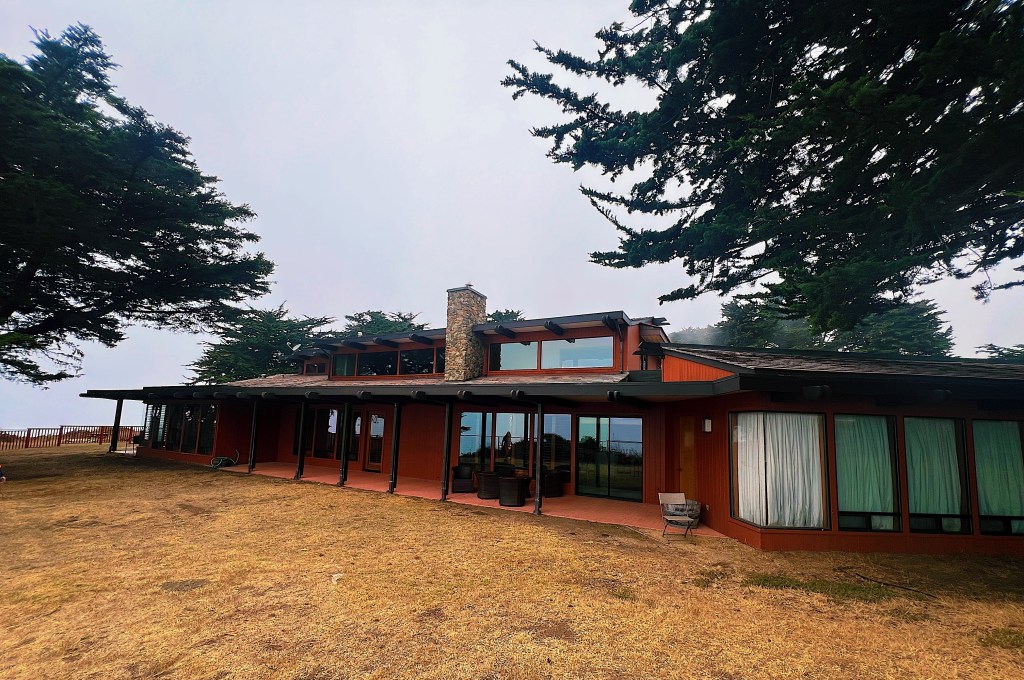
We weren’t staying at Ragged Point but wished we were. Sitting on a high point, there are spectacular views from the guest cottages that line the cliff.



From Ragged Point we drove down out of the misty hills into the sunshine of Hearst Memorial Beach in San Simeon. San Simeon is most famous as the home of Hearst Castle, the palatial hilltop home of William Randolph Hearst, the publishing tycoon. The castle and Hearst’s lifestyle were satirized by Orion Welles in his classic 1941 movie, Citizen Kane. We had been to the castle before so didn’t revisit, opting instead to go for a walk along the beach that was part of the Hearst ranch.


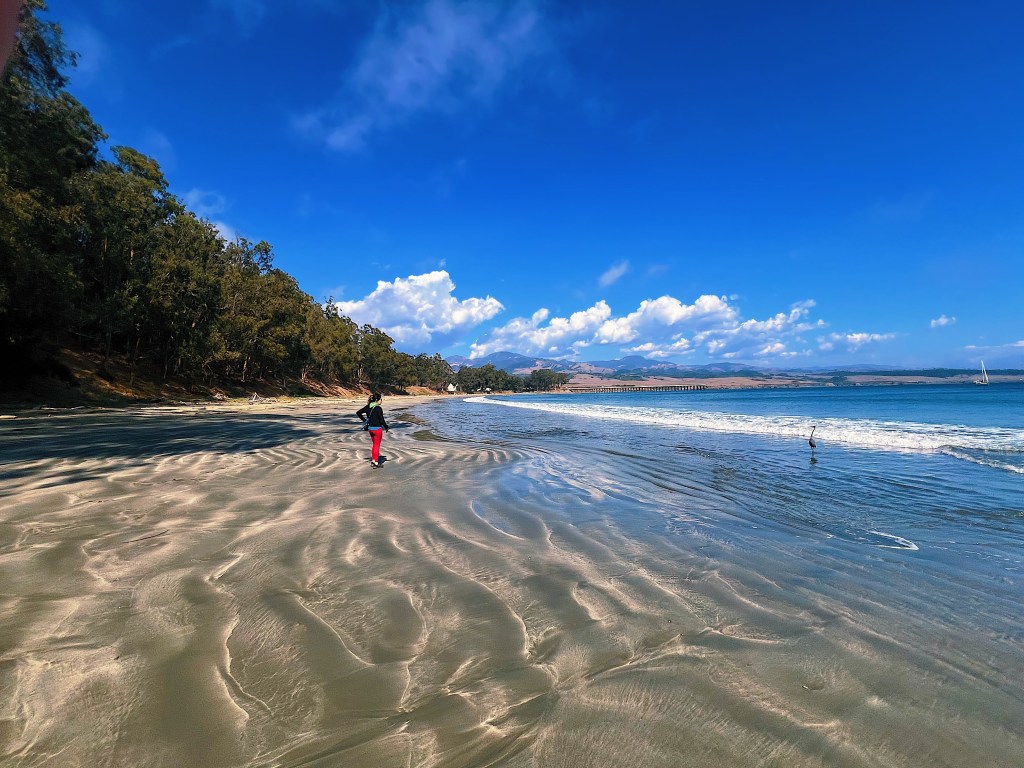

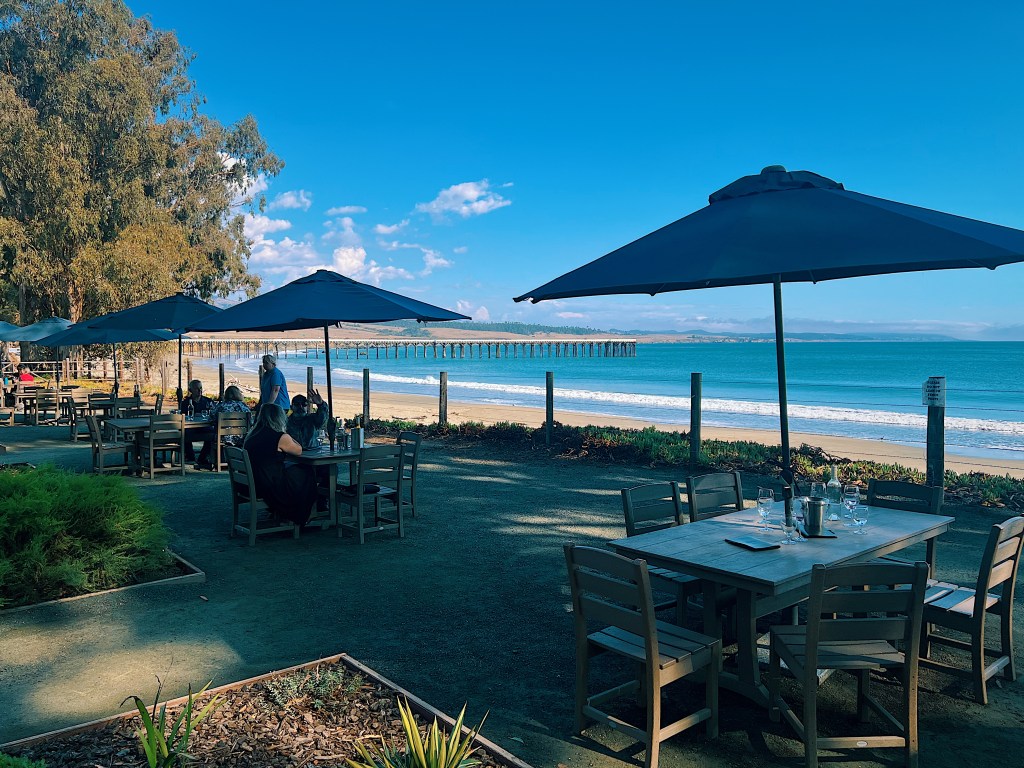
Sitting by the beach is the Hearst Ranch Winery, providing one of the more scenic spots in the world to sit and enjoy and glass of wine.


This little church reminded us of the one at Parkiri Beach in New Zealand. If you look closely, you can see the Hearst Castle behind it, high on the top of the hill.

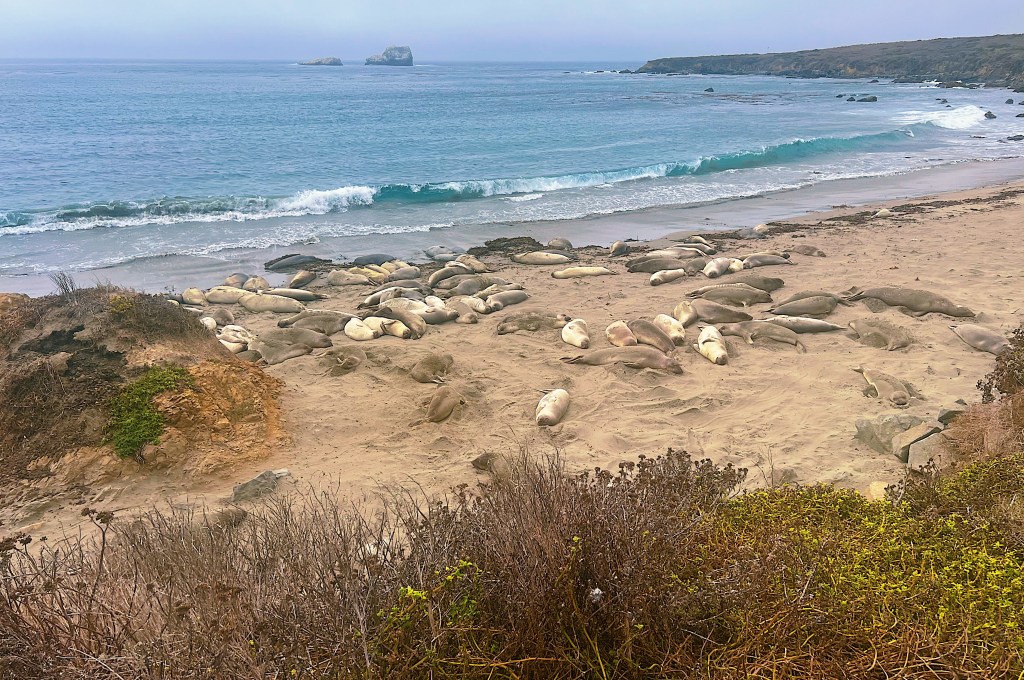
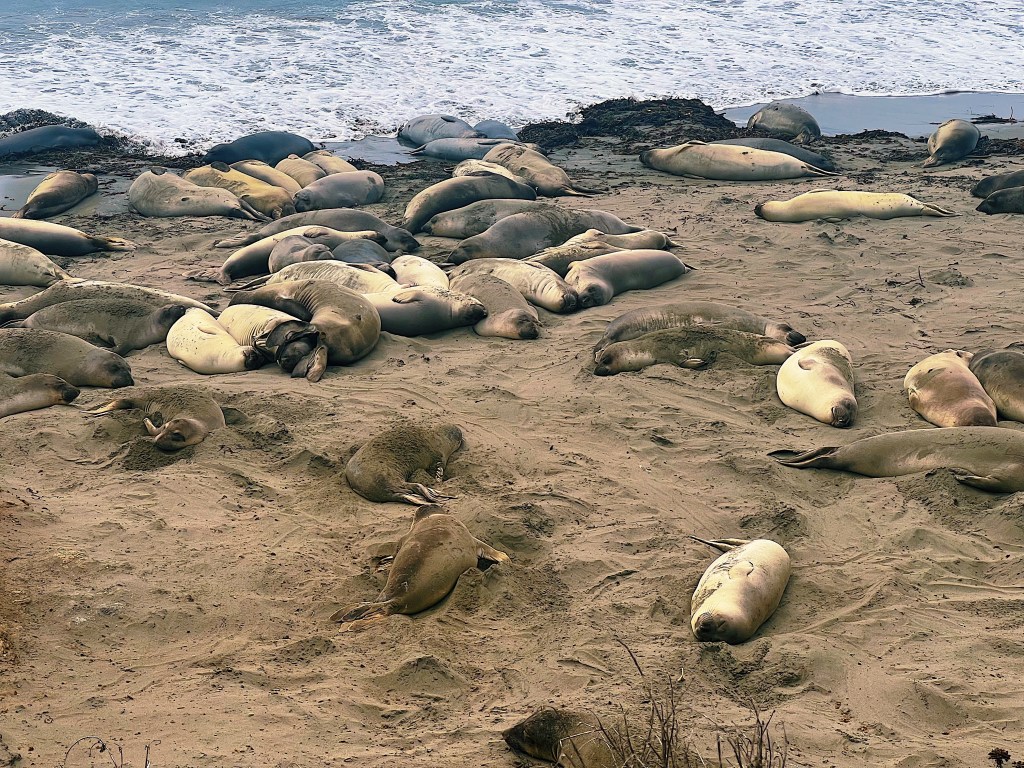
Our last stop of the day was at the Piedras Blancas elephant seal rookery. A friendly volunteer shared some fascinating information about the seals. Elephant seals spend most of their life at sea but twice a year they come out onto the rookery (a place where animals breed and give birth). For the couple of months they are on land they are very social but at sea they lead mostly solitary lives. The females head out into the middle of the Pacific where they feed on small fish and squid. They can dive as deep as over 5,000 feet (1,700 meters) and can stay under water for up to two hours. The males head up toward Alaska, staying closer to shore, eating rays and crabs and octupuses and other bottom feeders.
 Mal and Lauren