March 8, 2025
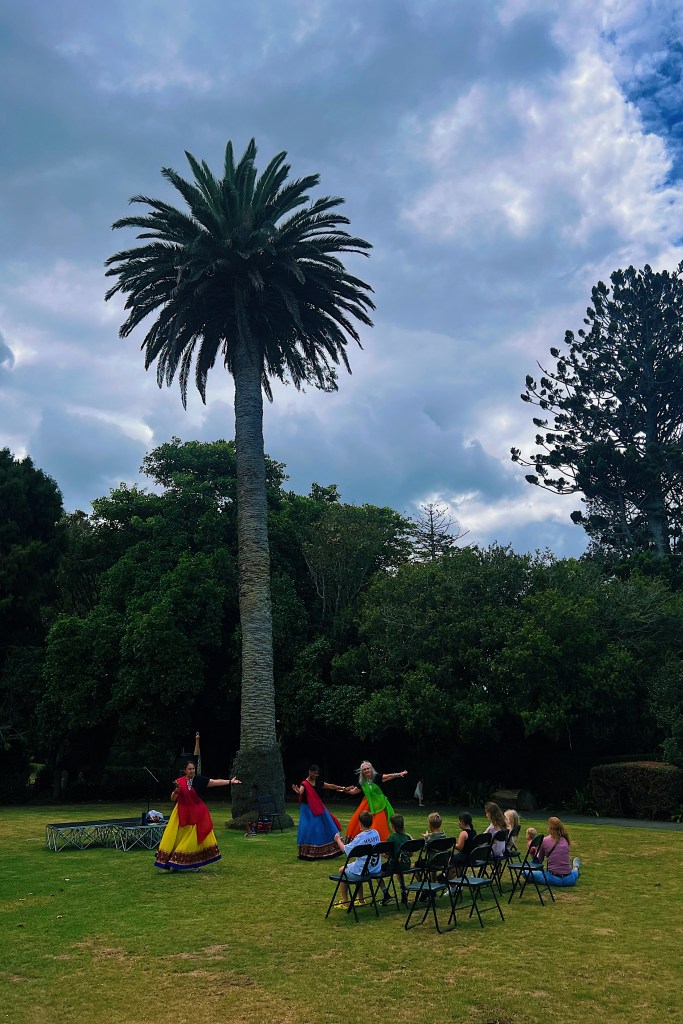
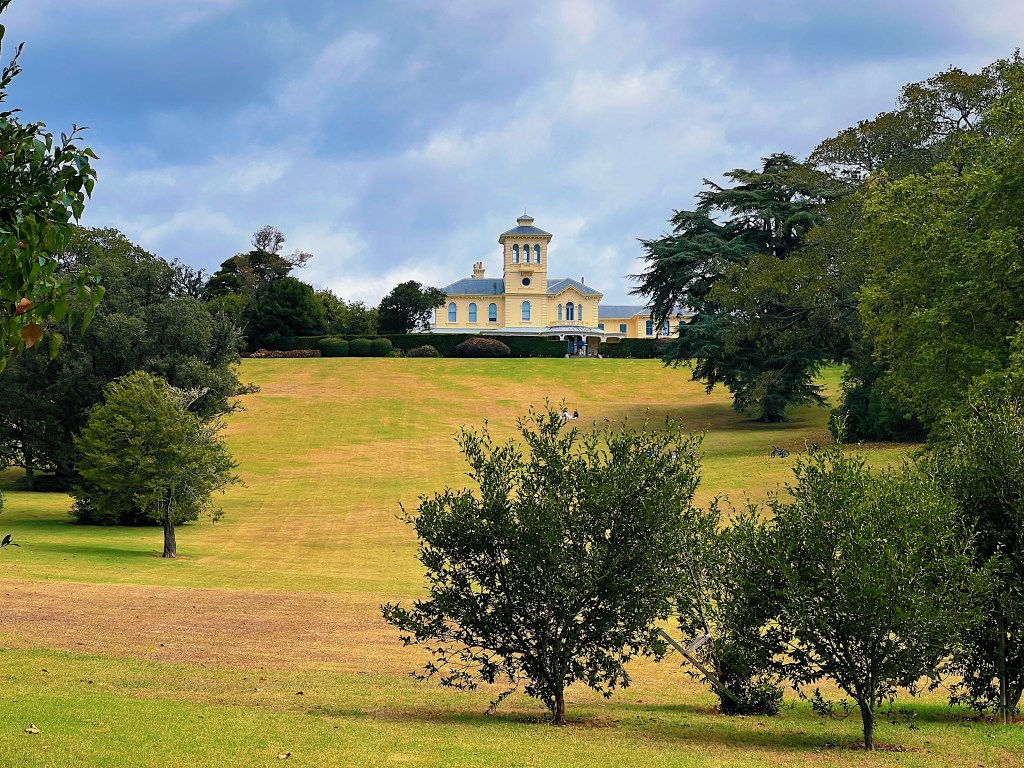
The Pah Homestead is a historic home located in the Auckland suburb of Hillsborough. It is, currently, owned by the Auckland Council and is operated as an art gallery. It was built in the 1870s for businessman James Williamson. Among other things, Williamson was a Member of Parliament and co-founder of the New Zealand Insurance Company (NZI) and the Bank of New Zealand (BNZ). On the day we visited, they were having a Community Day, so there was a lot happening.


A couple of posts ago, we mentioned the New Zealand artist, Max Gimblett, whose childhood home we passed. Here is one of his paintings.
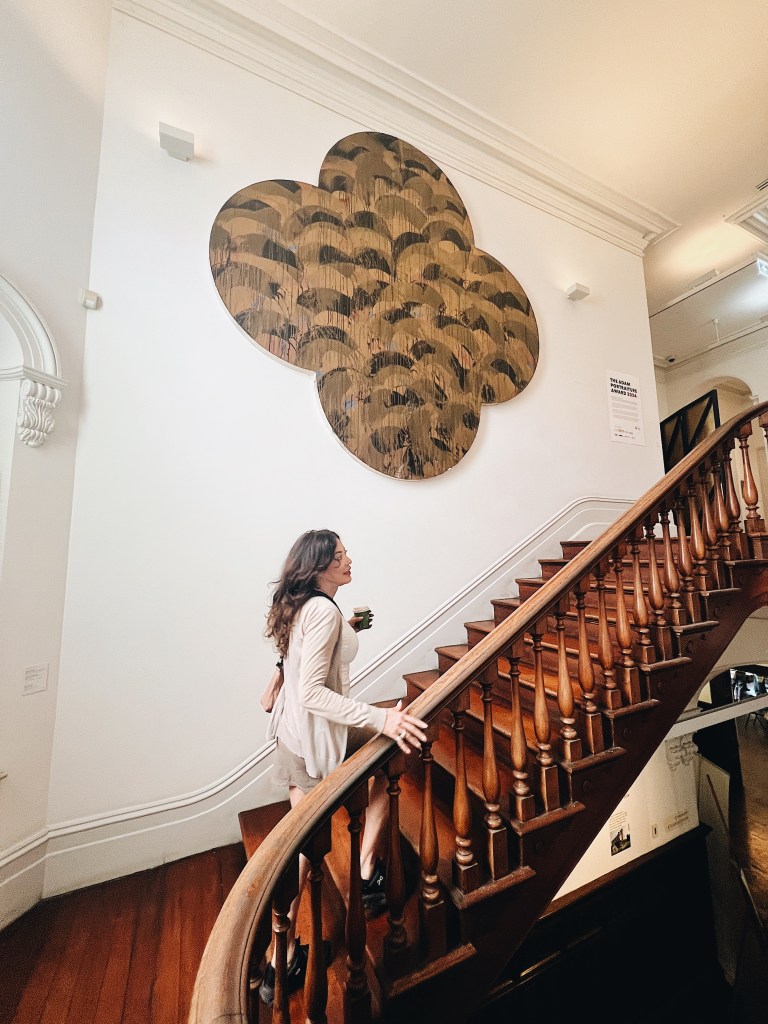
And here is one by another well known New Zealand artist, Michael Smither.

The windows themselves looked like paintings.

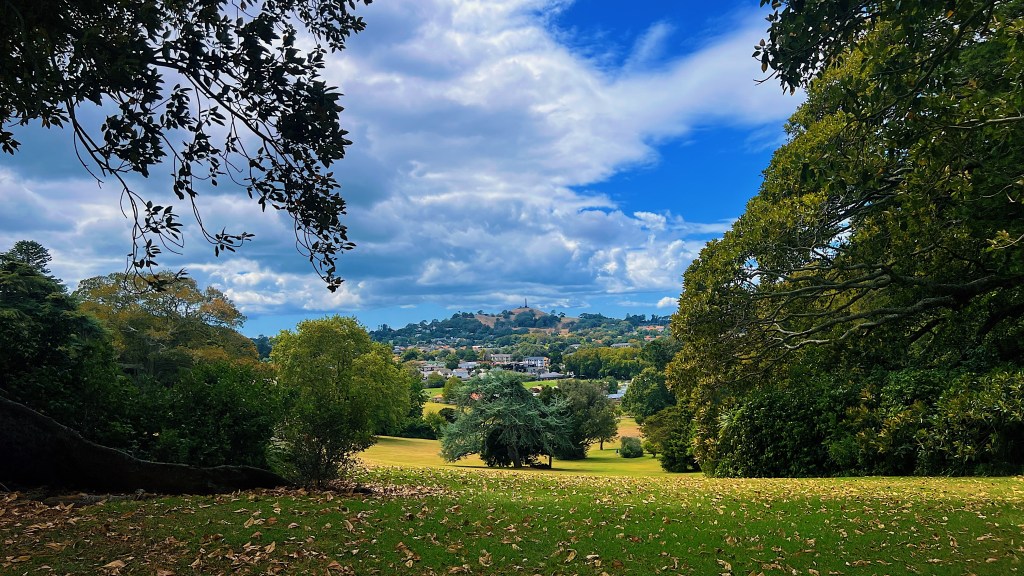
The homestead sits in the middle of a beautiful park with views to One Tree Hill (Maungakiekie).
We walked over to our good friend John Gow’s gallery, for an opening for the Australian artist Dale Frank. Along the way we passed Onehunga High School
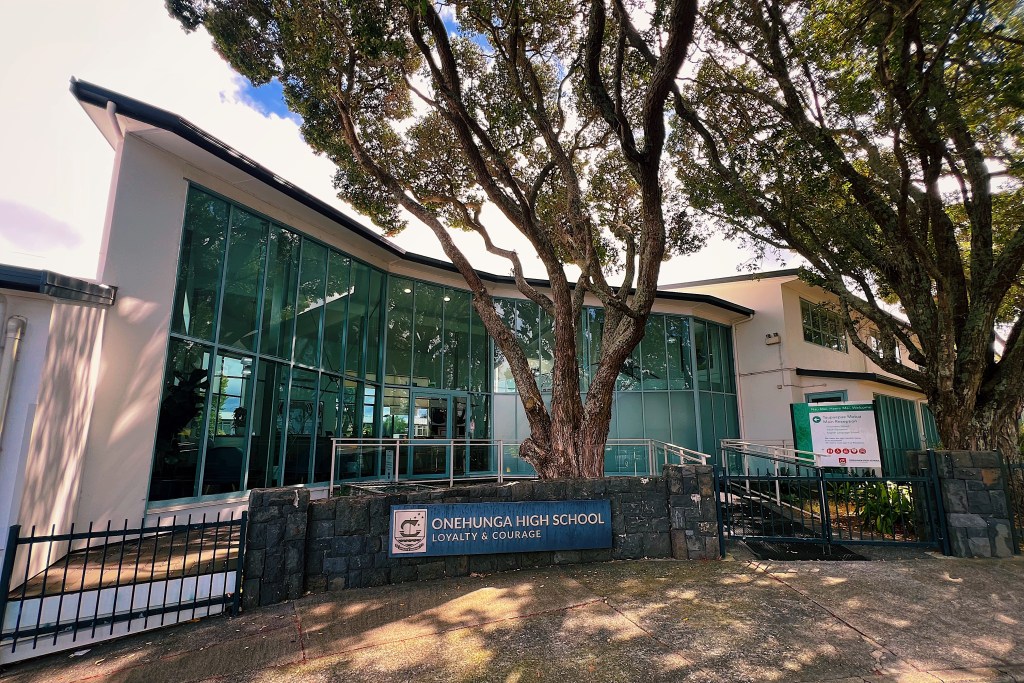
which has its own marae (maori meeting house).
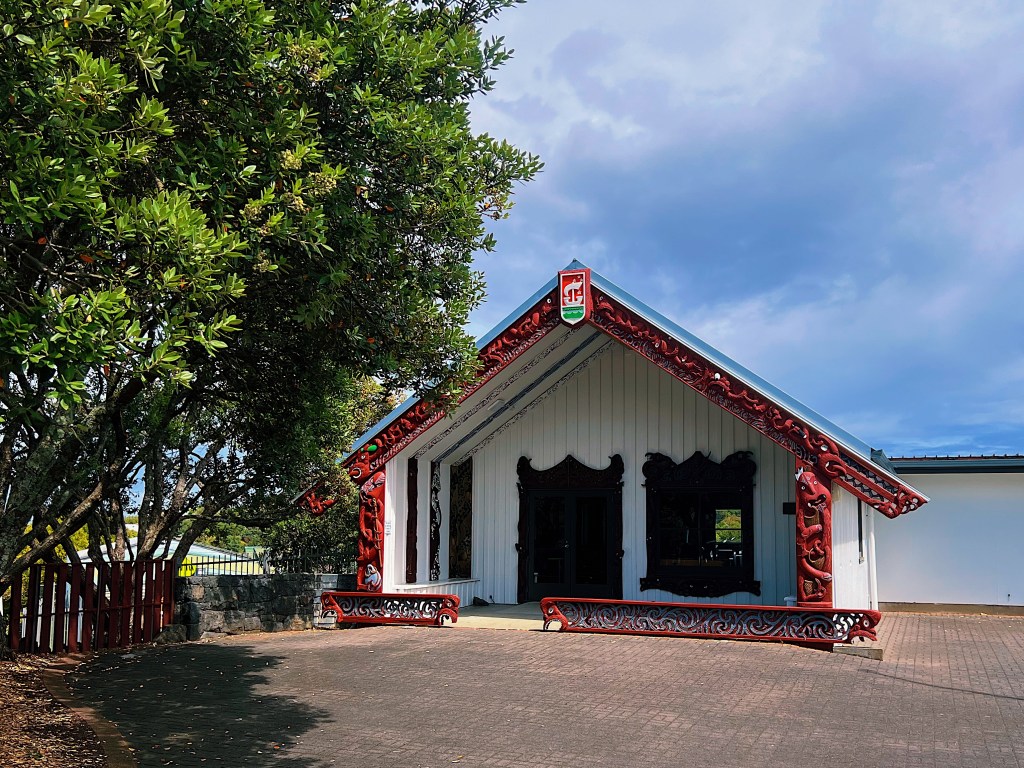
We struck up a conversation with one of the school’s teachers and local musician, Dave Taylor.

Here’s some photos from the Dale Frank opening
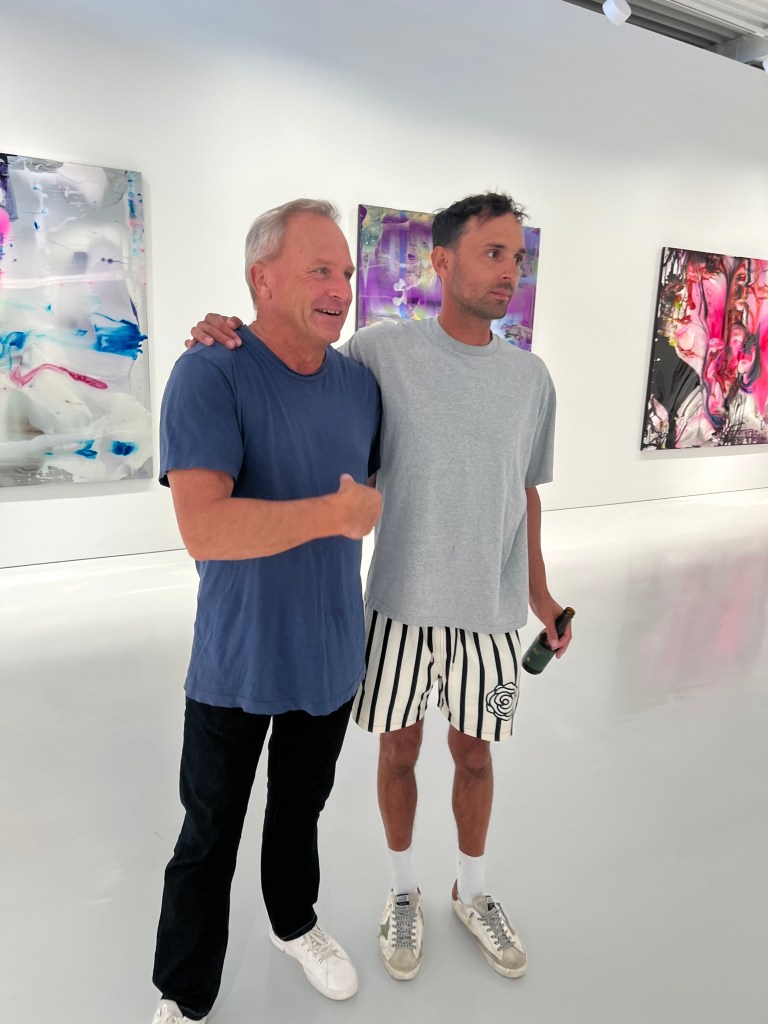
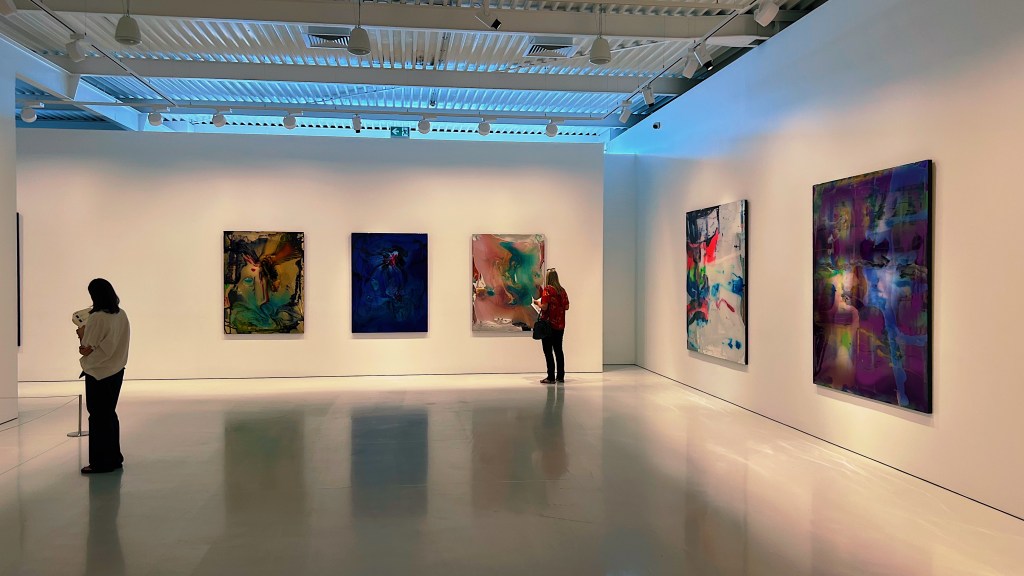

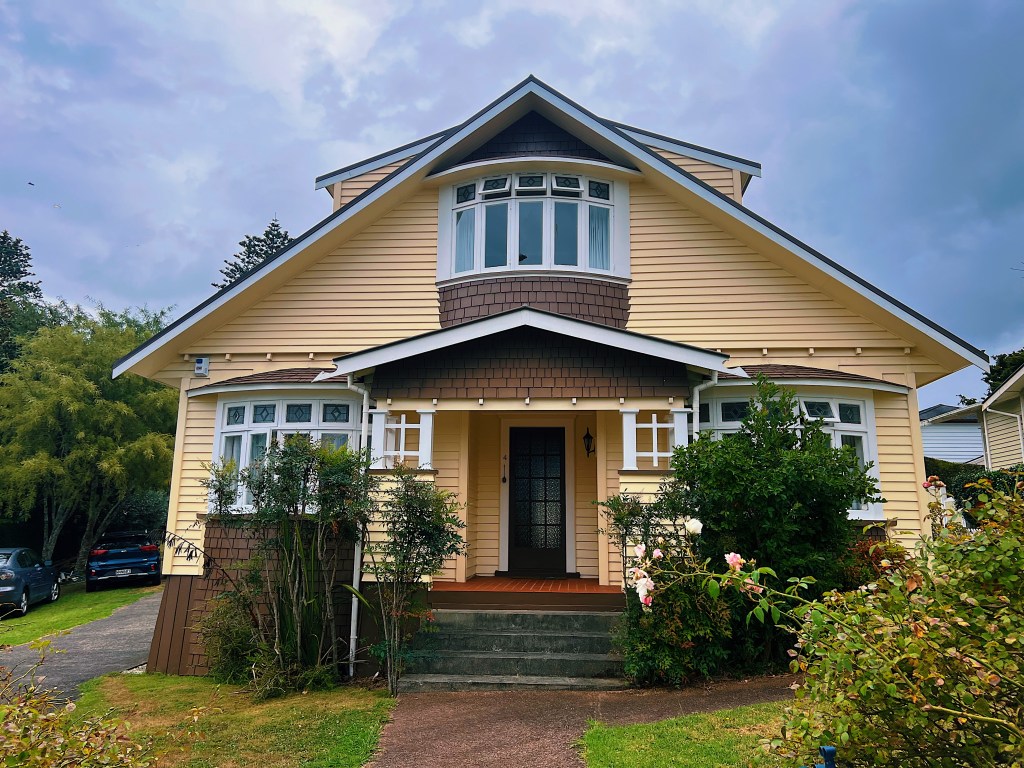
After the opening, we continued our walk. Onehunga sits beside the Manukau Harbour and the name loosely translates from the Maori to “mud flats”, which aptly describes the harbor at low tide. During the 1800s, most of the shipping coming into Auckland entered through Manukau harbour which is on the west coast but the harbour is particularly treacherous (as evidenced by the sinking of HMS Orpheus in 1863, killing 180 people). Accordingly, as ships got larger, the wider and deeper Waitemata harbour on the east coast became the primary port which it remains today. Mal’s father grew up in Onehunga where Mal’s grandfather worked at the local slaughterhouse. The toxic discharge from the slaughterhouse back then had made the water unsafe for swimming or fishing and the neighborhood became a less attractive place to live. Although Onehunga was a predominantly working class suburb for much of the twentieth century, more recently there has been some gentrification and many of the bungalows built in the 1920s have been renovated. Here are a couple of examples of the typical houses in the neighborhood.

Previously, we have mentioned how during the walks we have often come across homes that once included a corner store. Here is another example.

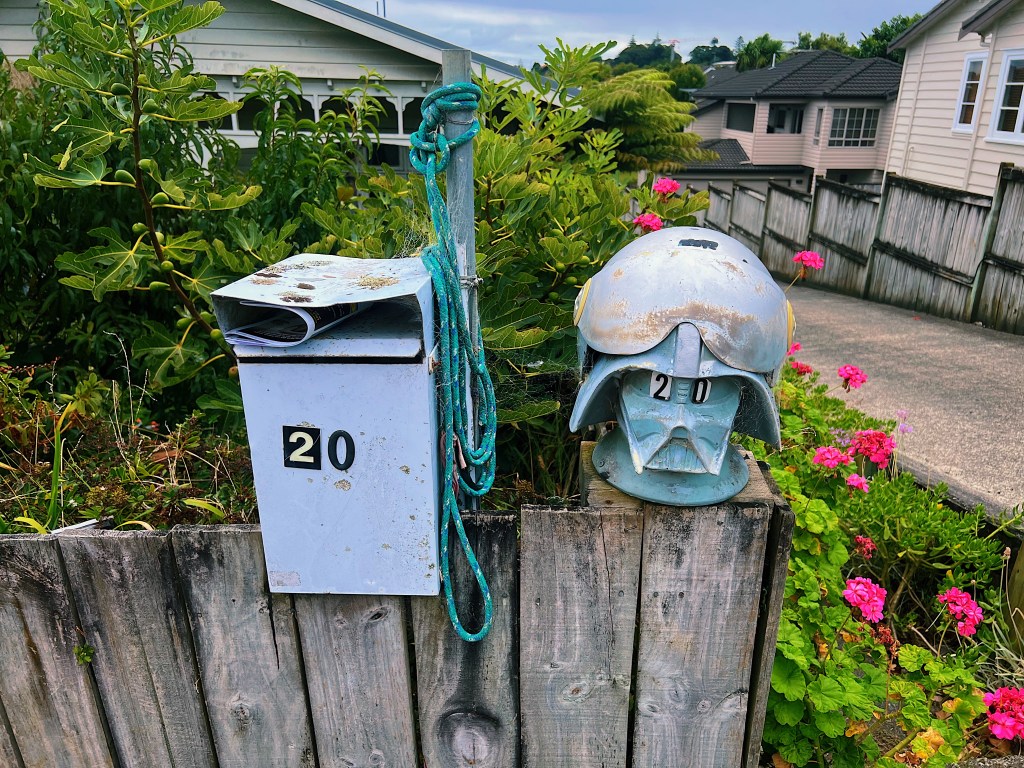
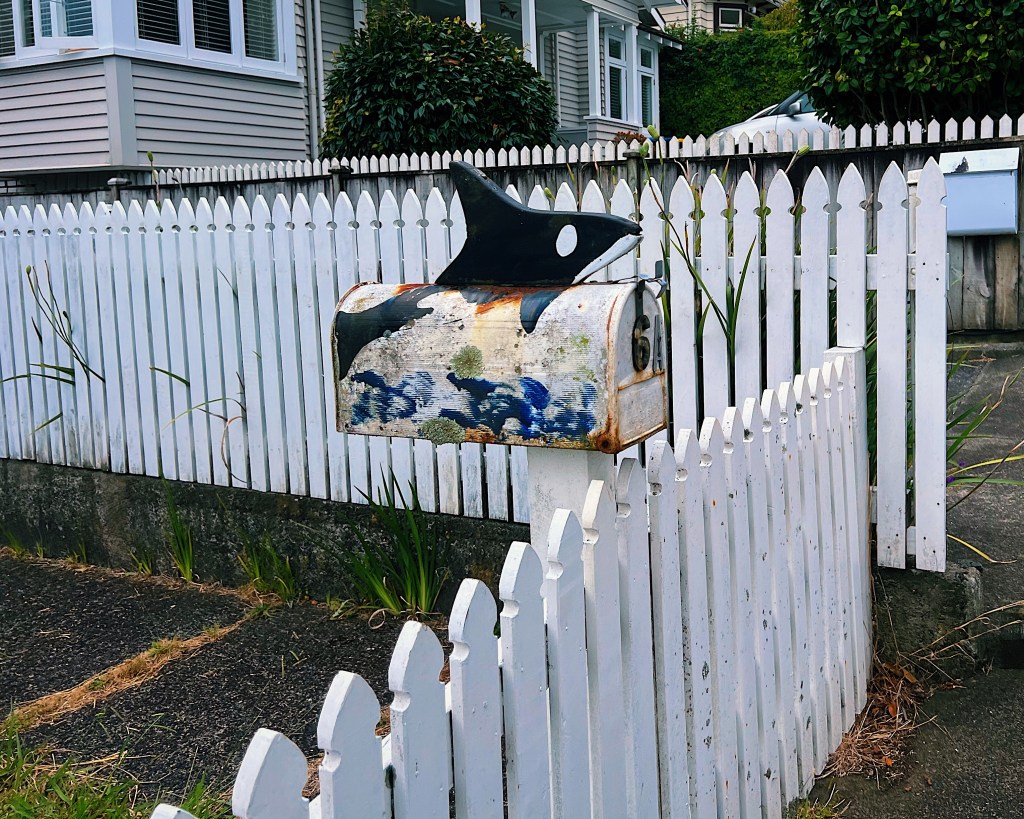
And here are some quirky mailboxes.

 Mal and Lauren