March 20, 2024
The central business district of Auckland is not particularly attractive. However, there are some interesting buildings scattered throughout the downtown area. Here are some we passed during our walk.
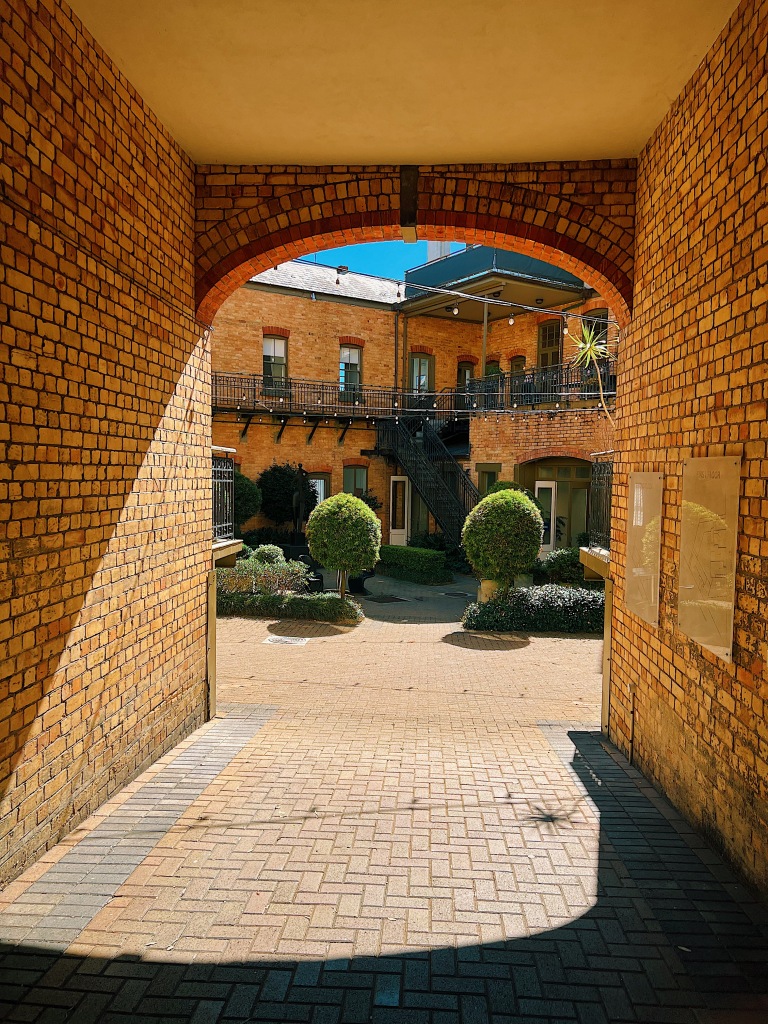
The St. John Ambulance National Office was built in 1912 and was used for much of its life as the Central Fire Station. Accordingly, the building has a beautiful tower that was used for spotting fires throughout the area. It also has an attractive brick courtyard that was used to house the horses that pulled the fire wagons. Today, the building contains the offices of a number of small businesses, including those of our architect cousin, Neil.



Just a little further down Pitt Street is the current Central Fire Station. Built in 1944, it is one of Auckland’s most prominent Art Deco buildings.

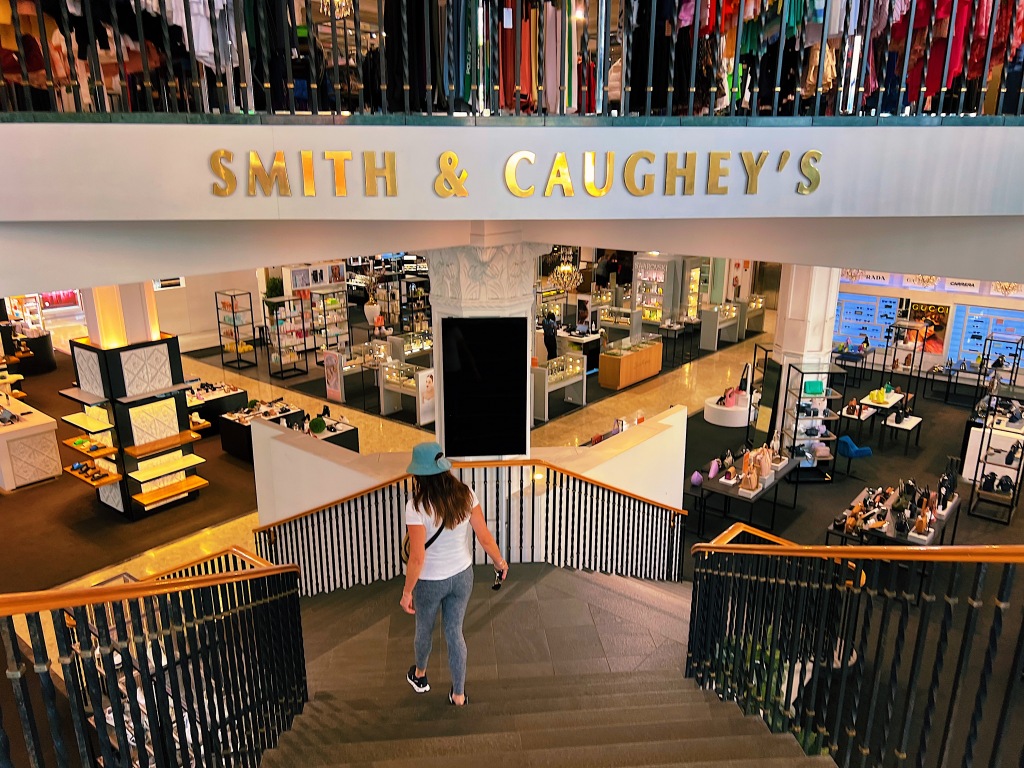
Our next stop was the Smith and Caughey building. In 1880, Marianne Smith opened a drapery shop and was soon joined by her brother Andrew Caughey. Together, they started what is now Auckland’s sole-surviving family-owned department store. Built in 1927, it was designed by American born-and-trained architect Roy Lippinott, who was very familiar with the Chicago School architects, including famous high-rise pioneer, Louis Sullivan. In fact, the building has a formal resemblance to the larger-scaled Carson, Pirie, Scott and Company store that Sullivan had designed for a site in downtown Chicago.

Queen Street is the major commercial thoroughfare in Auckland’s central business district. It is not quite that magnet for shoppers that it once was, with new shopping districts in nearby Britomart, Newmarket and Ponsonby Road, becoming the primary hubs for the smaller trendy boutique stores. However, it is still very busy with office workers, students from the nearby university, and tourists off the massive cruise ships that dock at the harbor bottom end of the street.

Having arrived at the bottom of Queen Street, we decided to get some lunch at the nearby Viaduct, a bustling spot of harbor side restaurants and bars.
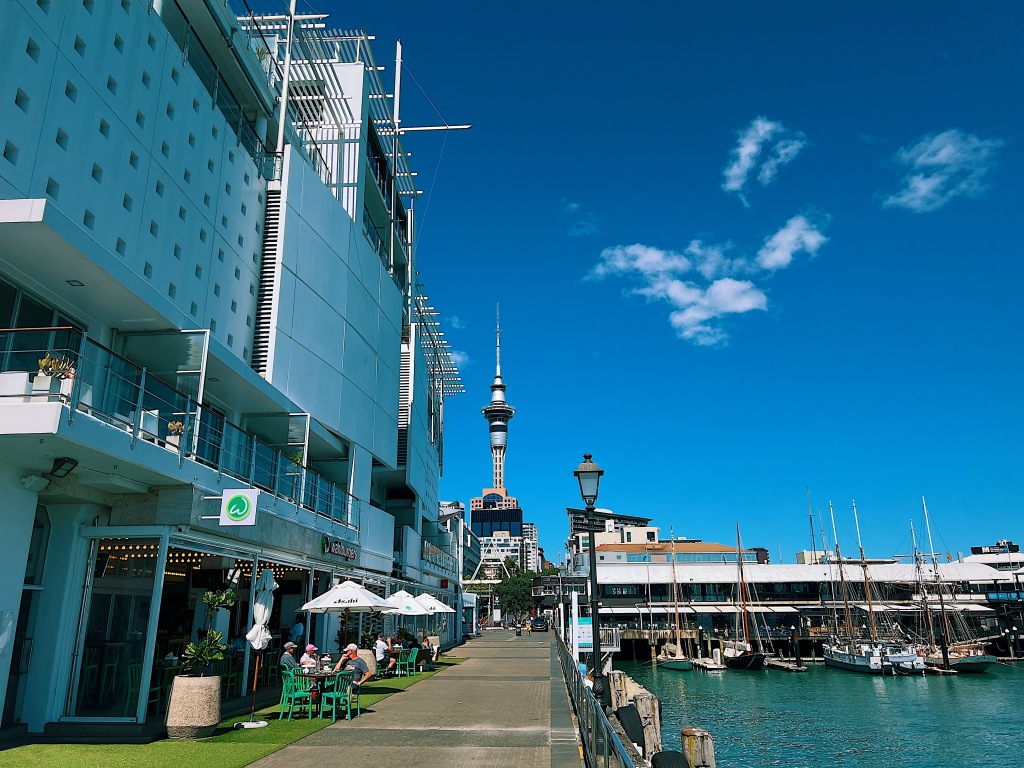


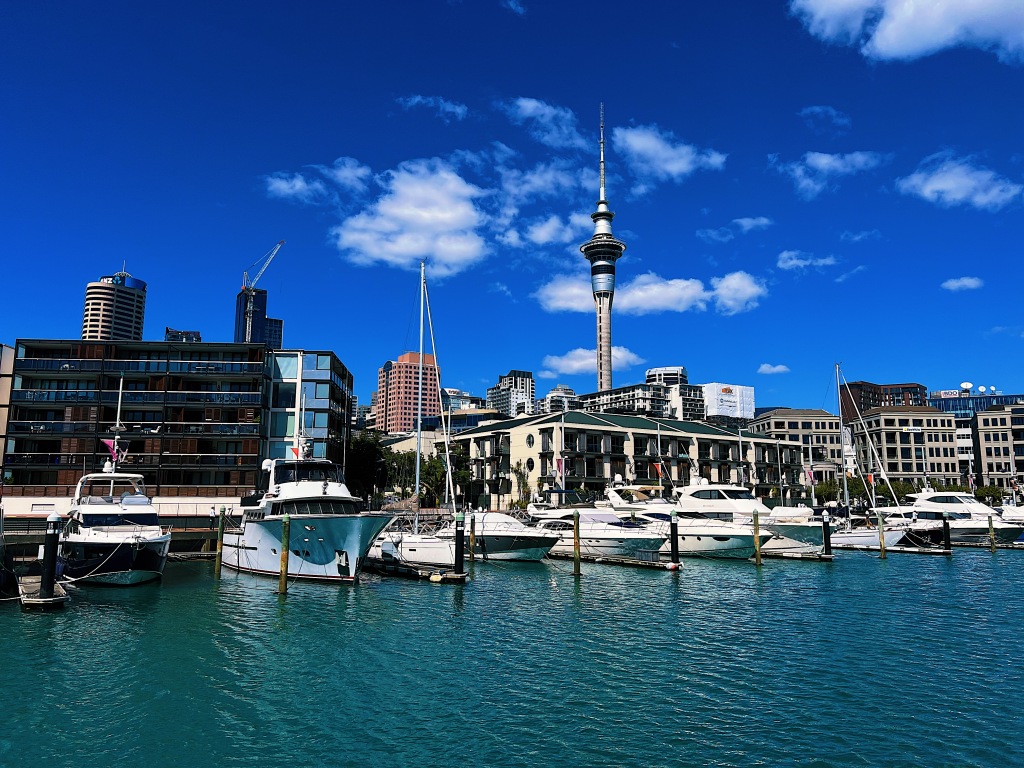
Having obtained sustenance, we headed back into the streets of downtown Auckland. First stop, were two buildings that sit opposite each other. They are from different eras but are both noteworthy.
The Customhouse, built in 1888 in French Renaissance style, was saved from demolition in the 1970s by public outcry. Perhaps, ironically, for a building that originally served as a customhouse, it is now the home of high end duty-free stores.

Sitting across the road from the customhouse is West Plaza. Built in 1974, it has stood the test of time and is in our view is still one of Auckland’s most beautiful tall buildings.

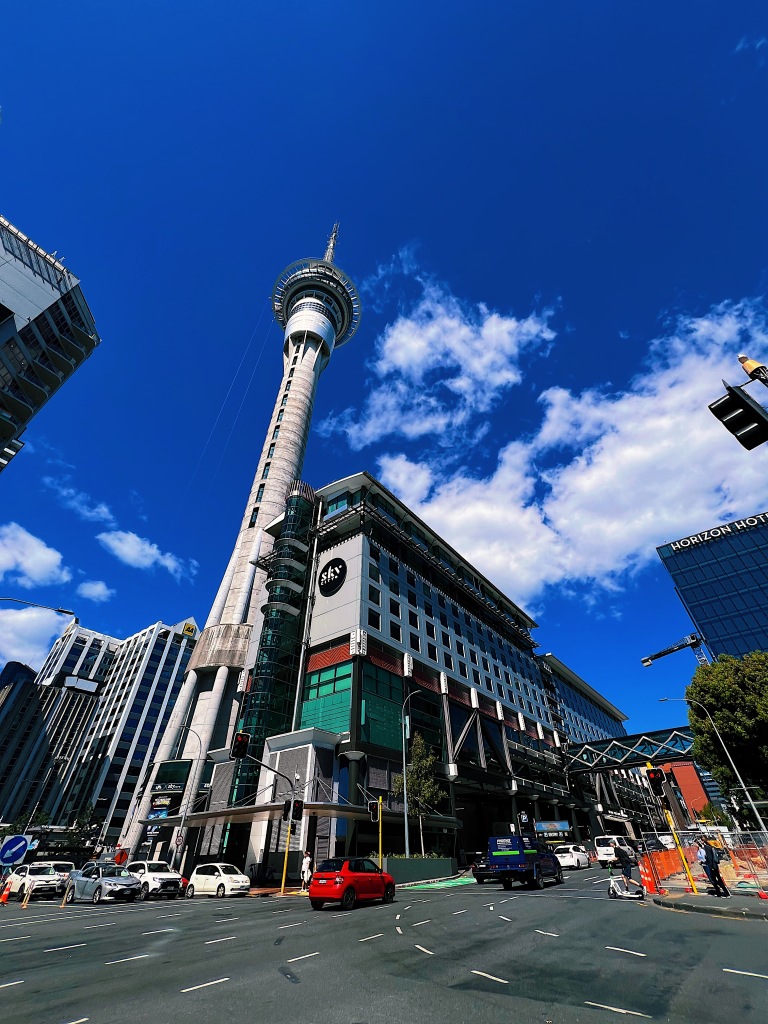
Just up the hill is Auckland’s most visible structure, the Sky Tower. Built in 1997, the 328-meter high tower is visible from most parts of Auckland. It sits atop the SkyCity casino.
Just a little further up is one of Auckland’s newest buildings. Opened in 2022, Homeground, the home of the Auckland City Mission includes 80 permanent apartment homes for people on the social housing register, a shared rooftop garden, community spaces, a health center, a pharmacy and addiction withdrawal services.

In the 1920s an esoteric religious group called the Higher Thought Temple sprung up in Auckland. Drawing on an eclectic mix of eastern mysticism, Christianity, theosophy, philosophy and spiritualism, it proclaimed itself to be “A Universal Church, without fixed creed, dogma or ritual, where people could study the principles of Higher Thought as a religion, a science and a philosophy”. Despite regularly advertising in the local newspapers, the religion never developed much a following and the temple built in 1926 to hold around 180 people never reached capacity. In the 1980s, the building was sold to an even more esoteric group called The Builders of Adytum, a group that teaches a curriculum based on occult psychology, sacred tarot and Holy Qabalah – the latter a school of thought famously followed by pop star, Madonna. That group sold the building recently but we are not sure who owns the building presently.

The Tepid Baths opened in 1914. Despite their name, the response to their opening was anything but tepid with thousands of swimmers taking a dip within the first couple of months. The tepid in the name actually refers to the temperature of the water in the pools. The baths were originally heated with hot water from a nearby tramways power plant. Despite what it says on the building, the pool is now fresh water, having been transformed from salt water in 1974. Among the Auckland residents who have enjoyed its tepid indoor pools is Lauren who used to swim laps there back in the 1980s.

 Mal and Lauren