April 15, 2021
Today we walked along Karangahape Road, commonly shortened to K Road by the locals, over the Grafton Bridge and on through the Domain to the Auckland Museum.
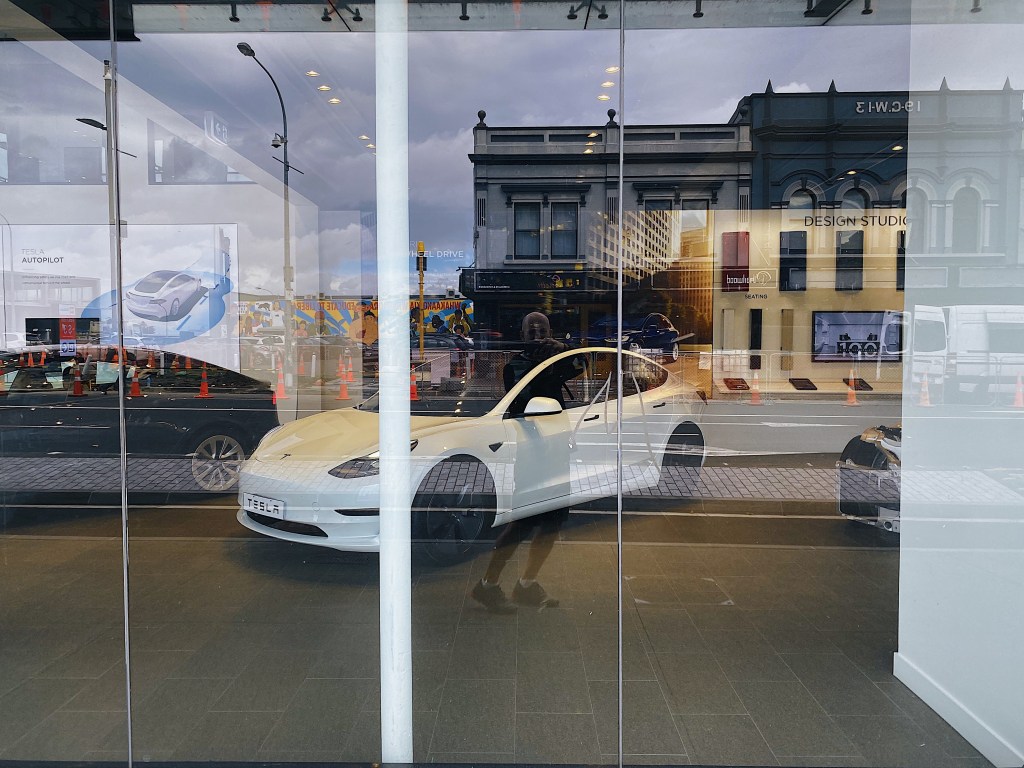
K Road was Auckland’s most popular shopping street during the first half of the 1900s and was home to many of New Zealand’s most popular stores. However, in the 1960s a new motorway system was built which led to many of the surrounding residences being destroyed. As a result many of the stores closed and the road became run down. The western end of the road became the center of the sex industry and was the home of a number of strip clubs and adult video stores. However, more recently it has undergone a resurgence due to the gentrification of the neighboring suburbs and the construction of new apartment buildings. Now it is the home of trendy restaurants, artisan bakers and even a Tesla dealership.
We aren’t generally big fans of cakes but we make an exception for The Caker’s gluten-free cakes. Sadly, they have stopped making our favorite passionfruit orange cake.

Standing on the bridge that crosses one of the motorways that led to K Road’s demise is one of the more colorful bus stops that we have come across in our travels.

There is still a way to go before the Road returns to its former glory. Currently, it is undergoing an extensive beautification project.


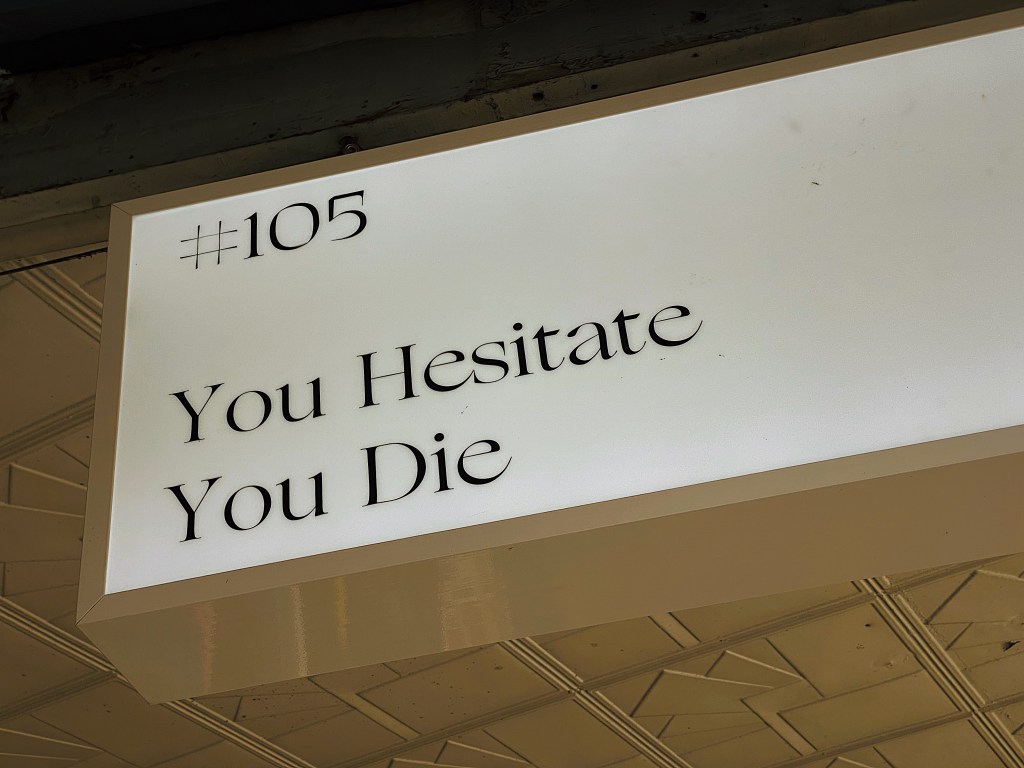
We found this overhead sign somewhat disturbing.
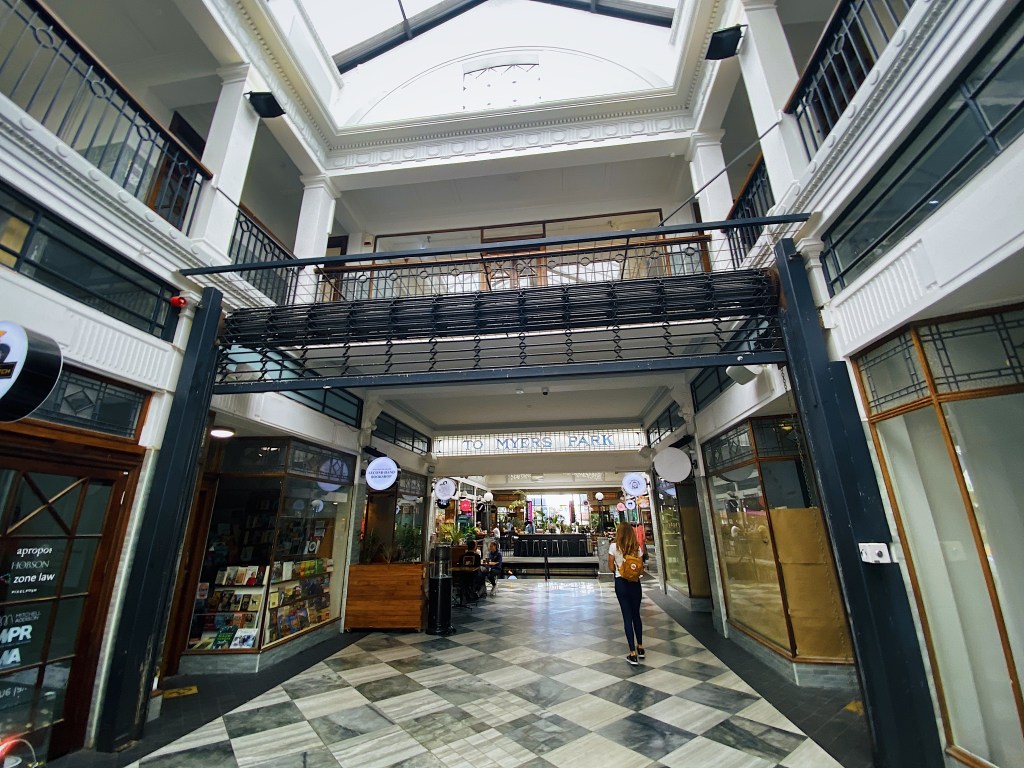
About half way along K Road is St. Kevin’s Arcade. Built in the 1920s, it is now the home of fashionable restaurants and shops. We are looking forward to dining soon at Gemmayze Street, a very popular Lebanese restaurant.
Our local Member of Parliament (MP) also has her office on K Road. At 26 years old she is one of New Zealand’s youngest MPs and is also only the second Green Party MP to win an electorate seat. And because New Zealand is such a small country where everybody knows everybody, she also used to date Mal’s cousin’s son for a couple of years.

K Road ends at Grafton Bridge which we crossed on our way to the Museum. Completed in 1910, it was at the time the largest single-span concrete bridge in the world. Unfortunately, because of its height it also became popular with suicides. The bridge now has curving overhangs to discourage would be jumpers and provide shelter from Auckland’s frequent showers.

The Museum stands in the middle of the Auckland Domain (Pukekawa) the city’s oldest park. The park sits on the explosion crater and surrounding tuff ring of the Pukekawa volcano. It has extensive playing fields and beautiful gardens.

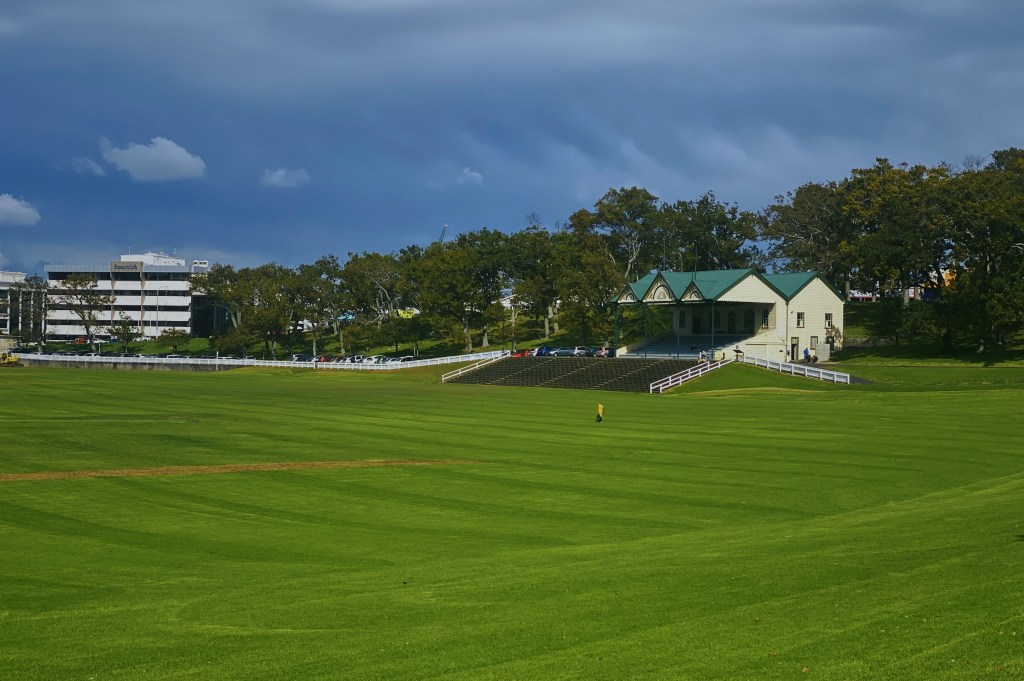
As well as the Museum it is also home to the Wintergardens, which include two beautiful glass houses and a fernery which has been constructed in an old quarry.
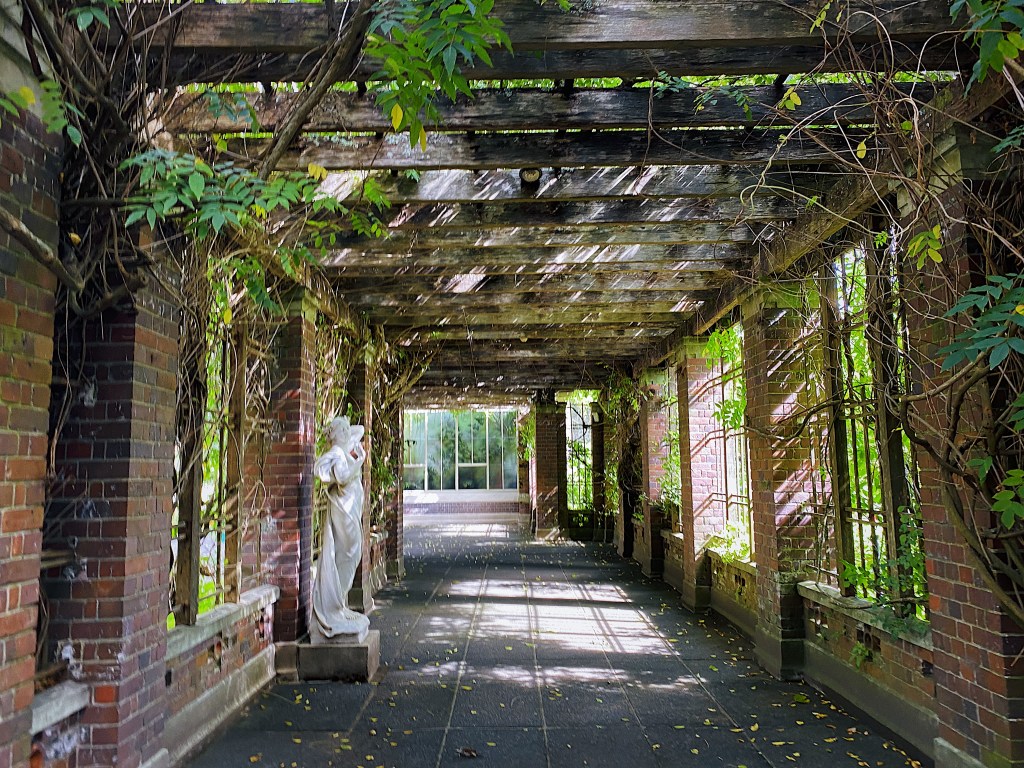


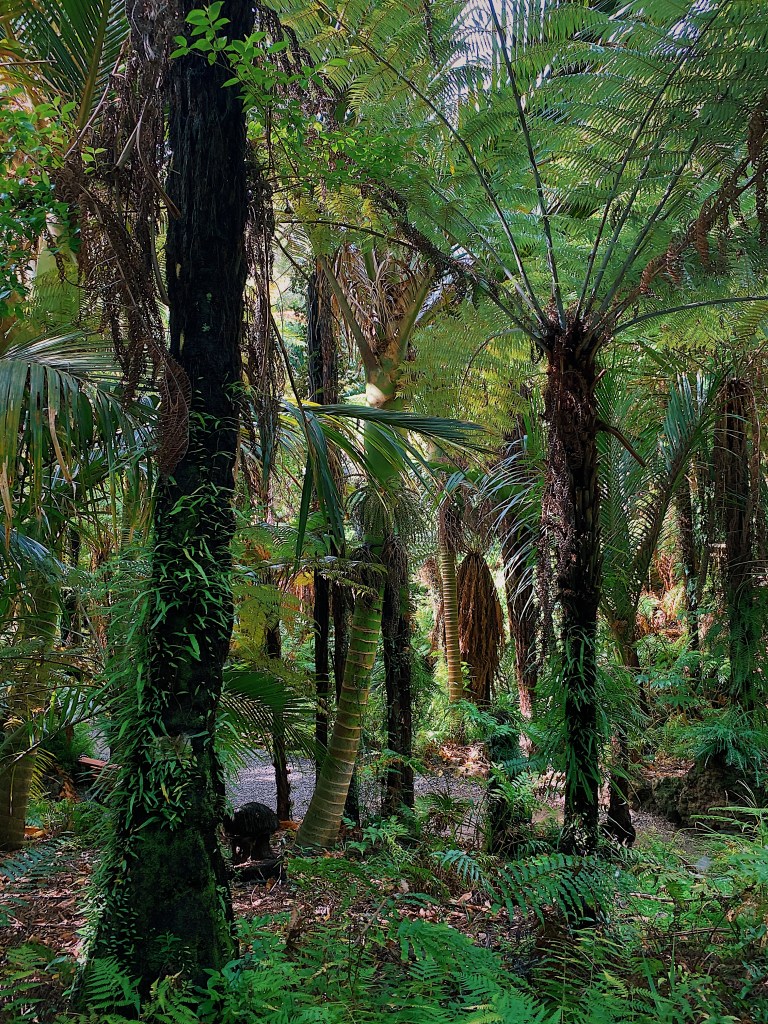
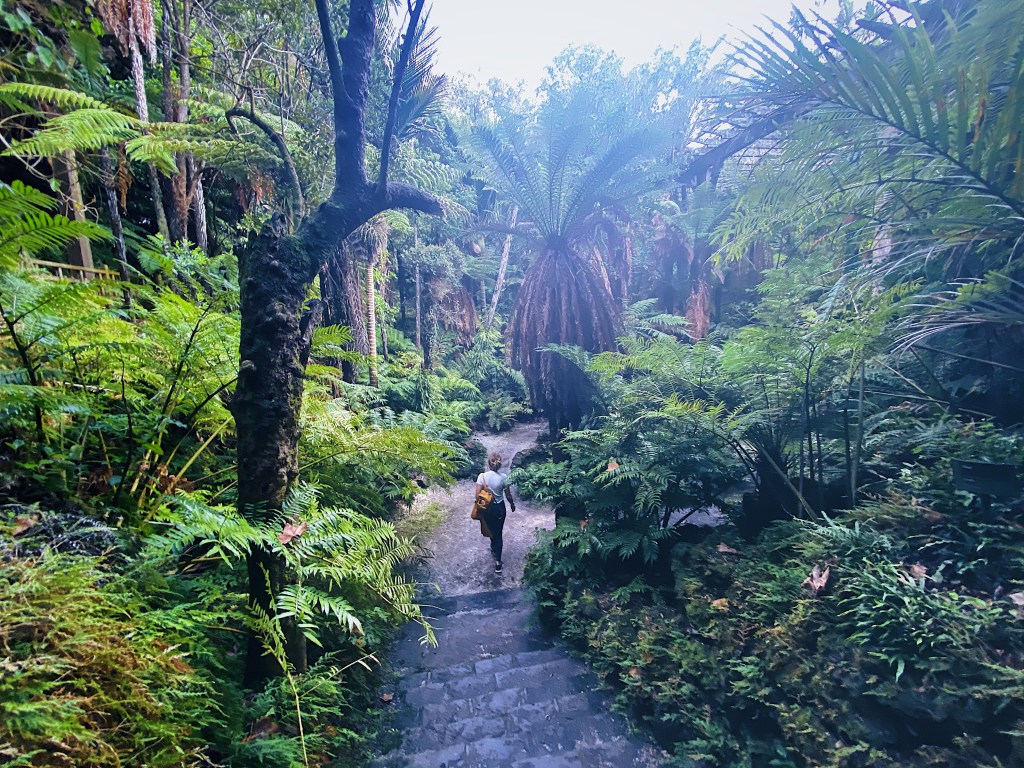
The Auckland War Memorial Museum (Tamaki Paenga Hija) is one of New Zealand’s oldest and most important museums and war memorials. It was constructed in the 1920s in neo-classicist style.

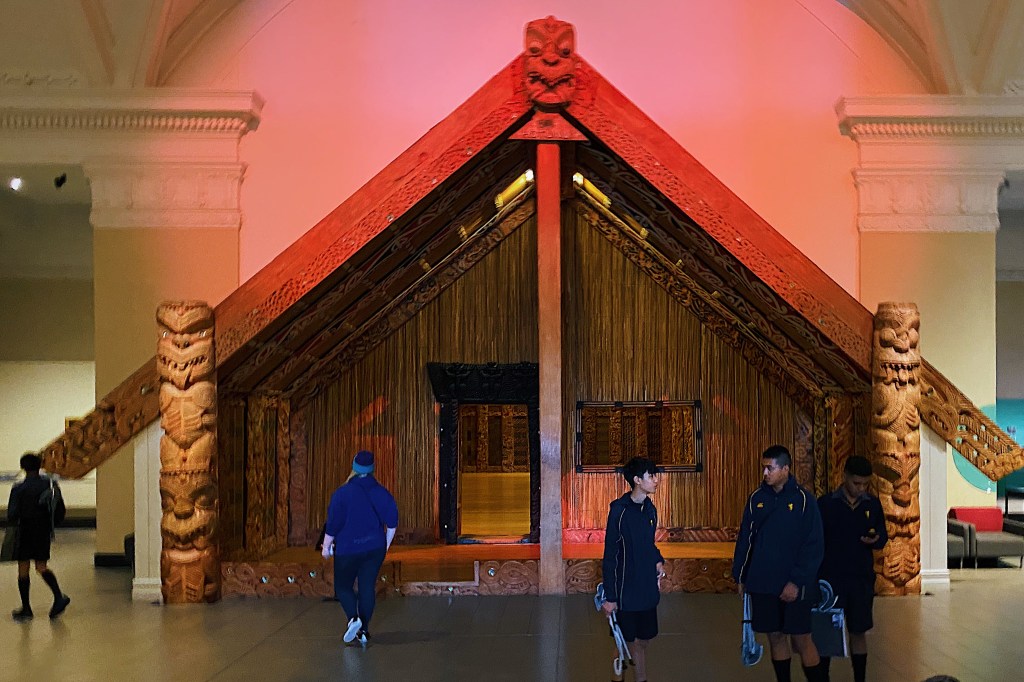
It contains a large variety of exhibits and many Maori artifacts, including a complete meeting house and a war canoe.
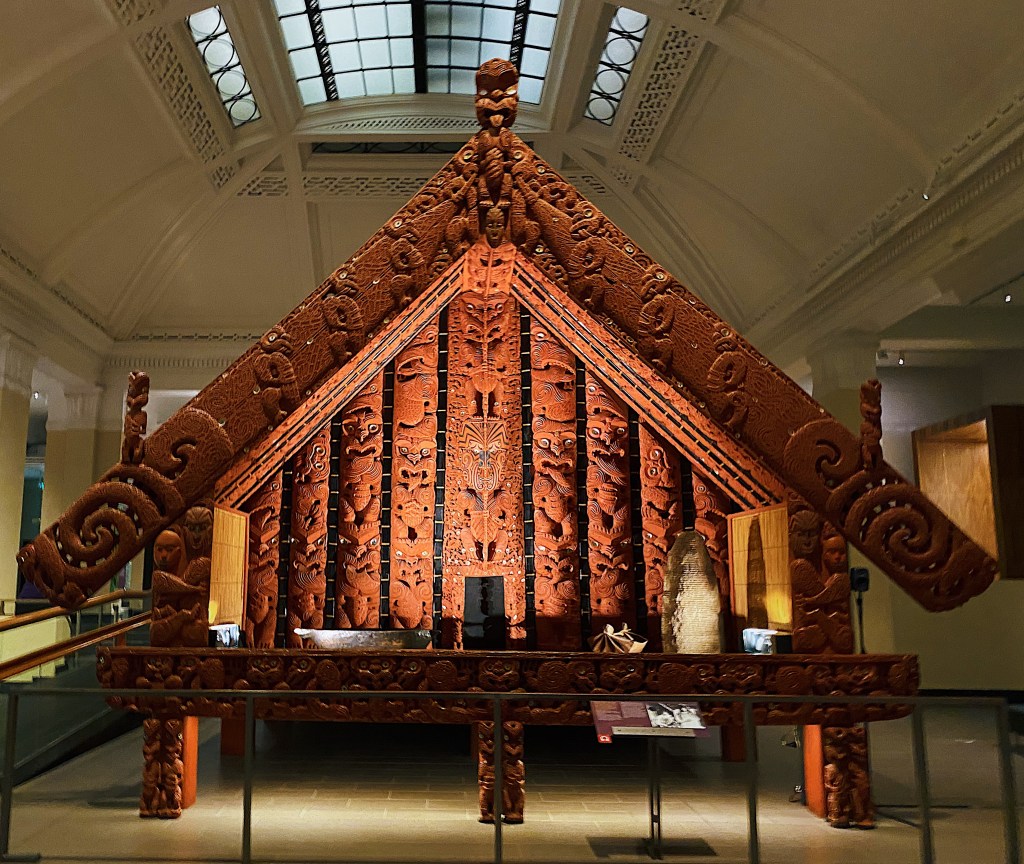
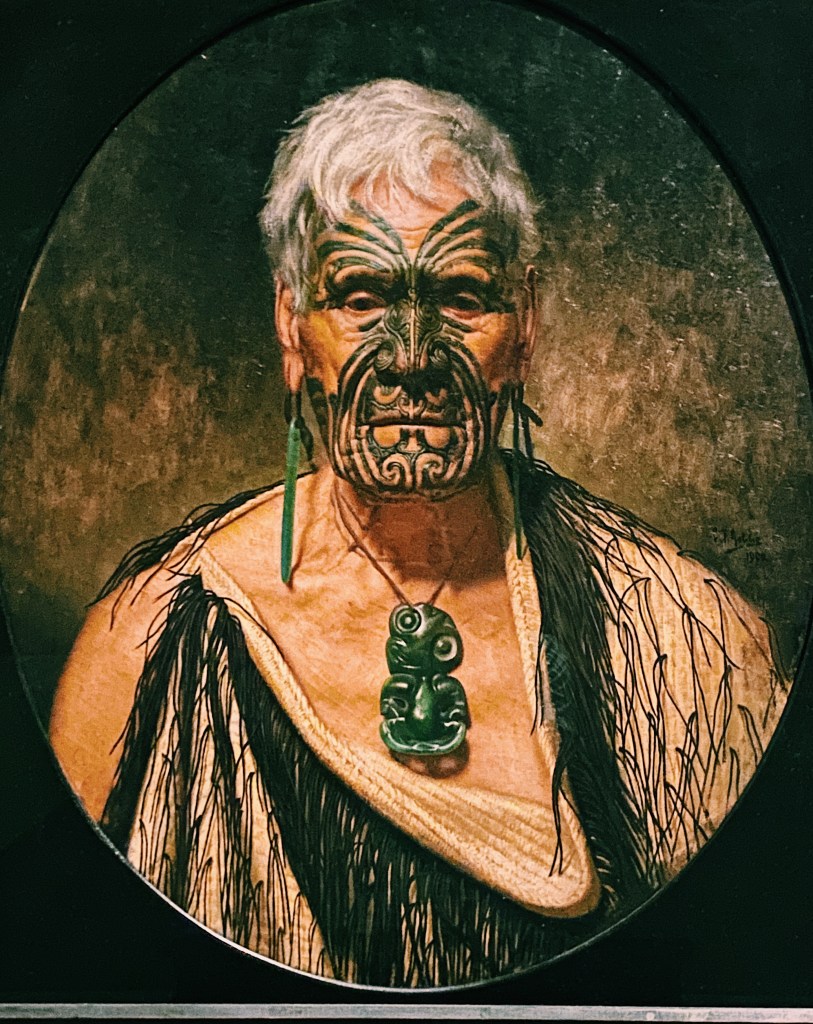
The museum also has some great paintings by Charles Goldie. Goldie was born and died in Auckland (1870 to 1947) and is best known for his portrayal of Maori dignitaries.

The museum had a recent makeover of its south atrium to the tune of $38 million. Once again, our cousin Neil’s old firm took the lead. The results are spectacular. The Noel Lane designed Tanoa bowl is particularly stunning.

The traditional north entrance is also very impressive.

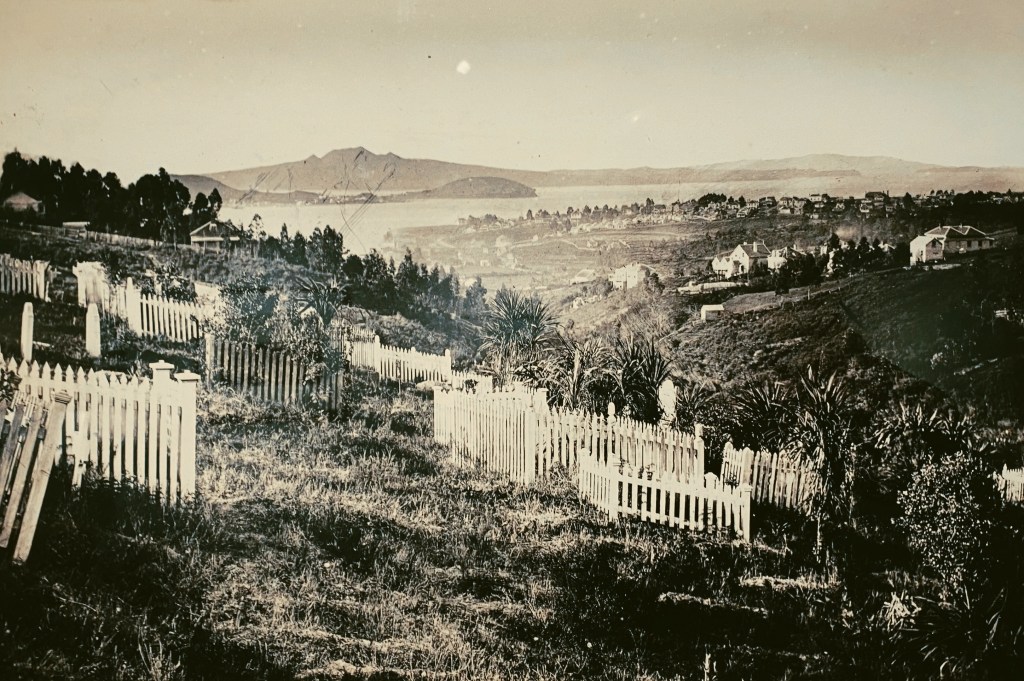
The museum had some old photos of Auckland that we were able to compare with the same spots today.


Sitting next to and below Grafton Bridge is Auckland’s oldest cemetery. Here are photos of it from circa 1868 and today.

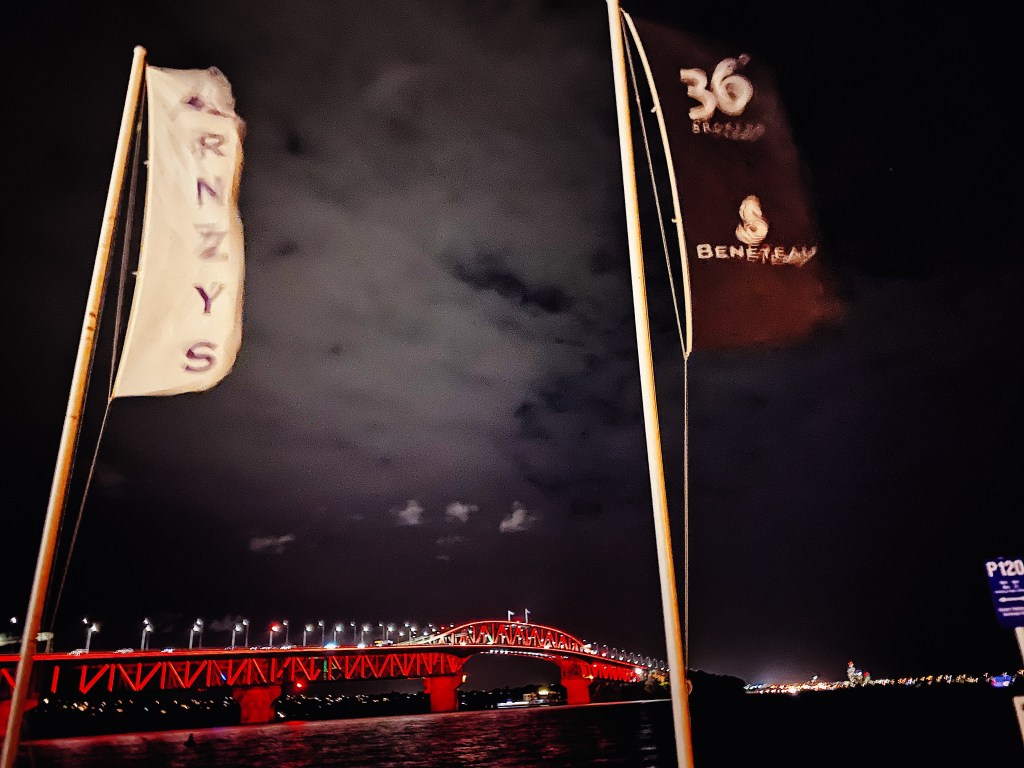
In the evening Mal had dinner at the Royal New Zealand Yacht Squadron with his old school friends Howard and Hamish. The Squadron occupies a prime spot at Westhaven, practically under the Auckland Harbor Bridge. It is the current holder of yachting’s most prestigious trophy, the America’s Cup. We are proud to say that Howard built the cabinet that now holds the Cup.



 Mal and Lauren