February 27, 2021
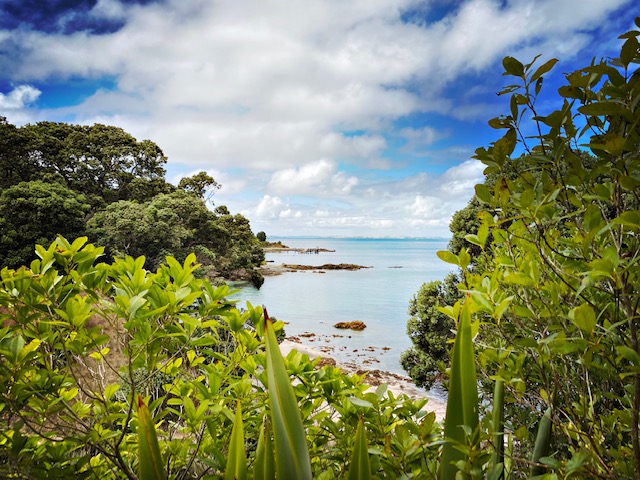
On a perfect sunny day we headed to Tiritiri Matangi joined by our good friend Louise. Tiritiri Matangi (Maori for “tossed by the wind”) is a nature reserve about ninety minutes ferry ride from the center of Auckland. Until the Maori arrived about 700 years ago, the only mammals in New Zealand were bats. The lack of predators meant that many species of native bird evolved without the ability to fly. Unfortunately, the introduction of rats, stoats, cats, possums and other mammals by Maori and Europeans has had a devastating effect on the country’s native birds and many have now become extinct or are endangered. New Zealand has now begun an ambitious campaign to become predator free by 2050. In the meantime, a number of sanctuaries have been established to protect native birds from predators. Many of these sanctuaries, such as Tiritiri Matangi, are on islands that are easier to protect from predators. The island is a great place to visit for a day to see native birds and bush, and to go swimming at one of its beautiful beaches.


We saw many native birds, some of which are quite endangered. Unfortunately, without a telephoto lens it is hard to get a photo of them. Here is a guide with pictures of some of the birds that we saw.
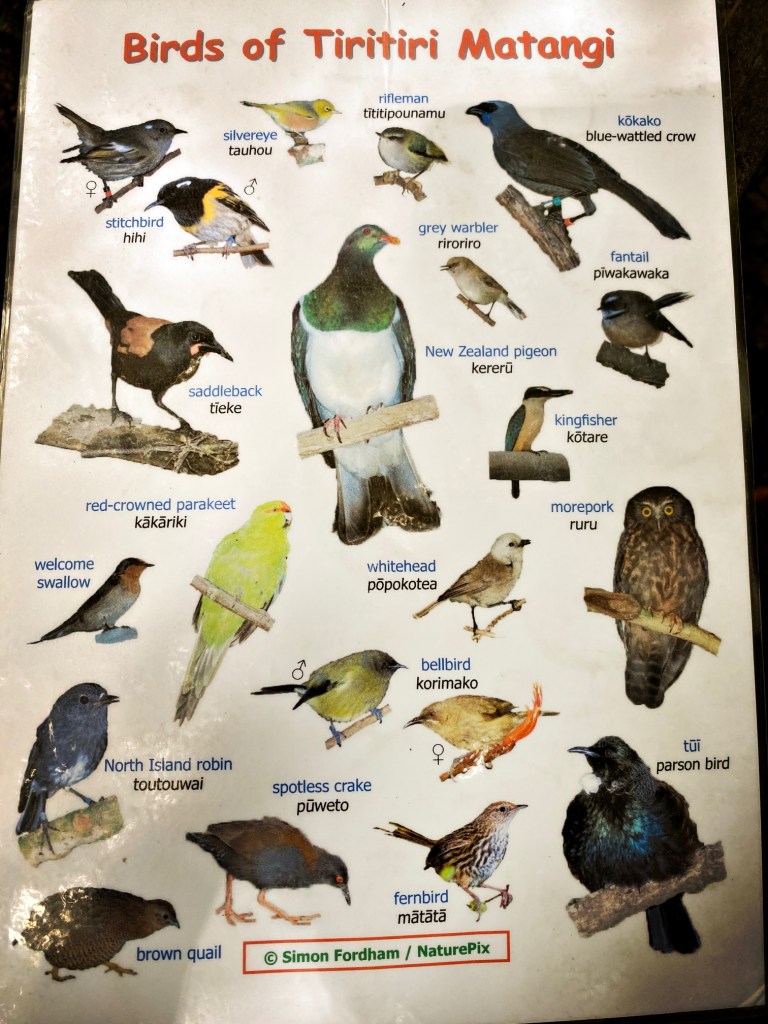
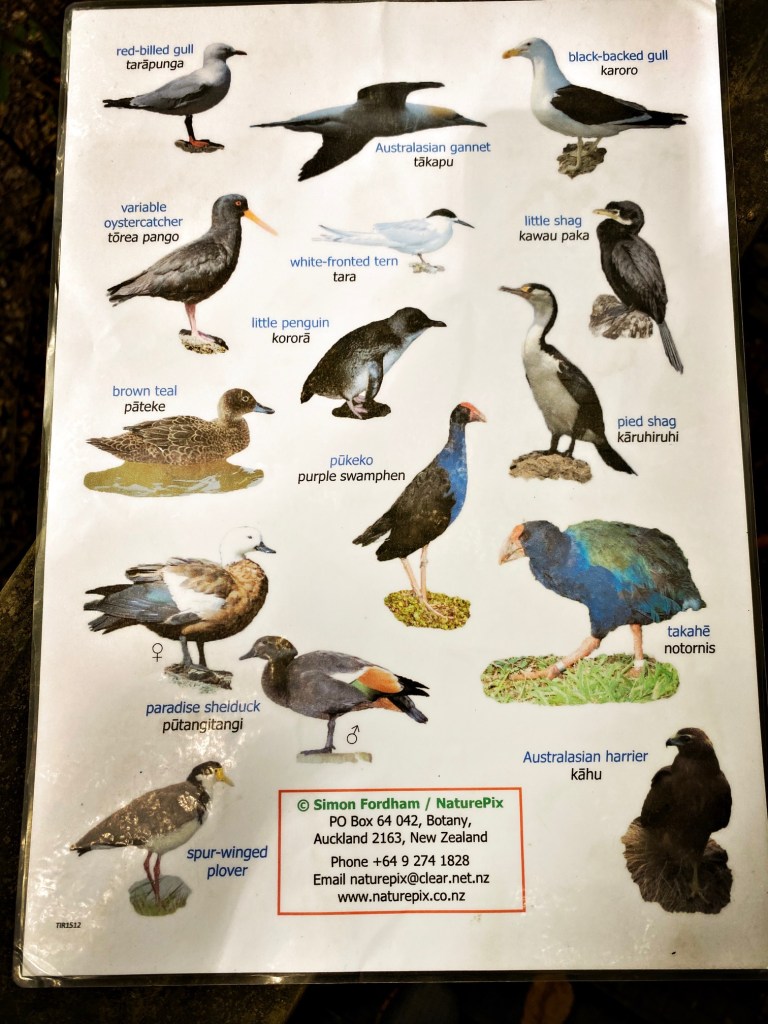
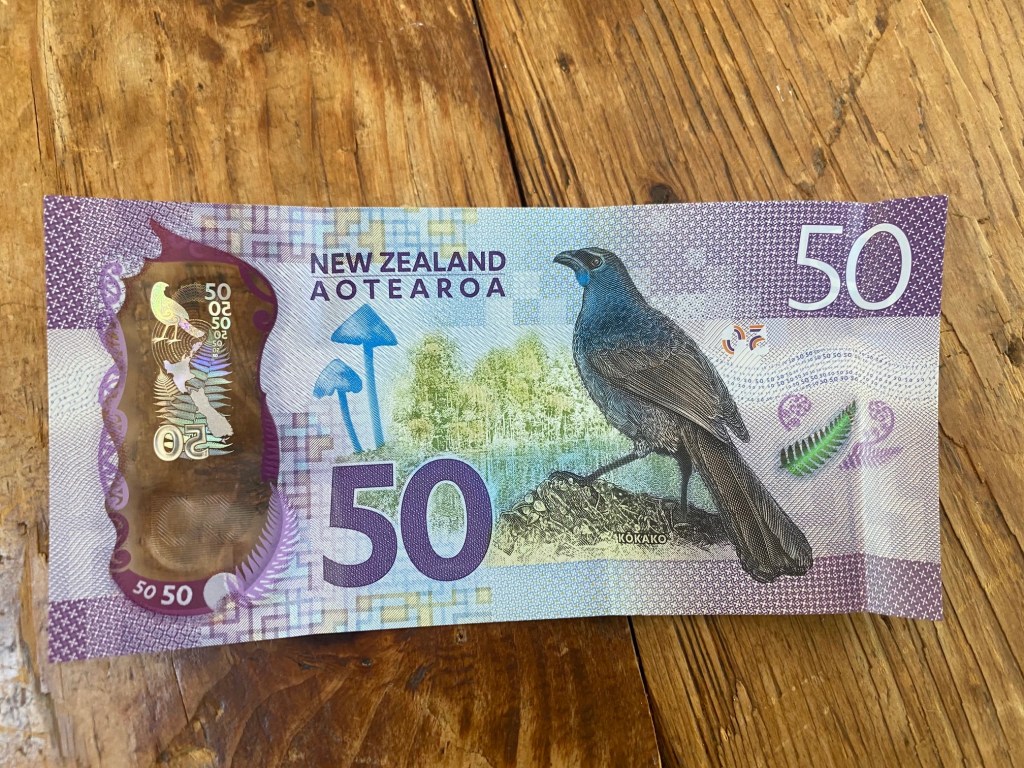
We were particularly excited to see a kokako as they are very rare. If you are in New Zealand and don’t get to see one in person, you can always see its picture on the back of the New Zealand 50 dollar note.
One very rare bird that we did get to see close up was the takahe.
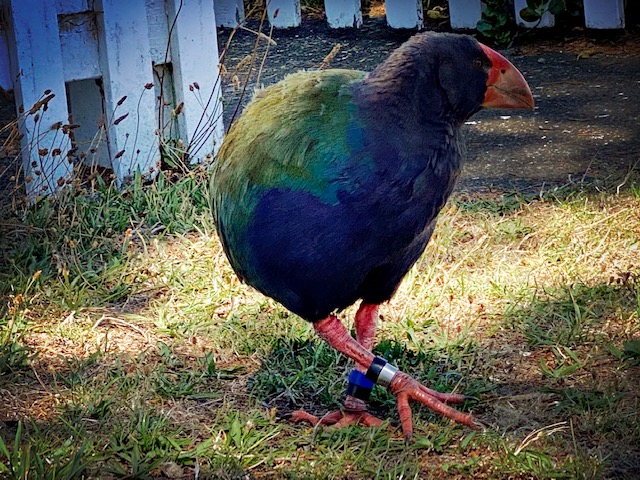

By the end of the 1800s, the takahe was thought to be extinct. However, in 1948 they were dramatically rediscovered in a remote valley in the mountains of the South Island. There are now about 400 in various sanctuaries.
In the 1980s and 1990s, volunteers planted close to 300,000 trees on the island, and there are well maintained tracks, so it is also a great place to see native forest.

One tree that has been on the island for a very very long time is this sprawling ancient pohutukawa tree. It is estimated to be 800-1000 years old.

It is hard to imagine that the giant pohutukawa that we saw started life as one of these tiny seeds.

We saw many beautiful ferns

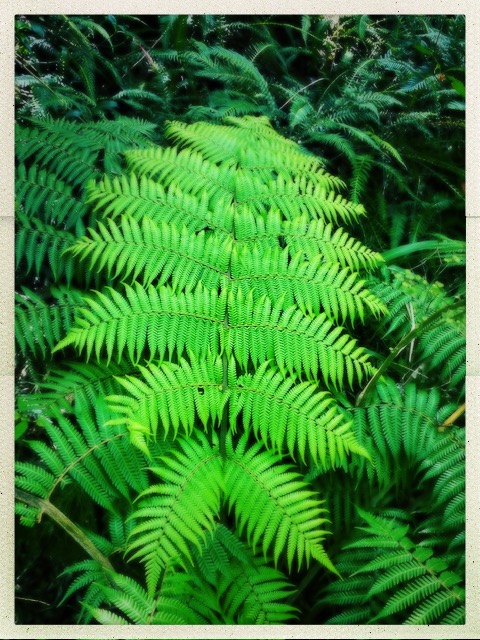
And a variety of other native trees and plants


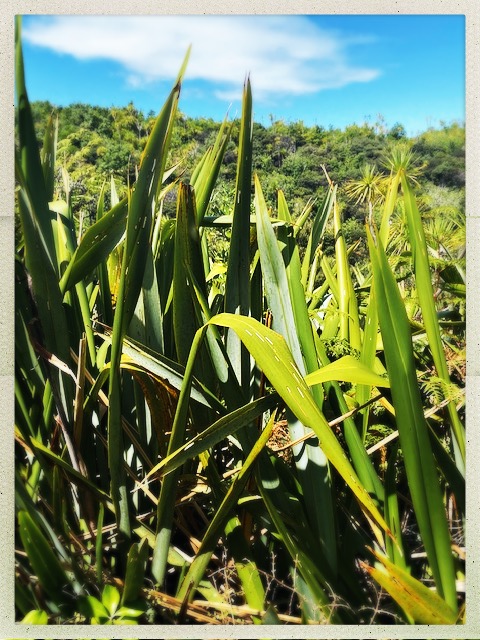

Many of you may have heard of manuka honey which is in demand around the world for its great taste and medicinal qualities. Here is a manuka shrub.

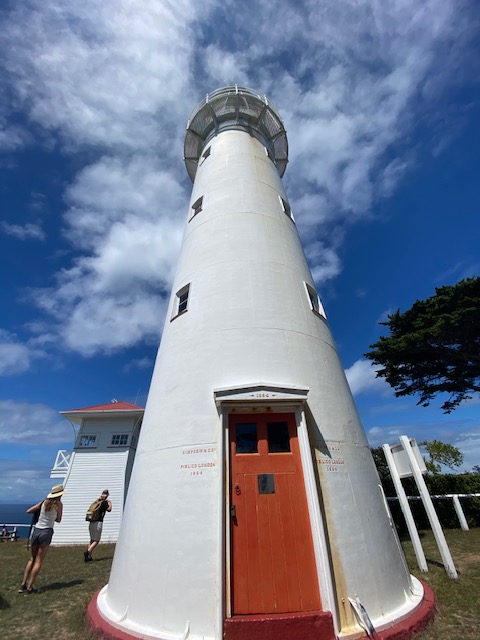
There is also a lighthouse on the island that has been in operation since 1865.

 Mal and Lauren