January 24 – February 4, 2021
Welcome to New Zealand. At the moment, New Zealand is practically Covid-free, so it made sense for us to leave the northern winter and the rampaging virus behind and head to a safer and warmer spot. At the moment New Zealand is only open to its citizens and permanent residents which we fortunately are. All of those returning are required to spend two weeks in isolation at a quarantine hotel. The good news is that the New Zealand government covers all the accommodation and food costs if you are returning for more than three months. The bad news is that you do not get to choose which hotel or even city you will isolate in. So after a 12 hour flight from Los Angeles to Auckland we were shuttled on to a 90 minute flight to Christchurch, despite the fact that Auckland was where we ultimately wanted to be. As it turned out, we were lucky because the Commodore Hotel, which the government had chosen for us proved to be a great place to isolate. It is a relatively small hotel and we were on the second floor. Our room had a sliding door going out onto a small private deck that looked out onto trees and a garden. Our stay would have been much more claustrophobic if we had been isolated in a large hotel on a high floor with no opening windows. The hotel also had a large parking lot where we could walk around. We determined that each lap around the lot was a tenth of a mile so we tried to do twenty laps each day. There was not a lot to see, so we listened to podcasts while we walked, keeping distance from the other guests as we all walked in an anti-clockwise direction around the lot.

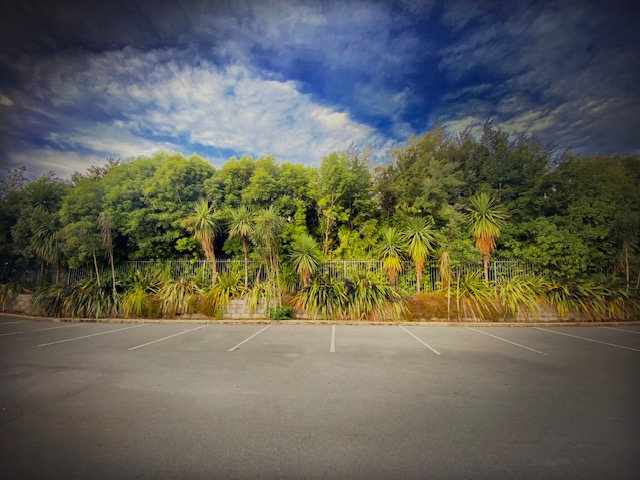

There was some beautiful New Zealand flax lining parts of the lot. New Zealand flax is quite distinct from the Northern Hemisphere variety and has played an important part in the cultural and economic history for both the indigenous Maori and the early European settlers. Maori used flax, which they call harakeke or wharariki, for a variety of uses, including weaving it into baskets, fishing nets and ropes and processing it to make clothing.


Flax was also one of New Zealand’s first exports, being used to make rope, twine, and matting. At its peak in 1916, 32,000 tons of fibre were being processed a year. By 1963 there were only 14 flax mills left, producing less than 5,000 tons of fibre a year and the last of the mills closed in 1985.
Some varieties of the flax are beautifully striped.


 Mal and Lauren